
We all know Henry VIII. Or we think we do.
We’ve seen the burly monarch in Holbein’s portraits with the giant codpiece. We know about the wife-killing. We’ve sung along with the catchy “divorced, beheaded, died” ditty while watching Six.
But there’s more to Henry. He was a tyrant-king, a Renaissance man, a religious reformer, a serial marrier … and, I’d argue, a colossal narcissist.

Of course, absolute power could bring out the worst in anyone. Imagine spending your life being bowed to, flattered, and told you’re God’s gift to England. Hardly a recipe for humility.
But Henry took things to another level. His behavior reads like a narcissist’s greatest hits: grandiosity, blame-shifting, lack of empathy, spectacular self-pity, and volcanic outrage when his ego was bruised.
I can’t clinically diagnose a man who’s been dead for nearly 500 years. But I can examine his behavior. And Henry left plenty of historical evidence.
So let’s put the king on the couch.

Henry VIII: A Narcissist in a Crown?
The Golden Prince: Henry VIII Before the Tyrant
The Young King
Henry was dashing, gorgeous, and charismatic, widely admired as one of Europe’s handsomest princes. He was reportedly 6’2″, athletic, broad-shouldered, with excellent legs, and reddish-gold hair.
Friendly and affable to the nth degree, he was capable of affection, generosity, and lasting loyalty.
The young king also adored pageants, theater, jewels, lavish clothes, and tournaments. There were extravagant expenditures, like the Field of the Cloth of Gold face-off with Francoise I.
So far, nothing unusual. Kings were expected to perform magnificence. Henry could be perfectly psychologically ordinary and still dress like a jeweled sofa.
What pushes me much toward a narcissistic reading is the interpersonal pattern.

Henry’s ruthlessness showed early.
Edmund de la Pole and the Duke of Buckingham were executed for their dangerous Plantagenet pedigrees. Charles Brandon was lucky to keep his head after he secretly married Henry’s sister.
Henry could be charming and generous, yet dangerously vicious when crossed. Narcissists don’t have to be hideous every minute of the day.
Indeed, young Henry was probably delightful company. Provided, of course, you reflected back his glory.
The Narcissist Revealed
As the years passed, Henry’s famous affability dimmed. An angrier, more mercurial king emerged. His personal grudges and political decisions became increasingly entangled, often with lethal results.
Henry condemned people on dubious evidence. Unwanted wives were discarded with the efficiency of a production line. Anyone who disappointed, inconvenienced, or, worse, embarrassed him was living on borrowed time.

The king demanded unconditional devotion but became an increasingly dangerous man to love. Less glorious Tudor monarch, more Renaissance mob boss.
Thomas More understood the danger of getting too close to a king. He compared it to playing with a tame lion. The game might be fun, but one swipe of those claws could be fatal.
So was Henry merely an entitled tyrant or did his behavior reflect something deeper? Let’s put those narcissistic traits under the microscope.
The Narcissistic Traits of Henry VIII
Grandiosity and an Inflated Sense of Self-Importance
Henry believed himself uniquely qualified to rule, make laws, and even decide what England should believe.
Of course, Renaissance kings were raised to believe they ruled by divine authority. So was Henry’s grandiosity really so unusual?
I think so. Henry didn’t merely expect obedience. He insisted he was right, even when challenged by people who knew far more than he did.
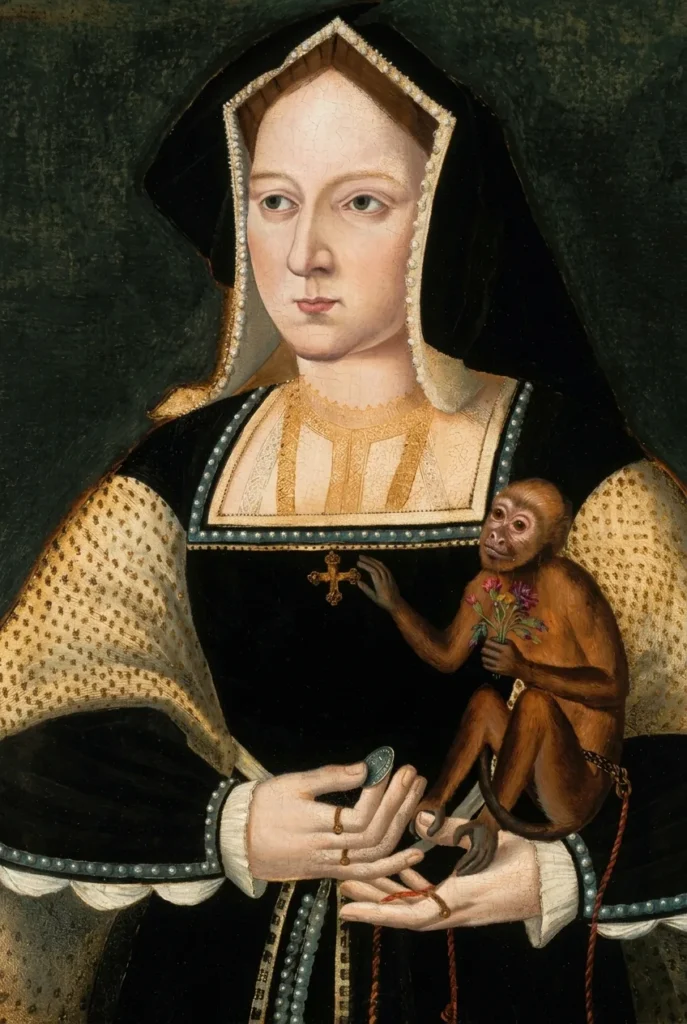
The clearest example is the Great Matter. People tried to dissuade Henry from pursuing an annulment from his first wife Katherine of Aragon.
Cardinal Wolsey, his own counsellors, the pope. He pursued it doggedly anyway. Why?
At bottom, he refused to accept papal authority. Why should a man sitting in Italy tell him what to do in England?

No, that was untenable. Henry was simply more important than the pope. It was a matter of personal pride.
And Henry’s intellectual arrogance didn’t stop with his marriage. By 1534, Henry made himself Supreme Head of the Church of England. He even personally revised religious doctrine for the King’s Book of 1543.
Then, there was the excessive pride in his looks and abilities. No one was more handsome, no one could joust better, no one was more educated. All women must want him.
As he aged, Henry continued to portray himself as a young lion. Perhaps he couldn’t bear to see the aging, corpulent man in the mirror. Complete with an ulcerated leg that sometimes stank.
He relied on royal finery and Holbein’s portraits to project strength and authority. His body was deteriorating. But his magnificent self-image seemingly remained firmly intact.

Narcissistic Injury
Another psychological concept is highly relevant here: narcissistic injury.
It occurs when rejection, humiliation, or a challenge to someone’s self-image provokes disproportionate rage and retaliation.
Henry exhibited that pattern in spades.
Henry didn’t simply destroy people just because they made mistakes. Sometimes their real offense was reminding him of his own failures. They embarrassed him, so he punished them. Sometimes he obliterated them.

A Queen Who Wounded His Pride
Think of Anne Boleyn. Why execute her when he could just annul the marriage and send her packing?
Henry elevated Anne, married her, and overturned England’s religious establishment for her. Then, she failed to produce a son. They quarreled, and she became deeply unpopular. None of this reflected well on Henry.
So he turned on her and destroyed her with Thomas Cromwell’s help. Forget “get thee to a nunnery.” Henry wanted her off the planet.
Ministers who Failed Him
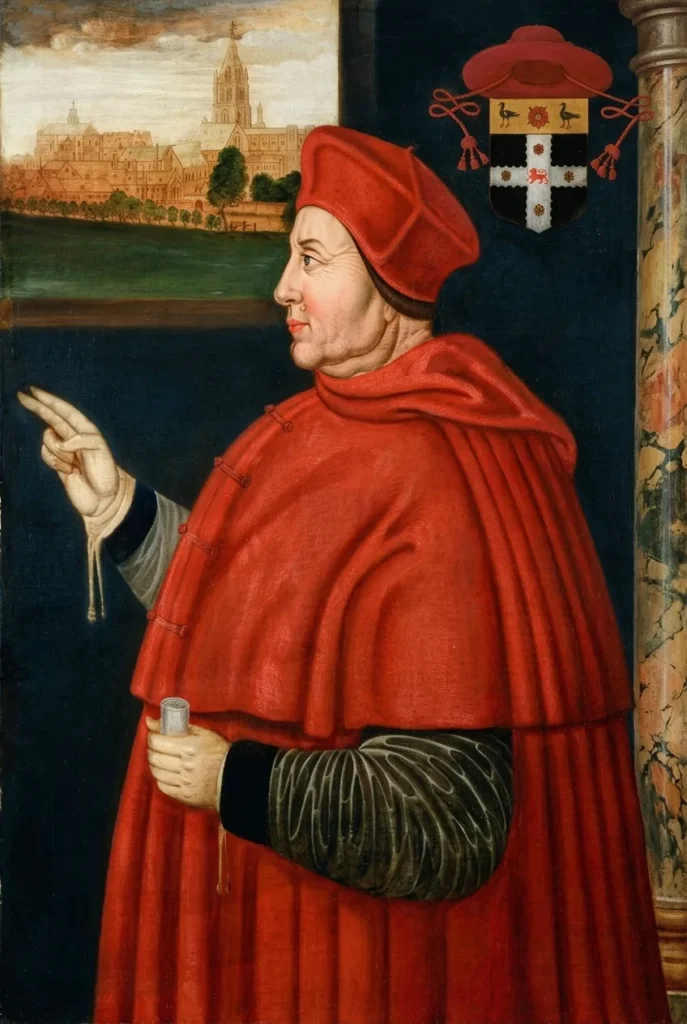
Then there’s Wolsey. He couldn’t secure Henry’s annulment, despite years of negotiations. Worse, he kept assuring Henry that the pope would eventually yield.
The pope never did. Henry wasted years and looked powerless. Who was to blame? Wolsey, naturally.
After nearly 20 years of faithful service, Henry stripped him of his offices and wealth and arrested him for treason.

Thomas More was another disappointment. Henry admired his brilliance and reputation as a humanist. Having such a distinguished scholar at court reflected well on him.
But when More refused the Oath of Succession, Henry demanded submission. He wanted obedience, not a lecture about conscience.
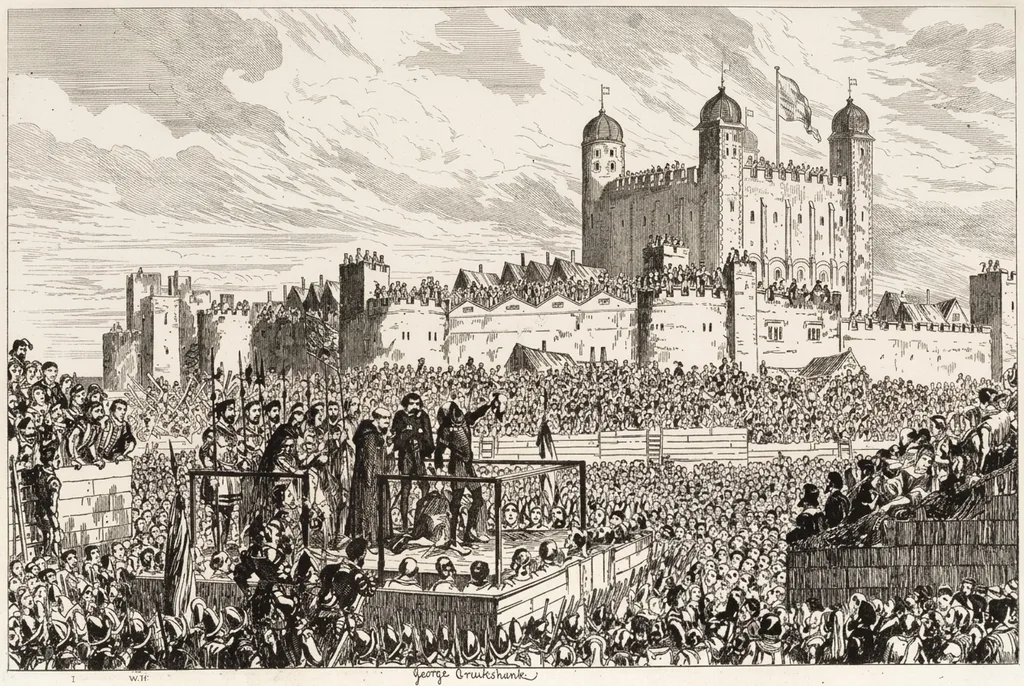
So he tossed More into the Tower of London to think things over. More wouldn’t budge. In 1535, he was convicted of treason and executed on Tower Hill. Henry couldn’t allow a former minister, however celebrated, to get uppity.
The Cleves Fiasco
And what about Thomas Cromwell? He’d helped Henry discard Katherine and Anne, break with Rome, and run his government.
His mistake? Arranging Henry’s fourth marriage to Anne of Cleves.

Henry disliked Anne almost immediately. Worse, the marriage was never consummated. For a king who considered himself irresistible and virile, the whole affair was a bruising humiliation.
Anne accepted an annulment and walked away rich. Cromwell wasn’t so lucky.
Every time Henry looked at his minister, he saw the Cleves fiasco. When Cromwell’s enemies piled on, Henry executed him.
Killing Cromwell didn’t erase Henry’s humiliation. But it gave him a handy scapegoat as a partial balm.
Idealization and Devaluation
Henry also shows the classic narcissistic trait of idealizing and then devaluing a person.
At first, the narcissist puts someone on a pedestal and love-bombs them. The affection is less about genuine connection than feeding their own ego.

But once the bloom is off the rose? Watch out. The “perfect object” becomes the villain. Affection turns to blame, manipulation, and finally, rejection.
Did Henry do these things? Oh yes, especially with women. Henry’s relationships could swing from extraordinary adoration to absolute contempt in dizzying speed.
Let’s look at the wifes. The emotional reversals were extreme.
Katherine of Aragon was his brother Arthur’s beautiful widow. Henry adored her until she failed to produce a son and his lusty eye turned to Anne.
Suddenly, he wanted Katherine gone. When she refused an annulment or retirement to a convent, Henry shuffled her between country residences like a traveling vagabond.
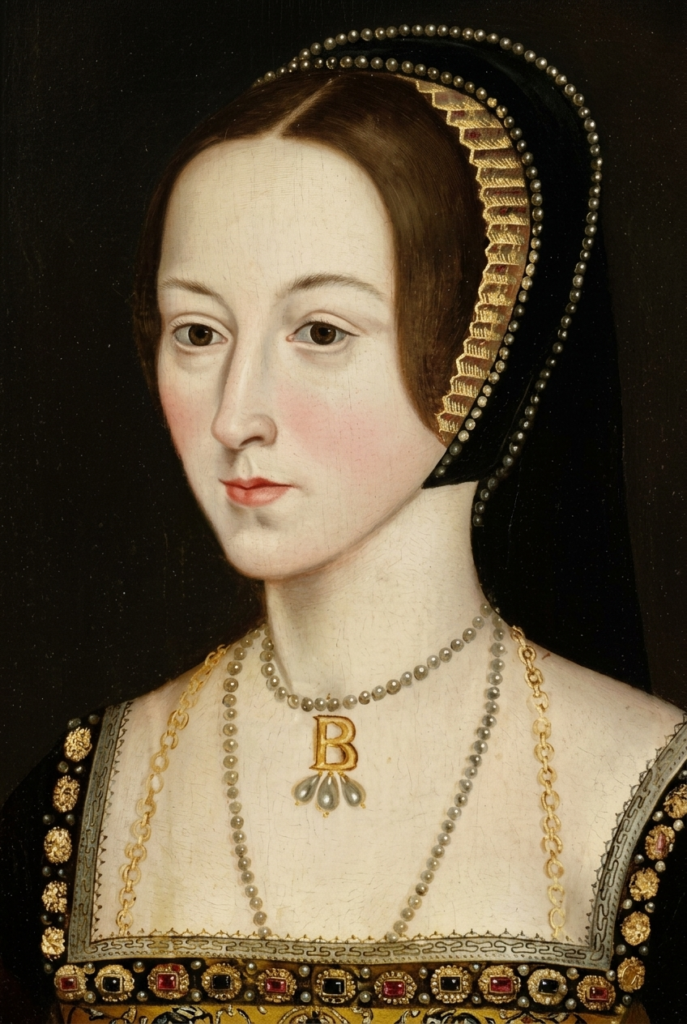
And Anne Boleyn? She was Henry’s greatest romantic obsession.
But when she failed to produce a son? Devalued and sent to die on Tower Green.
And Anne of Cleves, wife #4? She began as the beauty in Holbein’s portrait.
But when Anne offended his enormous ego, she went from fetching to fetid overnight. The marriage was annulled and Anne became his beloved “sister.”
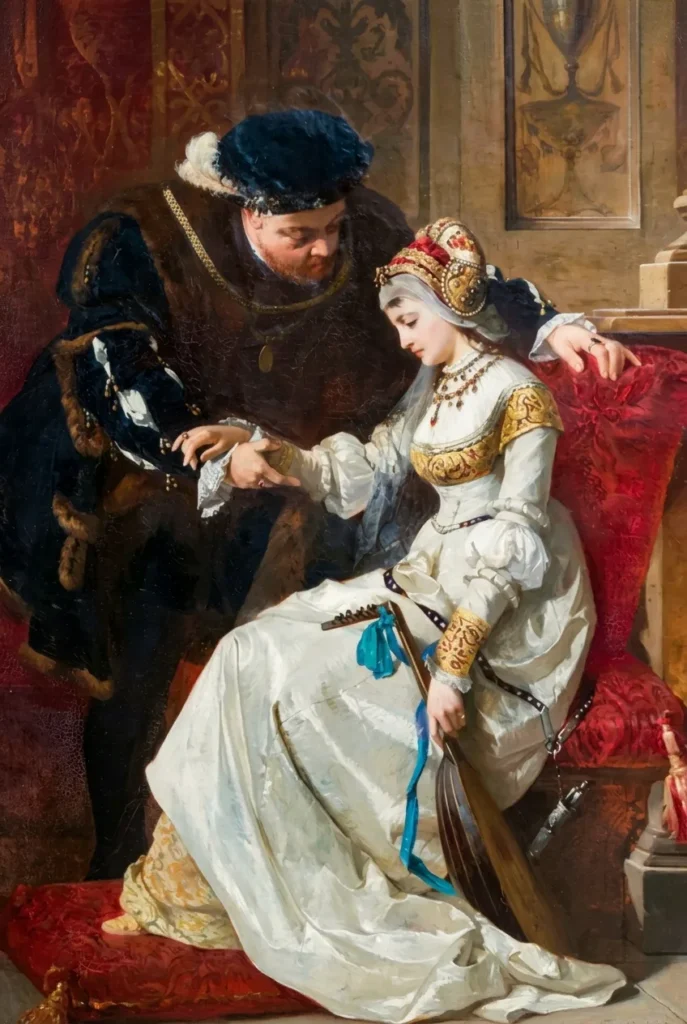
What about wife #5, Catherine Howard? The beautiful young daughter of the duke was lovely and vivacious.
Henry didn’t seem to perceive the mismatch between them. He bragged that she was his “rose without a thorn.”
In reality, she was pretty thorny. She’d been seduced as a youth and was secretly meeting with courtier Thomas Culpepper right under his nose. Overnight, she went from virginal beauty to deceitful trollop, and it was off with her head.
Lack of Empathy
A lack of emotional empathy is often associated with narcissism too. Other people’s suffering can become irrelevant when it conflicts with the narcissist’s own desires.
Did Henry lack empathy? Decidedly.
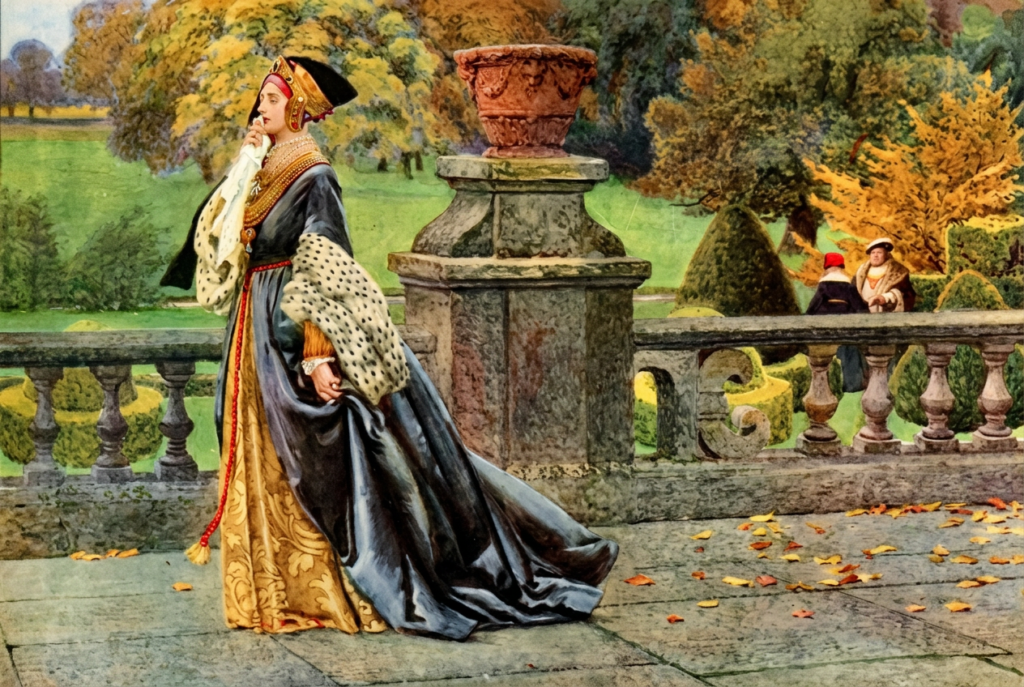
Even beyond his cruel political decisions, Henry showed startling indifference to the emotional consequences of his actions. Other people’s pain rarely seemed to matter when he wanted something.
Consider his treatment of Katherine of Aragon. When she refused an annulment, Henry separated her from their daughter Mary. He forbade them from seeing each other and declared Mary illegitimate.
Even as Katherine’s health deteriorated, he wouldn’t relent. The poor woman died without ever seeing her daughter again. That’s cold.
And Mary herself? Henry pressured his own daughter into acknowledging that her parents’ marriage was invalid. She also had to accept his religious supremacy even though she was a Catholic.

Imagine forcing your daughter to declare herself illegitimate just to satisfy your royal ego. Father of the year, he was not.
Or take Anne. Henry had Cromwell assassinate her character to get rid of her. When she was stashed in the Tower, dazed and confused, he refused to see her.
And the entire time, he was pursuing Jane. The day after Anne’s execution, they were betrothed. What a lovely couple.
Whatever Henry believed about Anne’s guilt, his eagerness to remarry while she faced execution is chilling.
And what about the dissolution of the monasteries? Did Henry care about the consequences? No.

Henry shut them down, looted their treasures, and confiscated their lands. Thousands of monks and nuns lost their homes and communities. The destruction left many poor and vulnerable people without support.
Henry got the land and the riches. Everyone else could sort out the wreckage.
Exploitation: People as Instruments
Narcissists also exploit people as instruments or extensions of themselves. They have a transactional view of relationships.
Part of it’s a need for control. Part of it’s a need for narcissistic supply. They might use people as allies, scapegoats, or emotional laborers.
Henry? A master of exploitation. Wolsey and Cromwell are perfect case studies.
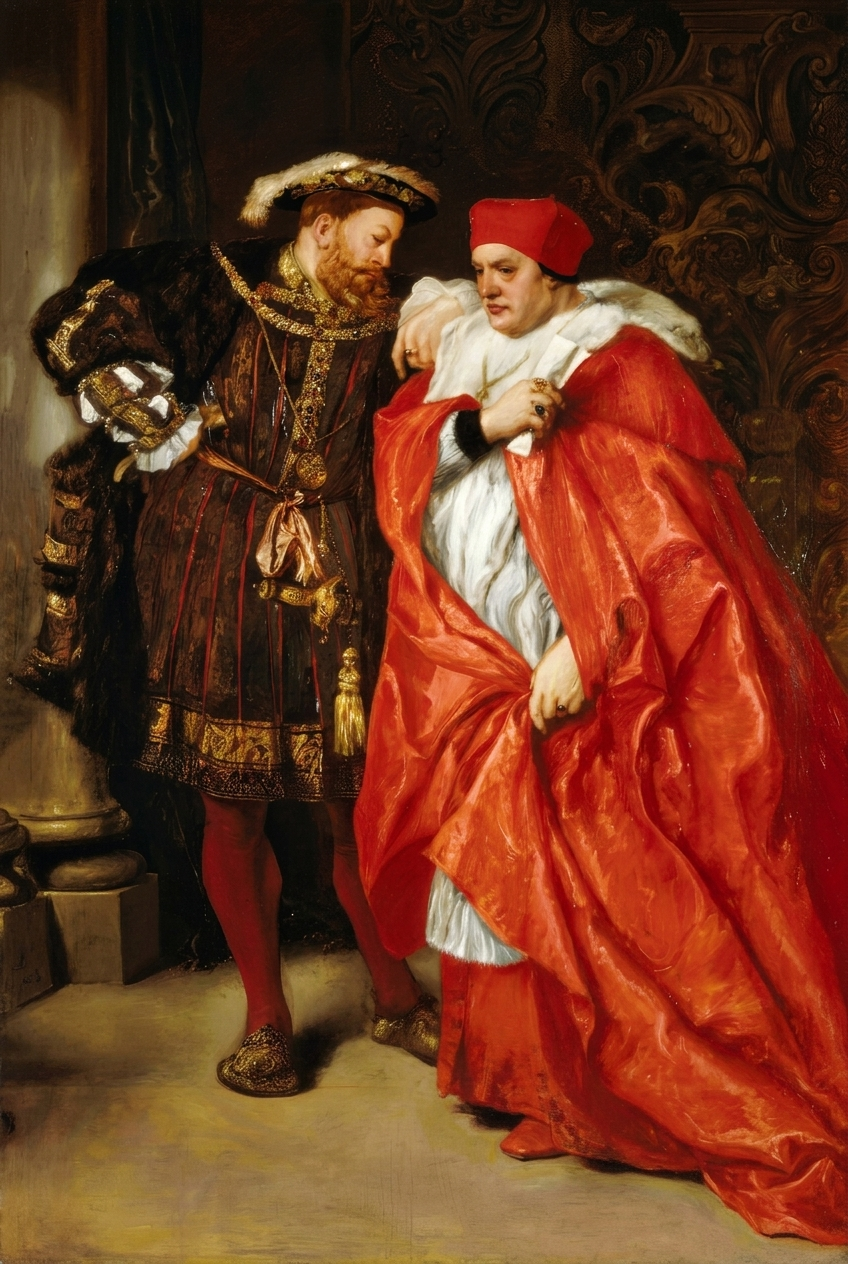
Henry depended on the intelligence, political skills, and willingness of his ministers to do his dirty work. He rewarded them extravagantly while they were useful.
But when they failed, years of faithful service offered little or no protection. Wolsey was disgraced and arrested for treason. Cromwell went straight to the chopping block without a trial.
Henry valued these men chiefly for what they could accomplish for him. Loyalty was expected, but apparently only went in one direction.
The women in his life weren’t much better off. His wives were expected to serve as royal broodmares.
Yes, Henry loved or admired some of them for a time. But when they failed to deliver the goods, the transaction was over. Case closed. Off to the chopping block or somewhere he couldn’t see them.
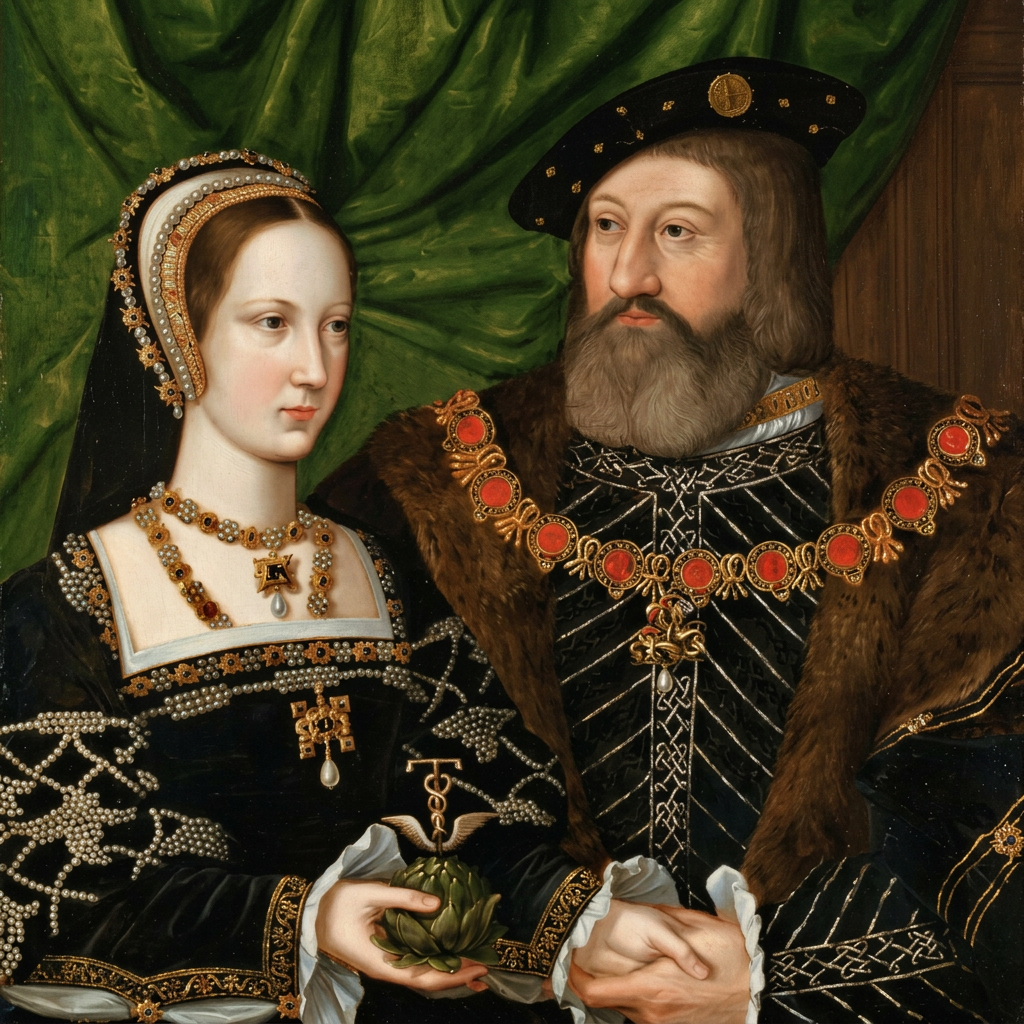
Even his own sister wasn’t exempt. At 18, Mary Tudor was married off to the 52 year old Louis XII of France to secure a diplomatic alliance. A useful transaction for England. Less delightful for Mary.
Royal marriages were political arrangements, of course. But Henry’s habit of treating people according to their usefulness went well beyond ordinary dynastic politics.
In Henry’s world, affection and favor came with conditions. And he reserved the right to change those conditions whenever he pleased.
The Need for Admiration and Flattery
Narcissists need admiration and flattery like they need air. Beneath their grandiosity often lies fragile self-esteem. They rely on external validation to feel important and valued.
Was this the case with Henry? Certainly, he loved being admired.
Henry was born the spare, while his brother Arthur was groomed for kingship. Did that leave him with something to prove when he inherited the throne? Perhaps.
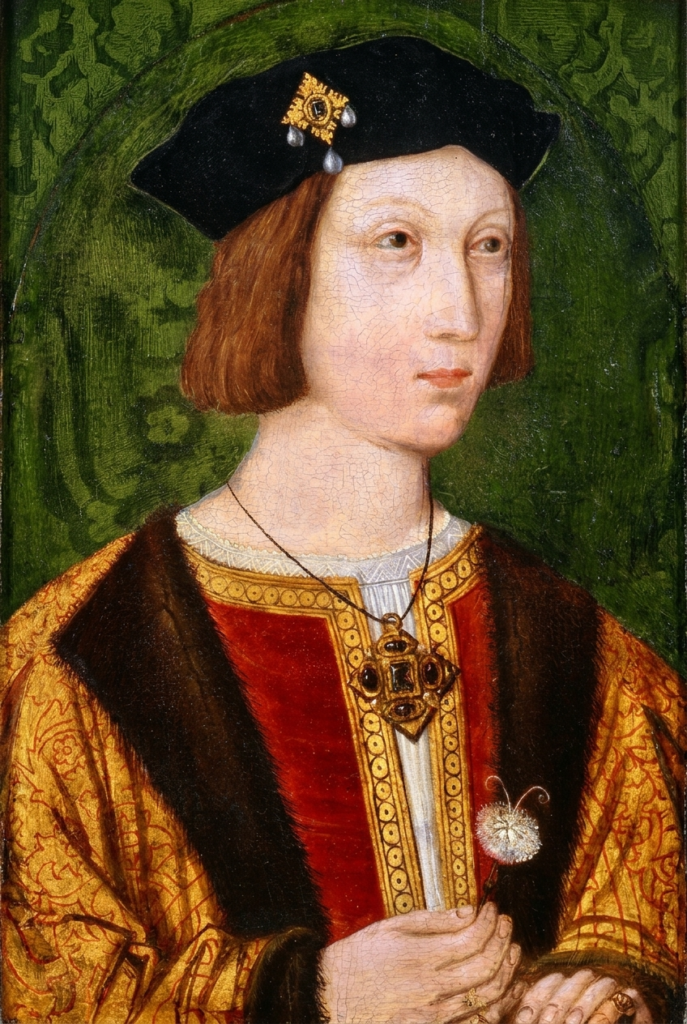
Kings were routinely flattered, of course. It was part of the courtly game. But Henry wanted more than the usual bowing and scraping.
He wanted to be revered as a scholar, theologian, athlete, lover, warrior, and magnificent monarch. There was no pantheon of gods. Only Henry.
And he surrounded himself with courtiers who knew how to feed that enormous ego.
Wolsey was a master of the game. He ran much of the government but made sure Henry got the credit. The king enjoyed the glory while Wolsey did the heavy lifting.
Cromwell followed his mentor’s example. He praised Henry’s judgment, deferred to his wishes, and turned royal commands into policy. Flattery was simply part of the job.

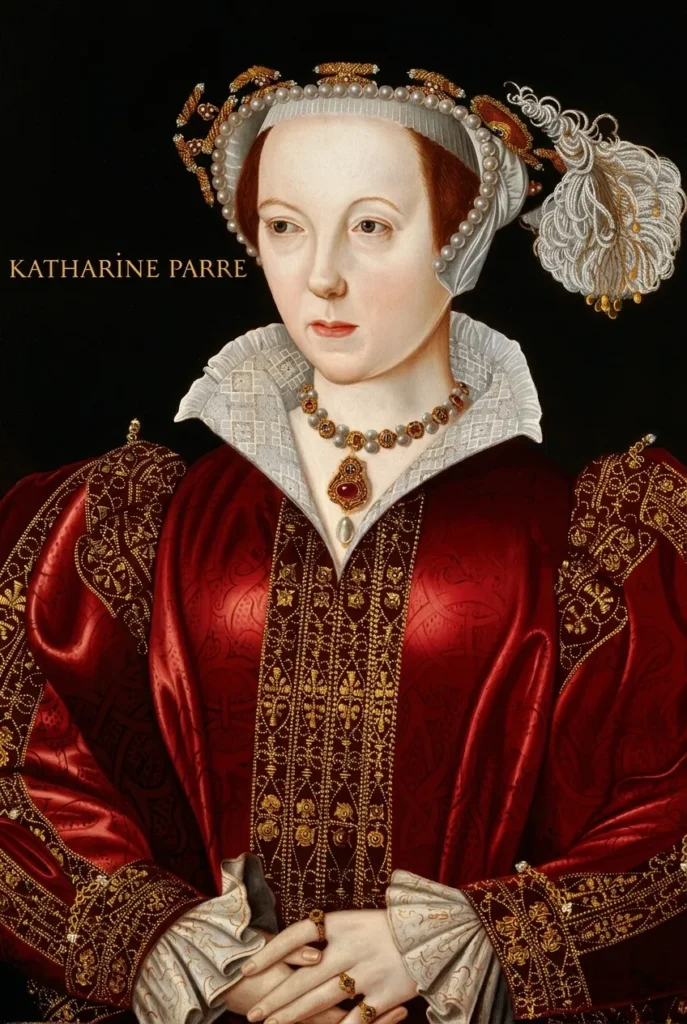
But perhaps the best example is Catherine Parr, Henry’s sixth and last wife. The one who survived.
Catherine favored religious reform, which made Henry’s conservative advisers suspicious. In 1546, they convinced him she was becoming dangerously outspoken. An arrest warrant was prepared.
Fortunately, Catherine learned of the plot and turned to flattery. She assured Henry that she only debated religion to learn from his superior wisdom and distract him from his painful leg.
Henry swallowed it whole. The next day, when the Lord Chancellor arrived with guards to arrest her, Henry angrily sent him packing.
The royal ego had received its tribute. Disaster averted.
Blame-Shifting and Projection
Narcissists hate taking the blame. They prefer to shift responsibility for their mistakes onto others. Sometimes they go a step further, accusing people of the very faults they refuse to recognize in themselves. That’s projection.
Henry was a master of both. He was never wrong. It was always someone else’s fault. The examples are legion.
Katherine was responsible for their failed marriage. She couldn’t produce the requisite son. She was even a biblical blight, which conveniently explained why God had denied them a male heir.
Wolsey failed to secure the annulment from Katherine. He wasted years of Henry’s life. What kind of cardinal and lord chancellor couldn’t manage one obstinate pope sitting in Rome?
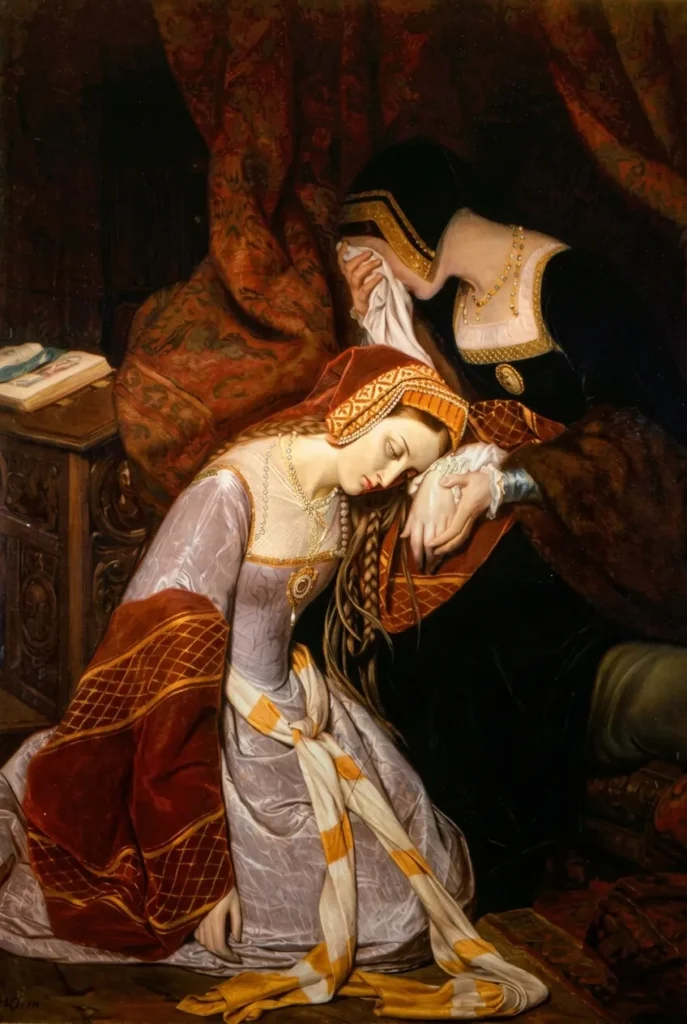
Likewise, Anne Boleyn had supposedly bewitched Henry into marrying her. She then failed to produce a son. To underscore her villainy, he smeared her with accusations of adultery, incest, and treason.
The irony? Henry was hardly a model of marital fidelity himself. Yet Anne was the adulteress, and Henry was the innocent victim. A rather spectacular example of projection.
His ministers got much the same treatment. Henry accused loyal servants of betrayal while showing precious little loyalty himself. Apparently, it was a one-way street.
Then there was Cromwell. He arranged Henry’s disastrous marriage to Anne of Cleves.
How to spin this one? Blame Anne. She was too ugly. Blame Cromwell. She was his choice.
Poor Henry. How he’d been let down by these bumbling idiots and deceitful women!
But the most revealing episode came after Cromwell’s execution in 1540.
Henry reportedly regretted killing his minister. Did he accept responsibility? Of course not. He blamed his councillors for misleading him with false accusations against his “most faithful servant.”
Never mind that Henry had ordered the execution himself.

Rewriting History
Narcissists have slippery memories. They love rewriting the past to avoid responsibility, shift blame, and make themselves look like the innocent party.
Henry was no different. Yesterday’s love become today’s villain. And Henry, naturally, was always the injured party.
Look at these transformations:
- Katherine of Aragon: beloved queen to cursed, sonless wife
- Anne Boleyn: romantic obsession to adulteress and witch
- Anne of Cleves: Holbein beauty to repulsive bride
- Catherine Howard: adored young queen to deceitful trollop
- Wolsey: indispensable minister to disloyal servant
- More: brilliant statesman to obstinate traitor
- Cromwell: master fixer to bungling matchmaker
These convenient rewrites kept the Good King Henry narrative alive.
And sometimes Henry took things quite literally. After Anne Boleyn’s execution, he scrubbed her initials and heraldic badges at Hampton Court Palace. They were replaced with Jane Seymour’s symbols.
He wasn’t content to rewrite the story. He rewrote the decor.

Was Henry VIII Always Like This?
Did Henry change or was he always this way?
The young Henry was a charmer. He seemed capable of genuine affection and lasting loyalty. Still rather wrapped up in himself, but more restrained.
With age, his narcissistic traits grew more pronounced. There wasn’t one morning when Henry woke up, looked in the mirror, and decided to become an insufferable tyrant. Though 1536, his annus horribilis, certainly helped things along.
Gradually, disappointments, illness, and bruised pride stripped away his charm. In its place came an increasingly suspicious, controlling, and vengeful bully.
Consider his relationships. Early on, they survived disagreements and setbacks. But as Henry aged, his patience wore thin and his favorites acquired shorter expiration dates.
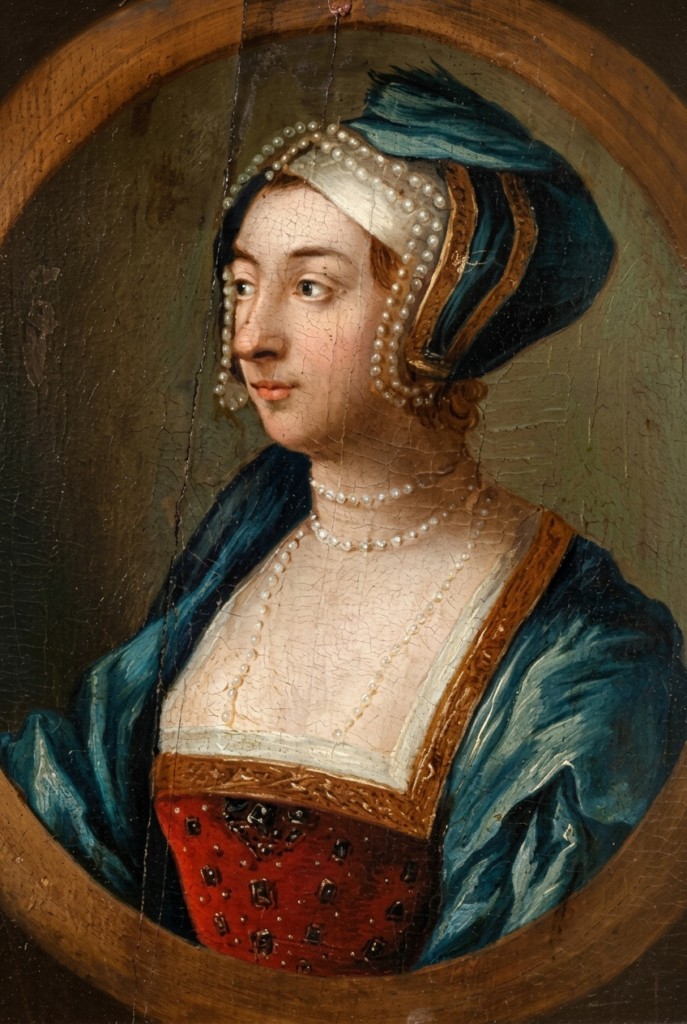
He was married to Katherine of Aragon for 24 years, Anne Boleyn for 3, and Anne of Cleves for six months. Wolsey enjoyed 20 years of royal favor. Cromwell lasted 8 years at the top.
Katherine of Aragon’s annulment dragged on for years. By 1546, out of the blue, Catherine Parr nearly found herself under arrest for arguing religion with her husband. The margin for error became alarmingly small.
So what happened? Aging certainly didn’t help.
Early in his reign, Henry had seemingly limitless possibilities. Perhaps he could tolerate other people’s imperfections because he still felt so secure in his own magnificence.
But his body deteriorated, his marriages failed, and his dynastic anxieties persisted. His expectations repeatedly collided with reality. And Henry was never particularly fond of reality when it disappointed him.
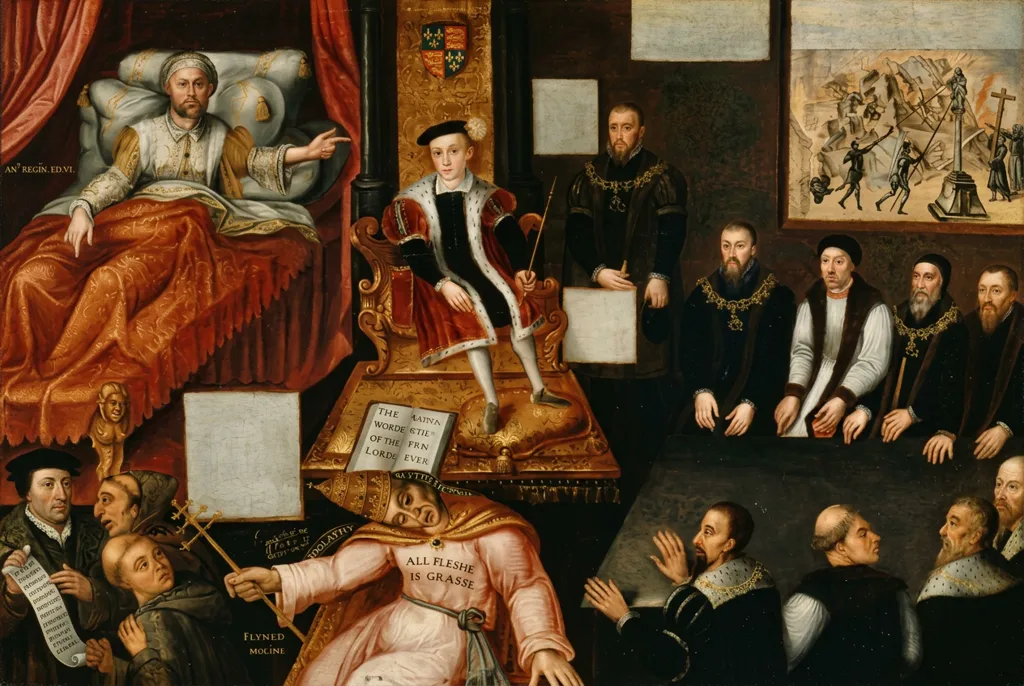
Increasingly, he seemed to need other people to prop up his preferred image of himself. When they failed, they became intolerable reminders of his shortcomings.
The young Henry wanted to be admired. The older Henry increasingly demanded it. And disappointing him could become a capital offense.
The Verdict: A Narcissist on the Throne
To my mind, Henry fits the narcissistic pattern to a tee. He ticks nearly every box, and practically invents a few of his own.
But there was one rather terrifying difference between Henry and the garden variety narcissist.
Most narcissists have to settle for character assassination. Henry had an actual executioner.
I hope you’ve enjoyed my analysis of Henry VIII. You may find these other English histories interesting:
- Royal Whodunits
- English myths
- History of Medieval and Tudor England
- Tudor queens of England
- Power Women of Medieval & Tudor England
- Historical Mistresses and Favorites
- Wives of Henry VIII
- Worst kings of England
- Anglo-Saxon kings of England
Pin it for later.

