Defy or disappoint a Tudor monarch? That was a recipe for disaster.
The Tower of London was the Tudors’ favorite place to stash high-profile prisoners, and many of them had once stood remarkably close to the throne.
Queens, ministers, nobles, bishops, royal relatives. People who had enjoyed enormous wealth, influence, and royal favor before everything went spectacularly wrong.
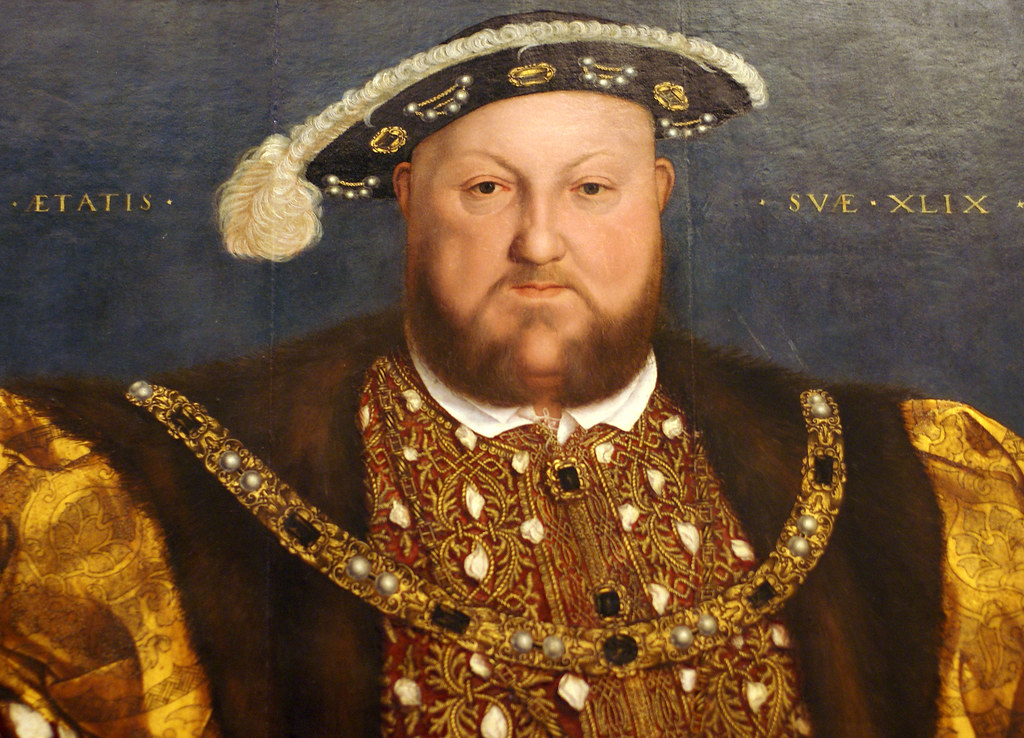
Because Tudor favor was a dangerously unstable thing. You could go from queen to condemned traitor in a matter of weeks.
You could help Henry VIII engineer someone else’s downfall, then discover that you were next. Being indispensable didn’t guarantee of survival.
In this guide, I’ll look at the perils of getting too close to Tudor power. You’ll discover the Tower’s most famous prisoners, why they ended up behind its walls, and what happened to them afterward.
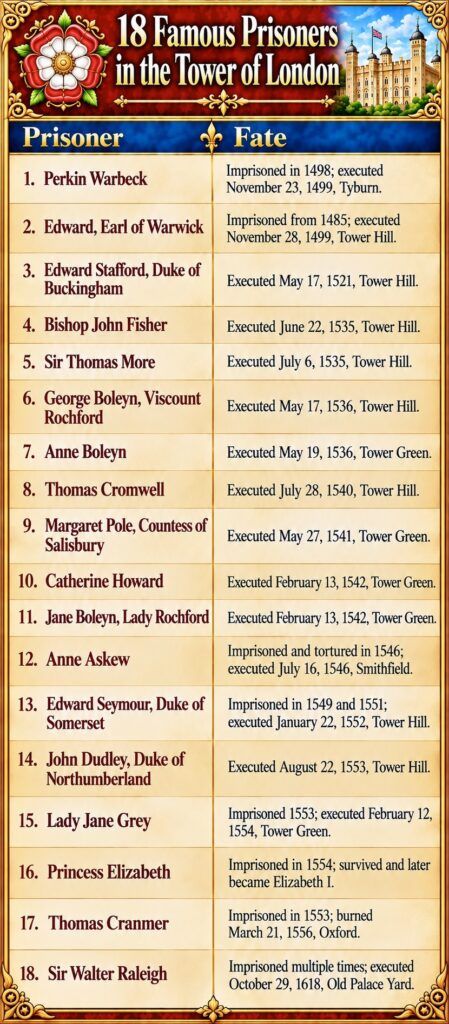
Famous Prisoners and Executions at the Tower of London
Mini History of the Tower
The Tower of London wasn’t always a slaughterhouse, though Henry VIII certainly gave it that reputation.
Built by William the Conqueror in the 11th century, the Tower was originally a fortress and an imposing symbol of Norman power. Over the centuries, it served as a royal palace, treasury, mint, armory, military storehouse, public records office, and home to the Crown Jewels. You name it.
But, when the Tudors arrived, the Tower became England’s most notorious state prison.
It wasn’t an ordinary prison for common criminals. This was where cranky monarchs deposited the rich troublemakers: political enemies, troublesome aristocrats, religious dissenters, and inconvenient relatives.
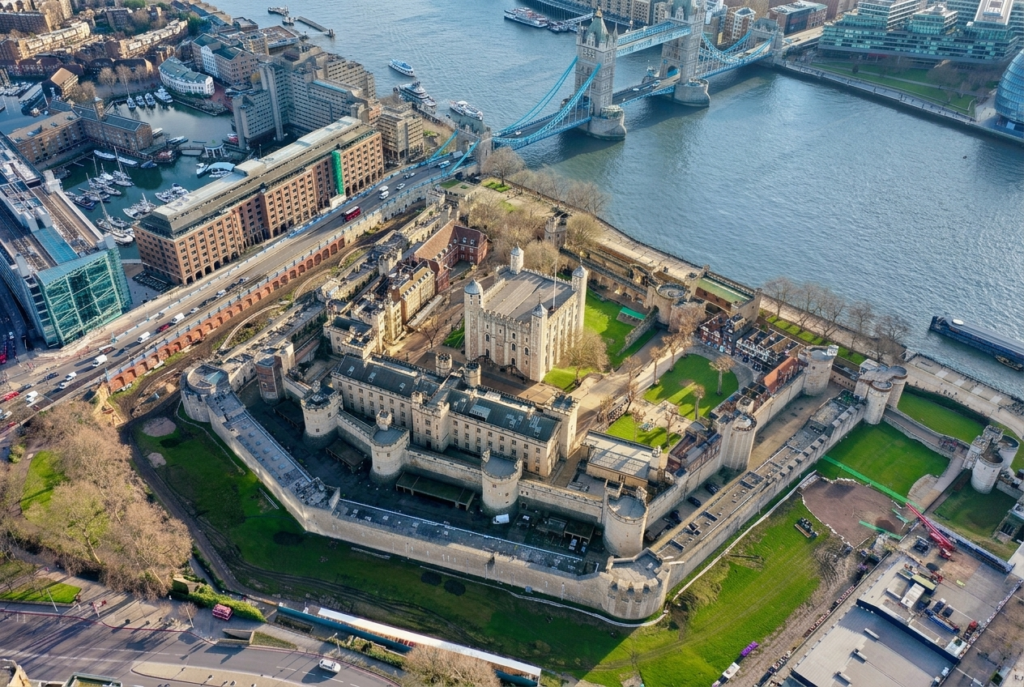
Their accommodations varied enormously. Some lived in relative luxury, complete with servants and decent furnishings.
Others weren’t nearly so fortunate. And, of course, some never left alive.
Most executions took place on Tower Hill, just outside the fortress walls. They were public spectacles, designed to show exactly what happened to people who crossed the crown.
Execution inside the Tower, on Tower Green, was a rare privilege generally reserved for royalty or particularly sensitive political prisoners. They were spared the gawking crowds, if not the executioner.
Here are some of the Tower’s most famous prisoners, and the rather different fates that awaited them.
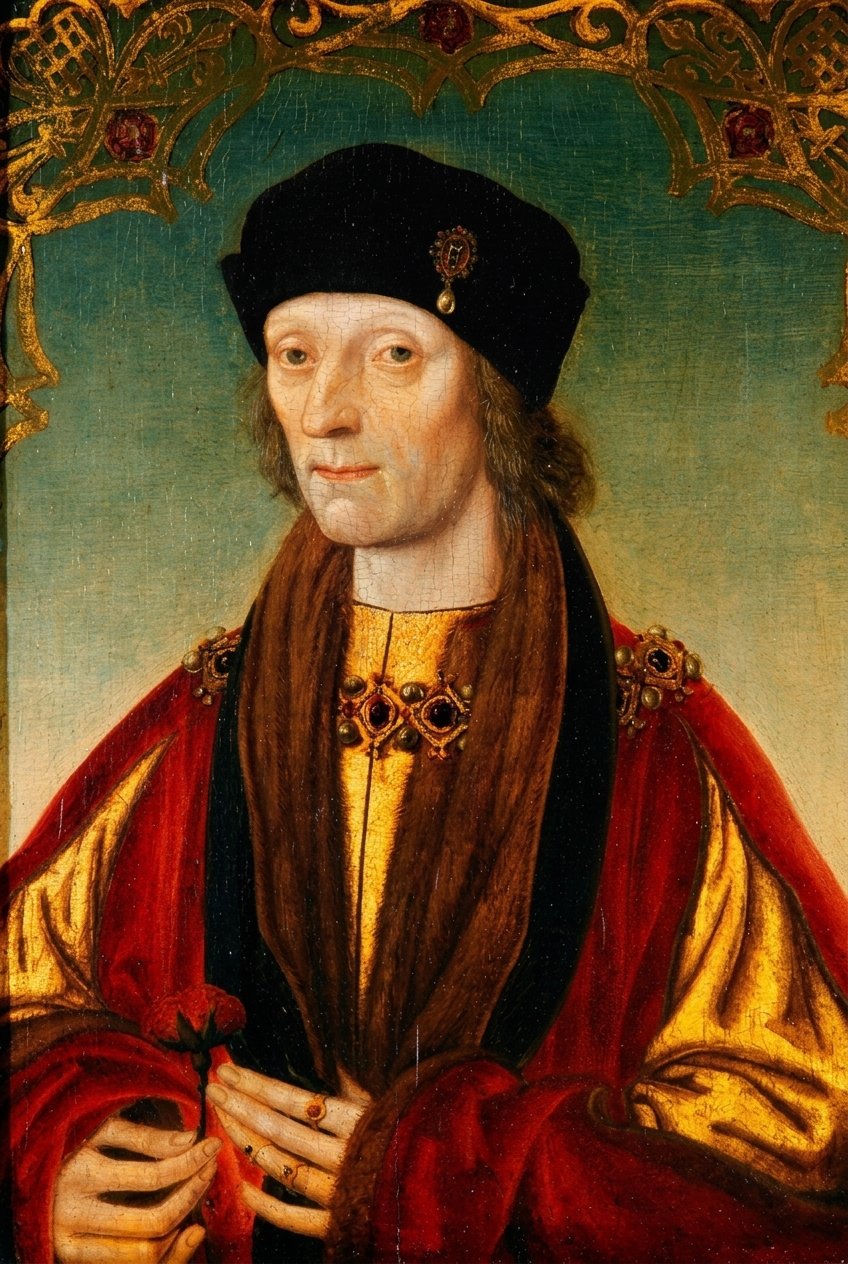
Perkin Warbeck, the Pretender
Henry VII was the first Tudor king to use the tower as a prison cell. His fledgling dynasty was on shaky ground.
He seized the throne after defeating Richard III at the Battle of Bosworth in 1485 and spent his reign fending off Yorkist claimants.
One of the most troublesome was Perkin Warbeck.
Warbeck appeared in Europe in 1491, claiming to be Richard, Duke of York, the younger of the missing Princes in the Tower. If this was true, Henry had a serious problem on his hands.
Warbeck had powerful supporters, including Margaret of Burgundy, the sister of Edward IV and Richard III. She publicly recognized him as her nephew, and James IV of Scotland also backed his cause.

With foreign support, Warbeck made several attempts to invade England. It cost the king a pretty penny in troops, diplomacy, and military preparations to contain the threat.
Yet when Warbeck finally surrendered, Henry didn’t execute him. Instead, he kept him under guard at court, a surprisingly lenient move. Perhaps he feared turning the supposed lost prince into a Yorkist martyr.
But Warbeck pushed his luck. After an escape attempt in 1498, Henry shipped him off to the Tower. There, he allegedly plotted another escape, this time with Edward Plantagenet, Earl of Warwick.
Whether the conspiracy was genuine or conveniently manufactured remains disputed. Henry had Warbeck hanged at Tyburn on November 23, 1499.
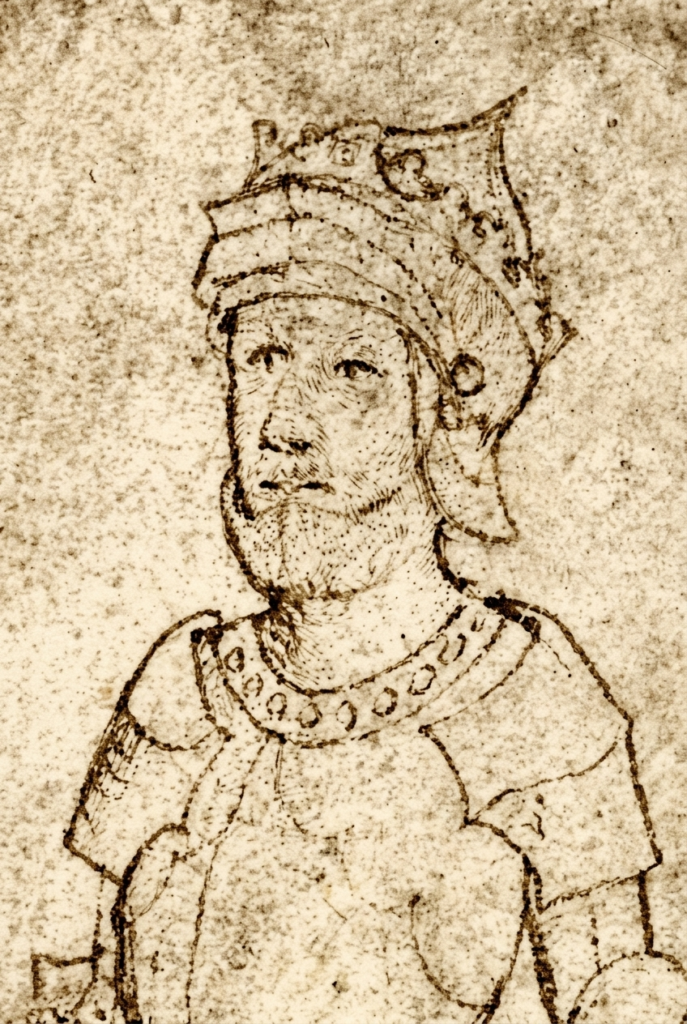
Edward, Earl of Warwick
Five days later, it was Edward’s turn.
The Earl of Warwick was one of the last surviving male heirs of the Plantagenet dynasty. His great misfortune was having royal blood in his veins. Wrong family, wrong century.
Edward was just 10 when Henry VII seized the throne in 1485. Henry promptly locked the Yorkist boy in the Tower, where he spent the next 14 years. No normal childhood, little education, and almost no contact with the outside world.
Then came the alleged escape plot involving Perkin Warbeck. Edward was convicted of treason and beheaded on Tower Hill on November 28, 1499. He was just 24.
Was his execution really necessary? Hardly. But Henry wasn’t a man who enjoyed taking chances, especially with rival claimants to his throne.
Henry was also negotiating his son Arthur’s marriage to Katherine of Aragon. Her Spanish parents wanted any Yorkist threat eliminated. Whether they actually pushed for Edward’s execution is disputed, but his death certainly suited Henry’s purposes.
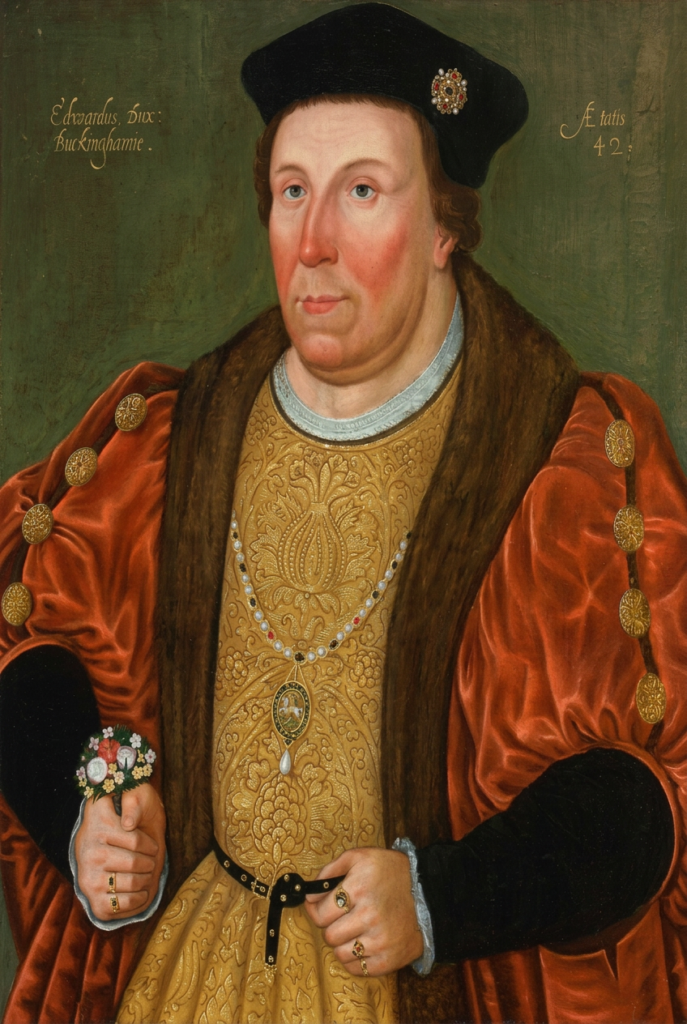
Edward Stafford, Duke of Buckingham
Now, we move on to Henry VIII’s son, Henry VIII. His first aristocratic victim was Edward Stafford, 3rd Duke of Buckingham.
His downfall in 1521 was an early warning sign that a grand title wouldn’t save you once Henry decided you were a threat.
Buckingham had everything a Tudor king might find unnerving. He was fabulously wealthy, a high ranking noblemen, and descended from Edward III. If the Tudor dynasty ran into trouble, he was exactly the sort of man the opposition would rally around.
Henry worried he might be plotting a rebellion. His advisor Cardinal Wolsey whispered poison in his ear.
What had Buckingham done? Not much. He speculated about taking the throne if Henry died without an heir. He’d heard prophecies to that effect.
Foolish talk? Certainly. Evidence of an organized coup? Hardly. But Henry wasn’t inclined to give him the benefit of the doubt.
The duke was arrested in April 1521 and hauled off to the Tower. He was unanimously convicted him of treason. On May 17, beheaded on Tower Hill.
Henry was only getting started.
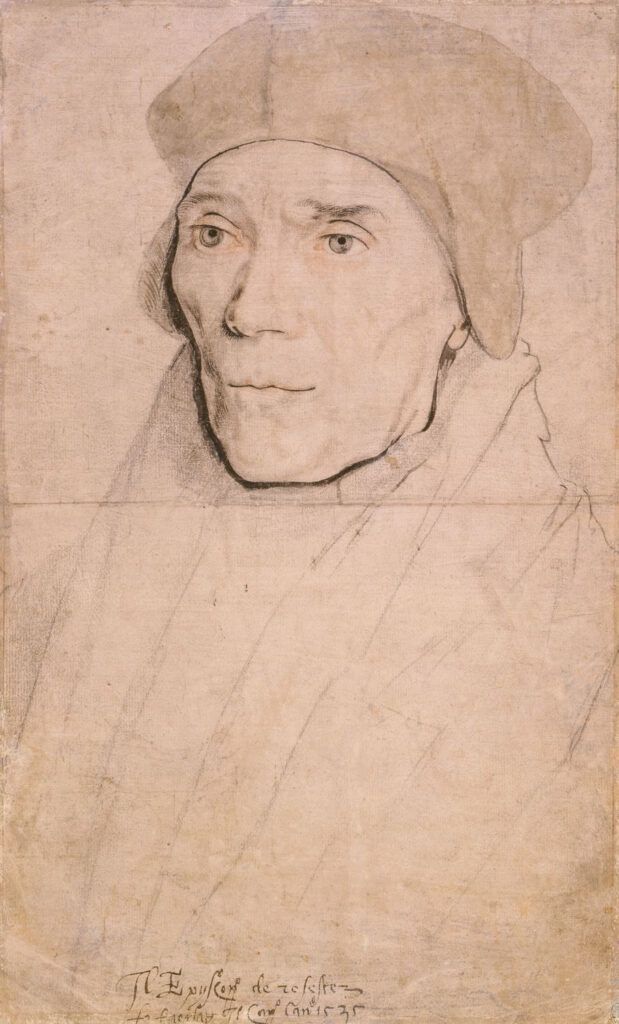
Bishop John Fisher, Catholic Martyr
Henry next turned his suspicious eyes on the religion zealots who plagued his Reformation. Bishop John Fisher was the first to fall. He was a humanist, theologian, and priest who became one of Katherine of Aragon’s staunchest defenders.
But Fisher was no religious moderate. He fiercely defended traditional Catholic doctrine and attacked Martin Luther.
He also had a chronic inability to keep his mouth shut. He criticized the wealth, ambition, and ostentation of the English clergy and even challenged Wolsey.
Then came Henry VIII’s Great Matter. Henry wanted to discard Katherine, but Fisher insisted the marriage was valid.
When Henry broke with Rome and secured his annulment anyway, Fisher dug in. In April 1534, he refused the oath required under the Act of Succession, and Henry sent him to the Tower.
Then, Pope Paul III made an extraordinarily ill-timed decision: he made him a cardinal. The pope may have hoped the red hat would protect Fisher. Instead, it enraged Henry.
According to later accounts, Henry snapped that Fisher would have “no head” on which to wear it. A court convicted Fisher of treason, and he was beheaded on Tower Hill on June 22, 1535.
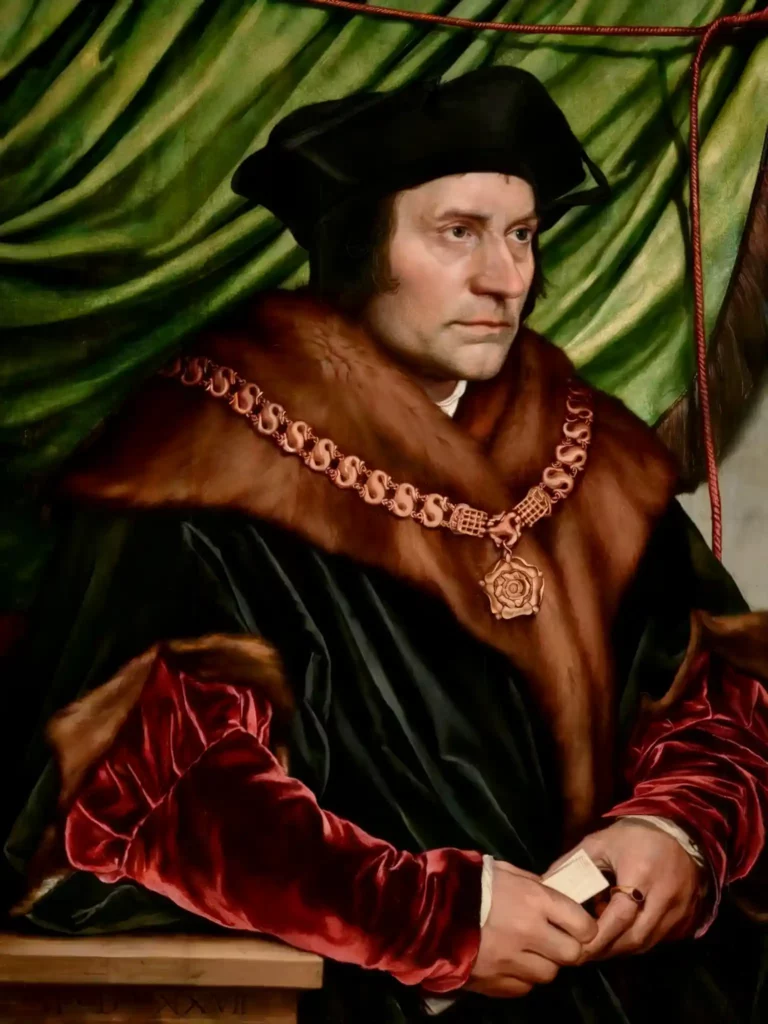
Sir Thomas More, Catholic Martyr
Thomas More was much like Fisher. He was a brilliant Catholic scholar, writer, and statesman who succeeded Wolsey as Henry VIII’s Lord Chancellor.
He famously described himself as “the king’s good servant, but God’s first.” Noble sentiment. Lousy survival strategy under Henry VIII.
By 1532, Henry was pushing England toward a break with Rome. More, a fiercely devout Catholic, wanted no part of it. He resigned as Lord Chancellor.
The showdown came in 1534. More refused to swear the oath of succession because it challenged papal authority. He feared for his immortal soul. Henry had considerably less concern for it.
More was sent to the Tower, where he remained for more than a year. In 1535, he was tried for treason, found guilty and beheaded on Tower Hill on July 6.
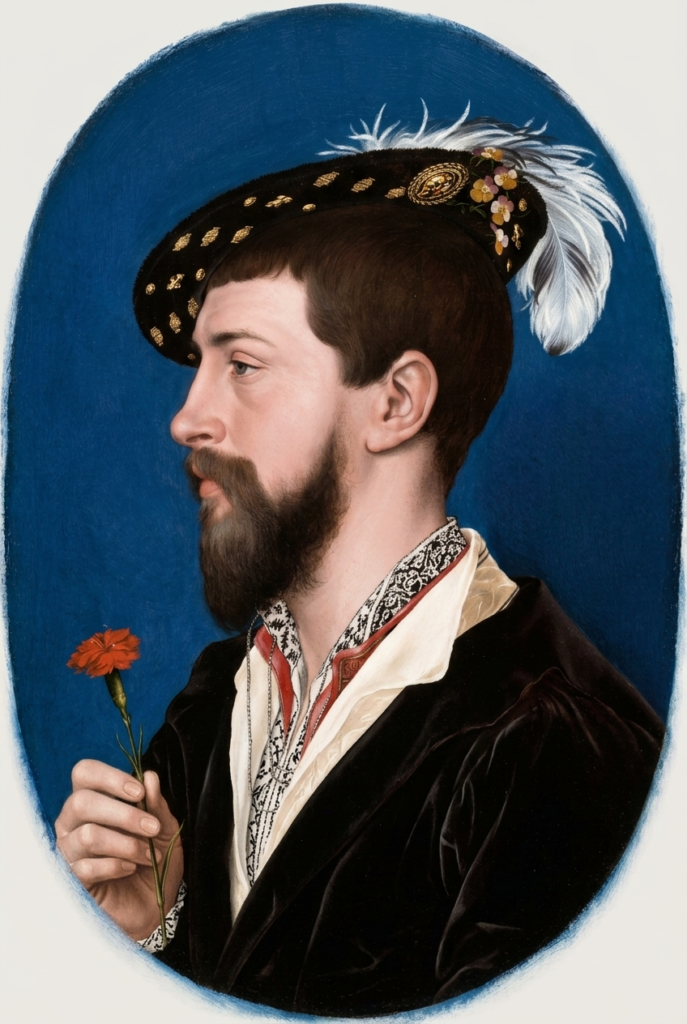
George Boleyn, Viscount Rochfort
George Boleyn was Anne Boleyn’s brother and one of her closest allies. An accomplished diplomat, courtier, and enthusiastic religious reformer, he was intelligent, ambitious, and politically well-connected.
Unfortunately, being close to Anne in 1536 was a terminal career mistake.
When Henry decided to dispose of his second wife, George was accused of committing incest with her and plotting the king’s death. The evidence was practically nonexistent.
At his trial on May 15, George mounted such an impressive defense that spectators wagered he’d be acquitted. He also brazenly read aloud an allegation about Henry’s sexual inadequacies, despite being warned to keep quiet.
None of it mattered. George was convicted and beheaded on Tower Hill on May 17, 1536, alongside four other men accused of sleeping with Anne.
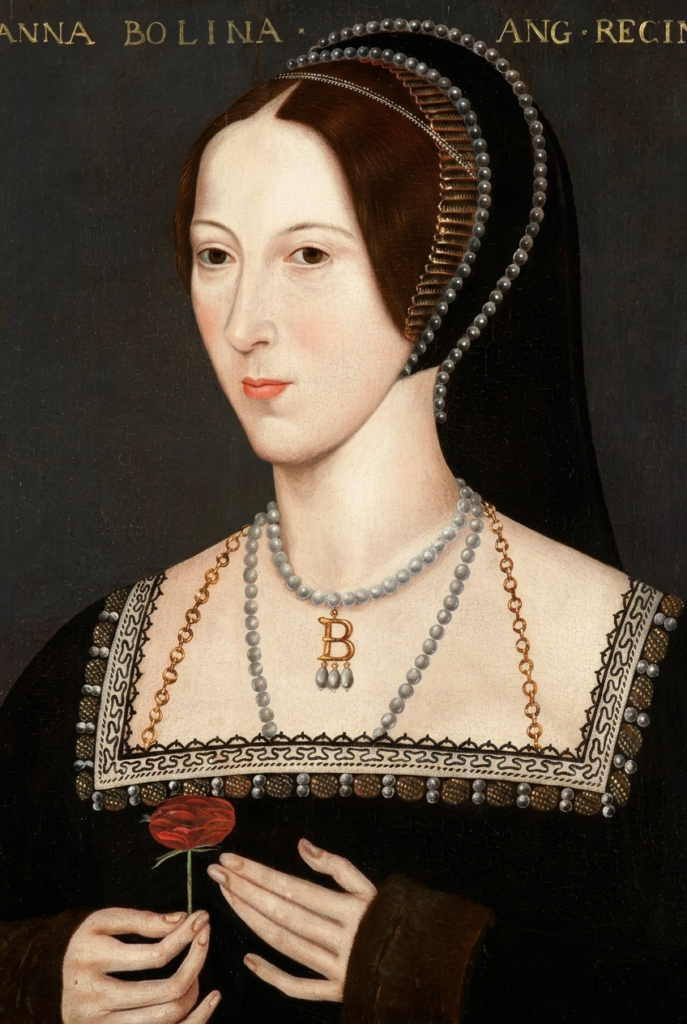
Anne Boleyn, Henry’s 2nd Queen
George’s sister Anne followed him to the scaffold two days later.
Henry VIII married Anne Boleyn after 7 years of pursuit and a break with Rome. That September, Anne gave birth to Elizabeth. Whoops, wrong gender.
And the son Henry expected never came. Anne suffered further pregnancy losses, including the miscarriage of a male fetus in January 1536.
By then, Henry’s attention had shifted to Jane Seymour. Anne’s enemies could see which way the wind was blowing. Her collapse came astonishingly fast.

Thomas Cromwell assembled accusations of adultery, incest, and treason. It was character assassination really.
On May 2, 1536, Anne was arrested and taken to Queen’s House in the Tower.
Less than two weeks later, she was tried and convicted. She was beheaded on Tower Green on May 19. The woman Henry moved heaven and earth for on went from queen to scaffold in just 17 days.
Henry didn’t perform grief. He and Jane were engaged the following day and married on May 30.
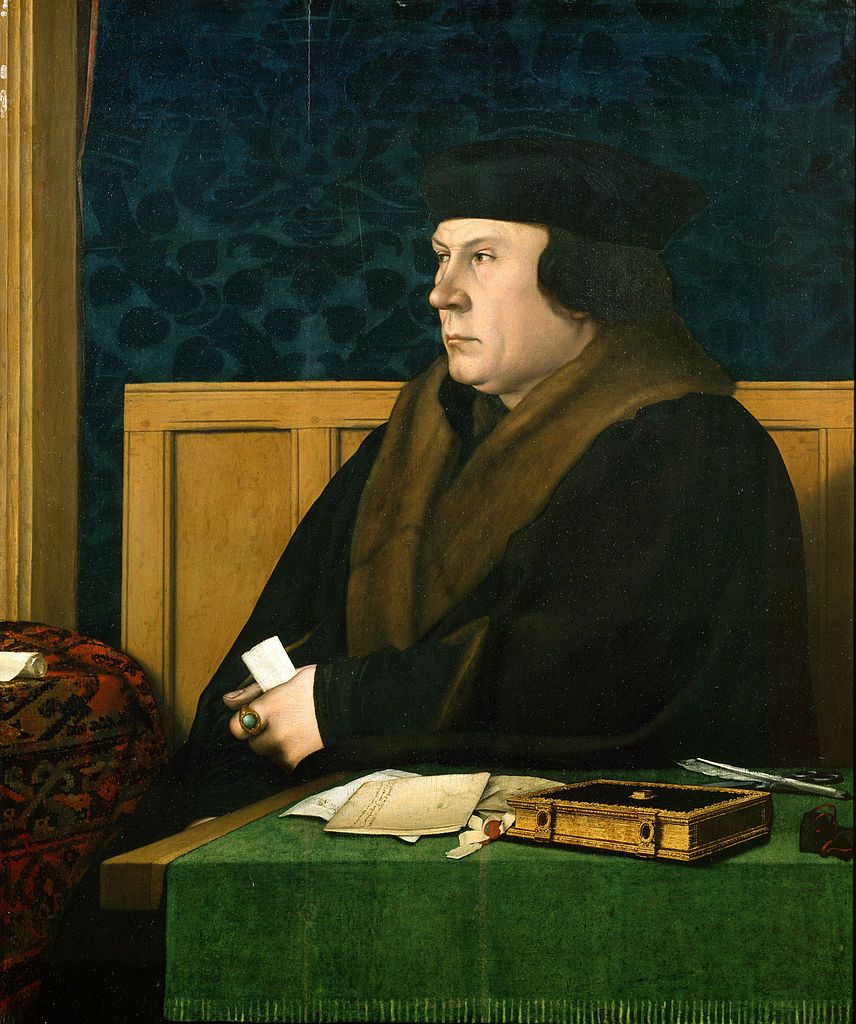
Thomas Cromwell, the Chief Fixer
Thomas Cromwell spent years making Henry VIII’s will a reality. He helped destroy Thomas More, dismantled the monasteries, filled Henry’s coffers, and played a central role in Anne Boleyn’s downfall.
For a time, he seemed untouchable. But Cromwell had risen far above his meager origins.
Plenty of aristocrats resented the blacksmith’s son who’d become one of the most powerful men in England. By 1540, his enemies were circling.
The immediate disaster was Henry’s fourth marriage to Anne of Cleves. Cromwell championed the match for political reasons. Henry took one look at his new bride and wanted out.

Henry needed someone to blame. Cromwell would do nicely.
On June 10, 1540, Cromwell arrived at a council meeting to conduct business. Instead, he was arrested for treason and heresy and hauled off to the Tower.
There was no conventional trial. Parliament simply condemned him by attainder. He was beheaded on Tower Hill on July 28, 1540.
The irony is almost too perfect. Cromwell had spent years constructing the machinery of Tudor power for Henry. In the end, Henry simply turned it on him.
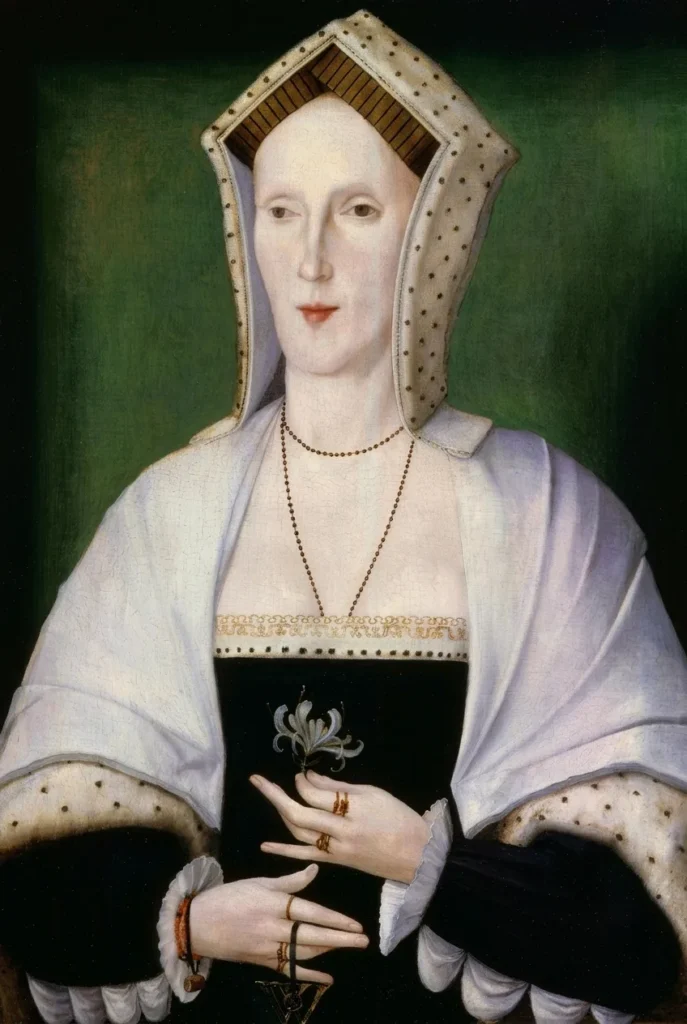
Margaret Pole, Countess of Salisbury
Margaret Pole’s death in 1541 was one of the ugliest episodes of Henry VIII’s reign.
Margaret was no ordinary noblewoman. The daughter of George, Duke of Clarence, and niece of Edward IV and Richard III, she had Plantagenet blood and a formidable royal pedigree.
She was one of the last surviving links to the old Yorkist dynasty. Yet Henry trusted her enough to put her in charge of his daughter, Princess Mary.
Then, her son Reginald Pole became a cardinal in Rome and one of Henry’s fiercest critics. He denounced the king’s break with the Catholic Church and refused to come home.
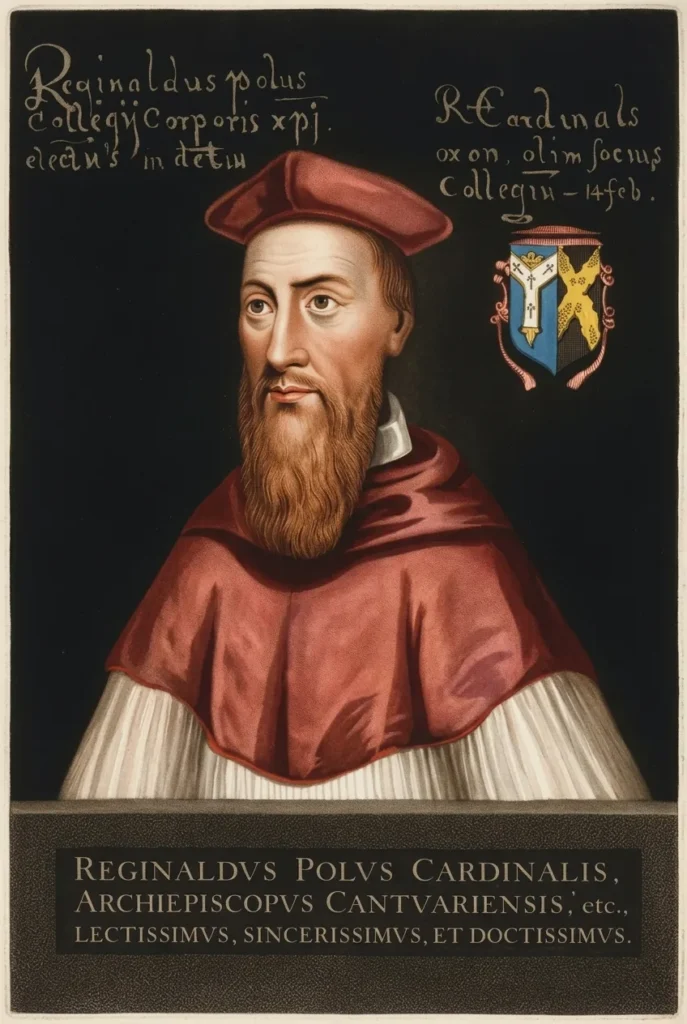
Henry couldn’t get his hands on Reginald. His family was another matter.
His mother was arrested in 1538 and imprisoned in the Tower for nearly three years. On May 27, 1541, she was executed on Tower Green at age 67.
The execution was notoriously botched. Later accounts describe an inexperienced executioner repeatedly hacking at her before finally killing her.
Margaret’s real crime wasn’t plotting against Henry. It was having the wrong relatives, especially a son who had dared to defy the king.
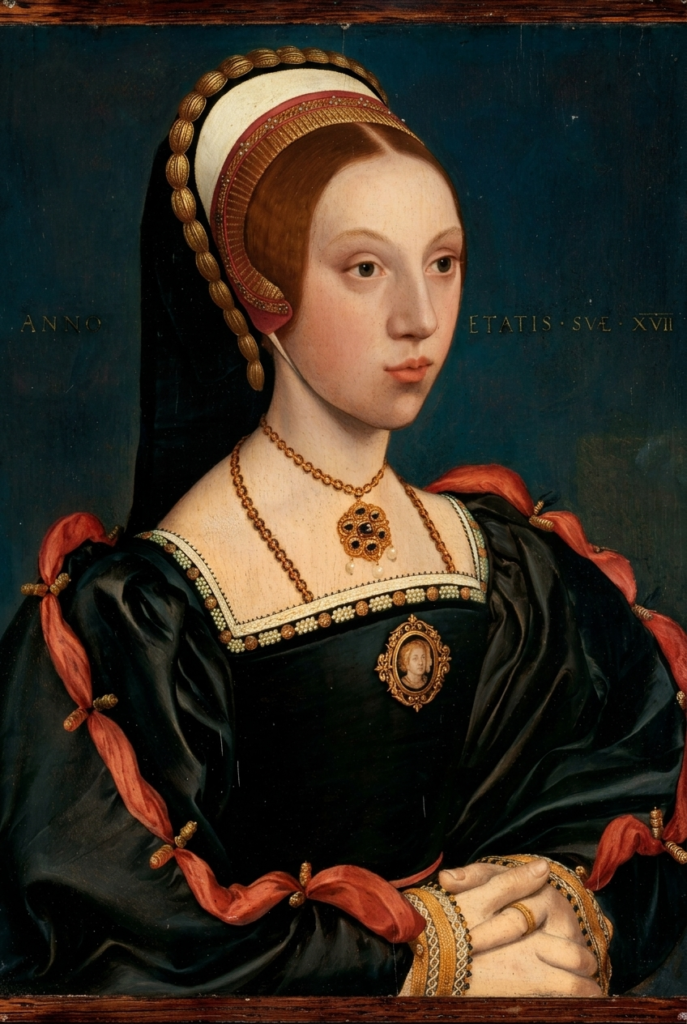
Catherine Howard, the Promiscuous Wife
After the Anne of Cleves debacle, Henry VIII wasted little time finding wife #5. Catherine Howard was young, pretty, vivacious, and about as different from her aging husband as possible.
Henry was besotted. He reportedly called her his “Rose without a Thorn” and showered her with jewels and attention.
Unfortunately, Catherine came with secrets. Before her marriage, she had sexual relationships with Henry Mannox and Francis Dereham.
More dangerously, once she was queen, she held clandestine meetings with Thomas Culpepper, one of Henry’s favored courtiers. By late 1541, the stories reached the king.
Henry was devastated and furious. Catherine was stripped of her title, confined, and eventually taken to the Tower. On February 13, 1542, she was beheaded on Tower Green, just a few years after her cousin Anne Boleyn died in the same place.
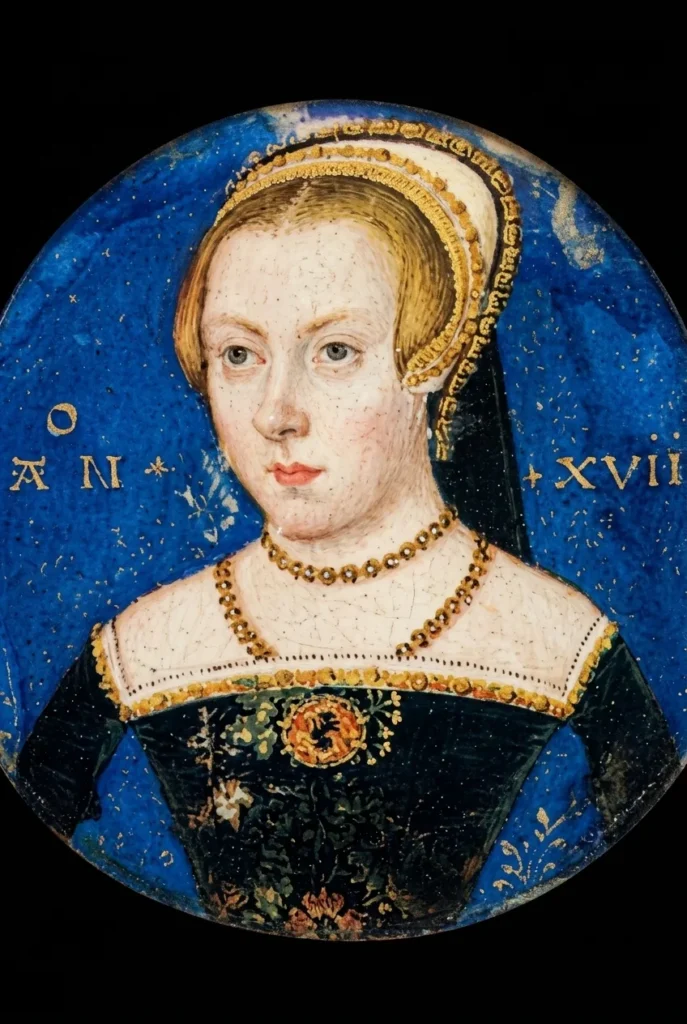
Jane Boleyn, Lady Rochford
Jane Boleyn, Lady Rochford, was the wife of George Boleyn. History paints her as a spiteful schemer who helped send both her husband and sister-in-law to the scaffold.
The evidence for that is thin. And Jane survived that bloodbath and returned to royal service. Her luck ran out in 1541, when she was serving Henry’s fifth wife, Catherine Howard.
This time, Jane really was in the thick of it. She helped arrange the clandestine meetings between Catherine and Culpeper.
When Catherine’s indiscretions came to light, Jane was arrested and sent to the Tower. There, she reportedly suffered a mental breakdown.
But Henry wasn’t about to let a little thing like insanity interfere with his revenge. Parliament passed legislation allowing her execution despite her mental incapacity. Jane was beheaded on Tower Green on February 13, 1542.
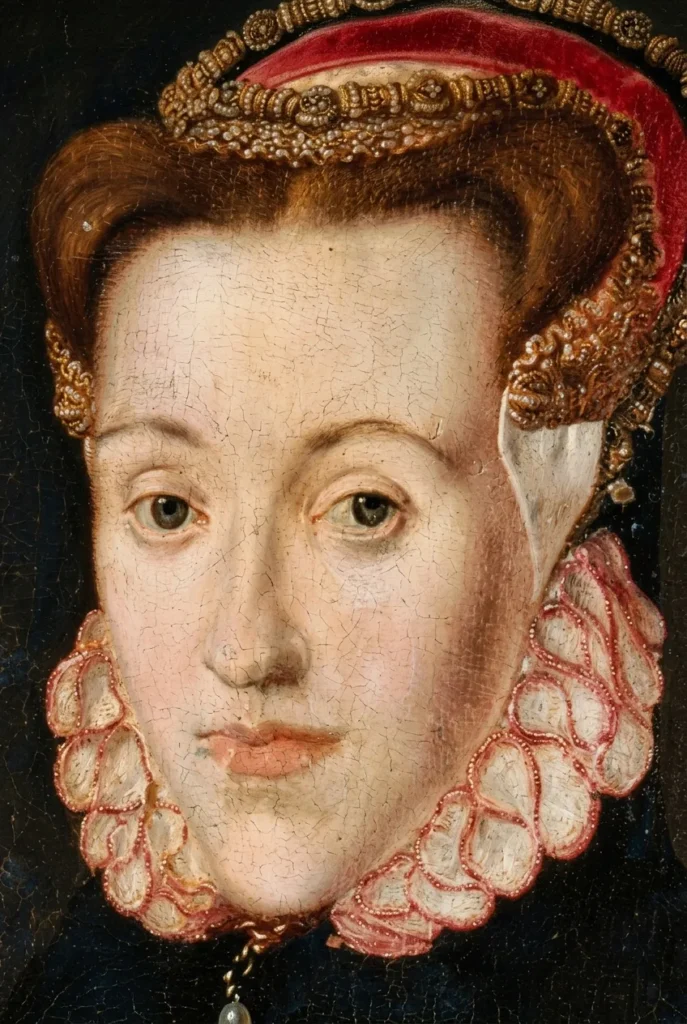
Anne Askew, the Defiant Protestant
Anne Askew reminds me a little of Thomas More, with the mirror flipped. She was a Protestant martyr who refused to compromise her beliefs, even under torture.
Born into respectable Lincolnshire gentry, Anne Askew read the Bible and spoke her mind about religion. Dangerous enough for anyone. For a woman, it was perilous.
By the 1540s, Henry VIII had broken with Rome but remained stubbornly Catholic in his theology. Denying transubstantiation was heresy. Anne denied it anyway.
She was arrested, interrogated, released, and arrested again. This time, her interrogators wanted names, especially women in the reformist circle of Henry’s sixth wife, Katherine Parr.
Anne refused to give them any. In 1546, she was taken to the Tower and tortured on the rack. Still, she wouldn’t implicate anyone.
Convicted of heresy, she was burned at Smithfield on July 16, 1546. She was reportedly so badly injured that she was carried to the stake in a chair.
The irony is brutal. Henry died barely six months later. Under Edward VI, England moved toward the very Protestant theology for which Anne was tortured and killed.

Thomas Seymour, Baron Sudeley
Next came the reign of Edward VI, Henry VIII’s only legitimate son. Edward was just 9 when he inherited the throne in 1547.
His Protector, the Duke of Somerset, had reforming ambitions but lacked a deft political touch. Worse, he had an ambitious younger brother, Thomas, who wanted a bigger slice of the royal pie.
Thomas was a thoroughly repellent character. He was charming, handsome, arrogant, and accustomed to getting his way. He had an enormous appetite for power but spectacularly bad judgment.
In 1547, he secretly married Katherine Parr, Henry VIII’s recently widowed sixth wife. Living with the newlyweds was Henry’s 14 year old daughter, Elizabeth.
Thomas began making wildly inappropriate advances toward the young princess. He barged into her bedroom, sometimes before she was dressed, and subjected her to unwanted physical attention disguised as playful horseplay.
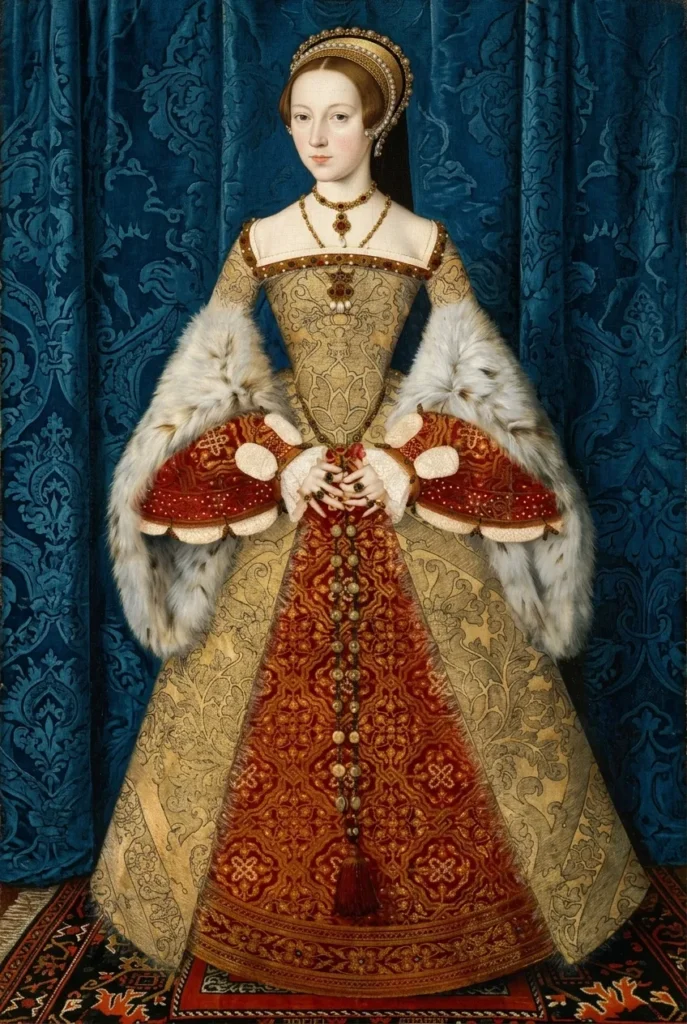

Eventually, Katherine caught the pair in an embrace and sent Elizabeth away. Quite what Seymour was doing is anyone’s guess. Perhaps he imagined Elizabeth was his next route to power.
Then came the dog. In January 1549, Thomas was discovered armed outside the young king’s private apartments at Hampton Court Palace. When a dog began barking, Seymour shot it.
Was he planning to kidnap Edward and seize control of the government? Possibly. His explanation that he was merely checking the king’s security convinced precisely no one.
Seymour was arrested and hauled off to the Tower and beheaded on March 20, 1549. His own brother, the Lord Protector, did nothing to save him.
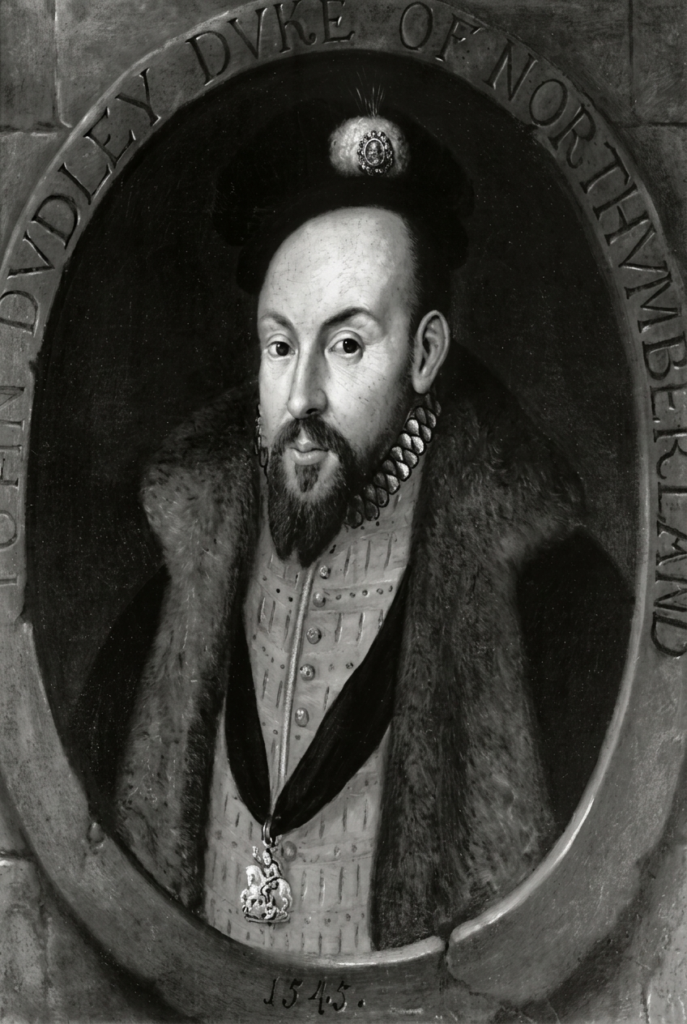
John Dudley, Duke of Northumberland
Another of Edward VI’s victims was John Dudley, Duke of Northumberland. He was one of the most powerful men in England. But his grip on power slackened when the young king fell gravely ill in 1553.
Edward and Dudley worked together on a plan to exclude Edward’s Catholic half-sisters Mary and Elizabeth from the succession. Their chosen replacement was the Protestant Lady Jane Grey, whom Dudley conveniently married off to his son Guildford.
When Edward died in July, Jane was proclaimed queen. But Mary wasn’t about to surrender her birthright without a fight. She rallied her supporters, and Dudley’s carefully constructed scheme collapsed in just nine days.
Dudley was arrested, hauled off to the Tower, and convicted of treason. In a last-ditch attempt to save his neck, he renounced Protestantism and returned to the Catholic faith.
It didn’t help. He was beheaded on Tower Hill on August 22, 1553.

Lady Jane Grey
Lady Jane Grey was queen for just nine days in July 1553. And she had little enthusiasm for the job in the first place.
Edward VI’s succession scheme put her on the throne on July 10. But by July 19, the Privy Council abandoned her and proclaimed Mary queen.
Jane had entered the Tower as queen. Now she was staying as a prisoner. Same address. Very different prospects.
Jane was convicted of treason in November 1553 and sentenced to death. But Mary had little appetite for executing her teenage cousin.
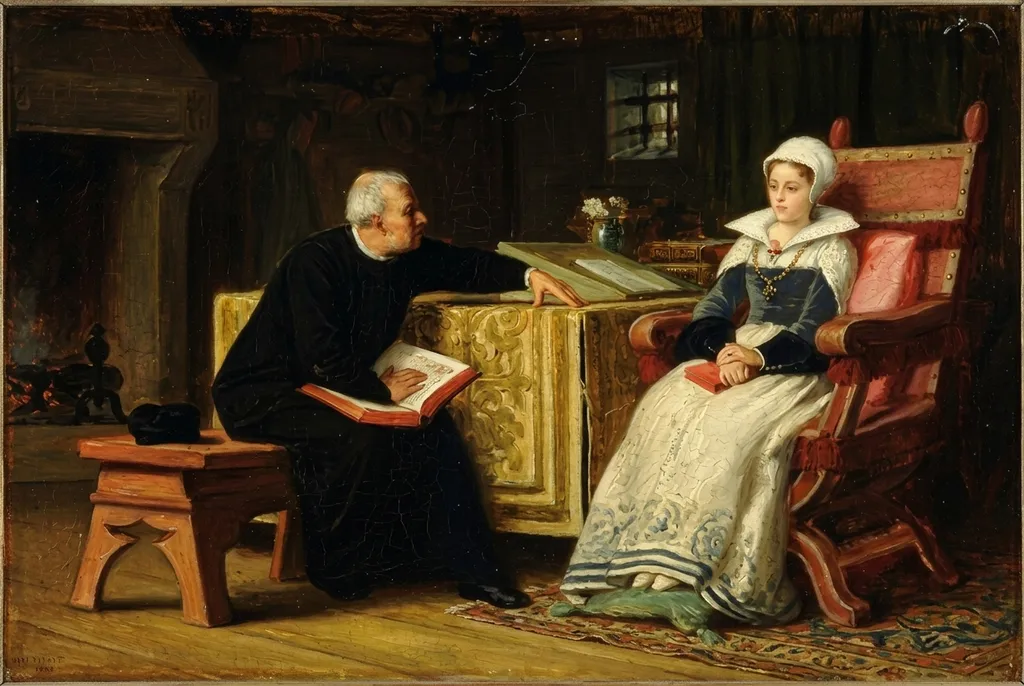
Then came Wyatt’s Rebellion in early 1554. Jane became a dangerous Protestant alternative once again.
Worse, her father joined the uprising, apparently determined to make his daughter’s already miserable situation even worse.
That was the last straw. On February 12, 1554, Jane’s husband, Guildford Dudley, was executed on Tower Hill. Jane followed on Tower Green.
She was probably only 16 or 17. Nine days as queen. Seven months as a prisoner. Then the scaffold.
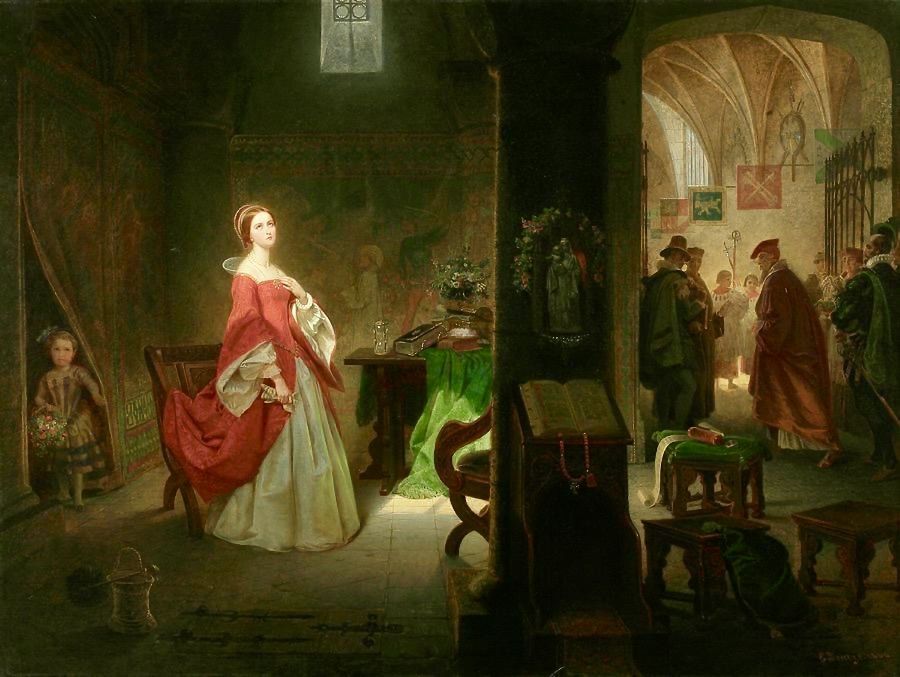
Princess Elizabeth
For a time, Tudor wrath also wrecked the life of Henry VIII’s daughter, Elizabeth. After Anne’s execution in 1536, the two year old princess became a political inconvenience overnight.
Henry responded by erasing her status. Parliament declared Elizabeth illegitimate, stripped her title of princess, and removed her from the succession.
But Elizabeth’s real brush with the Tower came after Henry’s death.
When her Catholic half-sister Mary I took the throne in 1553, a Protestant Elizabeth became politically dangerous. Discontented Protestants could rally around her whether Elizabeth wanted them to or not.
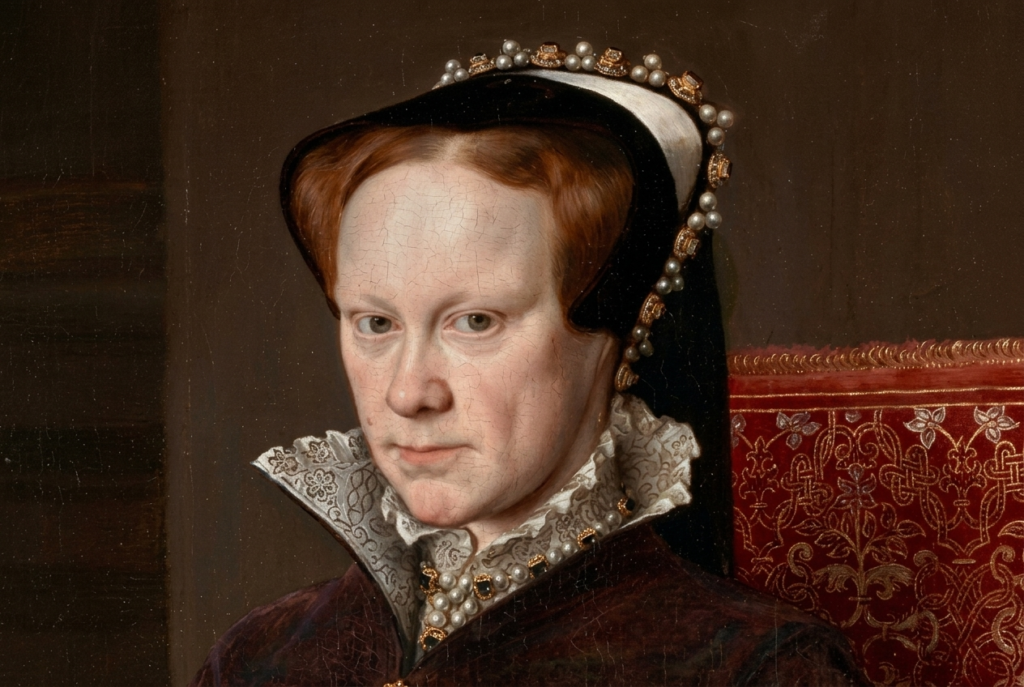
Then came Wyatt’s Rebellion in early 1554. The rebels opposed Mary’s proposed marriage to Philip of Spain. Some wanted Elizabeth on the throne instead.
There was no solid evidence Elizabeth was involved. But Mary was suspicious anyway.
She summoned Elizabeth to London for questioning and, on March 18, 1554, locked her in the Tower.
Elizabeth was terrified, and with good reason. Her mother had entered the same fortress eighteen years earlier and never left alive.
Elizabeth protested her innocence and demanded proof. None was forthcoming. After two months, Mary sent her to Woodstock under house arrest. Four years later, the suspected traitor became Queen Elizabeth I.
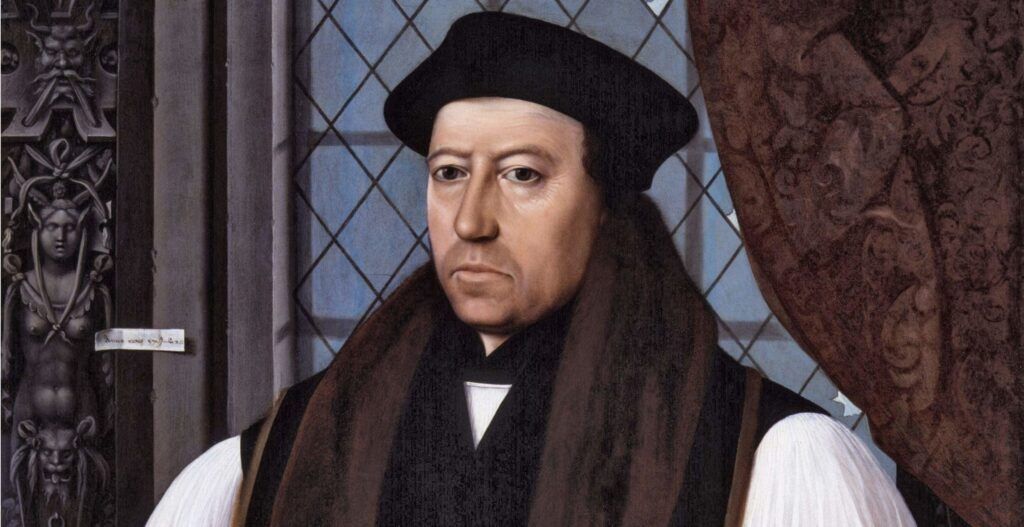
Thomas Cramer, Archbishop of Canterbury
Thomas Cranmer was Henry VIII’s Archbishop of Canterbury and chief architect of the English Reformation.
He helped Henry break with Rome, annulled his marriage to Anne Boleyn, and laid the foundations of the Church of England.
When the Edward VI succeeded Henry, Cranmer enthusiastically pushed religious reform forward. Unfortunately for him, Mary inherited the throne son after.
Cranmer had backed Lady Jane Grey. And he openly opposed Mary’s restoration of the Catholic Mass. Neither decision did much for his life expectancy.
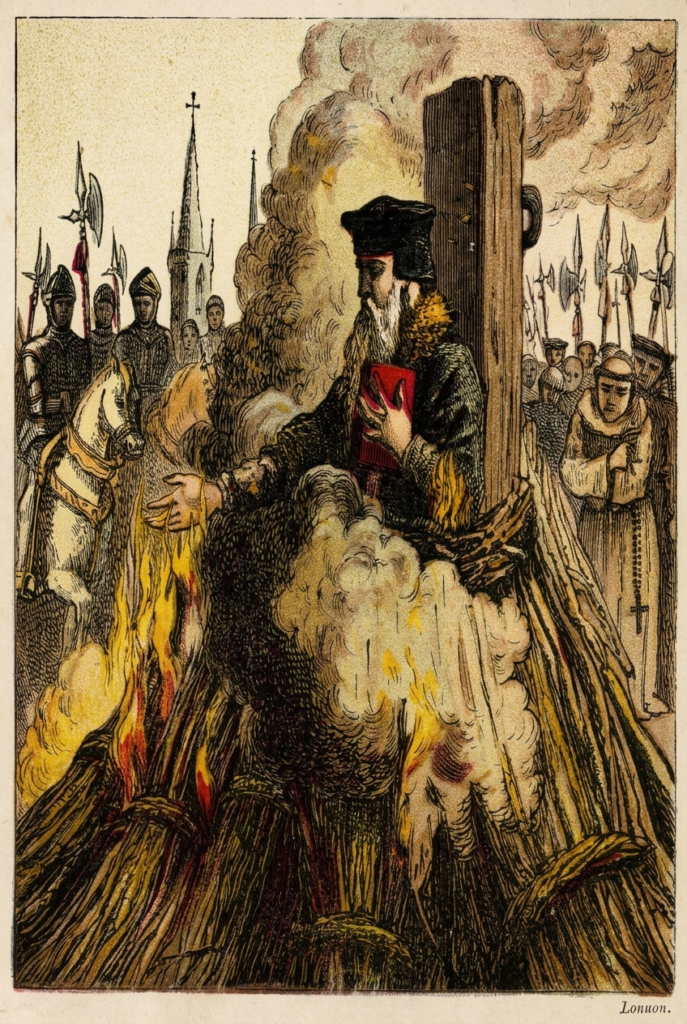
Mary imprisoned him in the Tower in 1553 and tried him for heresy.
Facing execution, Cranmer lost his nerve. He signed recantations, renouncing his Protestant beliefs and accepting papal authority.
But Mary wasn’t feeling merciful. She ordered him burned anyway.
At his execution on March 21, 1556, Cranmer stunned the crowd by repudiating his recantations. As the flames rose, he thrust his right hand into the fire, declaring that the hand that signed his recantations should burn first.
After a spectacular failure of courage, Cranmer found it again at the very end.
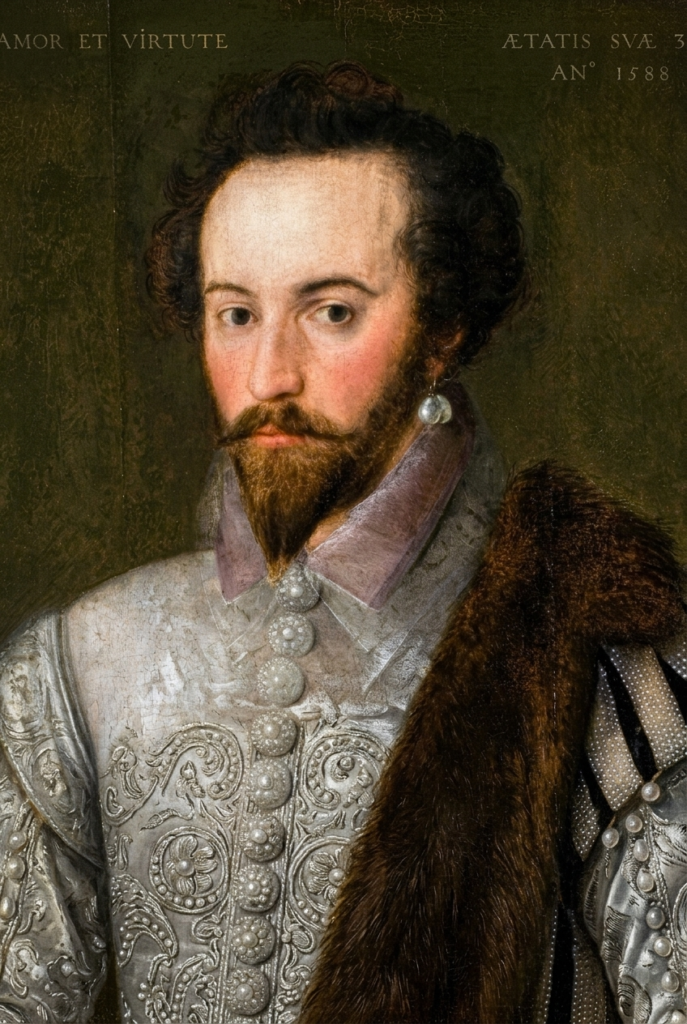
Sir Walter Raleigh
One of the most colorful figures at Elizabeth I’s court was Sir Walter Raleigh: soldier, explorer, writer, courtier, and spectacular self-promoter.
He was one of the queen’s favorites. Royal favor brought him money, land, and influence. Elizabeth knighted him in 1585 and made him captain of her guard two years later.
Then he made a serious mistake. He secretly married Elizabeth Throckmorton, one of the queen’s own ladies-in-waiting, without royal permission.
Elizabeth was furious. One of her most unattractive habits was disliking other people’s marriages. Both offending parties were sent to the Tower in 1592.
Raleigh eventually regained some royal favor, but never quite recovered his old position. When Elizabeth died in 1603, things got considerably worse.
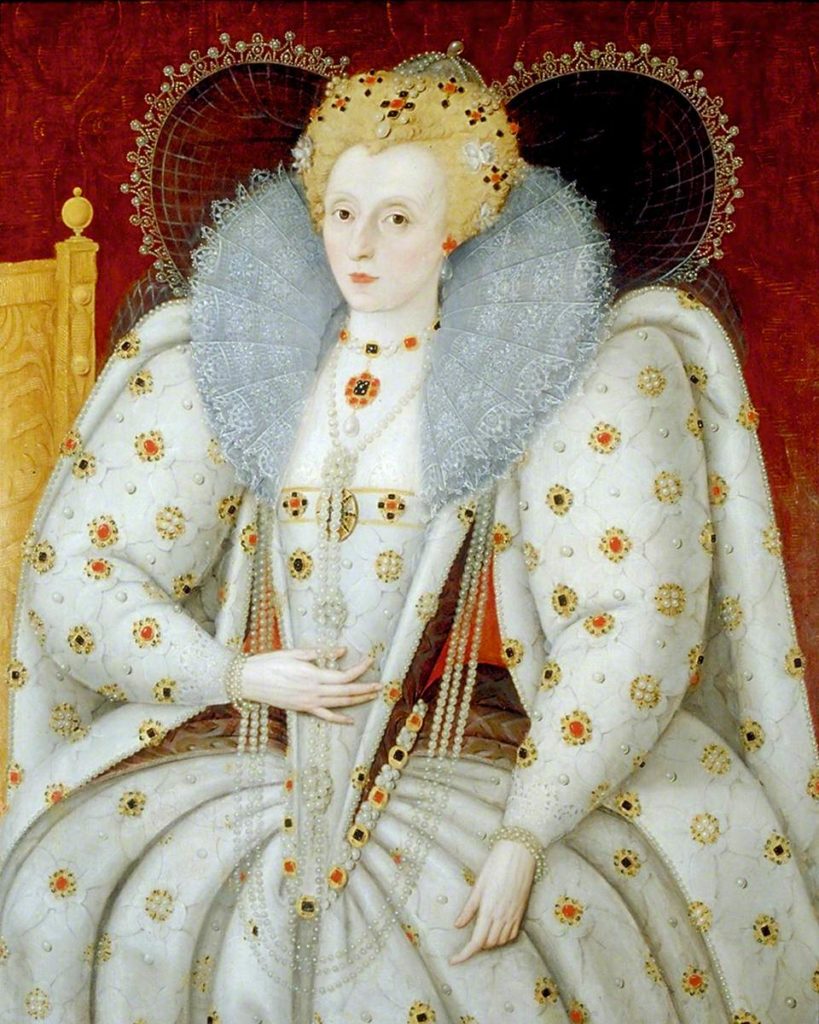
The new king, James I, had little enthusiasm for Raleigh’s anti-Spanish politics. He was convicted of treason and sentenced to death. Raleigh spent the next thirteen years in the Tower and was beheaded in 1618.
I hope you’ve enjoyed my guide to the Tudor prisoners of the Tower of London. You may find these other English history guides interesting:
- Royal Whodunits
- English myths
- History of Medieval and Tudor England
- Tudor queens of England
- Power Women of Medieval & Tudor England
- Historical Mistresses and Favorites
- Wives of Henry VIII
- Worst kings of England
- Anglo-Saxon kings of England
Pin it for later.