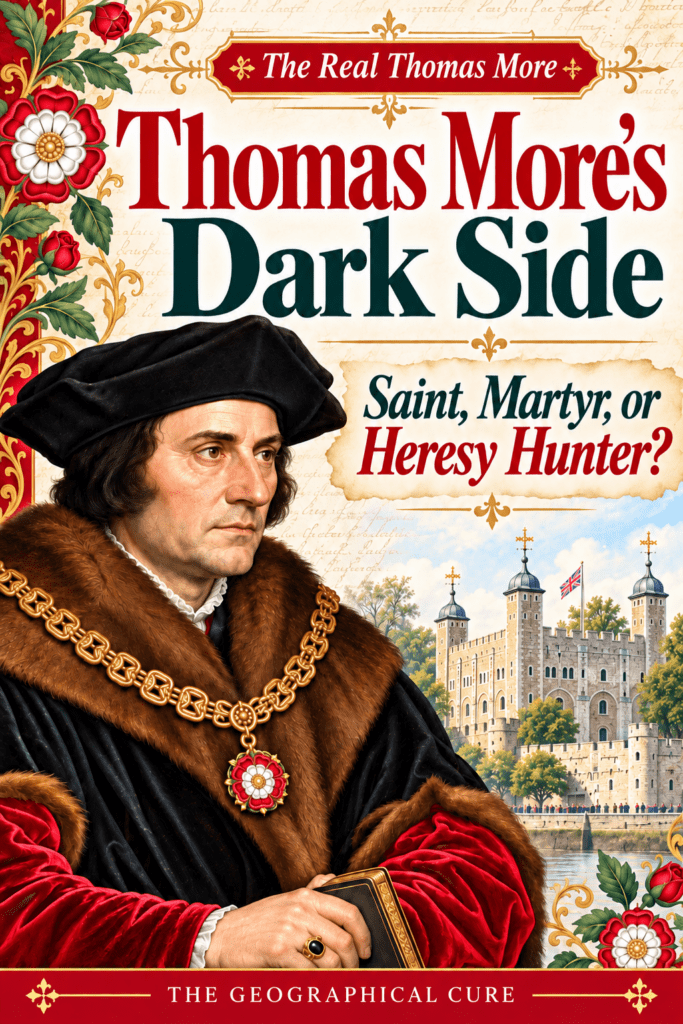
The kings of England did more than their fair share of “saint-making.” Henry II’s rash cry, “Will no one rid me of this turbulent priest?” helped set in motion the murder and eventual canonization of Thomas Becket.
Henry VIII had his own St. Thomas.
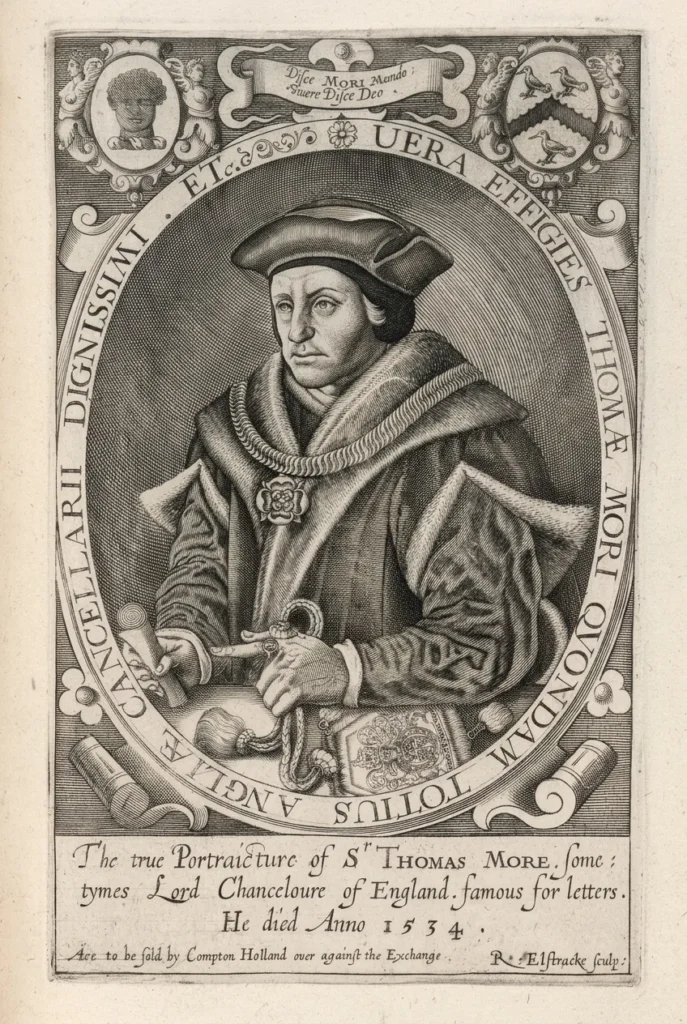
Author of the famed Utopia and one of the great humanists of his age, Thomas More rose high in Henry’s favor.
But when the king broke with Rome, More refused to accept Henry’s supremacy over the English church. He was imprisoned in the Tower of London and executed for treason in 1535.

Ever since, More has been remembered as a Catholic martyr, a saint, a brilliant humanist, and a man of conscience who stood up to a tyrannical king.
That image owes something to Robert Bolt’s A Man for All Seasons, first a hit play and then the celebrated 1966 film starring Paul Scofield. In it, More is the ultimate man of conscience: civilized, witty, principled, and unwilling to bend even for a king.
It’s a great story. It’s also only part of the story.
Because More had a dark side. He was a ferocious opponent of religious dissent and famously ruthless with people he considered heretics.
So how saintly was St. Thomas More, really? Was he simply a principled martyr? Or was he also intolerant, coercive, charmless, and perfectly willing to see other people punished for following their own consciences?
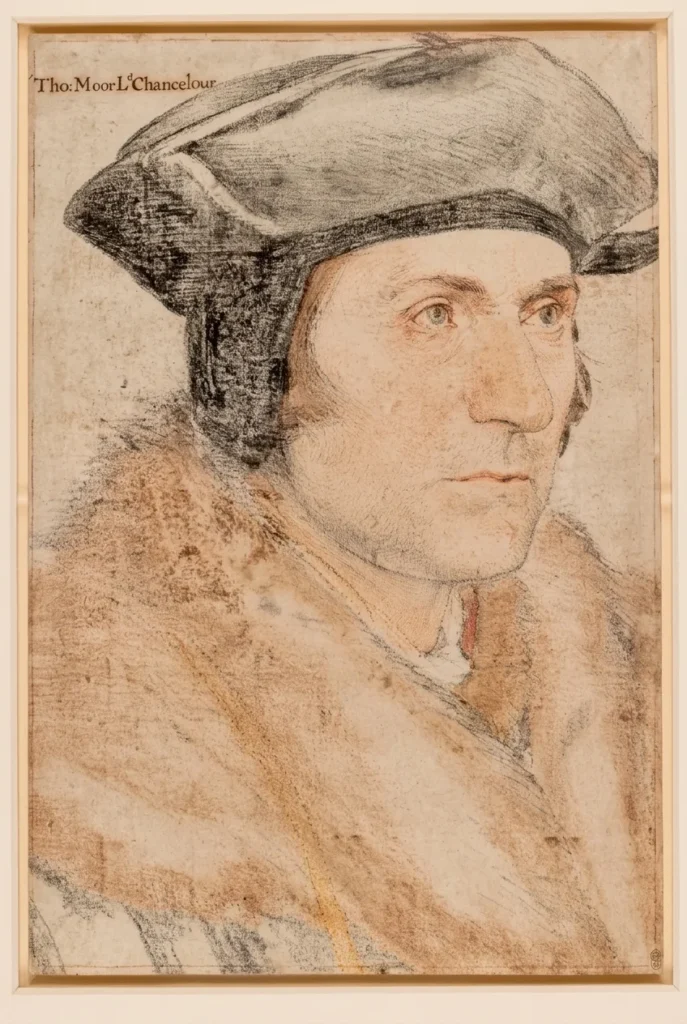
Why Thomas More Is Still Controversial
Early Career & Rise To Power
Sir Thomas More was born in London to a well-regarded barrister. At a young age, he was placed in the household of the Archbishop of Canterbury.
More came remarkably close to choosing a religious life himself. He spent years testing a possible vocation among the Carthusians, fasting, praying, and living ascetically.
In the end, according to his friend Erasmus, one thing got in the way: More wanted a wife. So, instead he became a proponent of the “mixed life,” combining medieval piety with legal mastery.
He trained as a lawyer at Lincoln’s Inn and built a successful legal practice. His political essay Utopia caught Henry VIII’s attention and he entered the king’s service as a member of the royal council.
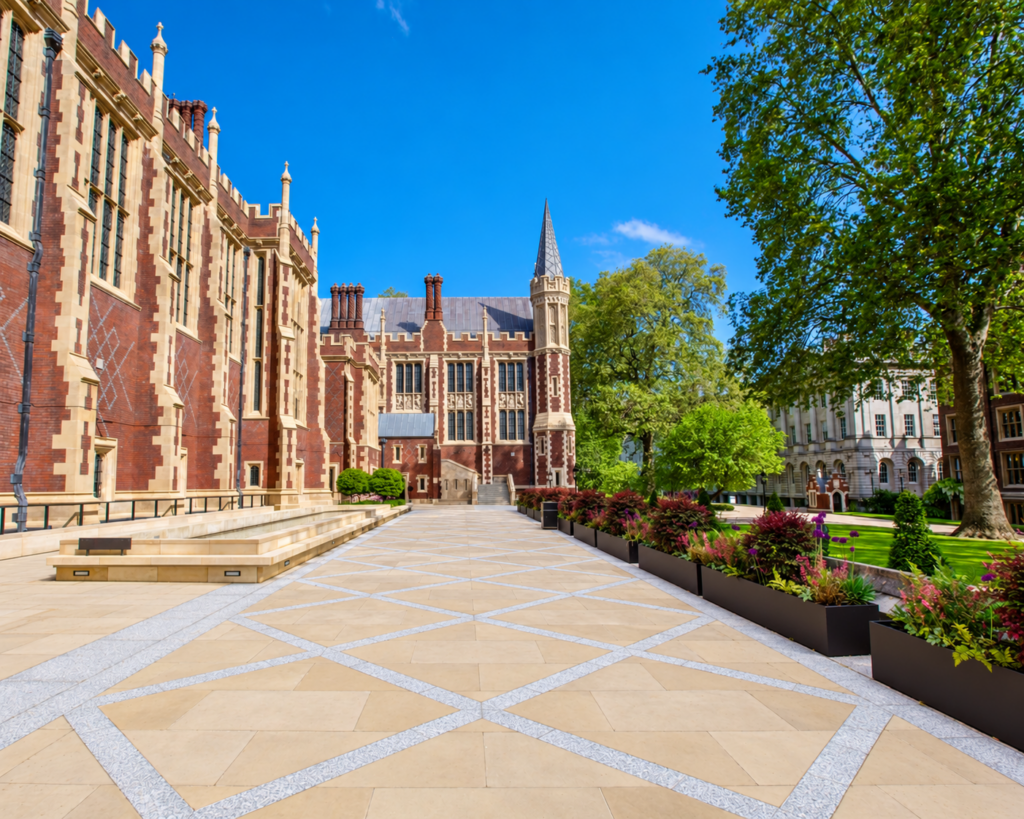
From then until 1529, he was deeply involved in court and government business, often working under Henry’s Lord Chancellor Cardinal Wolsey.
He handled diplomatic negotiations, dealt with foreign ambassadors, accompanied Henry to the Field of the Cloth of Gold in 1520. He was knighted in 1521.
By then, More was already becoming heavily involved in the campaign against Protestantism.
In the 1520s he wrote polemics against Luther and other reformers and helped Henry defend Catholic doctrine. By 1528, he had official permission to read prohibited Protestant books so that he could refute them.
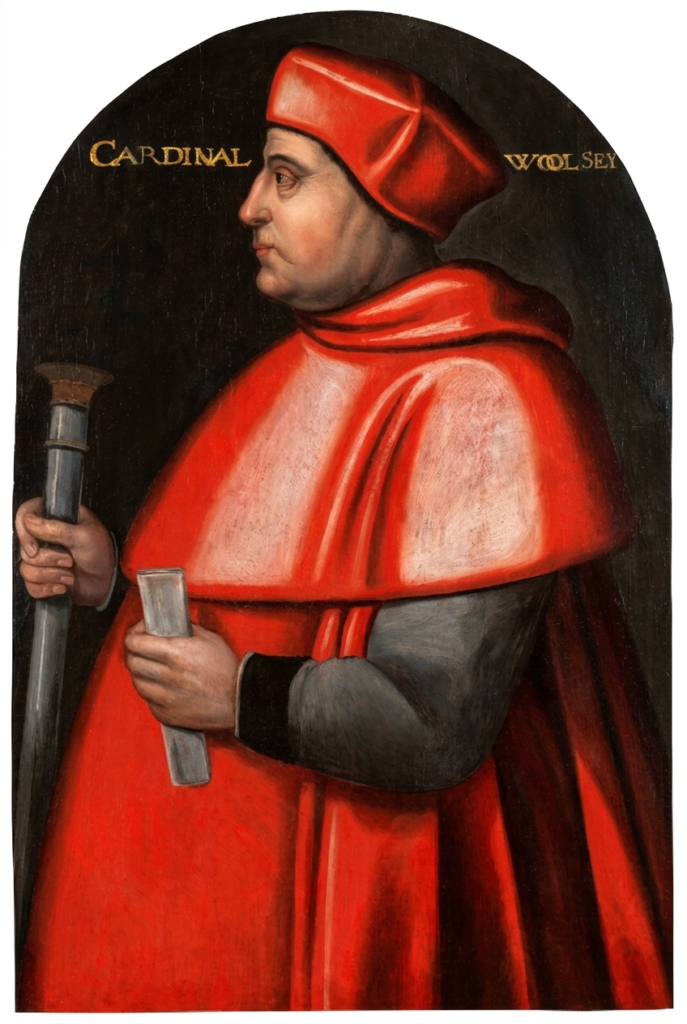
Wolsey’s Fall
When Katherine of Aragon failed to give Henry a surviving son, he fell in love with Anne Boleyn and ordered Wolsey to secure an annulment.
It was an impossible assignment. Wolsey was both Henry’s chief minister and a cardinal with deep ties to Rome. When Pope Clement VII refused to grant the annulment, Wolsey took the blame.
Henry dismissed him as Lord Chancellor in 1529 and replaced him with Thomas More.
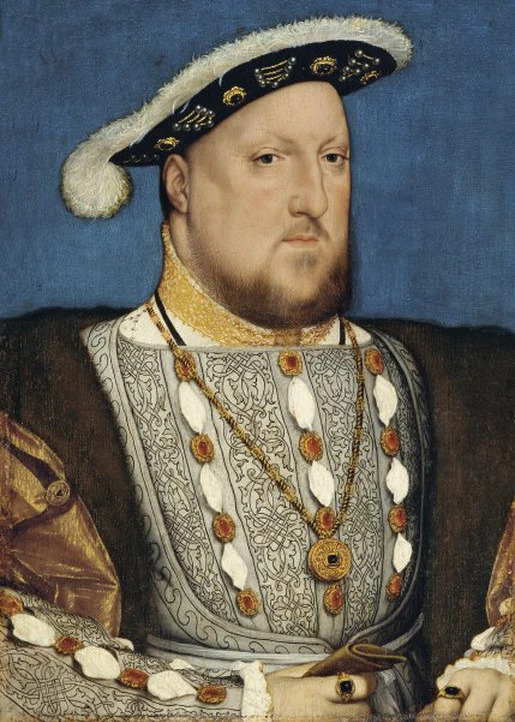
More as Lord Chancellor
More was the first layman in centuries to hold the powerful office. Henry admired his intelligence, learning, and judgment, and More rose high in the king’s confidence.
Aside from official duties, More used his position to root out and punish heretics. He thought Lutheranism was contagious social “disease” and a “newfangled cult.” A united Christendom was his only concern.
The honeymoon between Henry and More, not unexpectedly, was short-lived.

More took great pride in standing on principle, whatever the cost. He had already refused to endorse Henry’s attempt to end his marriage to Katherine of Aragon.
By 1532, he could no longer stomach the king’s increasingly aggressive moves against papal authority. He resigned as Lord Chancellor that year.
More’s Fate
For a while, Henry left More alone.
But in 1534, More refused to swear the Oath of Succession. He was willing to accept Anne Boleyn as queen and her children as legitimate heirs. What he wouldn’t accept was the oath’s rejection of the pope’s authority.
That was the sticking point. And it was a bridge too far for Henry.
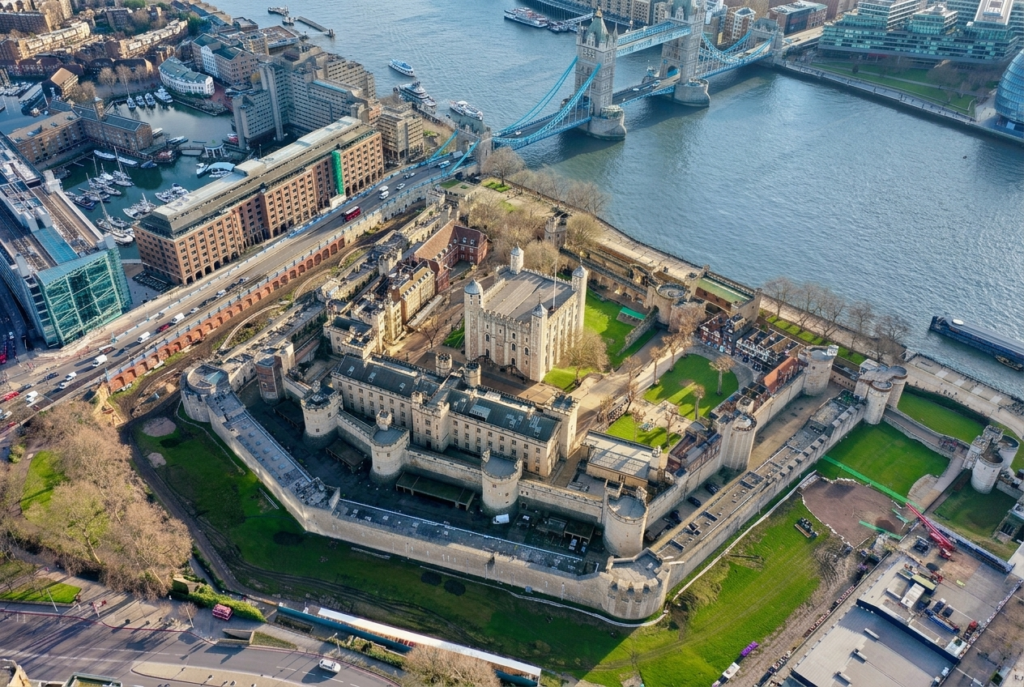
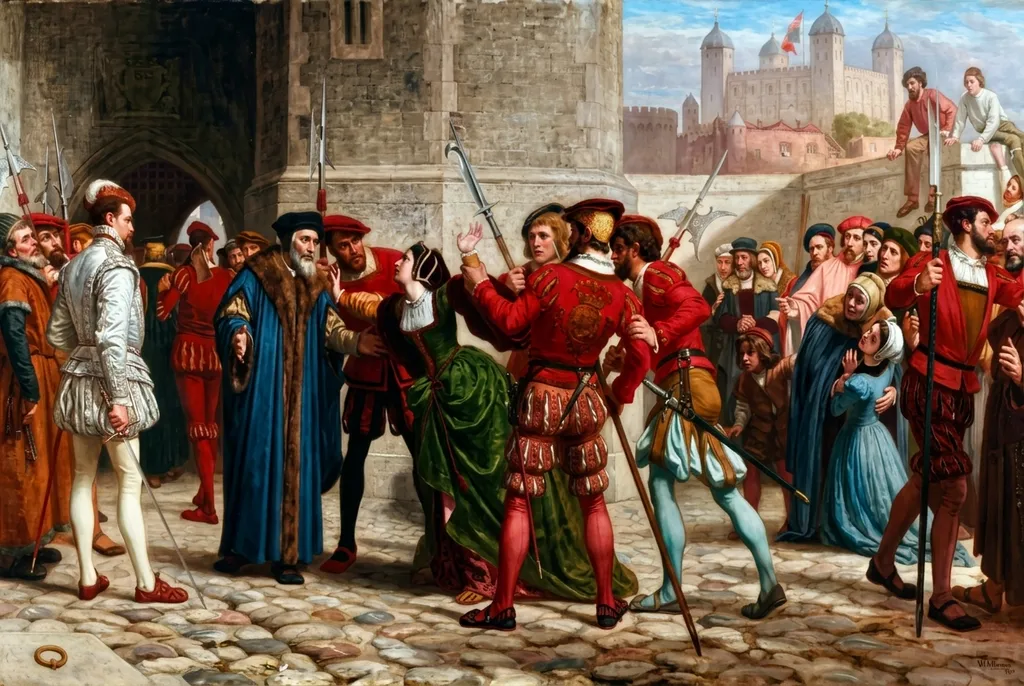
More was arrested and sent to the Tower of London where he lived, once again, like a Carthusian monk.
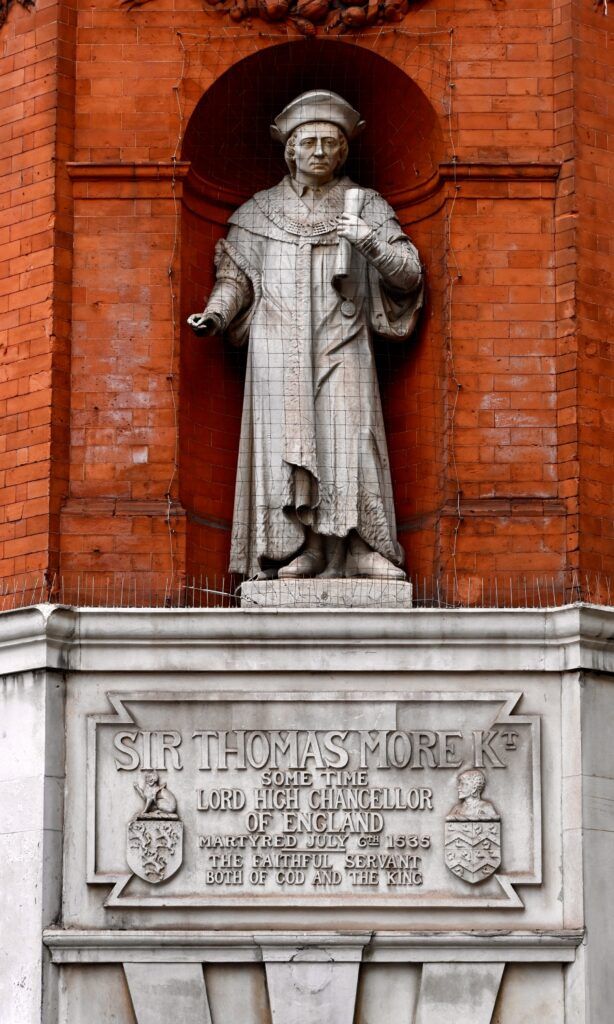
In 1535, he was tried for high treason under the new laws enforcing Henry’s supremacy over the English church. He was convicted and beheaded on Tower Hill on July 6, 1535.
Four hundred years later, in 1935, Pope Pius XI canonized him as a Catholic saint and martyr.
Why So Recalcitrant?
Historians have long debated More’s extraordinary intransigence. His family struggled with it too.
Even his beloved daughter Margaret tried to persuade him to take the oath, pointing out that plenty of learned and devout men had already done so.
He didn’t have to become an enthusiastic cheerleader for Henry’s new church. He just had to utter the prescribed words.
More refused. And surely he knew that Henry would win the stalemate?
To modern eyes, his position seems maddeningly rigid. Almost as if he’s a self-serving whiner with a death wish.
To be fair, those words weren’t meaningless to him. An oath was a solemn religious act. More believed that swearing against his conscience could endanger his immortal soul. He told his daughter Margaret that taking the oath meant risking “perpetual damnation.”
Still, I can’t entirely separate his stand from pride. More knew exactly what his refusal might cost. It had already deprived his family of his income and eventually cost him his freedom. Yet, he wouldn’t budge.
And what, practically speaking, would have happened if he had swallowed his objections and taken the oath? Everyone who mattered already knew what Thomas More believed. He could have spat out the words through gritted teeth and gone home.
More simply wouldn’t do it.
You can admire that as integrity. But I find it difficult not to see some stubbornness, self righteousness, and self-regard mixed in too.
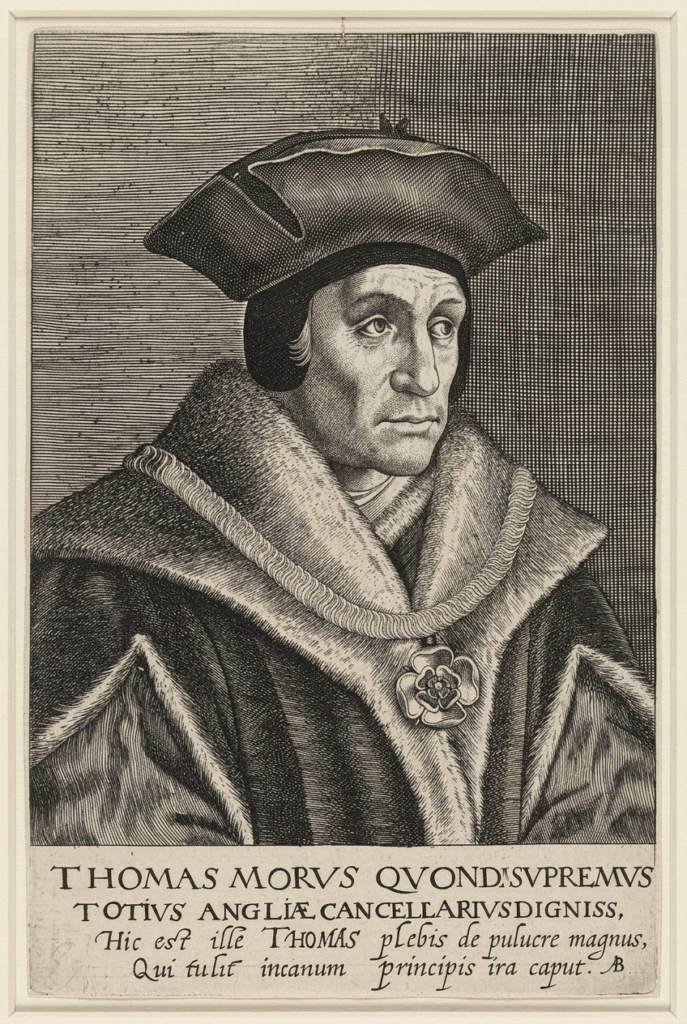
More’s Misdeeds
This is where my sympathy for More really starts to evaporate.
The ugliest part of More’s career wasn’t that he was an orthodox Catholic. It was what he was willing to do to people who weren’t.
In the Tower, More spoke eloquently, and repeatedly, about “conscience.” Yet, he showed remarkably little respect for the consciences of Protestants. He became an aggressive opponent of heresy and wasn’t apologetic about it in the slightest.
Heresy Hunting
As Lord Chancellor, More threw himself into the campaign against Protestant heresy with great zeal.
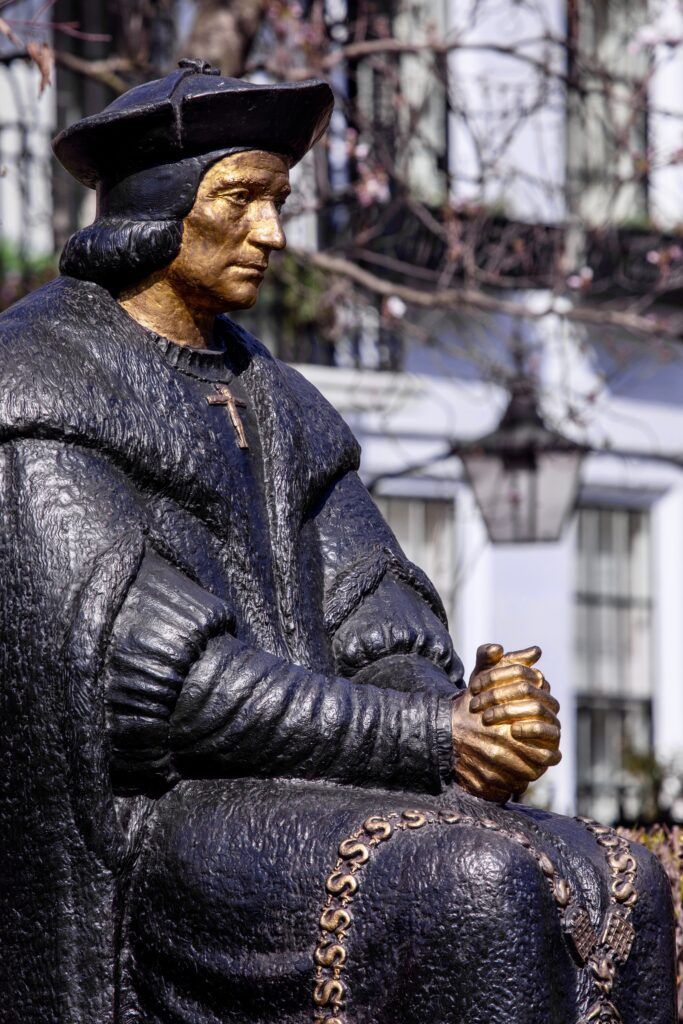
He pursued suspected evangelicals, hunted prohibited books, interrogated suspects, and used the powers of government to suppress religious dissent. He destroyed people and their families.
No matter. More believed that inflicting “bodily pain or death” was a perfectly acceptable punishment. Six people convicted of heresy were executed during his tenure, with More personally involved in three of the cases.
He relished the thought of their pain and hoped it would last for eternity. In his century or ours, that notion is repellent.
Historians debate the precise extent of his responsibility and some of the lurid accusations later made against him, but not his determination to suppress religious dissent.
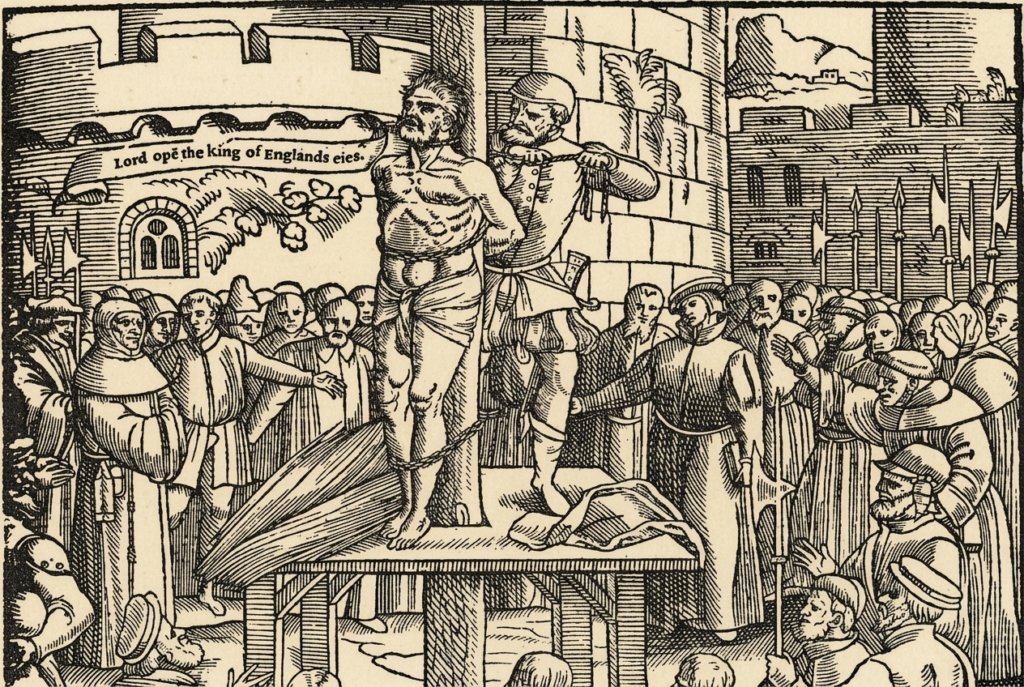
The Persecuted Heretics
Tyndale
More had plenty of victims. But his war with William Tyndale was his most obsessive battle.
Tyndale had translated the New Testament into English. More believed the translation was dangerous because it carried Protestant ideas directly to ordinary readers.
To More, this wasn’t simply a new English Bible. It was spiritual poison. He saw Tyndale as one of the main sources spreading Lutheran ideas through England.
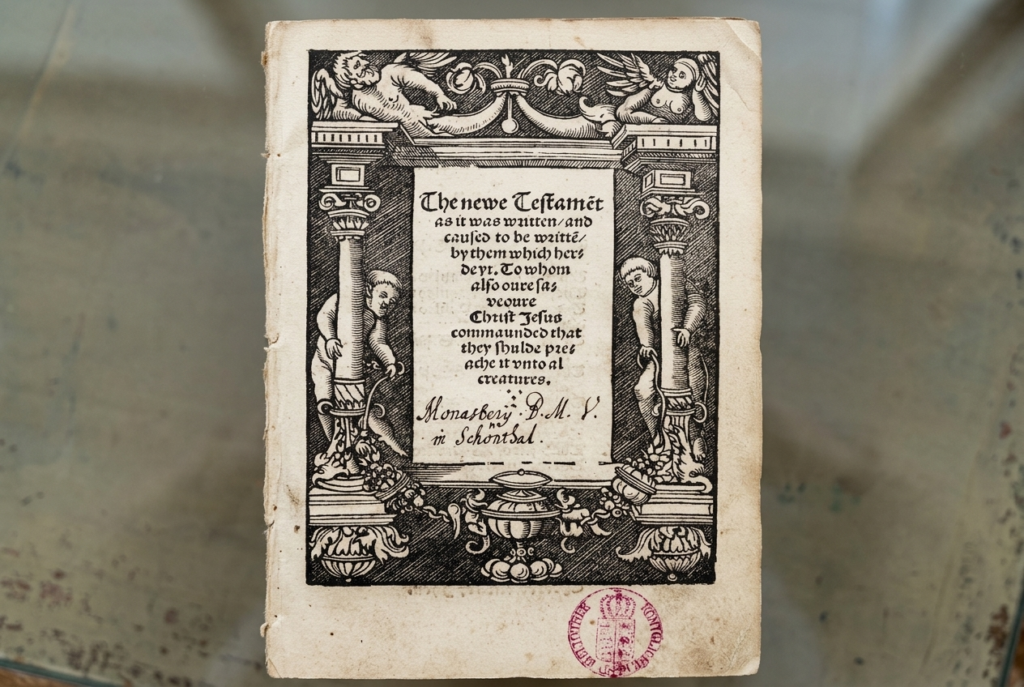
More also distrusted the idea that ordinary people should interpret Scripture for themselves. Without the authority of the Church, he believed readers could easily fall into heresy.
That’s more than orthodoxy. It’s paternalism backed by coercion.
And More spent an extraordinary amount of time attacking Tyndale in print. His Confutation of Tyndale’s Answer, published in installments in 1532 and 1533, ran to roughly half a million words.
Their literary battle became increasingly vicious. But More’s campaign against heresy wasn’t confined to books and arguments. Real people paid the price.
Tewkesbury
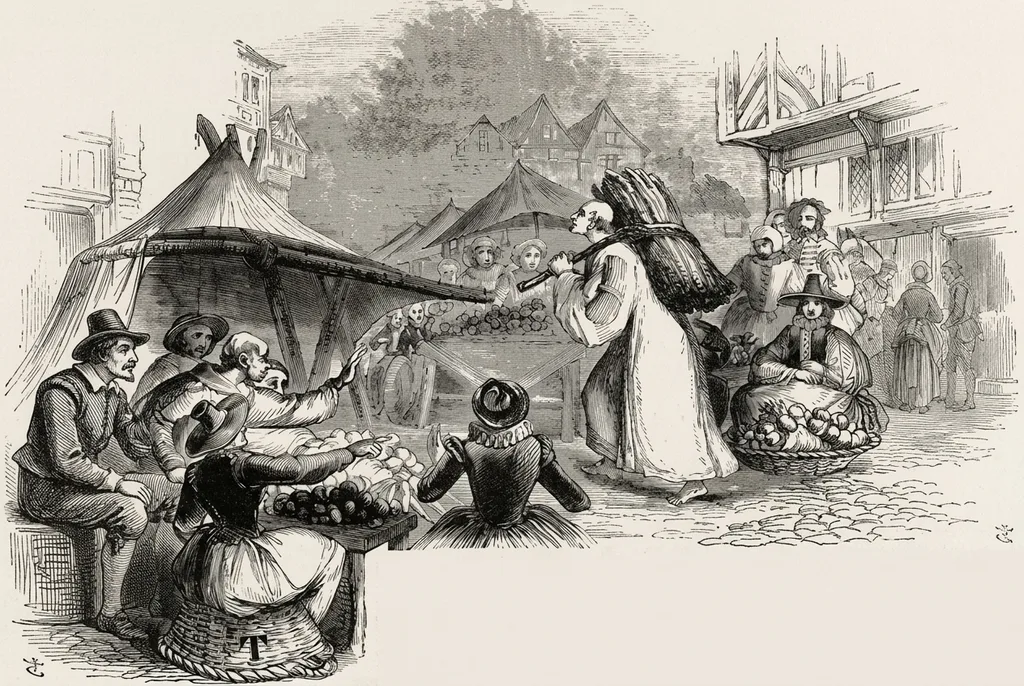
John Tewkesbury was a London leather merchant who became interested in evangelical ideas after reading Tyndale. He was first arrested for heresy in 1529 and eventually recanted.
As part of his public penance, he had to carry a bundle of sticks at St. Paul’s Cathedral and wear images of the sticks on his sleeves. The message was obvious. If he returned to heresy, the next punishment could be fire.
Nonetheless, Tewkesbury did return to Protestant ideas. He continued reading banned works, including Tyndale’s The Obedience of a Christian Man and The Parable of the Wicked Mammon.
In 1531, he was arrested again. This time, More was directly involved in questioning him. The final sentence was pronounced by the Bishop of London at More’s house in Chelsea on December 16.
Four days later, Tewkesbury was burned at Smithfield. More showed little sympathy. He wrote that there had “never [been a] wretch” more deserving of burning.
Hitton
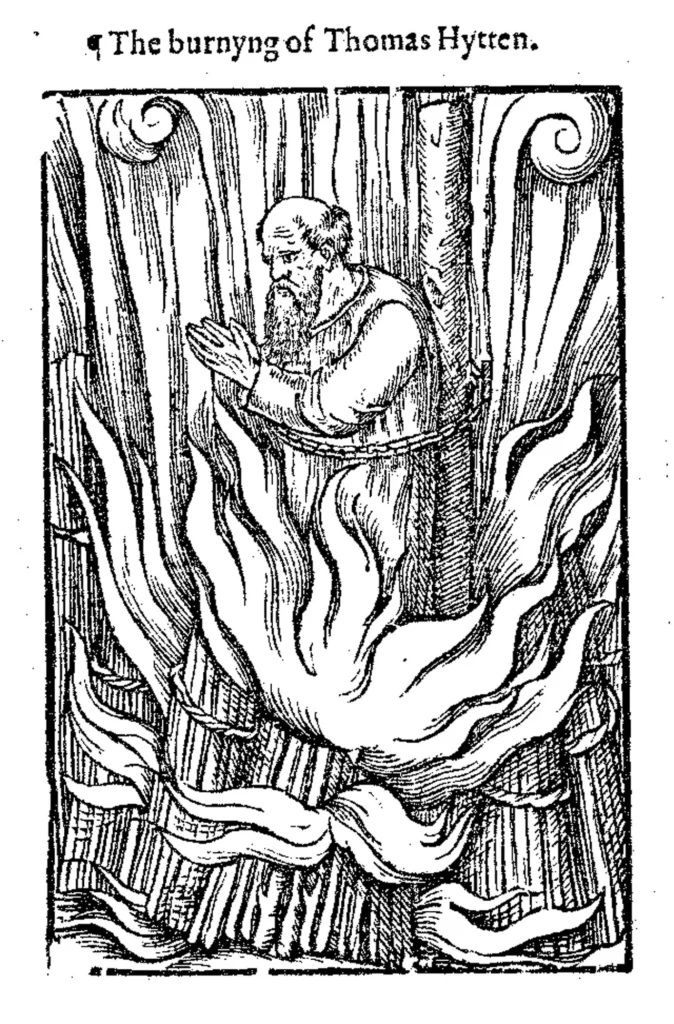
Thomas Hitton was a priest associated with the evangelical movement. He was condemned for heresy and burned at Maidstone in 1530.
Protestants soon began treating Hitton as a martyr. One evangelical prayer book even placed “Saint Thomas the Martyr” in its calendar.
More was furious.
In his Confutation of Tyndale’s Answer, he mocked Hitton as the devil’s “stinking martyr.” Elsewhere, he described him as a heretic who was now burning in hell.
More didn’t merely accept executions for heresy as an unfortunate necessity. His own words about the dead could be remarkably vindictive.
Censorship & Book Burning
More also restricted people’s access to religious texts because he considered them incapable of understanding them.
A 1530 royal proclamation prohibited specified foreign religious books, restricted the printing of works on Scripture, and sharply limited possession of unauthorized translations.
More also explicitly defended burning Tyndale’s New Testament because he regarded it as a deliberately corrupted translation capable of poisoning its readers.
More’s apocalyptic fear of uncontrolled reading went remarkably far. He even said that, if his own Utopia and Erasmus’ Praise of Folly were helping heresy along, he’d help burn them himself.
To More, truth was not something individuals were entitled to work out for themselves. The Church possessed the truth. The reader’s job was to submit to it.
That tells you what distaste he had for freedom of thought. Satan was under the kitchen table, after all, and about to kick it over.

Luther
More’s writings about Martin Luther were even more abusive. So much for his polished humanist image. So much for the serene, exquisitely mannered More of later legend.
When Luther attacked Henry’s Defense of the Seven Sacraments, More responded under a pseudonym.
He deliberately used vicious personal invective. Among other things, he called Luther a “frenzied friarlet,” a “shameless buffoon,” and a “Satanist from hell.”
Using language of the gutter, he said Luther’s foul mouth deserved someone to “crap in it.” Probably the worst of it was when he called Luther’s mouth “the shit pool of all shit” and imagined emptying “all the sewers and privies” into it.
Yes, the man who would be saint actually wrote that. It’s astonishingly crude.
Conclusion
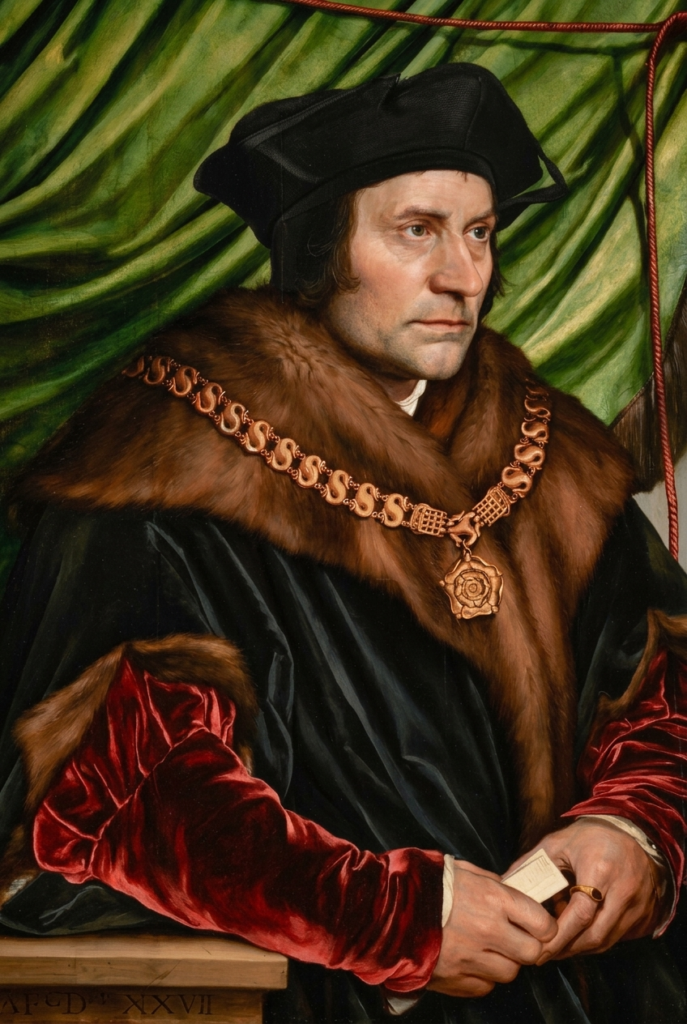
More ultimately demanded the right to obey his own conscience even when the state commanded otherwise.
Yet when he had power, he didn’t extend anything resembling that freedom to people whose consciences led them toward Protestantism.
That is the contradiction I can’t get past. More died because the state would not leave his conscience alone, after spending years helping the state police the consciences of others.
His lodging was the Tower. And his body was buried onsite in St. Peter and Vincula under the same roof as Anne Boleyn. Ironic bedfellows.

I hope you’ve enjoyed my Thomas More biography. You may find these other English histories interesting:
- Royal Whodunits
- English myths
- History of Medieval and Tudor England
- Tudor queens of England
- Power Women of Medieval & Tudor England
- Historical Mistresses and Favorites
- Wives of Henry VIII
- Worst kings of England
- Anglo-Saxon kings of England
Pin it for later.