What was the Anarchy that tore England apart in the 12th century? And who won that civil war?
Empress Matilda had the bloodline, the claim, and her father’s backing. Stephen had the crown. The wars between Matilda and Stephen lasted about 18 years, from 1139 to 1153, a period of English history often called The Anarchy.
It wasn’t non-stop warfare. No, their battles went through several distinct phases with sieges, local feuds, and barons exploiting the crown.
Here’s how it all happened.
The Anarchy: England’s 12th Century Civil War
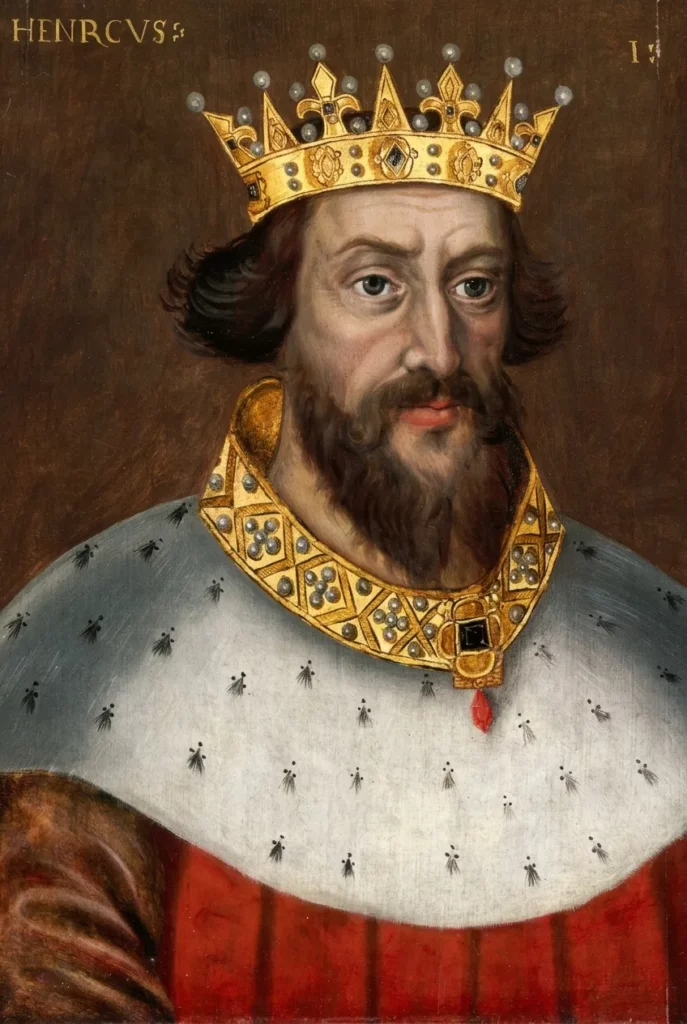
Henry I Has No Male Heir
The whole mess began with the White Ship disaster of 1120.
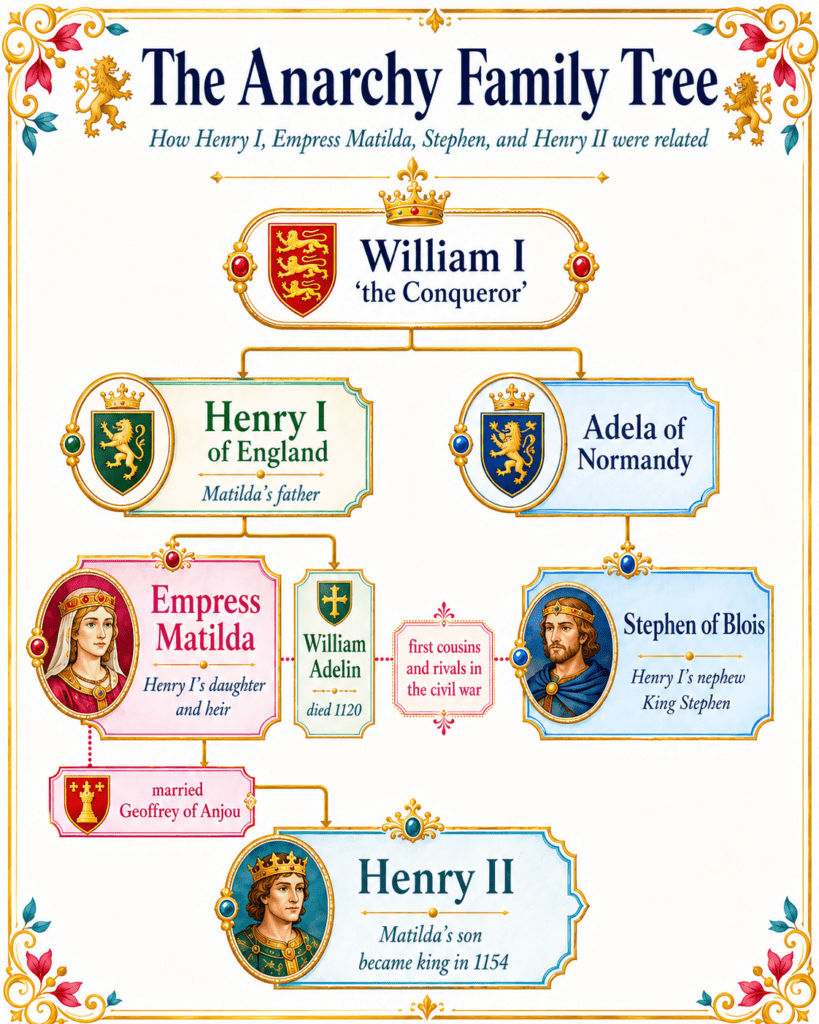
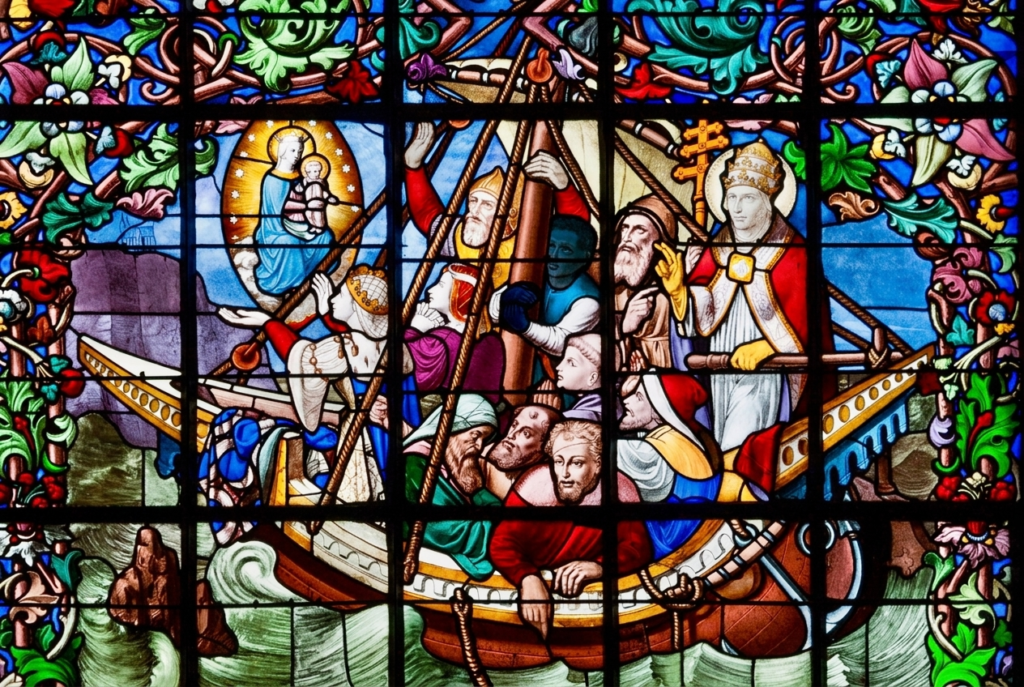
Henry I’s only legitimate son and heir, William Adelin, drowned when the White Ship struck a submerged rock off Barfleur and sank in the English Channel.
The passengers and crew had reportedly been drinking heavily, and the ship seems to have been traveling far too fast in an effort to catch up with the king’s vessel. Almost everyone aboard died.
The disaster sent a shock wave through English politics. Henry suddenly had no legitimate son. Who on earth would succeed him?
Determined to produce another male heir, Henry married again, this time to Adeliza of Louvain. But the marriage produced no children.
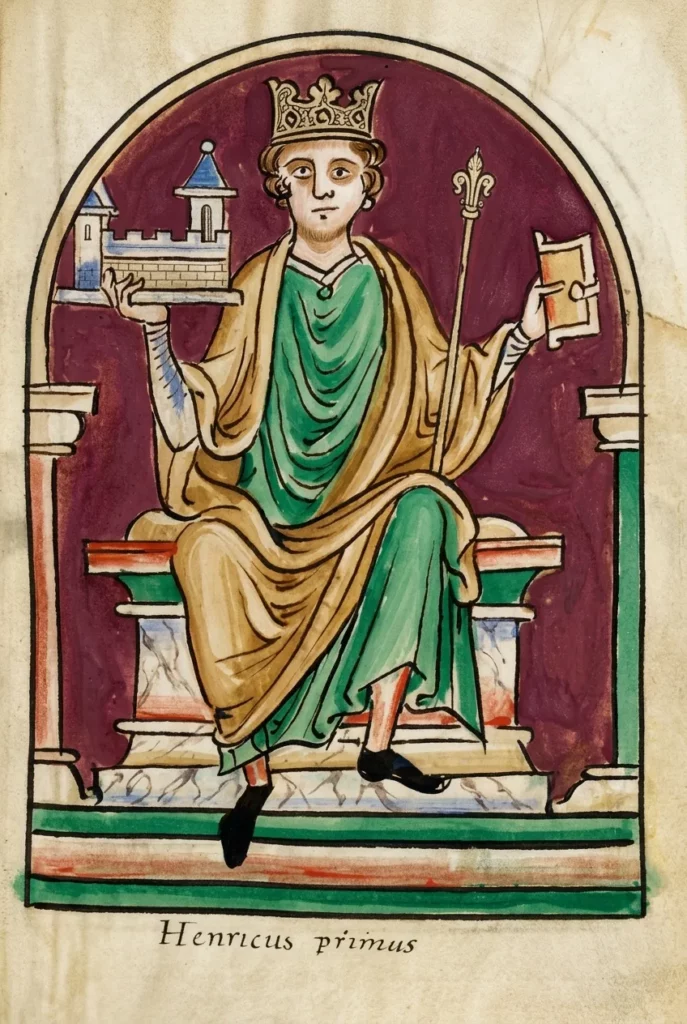
This was an especially bizarre quirk of fate given Henry’s spectacularly prolific sex life. He fathered at least 20 illegitimate children, probably more.
So Henry was left with one legitimate surviving child, his daughter Matilda.
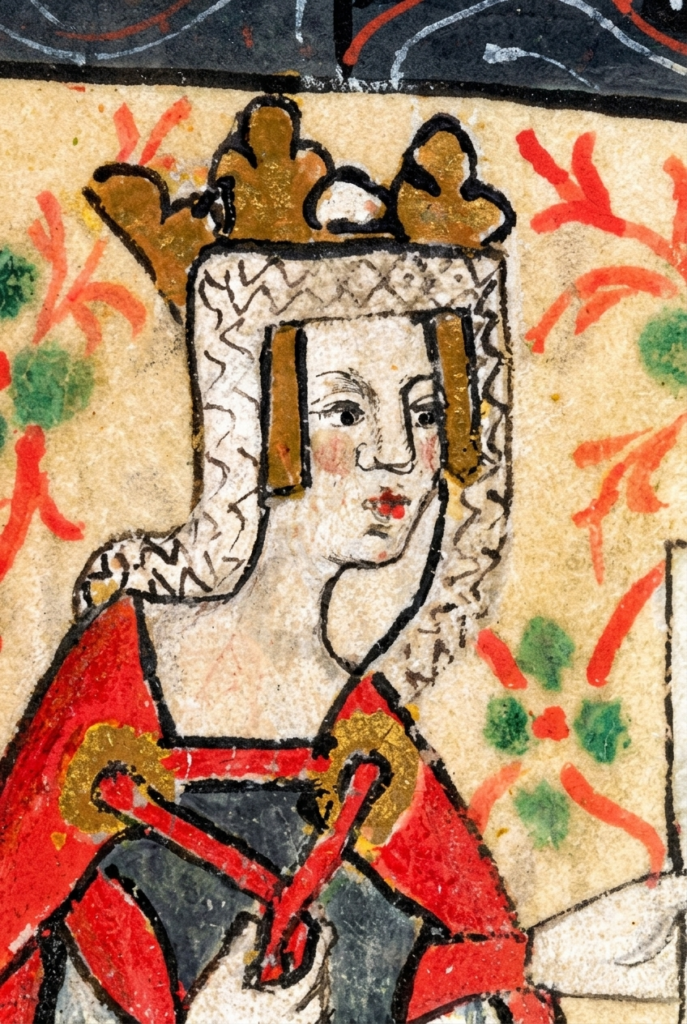
She was no ordinary princess. Matilda had been married to the Holy Roman Emperor Henry V and had spent much of her youth at the imperial court. When Henry V died in 1125, she returned to her father’s orbit as a wealthy, politically experienced widow who still styled herself “Empress.”
Henry now did something unprecedented. He decided Matilda would inherit England and Normandy.
Beginning in 1127, he made his leading barons swear oaths recognizing her as his heir. He made them swear again later, just to make absolutely sure they got the message.
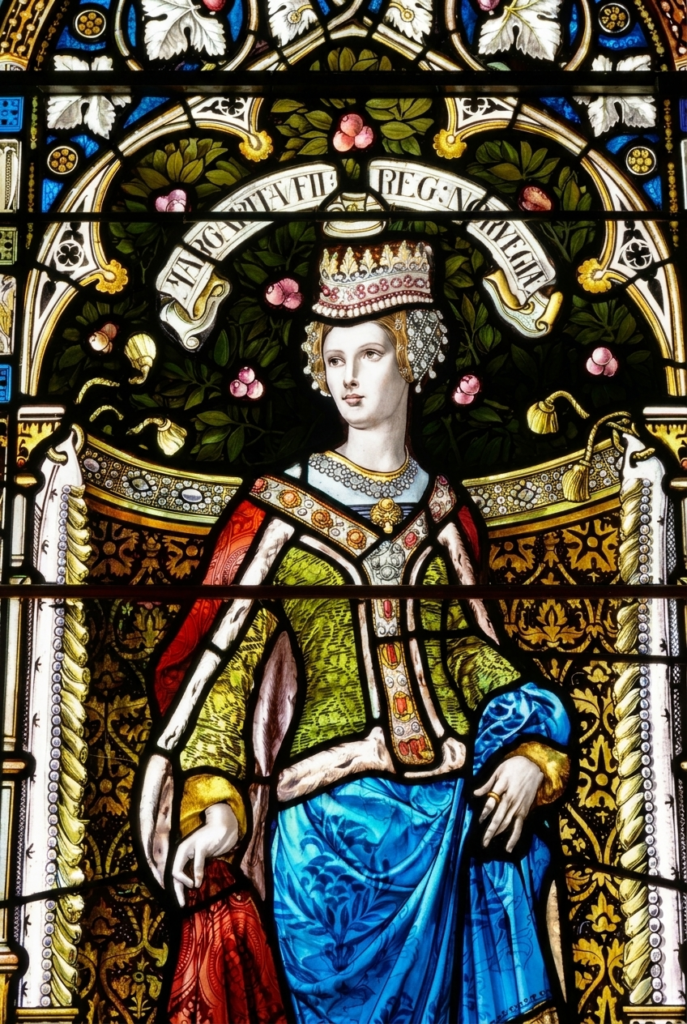
The barons were not thrilled.
England had never been ruled by a woman in her own right, and medieval aristocrats were not exactly eager to experiment with female kingship. They could accept a queen as a king’s wife. A woman actually wielding royal power was another matter.
And, inconveniently, many of them simply did not like Matilda.
She could be proud, imperious, and breathtakingly conscious of her rank. She had grown up at a royal court and expected obedience. Charm was not her chief political weapon.
Henry then made things worse by arranging her second marriage to Geoffrey of Anjou.
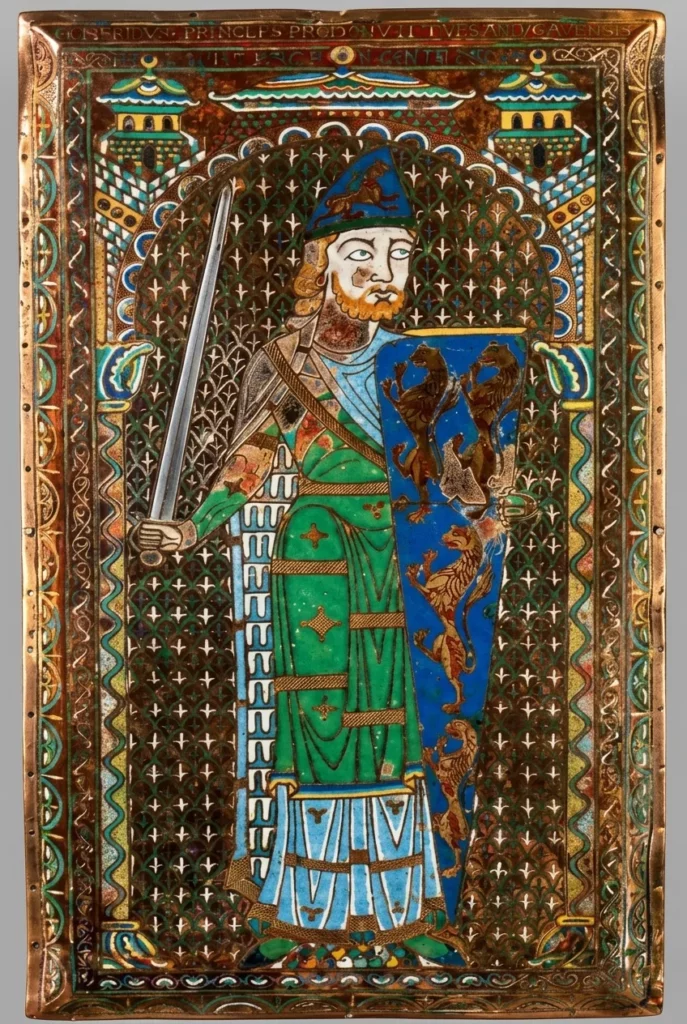
Geoffrey was roughly 11 years younger than Matilda and, in her eyes at least, distinctly beneath her. She’d been an empress. He was the teenage heir to the county of Anjou.
Still, they eventually did what Henry desperately needed them to do. Matilda gave birth to a son in March 1133, the future Henry II of England. A second son, Geoffrey, followed in 1134, and a third, William, in 1136.
The problem was that the English and Norman barons didn’t like Geoffrey much better than they liked Matilda.
To them, he was an Angevin outsider. The Normans had longstanding hostility toward Anjou, and many feared that Geoffrey and his followers would dominate England and Normandy if Matilda became queen.
Stephen, by contrast, looked wonderfully uncomplicated.
He was Henry I’s nephew, the son of Henry’s sister Adela of Blois. He was enormously wealthy, personally charming, popular with the nobility, an experienced soldier, and, critically, male.
He had also sworn the oath recognizing Matilda as Henry’s heir. That detail would soon become rather inconvenient.
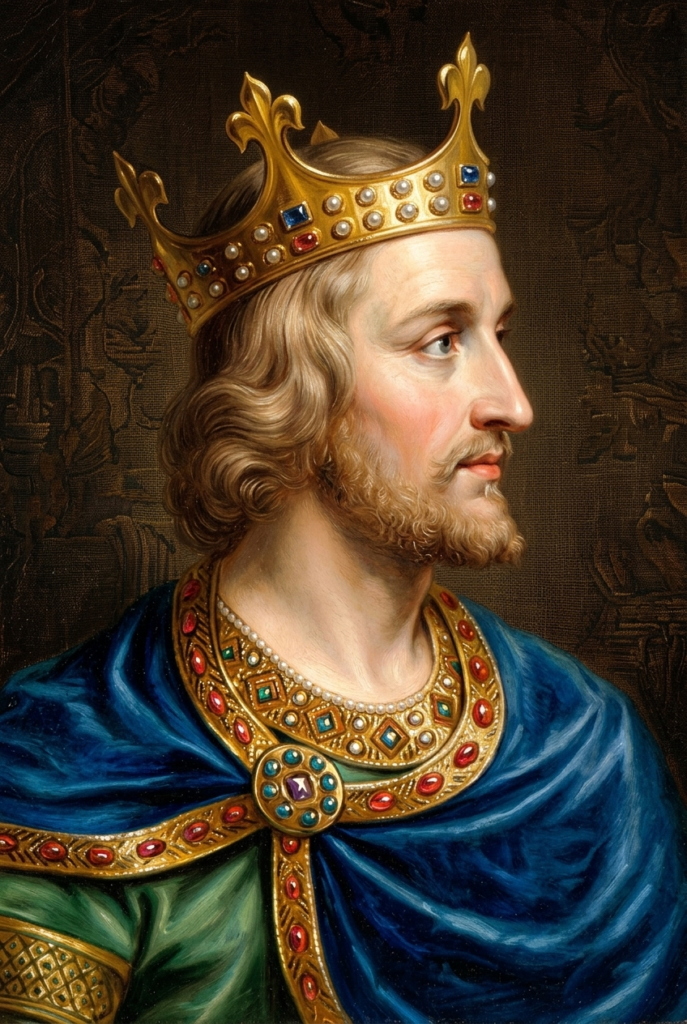
Stephen Seizes the Crown
Henry I died in December 1135 while Matilda was in Anjou, pregnant with her third child.
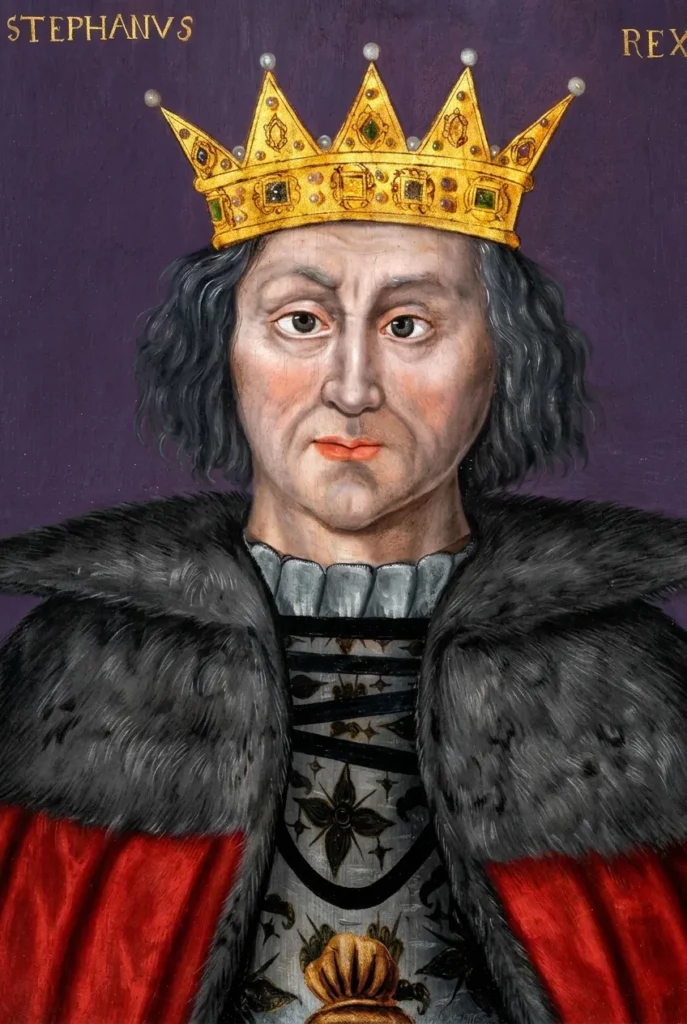
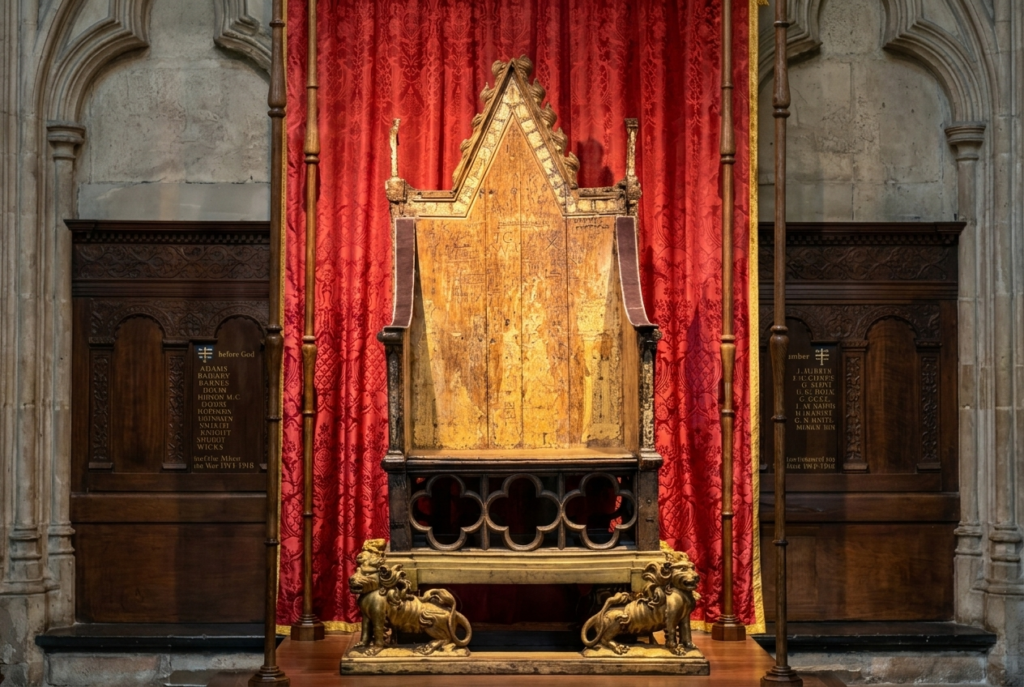
Stephen moved with astonishing speed. He crossed to England, secured support in London, and was crowned king at Westminster Abbey on December 22, 1135.
Just like that, Matilda’s carefully arranged succession was blown apart.
The barons who had sworn repeatedly to uphold her claim now abandoned those oaths. Stephen, after all, had several things working in his favor.
He was Henry I’s nephew, a grandson of William the Conqueror through his mother, Adela of Blois, and had been raised partly at Henry’s court. He knew the political terrain. More importantly, he knew how uneasy many of the barons were about Matilda and Geoffrey.
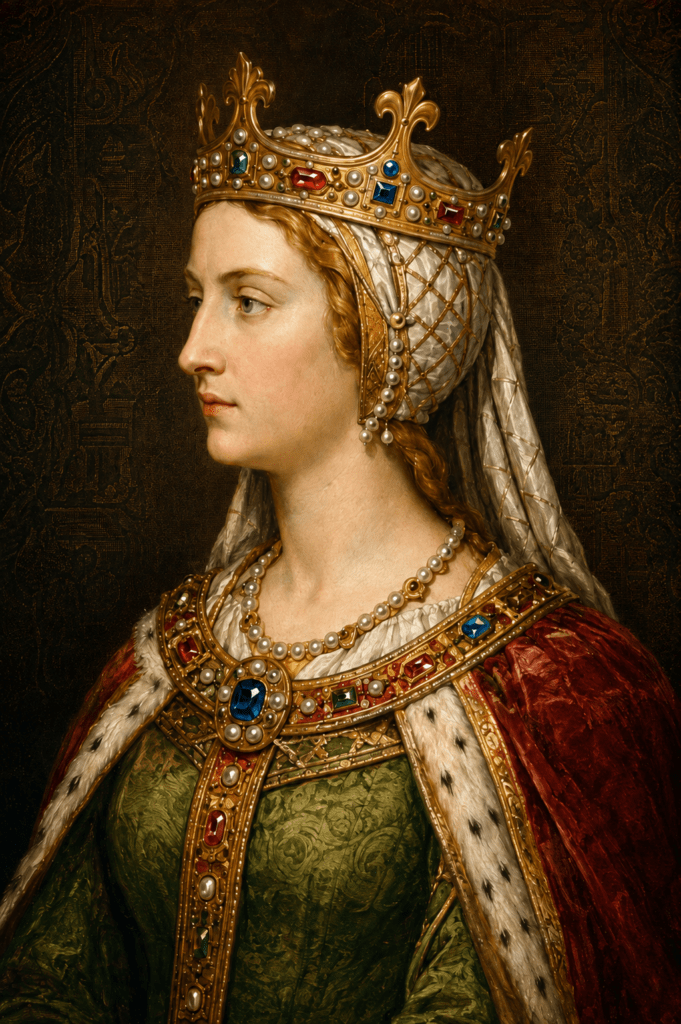
Stephen also had the advantage of being there. Matilda was across the Channel. Stephen was in London, collecting support, dispensing promises, and getting himself crowned.
There was some legal hand-waving involved. Stephen’s supporters claimed Henry released the barons from their oaths to Matilda before his death. Whether Henry actually did so is highly doubtful, but it gave nervous nobles a convenient excuse.
Church support helped too. Stephen’s brother Henry of Blois, the powerful Bishop of Winchester, was instrumental in backing his claim. The Archbishop of Canterbury crowned him, and Pope Innocent II later accepted Stephen as king, giving the regime an additional layer of legitimacy.
For a moment, it looked as though Stephen had pulled off the coup completely.
Matilda and her supporters were stunned by the speed of it. She’d been Henry’s designated heir for years, yet by the time she was in any position to react, Stephen was already wearing the crown.
Matilda did not renounce her claim. Not remotely.
But she was forced to remain in France for the next several years, consolidating support and waiting for an opening. Geoffrey, meanwhile, concentrated on attacking Normandy, where the couple’s position gradually strengthened.
Back in England, Stephen quickly discovered that stealing the crown was the easy part.
He had to deal with rebellions in Wales, unrest among powerful magnates, and incursions from King David I of Scotland. David was Matilda’s maternal uncle, who invaded northern England partly in support of her claim.
Stephen arrested of the bishops of Salisbury and Lincoln in 1139, and this badly damaged his relationship with the Church.
Still, Stephen managed these early crises well enough. He reached settlements, raised armies. For a time, he looked quite capable of holding the kingdom together.
But the cracks were already there.
Matilda Invades England
That might have been the end of the story, except Stephen turned out to be a deeply ineffective king.
He was brave and personally likable, but politically erratic. He could be indecisive when firmness was needed and impulsive when caution would serve him better.
Worst of all, he repeatedly mishandled powerful nobles and churchmen, driving men who might have tolerated his rule straight into Matilda’s camp.
Matilda saw her opening.
In September 1139, she crossed the Channel to England to reclaim the crown she believed had been stolen from her. Her arrival marked the beginning of the serious phase of the civil war that would drag on until 1153.
A later chronicler famously described the misery of Stephen’s reign as a time “when Christ and his saints slept.” It’s one of the bleakest verdicts in medieval English history.
Matilda landed at Arundel with her formidable half brother Robert of Gloucester, an illegitimate son of Henry I. Robert was one of the wealthiest and most capable magnates in England and quickly became the military backbone of her cause.
Stephen had a chance to shut the whole thing down almost immediately.

Instead, in one of his more baffling decisions, he allowed Matilda safe passage from Arundel to Bristol, where she could join her supporters and establish a secure base in the west.
From there, the kingdom effectively split into rival zones.
Stephen remained strongest in London, eastern England, and much of the southeast. Matilda’s power centered on Bristol and Gloucester, backed by Robert and a network of western lords.
Neither side was strong enough to destroy the other. That was the fundamental problem.
Stephen could win battles without ending the war. Matilda could gain territory without securing the crown. England was now trapped in a grinding contest of sieges, defections, private wars, and shifting allegiances.
Matilda Nearly Wins Everything
By 1141, Matilda was winning the war.
Stephen had besieged Lincoln Castle, whose occupants had appealed to Matilda’s faction for help. Robert of Gloucester and Ranulf of Chester marched to relieve it, and on February 2, 1141, their forces met Stephen’s army at the Battle of Lincoln.
Stephen fought ferociously, reportedly continuing on foot after his horse was killed beneath him. But his army collapsed around him. He was captured and hauled off to Bristol Castle in chains.
That should have been the end of him. For the first time, Matilda had a clear path to the throne.
She went to Winchester, where the church recognized her as Domina Anglorum, “Lady of the English.” Stephen was imprisoned, many of his supporters defected, and Matilda began acting like England’s ruler.
All she needed now was a coronation. But she hadn’t actually won yet. The biggest obstacle was London.
London wasn’t simply another town Matilda could boss around. It was wealthy, politically organized, and accustomed to bargaining with kings. Stephen had cultivated the city carefully and granted its citizens valuable privileges. They expected Matilda to do the same.
She didn’t.
Instead of wooing the Londoners, she demanded money and apparently rejected requests to confirm or expand their privileges. Contemporary chroniclers portray her as imperious and uncompromising.
This was exactly the wrong moment to remind everyone that she could be difficult.

Stephen’s formidable wife, Matilda of Boulogne, also approached her on behalf of her imprisoned husband and their son Eustace. She reportedly asked that Stephen be released or, at minimum, that Eustace be allowed to inherit his father’s lands.
Matilda refused. No deal. No conciliation. It was her gravest political miscalculation.
In June 1141, as Matilda was preparing for her coronation, London turned against her. Church bells rang, crowds gathered, and the city rose in revolt.
The threat was so sudden that Matilda and her entourage reportedly fled in the middle of a meal, abandoning their dinner and racing west before the Londoners could seize them.
The crown had been within touching distance. And she had lost it.
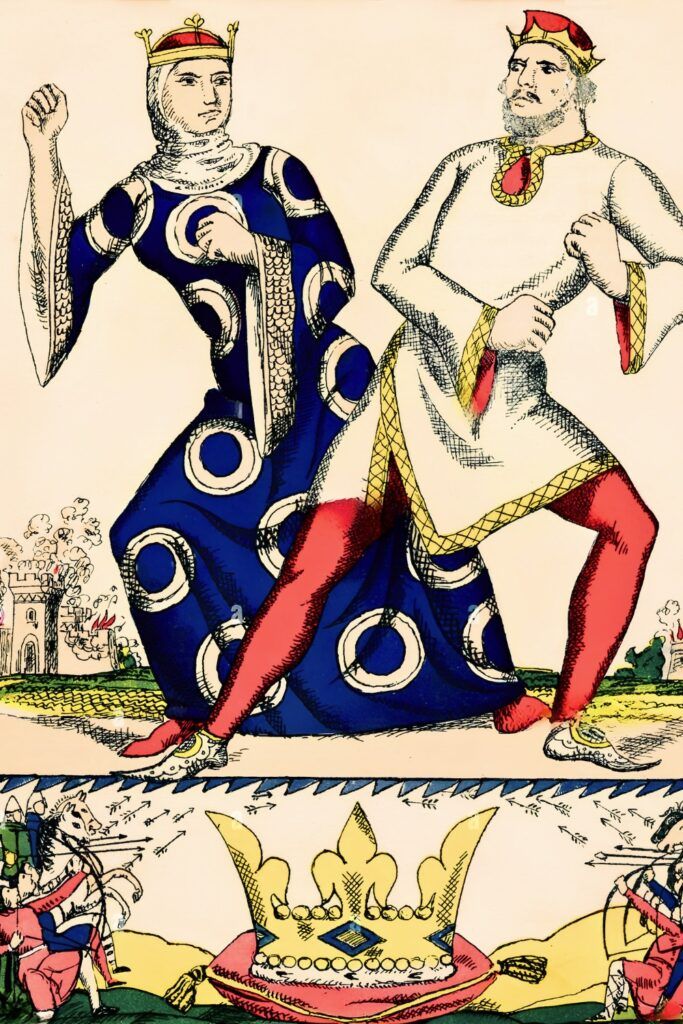
Stephen’s wife now went on the offensive. Queen Matilda rallied his remaining supporters, raised troops, and helped turn the tables at Winchester. In September, Matilda’s forces were trapped during the chaotic Rout of Winchester.
Matilda escaped. Robert of Gloucester did not. Her half brother, commander, and indispensable military ally was captured by Stephen’s supporters.
The result was almost absurdly symmetrical: Matilda’s side held Stephen, while Stephen’s side held Robert. Neither could continue without the prisoner the other possessed.
So they made the obvious trade. Robert was exchanged for Stephen in November 1141.
Within weeks, Stephen was free. By Christmas, he had been ceremonially crowned again.
How Arrogant Was Matilda?
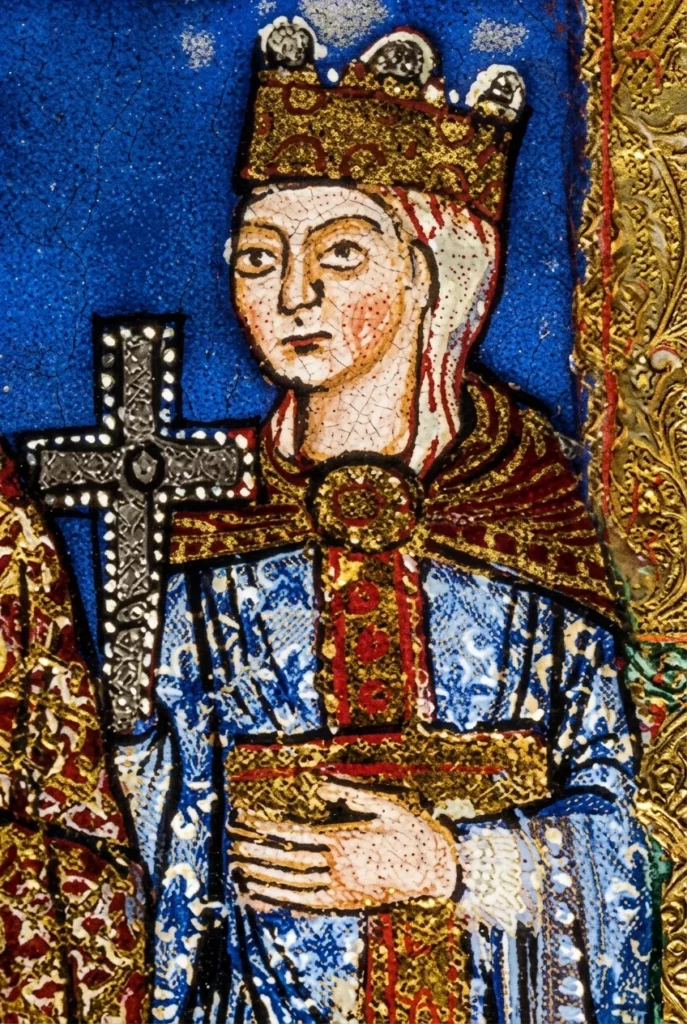
But how accurate is this version of Matilda? She can come across as an absolute ogre.
This is where the story gets murkier.
Nearly all the surviving narratives of the war were written by men operating in a culture where women were expected to be deferential, obedient, and politically secondary.
Traits admired in a medieval king — firmness, command, decisiveness, a strong sense of rank — could be recast as arrogance, pride, or unnatural ambition when displayed by a woman.
Matilda was unquestionably difficult at times. She could be imperious, inflexible, and spectacularly bad at conciliation. Her handling of London in 1141 was a genuine political blunder, not something we need to explain away.
But the standards applied to her were wildly uneven.

Stephen’s great weakness was that he was not ruthless enough. He forgave rebellious barons, released enemies, and repeatedly failed to crush opponents when he had the chance. Medieval chroniclers criticized him for being too soft to rule effectively.
Matilda had the opposite problem. She was forceful, demanding, and expected obedience.
So the situation was almost absurd: Stephen wasn’t ruthless enough to be a good king. Matilda was too ruthless to be an acceptable woman.
She could not win that particular game.And some of the language used about her should be treated with suspicion.
Chroniclers complained about her “intolerable arrogance” and her refusal to behave with appropriate feminine modesty. But much of what offended them was precisely the behavior expected of a male sovereign asserting his authority.
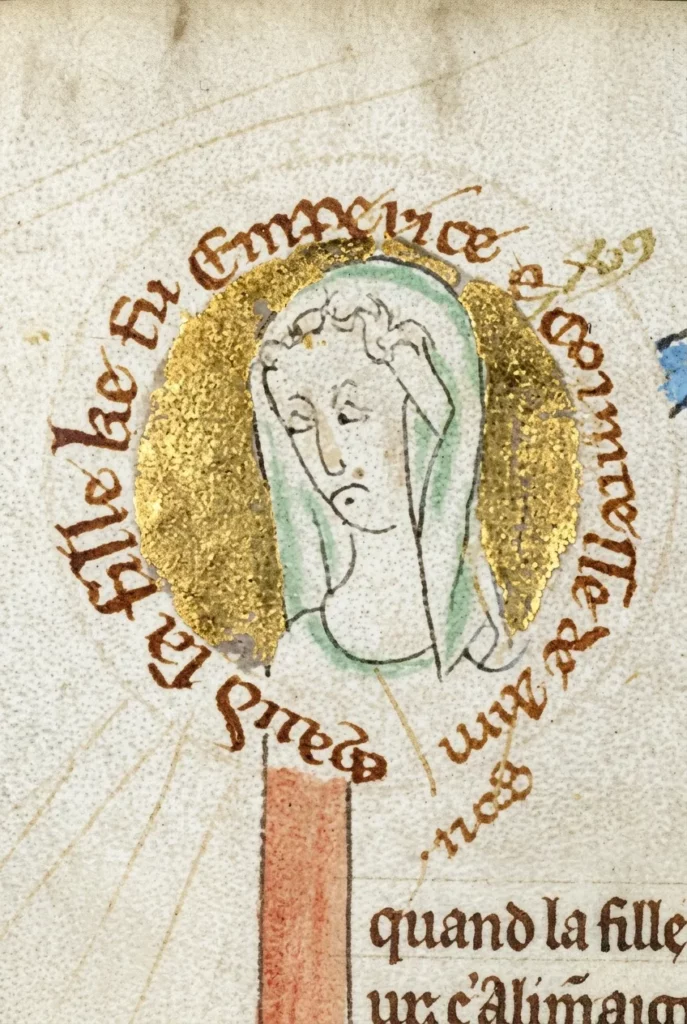
None of this means Matilda was secretly warm and cuddly. She probably wasn’t.
She had been raised at court, treated as an empress from childhood, and possessed an enormous sense of her own status and legitimacy.
But there is a difference between saying Matilda had a difficult personality and accepting at face value a portrait created by medieval men who were deeply uncomfortable with the idea of a woman ruling England.
The truth is probably somewhere in between. Matilda was proud, politically tough, and capable of serious mistakes. She was also judged by standards no male claimant to the throne had to meet.

Stalemate, 1142-47
After 1141, neither side could land a decisive blow.
One of the most famous episodes came in the winter of 1142, when Stephen besieged Matilda at Oxford Castle for months.
By December, the situation was desperate. Supplies were running low, the garrison was exhausted, and surrender seemed inevitable.
Matilda decided to do something audacious.
In the middle of a snowstorm, she slipped out of the castle at night with a handful of companions, reportedly dressed in white so they would blend into the snow.
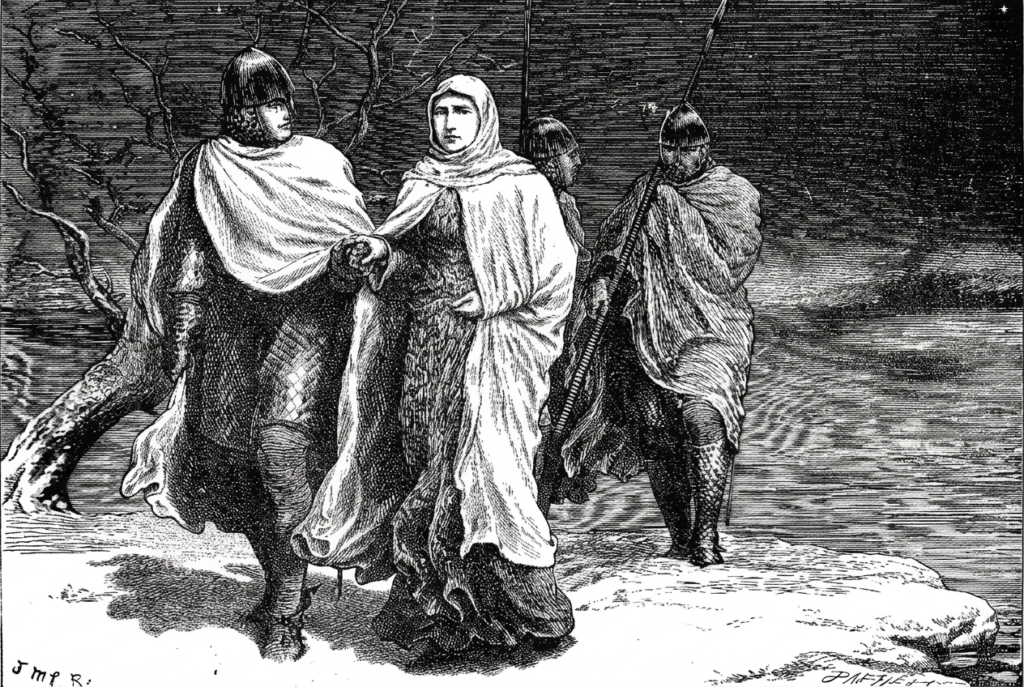
The details vary wildly.
Some chroniclers say she climbed down from a tower by rope. Others have her lowered in a basket or escaping by knotted sheets.
The more elaborate versions may be later embellishments, but the basic escape itself seems to be genuine.
She and her companions crossed the frozen landscape, made their way over the River Thames near Oxford, and eventually reached safety at Wallingford. The castle surrendered soon afterward.
It was a spectacular escape, but it did not solve Matilda’s larger problem.

By now, the war had become increasingly decentralized. Matilda gained ground here. Stephen recovered territory there. Towns changed hands. Castles were besieged. Barons switched sides when it suited them.
Nothing was decisive enough to end the war.
And as royal authority weakened, powerful nobles behaved more like independent warlords. They built unauthorized castles, extorted money, fought private wars, and terrorized the countryside.
This is where the label “The Anarchy” really earns its reputation, although historians debate how chaotic England actually became everywhere. Some regions were devastated. Others functioned relatively normally.
Still, contemporary descriptions could be horrific.
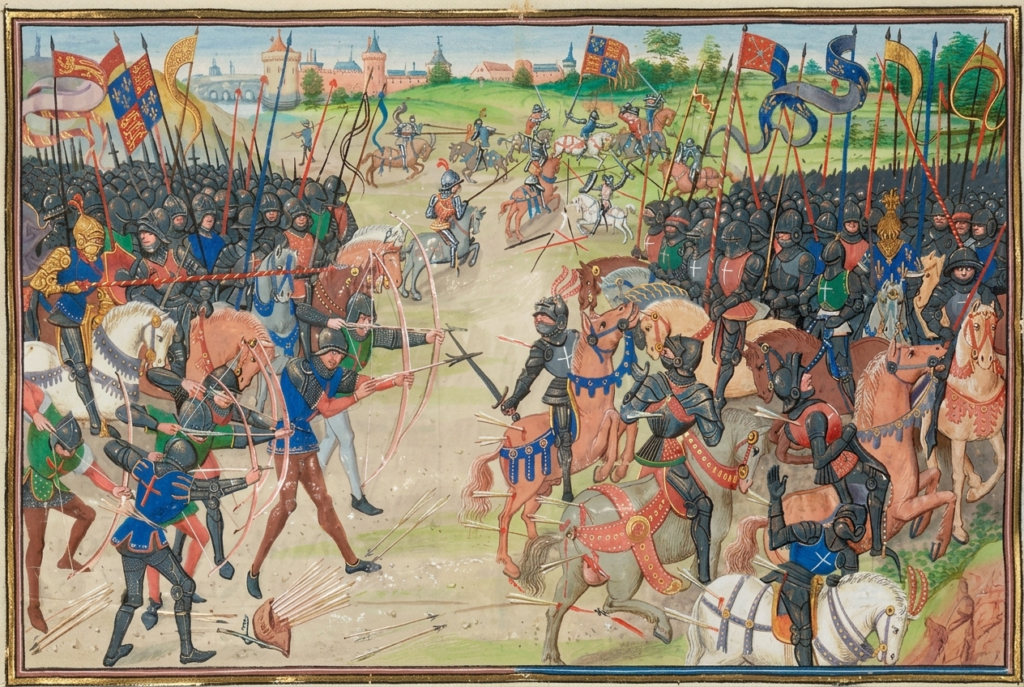
The Anglo-Saxon Chronicle famously complained that powerful men filled the country with castles and oppressed ordinary people. The suffering became so severe, it said, that people openly declared that “Christ and his saints slept.”
War, disrupted farming, taxation, and local violence also contributed to severe hardship and food shortages in some areas. A major turning point came in 1147, when Robert of Gloucester died.
Matilda had lost far more than a military commander. Robert was her most important political ally, strategist, protector, and the man who held her coalition together.
Without him, her position in England became much weaker. In 1148, Matilda returned to Normandy and never again came back to England.
But that didn’t mean Stephen had won. The war was simply passing to the next generation.
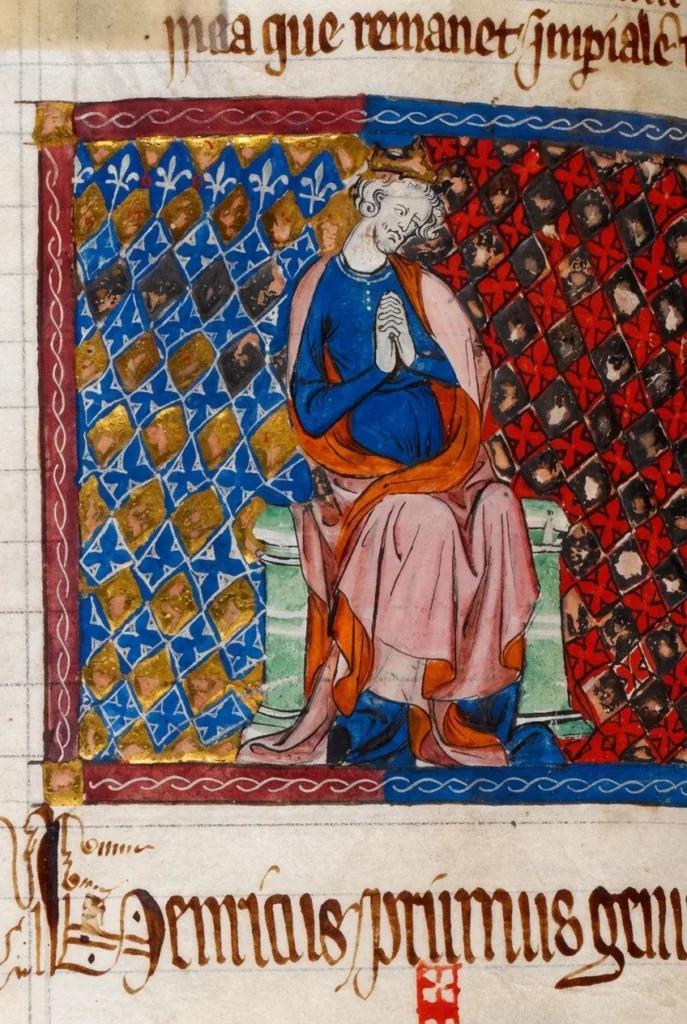
Enter Henry Plantagenet
Matilda had one enormous advantage left: her son Henry.
By the late 1140s, he was old enough to take up her claim himself. And in some ways, his position was stronger than hers had ever been.
Henry was the grandson of Henry I, descended directly through Matilda. Stephen, by contrast, was Henry I’s nephew. The blood claim was cleaner.
Then Henry’s inheritance started to become formidable.
His father, Geoffrey of Anjou, had conquered Normandy from Stephen’s supporters, and Henry eventually inherited Anjou, Maine, and Touraine as well. Suddenly, he was not merely a claimant with a famous mother. He was a major continental prince.
Then came the real game changer.
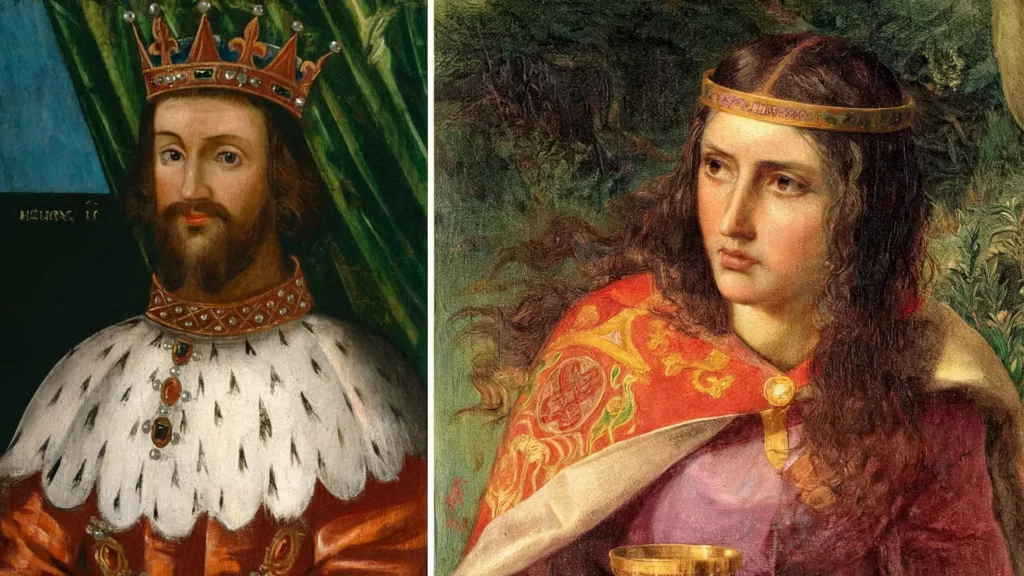
In 1152, Henry married Eleanor of Aquitaine, one of the richest and most powerful women in Europe. Eleanor had recently divorced King Louis VII of France and brought the vast duchy of Aquitaine with her.
Now, Henry controlled, or stood to control, an enormous swath of western France stretching from Normandy almost to the Pyrenees.
At that point, the balance of power had shifted dramatically.
Stephen was still king of England. But Henry had more land, more resources, and increasingly more political weight.
In practical terms, he was more powerful than the man sitting on the English throne.
Henry Invades England, 1153
Henry landed in England in 1153 to press his claim directly.
By this point, though, the English nobility was exhausted. After nearly two decades of sieges, defections, private wars, and shifting alliances, there was very little appetite for yet another full-scale campaign.
Stephen and Henry maneuvered against one another, but neither side was especially eager for a final bloodbath. Their supporters increasingly pushed them toward negotiation.
Then came the event that changed everything. Stephen’s eldest son and heir, Eustace, died suddenly in August 1153. That removed the biggest obstacle to peace.
Stephen still had another son, William, but Eustace had been the obvious dynastic successor and the one most determined to continue the fight. With him gone, Stephen had far less reason to keep sacrificing the kingdom to preserve his family’s claim.

The two sides reached an agreement later that year, generally known as the Treaty of Wallingford, or the Treaty of Winchester.
Under its terms, Stephen would remain king for the rest of his life. Henry would recognize Stephen as king, and Stephen, in turn, would recognize Henry as his adopted son and lawful heir.
It was an elegant solution to a thoroughly inelegant war. Matilda had never been crowned. She had never sat securely on the English throne. But dynastically, she had won.
Stephen died less than a year later, in October 1154. Henry became King Henry II and founded the Plantagenet dynasty, which would rule England for more than three centuries.
So after all the sieges, betrayals, near-coronations, escapes through snowstorms, and years of stalemate, the crown ended up exactly where Henry I had wanted it to go all along: to Matilda’s descendants.
So Who Actually Won?
In the short term, Stephen did. He kept the crown until his death and was never formally deposed. Matilda never got her coronation and never ruled England as queen.
But in the long term, Matilda won the succession battle.
Stephen’s line disappeared from the English throne. Matilda’s son inherited it, exactly as she had fought for him to do. The settlement of 1153 essentially conceded the central point she had been making since her father’s death: Henry I’s dynasty would continue through her.
And the best part? Matilda lived long enough to see it.
She spent her later years in Normandy and remained one of Henry II’s most trusted political advisers. She corresponded with him, intervened in disputes, and was still very much a force in the Plantagenet world until her death in 1167.

The Anarchy mattered for more than who wore the crown. It exposed just how quickly royal authority could fracture when the succession was disputed, and Henry II absorbed that lesson.
Once he became king, he set about rebuilding royal control, curbing the power of unruly barons, and restoring a stronger central monarchy.
In the final analysis, Matilda’s struggle cleared the way for the Plantagenets and helped shape the kind of king her son would become.
I hope you’ve enjoyed my guide to England’s 12th century civil war. You may find these other English history guides interesting:
- Royal Whodunits
- English myths
- History of Medieval and Tudor England
- Tudor queens of England
- Power Women of Medieval & Tudor England
- Historical Mistresses and Favorites
- Wives of Henry VIII
Pin it for later.