Rome had seven kings. The last one was so awful that Romans spent the next 500 years treating monarchy like a contagious disease.
Tradition blamed one man above all: Lucius Tarquinius Superbus, Tarquin the Proud. He was Rome’s seventh and final king.
According to ancient sources, he was reviled.
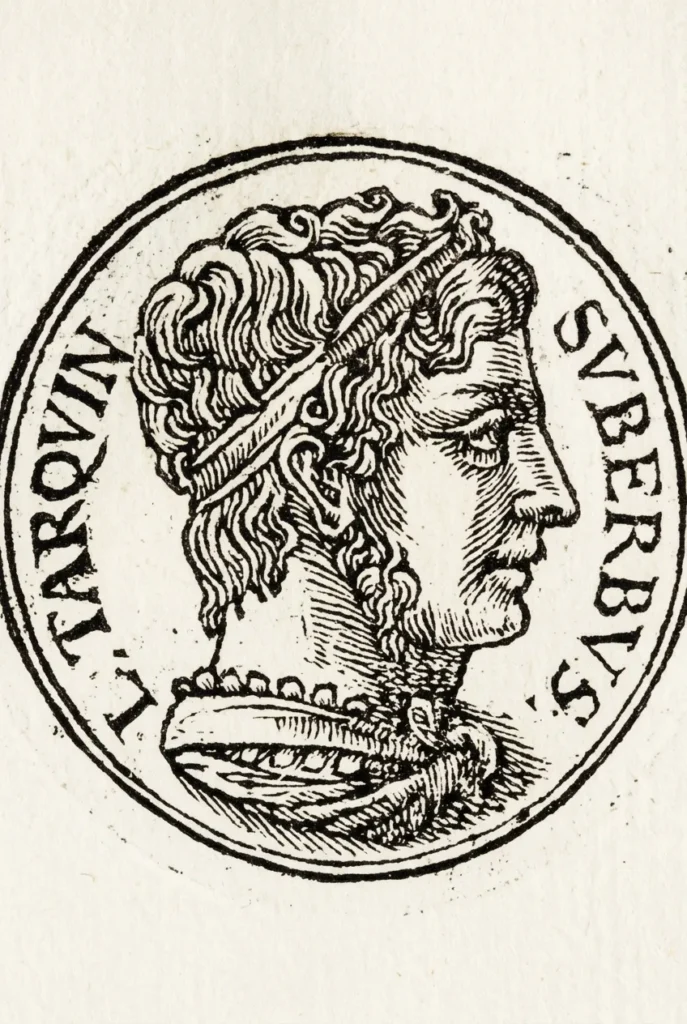
He usurped the throne in Rome after he and his wife murdered her father, ruled without consulting the Senate, and terrorized opponents. Ultimately, he lost everything because his own son committed an unforgivable crime.
Most of what we know comes from Livy and Dionysius of Halicarnassus, writing centuries later.
So, Tarquin’s history is mixed heavily with political legend and folklore. And Roman writers had every incentive to make the final king look monstrous.
Nonetheless, let’s see why he makes such a great cautionary tale. It’s a great story with all the drama you’d expect from Ancient Rome.
Tarquin the Proud Biography
Who Was Tarquin the Proud?
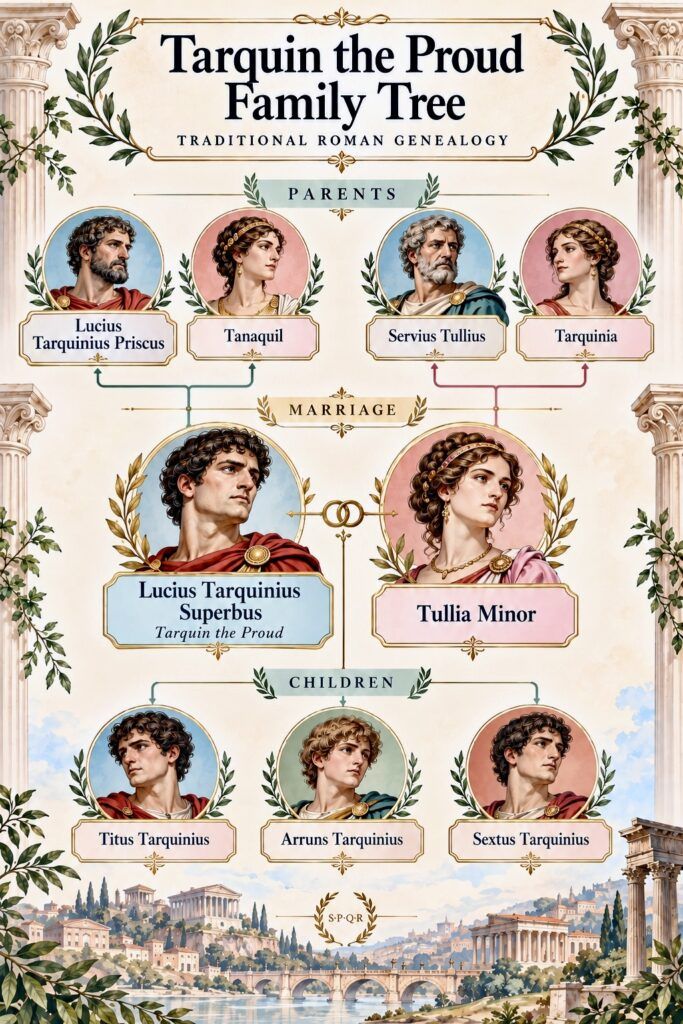
Tarquin was the son or grandson of Tarquinius Priscus, Rome’s fifth king. Ancient tradition isn’t entirely consistent on the relationship. Priscus had two sons, Lucius and Arruns, who were born in the mid 6th century BCE.
Lucius, the Tarquin of this tale, was ambitious, ruthless, and power hungry. He acquired the nickname Superbus, Latin for “proud,” “arrogant,” or “haughty.” Arruns, by contrast, was portrayed as mild and decent.
The reigning king, Servius Tullius, had two daughters, both very confusingly named Tullia. One was supposedly ambitious and ruthless like Lucius; the other was gentler, like Arruns.
Unfortunately, Servius managed to arrange exactly the wrong marriages. The mild Tullia married Lucius, while the ambitious Tullia married Arruns.
Did that stop the two ambitious ones from finding each other? Decidedly not.
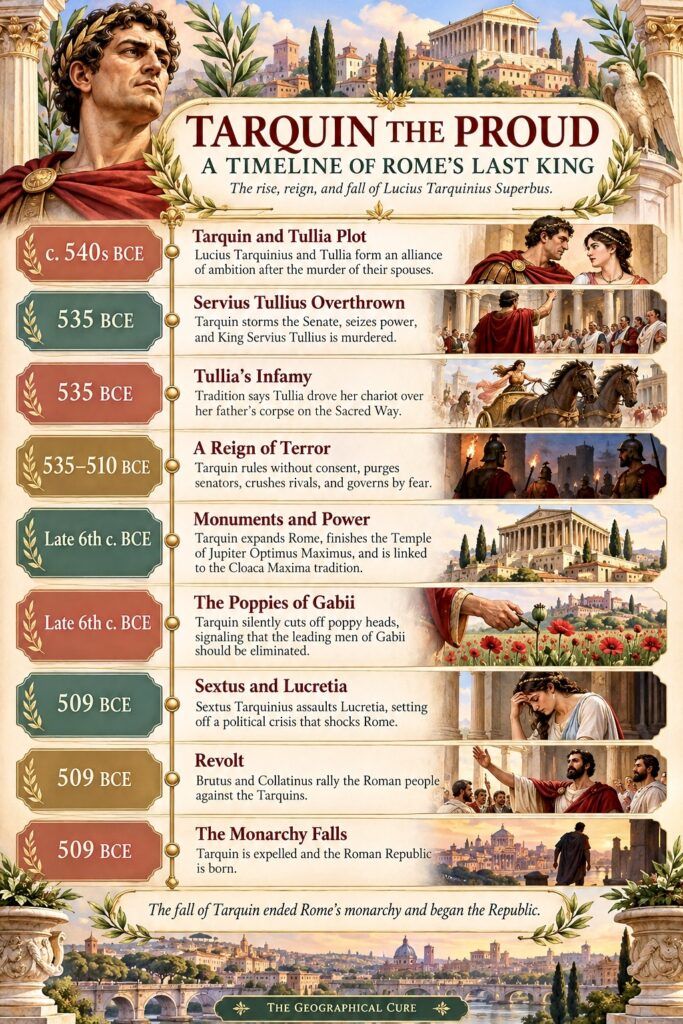
Tarquin and Tullia: Rome’s Power Couple From Hell
The vicious Tullia and vicious Lucius, who I’ll simply call Tarquin, saw in one another a partner in crime and a vehicle for their ambitions. Being married to other people wasn’t much of a deterrent.
According to Livy, the two began meeting secretly and plotting together. Then, their inconvenient spouses died in suspiciously quick succession. Livy doesn’t tell us exactly how, but later tradition supplied poison.
With both spouses safely out of the way, Tarquin and Tullia dispensed with mourning and married each other. Evil attracts evil. Livy says so himself.
The only thing standing between them and ultimate power was Tullia’s father, King Servius Tullius.
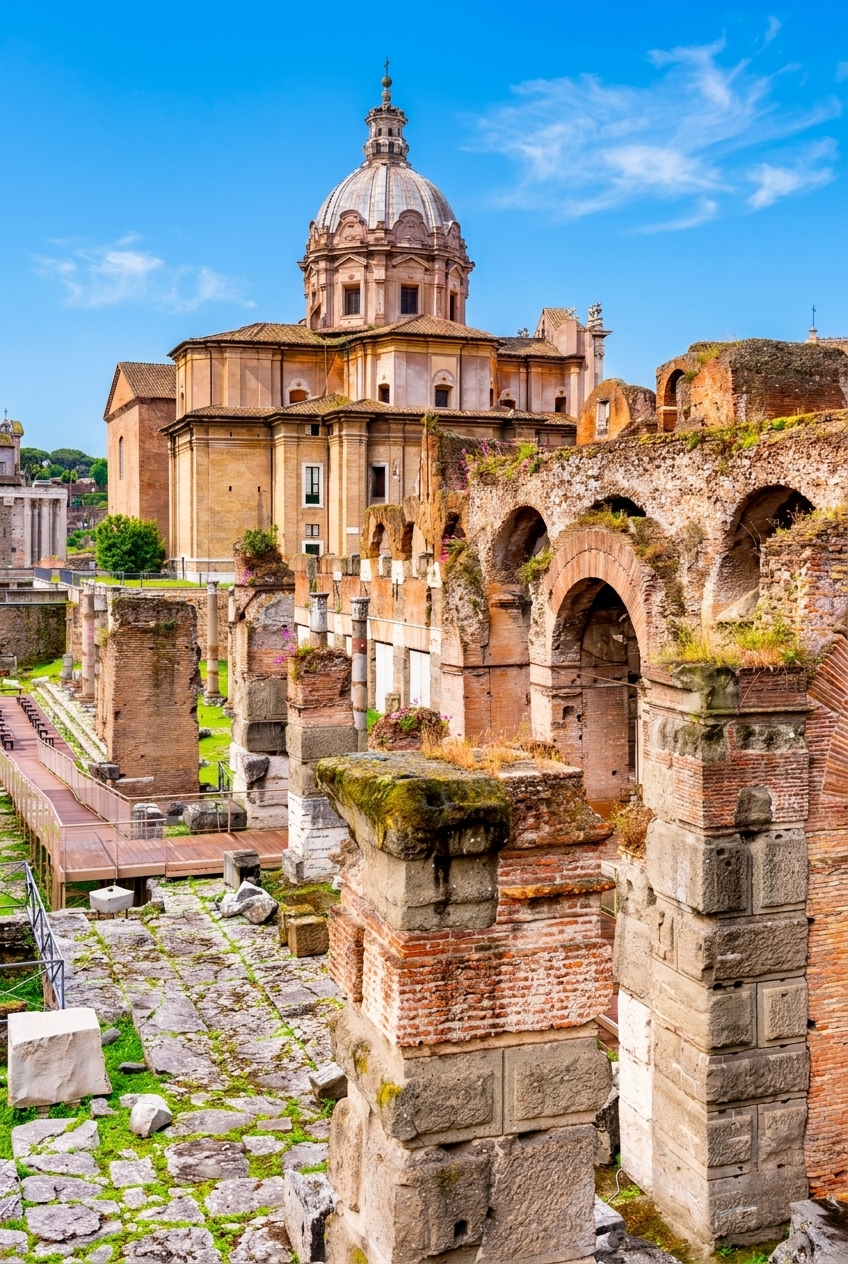
Tarquin eventually entered the Roman Forum in royal dress, marched into the Senate house, plopped himself into the king’s chair, and summoned the senators as though the throne were already his.
Servius arrived to object. Understandable, but bad move.
Tarquin seized the older man, carried him bodily out of the Senate house, and threw him down the steps. As the injured king tried to make his way to the palace, Tarquin’s men caught up with him and finished the job.
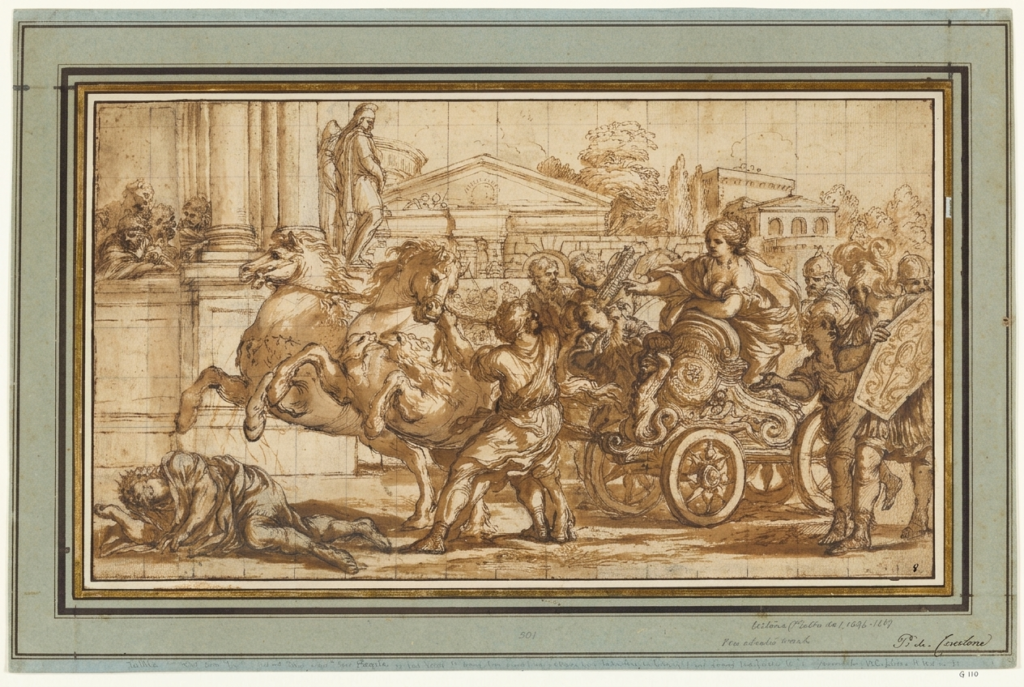
Tullia was apparently every bit as bloodthirsty. According to Roman tradition, she later drove her chariot over her father’s corpse. It doesn’t get much colder than that.
Tarquin had the throne. He never sought popular approval or legal sanction. He wanted the crown, and he took it.
Tarquin’s Reign of Terror
Tarquin’s first order of business was dealing with the senators who had opposed his coup.
He didn’t bother winning them over. He made a list and wasn’t checking it twice.
According to Livy, he executed leading senators he suspected of supporting Servius and deliberately left their seats vacant, weakening the Senate in the process.
Meanwhile, he surrounded himself with armed retainers. They weren’t technically a Praetorian Guard, but the principal would have looked very familiar to later emperors. Keep men with weapons close and potential enemies nervous.
Having cowed the Senate, Tarquin ruled largely as he pleased. He heard capital cases himself, punished enemies, confiscated estates, and made major decisions without consulting the traditional governing bodies.
That was the real offense in Roman memory. Tarquin wasn’t merely cruel. He acted as though the Senate existed at his pleasure.
The Poppies of Gabii
Then came Gabii.
Tarquin had failed to take the city by force, so he tried something nastier. His son Sextus appeared at Gabii pretending to be a refugee from his father’s brutality.
It was a believable story really. Everyone already hated Tarquin.
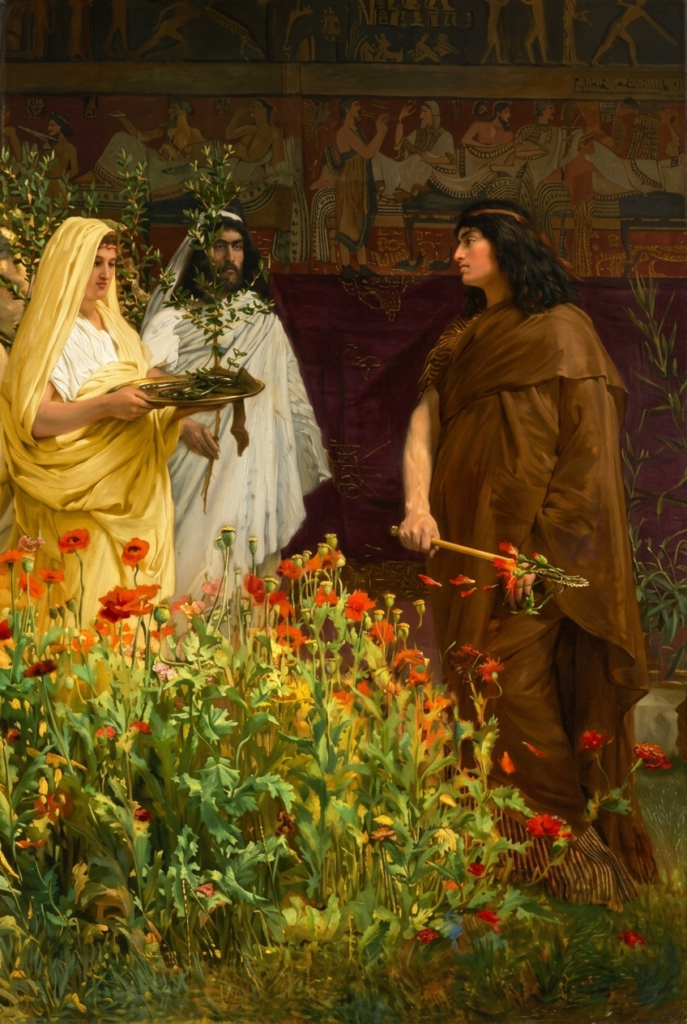
Sextus gradually won the confidence of the Gabines and eventually asked his father what he should do next. Tarquin gave the messenger no verbal answer.
Instead, he walked through his garden knocking the heads from the tallest poppies. Message received.
Sextus began eliminating Gabii’s leading men, killing some, exiling others, and confiscating their property until the city was effectively his.
Grand Projects
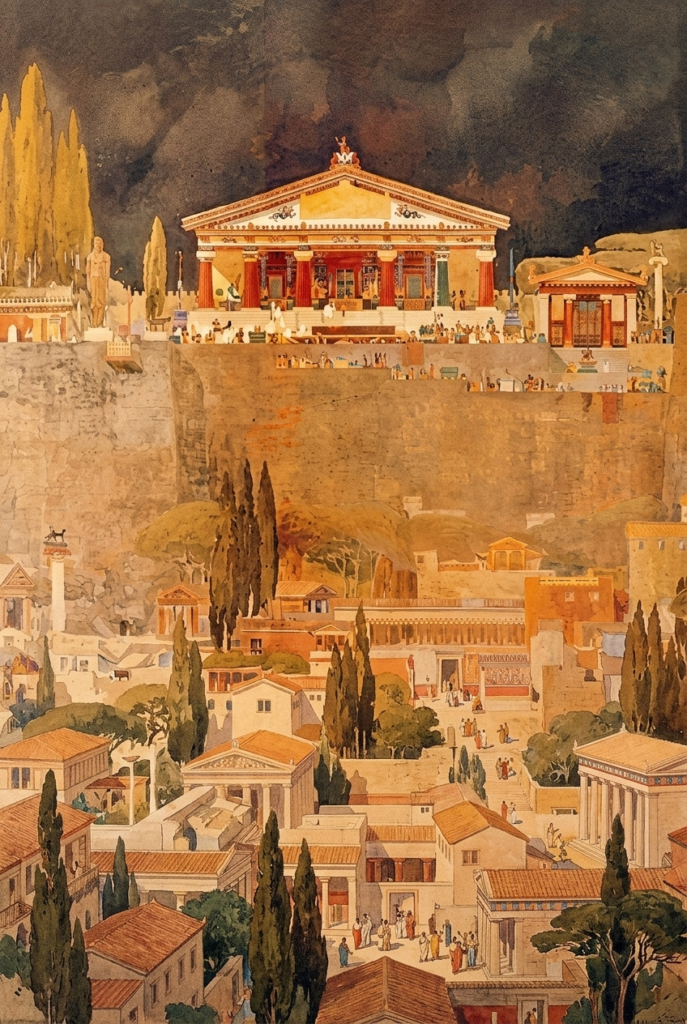
After consolidating power, Tarquin turned to monumental Rome. He pushed ahead with the enormous Temple of Jupiter Optimus Maximus on the Capitoline Hill and forced ordinary Romans into labor on major public works.
Legend holds that he also acquired the Sibylline Books from a mysterious old woman, usually identified as the Cumaean Sibyl. Tarquin was reluctant about the price, but his augurs urged the purchase.
The Sibylline Books themselves were a collection of Greek prophetic verses. They weren’t a continuous prediction of Rome’s future, like some giant Nostradamus manuscript. Think of them more as an archive of cryptic religious oracles.
And they were extremely important. The Romans consulted them when something had gone badly wrong: plague, famine, military catastrophe, bizarre omens, civil unrest, and other events that suggested the gods might be angry.
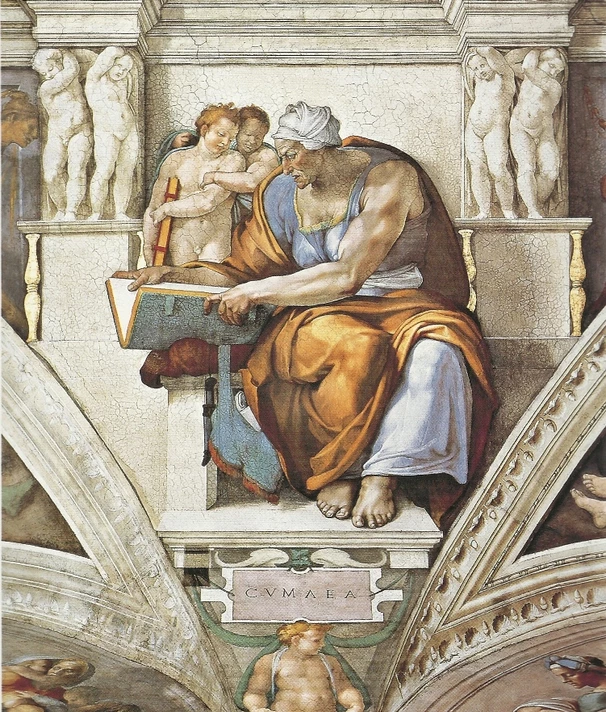
The Senate would order specially appointed priests to consult the books and report back on what religious measures Rome should take. They might hold games, make sacrifices, or honor a god.
Tradition also associates Tarquin’s reign with work on Rome’s great drainage system, including the Cloaca Maxima. The sewer itself probably originated earlier. But Tarquin was remembered as forcing laborers into the filthy, backbreaking work needed to expand Rome’s infrastructure.
The result was impressive. Rome increasingly looked like a major central Italian city rather than an oversized collection of villages.
The methods were rather less impressive.
Lucius Junius Brutus
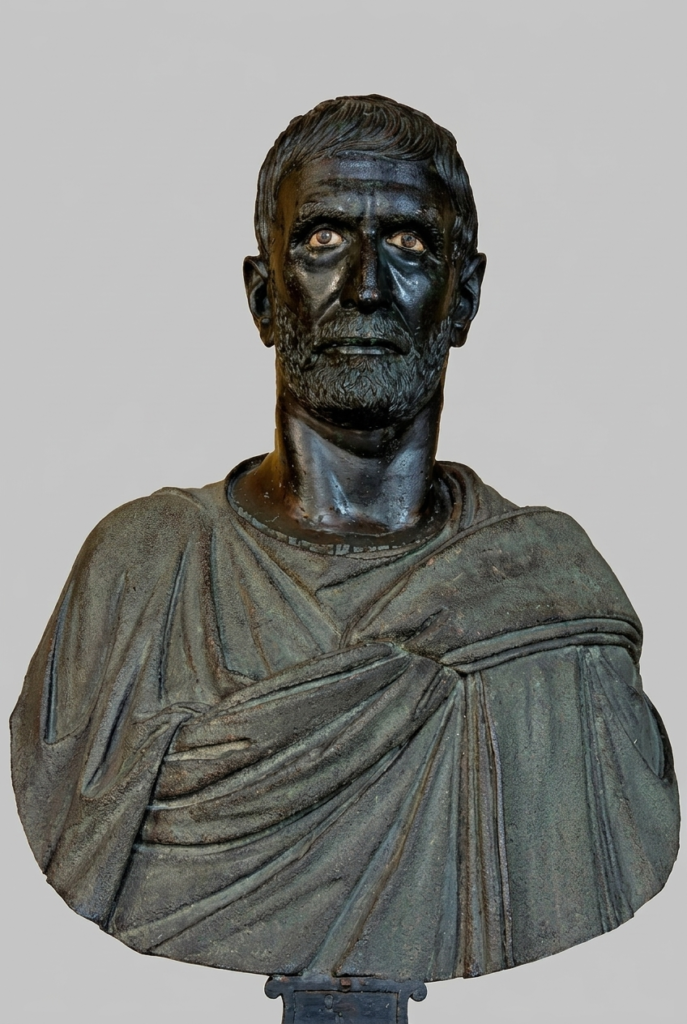
One man who had very good reason to detest Tarquin was Lucius Junius Brutus.
Brutus was actually Tarquin’s nephew. And he had already learned what happened to men the king considered threatening. Tarquin had killed Brutus’ brother, apparently because he feared his wealth and intelligence.
Brutus took the hint. To keep himself alive, he played the simpleton, a tactic Emperor Claudius would supposedly employ centuries later.
It exposed him to plenty of ridicule from the Tarquin family. But his supposed stupidity kept him alive. As far as Tarquin was concerned, Brutus was harmless.
Meanwhile, Brutus bided his time.

Sextus Tarquinius and Lucretia
Fortunately for Brutus, his opportunity came soon enough. The Tarquins being Tarquins.
The worst of Tarquin the Proud’s brood was Sextus. He’s absolutely the family villain and seems to have inherited his father’s worst qualities.
During the siege of Ardea, Sextus and several other young aristocrats were drinking and boasting about whose wife was the most virtuous.
Naturally, they decided to go check. They rode off unexpectedly to inspect their wives. Some were found enjoying themselves at a banquet.
But when they reached Collatia, they found Lucretia, wife of Sextus’ cousin Collatinus, sitting at home weaving with her attendants. She was the very picture of the virtuous Roman matron. Sextus took one look at her and wanted her.

He later returned to the house, where Lucretia received him as a guest because he was her husband’s relative.That night, Sextus entered her bedroom with a sword.
When Lucretia resisted him, he threatened not merely to kill her, but to kill a male slave as well, place their naked bodies together, and claim he had caught her committing adultery.
Faced with disgrace as well as death, Lucretia submitted. Sextus rode away apparently confident that his royal status would protect him.
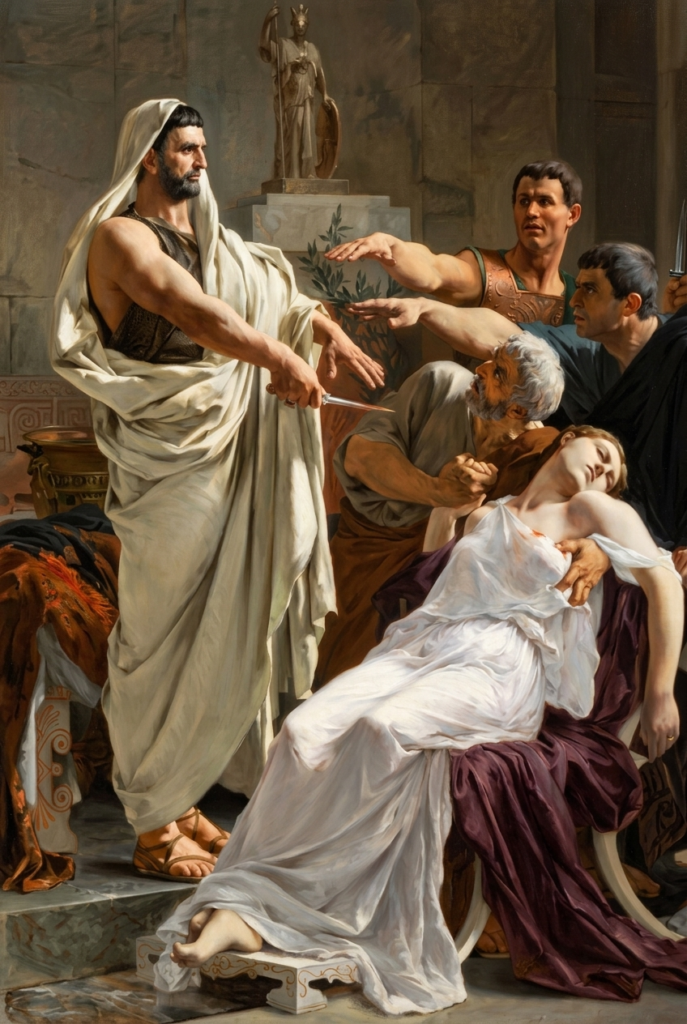
Lucretia was devastated. She summoned her husband, Collatinus, and her father, told them what had happened, and demanded vengeance. She made the men swear that Sextus would be punished.
Then she killed herself. Her husband and father were shattered.
Brutus was there too. And he had just been handed the opportunity he’d been waiting for.
Enter Brutus
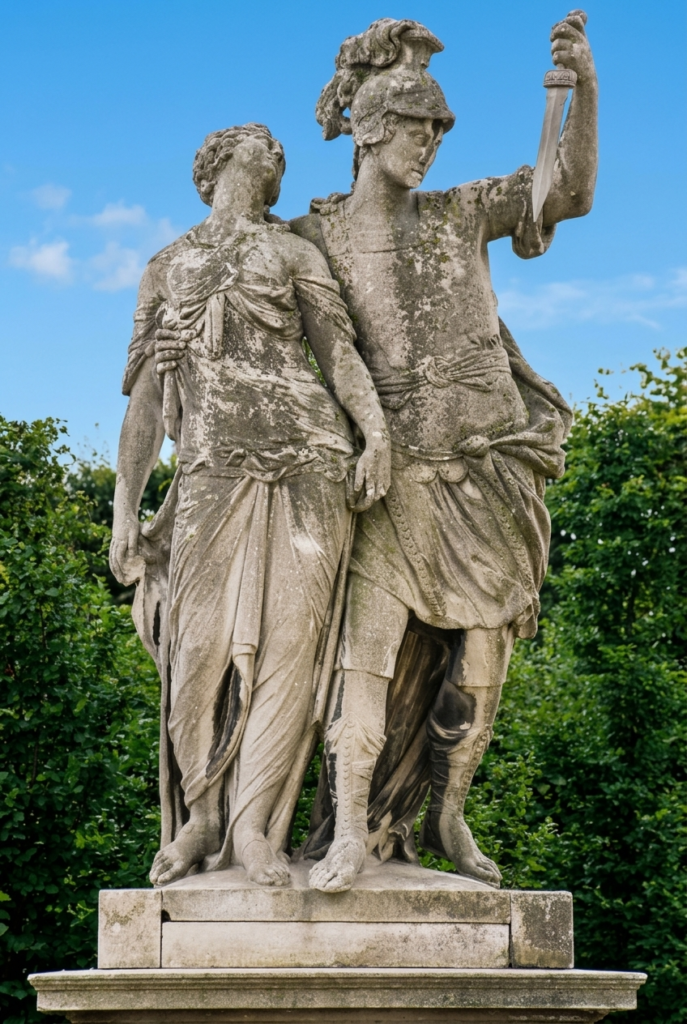
After Lucretia’s death, the simpleton mask came off.
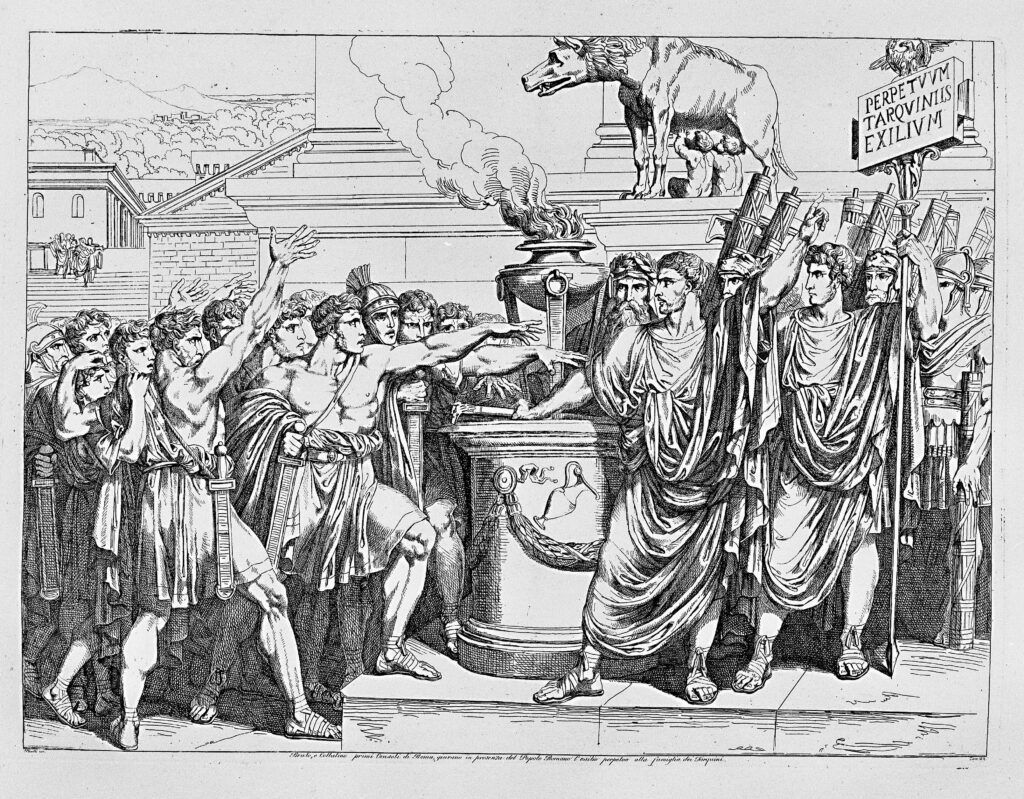
Brutus pulled the bloody knife from her body and swore an oath to drive Tarquin and his entire family from Rome. Then he turned Lucretia’s death into a revolution.
Her body was carried into the public square at Collatia, where Brutus told the crowd what Sextus had done and reminded them of Tarquin’s murders, forced labor, and tyranny. The outrage spread.
Brutus went to Rome and rallied the people there. Then he made his way to the Roman army, still camped outside Ardea, and persuaded the soldiers to abandon Tarquin as well.
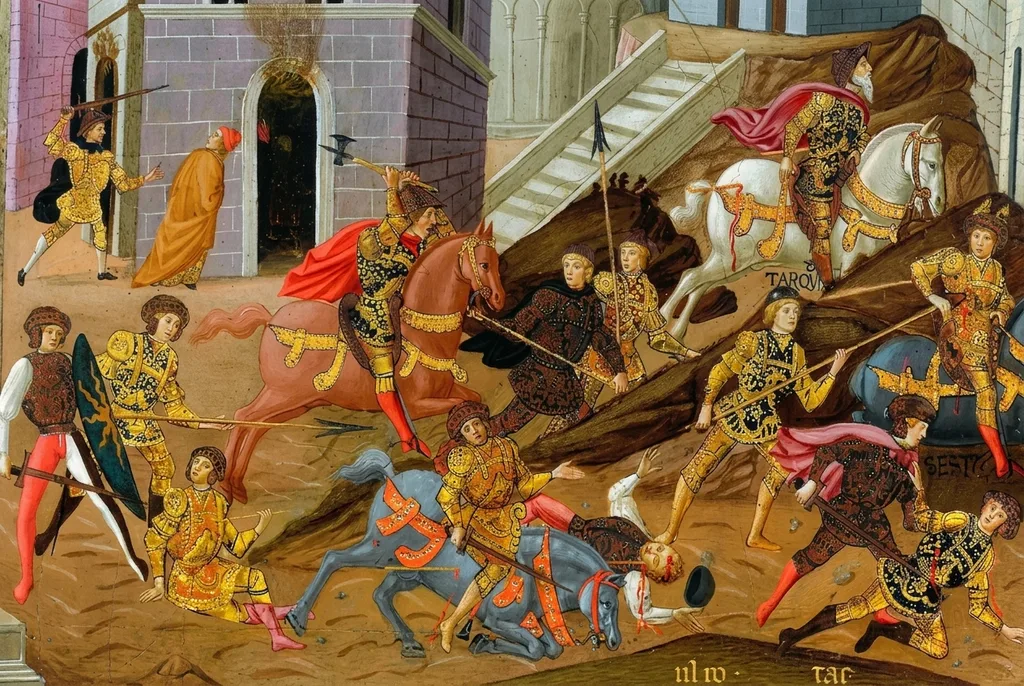
The king hurried back toward Rome. Too late. The gates were shut against him.
Tarquin and his family were expelled. The monarchy that had ruled Rome for generations was finished.
Sextus fled to Gabii, the same city he had earlier infiltrated and betrayed. In a fitting twist, that turned out to be an unfortunate choice. The enemies he made there killed him.
Tullia didn’t escape the family downfall either. When the Tarquins were expelled from Rome, she fled the city too, reportedly pursued by the curses of Romans who remembered exactly what she had done to her father.
Tarquin Tries to Get His Throne Back
Tarquin didn’t quietly retire, and hoped to be restored to power.
He reportedly tried a series of tactics: conspiracy among Roman aristocrats, military help from Etruscan cities, and alliances with Latin cities His three sons were killed during these struggles.
The legendary Battle of Lake Regillus was the final major attempt to restore the Tarquins. Tarquin eventually fled to Cumae.
He died there around 495 BCE. It was an epic fall from grace. He would go down in history as the last and worst king of Rome.
The New Rome: Birth of the Republic
What came next? In the immediate aftermath, the monarchy was abolished. Rome would have no more kings.
In its place, the Romans created two annually elected consuls who shared power and served for only one year. The first two were Brutus and Collatinus.
Together, they rallied the people, secured the army, and helped establish a new system of government: the Roman Republic. Tarquin was gone, and Rome had rid itself of a king whose brutality had finally pushed the monarchy past the breaking point.
And if the name Brutus sounds familiar, it should. Nearly five centuries later, another Marcus Brutus would etch the family name into the history books as one of the assassins of Julius Caesar.

Why did he pull the dagger? Because Brutus and his fellow conspirators believed Caesar was becoming dangerously powerful. And, worst of all to Roman ears, they feared he wanted to be king.
That fear went straight back to Tarquin.
The Romans now began constructing a political system obsessed with one overriding goal: never again allowing a single man to accumulate enough power to become another Tarquin.
How Much of the Tarquin Story Is Actually True?
Tarquin probably reflects a genuine late-monarchical ruler. Or perhaps a dynasty, whose power collapsed around the end of the sixth century BCE.
But the murder of Servius, Tullia driving her chariot over her father’s corpse, the rape of Lucretia, Brutus’ oath, and many of the story’s most dramatic episodes may have been shaped, embellished, or even flat out invented by later Republican writers.
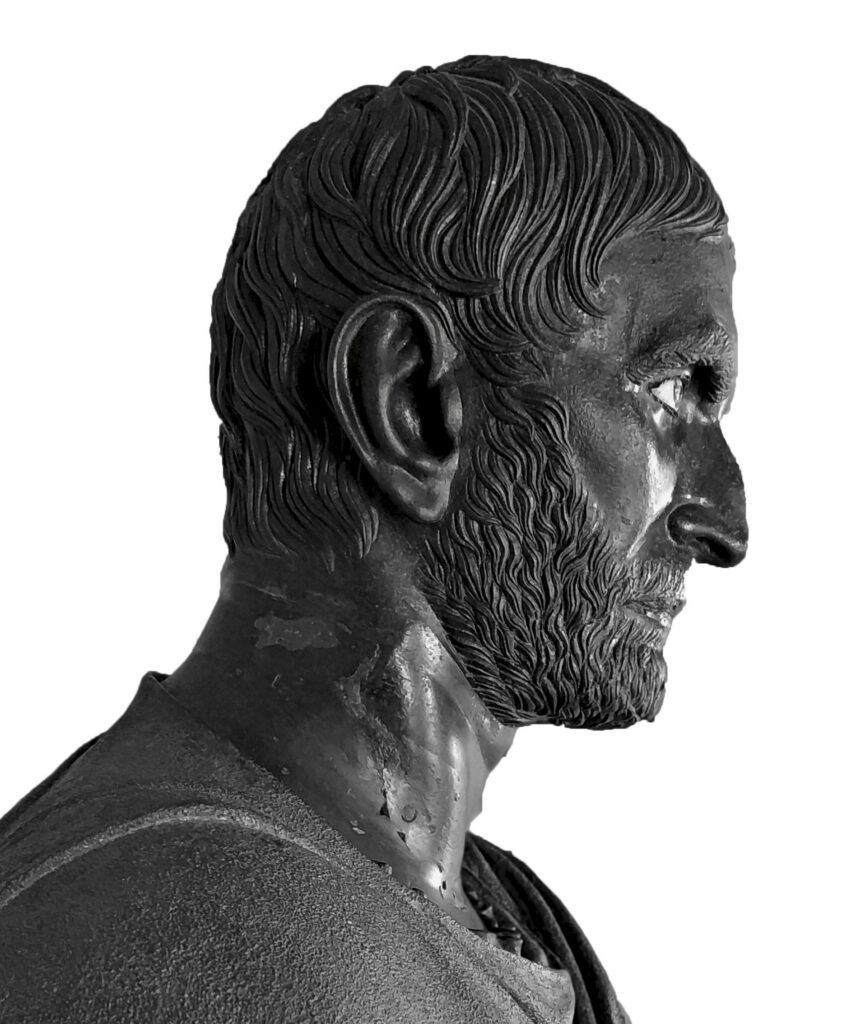
It’s hard to know where history ends and legend begins.
What is easier to understand is why Romans told the story this way. The Republic needed a moral origin story. Tarquin conveniently became its villain.
Maybe he wasn’t quite the cartoon tyrant Livy presents. Or maybe he was.
His reign was associated with major construction, territorial expansion, and Rome’s emergence as one of the most important cities in central Italy. But Roman memory wasn’t particularly interested in infrastructure.
It remembered murder, arrogance, rape, political terror, and a king who tried to rule without restraint.

And that reputation proved more durable than anything Tarquin built.
According to Roman tradition, he lost his throne in 509 BCE. For nearly five centuries afterward, Romans remained obsessed with making sure no one ever sat on it again.
I hope you’ve enjoyed my history of Tarquin the Proud. You may enjoy these other Roman histories:
- History of the Rise and Fall of Rome
- History of the Roman Emperors
- Historical Facts about Rome
- History of Nero
- History of Julius Caesar
- History of Augustus
- History of Caligula
- History of Hadrian
- History of Claudius
- History of Tiberius
Pin it for later.