I first met Sejanus in I, Claudius, where he’s every inch the scheming villain. The historical Sejanus is murkier, but he hardly comes off better.
Tiberius trusted Sejanus enough to call him “the partner of my labors.” That turned out to be a spectacular mistake.
The Praetorian Guard has an ignominious legacy. But perhaps the most ominous figure in its history was Lucius Aelius Sejanus, Praetorian prefect under Tiberius.
Sejanus understood something important very early: the Guard didn’t need to overthrow the emperor to become powerful. It simply needed proximity and access.
He turned that access into a private power base, manipulated the imperial court, and helped create a climate of fear that reached all the way to Tiberius’ own family.
For a time, Sejanus came astonishingly close to becoming the most powerful man in Rome without ever being emperor. He was effectively an alter-emperor.
Who Was Sejanus? A Biography
Early Life
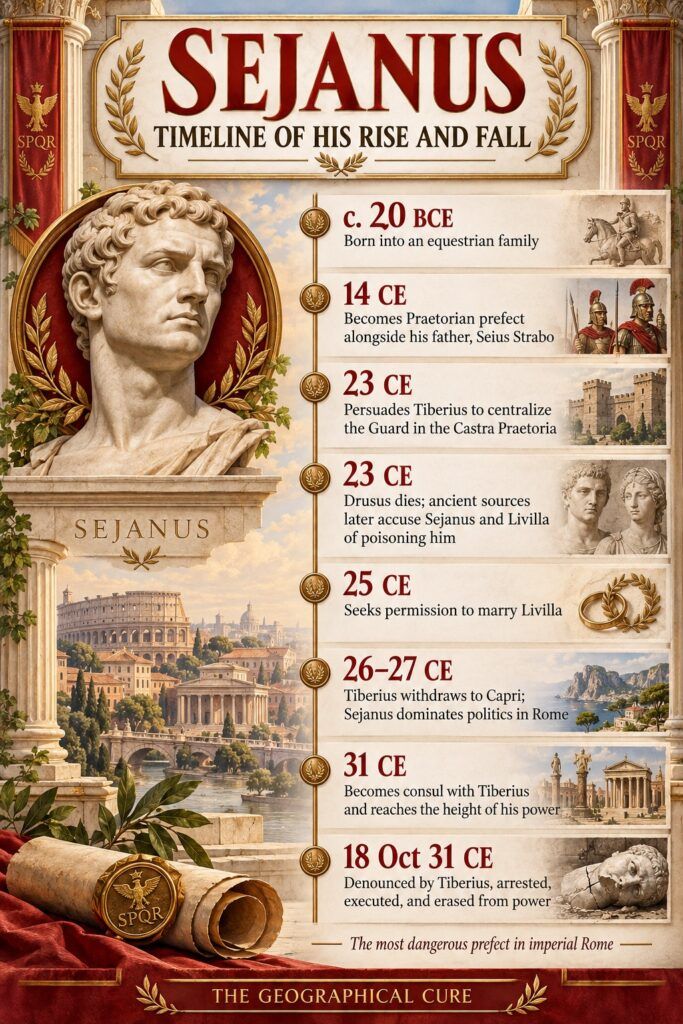
Lucius Aelius Sejanus, better known simply as Sejanus, was born around 20 BCE into an equestrian family.
The equites stood just below the senatorial elite in Roman society. His family was wealthy and well connected, but Sejanus wasn’t born into Rome’s highest political aristocracy.
Lucius Aelius Sejanus, better known simply as Sejanus, was born around 20 BCE into an equestrian family.
The equites stood just below the senatorial elite in Roman society. His family was wealthy and well connected, but Sejanus was not born into Rome’s highest political aristocracy.
The Seii were, however, ambitious social climbers. By the time Sejanus reached adulthood, they’d cultivated useful ties to powerful senatorial families.
His brother, Lucius Seius Tubero, rose high enough to become suffect consul in 18 CE, serving for part of the year alongside Germanicus, Tiberius’ adopted son and presumed heir.
Sejanus himself was later adopted into the prestigious Aelian family, possibly by Gaius Aelius Gallus.
Roman adoption of adult men was common and could help preserve family names, property, and political connections. The Aelii had already produced consuls, giving Sejanus another foothold among Rome’s elite.
He also had powerful relatives on his mother’s side. His uncle Junius Blaesus became proconsul of Africa in 21 CE and later received triumphal honors for his campaign against Tacfarinas.
So Sejanus wasn’t born at the very top of Roman society, but he was hardly starting from nowhere. His family had money, military connections, senatorial ties, and plenty of ambition.

The Praetorian Guard
Who were the Praetorians? The story is less about one person than an institution.
It’s not a pretty story either. The Praetorians did little to make Rome better and quite a lot to make it worse.
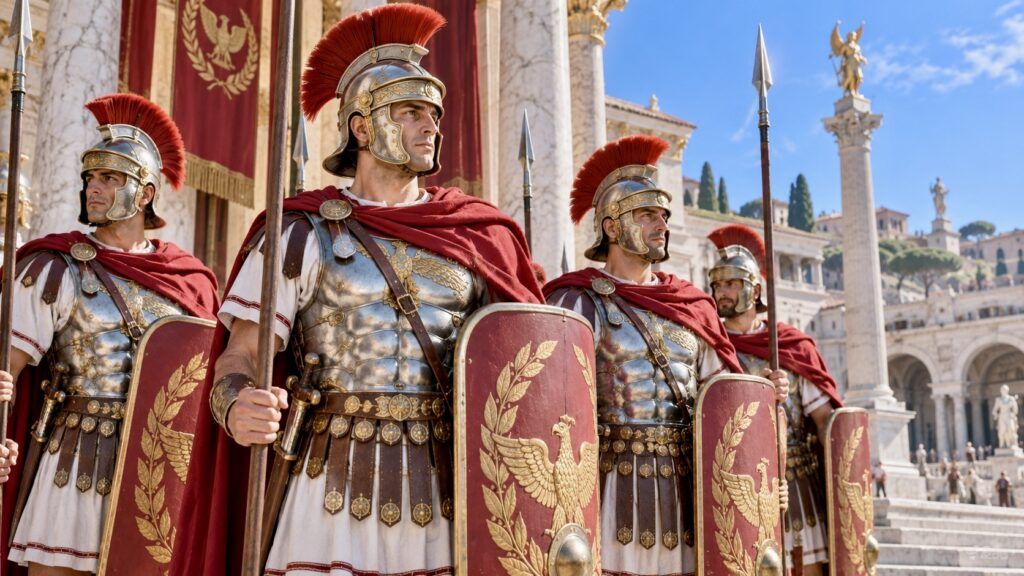
The Guard got its start under Augustus. Ostensibly, they were the emperor’s bodyguards. In practice, they became the elite troops closest to the imperial household and the only major armed force stationed in and around the capital.
That put them in a unique position to project power and influence events.
To be fair, they could be useful. They protected the emperor, guarded the palace, escorted members of the imperial family, helped maintain order in moments of crisis, and sometimes served competently under honest prefects. A disciplined Guard could be a formidable security force.
The problem was what happened when discipline gave way to entitlement.
Assignment to the Praetorians was a sweet gig. The pay was better, the service shorter, and the perks substantial. Some prefects were capable, loyal public servants who did exactly what the job required.
Others were ruthless, lazy, greedy, or wildly ambitious.
When a bad egg took command, the Guard could become dangerous very quickly. They extorted emperors, interfered in succession, helped make and unmake rulers, and on occasionally murdered the very man they were sworn to protect.


By the 3rd century, regicide was almost routine.
In a way, it’s astonishing the institution lasted for roughly three centuries before Constantine finally shut its barracks for good.
Sejanus entered this already powerful institution early in the reign of Tiberius. By 14 CE, he was serving as Praetorian prefect alongside his father, Lucius Seius Strabo.
Within a few years, Sejanus would transform the office from an important military command into something much closer to a personal power base.

Sejanus Centralizes the Guard
The first major step was centralization.
Before Sejanus, the Praetorian cohorts were deliberately scattered. Augustus had been wary of concentrating too many armed men in Rome. Sejanus changed that.
In 23 CE, he persuaded Tiberius to gather the Guard into a single fortified barracks, the Castra Praetoria, just outside the city. Officially, this made the force easier to command and quicker to deploy. Politically, it created a disciplined military bloc under one prefect’s control.
That prefect was Sejanus.

Early Service
Early on, Sejanus seems to have been competent, disciplined, and useful to Tiberius. He served jointly with his father as Praetorian prefect, accompanied Drusus to help suppress the Pannonian mutiny in 14 CE, and carried out the prefecture’s administrative and security duties effectively.
Some modern scholarship even argues there’s no reason to think he was anything other than an efficient administrator in those first years.
He also won Tiberius’ confidence. That didn’t happen by accident. Sejanus was discreet, reliable, soldierly, and good at the job, at least initially.
Tacitus himself suggests that Sejanus’ influence contributed to the relatively orderly early years of Tiberius’ reign
The problem was that competence gave him access. Access gave him power. And power apparently gave Sejanus an appetite for more.

Sejanus Crosses the Line
Sejanus had one enormous obstacle. He wasn’t born into Rome’s senatorial aristocracy. Ever calculating, he treated that as a temporary roadblock rather than a permanent one.
He turned his attention to Livilla, the wife of Drusus, Tiberius’ son.
That’s where the story gets uglier.
Drusus and Sejanus already detested one another. Drusus resented the prefect’s growing influence and complained openly about the power Tiberius had handed him. At one point, according to Tacitus, their feud became physical and Drusus struck Sejanus in the face.
Sejanus turned the feud into an opportunity. According to Tacitus and Cassius Dio, he seduced Livilla and persuaded her to join a plot against her husband.
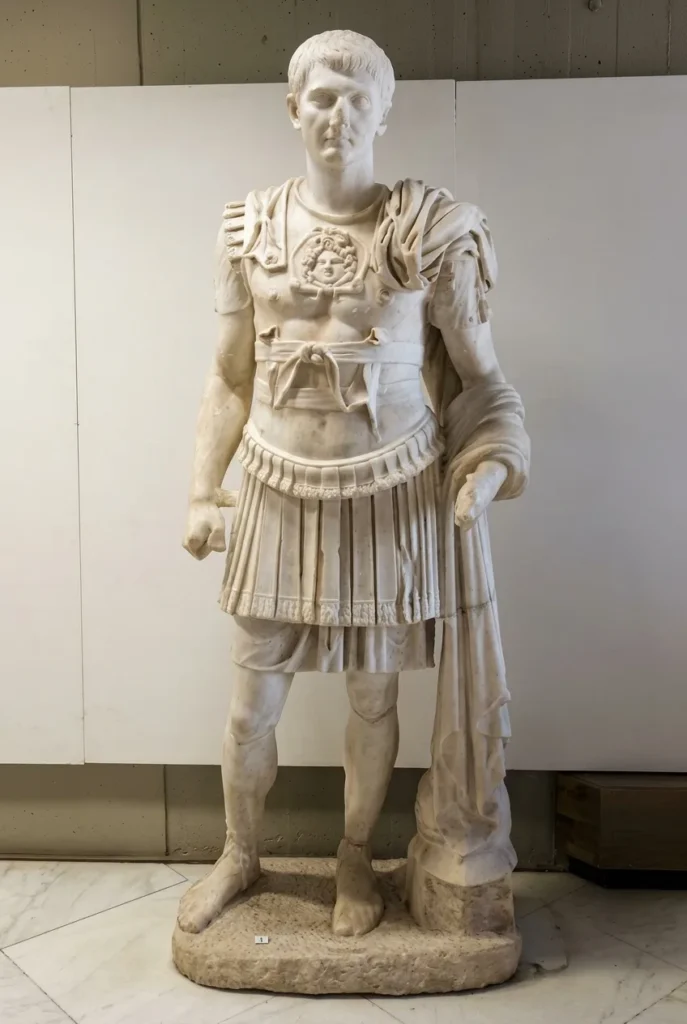
Drusus died in 23 CE, allegedly poisoned by the deadly duo.
Tiberius was devastated by the death of his only legitimate son and apparently suspected nothing.
Livilla herself was hardly an obvious suspect. She was the sister of Germanicus and Claudius and thoroughly embedded in the imperial family.
After Drusus’ death, Sejanus reached even higher. Around 25 CE, he asked Tiberius for permission to marry Livilla.
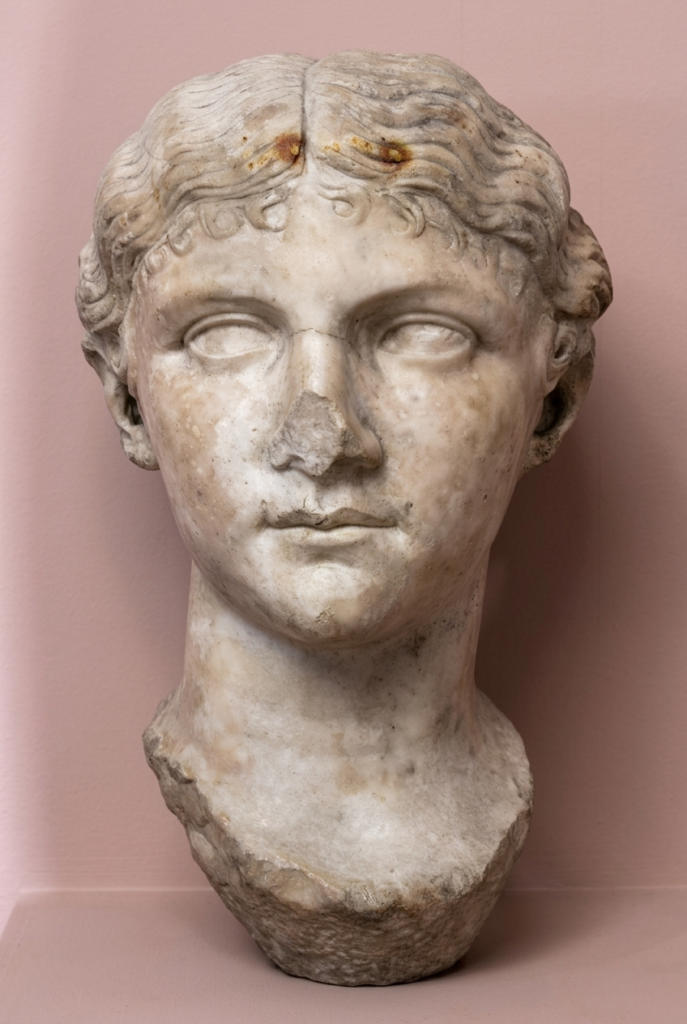
Tiberius balked. He was a traditionalist.
He warned Sejanus that marriage to a woman of the imperial house would draw dangerous attention to him and elevate him far beyond his existing station.
Sejanus didn’t get the golden goose. But he kept climbing.
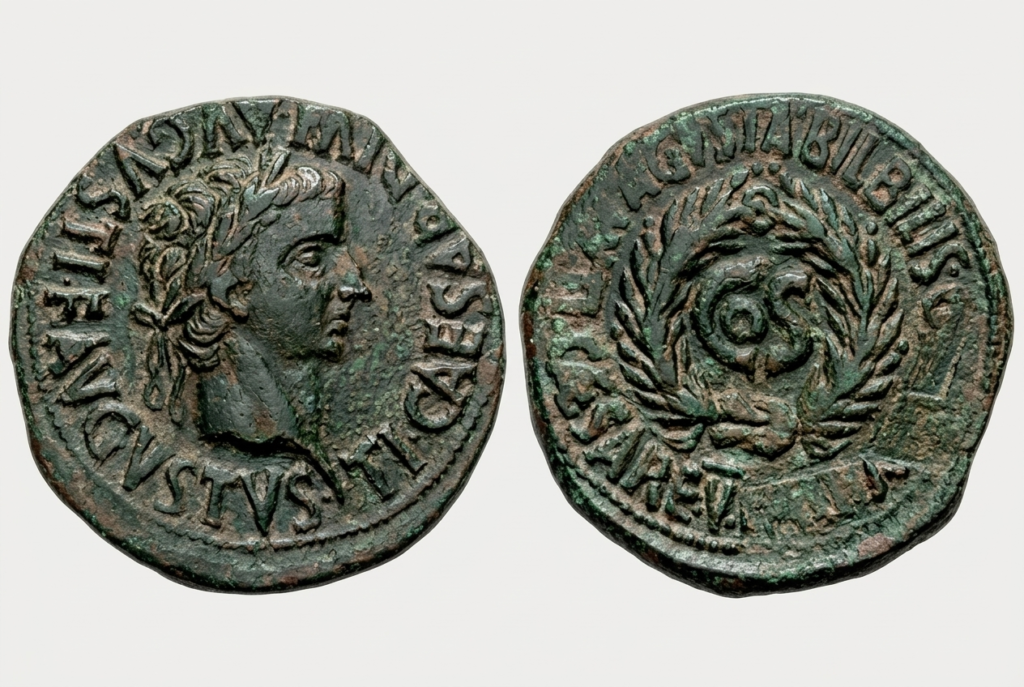
By 31 CE, Tiberius made him consul alongside himself.
It was an extraordinary honor for a man of Sejanus’ background and a sign of just how far the prefect had risen. Plus, Sejanus finally secured his engagement to Livilla.

Tiberius’ Withdrawal To Capri
Over time, Tiberius seemed increasingly weary of Rome and public life. The ceremonies, politics, and constant scrutiny appear to have worn on him. And the viper pit of the imperial court annoyed him.
So he left.
In 26 CE, he withdrew from Rome and settled permanently on Capri, ruling the empire largely through letters and intermediaries.
There, he built Villa Jovis high above the sea, increasingly removed from the capital and from the people competing for influence around him.
Sejanus was ambitious before Capri. After Capri, he had space to become dangerous.
His power grew rapidly. Sejanus became the emperor’s chief intermediary, controlling access, information, accusations, and appointments.
Tiberius trusted him too, calling him “the partner of my labors.”

Sejanus‘ Reign of Terror
That trust was badly misplaced.
With Tiberius removed from Rome, Sejanus began tightening his grip. He whispered rumors, invented conspiracies, and sowed suspicion, fear, and acrimony.
He planted watchers around his enemies and encouraged informers to report careless words, private complaints, and anything that could be twisted into disloyalty. Tacitus describes remarks being seized upon, exaggerated, and fed back into the machinery of accusation.
He also fed the aging emperor’s suspicions and helped turn him against members of the imperial family.
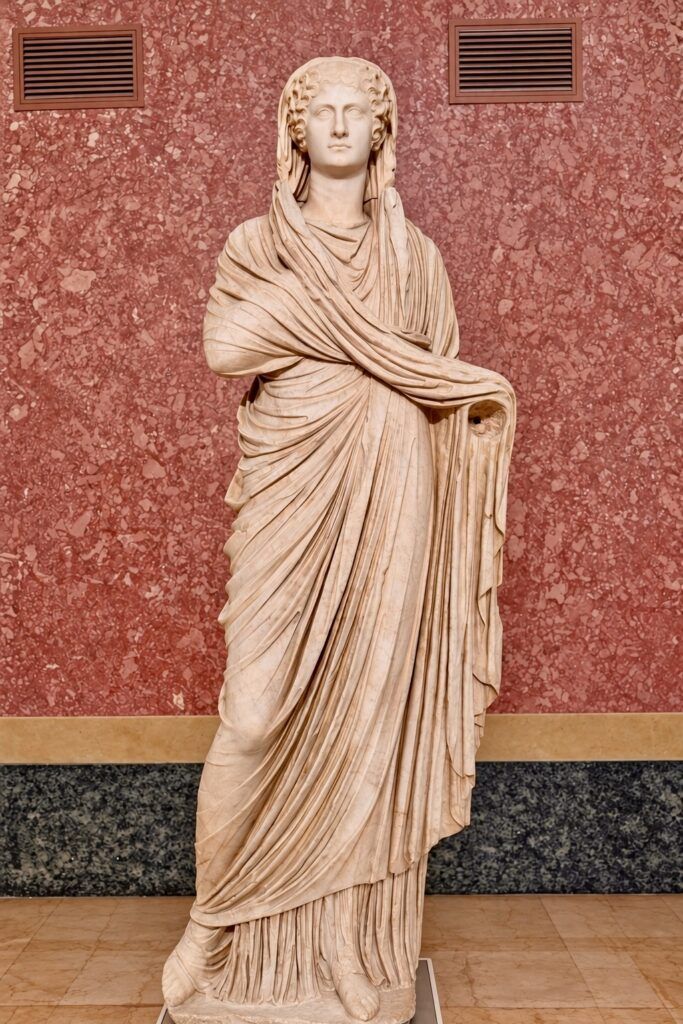
Sejanus first turned on Agrippina and her sons, helping convince Tiberius that Germanicus’ family was a nest of rivals and traitors. One by one, they were exiled, imprisoned, and destroyed.
Caligula was young enough to escape the first round. By 31 CE, however, even he landed on Sejanus’ kill list.
Tiberius increasingly heard Rome through Sejanus’ filter. That was the danger.
Sejanus could present himself as the calm, indispensable fixer while quietly helping create the crises he was supposedly solving.

Why? What was his motive?
According to Tacitus and other hostile ancient sources, ruling by proxy was no longer enough. Sejanus wanted the reins of power for himself.
By turning Tiberius against Agrippina and her sons, he was also clearing away his own potential rivals. Treason prosecutions, informers, arrests, and forced suicides became increasingly useful tools in that campaign.
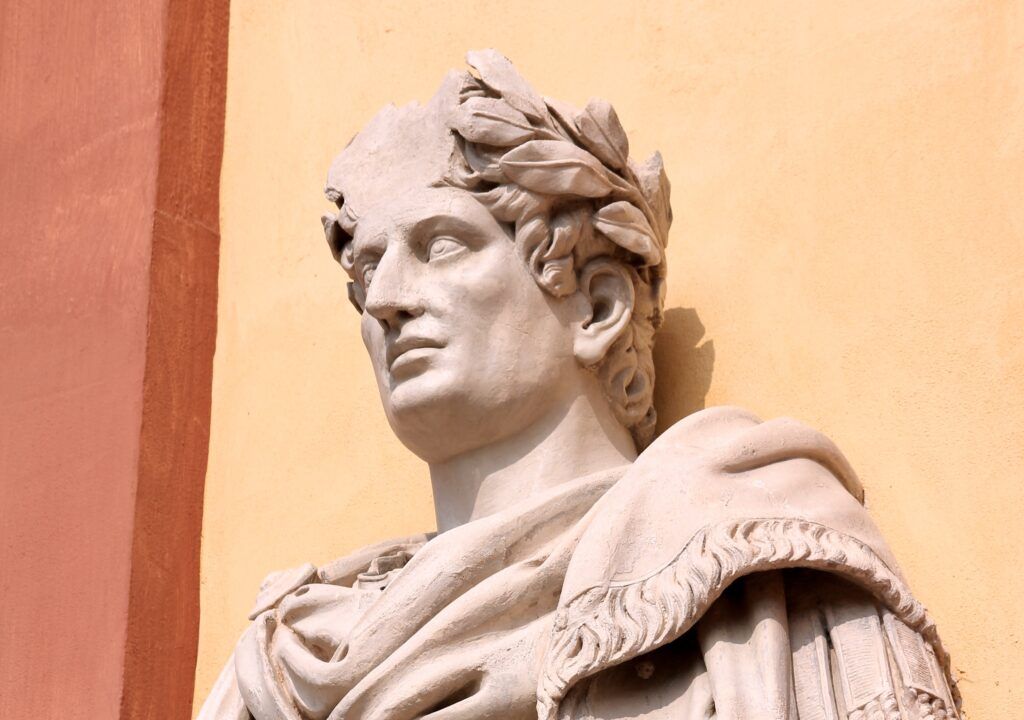
Eventually, Sejanus became the dominant political figure in Rome. He did not invent the system of treason trials. But he exploited it ruthlessly, tore apart the imperial family, and tried to murder his way closer to the top.
The Whistleblower
Sejanus’ power was no secret in Rome. Senators courted him, feared him, and increasingly treated him like an emperor in all but name.
The problem was that Tiberius, isolated on Capri and dependent on information filtered through Sejanus’ network, didn’t necessarily know how far his prefect had gone.
Then a whistleblower pierced the bubble: Antonia Minor, mother of Germanicus and Claudius.
Antonia had kept largely out of politics, but she was no lightweight. Tiberius respected her deeply, both as the widow of his brother Drusus and as one of the senior women of the imperial family.
By 31 CE, she’d seen enough.
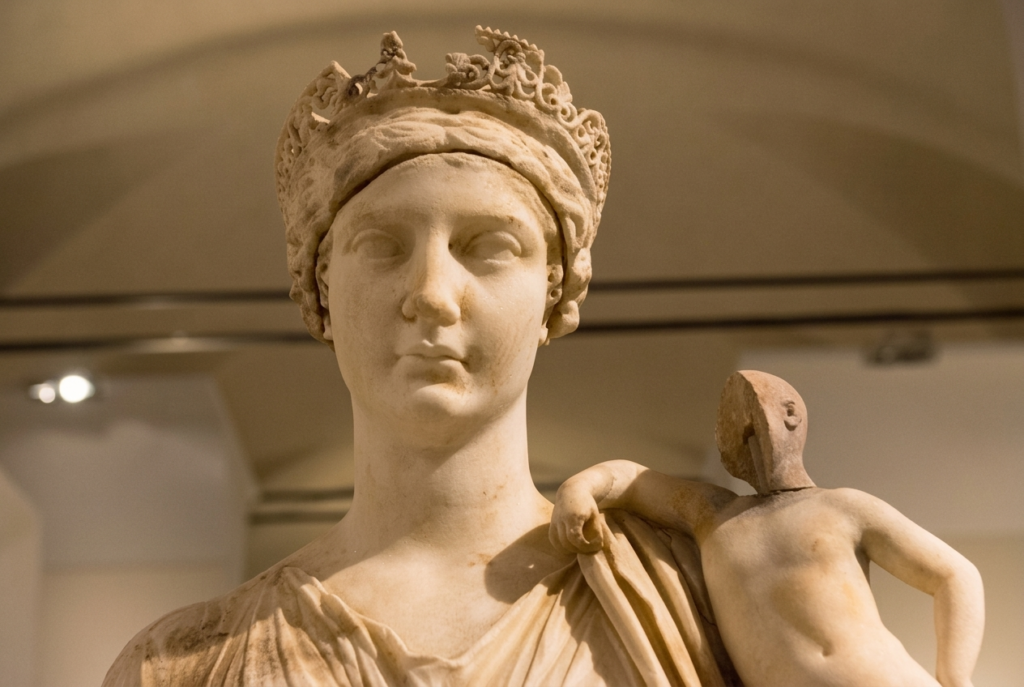
Antonia discovered that Sejanus was plotting against Tiberius and sent the emperor a secret letter on Capri through her trusted servant Pallas. The message laid out what Sejanus was doing in graphic detail.
Tiberius was horrified.
But Sejanus had spies, allies, and the Praetorian Guard at his back. Tiberius couldn’t simply denounce him and hope for the best.
The wizened emperor had to move carefully. And he was up to the task.

Tiberius’ Trap
Tiberius lured Sejanus into believing he was still favored before dropping the trap.
He spread the word that Sejanus was about to receive even greater power, possibly the tribunician authority reserved for men at the very top of Roman politics. Then he summoned the Senate.
Sejanus arrived expecting another triumph. With his chest puffed out, he strode into the Senate house and took his seat, waiting to hear what Tiberius had written.
The Praetorian Guard stood outside.
What Sejanus didn’t know was that crafty old Tiberius had already appointed a new Praetorian prefect, Naevius Sutorius Macro. Before the letter was read, Macro quietly sent Sejanus’ guards back to their barracks and replaced them with men from the night watch. Sejanus had no idea his protection had vanished.

Then the letter was read out loud.
At first, Tiberius rambled through other business. Then came a mild criticism of Sejanus. Then another. The accusations slowly piled up until everyone in the chamber realized what was happening.
The senators who had been fawning over Sejanus minutes earlier began edging away from him.
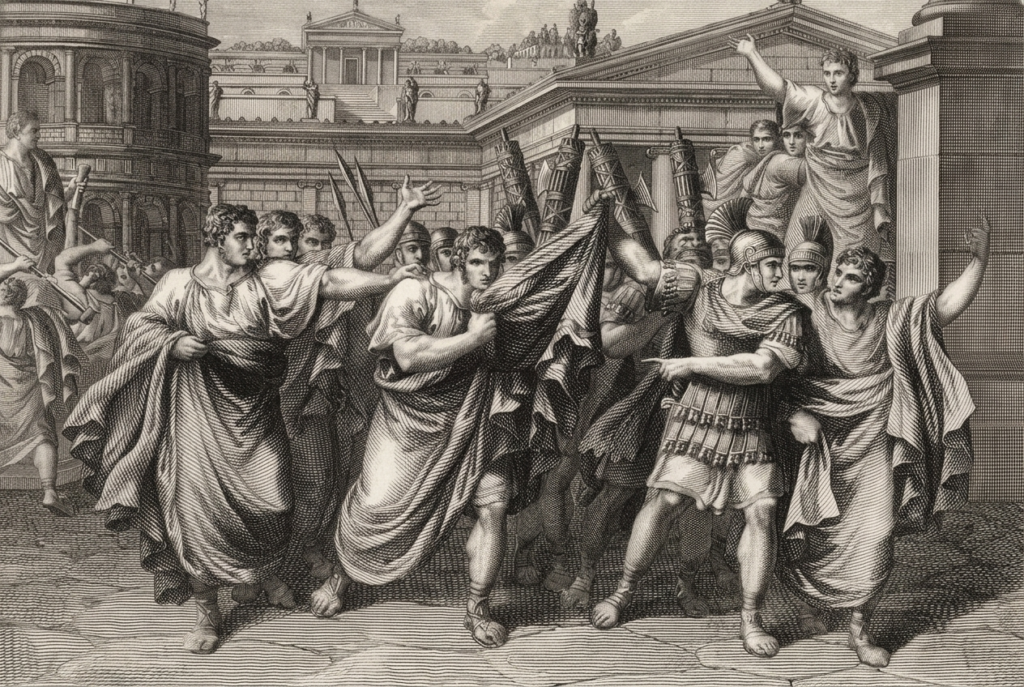
Then Tiberius dropped the hammer. Sejanus was to be placed under guard.
Macro and the magistrates arrested him and led him away.
Sejanus’ Fall
The reversal was spectacular.
Sejanus was condemned and executed the same day. His body was thrown down the Gemonian Stairs and abused by the crowd.
Statues were torn down. His memory was damned. His name became toxic almost overnight.
The fury didn’t stop with him. His children were condemned too. According to Tacitus, his youngest daughter was raped before execution because Roman custom supposedly forbade executing a virgin. It’s one of the ugliest details in the whole affair.
Then came the counter-purge.
Tiberius turned on anyone associated with Sejanus. Senators, equestrians, friends, clients, and political allies suddenly found themselves under suspicion.
Trials and executions multiplied as Rome scrambled to prove it had never really been loyal to the man everyone had been courting days before.
Sejanus died in disgrace, but the system that made him possible survived. He’d shown just how dangerous the Praetorian prefecture could become when military power, imperial access, and political ambition landed in the same hands.
Tiberius survived him. Rome survived him. But Sejanus had exposed a weakness at the center of the empire that would cause trouble for generations.
I hope you’ve enjoyed my Sejanus biography. You may find the other Roman histories interesting:
- History of the Rise and Fall of Rome
- History of the Roman Emperors
- Historical Facts about Rome
- Top 10 Worst Emperors Ranked
- History of Augustus
- History of Nero
- History of Caligula
- History of Julius Caesar
- History of Hadrian
Pin it for later.