Richard, Duke of York, had just about everything a would-be king could want: immense wealth, impeccable royal blood, and a formidable claim to England’s throne.
Unfortunately, political acumen and timing weren’t among his greatest gifts.
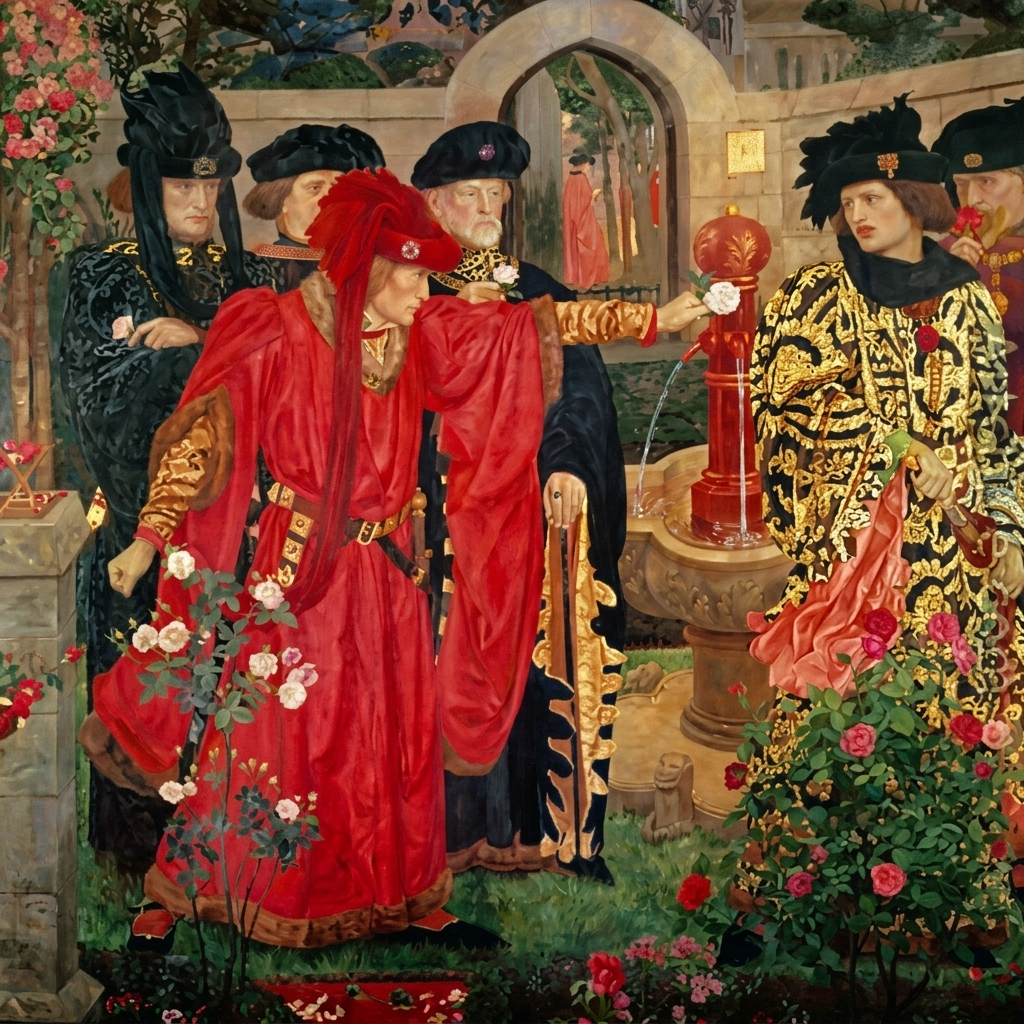
For years, he battled Henry VI’s inept government, helping ignite the Wars of the Roses in the process.
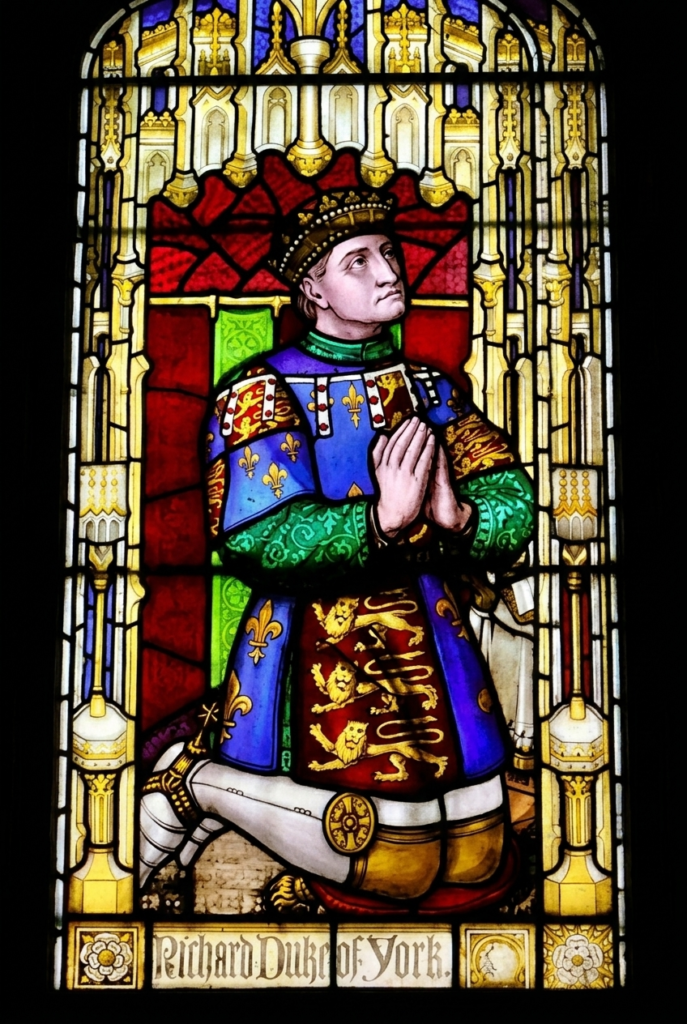
Yet despite his pedigree and growing power, Richard stopped short of claiming the crown. When he finally made his move in 1460, Parliament balked at deposing an anointed king.
Instead, it named Richard Henry’s heir, cutting out Henry’s own son. What could possibly go wrong?
Plenty. Richard was killed at the Battle of Wakefield just two months later.
But the Yorkists eventually had the last laugh. Two of the duke’s sons became kings, Edward IV and Richard III.
Here’s the story of England’s almost king, a powerful duke whose political judgment didn’t match his pedigree.
Richard Duke of York Biography
Lineage
Richard had a pedigree to die for. He was royal on both sides and the most senior noble in the land.
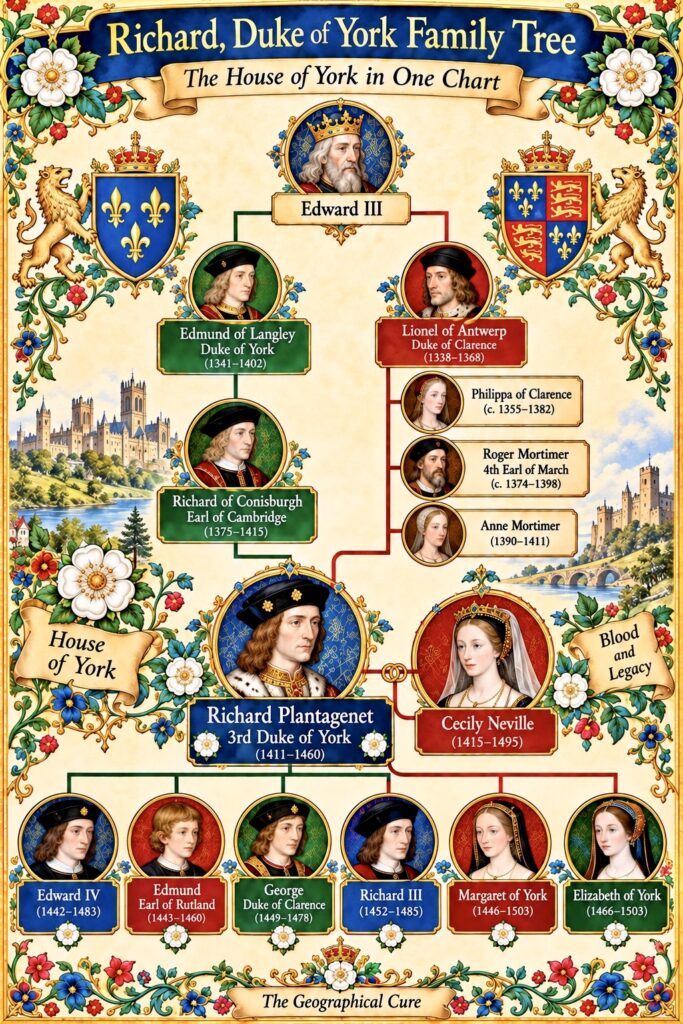
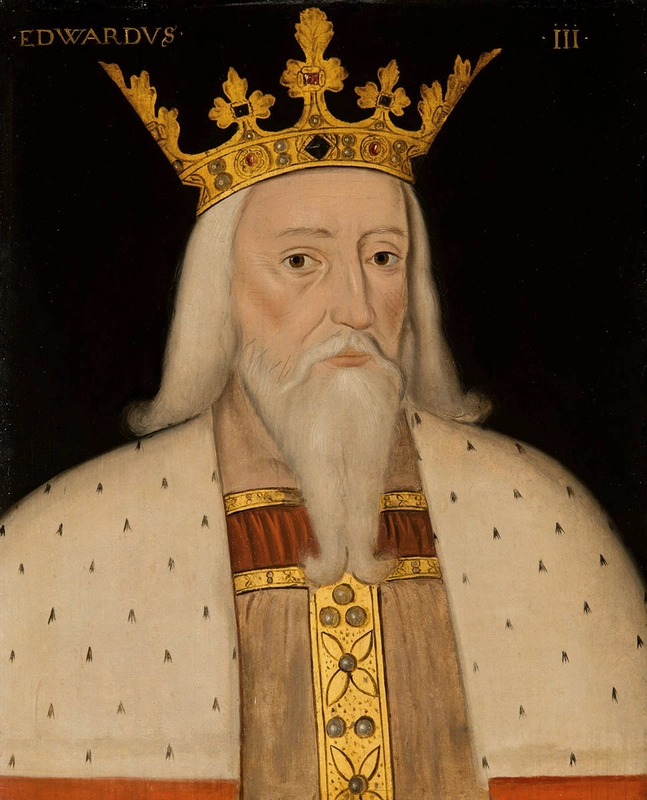
He descended from Edward III through both parents, giving him a formidable claim to the English throne.
On his father’s side, he was the great-grandson of Edward III. His grandfather was Edmund of Langley, the first Duke of York and founder of the House of York.
But his mother’s bloodline was even more important.
Anne Mortimer descended from Lionel, Duke of Clarence, Edward III’s second surviving son. That gave Richard a claim through a more senior branch of the royal family than the reigning Lancastrians.
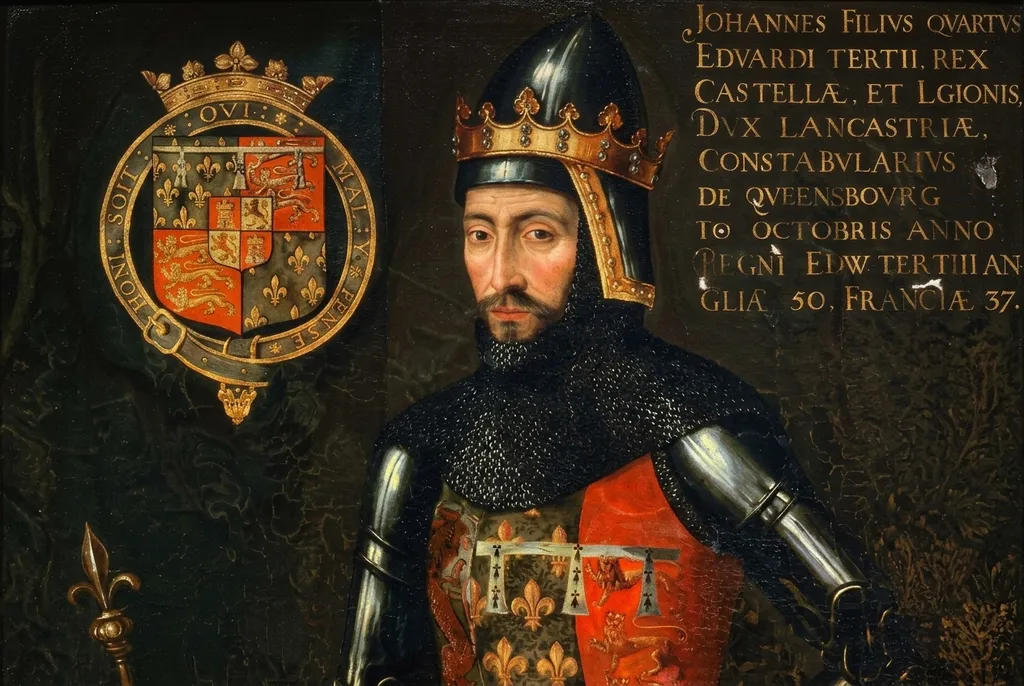
The Lancastrians, in contrast, descended from John of Gaunt, Edward III’s third surviving son. In other words, Richard’s maternal ancestors came first in the hereditary pecking order.
By that logic, the Mortimer family had a stronger claim to the throne when Richard II died childless.
But Henry IV seized the crown from Richard II in 1399, conveniently jumping the queue and bypassing the Mortimer line. By the time Richard of York came along, the Lancastrians were on the throne for years.
That created a rather thorny constitutional question. Did hereditary seniority trump an established dynasty’s possession of the crown?
The answer would eventually help plunge England into civil war.
Early Life
Richard didn’t exactly get off to a promising start.
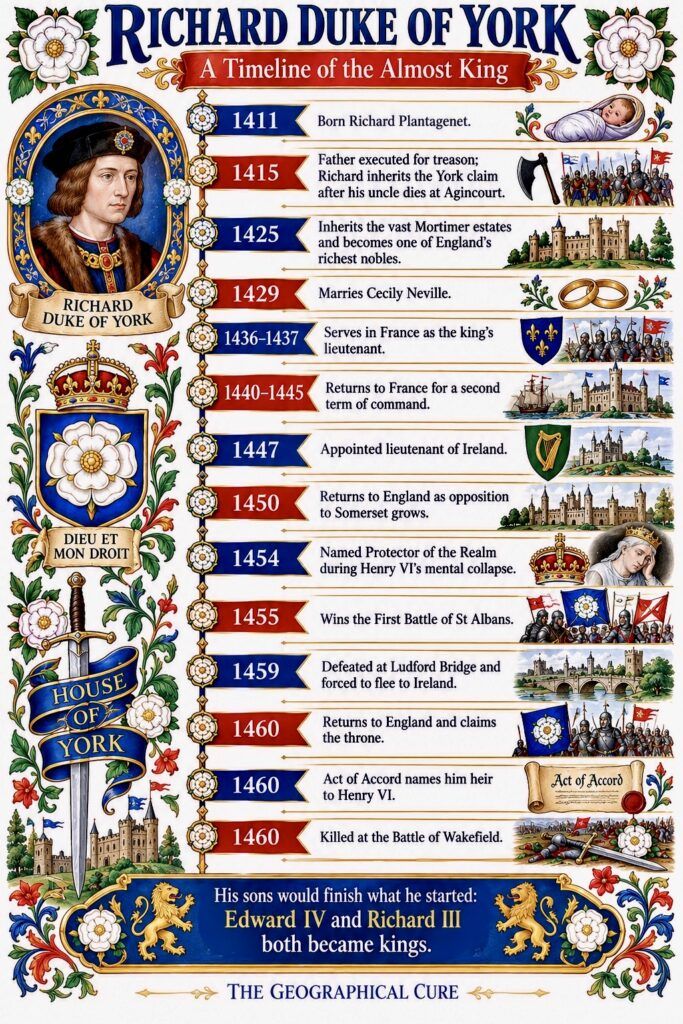
He was born on September 21, 1411, probably at Conisbrough Castle in Yorkshire. His parents were Richard of Conisburgh, Earl of Cambridge, and Anne Mortimer.
Then disaster struck. Repeatedly.
His mother died shortly after his birth. In 1415, his father lost his head for participating in the Southampton Plot, a conspiracy against Henry V. Just a few months later, his uncle Edward, Duke of York, died fighting at the Battle of Agincourt.
So, by age four, Richard had lost his mother, father, and uncle. Not exactly an auspicious beginning.
What would become of the little orphan?
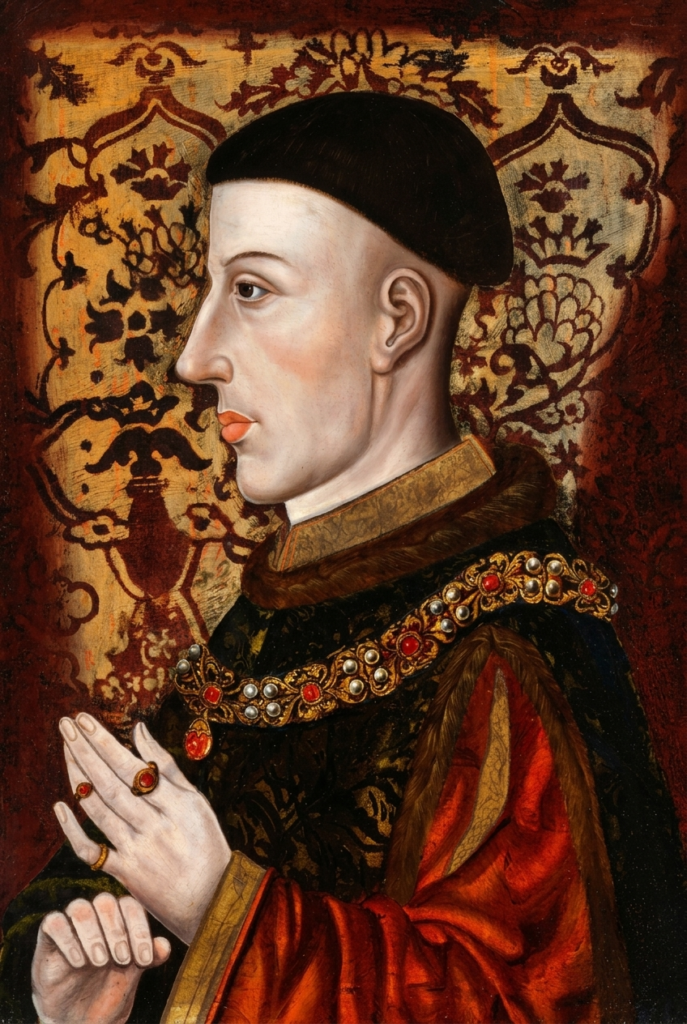
Fortunately, Henry V allowed him to inherit his uncle’s dukedom despite his father’s treason. Perhaps the king hoped that such generosity would secure the boy’s future loyalty.
Richard spent his early years as a royal ward. In 1423, Ralph Neville, Earl of Westmorland, purchased his wardship and marriage rights for the substantial sum of 3,000 marks.
Richard grew up in the Neville household at Raby Castle, surrounded by one of England’s most powerful and well-connected families.
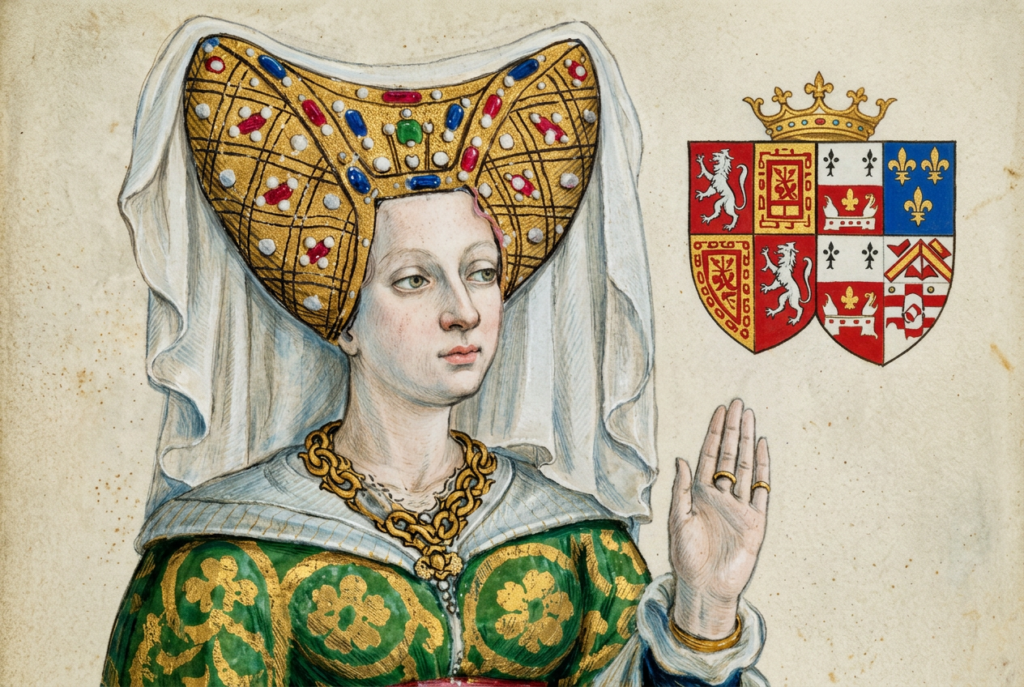
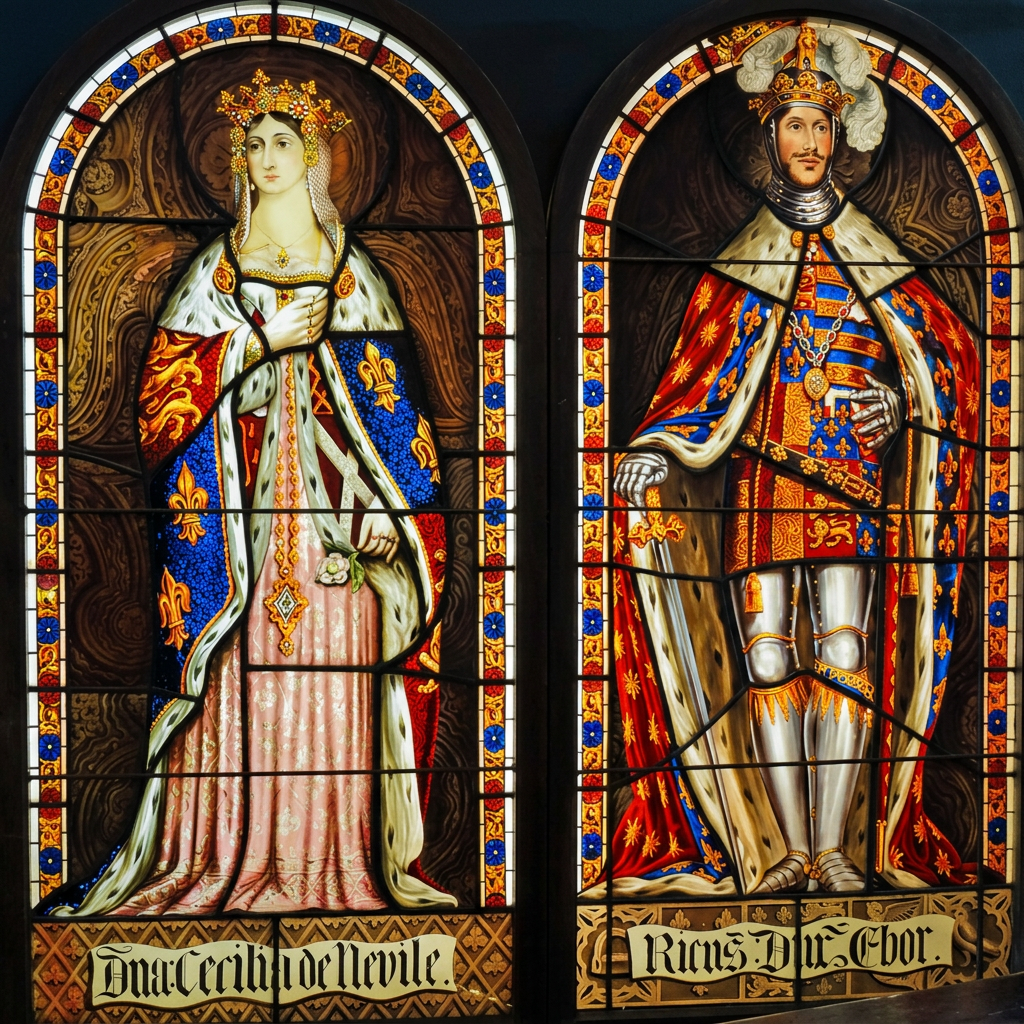
There, he met his future wife, Cecily Neville, the earl’s daughter. The couple eventually married and had twelve children, seven of whom survived childhood.
But Richard’s fortunes had already taken another spectacular turn.
In 1425, his maternal uncle Edmund Mortimer, Earl of March, died childless. Richard inherited the enormous Mortimer estates, along with the family’s senior hereditary claim to the English throne.
It was quite a windfall.
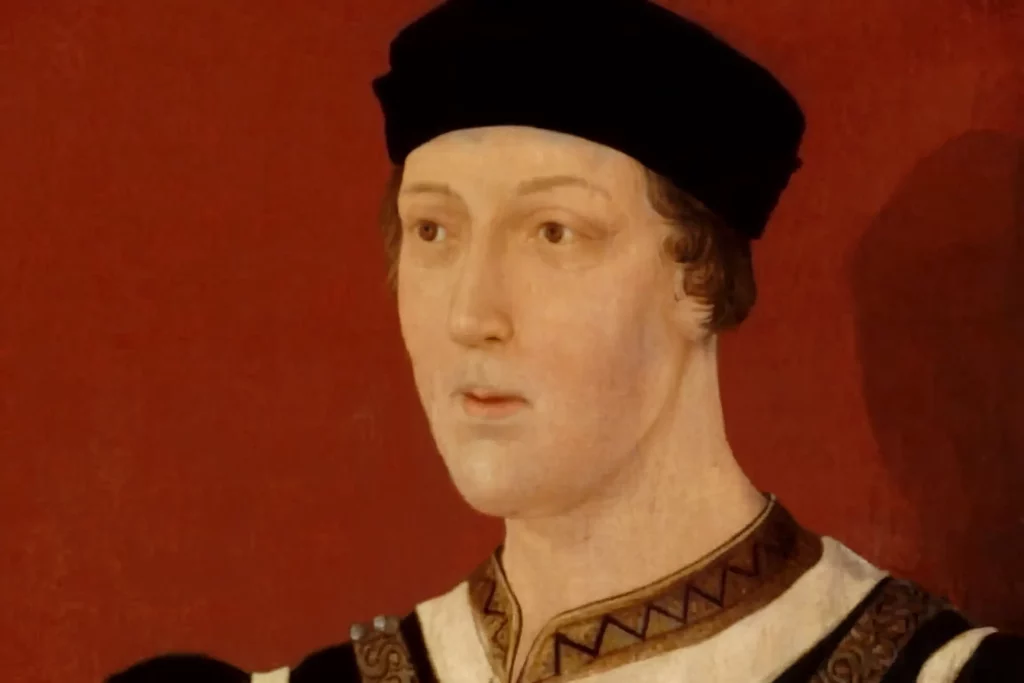
The Problem With Henry VI
Was Richard Originally Loyal?
Richard didn’t spend his youth plotting against the Lancastrians. Quite the opposite.
He served Henry VI in important military and political posts. He commanded English forces in France and served as lieutenant of Ireland.
In France, he spent years defending England’s increasingly precarious possessions, particularly Normandy. It was an expensive, frustrating assignment, made worse by chronic shortages of money and supplies.
In Ireland, he worked to shore up royal authority, negotiated with powerful local lords, and built a considerable following of his own.
These were serious responsibilities. Hardly the actions of a disgruntled aristocrat biding his time until he could snatch the crown.
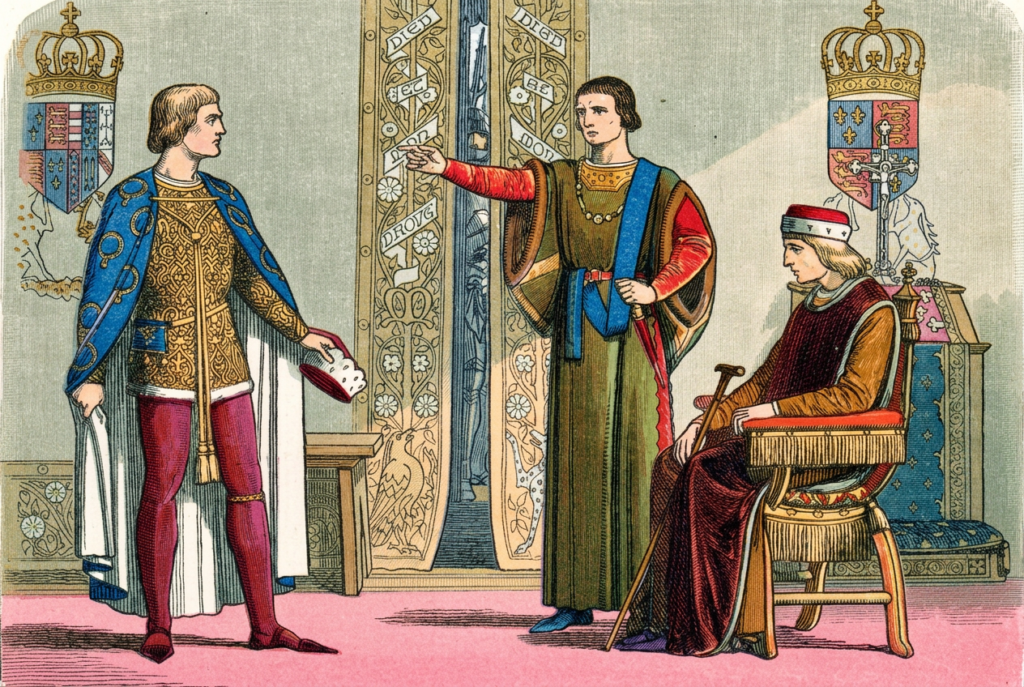
Henry VI’s Inept Government
For Richard, the problem wasn’t initially Henry per se. It was Henry’s government.
Unlike his formidable father, Henry V, Henry VI was pious, passive, and spectacularly ill-suited to ruling a kingdom.
His reign was plagued by political infighting. Henry had a particular talent for trusting the wrong people, and his court was crowded with ambitious magnates eager to advance their own interests.
Everyone wanted to be the power behind the throne. And the squabbling didn’t magically stop when Henry came of age.
If anything, it got worse.
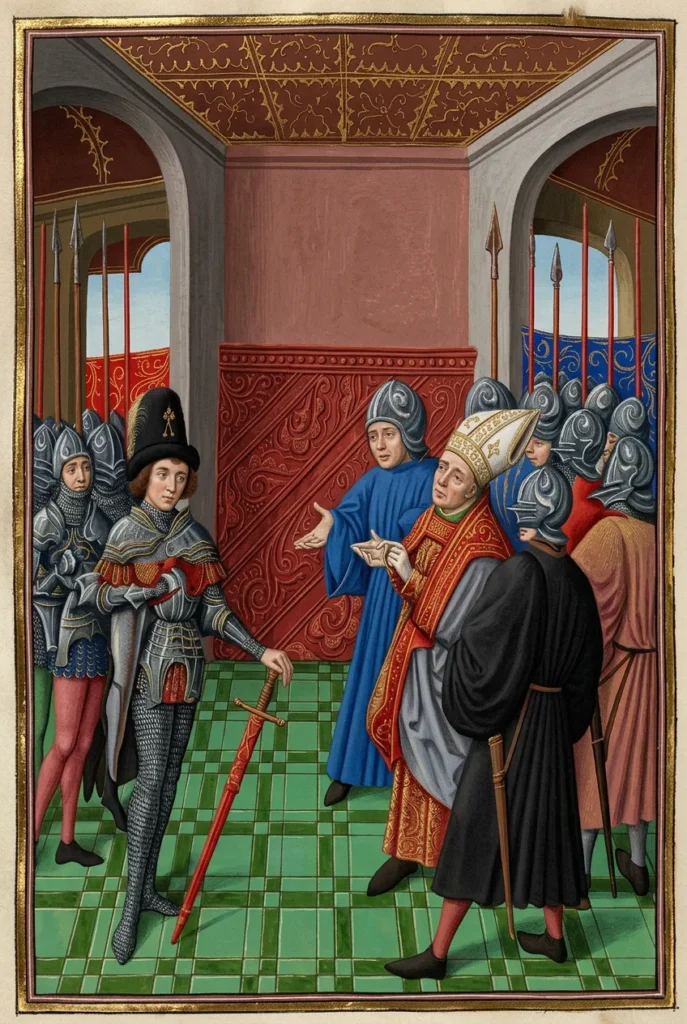
Somerset vs. York
By the late 1440s, the struggle increasingly centered on two powerful rivals: Edmund Beaufort, Duke of Somerset, and Richard, Duke of York.
Somerset was a leading figure at Henry’s court. A member of the Beaufort branch of the Lancastrian family, he was also Henry’s first cousin once removed.
He had powerful allies, considerable influence, and the king’s confidence. In Henry’s eyes, Somerset was family. Someone he could trust.
Richard was rather less reassuring.
The Duke of York possessed immense wealth, powerful connections, and an inconveniently impressive royal pedigree. Through his mother, he descended from Edward III’s second surviving son.
That gave Richard a hereditary claim that, by the usual rules of primogeniture, took precedence over the Lancastrian line.
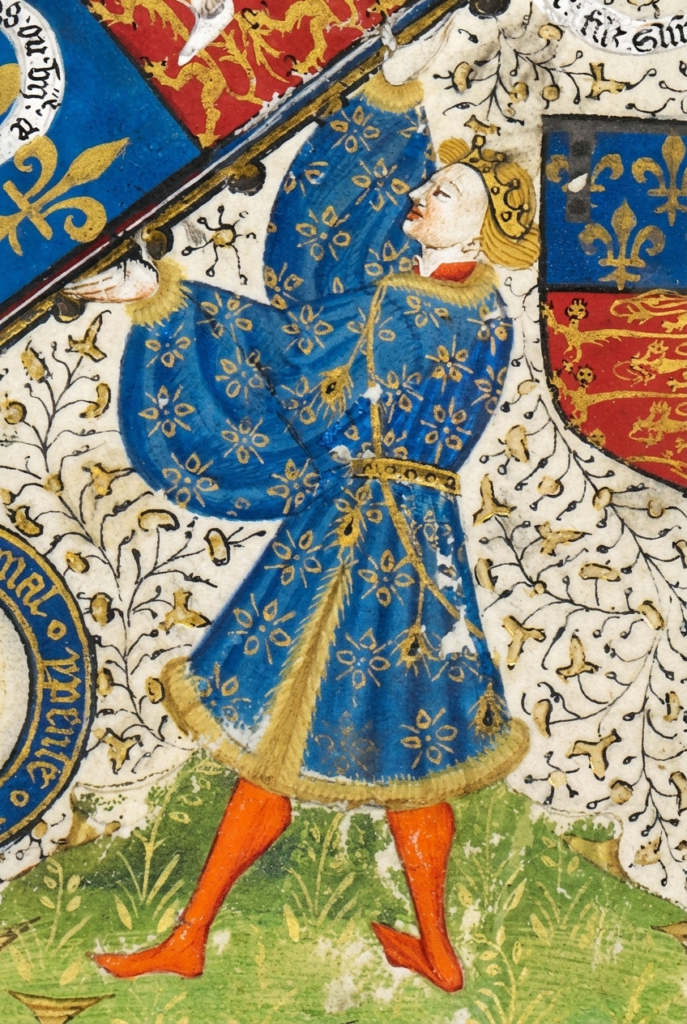
Ahem. Awkward.
But Richard wasn’t yet demanding the crown. He wanted influence, better government, and Somerset out of the way.
He blamed Somerset for England’s humiliating military losses in France, particularly the collapse of its position in Normandy.
Henry, however, repeatedly sided with Somerset. Rather than reconcile his feuding magnates, he alienated one of the most powerful men in England.
Not exactly a masterstroke of kingship.
The Dartford Humiliation of 1452
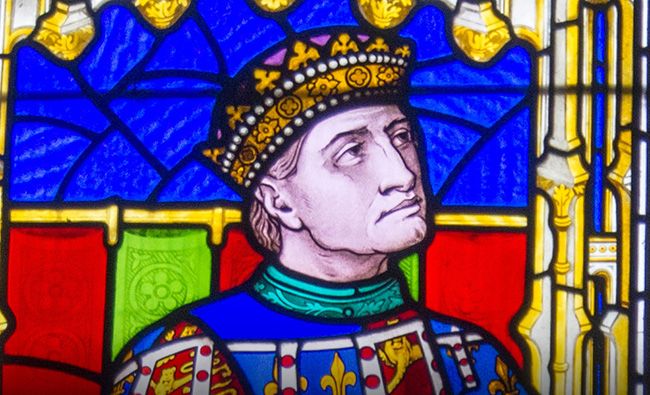
By 1452, Richard had run out of patience with Somerset. He raised an army and marched toward London, demanding that Henry remove his incompetent favorite from power.
Henry wasn’t impressed. Royal forces blocked Richard’s path, and the two armies faced off near Dartford.
Richard was outnumbered and politically isolated. Negotiators persuaded him to submit. According to one account, he’d been promised Somerset’s arrest.
Instead, he found his enemy standing comfortably beside the king. So much for that bargain.
Richard was briefly detained and forced to swear a public oath of loyalty at St. Paul’s Cathedral. He returned to his estates thoroughly humiliated.
Once again, he’d challenged the government and accomplished precisely nothing.
Henry VI Illness & Protectorship
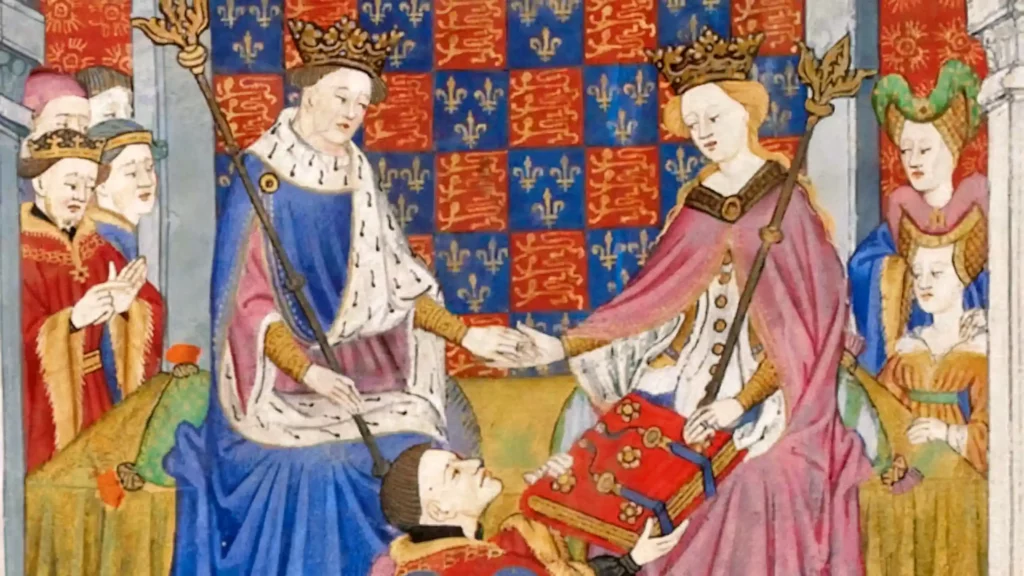
Then, in 1453, Henry’s health changed everything. The king suffered a devastating mental collapse. He became virtually catatonic, unable to speak, respond, or govern.
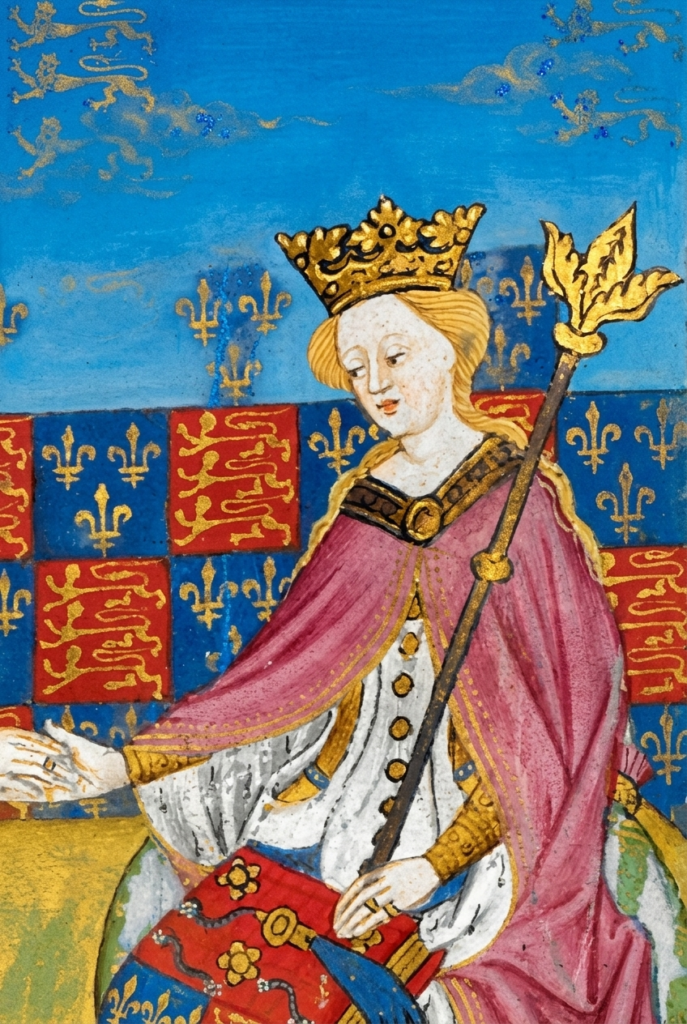
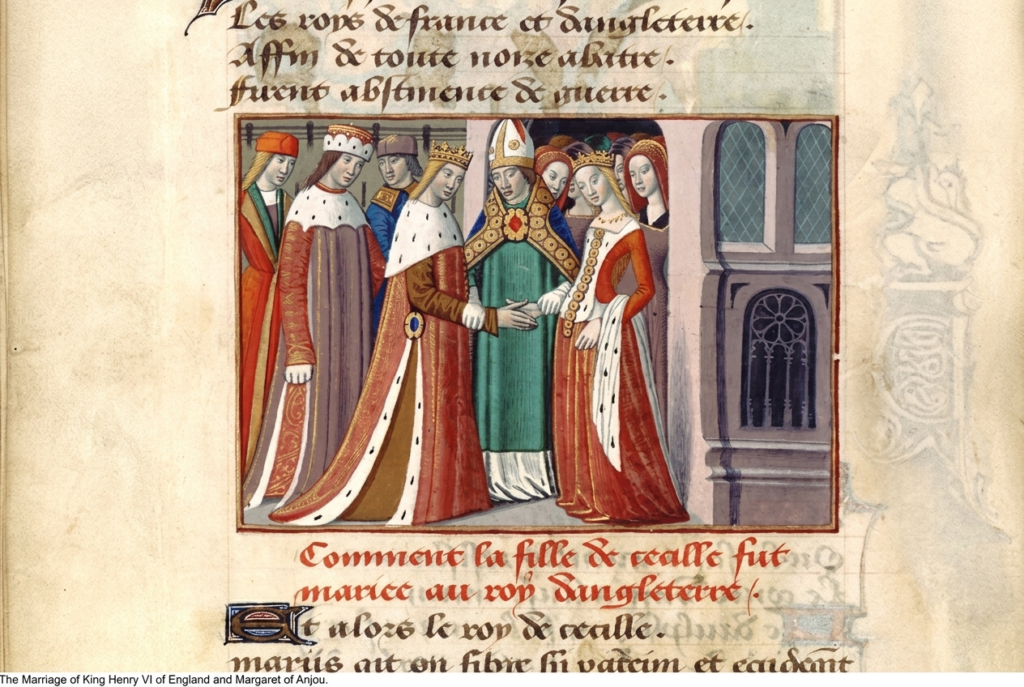
His wife, Margaret of Anjou, was pregnant. The king’s condition was initially concealed from public view as he remained secluded at Windsor Castle. Naturally, this wasn’t going to work forever.
As the paralysis dragged on, Parliament had to act. In March 1454, Richard was appointed Lord Protector, effectively putting him in charge until Henry recovered.
Richard wasted little time settling scores. He took control of the government and threw his great rival, Somerset, into the Tower of London.
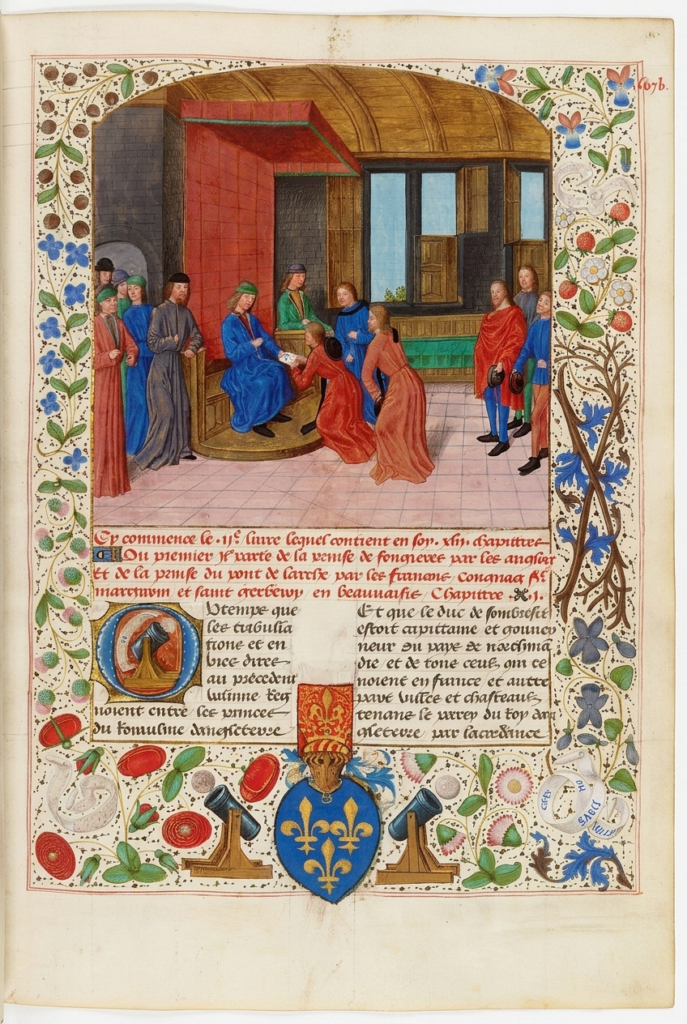
Then, in December 1454, Henry unexpectedly emerged from his stupor after roughly 16 months.
And just like that, Richard’s political fortunes collapsed. Henry ended his protectorship, released Somerset, and restored his old favorite to power.
The levers of power were reversed yet again. Even worse for Richard, Margaret had given birth to a healthy son, Edward of Westminster. The Lancastrian succession now had an heir, and Richard’s prospects for the throne looked considerably dimmer.
Richard was back on the sidelines, furious, suspicious, and increasingly convinced that his enemies were plotting his downfall. As it turned out, he had good reason to worry.
Battle of St. Albans
Just a few months later, with resentment boiling over, Richard gathered an army of roughly 3,000 men and marched toward London.
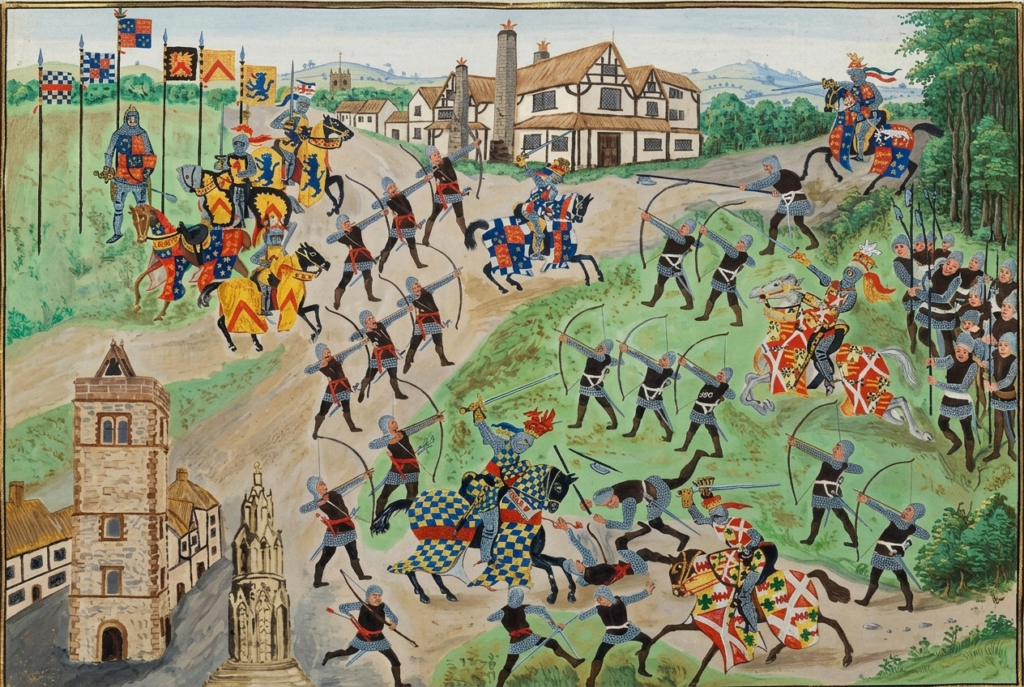
On May 22, 1455, his forces confronted the king’s army at St. Albans, where the Lancastrians had barricaded the streets.
The fighting was brief but vicious. When the Yorkists struggled to break through, Richard’s ally, the Earl of Warwick, led his men through back gardens and side streets, catching the Lancastrians by surprise.
The royal defenses crumbled. It was a decisive Yorkist victory. Henry was wounded in the neck by an arrow and taken prisoner. Somerset and two other prominent Lancastrian nobles were killed.
Richard eliminated his greatest enemy and regained control of the king. A political feud had turned into open warfare. The Wars of the Roses had begun.
That autumn, Henry may have suffered another episode of mental illness. The historical evidence is murky, and the severity of any relapse remains uncertain.
What is certain is that Richard became Lord Protector for a second time in November 1455. Whether this reflected Henry’s renewed incapacity, Richard’s political dominance, or some combination of the two is still debated.
But Richard’s triumph was short-lived.
By February 1456, Henry was sufficiently recovered to resume personal rule. With Margaret of Anjou pushing to rid the government of York’s influence, he dismissed Richard as Protector on February 25.
And just like that, Richard was out. Again.
Somerset was dead, but the power struggle was far from over. Margaret was determined to protect her son’s inheritance, and Richard had little reason to trust the royal court.
The first blood had been spilled. There would be plenty more.
1456-1460: The Road to the Crown
Politics as Usual
Richard remained one of England’s most powerful noblemen, but his influence at court was slipping. For now, another armed confrontation was off the table.
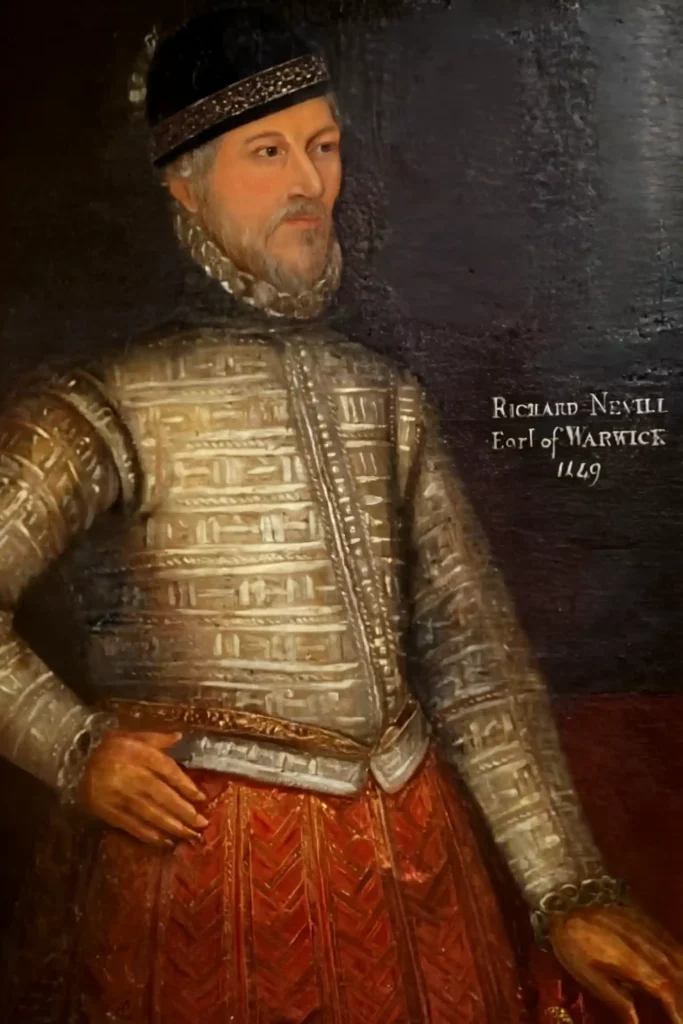
Instead, he divided his time between his estates, royal council meetings, and efforts to defend the Scottish border. Meanwhile, his alliance with Richard Neville, Earl of Salisbury, and Salisbury’s increasingly formidable son, the Earl of Warwick, remained firmly intact.
Meanwhile, Margaret of Anjou was busy strengthening her own faction. She had a young son, Edward of Westminster, whose inheritance she was determined to protect against Richard’s rival claim.
Neither side trusted the other. But everyone continued professing undying loyalty to Henry VI. Naturally.
Loveday Reconciliation
In March 1458, Henry attempted to reconcile the warring factions at a formal ceremony in London known as the Loveday.
The nobles marched through the streets hand in hand, publicly declaring peace. Richard even escorted Margaret herself. Imagine the forced smiles.
But it wasn’t real, just a spectacular piece of political theater. The grudges remained, the suspicions festered, and nobody was particularly interested in forgiving anyone.
The Rout at Ludford Bridge & Battle of Northampton
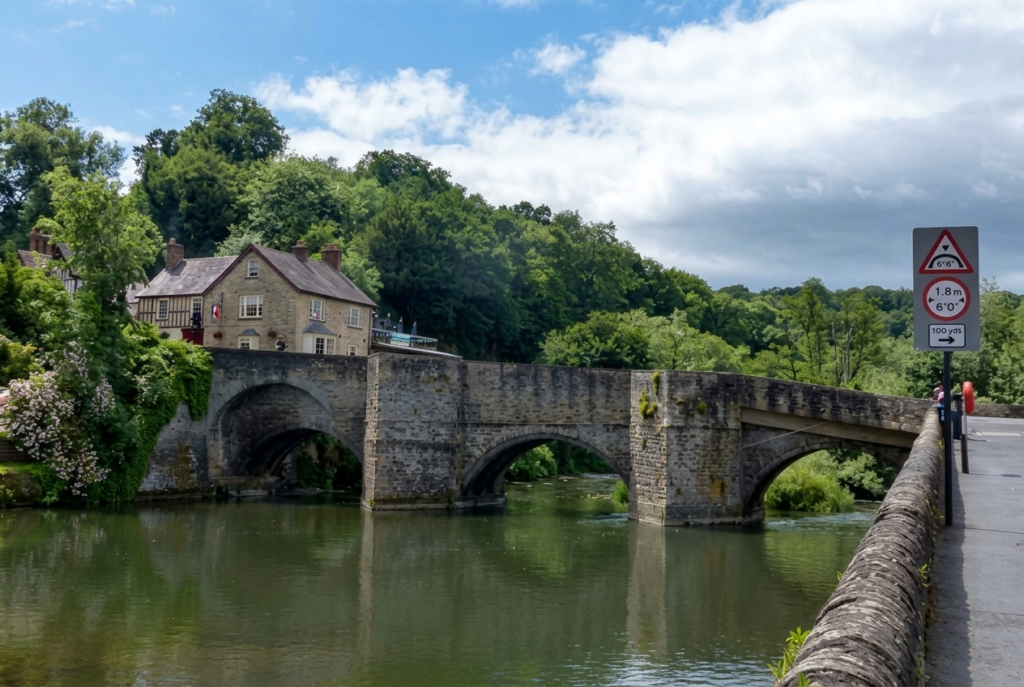
In October 1459, the situation erupted into open warfare. Richard and his allies confronted a much larger royal army, with Henry VI himself present, near Ludford Bridge.
The Yorkists were badly outnumbered. Worse, some of their experienced soldiers defected to the king. Rather than fight a hopeless battle, Richard and his son Edmund fled to Ireland.
They hadn’t even fought a proper battle. Talk about a humiliating reversal.
In November, the so-called Parliament of Devils declared Richard and his leading supporters traitors, stripping them of their titles and estates.
But the Yorkists weren’t finished. Far from it.
In Ireland, where he enjoyed substantial support, Richard regrouped and plotted his return. Meanwhile, his eldest son Edward, Earl of March, joined the Earls of Warwick and Salisbury in Calais, another Yorkist stronghold.
In June 1460, the Calais contingent invaded England. On July 10, they crushed the Lancastrian army at the Battle of Northampton.
The royal defenses collapsed after a Lancastrian commander switched sides. Several leading nobles were killed, and Henry VI was captured yet again.
But here’s the interesting part. Richard hadn’t won the battle. His allies and his 18 year old son had done the fighting while he remained in Ireland.
The Yorkists now controlled the king and much of the government. Richard finally had his chance.
Act of Accord
Richard returned from Ireland in September 1460. The following month, he strode into Parliament at Westminster with an armed entourage, expecting recognition as England’s rightful king.
In a theatrical flourish, he placed his hand on the empty throne. He apparently expected applause. Instead, he got awkward silence.
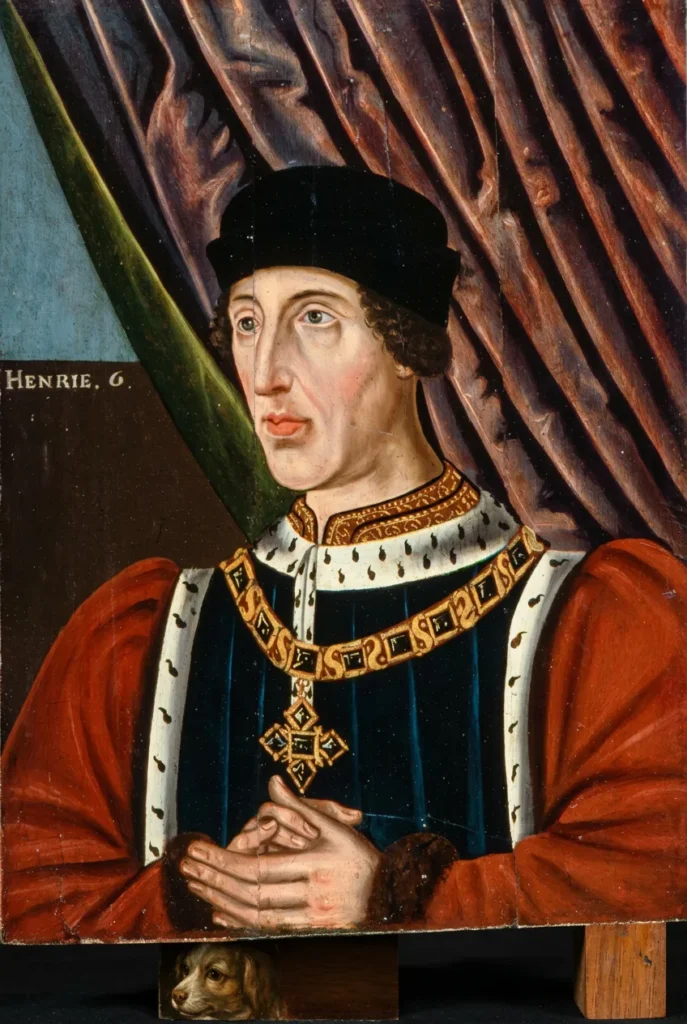
The assembled lords weren’t particularly enthusiastic about deposing an anointed king, even one as inept as Henry VI. So Parliament devised a compromise, the Act of Accord.
Henry could remain king for life. But when he died, Richard and his heirs would inherit the crown, officially disinheriting Henry’s own son, Edward of Westminster.
Richard had finally secured parliamentary recognition of his claim, but he hadn’t won the crown.
And there was one rather formidable obstacle left: Margaret of Anjou. She had absolutely no intention of letting Richard steal her son’s inheritance. The compromise was a recipe for another war.
Why Did Richard Claim the Throne Then?
Given all that, why did Richard wait until 1460 to claim the crown?
He spent years serving the Lancastrians, grumbling about their government but never openly demanding the throne. I suspect three things finally pushed him over the edge.
First, he’d been declared a traitor. This giant of a magnate, with blood purer than Caesar’s, was attainted and stripped of his estates. That must’ve stung. And it made reconciliation considerably more difficult.
Second, Henry was now a prisoner. For the first time, Richard had a genuine opportunity to change the succession.
The king had suffered a prolonged mental collapse, his government was in shambles, and his authority was badly weakened. If Richard was ever going to make his move, this was the moment.
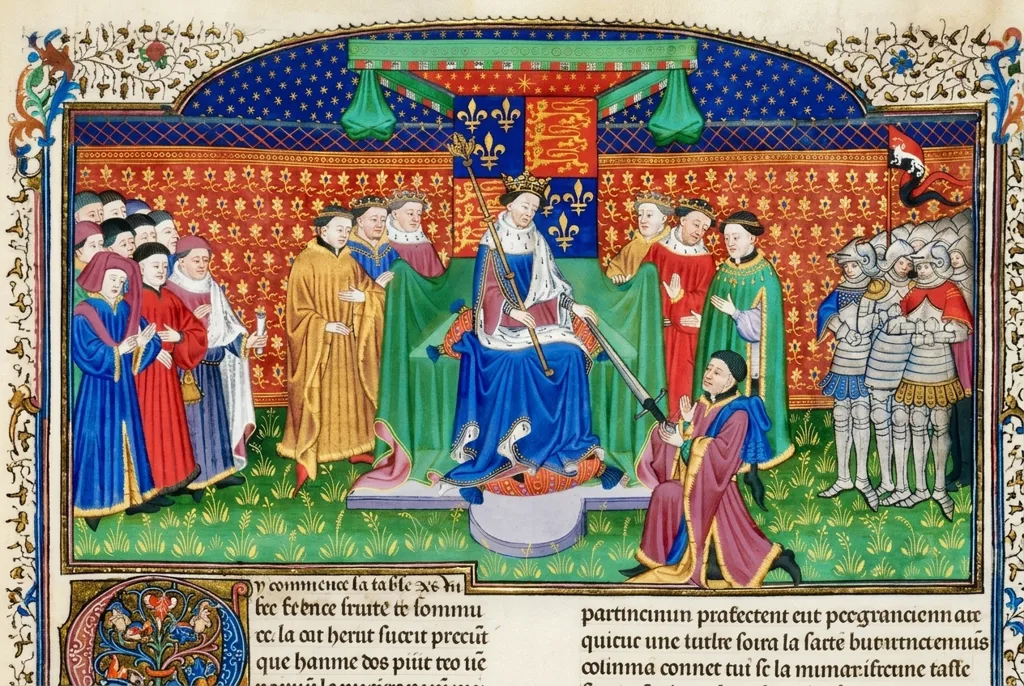
Third, perhaps Richard simply thought, enough is enough. He’d served Henry for decades, governed in his name as Lord Protector, and repeatedly tried to push Somerset out of power.
His reward? Dismissal, humiliation, and eventually a treason charge.
Why keep fighting for influence over a king who wouldn’t listen when he could claim the crown himself?
Or perhaps Richard had harbored royal ambitions all along and was simply waiting for the odds to improve. Historians still debate his motives.
Whatever the truth, Richard finally went for broke.
The Battle of Wakefield
Unfortunately for Richard, Margaret of Anjou had no intention of letting the Act of Accord stand. Her son’s inheritance was at stake, and she wasn’t about to surrender it without a fight.
By late 1460, Lancastrian forces were gathering in the north and threatening Richard’s estates.
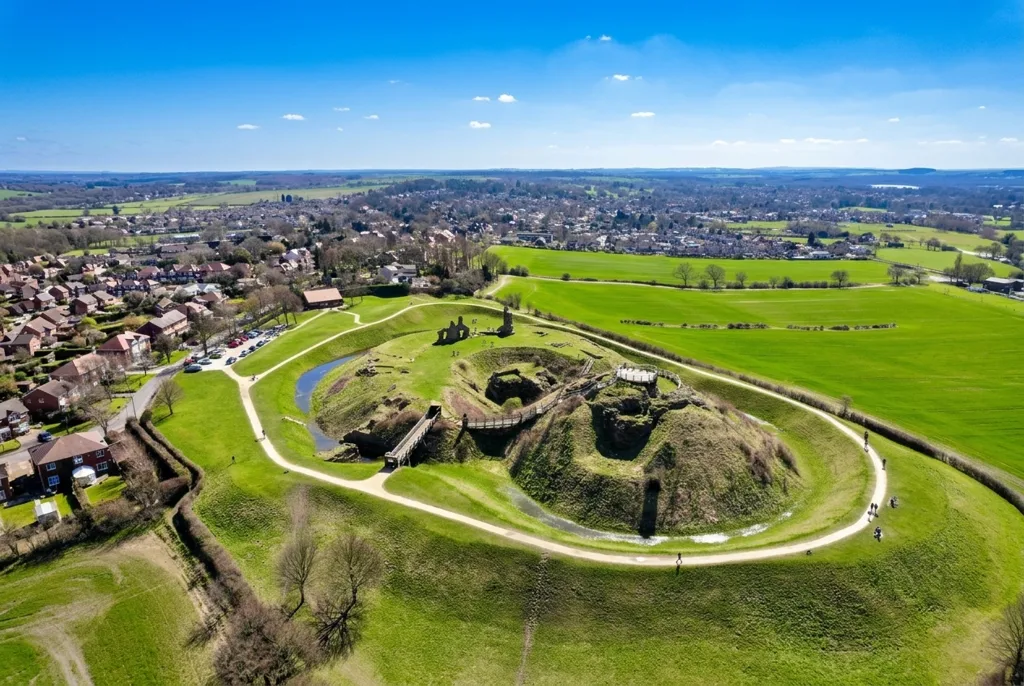
Sandal Castle Siege
Richard marched north with his son Edmund and his ally, the Earl of Salisbury, to confront them. He established his headquarters at Sandal Castle near Wakefield, expecting reinforcements.
But he’d badly underestimated the enemy. The Lancastrians had a much larger army, and Richard’s own forces weren’t yet at full strength.
Worse, Sandal Castle was poorly provisioned. Richard couldn’t simply sit behind its walls indefinitely, waiting for help.
On December 30, 1460, he made a fatal decision. For reasons historians still debate, Richard left the relative safety of the castle and confronted the Lancastrians.
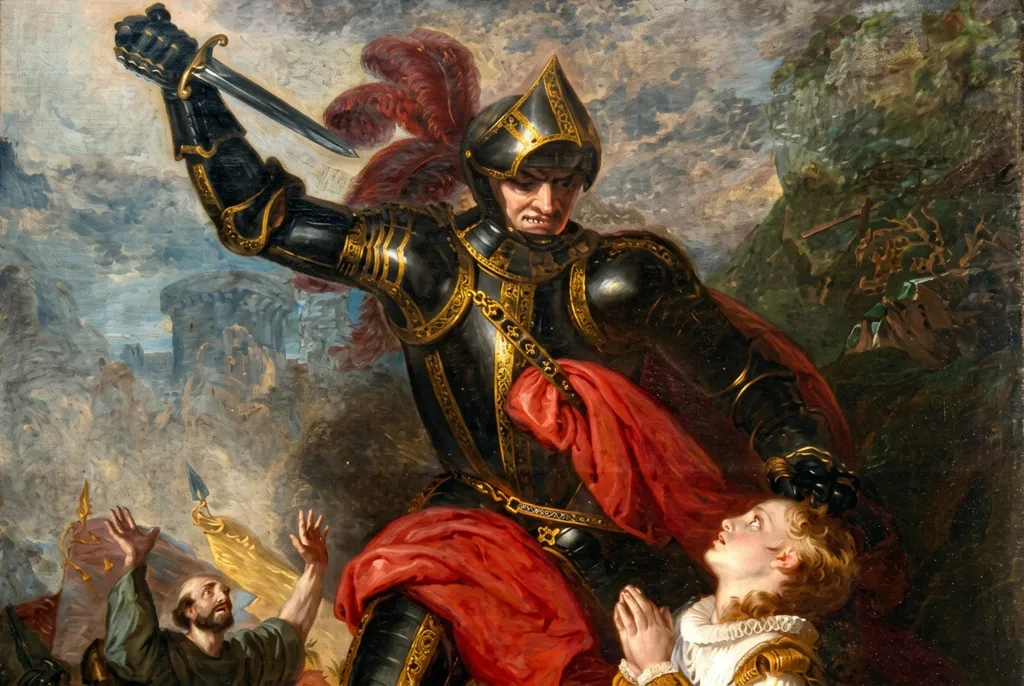
Perhaps he was desperate for supplies. Perhaps he was lured into a trap. Or perhaps he simply misjudged the odds.
The Yorks Are Routed
Whatever the reason, the result was catastrophic.
The Lancasatrians routed the Yorkists. They killed Richard and his son Edmund, and Salisbury was captured and executed.
The victors weren’t content with merely killing their enemies. They displayed the severed heads on spikes above Micklegate Bar in York.
Richard’s head was reportedly adorned with a paper crown, a final insult to the man who’d dared to claim the throne.
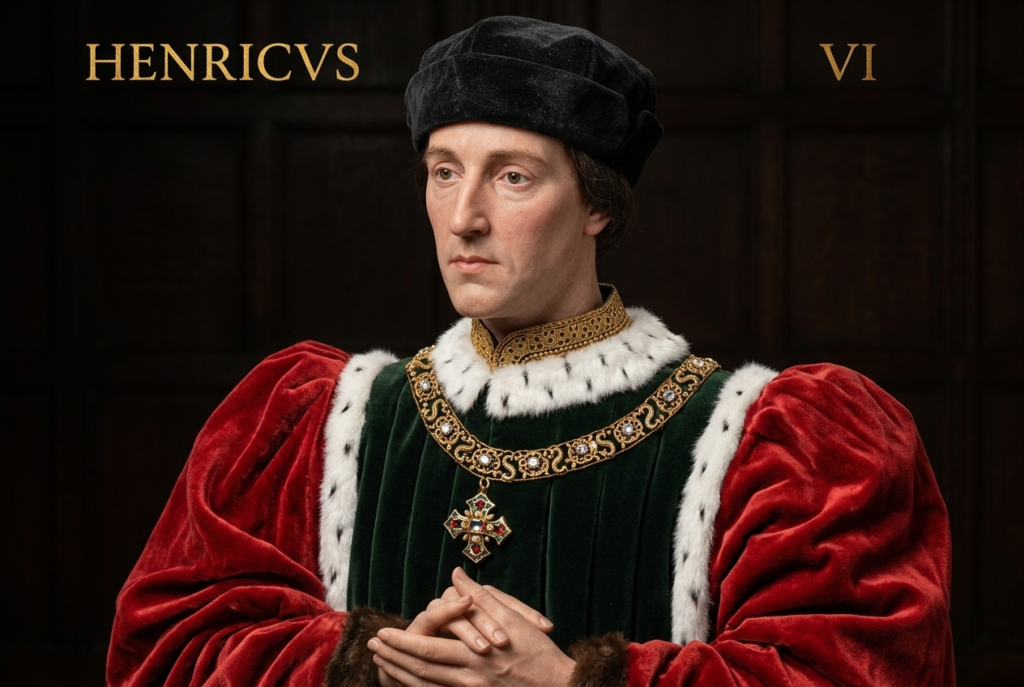
Why Did Richard March Into Disaster?
Why did an experienced military commander abandon the relative safety of Sandal Castle and march into disaster at Wakefield?
For starters, Richard maneuvered himself into an impossible position.
He’d marched north with too few men and too little preparation. Sandal Castle wasn’t provisioned to feed thousands of soldiers through a prolonged siege. Food was running short, and his men had to forage for supplies.
The Lancastrians weren’t exactly playing fair either.
They wore Warwick badges to fool the Yorks into thinking they were friendly and harassed foraging parties. The Lancastrians may have even violated a Christmas truce.
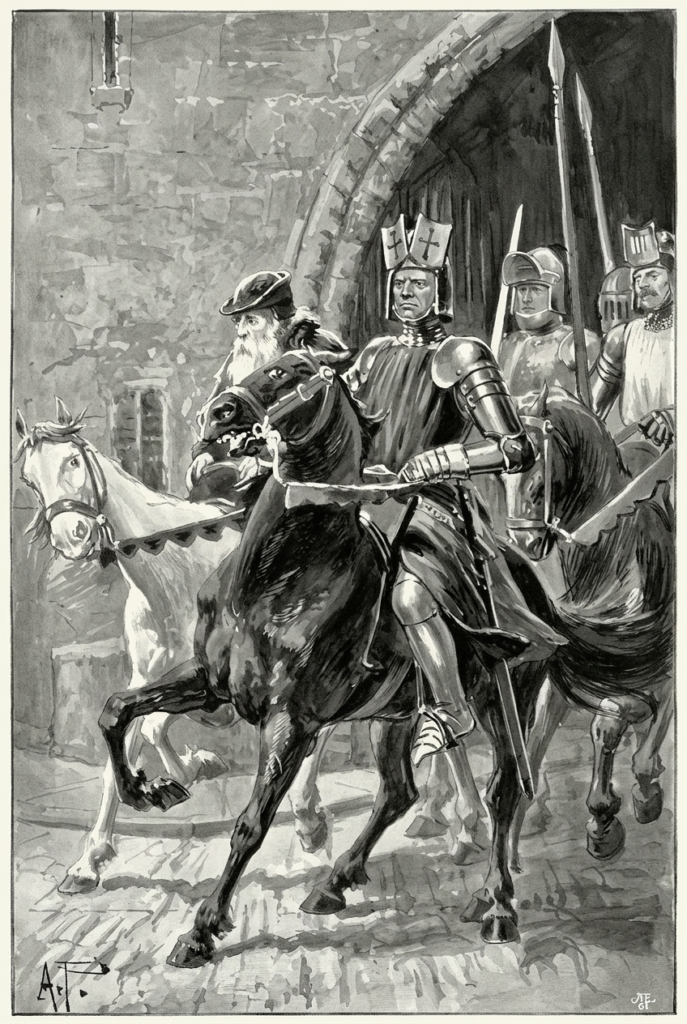
How much of this trickery actually happened remains disputed.
But the bottom line was grim. Richard was outnumbered, short of supplies, and unable to wait comfortably for his son Edward to arrive with reinforcements.
It’s also possible he was trying to break out and escape south rather than deliberately engage the Lancastrians.
Whatever prompted his final move, Richard’s options were running out. And so was his luck.

York Revenge
Edward IV Strikes Back
After Wakefield, however, Margaret’s victory was short-lived. Now she had to face Richard’s son Edward, who skills far surpassed those of his father.
Edward wasted no time in gathering adherents to the York cause and assembling a new army. He marched into England trounced the royal forces at the Battle of Mortimer’s Cross in February 1461.
Control of the crown switched again. This time, Edward claimed the throne as Edward IV.
However, Margaret didn’t cry uncle. And the Wars of the Roses dragged on.
Richard’s Burial
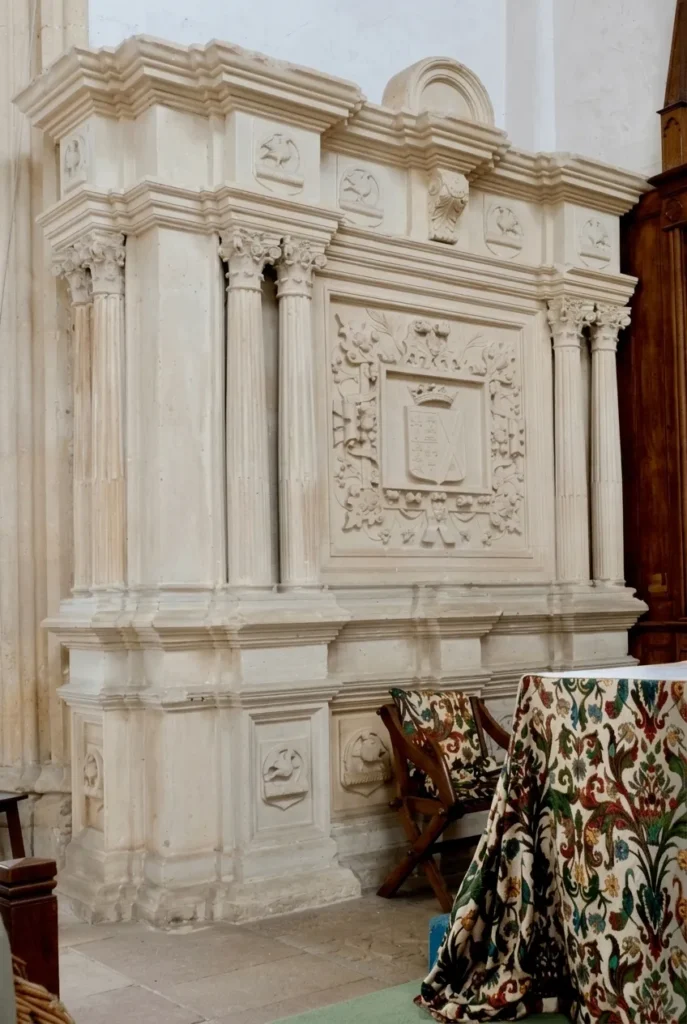
Richard and his son were buried at Pontefract. Sixteen years later, with his kingdom secure, Edward IV ordered an elaborate reburial at St. Mary and All Saints, near the York base of Fotheringhay Castle.
There was a magnificent funeral session with Edward attending. At the ceremony, Edward covered his father’s coffin in royal symbols including an angel holding a golden crown.
He had been king by right, even though denied it repeatedly.
Verdict
Richard was England’s “almost king” for a reason.
Richard’s Mistakes
He had all the tools. What he lacked was the political judgment and military skill to turn those advantages into lasting power. His record is a frustrating catalogue of missed opportunities and costly miscalculations.
He won at St. Albans, but couldn’t consolidate his gains. At Ludford Bridge in 1459, his army collapsed and he fled to Ireland.
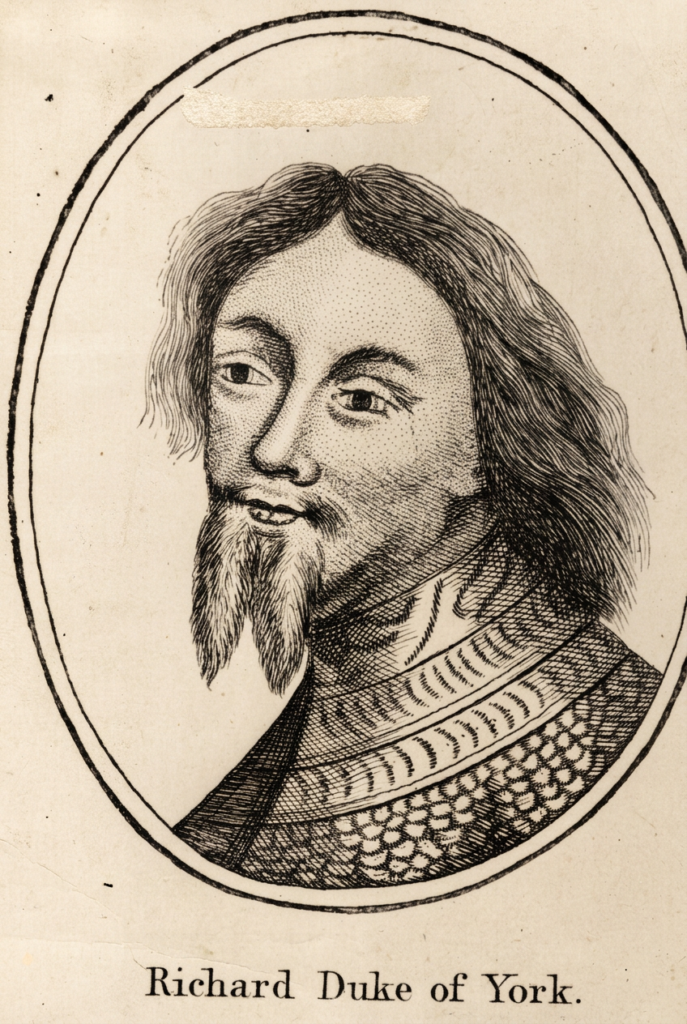
After Northampton, Richard expected everyone to hand him the crown. Nope.
Even the Act of Accord, his greatest political triumph, was a poisoned chalice. It gave him the succession but guaranteed Margaret of Anjou’s hostility. And at Wakefield, he marched into a disaster that cost him his life.
Did Henry VI’s inept government treat Richard badly? Absolutely. He had legitimate grievances and was probably more sinned against than sinning. But grievances aren’t a strategy.
Opportunities Squandered
Again and again, Richard gained the upper hand, only to squander it. He helped ignite the Wars of the Roses, but never figured out how to turn his victories into lasting political power.
His teenage son Edward had no such problem. He accomplished in months what Richard had failed to achieve in years.
Richard knew how to challenge a king. Edward knew how to become one.
I hope you’ve enjoyed my Richard Duke of York biography. You may find these other English histories interesting:
- Royal Whodunits
- English myths
- History of Medieval and Tudor England
- Tudor queens of England
- Power Women of Medieval & Tudor England
- Historical Mistresses and Favorites
- Wives of Henry VIII
- Worst kings of England
- Anglo-Saxon kings of England
Pin it for later.