The Praetorian guards began as the emperor’s protectors and ended up as one of Ancient Rome’s most persistent political problems.
I’ve called them chaos gremlins before. That may be too kind.
The Praetorians were parasites, sucking power and wealth from the body public. For an elite guard, they had a remarkable talent for making Rome less secure.
What followed was three centuries of bribery, intimidation, political meddling, and occasionally outright murder.
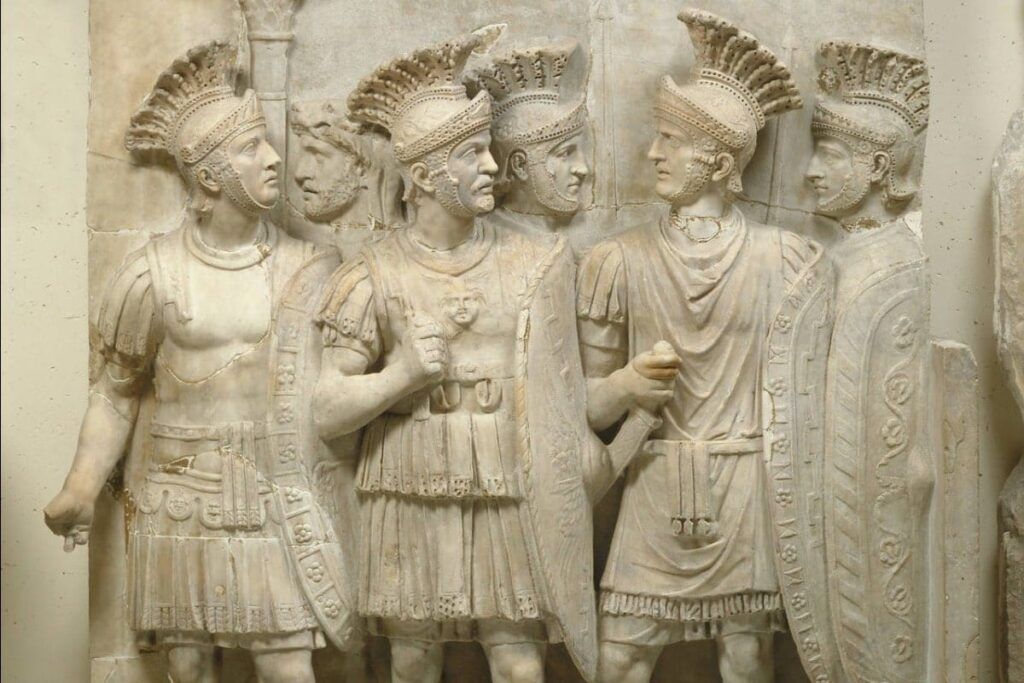
Who Were the Praetorian Guard? A History
How The Guard Began
In the late Republic, Roman generals had elite bodyguards called praetorian cohorts. They came from the praetorian, the commander’s headquarters.
It was Rome’s first emperor, Augustus, who formalized them into a standing force whose job was to protect the emperor and his imperial household.
Around 27 BC, he created nine cohorts. At first, he was careful not to make them look too threatening. Only a few cohorts were stationed in Rome at any given time. The others were dispersed throughout Italy.
Under the second emperor, Tiberius, the Guard became more visibly powerful. His right hand, Sejanus, turned them into more of an institutional police force concentrated in Rome.

Praetorian Power
The Praetorians occupied an extraordinary position in Roman life.
They were elite troops close to the emperor, the palace, and the machinery of government. That proximity gave them power wildly disproportionate to their numbers.
And it was a very cushy posting.
Praetorians served shorter terms than ordinary legionaries and were paid considerably more. Augustus even left them money in his will.
Later emperors routinely sweetened accessions with cash donatives, partly as reward and partly because keeping the men with swords happy was simply prudent. You can see where this was going.

Once the Guard realized that imperial stability depended partly on its support, loyalty became increasingly transactional.
A generous emperor could expect cheers. An unpopular or stingy one might discover that the men supposedly protecting him had suddenly become rather flexible about their job description.
At their worst, the Praetorians behaved less like soldiers and more like armed kingmakers and murderers.
They could march through the streets and cut down anyone who stood in their way. Their short-term calculations were often disastrous for Rome.
They could remove an emperor without having any sensible plan for what came next.
And every successful intervention taught them the same dangerous lesson: emperors came and went, but the Guard profited either way.
That dynamic became especially ugly during the political chaos of the 3rd century.
By then, military support was often decisive in determining who wore the purple. And assassination had become an occupational hazard of being emperor.
It’s remarkable that the institution survived as long as it did. Constantine finally abolished the Guard in 312.
Murder and Misdeeds
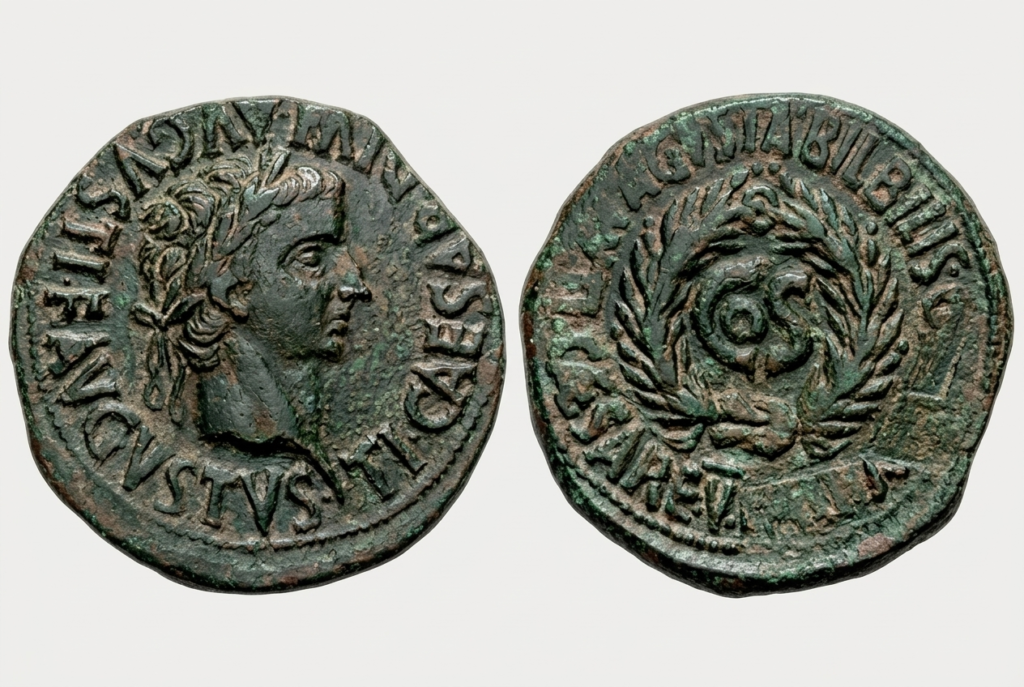
Sejanus, Tiberius’ Henchman
Perhaps the first truly ominous figure in the Guard’s history was Lucius Aelius Sejanus, Praetorian prefect under Tiberius.
Sejanus understood that the Guard didn’t need to overthrow the emperor to become powerful. It simply needed proximity and access.
Before him, the Praetorian cohorts were deliberately scattered. In 23 CE, Sejanus persuaded Tiberius to concentrate them in the Castra Praetoria, a fortified barracks just outside Rome.
Officially, this made them easier to command. Politically, it placed a disciplined armed force under one prefect’s control.
That prefect was Sejanus.

His power grew rapidly, especially after Tiberius withdrew from Rome to Capri. Sejanus became the emperor’s chief intermediary, controlling access, information, accusations, and appointments. Tiberius trusted him too, calling him “the partner of my labors.”
And it’s difficult to overstate how deeply twisted and disturbed Sejanus appears in ancient accounts. He whispered rumors, invented conspiracies, and sowed suspicion, fear, and acrimony.
He steadily poisoned Tiberius against the imperial family, turning suspicion into a weapon. Tacitus presents Sejanus as a man who was no longer satisfied with influence from the shadows. He wanted rivals removed and the path to supreme power cleared.
He began by seducing Livilla, the wife of Tiberius’ son Drusus, and conspired with her to poison him. His brother’s wife Antonia finally filled him in on Sejanus’ tactics.
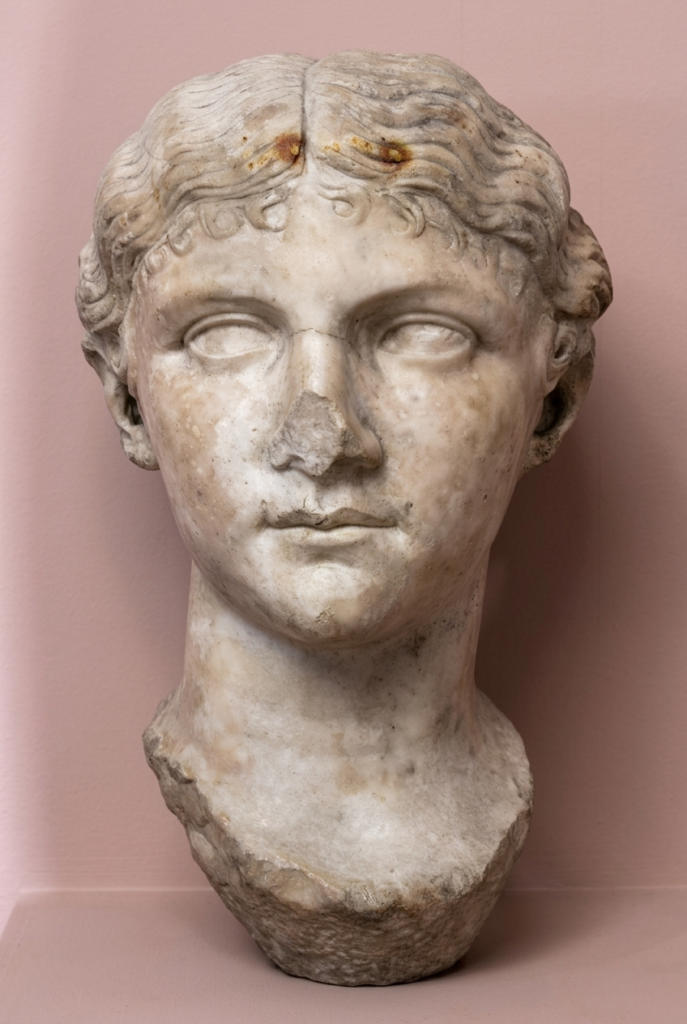
Tiberius was horrified. This was a man who had wormed his way into the emperor’s confidence while helping destroy his family from inside.
Tiberius acted swiftly, and the reversal was brutal. Sejanus was arrested, condemned, and executed the same day.
Sejanus was gone, but the larger problem remained. He’d shown just how powerful a Praetorian prefect could become when he controlled the emperor’s ear.
Caligula’s Murder
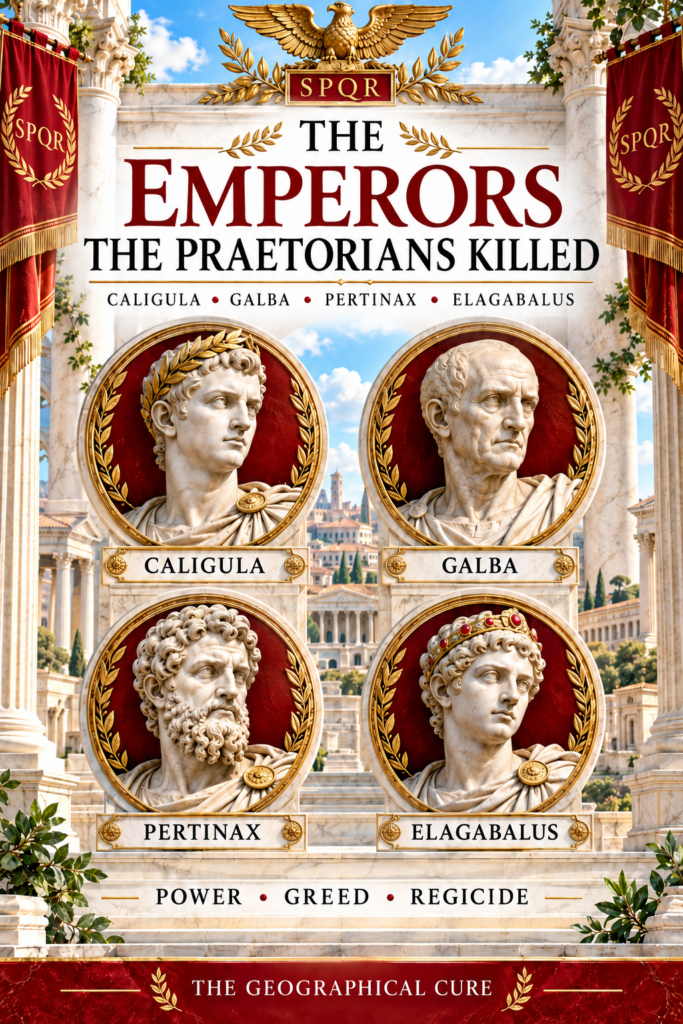
Their next dastardly deed was the murder of Caligula. The Praetorians may actually have done Rome a favor by eliminating him. And he’d done plenty to goad them.

Caligula couldn’t resist humiliating the Guard. He gave them obscene passwords, mocked senior officers, and generally forgot they held swords. Sharp ones at that.
On January 24, 41, members of the Praetorian Guard ambushed Caligula after a public performance. Cassius Chaerea, a tribune whom he’d repeatedly mocked, struck the first blow.
Then the others piled in.
Once Caligula was down, they stabbed and hacked him to death. Some ancient accounts even claim that his genitals were mutilated, though that detail may be later embellishment.
The conspirators put plenty of thought into killing the emperor. But they put rather less thought into what happened afterward.
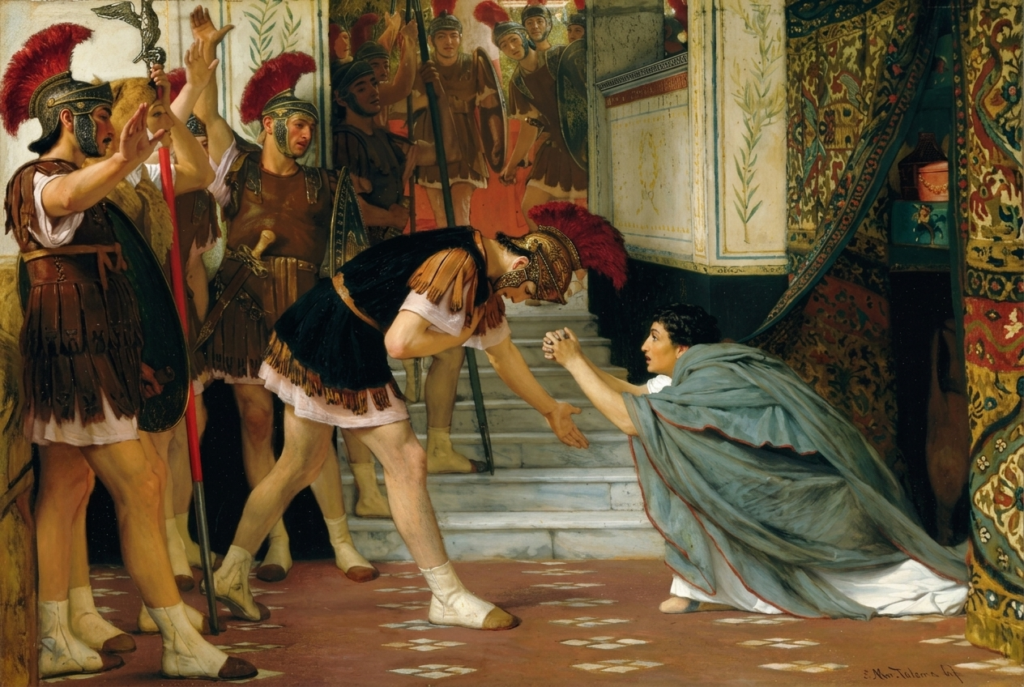
In the confusion, a Praetorian soldier found Caligula’s uncle Claudius hiding behind a curtain in the palace. Instead of killing him, the soldiers hauled him out and proclaimed him emperor.
Claudius certainly had the bloodline. He was the brother of the immensely popular Germanicus and a member of the Julio-Claudian dynasty.
But from the Praetorians’ point of view, he had one virtue that set him apart: he was rather dim. Or so they thought. They hoped to manipulate the simpleton into giving them big bonuses and easy treatment.
They miscalculated.

The Senate briefly talked about restoring the Republic.
But the Praetorians had Claudius, weapons, and control of the situation. Claudius also promised the Guard a generous donative.
That was pretty much the end of the debate.
Ironically, after murdering one emperor with no clear succession plan, the Praetorians managed to put a surprisingly capable one on the throne.
Claudius proved much harder to manipulate than they expected. He survived the viper pit of the imperial palace, outlasted the men who thought him a fool, and turned out to be an effective emperor.

Galba
After Claudius’ death in 54, his adopted son Nero took the throne. When he committed suicide in 68, Galba won the succession battle.
He was a unpopular martinet and humorless stiff. His taciturn demeanor irritated almost everyone, including the Praetorians.
Worse, he had no interest in buying their affection.
The Praetorians expected a huge donative for abandoning Nero and supporting Galba. Galba refused to pay, declaring that he recruited soldiers rather than bought them.
Admirable in theory. Suicidal in practice.
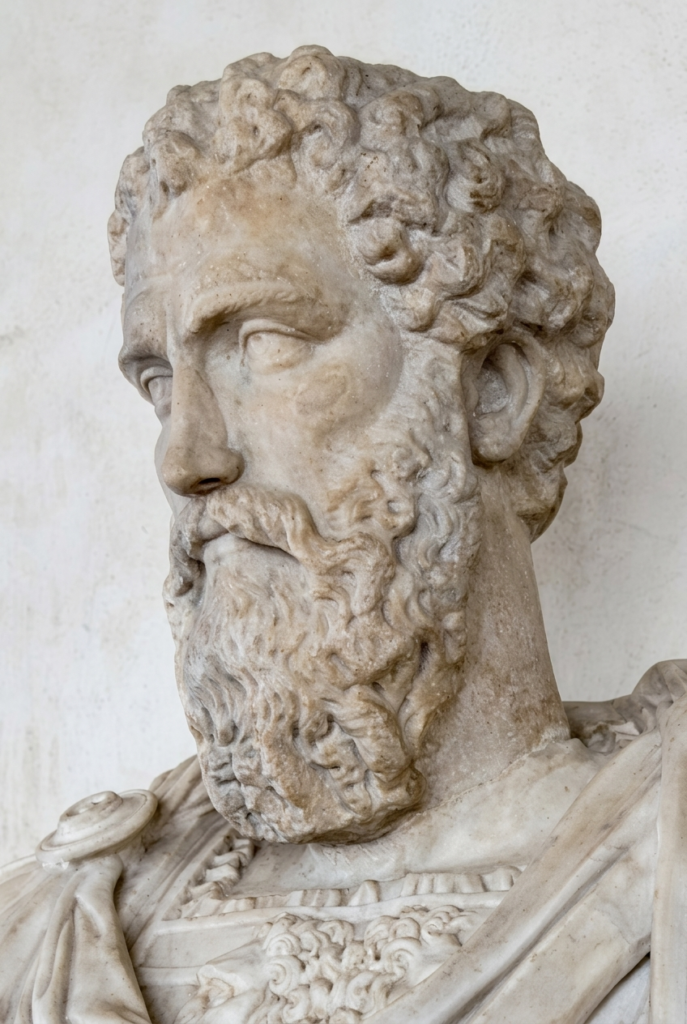
And then came Otho.
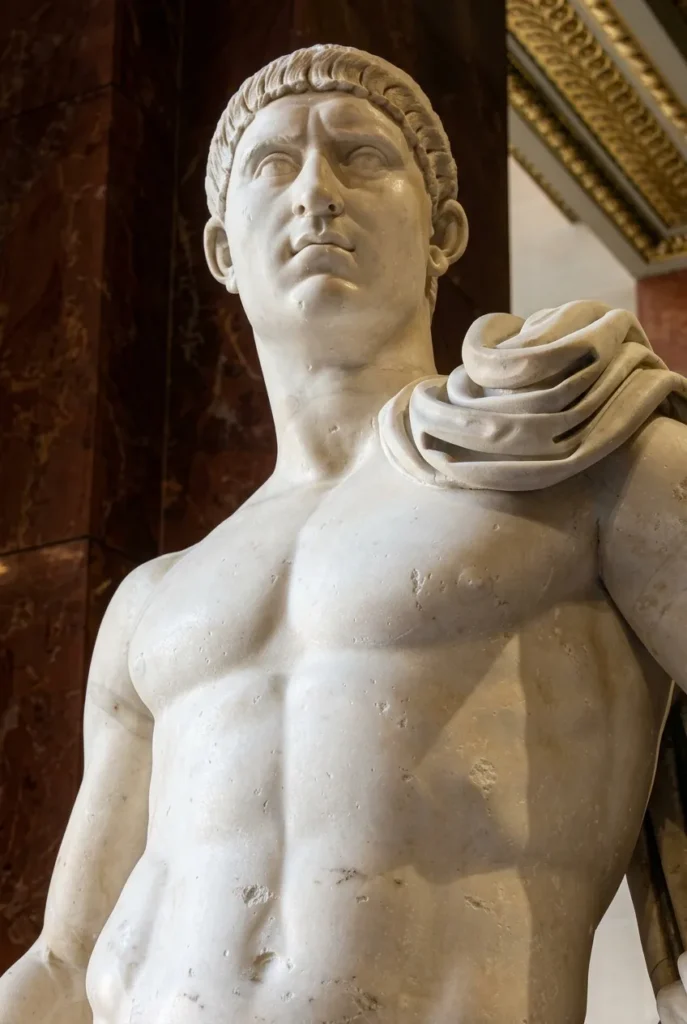
Otho supported Galba and expected to be named his heir. Instead, Galba adopted the younger Piso Licinianus. Otho felt betrayed and began cultivating the already disgruntled Praetorians with money and promises.
It worked.
On January 15, 69, the Praetorians proclaimed Otho emperor. Galba was lured into the Roman Forum by false reports that the revolt had collapsed. Instead, armed soldiers closed in.
His attendants dropped his litter and fled. Galba fell to the ground near the Lacus Curtius and was hacked to death. His head was cut off and paraded around afterward.
Once again, the Praetorians had learned the same lesson: if an emperor disappointed them, there was always another candidate willing to pay more.
Pertinax
The names changed over the decades. But the Praetorians’ penchant for kingmaking didn’t.
After the bizarre reign of Commodus in 192, Rome finally got a competent emperor: Pertinax.
He wasn’t born into the highest aristocracy. He was a career soldier who distinguished himself on campaign, climbed the ranks, and eventually joined the Senate.
Like Claudius before him, Pertinax reached the throne in the immediate aftermath of his predecessor’s murder. And once again, the Praetorians were mixed up in it.
Their commander, Quintus Aemilius Laetus, was one of the chief conspirators against Commodus and helped clear the way for Pertinax.
So the pattern repeated itself. Pertinax understood the danger. The Praetorians had accumulated far too much power and grown increasingly capricious about how they used it.
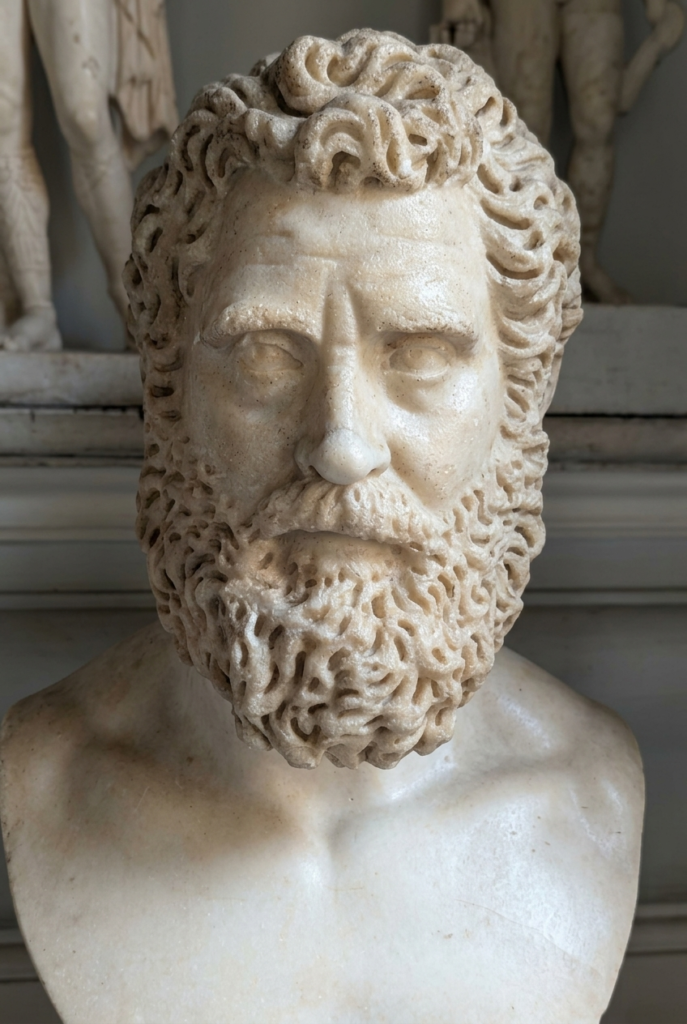
Naturally, they expected a fat bonus for helping put him on the throne. Unfortunately for them, Pertinax had other priorities.
Commodus left the imperial finances in dreadful shape, and Pertinax immediately began trying to restore discipline, cut waste, and get the government functioning again. One of the institutions badly in need of reform was the Praetorian Guard.
Pertinax thought they’d grown lazy, undisciplined, and far too accustomed to getting their own way.
The Praetorians, needless to say, didn’t share his enthusiasm for reform. They wanted money. Hard cash.
Pertinax paid them something, but not enough to satisfy the greedy men. Worse, he expected them to behave like actual soldiers. That apparently was intolerable.
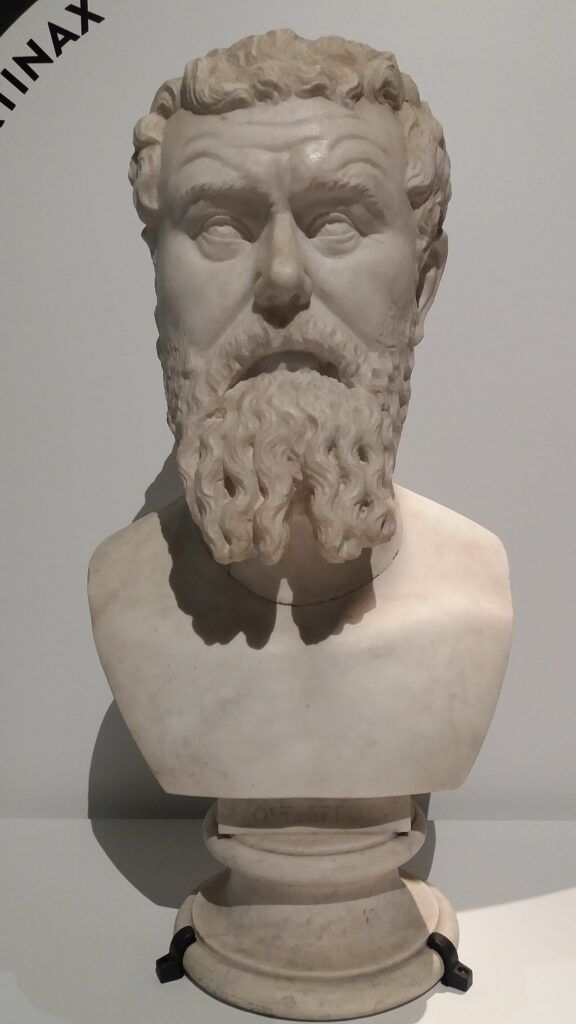
In March 193, an angry and unruly group of Praetorians marched on the imperial palace.
Pertinax did something remarkably brave. Instead of running, he marched out to face them in fury. He reminded them of their oaths, their duty, and their loyalty to the emperor.
For a moment, it actually seemed to work. Then, one soldier stepped forward and struck him down.
The others piled in. They killed Pertinax, cut off his head, stuck it on a spear, and carried it back to their barracks in triumph. He’d been emperor for less than three months.
And now the Praetorians had a vacancy to fill. This time, they were about to dispense with any pretense of dignity.

Julianus
By this point, the Praetorians knew they held all the cards. The Senate knew it. And so did every aspirant to the throne. So the Guard found a devious way to cash in.
They announced that they’d support as emperor whoever promised them the biggest bonus and effectively opened the throne to bidding.
Two serious claimants emerged. Titus Flavius Sulpicianus, Pertinax’s father-in-law, offered 20,000 sesterces per man. Then Didius Julianus came along and blew past him with an offer of 25,000.
The guards were delighted. Julianus had just bought himself the Roman Empire.
They brandished their weapons, proclaimed him emperor, and marched their new cash cow toward the Senate. The senators understood the message. This wasn’t exactly a free and open confirmation process.
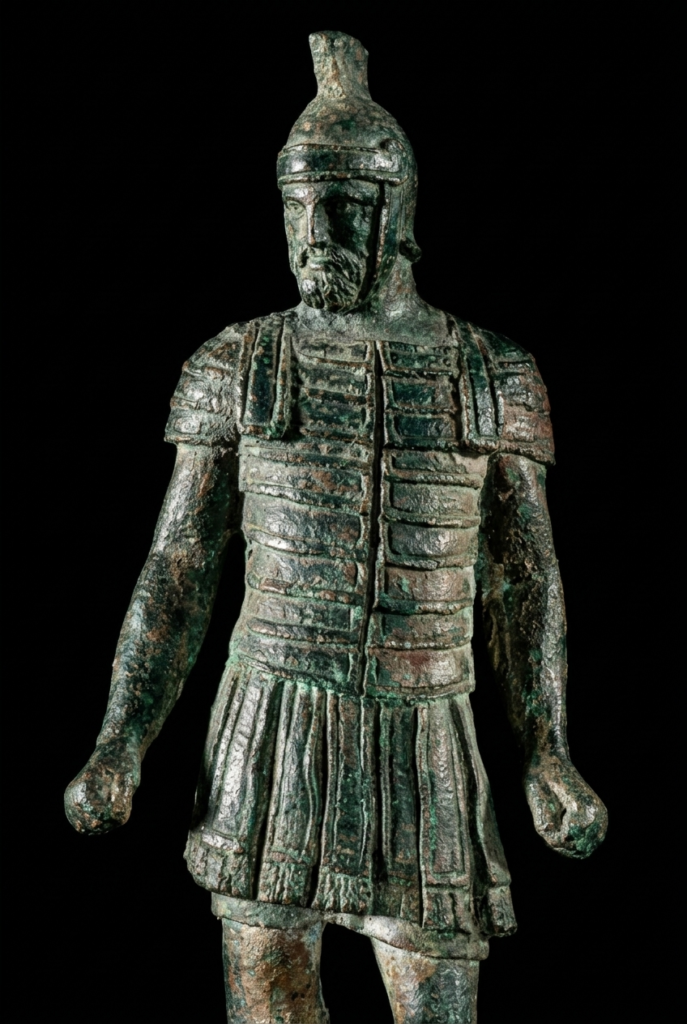
But things fell apart almost immediately.
The murder of Pertinax and the naked auction of imperial power disgusted Rome and helped trigger a civil war. Provincial armies began proclaiming their own commanders emperor, including Septimius Severus in Pannonia, Pescennius Niger in Syria, and Clodius Albinus in Britain.
Julianus’ fortune bought him only 66 days on the throne. The eventual winner was Septimius Severus. And unlike Julianus, he arrived with an actual army.
Severus summoned the Praetorians, stripped them of their weapons and military insignia, dismissed them, and banished them from Rome. He didn’t abolish the Guard itself. He simply replaced the offenders with his own soldiers.
It was only a bandaid of sorts.

Caracalla
Severus broke the Guard’s old power structure, but he didn’t end its capacity for intrigue. Next came Caracalla. He governed with a sword in one hand and a grudge in the other.
He started by murdering his brother Geta so he could rule alone. Then came the purges.
Friends of Geta, senators, relatives, officials, and assorted perceived enemies found themselves in the firing line. Ancient sources portray a regime in which accusation became a death sentence remarkably quickly.
And the Praetorians were useful tools.
Caracalla used armed men to hunt down opponents and settle scores. In one particularly ugly episode, after spectators at a chariot race insulted his favorite driver, he ordered the Praetorian Guard into the crowd. According to Herodian, they killed or extorted whoever they could catch.
Unsurprisingly, unlike several emperors before him, Caracalla didn’t die a noble death.

In 217, he was campaigning in the East against Parthia. His Praetorian prefect, Macrinus, became terrified that Caracalla suspected him of treachery and decided to strike first.
Macrinus recruited a centurion in Caracalla’s bodyguard named Martialis, who had his own grievance against the emperor.
Then came the opportunity.
While traveling near Carrhae, Caracalla stepped away from his escort to relieve himself. Martialis approached from behind and stabbed him beneath the shoulder. The blow was fatal.
So, yes, another emperor fell to a man inside the imperial security apparatus. And this time the Praetorian prefect behind the plot wound up becoming emperor himself.

Elagabalus’ Murder
Caracalla’s murder wasn’t an isolated breach of loyalty. Under Elagabalus, the Guard went even further.
Elagabalus became emperor at just 14, which was rarely a recipe for stability. He may have expressed a gender identity that some modern historians read as transgender, though the ancient sources are hostile and difficult to interpret.
His reign became notorious for excess, sexual scandal, religious provocation, and cruelty.
Ancient writers accused him of staging bizarre banquets, including color-themed meals and the famous rose petal episode in which guests were supposedly smothered beneath flowers falling from the ceiling.
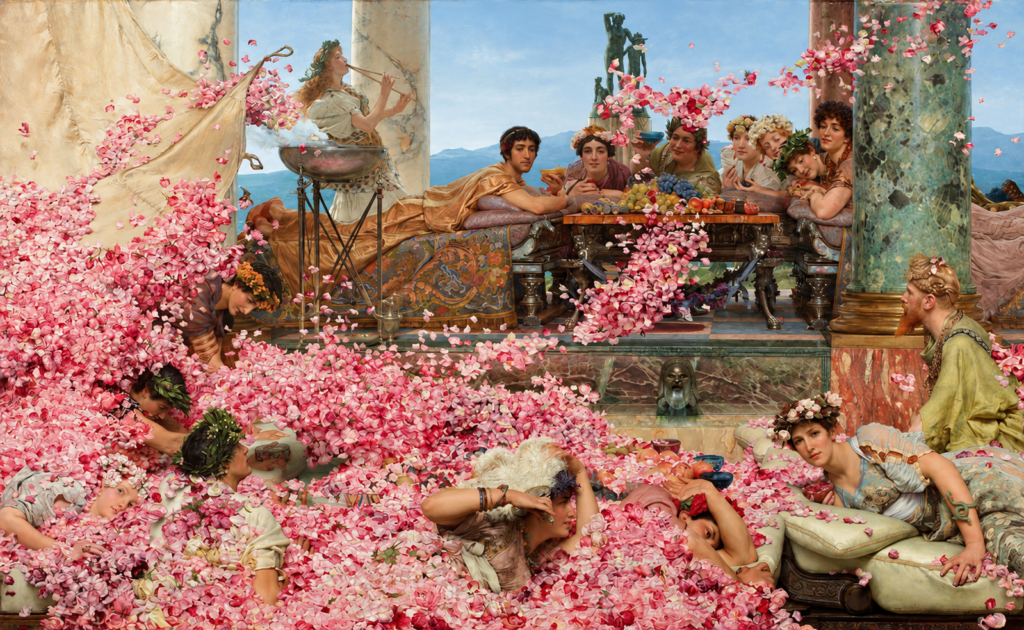
Whether that actually happened is another matter. The story comes from the Historia Augusta, which is not exactly a model of reliability.
What is clearer is that Elagabalus deeply offended Roman religious sensibilities. He promoted the Syrian sun god Elagabal above traditional Roman deities and scandalized the elite by marrying a Vestal Virgin.
The Praetorians hated him. They saw his behavior as an insult to Roman tradition and increasingly preferred his cousin, Alexander Severus.
By 222, relations had completely collapsed. Elagabalus tried to reassert control over the Guard and sideline Alexander.
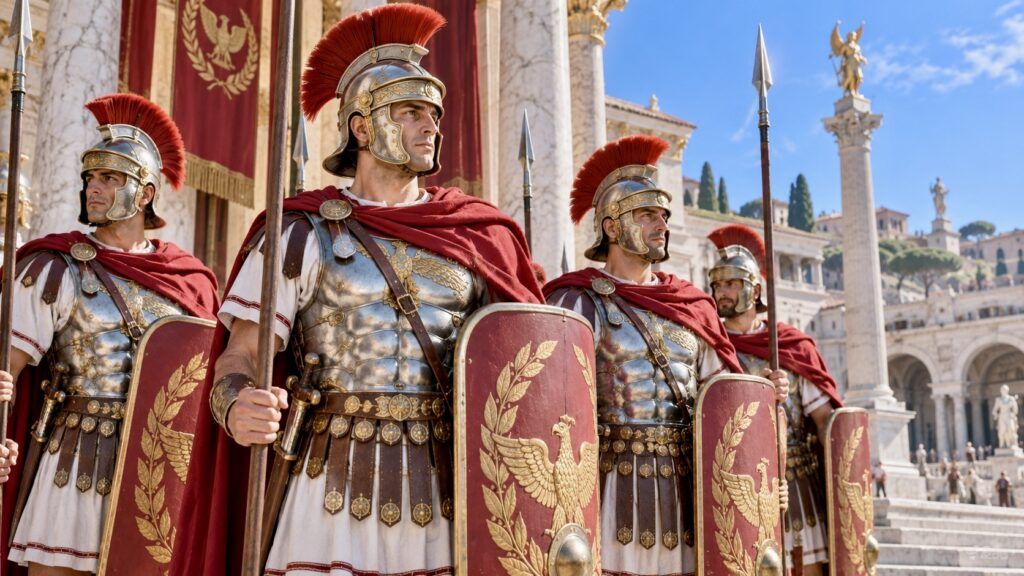
The Praetorians didn’t hesitate.
They murdered Elagabalus and his mother, Julia Soaemias, in the Praetorian camp. Their bodies were mutilated, dragged through Rome, and thrown into the Tiber.
For the Guard, it was just another regime change accomplished with a blade.
Conclusion
By the 4th century, the Praetorians had spent centuries proving that the emperor’s bodyguards could be as dangerous as his enemies. Fed up, Constantine finally abolished the Guard in 312 after they backed Maxentius against him.

It was probably overdue.
When the doors to the Praetorian barracks closed, a dark chapter in the story of Rome ended. Their legacy is one of brutality, regicide, and greed. They brought death, destruction, and dishonor.
They could’ve been effective bodyguards for the imperial family. Instead, increasingly, they became a force of their own. They were defined by the sharpness of their steel, rather than the strength of their loyalty.
I hope you’ve enjoyed my take on the Praetorian guards. You may enjoy these other Roman histories:
- History of the Rise and Fall of Rome
- History of the Roman Emperors
- Historical Facts about Rome
- Top 10 Worst Emperors Ranked
- History of Nero
- History of Julius Caesar
- History of Hadrian
- Tiberius, the Reluctant Emperor
Pin it for later.