
Roman history is packed with important figures. The men usually get all the glory. But the women?
Just as interesting, and often for very different reasons.
Some operated behind the scenes as power brokers. Others schemed, plotted, manipulated, or murdered. A few were simply ferocious.
In this article, I’m looking at the most powerful women of the Julio-Claudian dynasty: what drove them, whom they promoted or destroyed, how they wielded influence, and why history still remembers them.
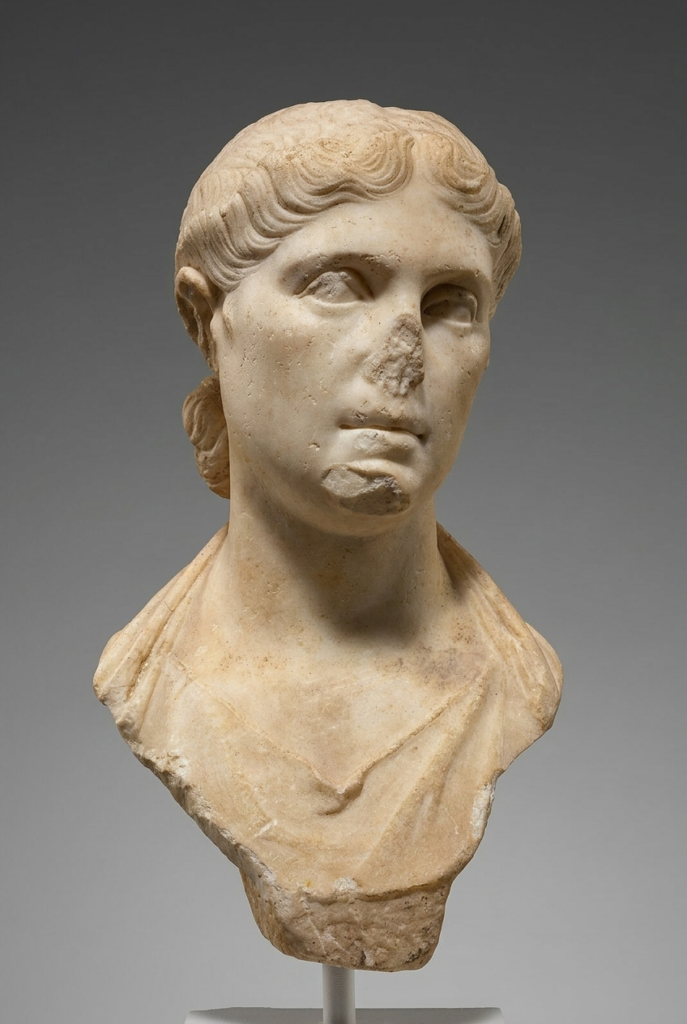
1. Octavia Minor: the Diplomat
Octavia Minor was a major dynastic bridge between the Julian and Claudian branches. She was Augustus’ sister and Mark Antony’s wife, mother of Antonia Minor, and grandmother of Germanicus and Claudius.
Her marriage to Antony was intended to cement the uneasy peace between Antony and Octavian, Julius Caesar’s heir. As their alliance deteriorated, Octavia repeatedly acted as an intermediary between the two men.
Then, Antony abandoned her for Cleopatra.
That humiliation made Octavia politically useful to Octavian though. She became the respectable Roman wife wronged by a faithless husband, the perfect contrast to the supposedly dangerous and decadent Cleopatra.
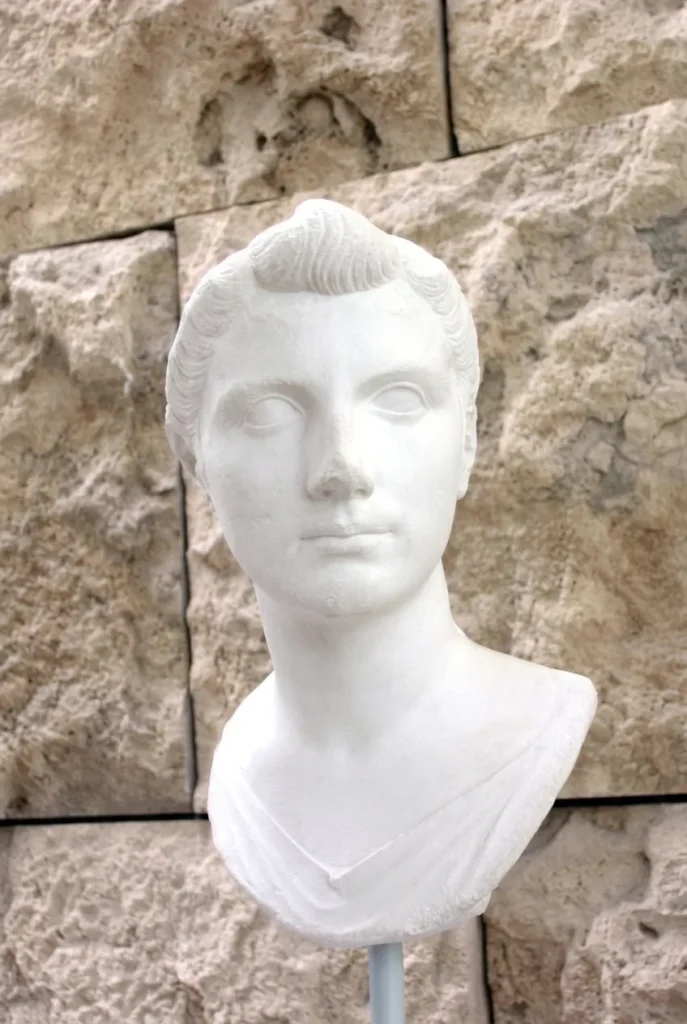
But Octavia was more than propaganda.
Her real importance was dynastic. Through Antonia Minor, she became an ancestor of Germanicus, Claudius, Caligula, Agrippina the Younger, and Nero. She stood near the root of the Julio-Claudian family tree.
And, tellingly, after Antony and Cleopatra died, Octavia took in and raised their children too.
She lost the husband. Her bloodline won the dynasty.
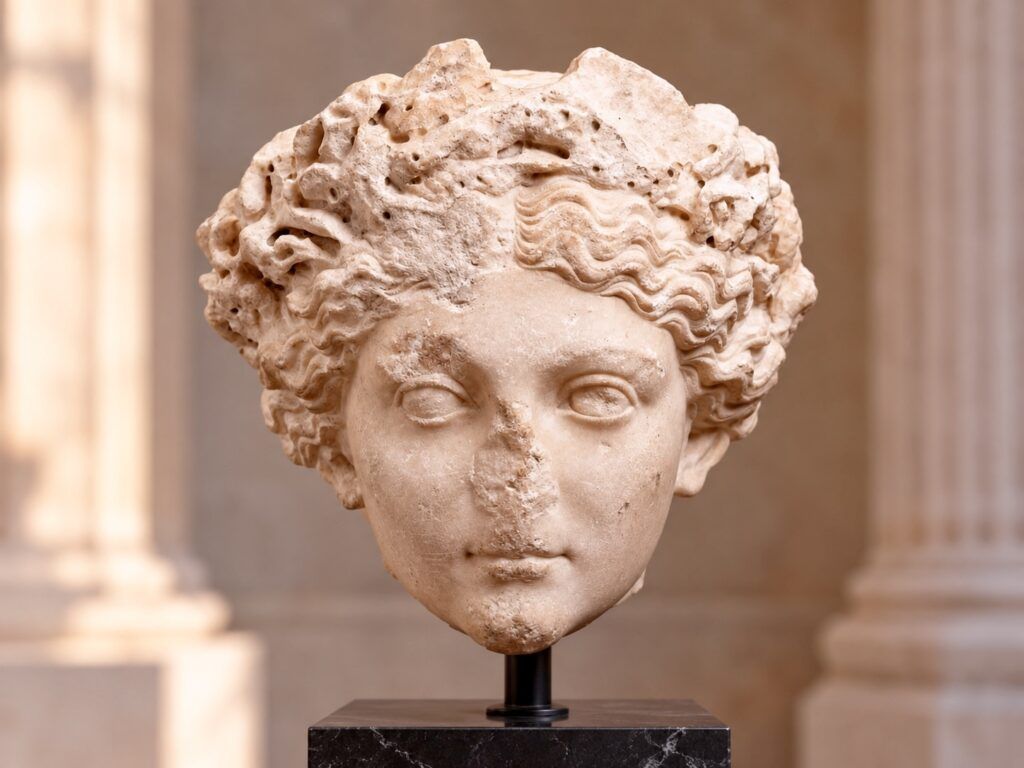
2. Livia Drusilla: The Dynasty Architect
Livia is the OG power woman of Ancient Rome.
As the wife of Augustus, she proved that an emperor’s wife could wield serious political influence. She also turned traditional female virtue into a political weapon.
Behind the carefully constructed image of the dutiful Roman matron stood a woman at the center of the Julio-Claudian web. At least, that’s how the ancient writers liked to portray her.
Some cast Livia as a Borgia-style murderess who schemed relentlessly to put her son Tiberius on the throne. One by one, five potential heirs conveniently died, shattering Augustus’ dynastic plans and eventually clearing the way for Tiberius.

Naturally, suspicion fell on Livia. Was she the ultimate evil stepmother? Did she actually engineer the succession with poison and murder?
I’d view the entire murderess narrative with a very jaundiced eye. Roman writers were deeply suspicious of powerful women and delighted in turning them into imperial string-pullers.
What isn’t in doubt is that Livia survived, accumulated enormous prestige, and saw her son become emperor.
The ending was less triumphant. Once installed in Villa Jovis on the island of Capri, Tiberius didn’t even return to Rome for her funeral. Years later, Claudius finally had her deified.

3. Julia the Elder: Augustus’ Daughter and Dynastic Pawn
Julia the Elder is often treated as little more than a scandal figure. She was actually far more interesting than that.
As Augustus’ only biological child, Julia had enormous symbolic importance. She was the essential dynastic conduit. Her marriages were not romantic choices. They were statecraft.
She married Marcellus, Agrippa, and finally Tiberius. She was the mother of Gaius and Lucius Caesar, and the grandmother of Caligula and Agrippina the Younger.
Julia was also amiable, sociable, and popular. She doesn’t seem to have been especially interested in politics herself. But Augustus’ entire succession scheme ran through her.
Then, during her bitterly unhappy marriage to Tiberius, Augustus learned of her supposed sexual escapades.
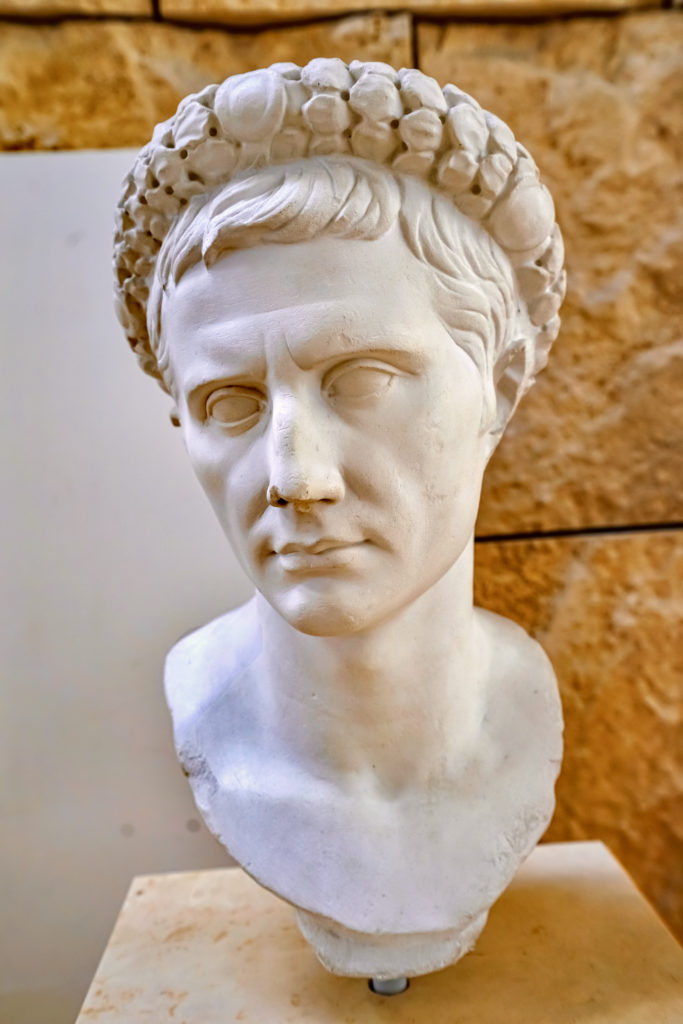

And how did he thank the daughter who had spent her life producing heirs for his dynasty? He destroyed her for violating his moral program.
Julia was condemned for adultery and exiled to Pandateria, a tiny island off the Italian coast. Augustus denied her wine and luxury and tightly controlled who could visit her. After five years, he allowed her to move to Rhegium on the mainland, but he never permitted her to return to Rome.
For a woman known for being sociable and pleasure-loving, it was a particularly cruel punishment.
Did the disobedient daughter leave a legacy? Absolutely.
Augustus could exile Julia, but he couldn’t erase her bloodline. Her grandson Caligula ultimately took the throne after the death of the husband she despised.
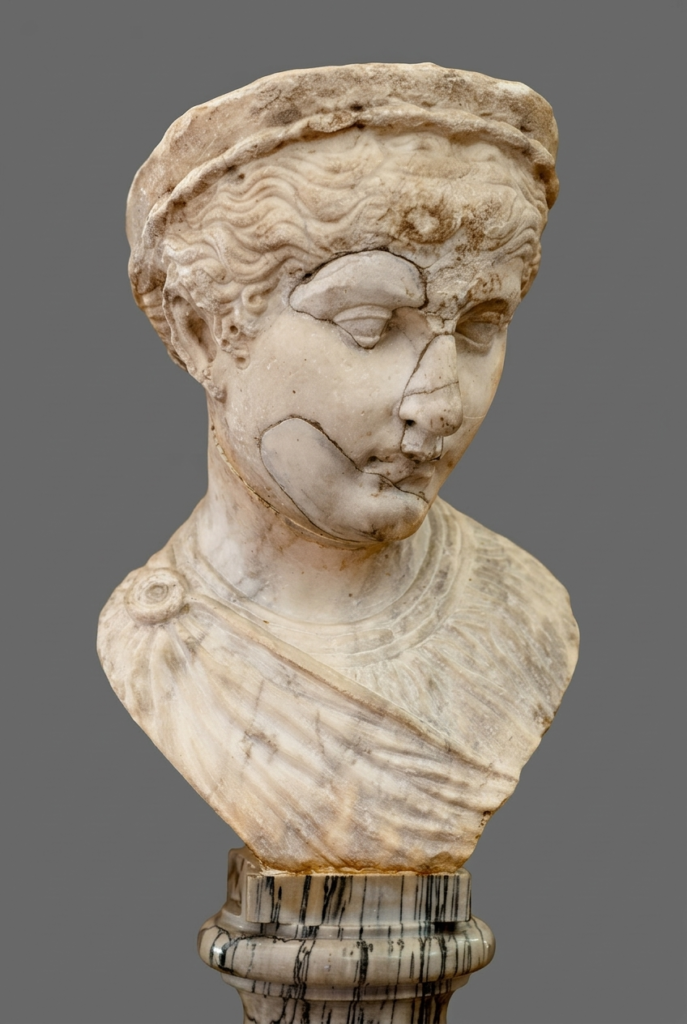
4. Antonia Minor: The Quiet Power Behind Three Generations
Antonia Minor was the daughter of Mark Antony and Octavia, and the niece of Augustus. Through her children, she became one of the great matriarchs of the Julio-Claudian dynasty.
She was the mother of Germanicus, Claudius, and Livilla, grandmother of Caligula and Agrippina the Younger, and great-grandmother of Nero. Her descendants would dominate the imperial family for decades.
Antonia was known for intelligence, discipline, and political judgment. She emphasized education, virtue, and duty, and maintained enormous prestige without ever looking as though she were grasping for power.
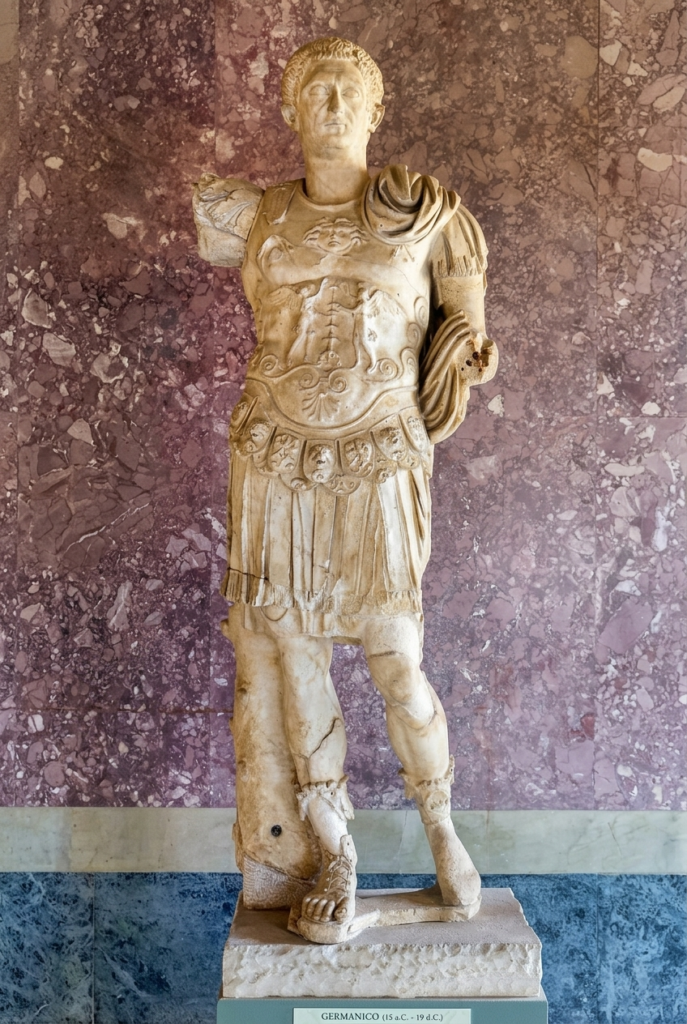
Like Livia, she understood that influence could be more effective when it was exercised quietly. She was almost the perfect embodiment of Augustus’ ideal Roman woman: powerful, respected, and apparently devoid of visible ambition.
But she was no political innocent.
According to Josephus, Antonia played a crucial role in exposing Sejanus’ conspiracy against Tiberius. She discovered what he was planning, sent a secret warning to Tiberius on Capri, and helped bring about the downfall of Sejanus.
Tiberius trusted her deeply afterward. Josephus says he held her in even greater esteem and “depended upon her in all things.”
Her reward came late. Caligula granted her the title Augusta in AD 37, though she died that same year.
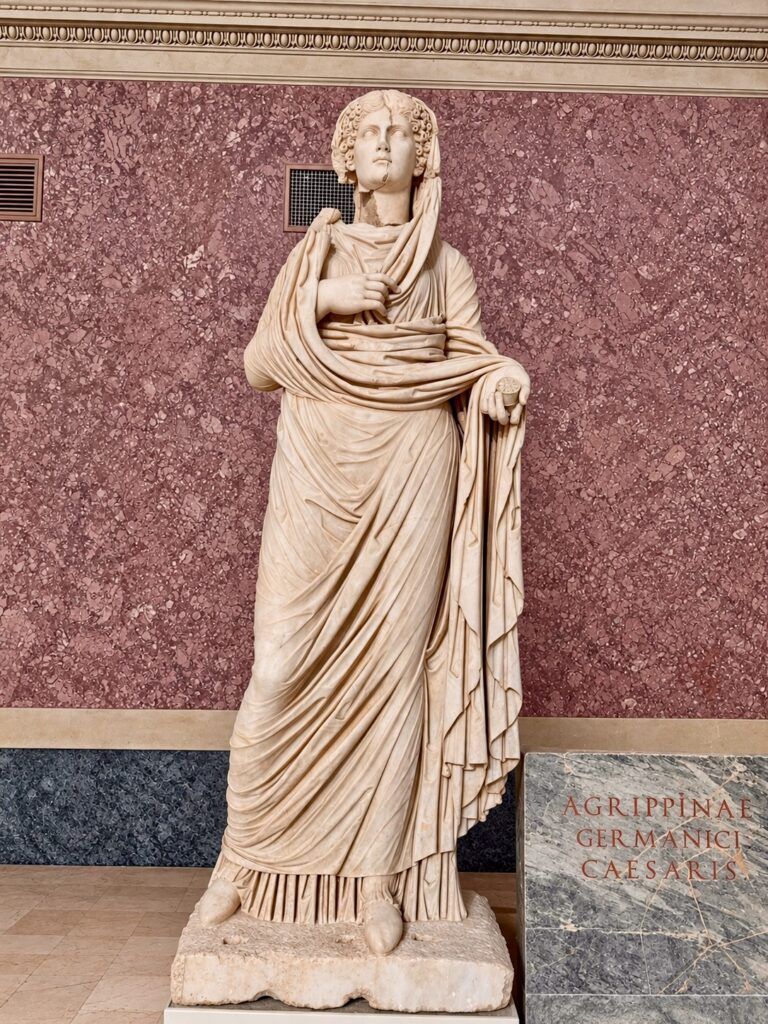
5. Agrippina the Elder: The Woman Who Carried Germanicus’ Legacy
Agrippina the Elder was the biological granddaughter of Augustus, through his only daughter Julia. She was the wife of the beloved Germanicus and produced a slew of potential heirs.
That made her family extraordinarily dangerous.
Tiberius and Sejanus eventually destroyed her two eldest sons, Nero Caesar and Drusus Caesar. But another son made it all the way to the top: Caligula.

With her bloodline, marriage, and enormous popularity, Agrippina was almost a political symbol in her own right. She’s one of my favorite Roman women: fierce, outspoken, and almost feminist, though ancient Rome didn’t really have those.
Still, she refused to accept the narrow political role assigned to her sex. She spoke publicly, confronted powerful men, moved through military spaces normally dominated by men, defended her husband’s legacy, and behaved as though dynastic politics were something she had every right to participate in.
When Germanicus died under suspicious circumstances, Agrippina returned to Rome carrying his ashes and demanding justice. Over time, she increasingly clashed with Tiberius and accused him of destroying her family.
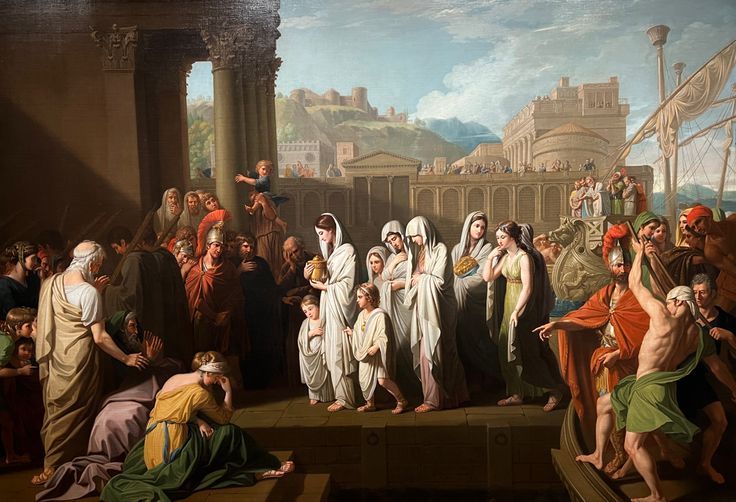
Tiberius didn’t take it well. In fact, he was vicious to her.
Tiberius eventually exiled her to Pandateria, the same miserable island where her mother Julia had once been confined. According to Suetonius, a centurion struck her so violently that she lost an eye.
She died there in AD 33, apparently by starvation. Whether she deliberately starved herself or Tiberius helped the process along is murky.
But I can easily imagine Agrippina deciding that Tiberius was not going to choose the manner of her death. Self-preservation clearly wasn’t high on her agenda.

6. Agrippina the Younger: The Kingmaker
Agrippina the Younger got her savvy from her mother, Agrippina the Elder. She was also the daughter of the legendary Germanicus, the niece and fourth wife of the stuttering Claudius, and mother of the infamous Nero.
Agrippina had a front row seat to imperial power and learned from the best. She was probably the most overtly political woman of the Julio-Claudian dynasty.
She lived through one of the most lurid periods in Roman history. There were plots, counterplots, poisonings, and murders.
Through it all, Agrippina carved a path to power for her son Nero and pursued that goal with extraordinary zeal.
Grasping and cunning, she persuaded Claudius to adopt Nero and place him ahead of his biological son Britannicus in the succession. Nero also married Claudius’ daughter Octavia, tightening Agrippina’s grip on the dynasty.

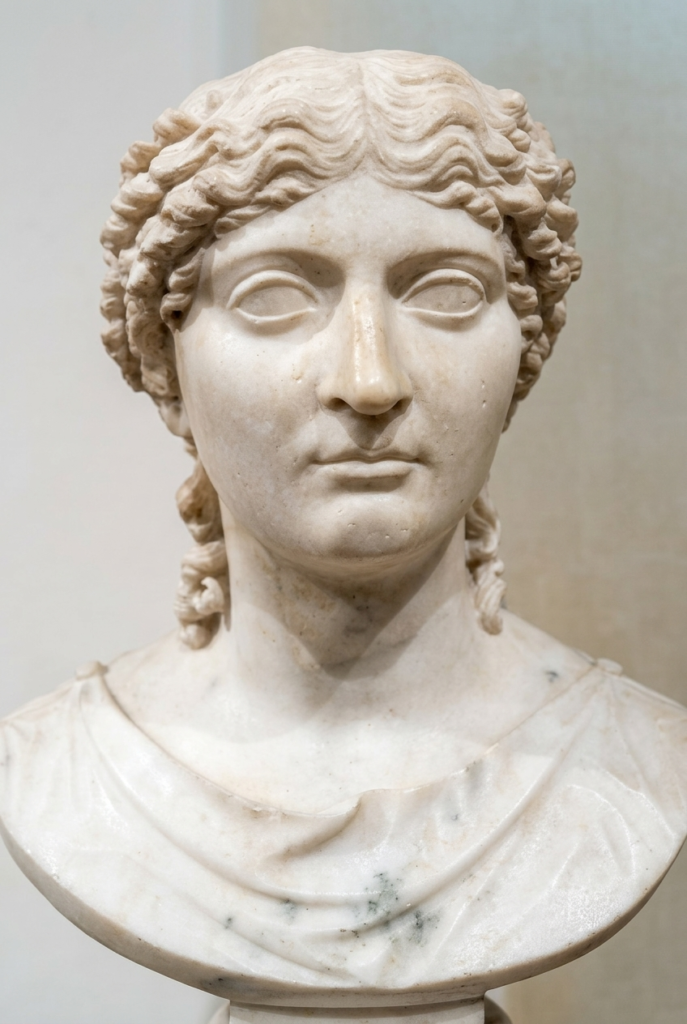
Once Nero became emperor, Agrippina expected to share in the spoils. She appeared on coins with him, received extraordinary honors, and initially exercised enormous influence over the young emperor.
When Claudius began to have second thoughts about the succession, Agrippina, Nero, or both may have poisoned him with a dish of mushrooms to get him out of the way.
The son Agrippina had schemed to bring to power was ultimately her undoing. Once emperor, Nero grew tired of being controlled.
He eventually sent a hit squad to kill her. She knew full well who was behind it. According to Tacitus, as the assassins closed in, she pointed to her belly and ordered them to strike the womb that had borne Nero.
7. Messalina: The Scandalized Empress
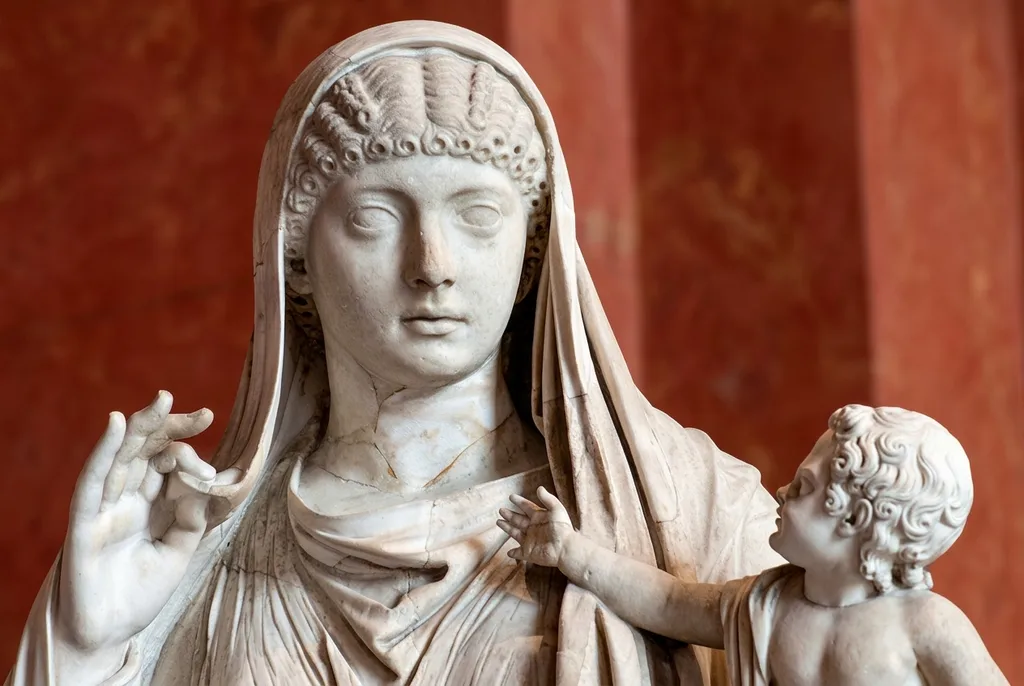
Few Roman women were damned as thoroughly as Messalina. Her very name became an insult. Messalina, guillotine … almost the same thing.
She was one of the most notorious empresses in Roman history, the third wife of Claudius, and portrayed by ancient writers as a sex-crazed predator with virtually no limits.
Like most powerful Roman women, she was also slandered. Some of the more lurid stories attached to her were almost certainly embellished.
What is much harder to dismiss is her political power.
Messalina excelled at hard-edged court politics. Ancient writers portray her as using her access to Claudius to destroy rivals, engineer prosecutions, and remove people she considered threats.
She was a woman exercising very real power inside a system built almost entirely by and for men.
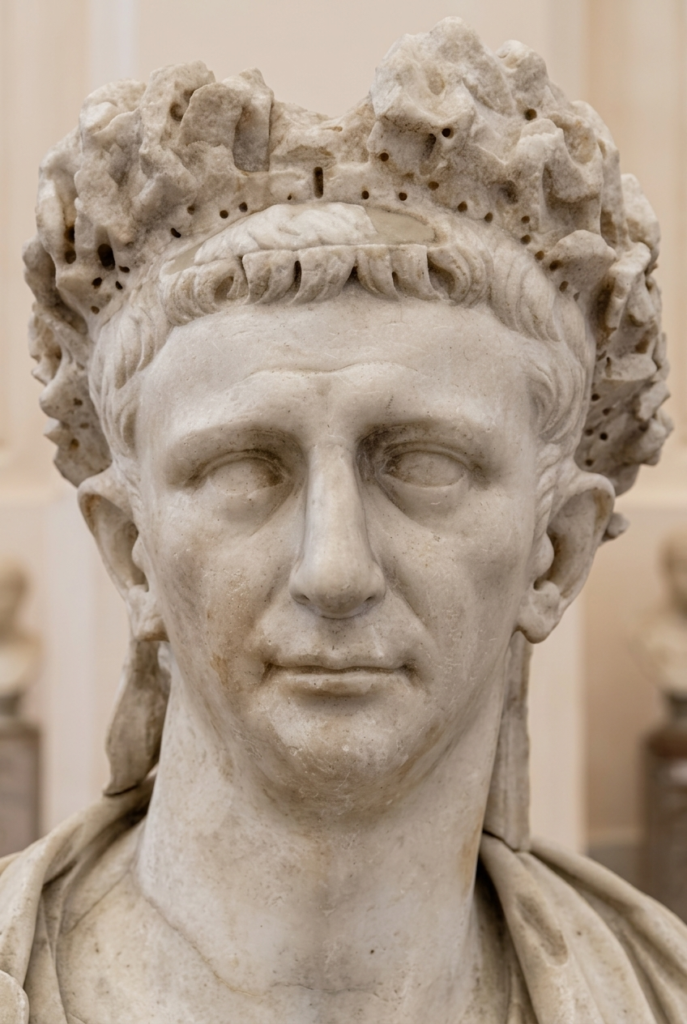
She also gave Claudius the male heir he badly wanted, Britannicus. That strengthened her position enormously. She occupied the public role of empress, and Claudius appears to have trusted her deeply.
Then came one of the strangest episodes in Roman history. While Claudius was away at Ostia, Messalina went through a marriage ceremony with the senator Gaius Silius.

That was not merely adultery. If the ceremony happened as Tacitus describes it, Messalina effectively created an alternative imperial household while the emperor was still alive.
Whether it was an actual coup attempt, reckless political theater, or something even stranger is impossible to know. But it looked catastrophically dangerous.
Narcissus, Claudius’ powerful freedman, made sure the emperor understood the threat. Silius was executed. Messalina followed soon afterward, before she could talk Claudius into changing his mind.
For a woman who had mastered the politics of the imperial court, it was an astonishingly reckless end.
8. Livilla: the Dangerous Insider
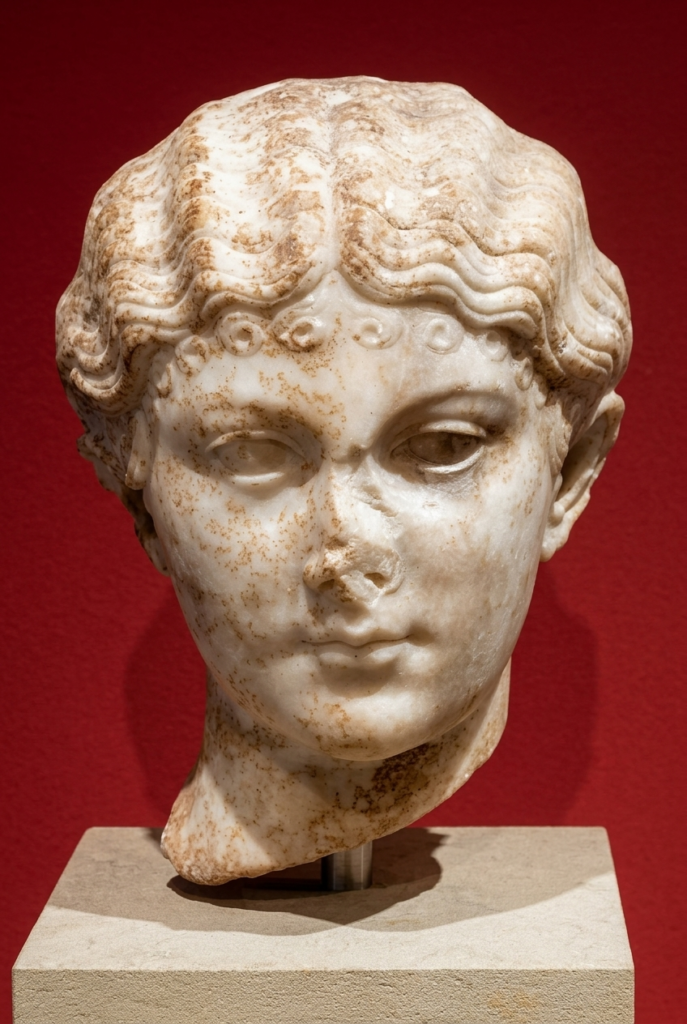
Livilla’s power was dynastic. She was the daughter of Drusus the Elder and Antonia Minor, the sister of Germanicus and Claudius, and the wife of Tiberius’ son Drusus. She was also the mother of a potential heir.
Had Drusus succeeded Tiberius as expected, Livilla would have become the emperor’s wife. Her son was also in the line of succession, giving her a formidable position within the imperial family.
That’s also why Sejanus seduced her and they allegedly joined forces. It was an audacious move to rearrange the dynasty from inside the palace.
If their affair and marriage plans went ahead, Livilla offered something Sejanus could never manufacture for himself: Julio-Claudian legitimacy.
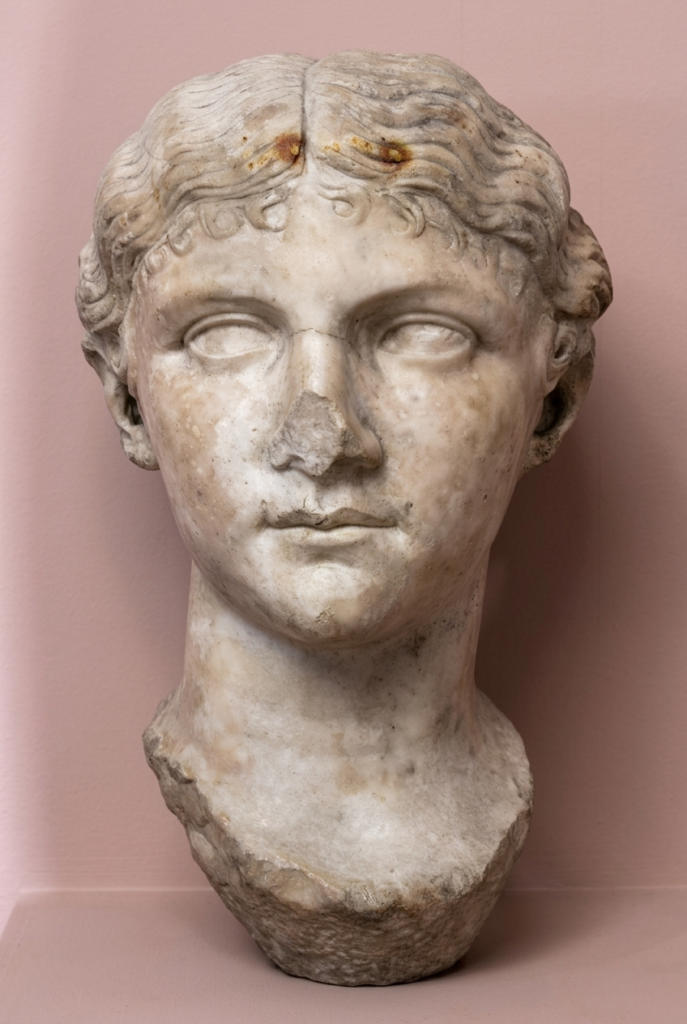
Together, they plotted to poison her husband Drusus in AD 23. After Sejanus fell in AD 31, the alleged affair and murder plot came to light.
Sejanus’ former wife Apicata sent a letter to Tiberius accusing Livilla of the poisoning. Dio says Tiberius investigated and then killed Livilla and the others implicated.
In another version of the tale, Tiberius left Livilla’s punishment to her formidable mother Antonia Minor. She allgedly confined her daughter and starved her to death.
For all her proximity to power, Livilla’s story ended with the imperial family turning on one of its own.

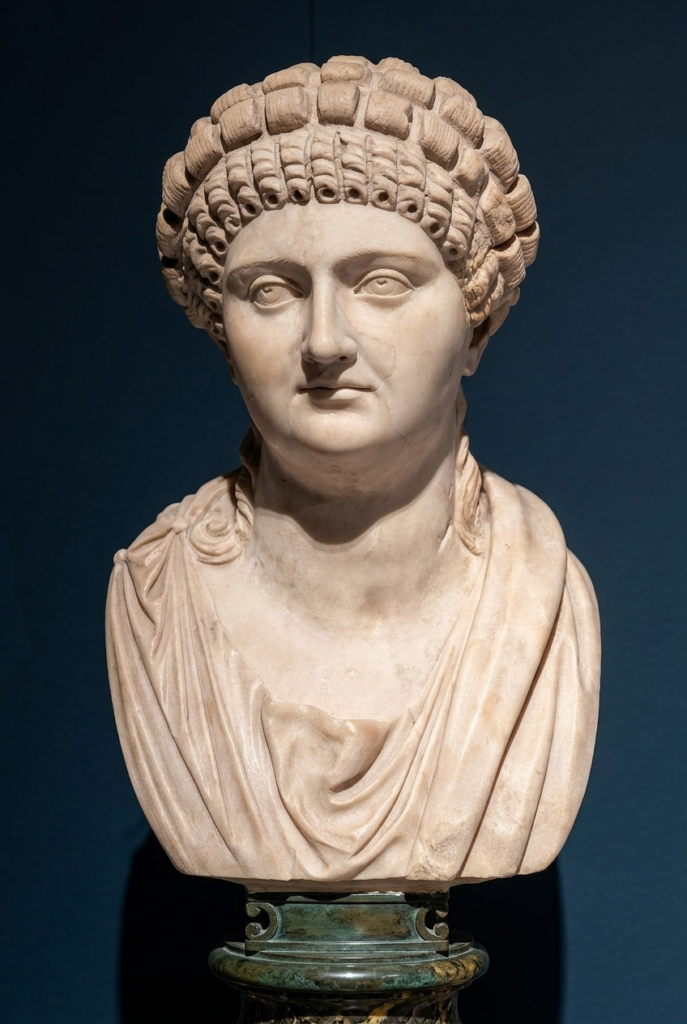
9. Poppaea Sabina: The Woman Who Influenced Nero
Poppaea Sabina was the wife of Nero. But before that, she was married to Otho, one of Nero’s closest friends and drinking companions.
Nero was already married to Octavia, Claudius’ daughter, in a dynastic match arranged while he was still a teenager. But he only had eyes for Poppaea.
Otho soon became inconvenient. Nero got him out of the way by sending him off to govern distant Lusitania, where he remained for the next decade. Then, the affair proceeded in earnest.
Eventually, Nero disposed of Octavia too. He accused her of adultery, divorced her, and banished her. When public protests demanded her return, Nero changed course and had her killed.

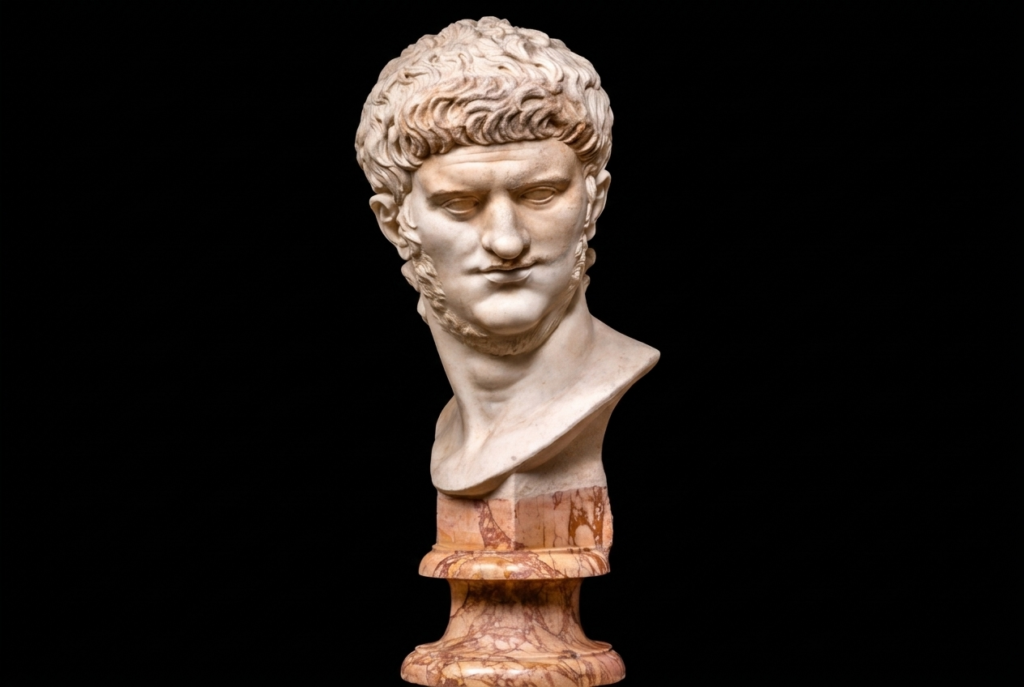
Her head was cut off and sent to Poppaea. According to Tacitus, Poppaea actually looked at it. What a lovely couple they made.
Nero and Poppaea married in 62 CE. But she wasn’t merely a decorative imperial wife.
She exercised sustained influence over Nero. Ancient sources blame her for encouraging his break with his mother Agrippina the Younger and for pushing him to get rid of Octavia. How much of that is the usual Roman habit of blaming powerful women is another question.
Still, Poppaea clearly occupied a serious position at court. Nero gave her the title Augusta after she bore their daughter, Claudia Augusta, and treated her as his imperial partner.

Her death in 65 CE is murky. Ancient writers claim that Nero, in a fit of rage, kicked the pregnant Poppaea and caused her death.
That story may be true. But it also fits suspiciously well with the ancient portrait of Nero as a murderous monster. Complications from pregnancy are another plausible explanation.
Whatever happened, Nero appears to have been genuinely devastated. He gave Poppaea a lavish state funeral, delivered her eulogy, placed her remains in the Mausoleum of Augustus, and had her deified.

10. Caesonia: The Empress Who Died With Caligula
Milonia Caesonia is fascinating because she breaks the usual pattern of powerful women in ancient Rome.
She was not a Julio-Claudian by birth, and she didn’t engineer a succession like Livia or Agrippina. But she became central to one of Rome’s most infamous reigns.
She was the fourth and last wife of Caligula. She was older than he was, but he seems to have been genuinely attached to her. Likewise, she remained devoted to him despite his reputation for cruelty.
What bound them together? Juvenal joked that Caesonia bewitched him with a love potion. More likely, they simply suited each other. Both seem to have enjoyed extravagance, spectacle, and the strange theatricality of Caligula’s court.
And that court was a snake pit.

By the end of Caligula’s reign, everyone wondered who would be humiliated, prosecuted, exiled, or killed next. Caesonia lived at the center of that world and apparently retained Caligula’s confidence throughout.
That alone gave her influence. She had daily access to the emperor, appeared beside him publicly, and was his constant companion. Suetonius even says Caligula presented her to his troops.
They had a daughter, Julia Drusilla, whom Caligula openly acknowledged.
Unlike Agrippina the Younger, Caesonia didn’t build an independent political faction or tried to control the succession. Her power was personal. It came from access to Caligula himself.
And when Caligula fell, that closeness proved fatal. After his assassination in AD 41, Caesonia was killed as well, along with their young daughter.

11. The Vestal Virgins: Women Outside Male Control
The Vestal Virgins were the six priestesses of Rome who served Vesta, goddess of the hearth.
They weren’t political players in the same way as imperial women. But they possessed a kind of authority almost no other Roman women enjoyed.
The Vestals guarded Rome’s sacred flame and were among the most visible religious figures in the city. Their prestige was enormous.
More importantly, they were legally independent. Once chosen, a Vestal was released from her father’s authority. She could own property, make a will, manage her own financial affairs, and conduct business without a male guardian.
That was highly unusual in Rome.
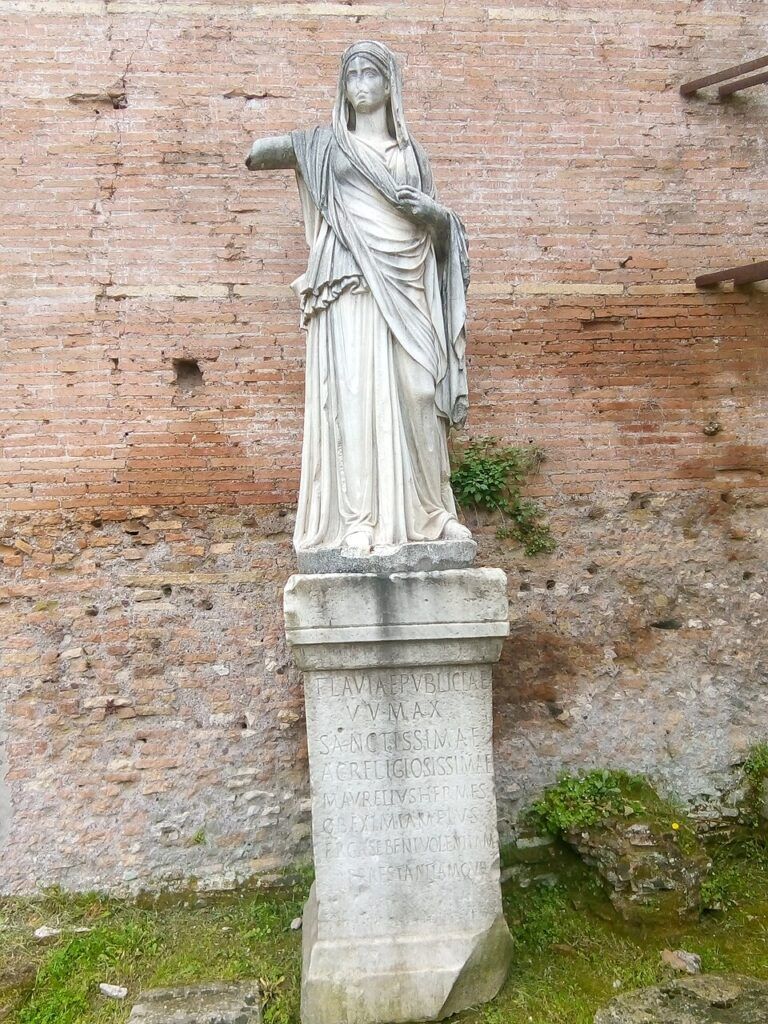
They also enjoyed extraordinary public privileges. They received places of honor at games and ceremonies, could travel in special carriages, and were accompanied by attendants. Their persons were considered sacred.
And then there was chastity.
A Vestal could not marry during her thirty years of service. That restriction was severe, but it also meant she was not transferred from the authority of a father to that of a husband. For much of her adult life, she stood outside the normal structure of male control that governed Roman women.
That made the Vestals something genuinely unusual in Roman society: women with status, property, public authority, and legal independence of their own.
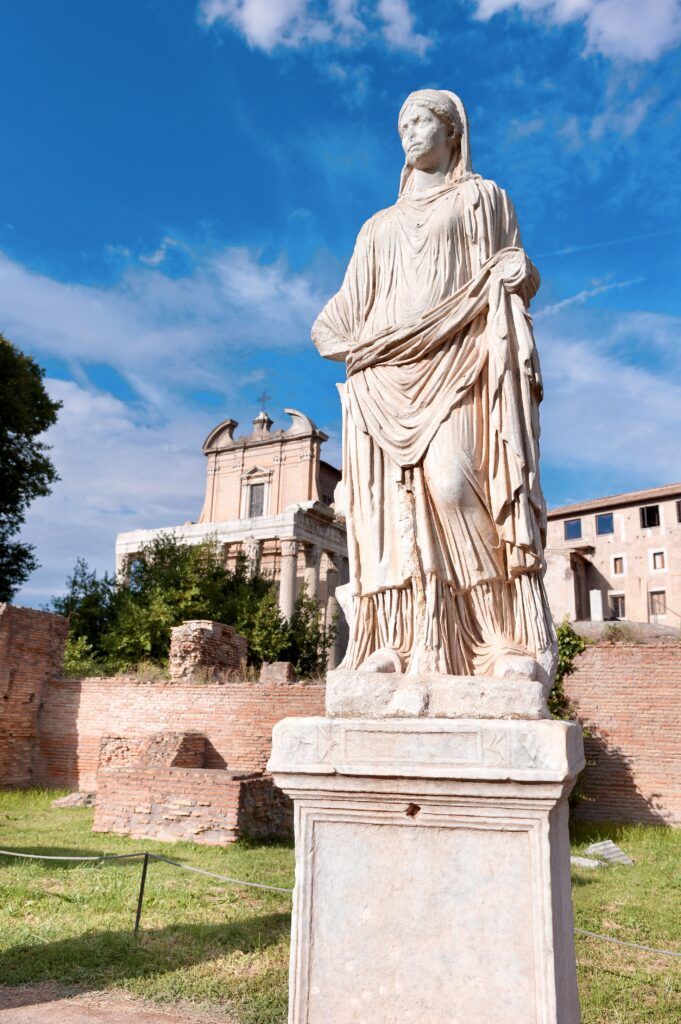
The price, of course, was brutal. Breaking the vow of chastity could mean being buried alive.
I hope you’ve enjoyed my guide to the power women of the Julio-Claudian dynasty. You may find these other Roman histories interesting:
- History of the Rise and Fall of Rome
- History of the Roman Emperors
- Historical Facts about Rome
- History of Julius Caesar
- History of the Praetorian Guard
- History of Hadrian
Pin it for later.

