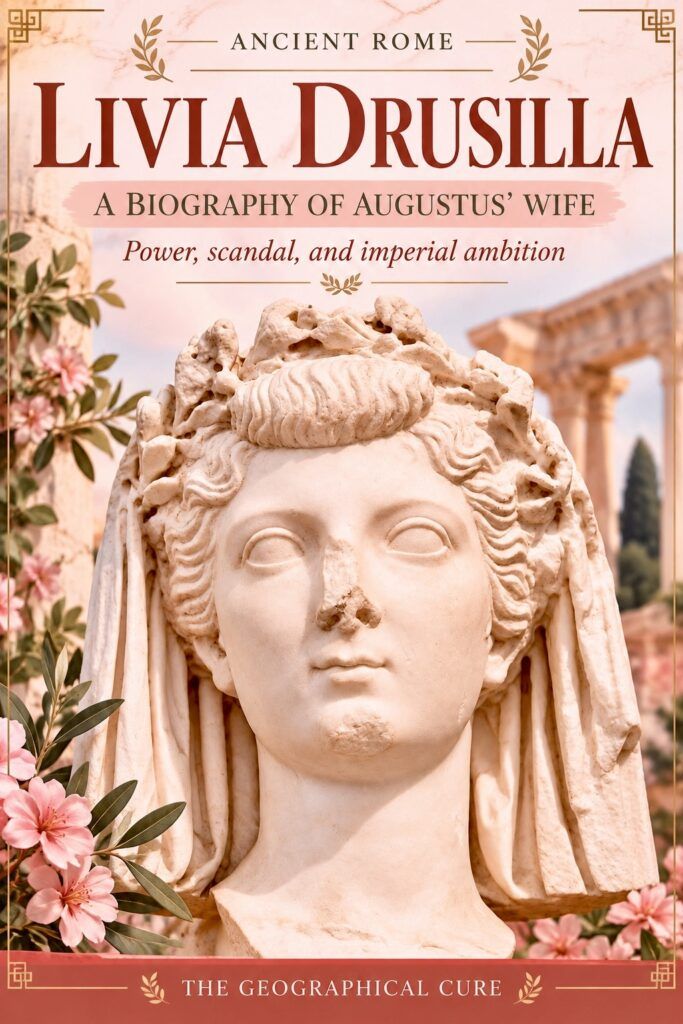
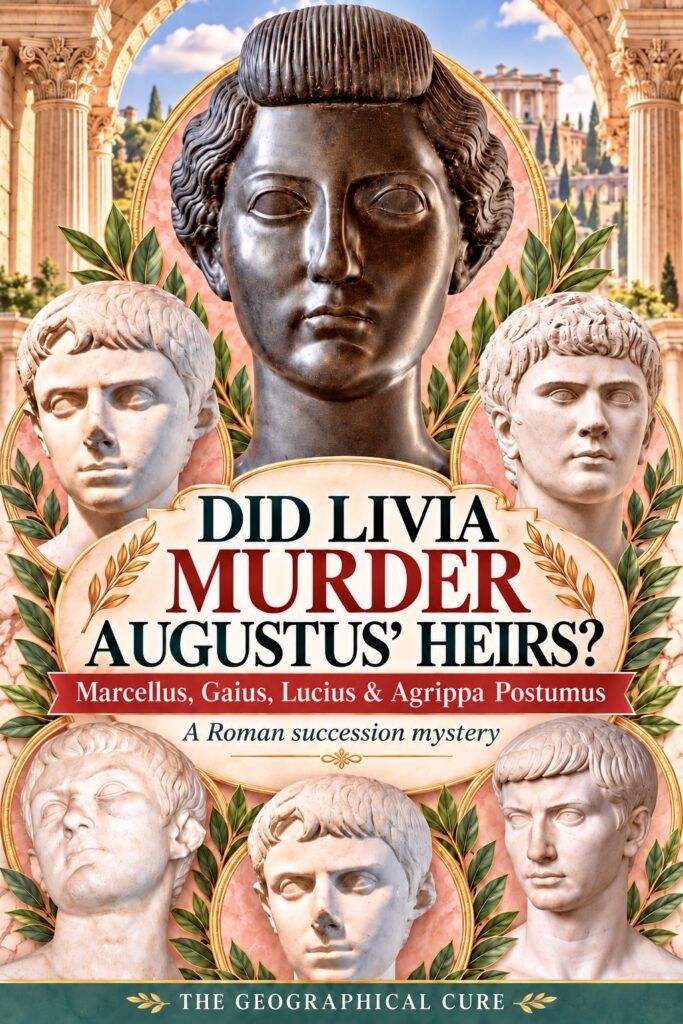
How much of the woman we think we know is actually Livia, and how much is I, Claudius?
Was she the great spider at the center of the Julio-Claudian web, quietly removing anyone who stood between her son Tiberius and the throne?
Was she a powerful woman later turned into a convenient villain? Or, more likely, did the truth lie somewhere in the murky middle?
Time to look at the alleged victims, possible motives, ancient accusations, strength of the evidence, and the far less dramatic explanations for how Augustus’ heirs kept dying.
The Alleged Victims
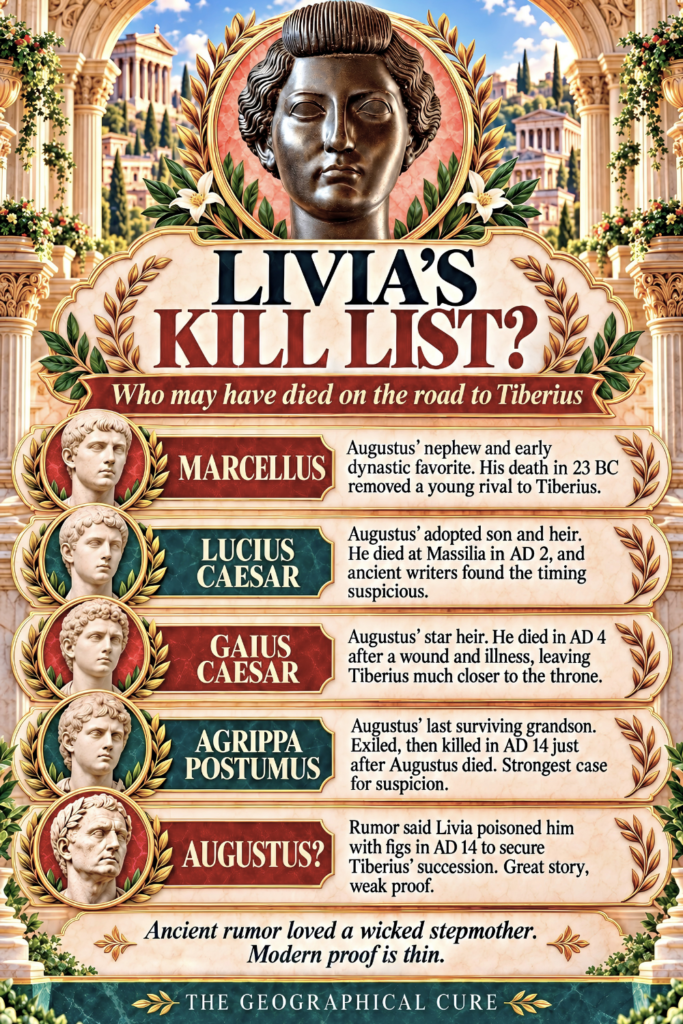
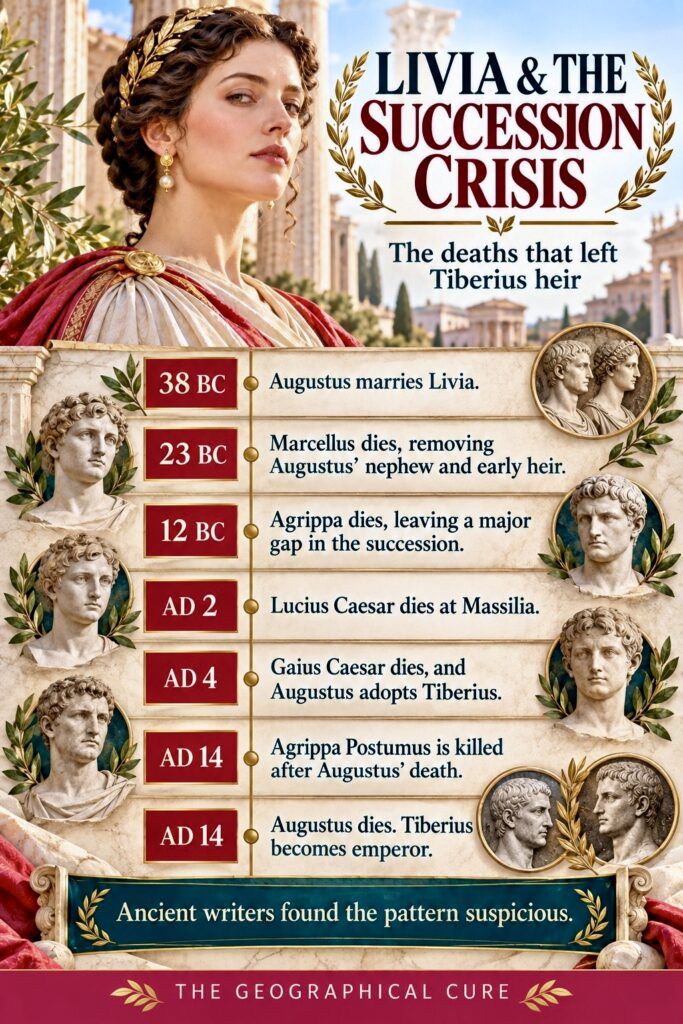
Before we put Livia in the dock, here’s the supposed kill list:
- Marcellus: Augustus’ young nephew and possible first choice as heir. He died suddenly in 23 BC after an illness.
- Lucius Caesar: Augustus’ adopted son and carefully groomed heir. He died at Massilia in AD 2, only 18 or 19.
- Gaius Caesar: Lucius’ older brother and Augustus’ remaining favorite. He died in AD 4 after being wounded while campaigning in Armenia.
- Agrippa Postumus: Augustus’ last surviving biological grandson. Exiled and troublesome, he was murdered almost immediately after Augustus died. This is the most suspicious death on Livia’s alleged kill list.
- Augustus: Livia’s husband of more than 50 years. Ancient rumor claimed she finally poisoned him with figs to make absolutely certain Tiberius succeeded him.
Five conveniently timed deaths. One extremely ambitious mother. And a collection of ancient historians who loved a good wicked-stepmother story.
So, did Livia really clear Tiberius’ path to the throne one body at a time?
Or did later writers turn an extraordinarily powerful woman into Rome’s favorite poisoner?
Let’s do some detective work.
Livia Drusilla Biography: Matriarch or Murderer?
Family & Early Life
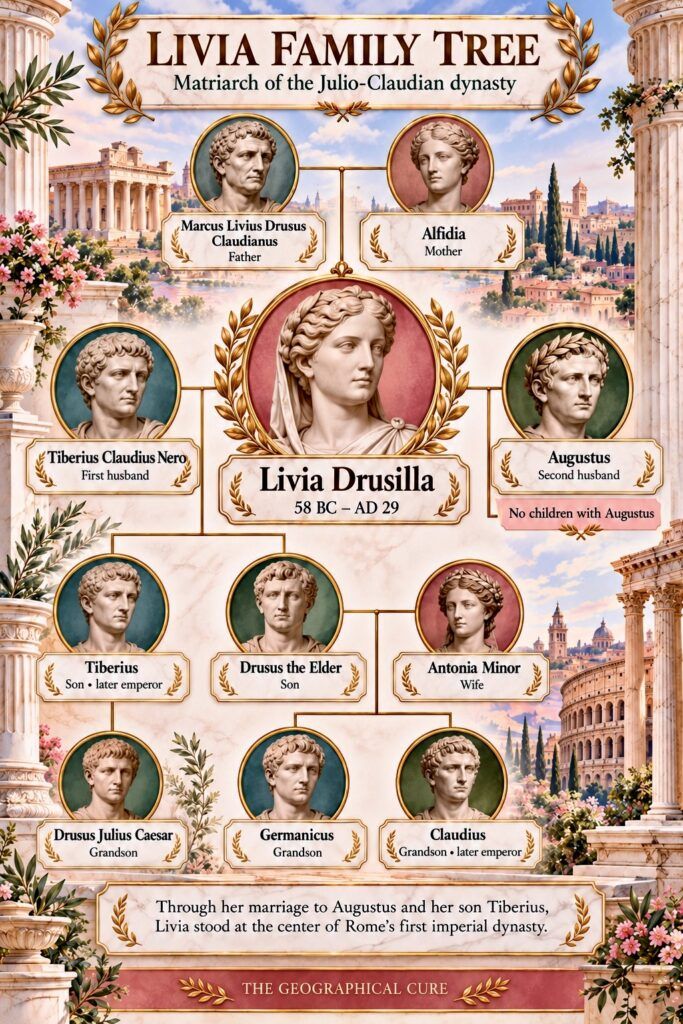
Livia was born in 59 BC into serious Roman aristocracy, with Claudian blood and Livian political connections.
Her father was Marcus Livius Drusus Claudianus, a senator and praetor. He was born into the patrician Claudian family and adopted into the Livii Drusi.

Her mother was Alfidia. She came from a wealthy Italian family, but not from the same senatorial pedigree as Livia’s father.
Around 43 BC, fhe married Tiberius Claudius Nero in her mid-teens.
They had two sons: Tiberius and Nero Claudius Drusus, usually called Drusus the Elder.
Through Drusus, Livia became the grandmother of Germanicus and Claudius. Through Germanicus, the dynasty continued to Caligula and ultimately Nero.
Marriage To Augustus
We don’t know exactly how Augustus and Livia first met. But sometime in 39 BC, the married and very pregnant Livia caught his eye.
Augustus became besotted with her, and he moved fast.
He divorced his second wife, Scribonia, on the very day she gave birth to their daughter Julia the Elder.
At Augustus’ behest, Livia’s husband divorced her. Just three days after Livia gave birth to her younger son Drusus, she married Augustus.

The haste caused a scandal, even by the flexible marital standards of the Roman aristocracy.
But Livia proved exceptionally well suited to Augustus.
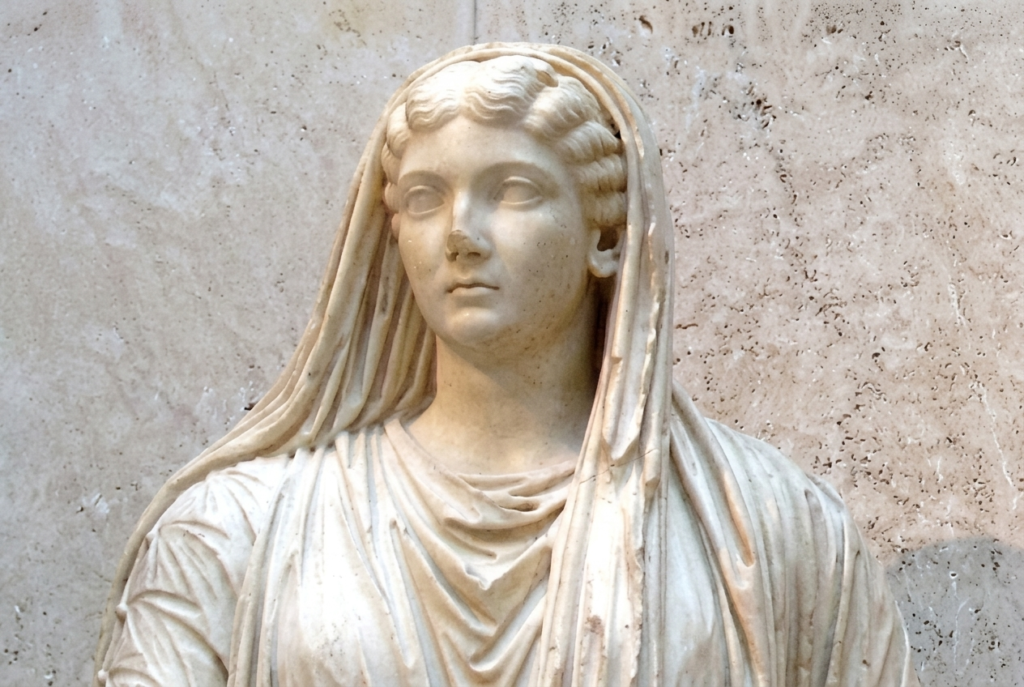
She was intelligent, disciplined, discreet, and politically astute. She didn’t challenge him publicly or create embarrassing scenes.
Instead, she cultivated the image of the exemplary Roman matron: modest dress, careful household management, and conspicuous devotion to traditional values. She embodied the motto that “Caesar’s wife should be above suspicion.”

It was excellent political theater.
Augustus presented himself as the man restoring old-fashioned Roman morality in the sex-saturated city. Livia embodied precisely the virtues he claimed to champion.
Their marriage lasted more than 50 years. Livia became his closest female confidante and, increasingly, an important political adviser.
She rarely exercised power openly. She didn’t need to.
Behind the carefully constructed image of the dutiful Roman wife stood the most powerful women in the empire.
The Slanderous Version
And yet, was she really the model of Roman womanhood? Or was she secretly a Borgia-style murderer?
Ancient historians generally don’t present her as a confirmed poisoner. But they do report suspicion. Plenty of it.
Tacitus pulls no punches.
He calls her “a blight on the nation as a mother, a blight upon the house of Caesar as a stepmother,” and treats the deaths of Augustus’ heirs as suspiciously convenient.
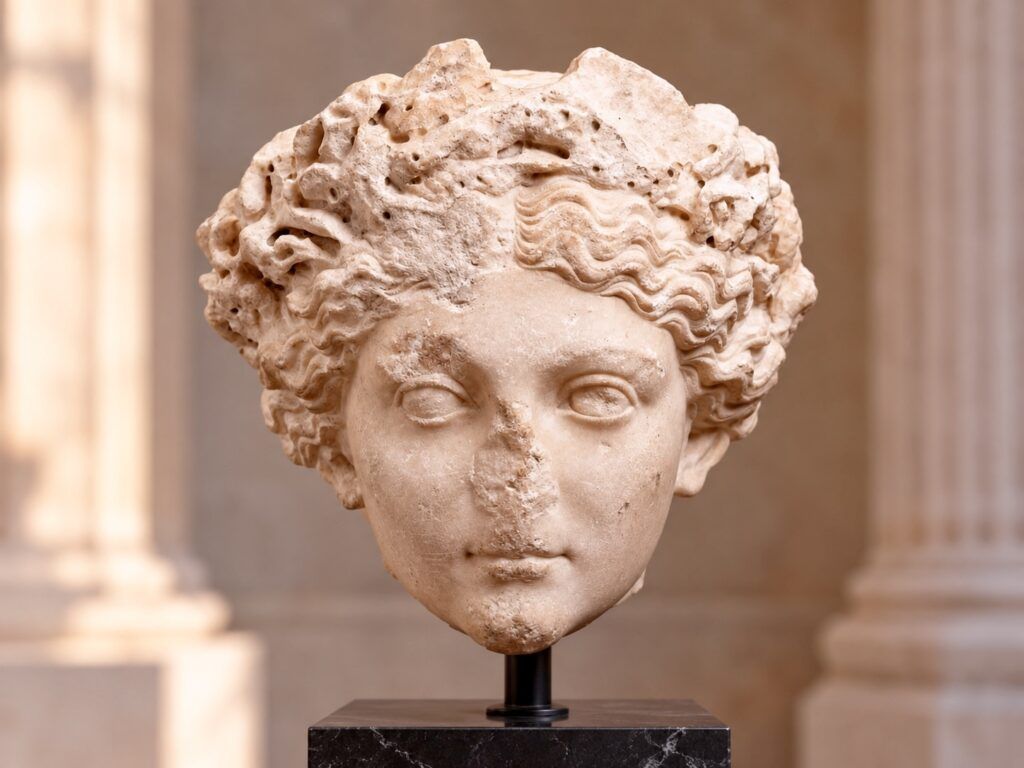
He portrays Livia as an acid-tongued schemer who dominated her husband and bent him to her will. In I, Claudius, Claudius goes even further and suggests Augustus was actually frightened of her.
Augustus wanted power to remain within his family. That much was clear. But one chosen heir after another died, disappeared, or was pushed aside.
This raised eyebrows. And was exactly what puts Livia in the crosshairs.
Because every twist of fate improved the prospects of one man in particular: her son, Tiberius.

Livia, Tiberius, and Succession Problem
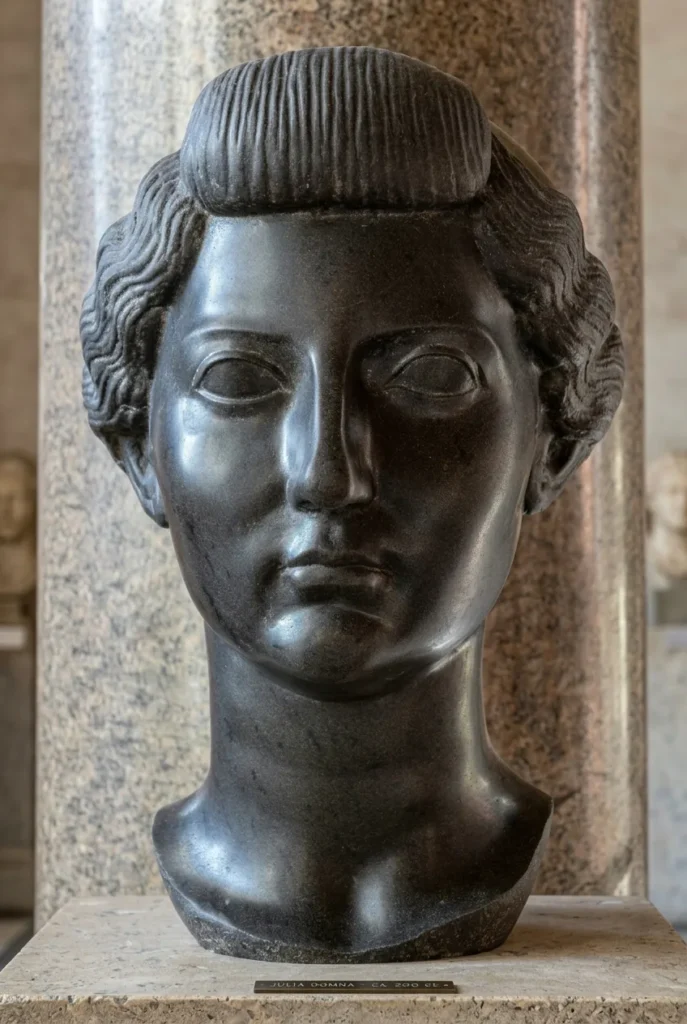
The tricky old reptile never entirely solved the succession problem.
Augustus clearly wanted power to remain within his family. But after a decade of marriage, he and Livia had no children. The question of who came next was awkward.
Roman authors cast Livia as the ruthless stage manager of this dynastic mess, always hovering over Tiberius’ career and nudging events in his favor.
Her elder son was talented, experienced, and eventually became Augustus’ stepson, son-in-law, adopted son, and heir. But getting him there required a remarkable number of other candidates to disappear.

Marcellus died young. Then Gaius and Lucius Caesar, Augustus’ grandsons and preferred heirs, died within a few years of each other. Agrippa Postumus was adopted as a fallback, then exiled, and ultimately murdered.
By AD 4, Augustus was running out of plausible successors. He adopted Tiberius alongside Postumus. After Postumus’ disgrace and exile, Augustus, with a world-weary shrug, named Tiberius his heir.
Not enthusiastically. Not joyfully. More with the energy of a man out of options.
When Augustus died in AD 14, Tiberius finally inherited the empire. Despite all of Livia’s maneuvering on his behalf, he never seemed particularly thrilled about it.
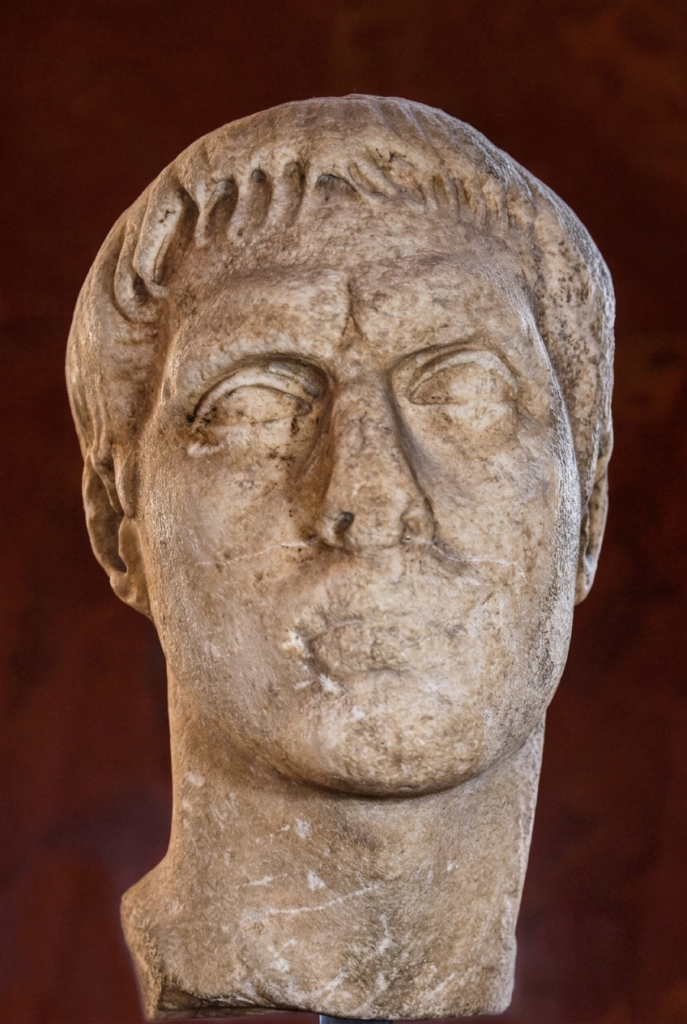
Livia’s Suspected Victims
Time to look at the alleged victims and ask the obvious question. Did Livia actually have anything to do with their deaths? Here’s the possible kill list.
Marcellus, Augustus’ First Chosen Heir
When doing his heir shopping, Augustus first turned to his own family. More precisely, to his teenage nephew Marcus Claudius Marcellus.
Augustus clearly had plans for the boy. He married him off to his daughter Julia to tighten the dynastic know.
Marcellus was pushed through the Roman political system at extraordinary speed and became consul in 23 BC, roughly a decade earlier than normal.
Marcellus was popular. But his rapid rise created tension with the old stud Marcus Agrippa, Augustus’ finest general and closest political partner.
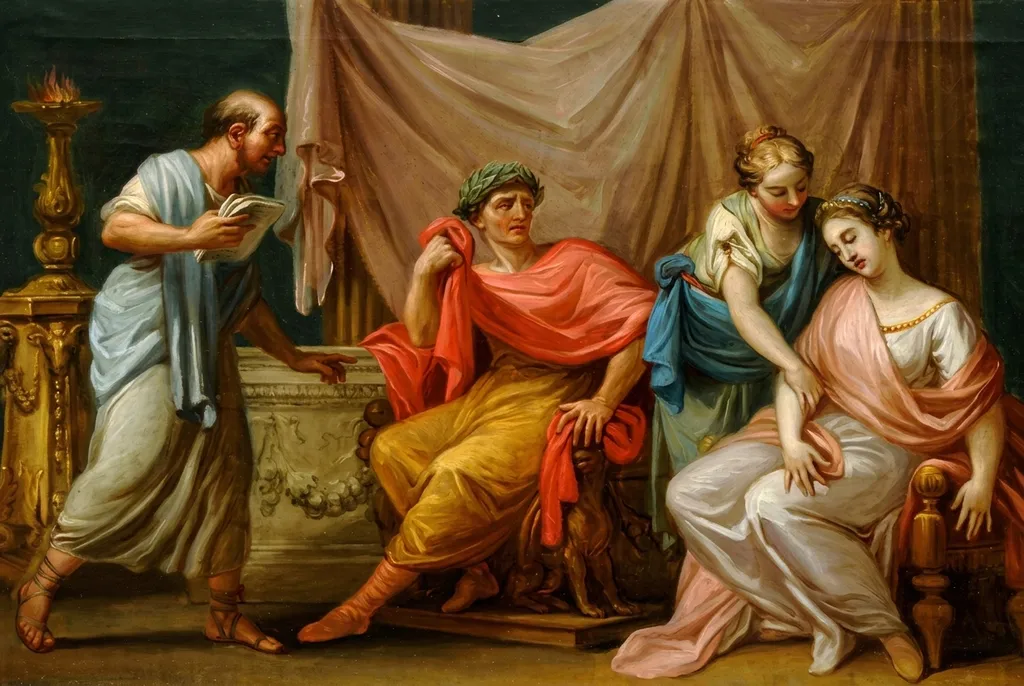
That rivalry made what happened next especially interesting. When Augustus became seriously ill in 23 BC, Cassius Dio says he handed his signet ring to Agrippa, not Marcellus.
The gesture was suggestive, though hardly decisive. Whatever Augustus intended by it, Marcellus’ future still looked exceptionally bright.
Then, suddenly, he was dead.
He fell ill in Rome in 23 BC and was treated by the physician Antonius Musa. He used the same cold water regimen that had recently helped Augustus. This time, the treatment failed.
In I, Claudius, Livia personally tends the sick Marcellus, making his death look especially sinister. But the ancient sources don’t give us that rather damning scene.

So what killed Marcellus?
Rome was suffering from widespread illness that year, and natural disease is the obvious explanation.
But Cassius Dio also reports that suspicion fell on Livia. Why?
Because Marcellus stood in the way of her son. His death removed one of the most promising candidates for the succession and, indirectly, improved Tiberius’ prospects.
That isn’t proof of murder. But it was enough to start the rumors.

Lucius Caesar, The Young Heir Who Died at Massilia
After Marcellus died in 23 BC, Augustus leaned heavily on Marcus Agrippa. He even married him off to Marcellus’ widow Julia.
Then, in 17 BC, Augustus formally adopted Agrippa and Julia’s two young sons, Gaius and Lucius Caesar. This brought them directly into his own family and marked them as dynastic heirs.
Augustus made no secret of his plans for the boys. They were showered with honors and pushed toward public life years ahead of the normal schedule. The scene was set for the next generation of Caesars.
But it all went awry. Lucius died first, in AD 2 while in Massilia. He was only 18 or 19.

The ancient sources give us frustratingly little information about what actually killed him. Cassius Dio simply records that “the spark of life” went out. Illness is the most obvious possibility.
Tacitus, naturally, finds something darker lurking in the background. Writing about Lucius and his brother Gaius, he says they were removed either by an early natural death or by the “treachery of their stepmother Livia.”
And that’s essentially the case against her.
No poison is identified. No accomplice appears. No witness comes forward. Tacitus gives us suspicion, motive, and a remarkably convenient death.
Convenient it certainly was. Lucius had been one of the two young men standing squarely between Tiberius and the succession.
But convenient is not the same thing as murder.
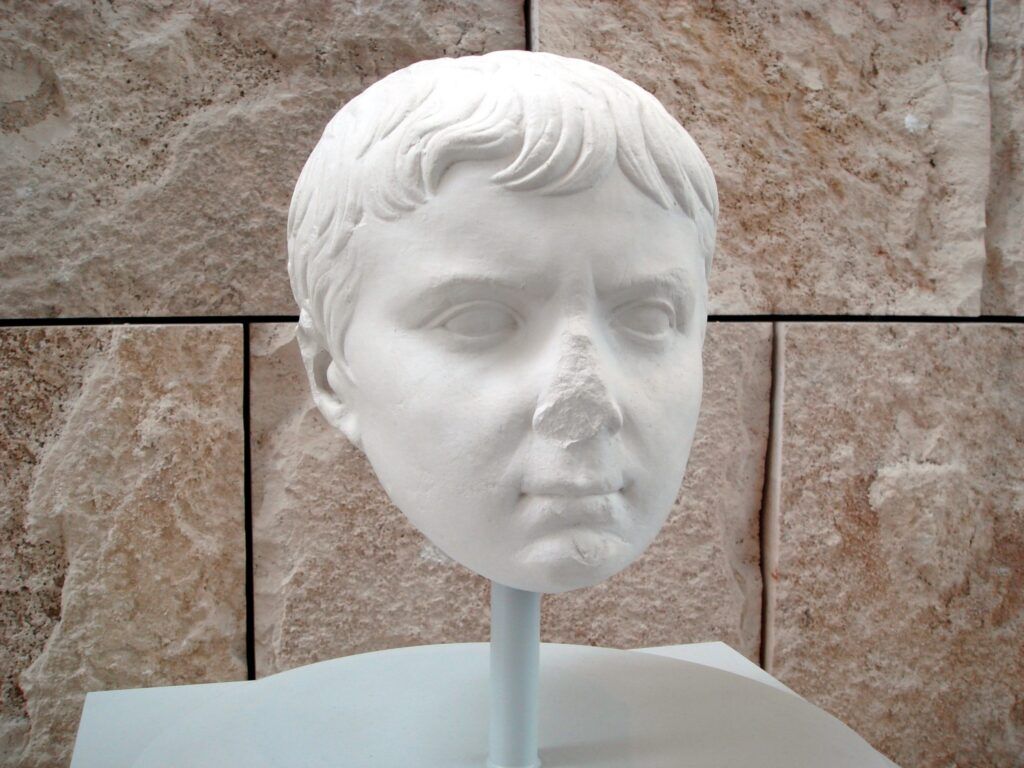
Gaius Caesar, The Wounded Prince
And then, just two years later, Gaius died too. However, his case was rather different from Lucius’.
Gaius was campaigning in Armenia when he was seriously wounded during a siege. He recovered enough to continue for a time, but his health never really rebounded. Eventually, exhausted and unwell, he asked Augustus for permission to retire from public life.
Augustus urged him to return to Italy first. Gaius set out, but never made it home. He died at Limyra in Lycia in AD 4, only 23 or 24 years old.
His death was a crushing blow to Augustus’ succession plans. Within two years, both grandsons he’d carefully groomed as heirs were dead. Augustus was down to two choices: Agrippa Postumus, his remaining biological grandson, and Livia’s son Tiberius.
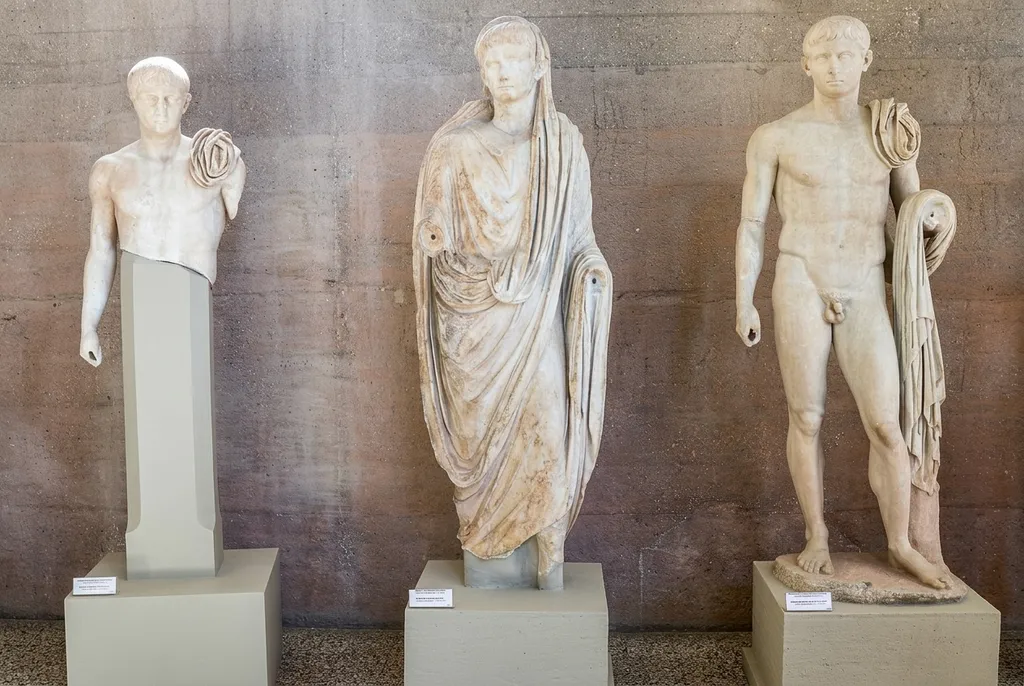
As I mentioned, Tacitus predictably raised an eyebrow at Gauis’ death.
Suetonius, on the other hand, doesn’t accuse Livia of killing Gaius. He’s very silent on this score.
And honestly, this is one of the weaker entries on the Livia kill list.
Gaius had been badly wounded, remained sick afterward, and died months later while traveling home. There’s nothing inherently mysterious about that.
Still, for anyone already inclined to suspect Livia, the optics were dreadful indeed. Two carefully groomed heirs dead within two years, with Tiberius still left standing.

Agrippa Postumus, The Exiled Grandson
What about Augustus’ last grandson, Agrippa Postumus? In AD 4, Augustus adopted him alongside Tiberius, making both men potential heirs.
Postumus was the last surviving male descendant of Augustus’ own bloodline. If Augustus still hoped to place a biological grandson at the head of his new dynasty, Postumus was his last chance.
But that plan quickly went sour. Posthumous was not the moral poster boy Augustus had hoped.
In AD 6, the emperor exiled him to Surrentum, after increasingly uncontrollable and violent behavior. The following year, he was transferred to the tiny island of Planasia and placed under permanent military guard.
That should have removed him from politics. It didn’t.
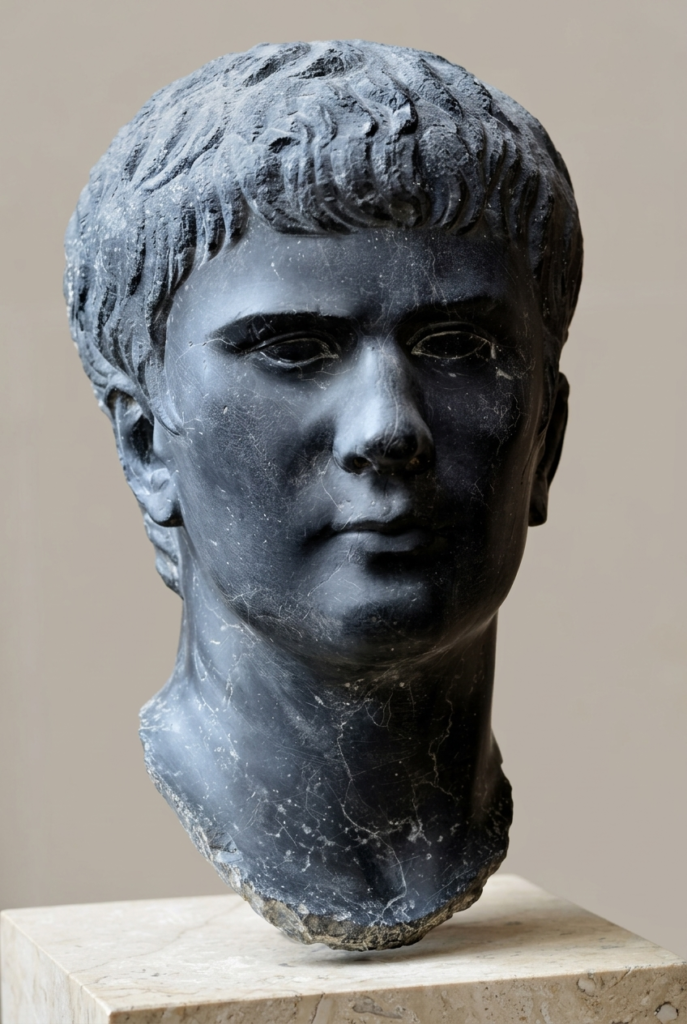
Postumus was still Augustus’ grandson, still a Julian by blood, and still a conceivable alternative to Tiberius if Augustus ever changed his mind. And according to a rumor preserved by Tacitus, that may be exactly what happened.
Tacitus reports that, shortly before his death, Augustus secretly visited Postumus on Planasia. The two supposedly embraced and wept, raising hopes that Augustus intended to reconcile with his grandson.
Whether the visit actually happened is impossible to know. But if it did, Livia had every reason to be alarmed.
Then Augustus died. Almost immediately, Postumus was dead too.
A centurion guarding him carried out the killing. What no one could establish was who gave the order.
Tiberius claimed he had not.

Dio suspected that Livia issued the command in Augustus’ name, either with or without Tiberius’ knowledge.
Tacitus is much less charitable. He calls Agrippa’s murder “the opening crime of the new principate.” He flat out concludes that Livia and Tiberius were the most likely culprits, Tiberius out of fear and Livia out of “stepmotherly dislike.”
And here, unlike the earlier deaths, the case against Livia becomes harder to wave away. Postumus didn’t succumb to illness. He was murdered.
His death occurred almost immediately after Augustus died. And it permanently removed the last person who might have challenged Tiberius.
None of that proves Livia gave the order. But if you were prosecuting her, Postumus would be Exhibit A.

Augustus, The Poisoned Fig Mystery
But would Livia go so far as to kill her own husband?
Augustus died on August 19, AD 14, at the age of 75. After more than fifty years of marriage, Livia was reportedly with him at the end. Tiberius, now 55, finally was finally installed.
If you believe Livia spent decades maneuvering to put her son on the throne, this was the grand prize. And naturally, people suspected her.
Tacitus explicitly reports rumors that Livia had a hand in Augustus’ death. He doesn’t present the charge as proven, but the allegation was already circulating. Postumus, he opined, was the most incriminating piece of circumstantial evidence.

Cassius Dio provides the really lurid version of Augustus’ death we all know and love.
According to him, Livia knew Augustus liked to pick figs straight from the palace trees. She supposedly poisoned selected fruit, ate safely from the untouched figs herself, and then offered the tainted ones to her husband.
There’s one especially strange wrinkle. Livia already had a variety of fig named after her during the Augustan era.
That raises an obvious possibility: the poisoned-fig story may have grown out of Livia’s existing horticultural reputation rather than historical fact.
That may explain why the story stuck. It had everything a Roman scandal needed: poison, palace intrigue, a scheming wife, and a wonderfully memorable prop.

But memorable is not the same as true.
Plus, Augustus was aging, even if his busts didn’t reflect it. He was 75, had suffered serious bouts of illness before, and was unwell.
There’s no medical evidence of poisoning, no named accomplice, no confession, and no contemporary eyewitness account establishing murder.
Maybe that’s why Suetonius gives us a very different ending: Augustus dies peacefully with Livia beside him.
Augustus’ will hardly suggests estrangement. He left Livia one-third of his estate and made her one of his principal heirs. After his death, she became Julia Augusta.
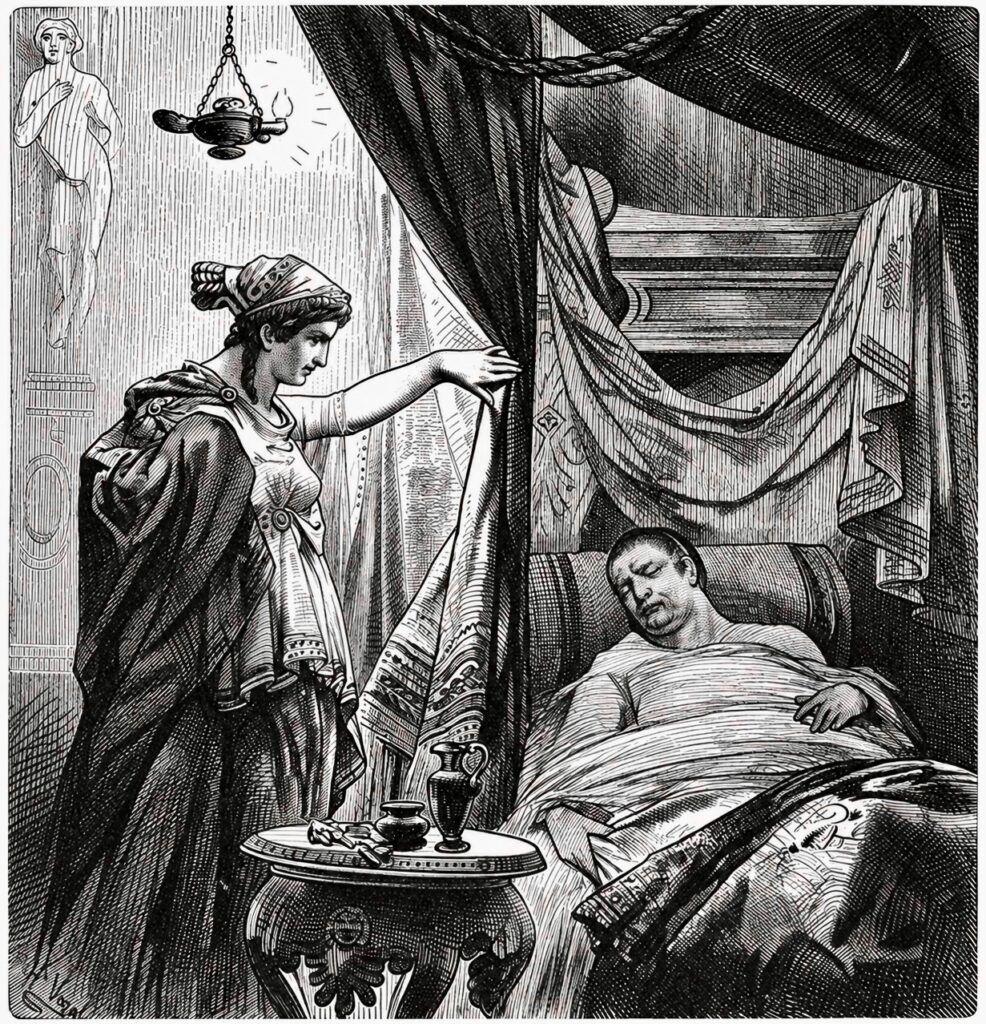
Exactly what happened on Augustus’ deathbed is lost to us.
Could Livia have wanted to make absolutely certain that Tiberius inherited before Augustus changed his mind? Certainly.
And time was becoming a problem. Augustus was 75. Tiberius was no spring chicken either.
At 55, he’d already spent decades waiting in the wings. If Livia wanted to see her son safely installed and have a proper reign, she couldn’t afford to wait forever.
Do we have good evidence that she poisoned her husband with figs though? Not really. It’s a theatrical accusation, but a very flimsy case.
Besides, Livia appeared to love him. It doesn’t seem like the situation of “cold wife murders inconvenient old man.”

Did Livia Do the Deeds?
Was Livia the ultimate evil stepmother? Did she actively engineer the succession with poison and murder? Or did she simply navigate the circumstances that arose with exceptional skill and calculation?
Livia was clearly ambitious, politically astute, and deeply invested in Tiberius’ future. The deaths surrounding the succession undeniably benefited her son.
That alone explains why ancient historians found her such an irresistible suspect. She was their favorite scapegoat. And, frankly, the Livia smear campaign made a much better story than a string of illnesses, accidents, and premature deaths.
But the leap from “this benefited Tiberius” to “Livia poisoned everyone” is considerably larger than Tacitus, Dio, or Suetonius can actually prove.
I would take the whole murderess narrative with a very large pinch of salt.
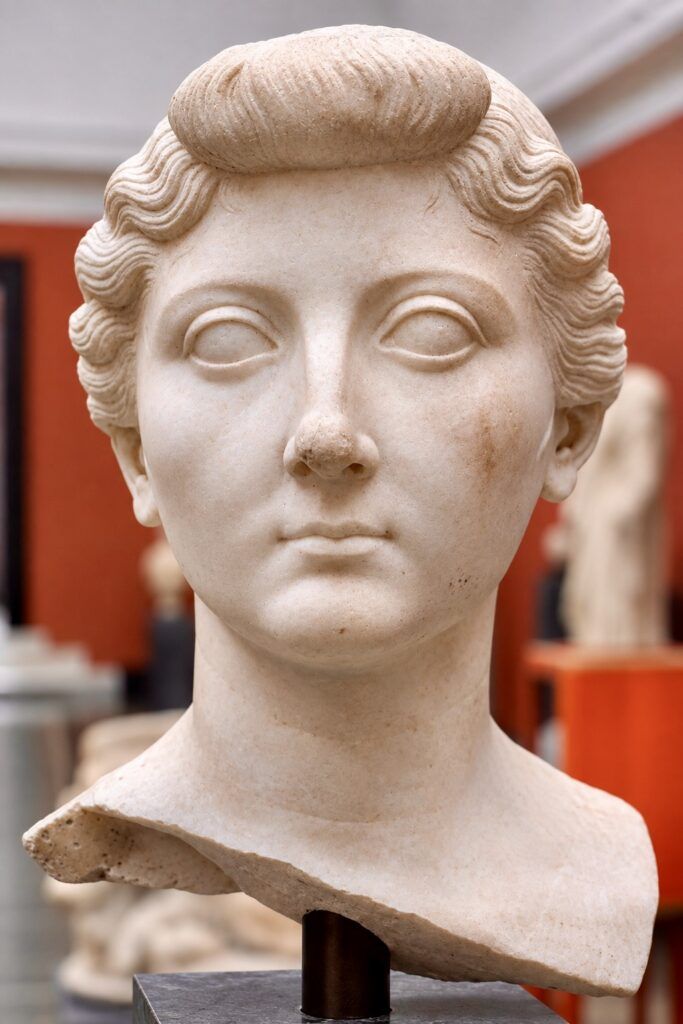
Why?
Well, most obviously, people in ancient Rome died all the time from minor infections, especially on the battlefield.
Second, modern historians are far more skeptical of the ancient serial-killer version of Livia. The evidence is mostly rumor, insinuation, suspicious timing, and retrospective storytelling.
Roman historians were also hardly neutral when it came to powerful women. In fact, they were downright sexist. Ambitious women were frequently cast as dangerous, sexually depraved, manipulative, or simply untrustworthy.
If they couldn’t smear them with sex scandals, Roman writers were perfectly capable of turning them into Machiavellian puppet masters lurking behind the men who supposedly ran Rome.

Livia may well have schemed. I’d be surprised if she didn’t.
She understood power too well not to. She was hardly an innocent bystander.
But scheming isn’t murder. Suspicion isn’t murder. Convenience isn’t murder.
My verdict? Not guilty for lack of evidence.
Though I’ll concede one point to the prosecution: Agrippa Postumus is troubling. If there is one death on Livia’s alleged kill list that gives me pause, it’s his.
I hope you’ve enjoyed my Livia biography and can decide for yourself whether she’s a murderer. You may find these other Roman histories interesting:
- History of the Rise and Fall of Rome
- History of the Roman Emperors
- Historical Facts about Rome
- History of Nero
- History of Julius Caesar
- History of the Praetorian Guard
- History of Hadrian
- History of Claudius
Pin it for later.