
The usual Katherine of Aragon narrative is remarkably consistent.
Dignified queen, devoted mother, courageous Catholic, innocent victim of Henry VIII’s cruelty. Her piety is saintly, her defiance is praised as steadfastness, and her convictions are treated as unquestionable virtues.
Henry treated her like an outright cad. No argument there. But being a victim doesn’t automatically make someone admirable, wise, or even right.
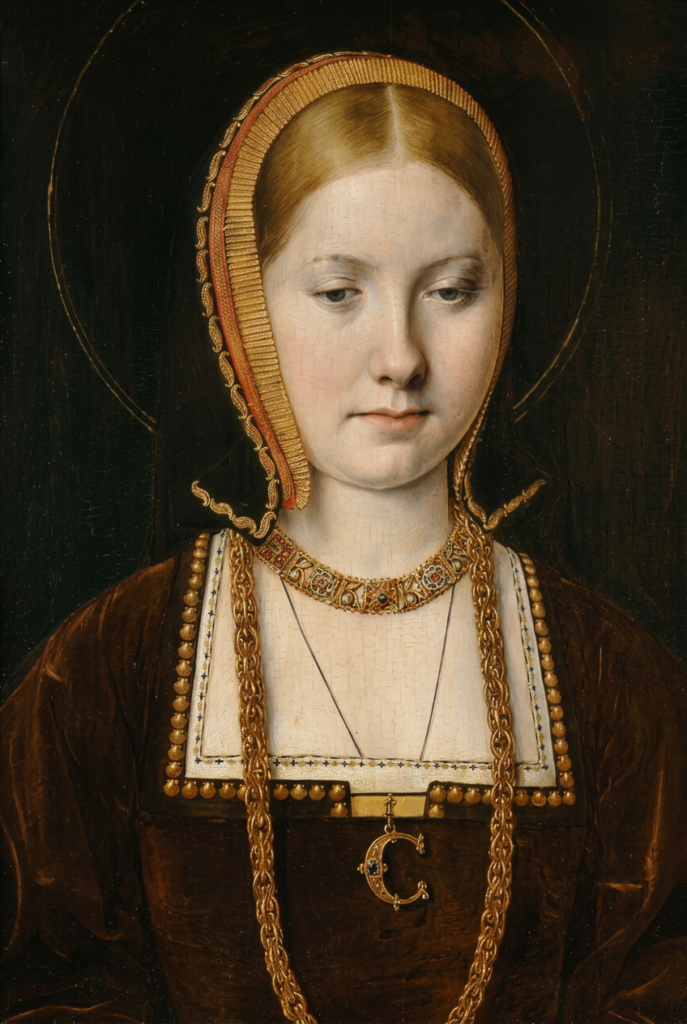
Katherine, also commonly spelled Catherine, benefits enormously from historical sympathy. Thanks to Henry’s cruelty, she became a virtuous heroine by default. Her reputation has acquired something approaching a halo.
Well, I’m not buying it.
My take? Katherine’s extreme religious convictions did real damage. Her celebrated steadfastness was often plain obstinacy. And her refusal to bend repeatedly made a bad situation worse.
It’s time to take a harder look at the woman beneath the halo.
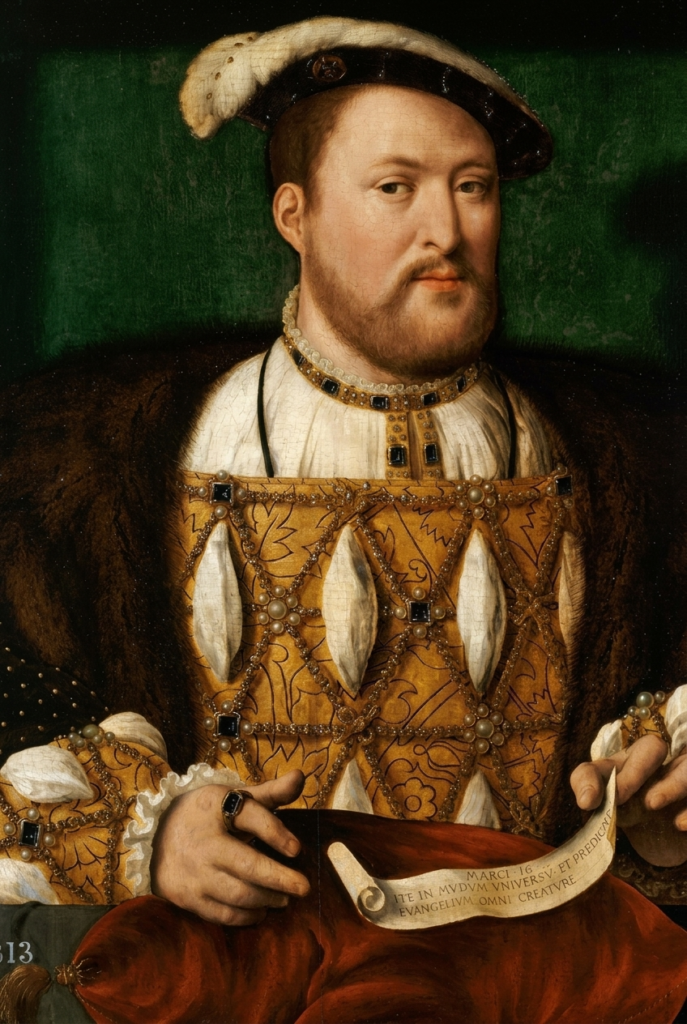
Katherine of Aragon Biography: Tyranny of Righteousness
Katherine’s Marriage To Henry
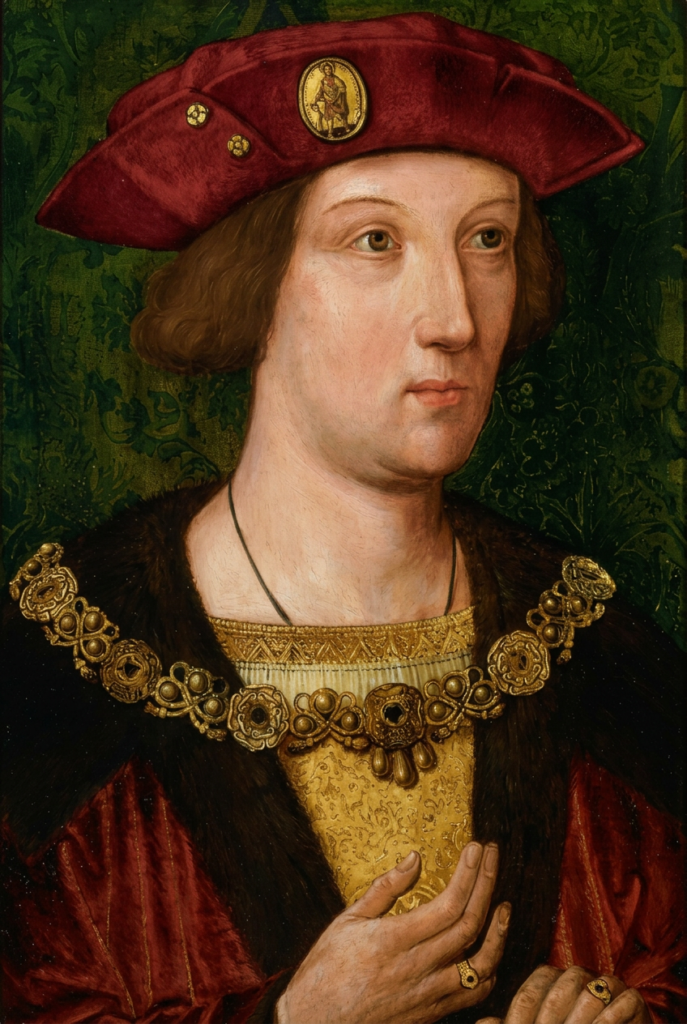
Katherine was first married to Henry’s older brother Arthur. Both were just 15 when they wed in November 1501.
The marriage lasted less than five months. Katherine insisted it was never consummated and later swore solemn oaths to that effect. Whether she was telling the truth remains one of Tudor history’s enduring mysteries.
Arthur died in April 1502, leaving Katherine a teenage widow and Henry VIII the new heir to the throne.
The English and Spanish courts were reluctant to abandon their valuable alliance. So they arranged for Katherine to marry Henry, securing a papal dispensation from Julius II.
But the marriage stalled amid disputes over Katherine’s dowry and shifting diplomatic priorities. Only when Henry VII died in 1509 did the young Henry VIII decide to marry her. The wedding took place on June 11, 1509.
At first, they were happy.
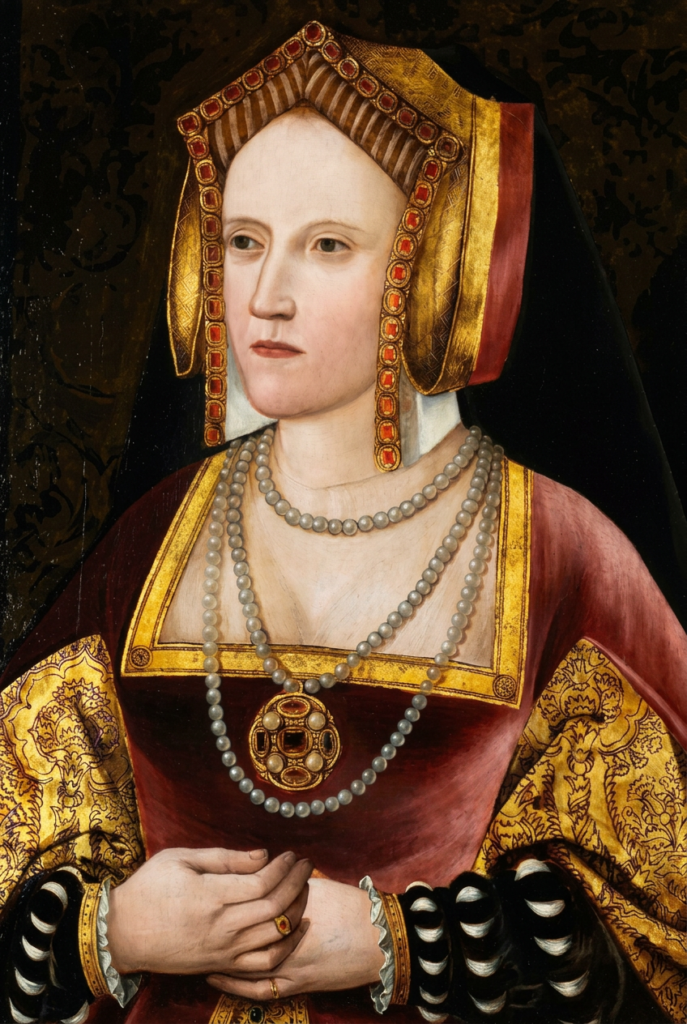
Katherine was intelligent, capable, and a popular queen. But the marriage began to deteriorate as pregnancies ended in miscarriages, stillbirths, and infant deaths. Their daughter Mary survived, but Henry wanted a son.
Where was his male heir, dammit?
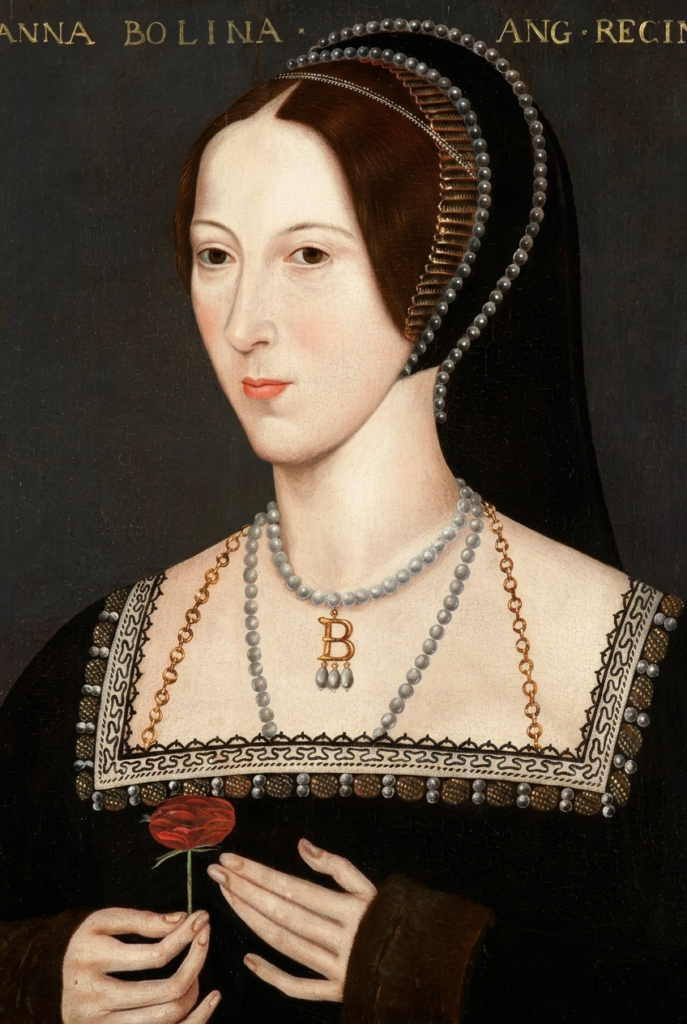
Then Henry’s attention shifted to Anne Boleyn. She was younger, clever, flirtatious, and apparently irresistible to a king growing increasingly dissatisfied with his aging wife.
Might Anne finally give him the requisite sons?
The Great Matter
Henry certainly hoped so. In 1527, he launched the Great Matter, a years-long campaign to extricate himself from Katherine and marry Anne.
His argument was conveniently biblical. Marrying his brother’s widow had offended God, Henry claimed. The failure to produce a surviving son was proof of divine displeasure.
Apparently, God had waited nearly 20 years to register his objection.
Cardinal Wolsey tried desperately to secure an annulment from Pope Clement VII. But Katherine had powerful allies, particularly her nephew, Emperor Charles V. The pope refused to give Henry the decision he wanted.
Meanwhile, Anne’s influence grew. Henry installed her in royal residences, and she increasingly behaved like the queen she expected to become. Katherine, stubbornly refusing to accept reality, and continued insisting she was Henry’s one and only lawful wife.
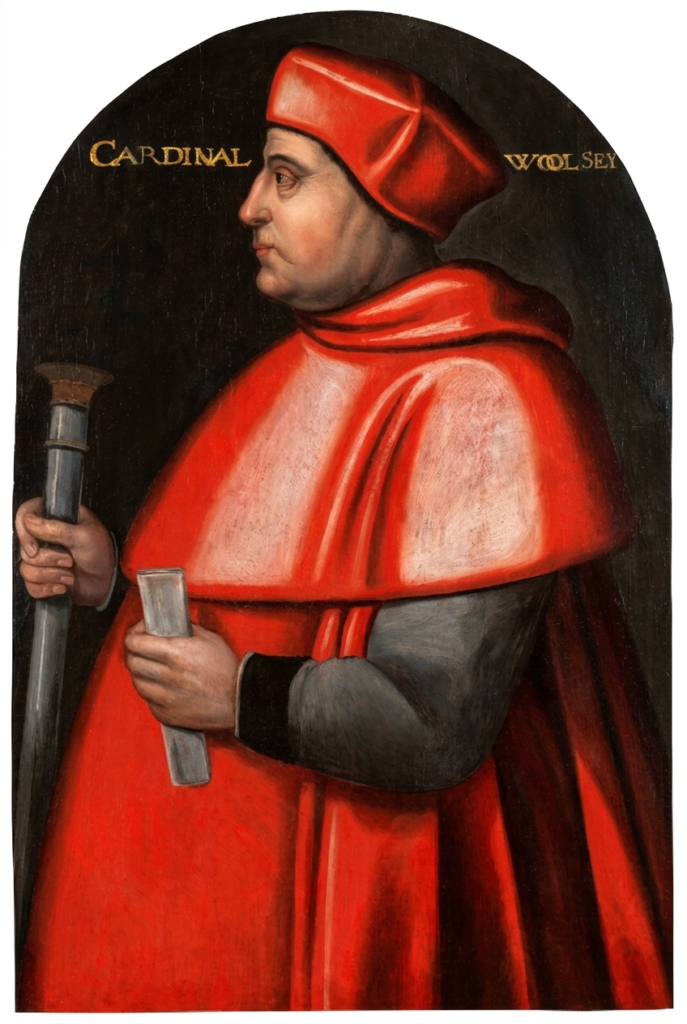
When Wolsey failed, Henry discarded him. He became one of Henry VIII’s victims.
Then, with the help of Thomas Cranmer and Thomas Cromwell, he found another solution. He would simply dispense with Rome altogether.
Katherine was dismissed from court in 1531. Henry secretly married Anne in January 1533, and Cranmer conveniently declared his first marriage invalid that May.
The following year, Parliament recognized Henry as Supreme Head of the Church of England. Bye-bye, pope.
Katherine had lost her husband, her crown, and her place at court. But she still refused to concede an inch.
Why? Plenty of reasons.
Royal Pride
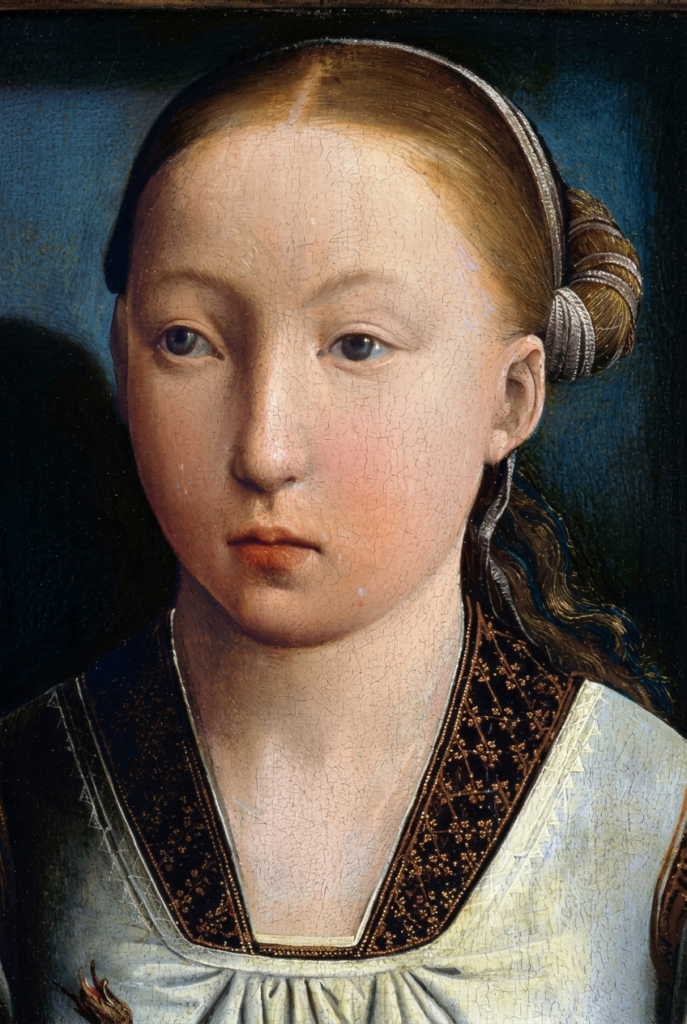
Katherine was the daughter of Ferdinand and Isabella, the power couple of Europe. She was raised to be a regal queen. That was part of the problem.
She grew up in a fiercely Catholic royal court in the Alhambra, where her parents persecuted Jews and Muslims and called it righteousness.
Her mother was an enormously powerful ruler who showed Katherine that women were perfectly capable of wielding authority. Katherine certainly wasn’t raised to believe women were intellectually inferior or unfit to rule.
So far, so good. But I don’t think Katherine put that inheritance to particularly good use.
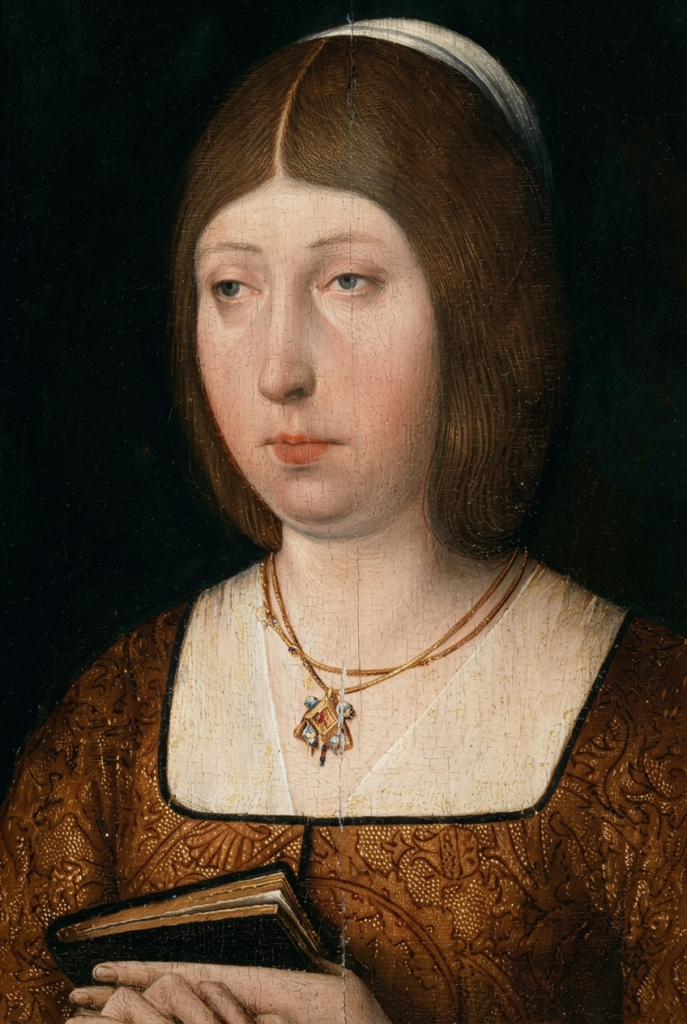
Isabella also taught her that royal status came with duties, sometimes burdensome ones, that couldn’t simply be discarded. And her parents’ extraordinary success may have made Katherine a little too vain and overly impressed with her own royal heritage and destiny.
She seems to have believed she was placed in Henry’s life by Providence. She had a mission from God, a mission from her parents, and a royal destiny she was obliged to fulfill.
But had Katherine confused her personal destiny with God’s will? Convinced herself they were one and the same?
It certainly looks that way. Being queen of England wasn’t merely her position. It was her divine duty. Abandoning it would mean defying God himself.
Conveniently, God always seemed to agree with Katherine.
Too Much God, Too Little Judgment
Katherine Defies Henry
Katherine didn’t approach the Great Matter as a woman whose husband had fallen in love with someone else. Oh no. She believed she was Henry’s lawful wife before God, and that was that. So help her God.
Their marriage was a sacred bond, she reasoned. She couldn’t simply agree to dissolve it because Henry wanted a different outcome.
To Katherine, yielding meant betraying her conscience, her daughter’s legitimacy, and the religious principles she’d been raised to defend.
One possible escape was to take religious vows and retire to a convent. But she instantly refused. Her vocation was Henry, not the nunnery even if she was a religious fanatic.
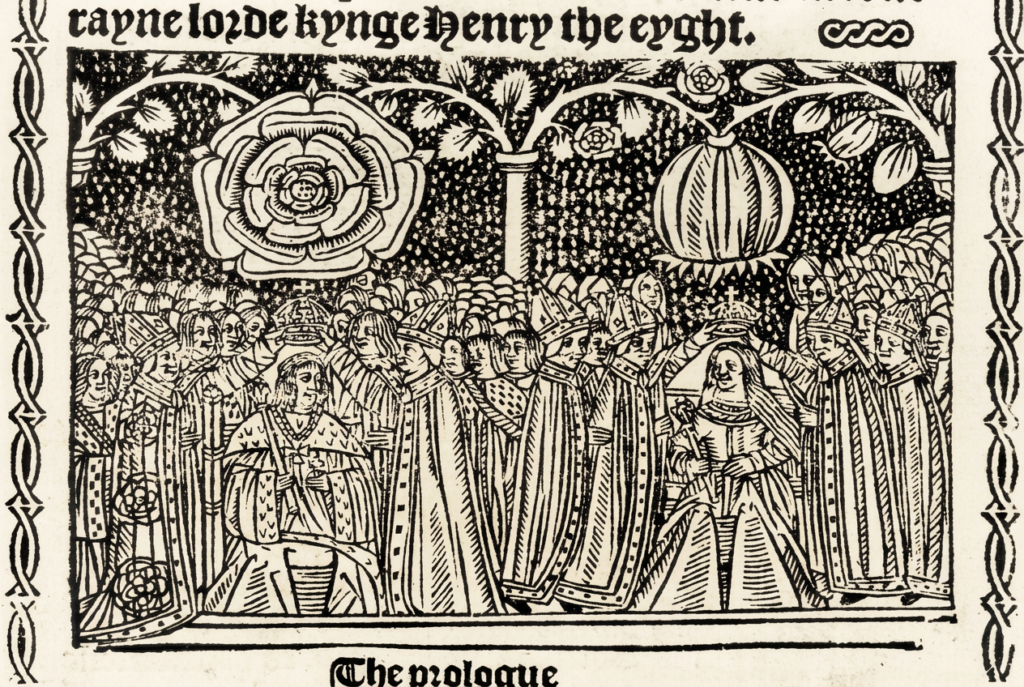
Religious Fanaticism
Of course, religion permeated virtually every aspect of Tudor life. Being devout was the norm, not some peculiar Katherine obsession.
But even by the standards of an intensely religious age, Katherine’s piety was unusually severe and cult-like. And that’s where I think her judgment began to go off the rails. Religion drove almost everything she did.
Royal marriages were both sacred and dynastic. But Katherine seemed incapable of separating religious principle from political reality.
And the suffering that followed? Apparently, all part of the package. Self-denial and suffering were marks of devotion. Everyone should wear a hair shirt.
What to make of all this? Too much God, not enough self-preservation or common sense.
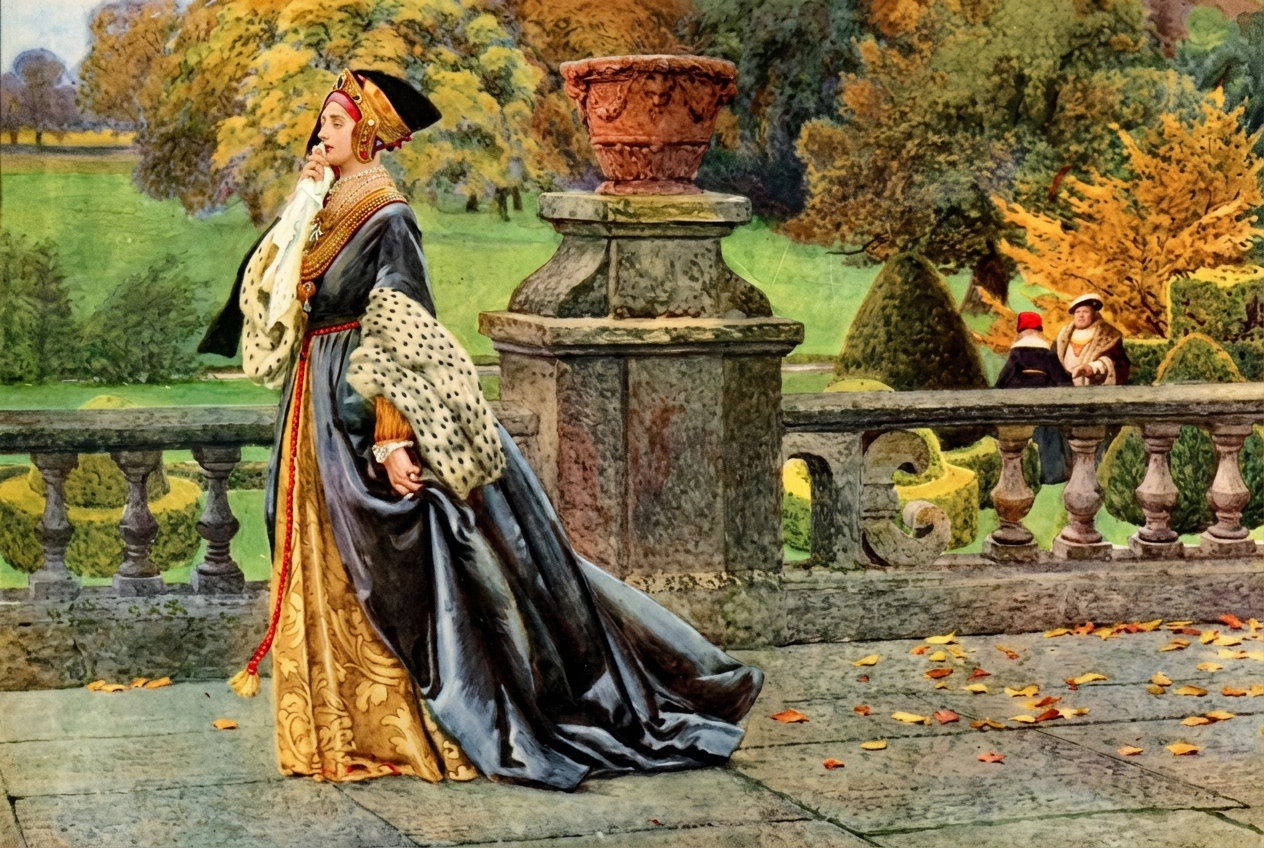
Katherine was fighting a battle she had little chance of winning. Yet, she refused to weigh other considerations seriously, including Mary’s welfare, her own future, and the political reality staring her in the face.
Ironically, she wasn’t behaving much all that much like her formidable Catholic mother. Isabella could be ruthlessly pragmatic when political circumstances demanded it. Katherine inherited her mother’s religious righteousness but not the political savvy and adaptability.
She could have told herself: Henry is wrong. My marriage is valid before God. But I’ve lost the political battle, and now I need to protect what remains of my life and Mary’s.
Instead, she treated compromise as surrender and suffering as vindication. And she paid dearly for both.

Political Miscalculation
That religious rigidity led to political mistakes. Katherine confused being right with being able to win. She put enormous faith in her allies in Rome and Europe, convinced they could eventually bring Henry to heel.
Under canon law, Katherine had a formidable case. And her powerful allies, particularly her nephew Charles V, could prevent the pope from granting Henry an annulment.
But that didn’t mean they could make Henry stay married. He controlled the English government, Parliament, and the machinery needed to enforce his will.
Being right doesn’t make your opponent powerless. And having powerful allies doesn’t mean you can control a king determined to get his way.
To be fair, Katherine wasn’t without political skill. At the Blackfriars trial in 1529, she carefully presented herself as the dutiful, wronged wife, kneeling before Henry and appealing to his conscience.
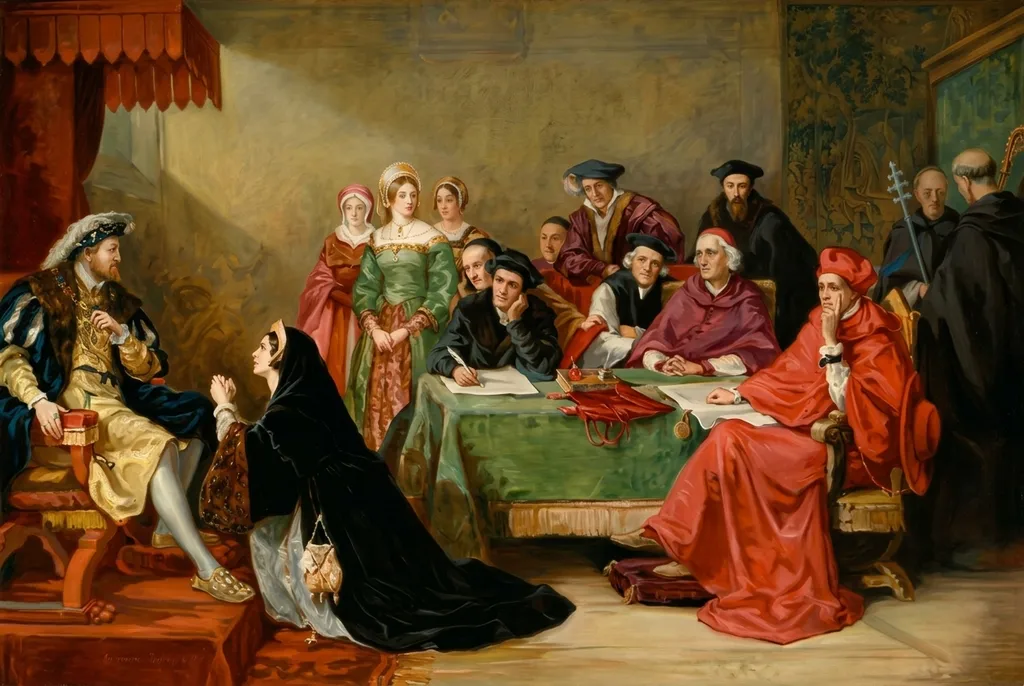
It was a shrewd piece of image management. She knew how to make herself the injured heroine and Henry the cad.
And it worked. Katherine attracted enormous sympathy. But winning the public relations battle wasn’t the same as winning the political one.
Katherine also seemed convinced that Henry would eventually come to his senses, return to her, and restore Mary’s position. Wishful thinking on a colossal scale.
Instead, Henry simply went around Rome. He rejected papal authority and declared himself Supreme Head of the Church of England. Bye-bye, pope.
Katherine took a big gamble, but lost. She won her battle in Rome, but lost the war in England.
Frankly, she was fortunate Henry didn’t decide to get rid of her more permanently. But executing her would’ve created a diplomatic firestorm. Even Henry wasn’t quite reckless enough to invite that particular headache.

Henry’s Wrath
After Katherine defied Henry, he set about destroying her life. Stripped of her title, she was demoted to Dowager Princess of Wales.
A dungeon wasn’t necessary. Henry had something more insidious in mind: dismantling her life piece by piece.
In 1531, Henry banished Katherine to Hertfordshire without Mary. Over the next few years, she was shuffled from one residence to another, increasingly isolated from court and anyone who might rally to her cause.
Her household and resources steadily shrank. The palace-prisons became worse.
Servants who refused the Oath of Succession were removed. Her visitors were restricted, and her circle of supporters grew small.
Meanwhile, Katherine was still insisting she was queen. Give it up, girl. You’re only making things worse.

By 1534, she was living at Kimbolton Castle, effectively under house arrest. Her household was closely supervised, her correspondence restricted, and her freedom severely curtailed.
She never saw Mary again.
Given repeated opportunities to accept Henry’s new marital arrangements, Katherine refused to budge. I understand wanting to spite Henry. I don’t understand spiting yourself, over and over again, when you have so little left to gain.
By the end, she was defending a queenship that existed in her own mind, but was erased in Henry’s England. Maybe Katherine was vying for sainthood. Maybe she believed suffering was a virtue in itself.
But to my modern eyes, it looks like foolish mono-mania and terrible short-sightedness.
In fact, Katherine never grasped a basic truth: she could surrender her title without surrendering her conviction that Henry was wrong.
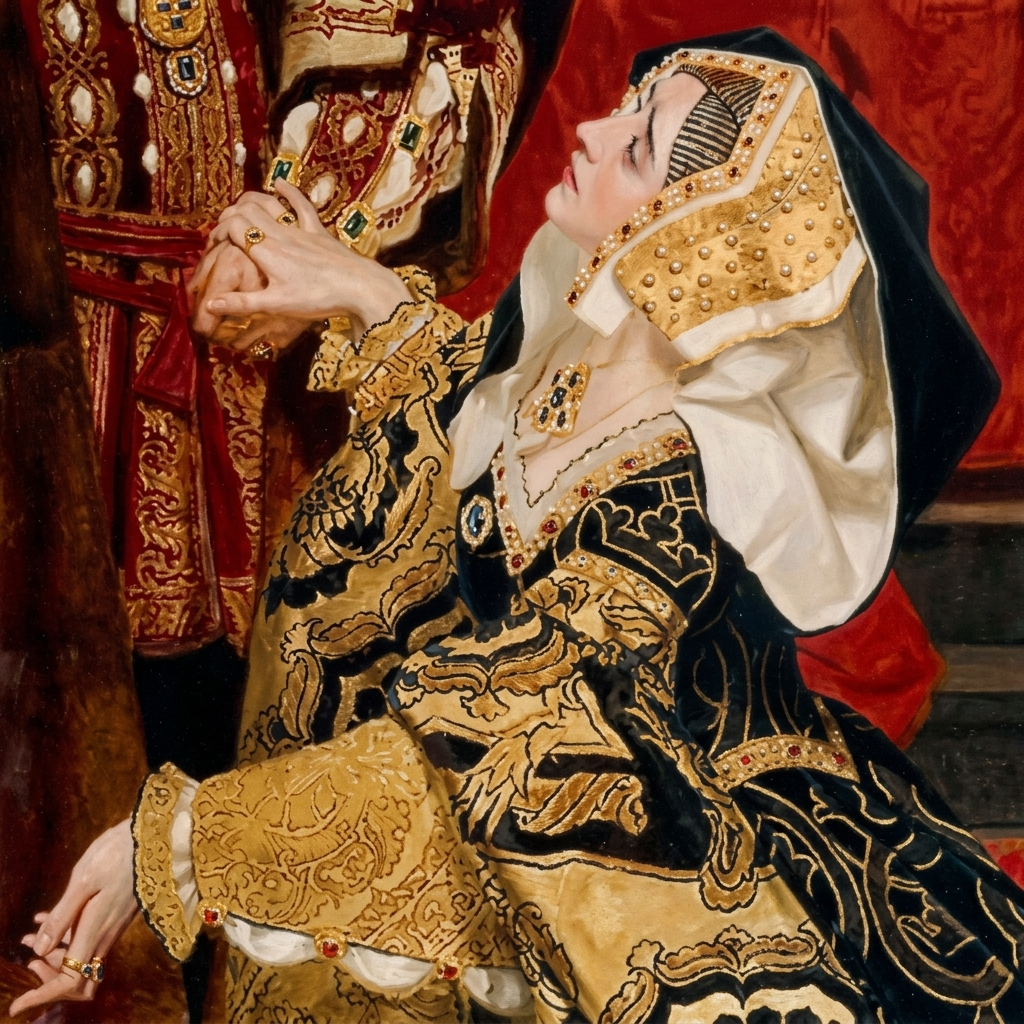
The Question of Mary’s Future
To her credit, Katherine loved Mary fiercely and fought to preserve her daughter’s legitimacy and dynastic rights.
But did her uncompromising strategy ultimately make Mary’s life more miserable?
There’s an odd contradiction here. Katherine was determined to protect Mary’s future. Yet seemed unwilling to compromise her religious convictions for Mary’s immediate welfare.
Henry was responsible for Mary’s mistreatment. No question.
But Katherine’s continued defiance likely made a bad situation worse. Mother and daughter were kept apart, and Mary was deprived of the person she loved most. Lonely childhoods don’t usually produce well-adjusted adults.
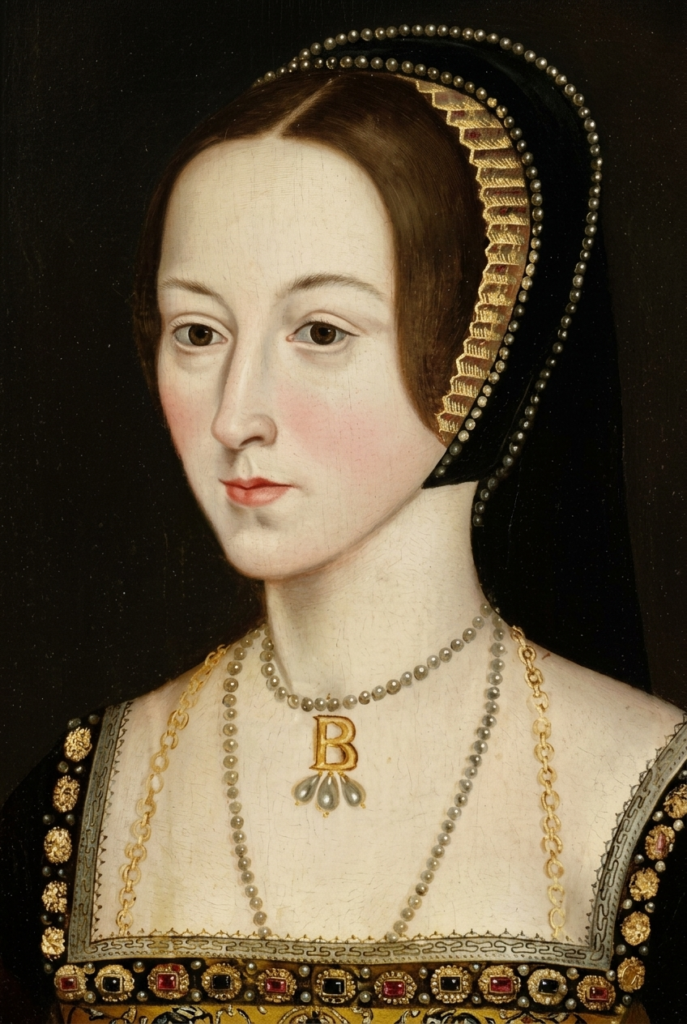
Interestingly, there’s historical evidence that Anne Boleyn made several attempts to reach out to Mary. She offered to help reconcile her with Henry, provided Mary acknowledged Anne as queen.
Mary’s response? Hard pass. Like mother, like daughter.
Of course, Mary had good reason to distrust Anne. But the opportunity for some sort of reconciliation was there, however conditional.
Then, in June 1536, after both Katherine and Anne were dead, Mary finally capitulated. Under enormous pressure from Henry’s government, she acknowledged her own illegitimacy and accepted her father’s religious supremacy.
And Mary never forgot the humiliation. When she became queen in 1553, one of her first parliamentary acts was to have her parents’ marriage declared lawful.
Her mother would have been delighted. But Katherine hadn’t lived to see it.
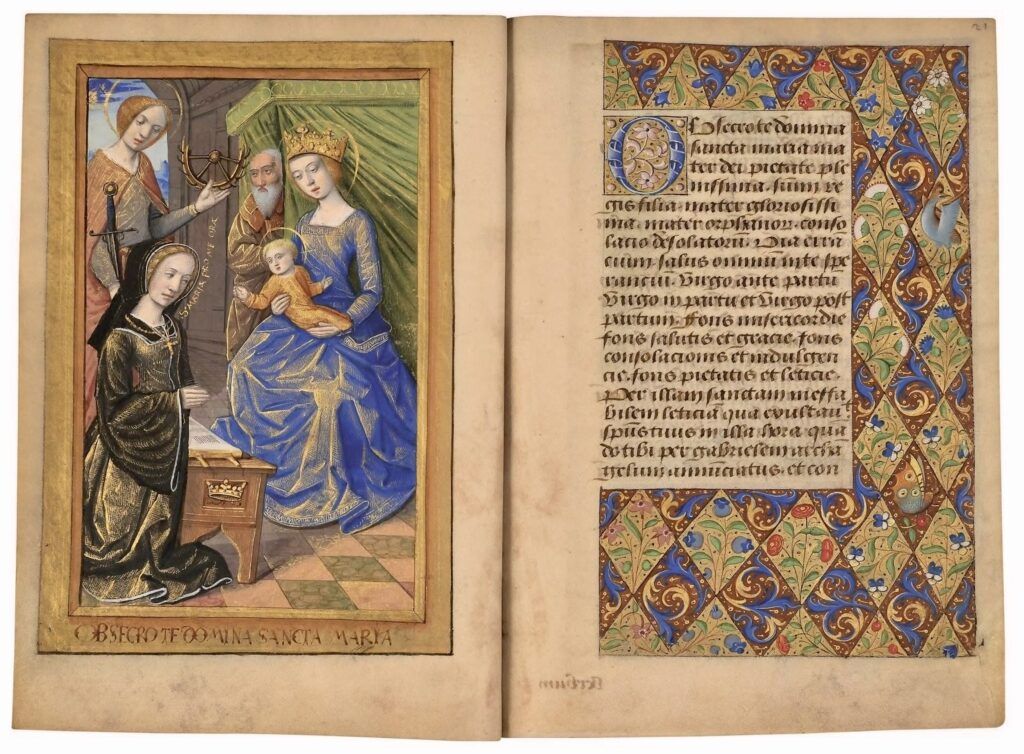
Fasting for God, Pregnancy Be Damned
One of the things I dislike most about Katherine’s piety was her relentless fasting.
This wasn’t an occasional act of penance. It was part of a broader pattern of religious self-denial that became downright excessive. Maybe even evolved into an illness.
Katherine’s Fasting Practices
Katherine observed regular fasts, including Fridays, Lent, and religious vigils. She also practiced additional fasting and austerities as expressions of personal devotion.
After Arthur’s death, while she was waiting to marry Henry, her fasting became so severe that it affected her health. Her menstrual cycles were reportedly irregular, and her eating habits were identified as a cause.

The situation was so alarming that Pope Alexander VI intervened, urging Katherine to curb her excessive fasting.
Think about that. Even the pope thought this devout Catholic princess needed to eat something.
Did Fasting Affect her Pregnancies?
During her marriage to Henry, she had six documented pregnancies.
Five children died, either before birth or in infancy. Only Mary survived to adulthood. This wasn’t the normal infant mortality rate. It was much worse.
We don’t know how rigorously Katherine fasted during her pregnancies. There’s no record.
But given how deeply ingrained the practice was, it’s reasonable to wonder whether she did. And if she did, what on earth was she thinking?

Even in Tudor England, people understood that pregnancy placed demands on a woman’s body. You didn’t need modern obstetrics to recognize that a woman carrying a child required nourishment.
Katherine had already experienced menstrual irregularities during her widowhood, when she was described as “very thin and pale.” That alone should have been a clear warning.
Could her extreme fasting have contributed to her reproductive tragedies? Very possibly.
We can’t prove it, of course, and other medical explanations are certainly possible. But I don’t think the question should be brushed aside simply because Katherine’s fasting was religiously motivated.

Her principal dynastic duty was to produce a healthy heir. Henry was desperate for a son, and Katherine desperately wanted to give him one. Yet, she had embraced a form of religious discipline that potentially thwarted that very goal.
There’s a bitter irony here. Katherine prayed for children and endured repeated losses. Yet she apparently believed that ever greater religious devotion was the answer.
I find it difficult to admire that kind of piety. When religious self-denial threatens the health of the person practicing it or possibly a baby, something has gone badly wrong.
And when even the pope thinks you’ve taken religion too far, perhaps it’s time to put down the hair shirt and pick up a fork.
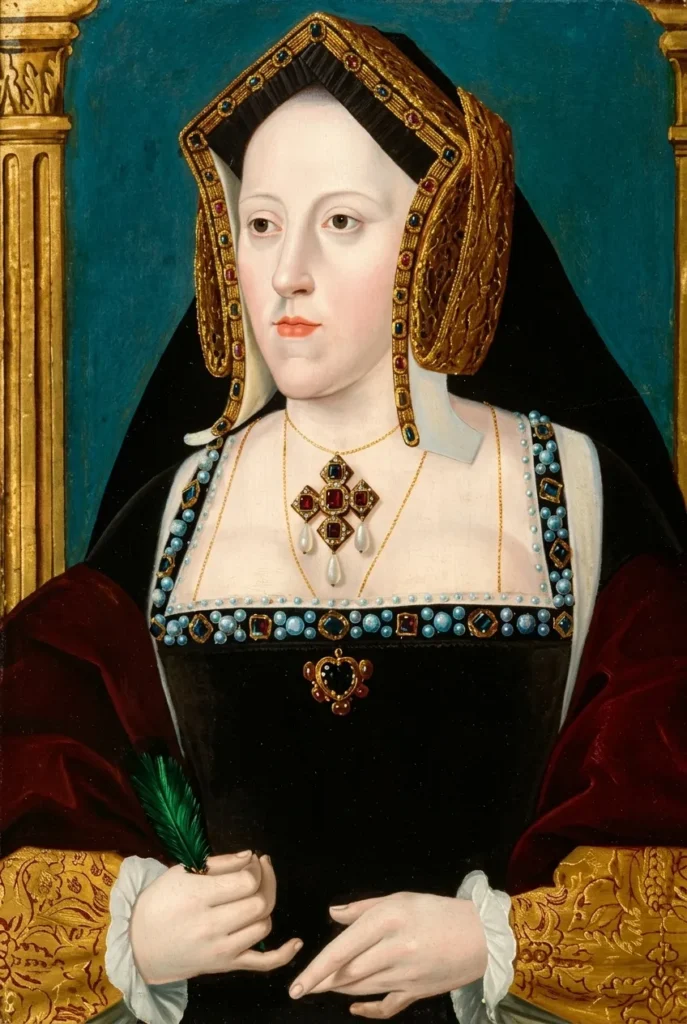
Eating Disorder?
Did she have an eating disorder? I think there’s a credible case that Katherine had a seriously troubled relationship with food.
The reported menstrual irregularities, extreme fasting, and concerns serious enough for papal intervention are substantial evidence that her dietary practices were highly problematic.
And psychologically? She had an extraordinary determination to maintain control through self-denial. When external circumstances became intolerable, she could at least control what she ate.
Today, people worry about their weight. Katherine worried about god. God over babies.
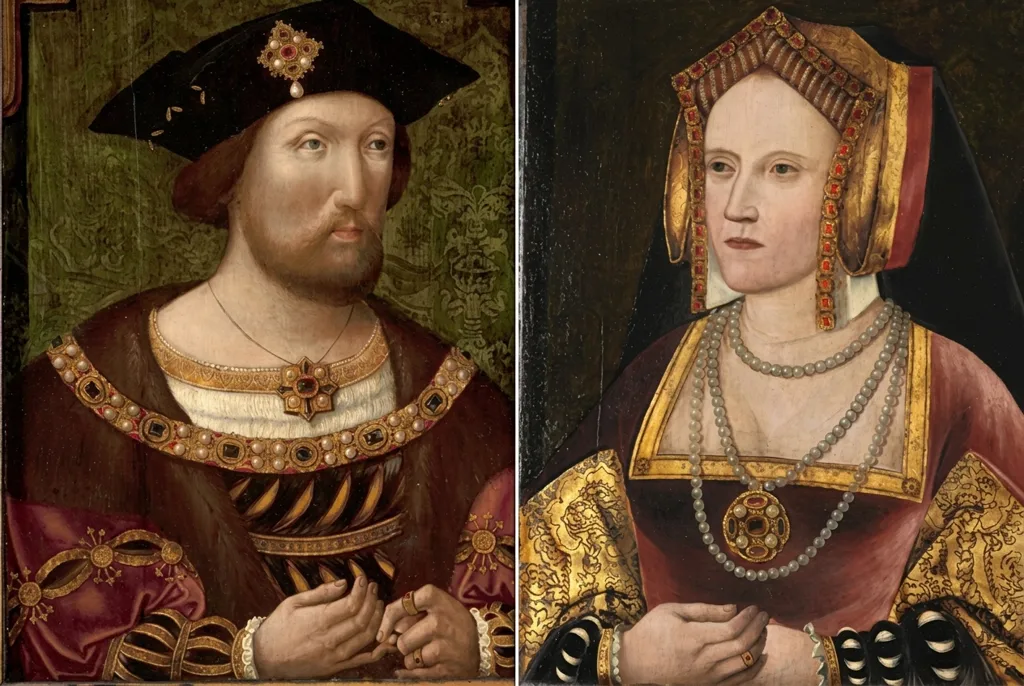
The Limits of Martyrdom
In the end, Katherine preserved her principles and is one of history’s favorites. But what did her refusal actually accomplish?
What Katherine Lost
She lost her daughter, her position at court, much of her household and friends, and nearly all her freedom. Henry shuffled her from one remote residence to another while she continued playing queen.
By this point, Katherine’s insistence on being queen was turning surreal.
And for what? Principle? Principles are admirable, but you can’t eat them. And in Henry’s England, clinging to them could get you sent to the executioner’s block.
By this point, Katherine’s defiance had become an end in itself. She wasn’t changing Henry’s mind. She wasn’t restoring her marriage. And she certainly wasn’t improving Mary’s life.
Had Katherine compromised early on, her final years might have looked very different. She could have negotiated a comfortable settlement and perhaps retained greater access to Mary.
And here’s the supreme irony. Katherine’s stubborn devotion to Rome helped bring about its downfall in England. Had she accepted an early settlement, Henry would have had far less reason to break with the pope.
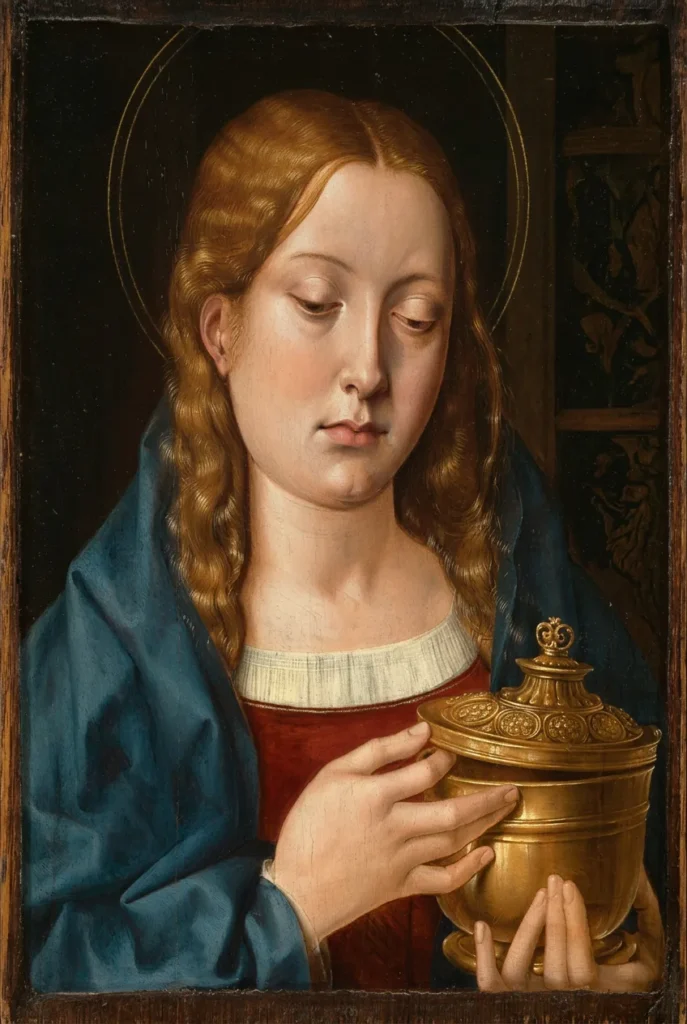
Instead, her refusal pushed Henry to declare himself head of the English church. In defending her Catholic marriage at all costs, Katherine helped set in motion the destruction of papal authority.
So much for protecting the faith.
And there’s good reason to think Henry might initially have been generous. After all, Anne of Cleves later accepted an annulment without a fight and walked away with estates, an allowance, and her head intact.
Besides, Katherine was popular. Henry didn’t want to be the bad guy. He never did.
Of course, Henry’s promises were hardly ironclad. But Katherine never seriously entertained the possibility of a negotiated retreat. She preferred to stand on principle, even as the consequences became increasingly disastrous.

And what did all that stubbornness ultimately achieve? She didn’t save her marriage, her crown, or Mary’s position. She preserved her convictions and secured her place as history’s long-suffering heroine.
Perhaps Katherine considered that a victory. I’m not convinced it was worth the price.
Maybe Katherine Didn’t Care
But there’s always the possibility that Katherine didn’t regard deprivation as much of a punishment.
She’d spent years embracing fasting, austerity, and self-denial as religious virtues. Why would the prospect of a cushy retirement tempt a woman who regarded suffering as spiritual achievement? And if suffering confirmed her righteousness, Henry was practically doing her a favor.
This would explain why Henry’s escalating punishments failed to make her reconsider. Was it even punishment really? Or noble suffering for god? She may have been losing everything she possessed without believing she was losing at all.
And if she had gotten a better life with cooperation, would she have been happier? Probably not. Not while she believed the only life worth living was the one Henry took from her.
Her Dubious Religious Legacy
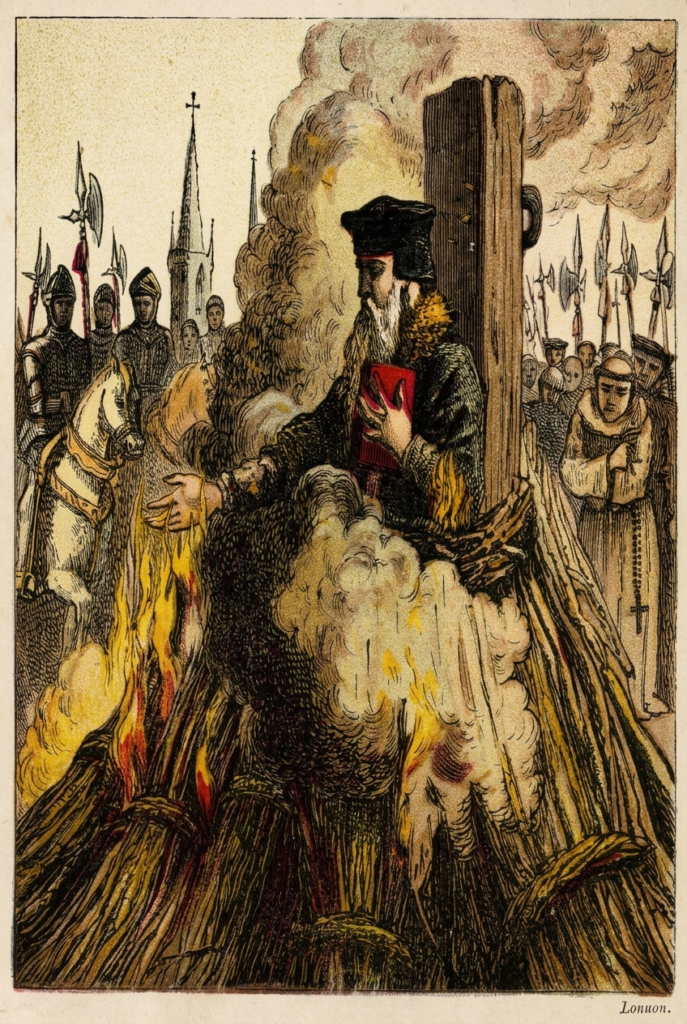
And what of their daughter Mary? Katherine left her another inheritance: her fierce Catholicism and her absolute certainty that her religion was the only acceptable one. Mary absorbed those convictions thoroughly.
When she eventually became queen, she restored papal authority and famously burned Protestants for heresy.
There’s an uncomfortable question here: did Katherine pass on not only her faith, but her conviction that religious certainty justified extraordinary sacrifices?
We can’t hold Katherine responsible for Mary’s bloody executions obviously. Mary made her own decisions. But the continuity between their uncompromising religious attitudes is telling.
In the end, the daughter of the celebrated martyr became a religious persecutor. Apple, tree.
Katherine’s Death
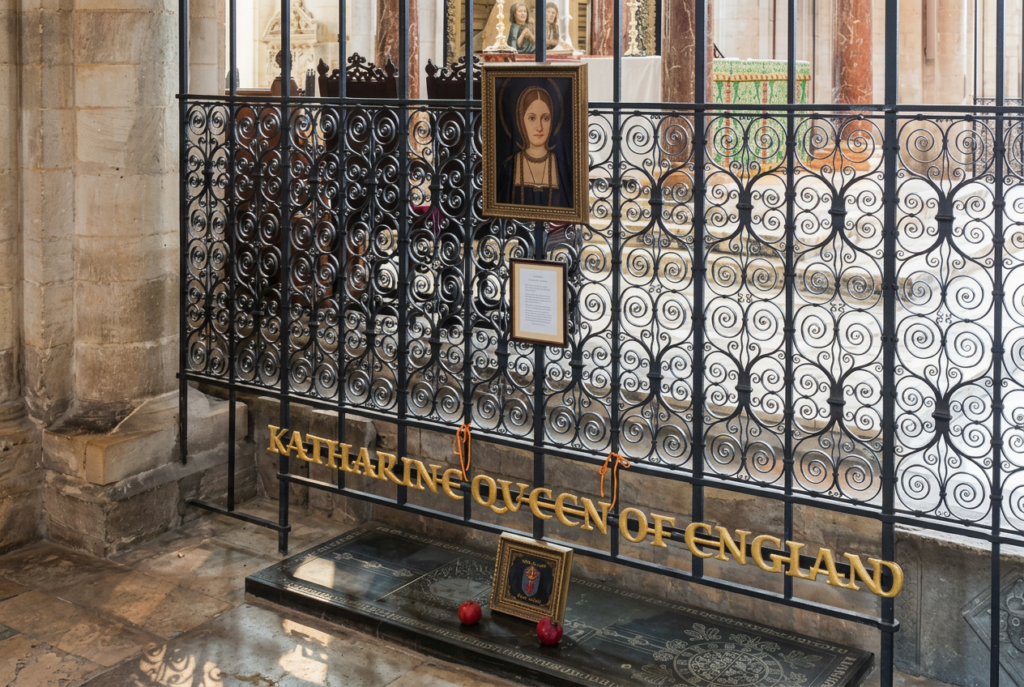
Katherine died on January 7, 1536 at Kimbolton Castle. She’d just turned 50.
Most historians believe she died of cancer, quite possibly metastatic melanoma that had spread to her heart.
When her body was prepared for burial, the embalmer discovered something extraordinary. Her heart was blackened, with a dark growth attached to it.
The Letter
As death approached, she reportedly dictated one final letter to Henry. It doesn’t survive unfortunately.

In it, she apparently professed her “tender love,” forgave Henry everything, and declared that “mine eyes desire you above all things.” She signed it “Katherine the Queen.” Even on her deathbed, she wasn’t surrendering an inch.
If genuine, the letter suggests an astonishingly distorted view of Henry. This was the man who had discarded her, separated her from Mary, and treated them with breathtaking cruelty.
Yet Katherine was still professing undying love. Stockholm syndrome, Tudor-style?
She forgave him, though he’d never apologized. She loved him, though he’d shown her precious little decency in years. And she continued to call herself queen, even though that title was long ago.

The Henry Fixation
Was Katherine still in love with Henry himself, despite him treating her so contemptuously? Or with some idealized version of the husband and marriage she’d lost years earlier?
Either way, if that letter does exist, it’s a bit pathetic.
Continuing to love Henry was just another religious duty. She had sanctified not just her marriage, but her attachment to Henry himself. And once she’d done that, how could she possibly let either go?
Even worse, maybe she became incapable of imagining an identity separate from Henry. Even her defiance kept Henry at the center of her existence. Her letters, appeals, and political resistance all led back to the same man.
Henry had abandoned their marriage years earlier. Katherine never really left it. She’d lost her independent identity. It makes her a tragic figure.
Anne of Cleves discovered there was life after Henry VIII. Katherine may never have believed such a life existed.
Verdict
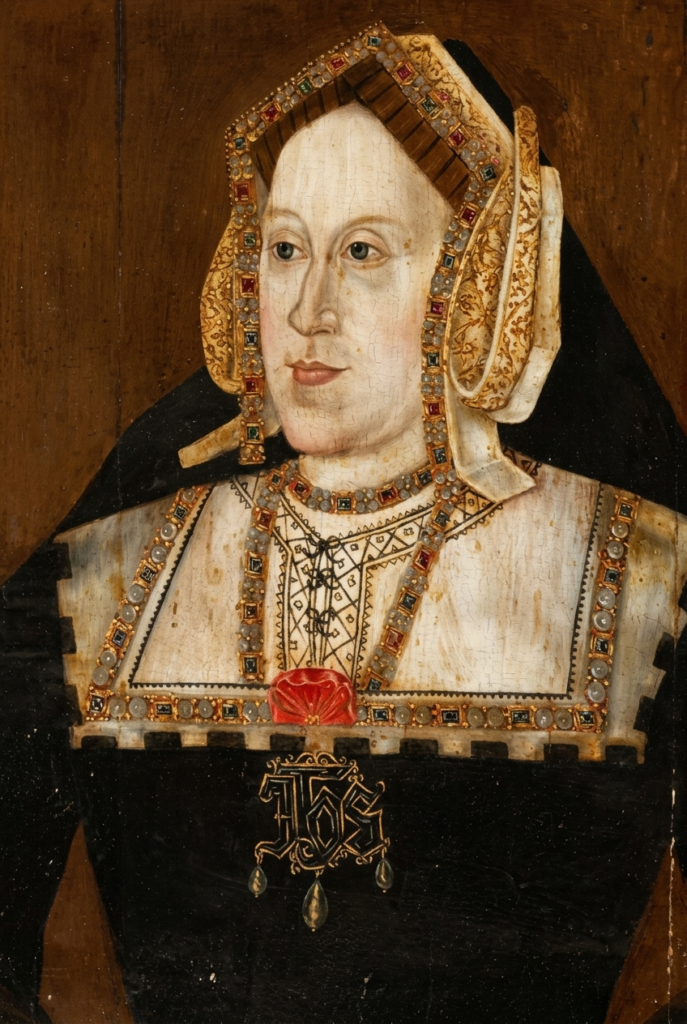
In the end, Katherine’s great love was a chimera. Her queenship was delusional. It survived in her own mind, but nowhere at Henry’s court.
Katherine lost everything. Her religion didn’t save her. She had the courage to defy a king, but lacked the imagination to invite herself without him. Instead, she starved herself.
Katherine could be brave and obstinate. Devoted and self-righteous. Intelligent and politically foolish. And her suffering doesn’t erase those contradictions.
She deserves sympathy for what Henry did to her. She doesn’t necessarily deserve admiration for what she did in response.
Still, she went to her grave convinced she was right. Maybe that gave her some odd satisfaction.

She was a badass when it came to standing her ground. But a dumbass for thinking God would win her battle with Henry.
For all her foibles, history gave her a halo. A woman can deserve sympathy and still be her own worst enemy. Besides, a halo and a dunce cap aren’t necessarily mutually exclusive.
You may enjoy these other English history guides:
- Royal Whodunits
- English myths
- Tudor queens of England
- Power Women of Medieval & Tudor England
- Historical Mistresses and Favorites
- Wives of Henry VIII
- Worst kings of England
- Anglo-Saxon kings of England
Pin it for later.

