
Rome was a beacon of power, law, and civilization.
It was also a place where people happily watched gladiators butcher each other, packed public executions, and generally had a fairly high tolerance for bloodshed.
Need to get rid of a rival heir? An inconvenient spouse? A dangerously popular general?
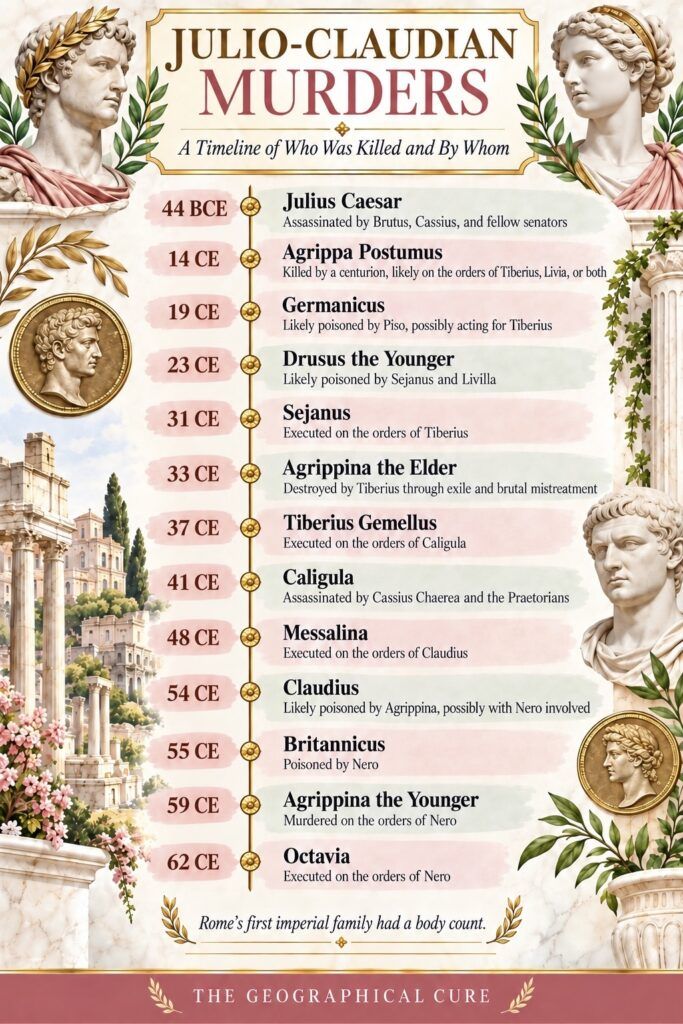
No problem. There was always poison, hired assassins, a convenient “suicide” or “natural death,” or the Praetorian Guard to get the deed done.
And nowhere was murder more politically useful than inside the imperial family.
In this guide, I’m looking at the most infamous murders and suspicious deaths of the Julio-Claudian dynasty, from poisoned heirs and murdered wives to palace coups and family members who simply became too dangerous to leave alive.

Murder, Poison & Power in the Julio-Claudian Dynasty
Julius Caesar: The Murder That Started It All, 44 BCE
If we’re talking infamous Roman murders, we have to start with the most famous assassination of them all: Julius Caesar.
He came, he saw, he conquered. He became too powerful for Rome’s old republican system. Caesar crossed the Rubicon, crushed Pompey the Great in civil war, accumulated extraordinary honors, and finally was named dictator for life.
To Roman aristocrats, that sounded suspiciously like a king. And Romans hated kings.
Caesar didn’t help matters. He wore the red boots associated with Rome’s old monarchs, accepted quasi-divine honors, sidelined the Senate, and allowed Mark Antony to publicly offer him a diadem. Caesar theatrically refused it, but the damage was done.

So, a group of senators decided to kill him before he became king. On March 15, 44 BCE, they surrounded Caesar during a Senate meeting and stabbed him 23 times.
The assassins believed they were saving the Republic. They accomplished almost exactly the opposite.
Caesar’s murder triggered another round of civil wars, destroyed his killers, and cleared the way for his adopted son Octavian to become Augustus, Rome’s first emperor.
They murdered Caesar because they feared one-man rule. Then they helped create it. Rome’s first imperial dynasty was born in the aftermath of its most famous assassination.

Agrippa Postumus: The Heir Who Had to Go, 14 CE
When Caesar died, after more civil wars, his heir Octavian took over as the first emperor Augustus. But Augustus had a succession problem.
One by one, Augustus’ preferred heirs died inconveniently young. But the last one, Agrippa Postumus, was different.
He didn’t die of fever, wounds, or some mysterious illness. Augustus’ last surviving biological grandson was murdered.
Augustus adopted Postumus alongside Tiberius in 4 CE, making both men potential heirs. Unfortunately, Postumus turned out to be a disaster. Ancient sources describe him as violent, uncontrollable, and generally unfit for imperial life.
Augustus eventually exiled him, first to Surrentum and then to the tiny island of Planasia under permanent military guard. That should have ended the problem. It didn’t.

Postumus was still Augustus’ grandson, still a Julian by blood, and still a possible alternative to Tiberius. Tacitus even preserves a rumor that Augustus secretly visited him shortly before his death, embraced him, and considered a reconciliation.
Then Augustus died. Almost immediately, a centurion guarding Postumus killed him. The only real question was: who gave the order?
No one could establish that definitively. Tiberius denied responsibility. Cassius Dio suspected Livia issued the command in Augustus’ name. Tacitus was even blunter, calling the killing “the opening crime of the new principate” and pointed directly at Tiberius and Livia.
This murder was hard to wave away. Postumus was the last Julian man left standing, the one remaining blood heir who could threaten Tiberius.
The timing is almost obscenely convenient. No signed kill order survives. But come on. Tiberius, Livia, or both had every reason to make sure Postumus never left Planasia alive.
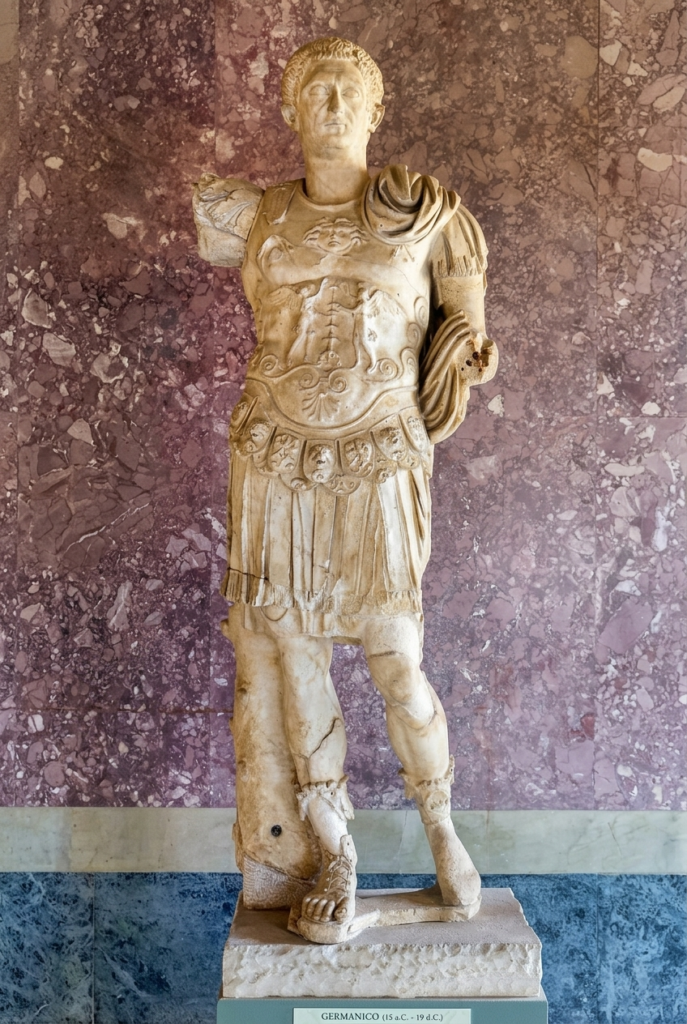
Germanicus: Golden Prince Dies Mysteriously, 19 CE
Germanicus had everything going for him. He was handsome, charismatic, wildly popular with the army and Roman people, and positioned to succeed Tiberius.
Basically, he was the Julio-Claudian golden boy. Then, while serving in Syria in 19 CE, he suddenly fell ill and died at Antioch at just 33. Before his death, Germanicus became convinced he was being poisoned.
Suspicion first fell on Gnaeus Calpurnius Piso, the hostile governor of Syria, who’d been openly feuding with him. The optics were awful.
His wife Agrippina the Elder returned to Rome carrying her husband’s ashes, and Rome went berserk with grief.
Piso was prosecuted, but evidence of the actual poisoning evidence was surprisingly weak. Then, after just one day in court, he was found dead with his throat cut and a sword.
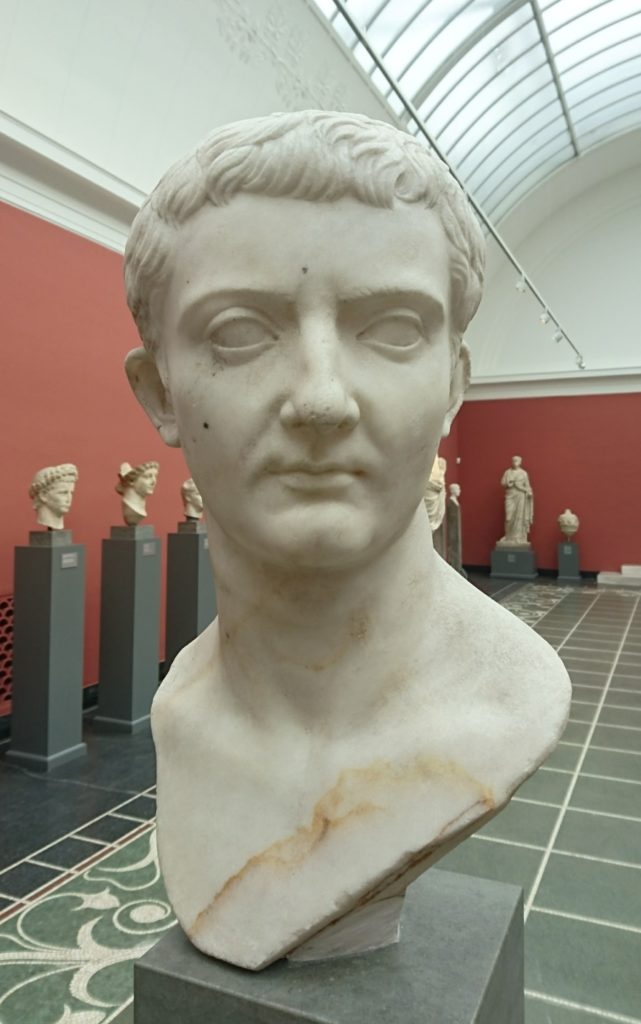
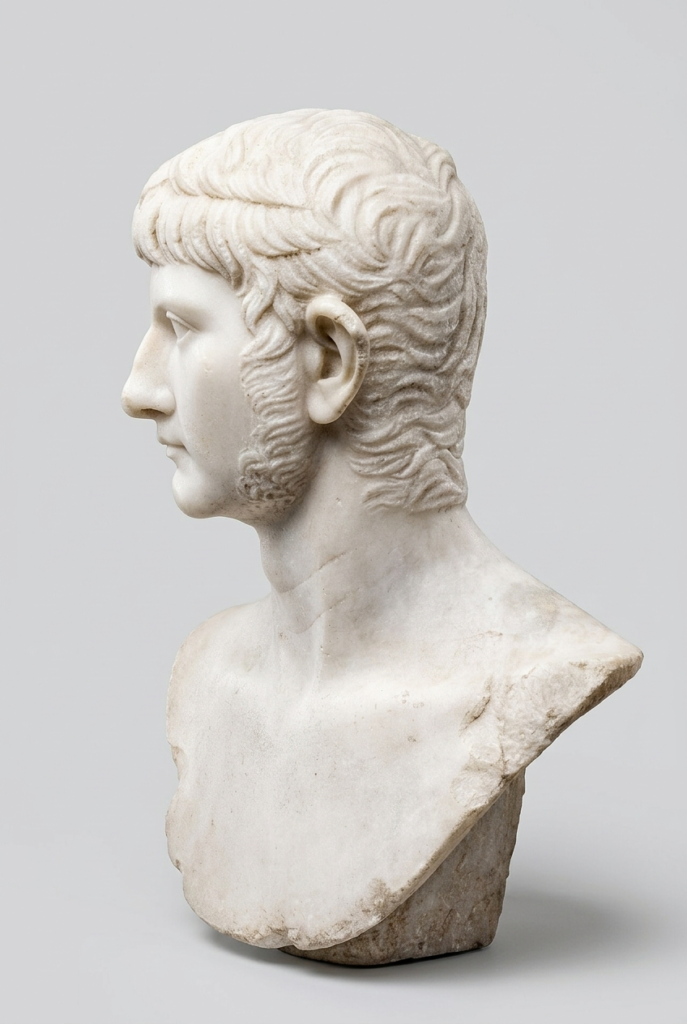
Officially, Piso killed himself. Convenient, but unlikely.
If Tiberius was behind Germanicus’ death, the motive wasn’t hard to find. Germanicus was far more popular than Tiberius himself and the obvious future emperor. Such a man was a threat, whether he intended to be or not.
Piso, meanwhile, looked suspiciously like the useful middleman. He’d openly undermined Germanicus in Syria, may have been acting on secret instructions from Tiberius, and then conveniently died before he could say what transpired.
There’s no smoking gun. But Germanicus’ death removed an enormously powerful rival, and Piso’s timely “suicide” made sure whatever he knew died with him.

Drusus the Younger: Poisoned, 23 CE
Drusus the Younger was Tiberius’ only biological son. He died in 23 CE after what looked like an ordinary illness. Eight years later, that story blew up.
After the Praetorian prefect Sejanus fell in 31 CE, his estranged wife Apicata reportedly accused him and Drusus’ wife Livilla of poisoning Drusus.
Tacitus says the eunuch Lygdus and physician Eudemus later confirmed the plot under torture. Cassius Dio tells essentially the same story.
The motive was obvious. Sejanus was sleeping with Livilla, Drusus openly despised him, and the emperor’s son stood directly between Sejanus and much greater power.
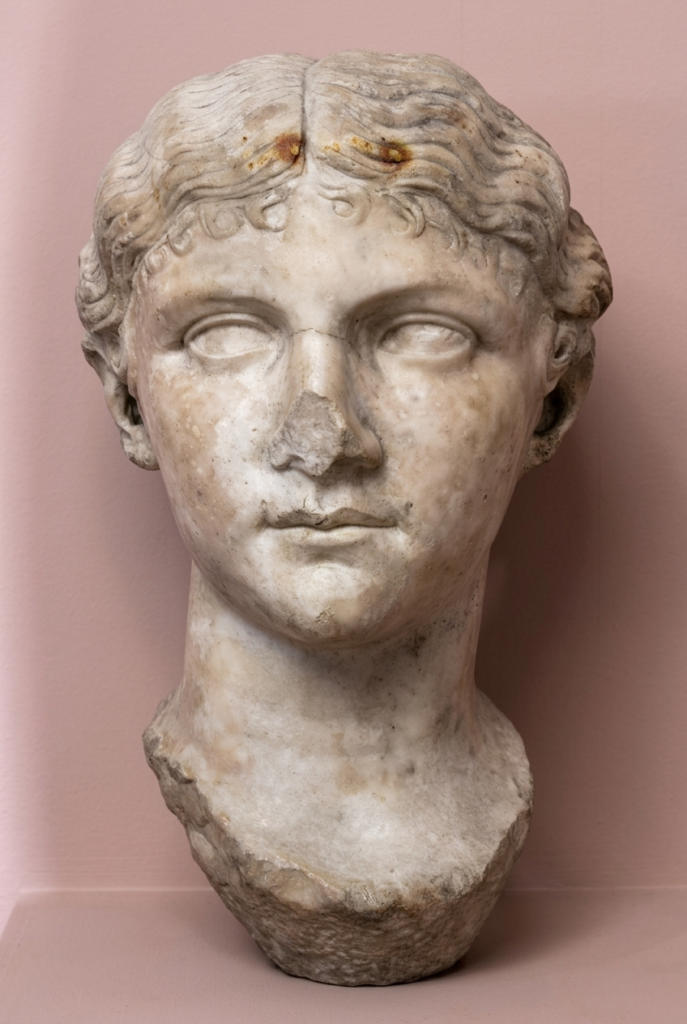
The poison was supposedly slow acting, deliberately chosen so Drusus’ death would look natural. And for years, it worked.
The evidence surfaced late and some of it came under torture, so there’s no pristine smoking gun.
But this looks very much like murder: Sejanus had the motive, Livilla had the access, and two major ancient historians preserve the same basic accusation.
I’d call Drusus one of the Julio-Claudian dynasty’s most probable poisoning victims.

Tiberius Turns on Sejanus, 31 CE
Sejanus spent years making himself indispensable to Tiberius.
As prefect of the Praetorian Guard, he controlled access to the emperor, helped destroy Germanicus’ family, and became increasingly powerful while Tiberius hid away in Villa Jovis on Capri.
Then he got a little too comfortable wielding power. Eventually, Antonia Minor warned Tiberius that Sejanus was plotting against him to seize power.
The wizened old emperor struck carefully. He secretly replaced Sejanus as Praetorian prefect, summoned the Senate, and sent a letter accusing him. Sejanus was arrested, condemned, and executed that same day.
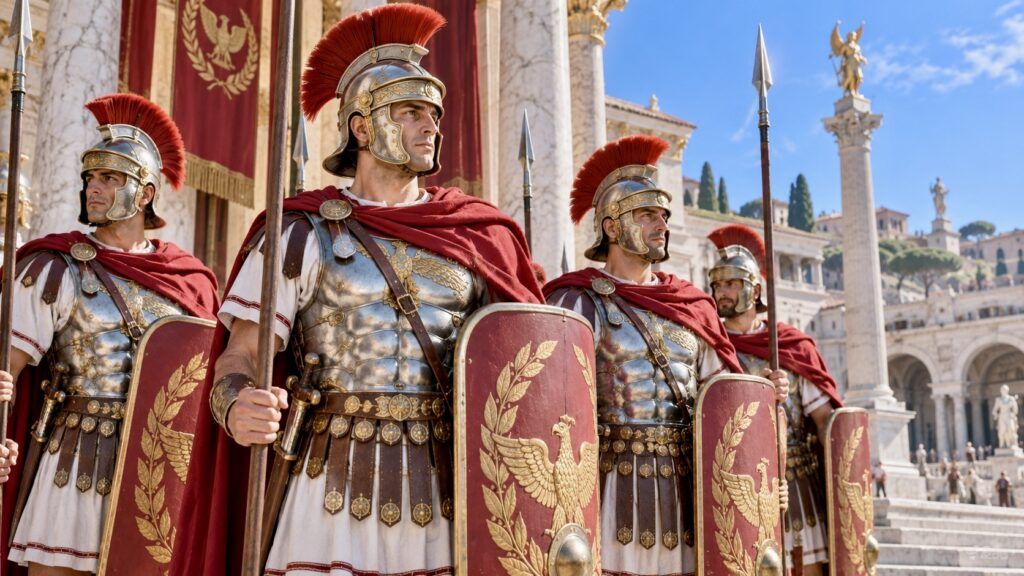
Was Sejanus actually planning a coup? Maybe. The evidence is murky.
But Sejanus had accumulated military power, political influence, and access to the imperial family. For suspicious old Tiberius, that was dangerous enough.
Sejanus had spent years helping Tiberius hunt conspirators. Eventually, Tiberius decided he was one and offed him.
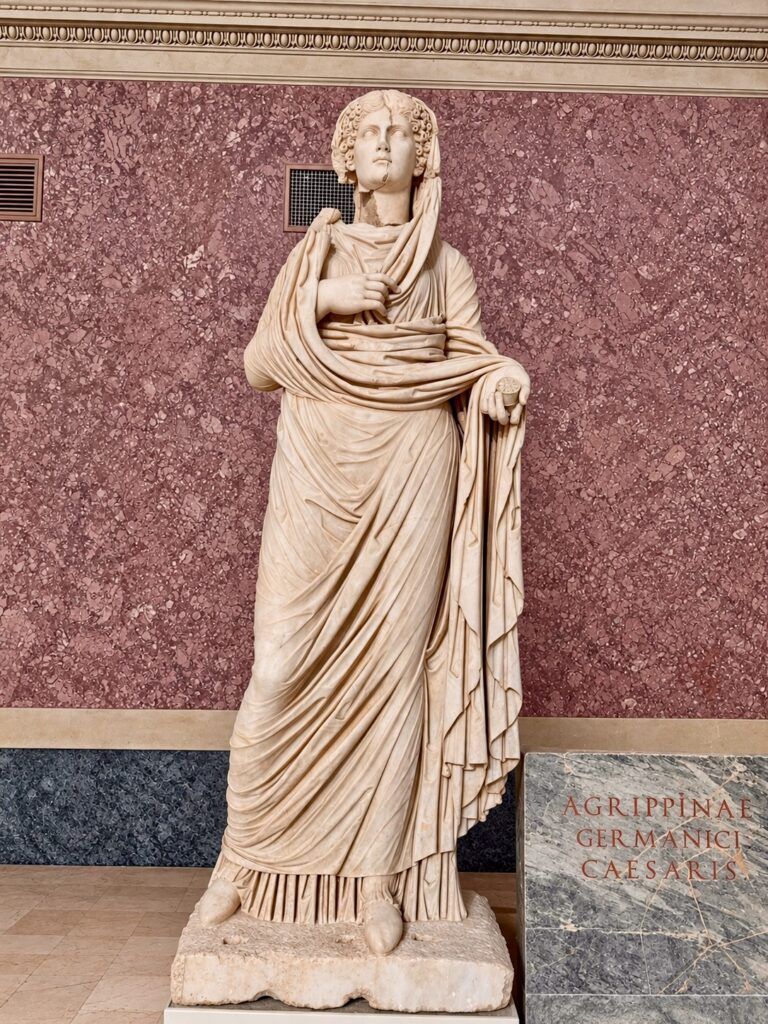
Agrippina the Elder: Tiberius Destroys Germanicus’ Widow, 33 CE
Agrippina the Elder was not an easy woman to intimidate.
She was Augustus’ granddaughter, Germanicus’ widow, mother of six surviving children, and enormously popular with the Roman people.
After Germanicus died, she returned to Rome carrying his ashes and made no secret of her suspicion that Tiberius had been involved in her husband’s death. Tiberius didn’t appreciate the accusation. Or the popularity.
With Sejanus helping clear the board, Tiberius systematically dismantled Germanicus’ family. Agrippina was accused of insubordination and conspiracy, arrested, and eventually banished to the desolate island of Pandateria.
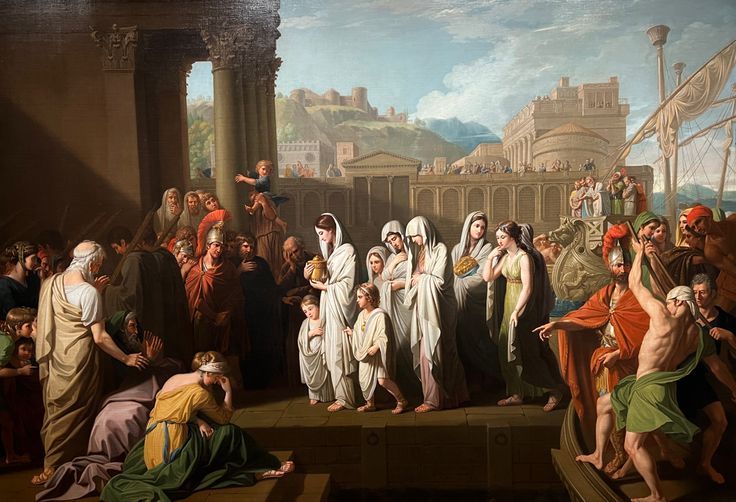
Her treatment there was vicious. According to Suetonius, a centurion struck her so badly that she lost an eye.
Agrippina died in 33 CE after refusing food.
Tiberius could call it suicide if he liked. But what exactly did he expect to happen? He had isolated her on a barren island, placed her under guard, subjected her to physical abuse, and already destroyed two of her sons.
Whether she was deliberately starved or simply stopped eating hardly changes the larger picture. Tiberius didn’t need an executioner. He had Pandateria.
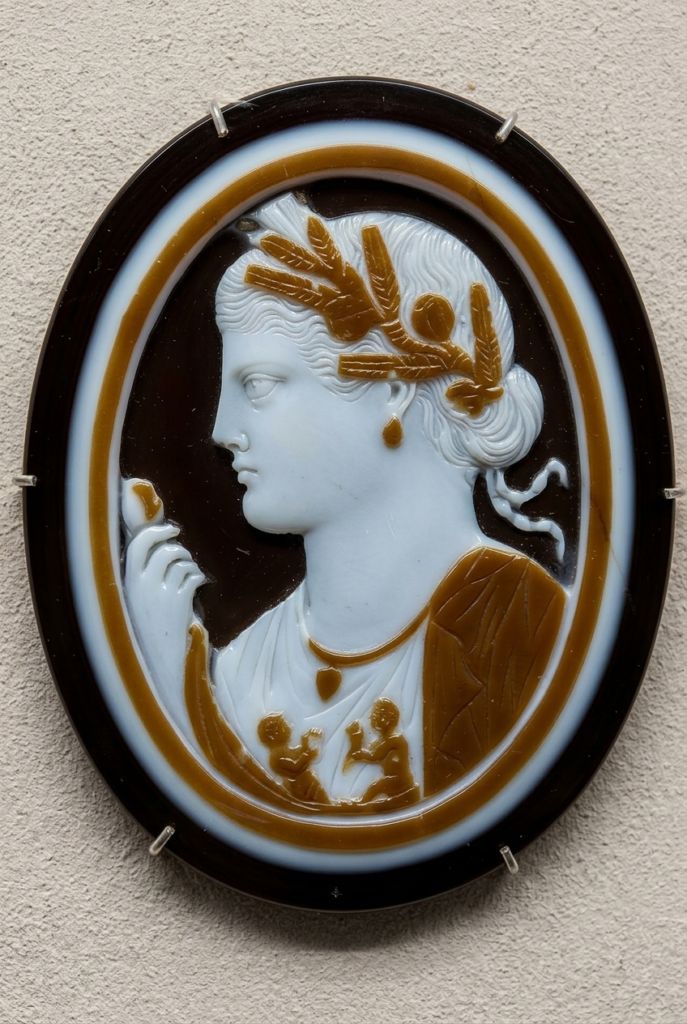
Caligula Eliminates Tiberius Gemellus, 37 CE
Tiberius Gemellus had one fatal problem: his grandfather Tiberius had named him joint heir with Caligula.
Caligula immediately had the will overturned and took the throne for himself. Then, in a nice little show of family harmony, he adopted the teenage Gemellus and named him “Prince of the Youth.”
It didn’t last. Of course it didn’t. Within months, Caligula had him killed.
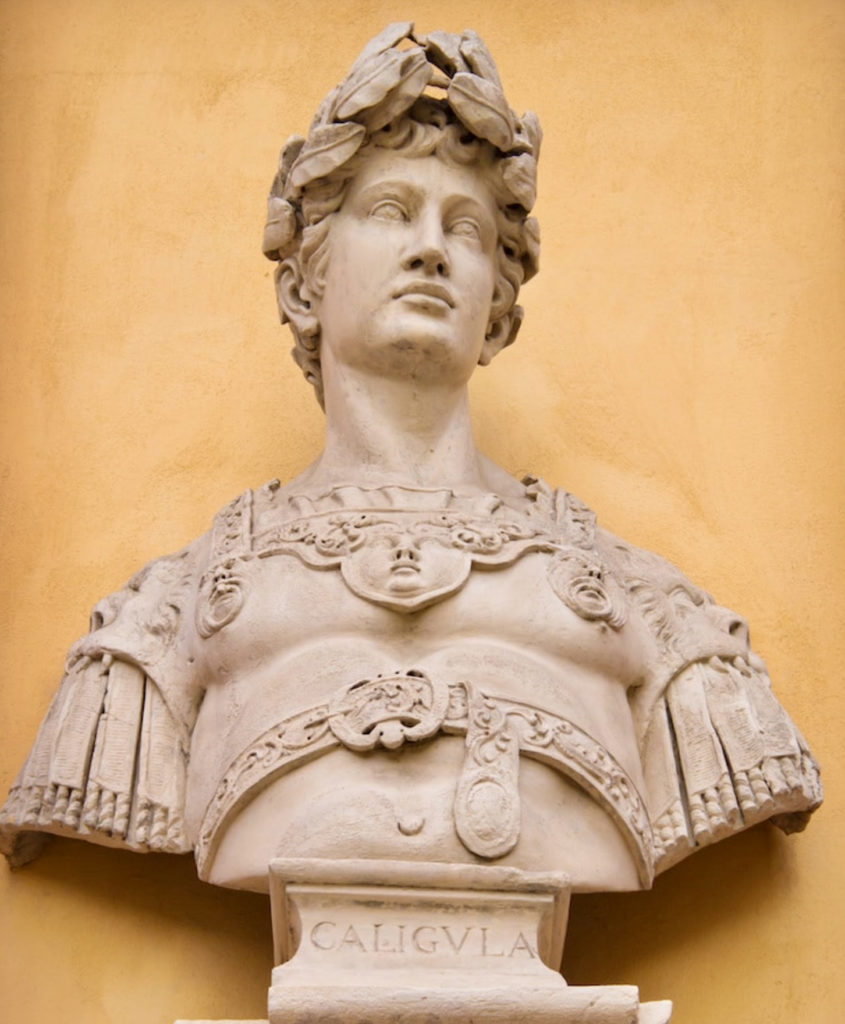
The official excuse was almost absurd. Gemellus had supposedly been taking an antidote because he feared Caligula would poison him. Suetonius says he was actually taking medicine for a chronic cough.
The real problem was obvious. Gemellus was Tiberius’ grandson, a named heir, and a perfectly legitimate alternative to Caligula.
For a new emperor trying to secure the throne, that made him expendable.
Caligula didn’t kill Gemellus because of cough medicine. He killed him because he was an heir.
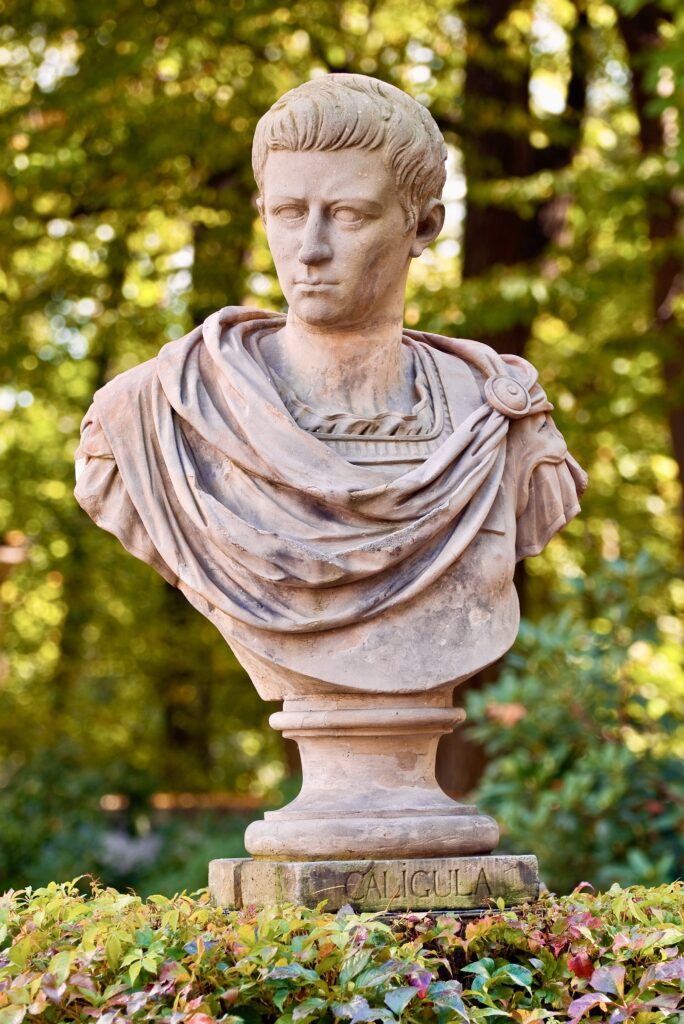
Caligula: Murdered by His Own Guards, 41 CE
As emperor, Caligula spent years humiliating, terrorizing, and killing the people around him. Eventually, some decided they’d had enough.
A conspiracy formed around members of the Praetorian Guard, led by Cassius Chaerea. On January 24, 41 CE, the conspirators ambushed Caligula in a passage beneath the imperial palace and stabbed the emperor to death.
They then murdered his wife Caesonia and young daughter Julia Drusilla, suggesting this was meant to wipe out Caligula’s immediate family, not just remove one emperor.
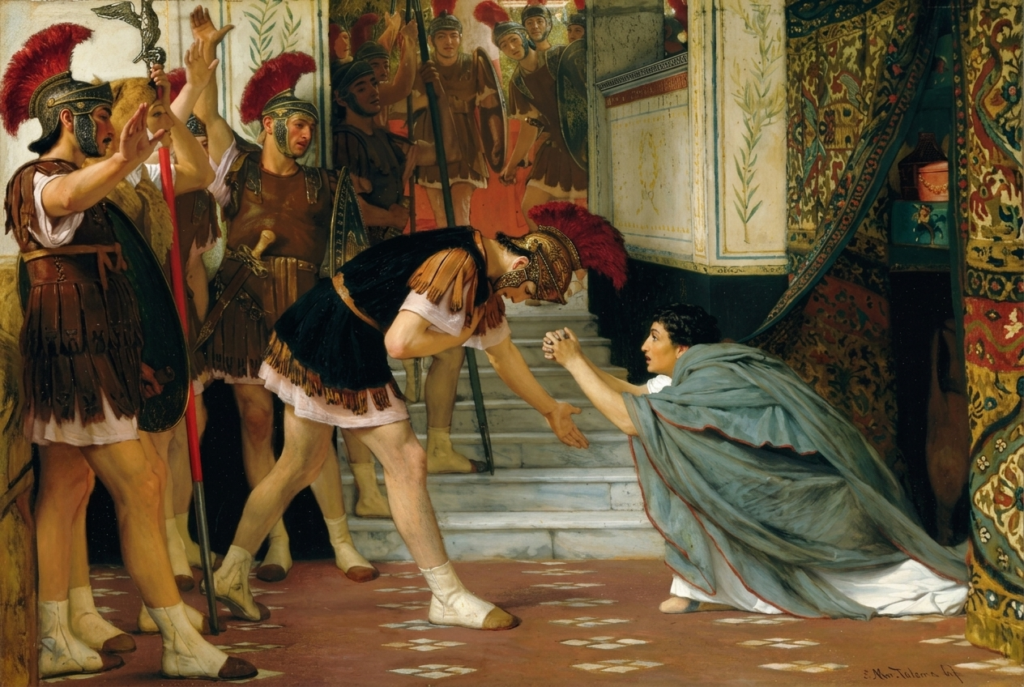
Then came the succession mess. The conspirators had no clear replacement. The Senate briefly talked about restoring the Republic while the Praetorians found Claudius in the palace and hauled him off to their camp.
The traditional story portrays Claudius as terrified and unwilling. I’m skeptical. Within hours, he had the Praetorians behind him and promised each man 15,000 sesterces.
Was Claudius part of the murder plot? There’s not enough evidence to convict him, and no ancient source names him as a conspirator.
But I don’t buy the helpless-simpleton routine either. At a minimum, Claudius was very quick to turn Caligula’s assassination into a military-backed accession. Voilà. A coup.
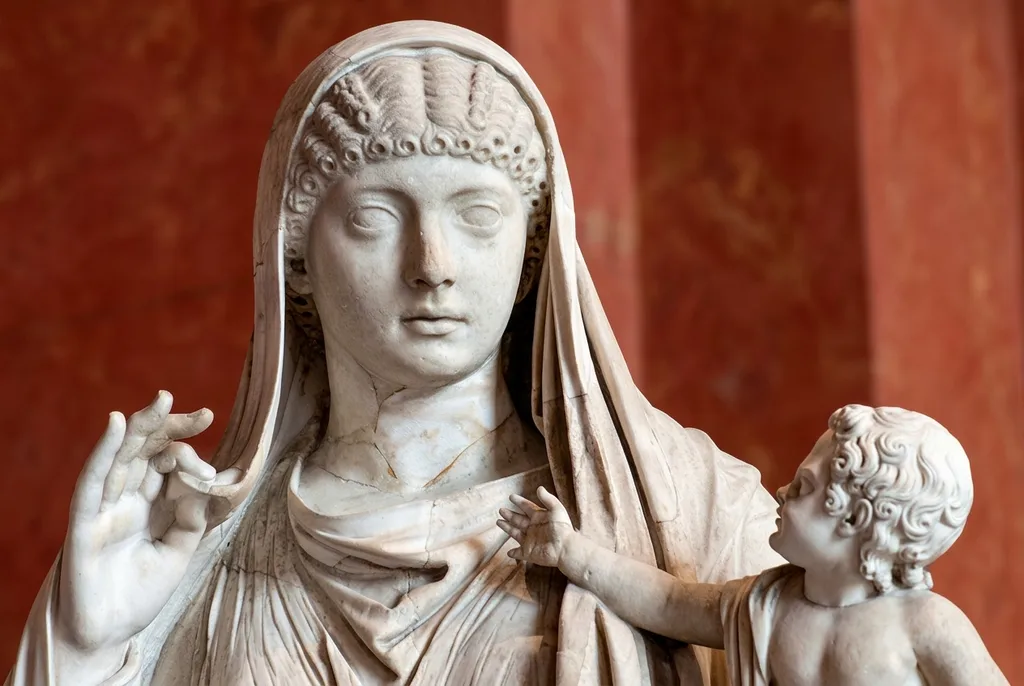
Messalina: The Empress Who Overplayed Her Hand, 48 CE
Messalina was one of Rome’s great scandal queens. Ancient writers accused Claudius’ young wife of adultery, political scheming, brothel visits, and even a marathon sex contest.
Much of that is probably salacious nonsense. What mattered much more was what she did in 48 CE.
While Claudius was away from Rome, Messalina went through a mock marriage ceremony with Gaius Silius, a prominent senator and consul-designate.

That looked less like adultery than a challenge to the regime.
Messalina was the empress. Silius had status and political connections. Together, they could form an alternative imperial household and potentially replace Claudius.
At that point, leaving Messalina alive was dangerous. Silius was executed. Messalina followed.
Her lurid sexual reputation may have been wildly exaggerated. But Claudius didn’t kill her because she embarrassed him. He killed her because she’d made herself a political threat.
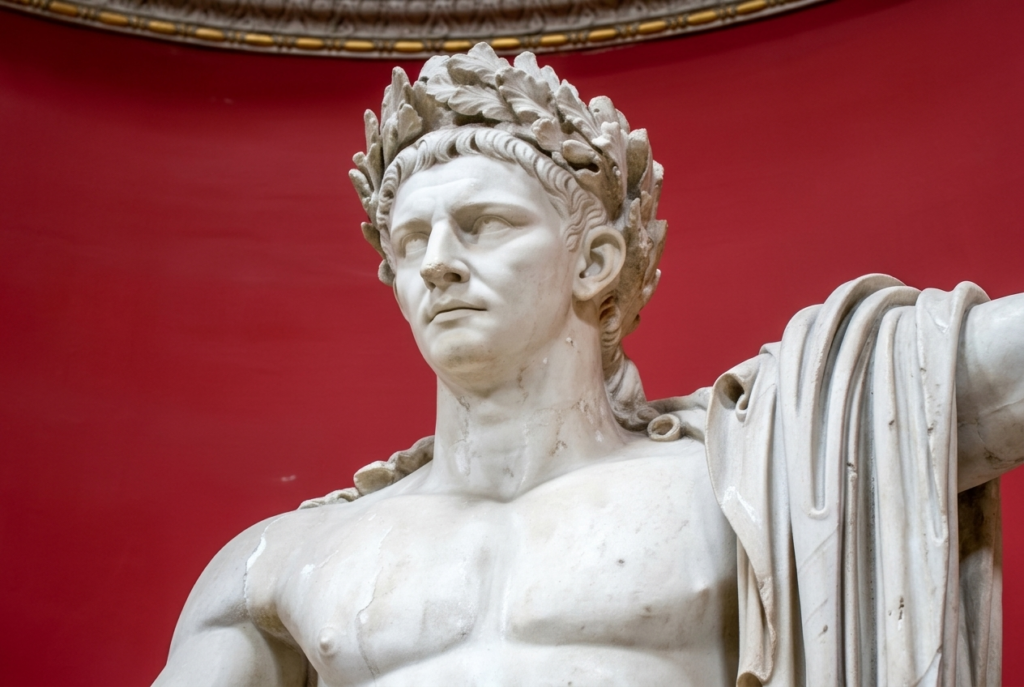
Claudius: Death by Mushroom? 54 CE
By the end of Claudius’ reign, Agrippina the Younger, his fourth wife, had a problem.
She’d spent years pushing her son Nero ahead of Britannicus, Claudius’ biological son. But Britannicus was getting older, and ancient sources suggest Claudius was showing him renewed favor. If the emperor changed his mind about the succession, Nero’s position could collapse.
Then, Claudius suddenly died. Ancient writers blamed poison, with Agrippina at the center of the plot.
The most famous story has her serving Claudius poisoned mushrooms. When that apparently failed to finish him, his doctor supposedly used a poisoned feather which induced vomiting.

The details may have grown in the telling. The motive did not.
Claudius’ death removed the one man who could still change the succession. Nero was proclaimed emperor immediately, while Britannicus was pushed aside.
Agrippina had the motive, access, and political machinery to make it happen. Nero had everything to gain and may well have known what was coming and joined in, even if we can’t prove he helped plan it.
If Claudius was murdered, this wasn’t some random palace poisoning. It was a succession hit, and it put Nero on the throne.
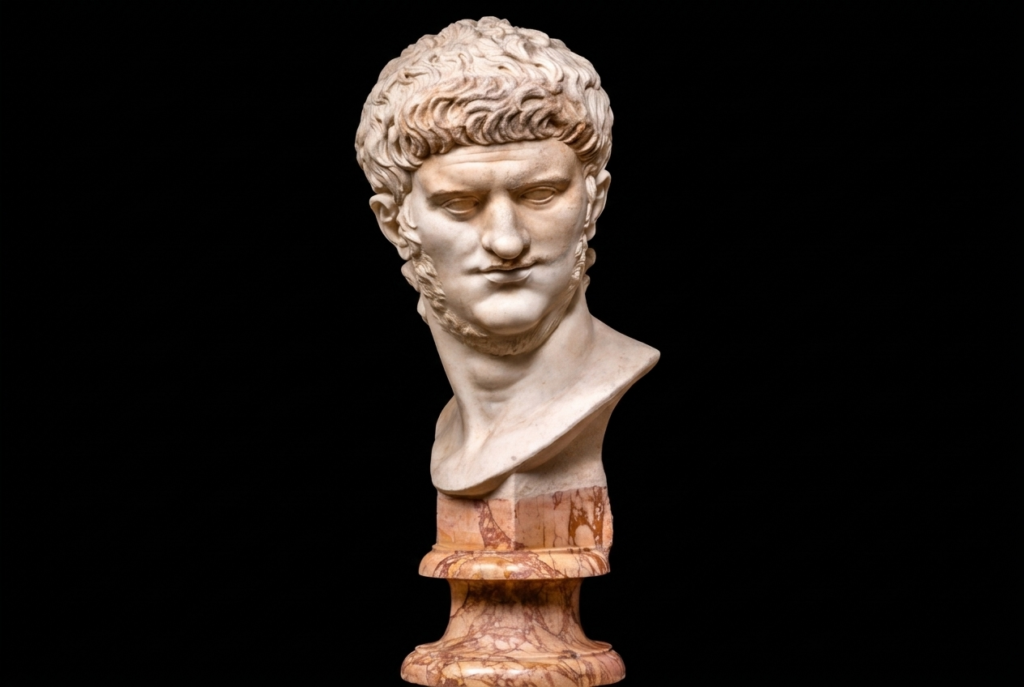
Nero Poisons Britannicus, 55 CE
Once Claudius was out of the way, Nero was on the throne. But Britannicus remained. He was Nero’s most obvious dynastic rival, with a better blood claim and a name people could rally around.
That made him dangerous. Then, at a palace dinner, he suddenly collapsed and died.
Tacitus says Nero had poisoned water added to Britannicus’ drink after it had already passed the food taster. As the boy convulsed, Nero calmly told the horrified guests that Britannicus was merely suffering an epileptic seizure.
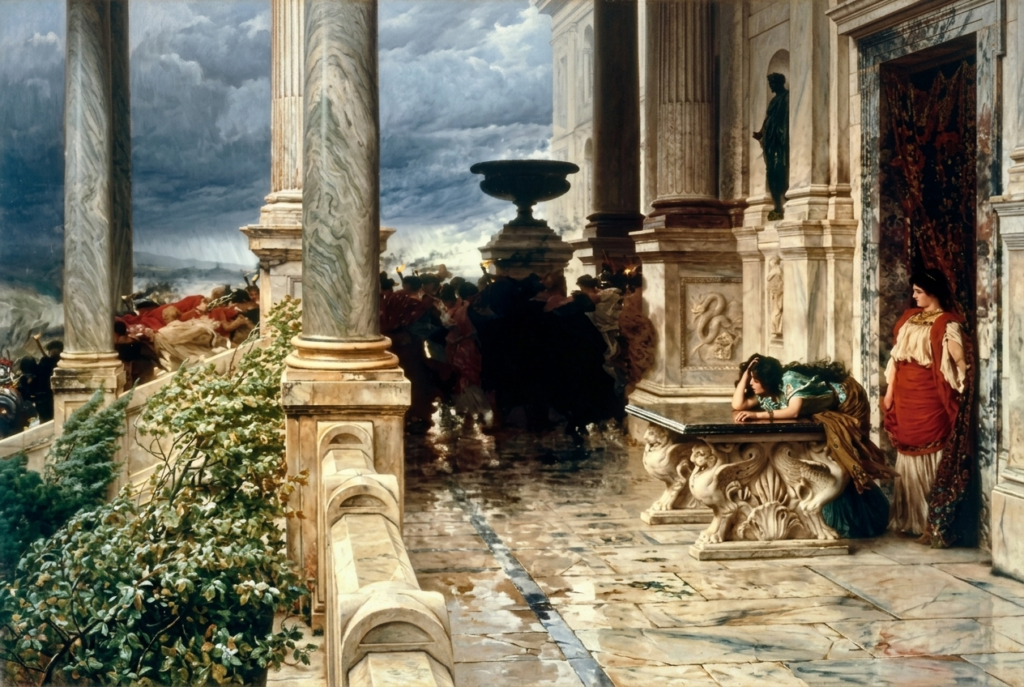
Yet, he was dead within minutes. His funeral was rushed through that same night, with the funeral pyre already prepared and waiting. Tacitus, Suetonius, and Cassius Dio unanimously blamed poison.
Could Britannicus have died naturally? In theory. But that rather strains credulity given the facts.
Nero had the motive, the opportunity, access to poison, and an enormously convenient corpse on his hands. Britannicus was not just a sick teenager who happened to die at dinner. He was the one rival Nero most needed gone.
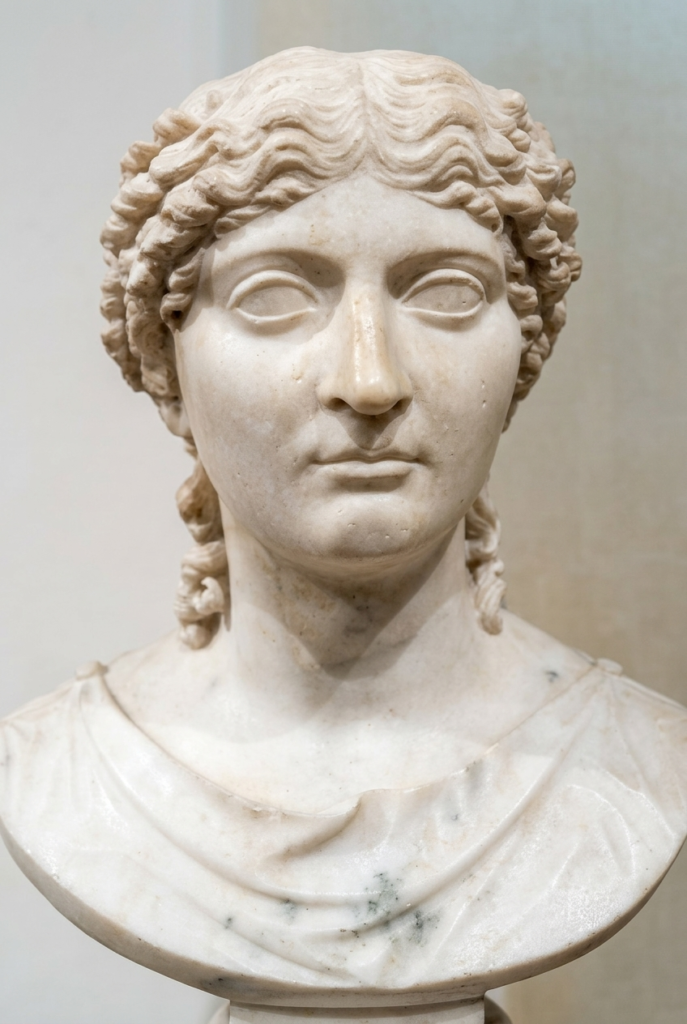
Nero Murders Agrippina, 59 CE
Not content with knocking off Brittanicus, Nero turned his venom on his mother. Agrippina the Younger had spent years engineering Nero’s rise under Claudius.
Then Nero decided he no longer needed managing. Their relationship deteriorated as Agrippina tried to hold onto power and Nero pushed her aside. He stripped her of honors and guards, forced her out of the imperial palace, and eventually decided she had to go.
His first murder attempt was almost comically inept. Nero invited Agrippina to Baiae under the guise of reconciliation and sent her home on a specially rigged boat designed to collapse and sink.
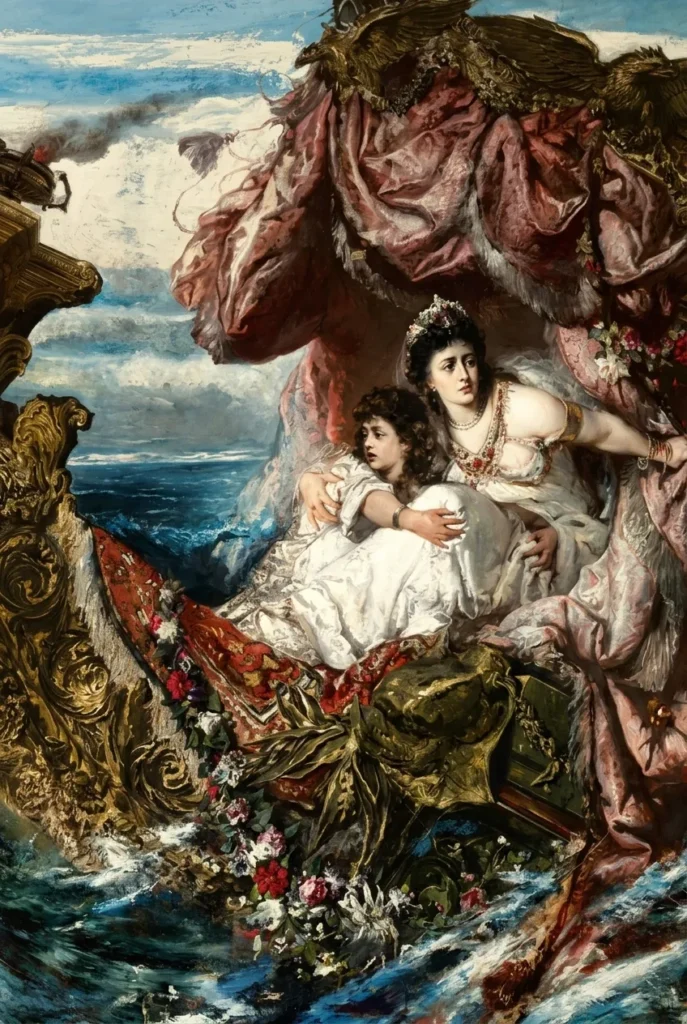
It did. But Agrippina survived.
Once he learned she was still alive, subtlety went out the window. Nero sent armed men to her villa to kill her. He then claimed she’d been plotting against him, a story that convinced no one.
Agrippina was denied a state funeral and buried in an unmarked grave. The irony is hard to miss.
She had spent much of her life fighting, scheming, and surviving to make Nero emperor. In the end, her greatest political achievement killed her.

Nero Gets Rid of Octavia, 62 CE
And then there was the matter of Nero’s wife. His marriage to Octavia, the daughter of Claudius and Messalina, had been dynastic rather than romantic.
By 62 CE, Nero wanted out. More specifically, he wanted Poppaea Sabina, who was the wife of his friend Otho.
He divorced Octavia on the convenient ground of infertility and sent her away. That should have solved the problem. Instead, Rome erupted.
Octavia was popular, dignified, and widely regarded as the innocent victim of a rotten husband. Crowds protested her exile, decorated her statues with flowers, and reportedly tore down images of Poppaea.
Nero tried another tact. He accused her of adultery with Anicetus, the same naval commander who helped Nero murder Agrippina. Octavia was exiled to the island of Pandateria. Within days, she was sentenced to death.
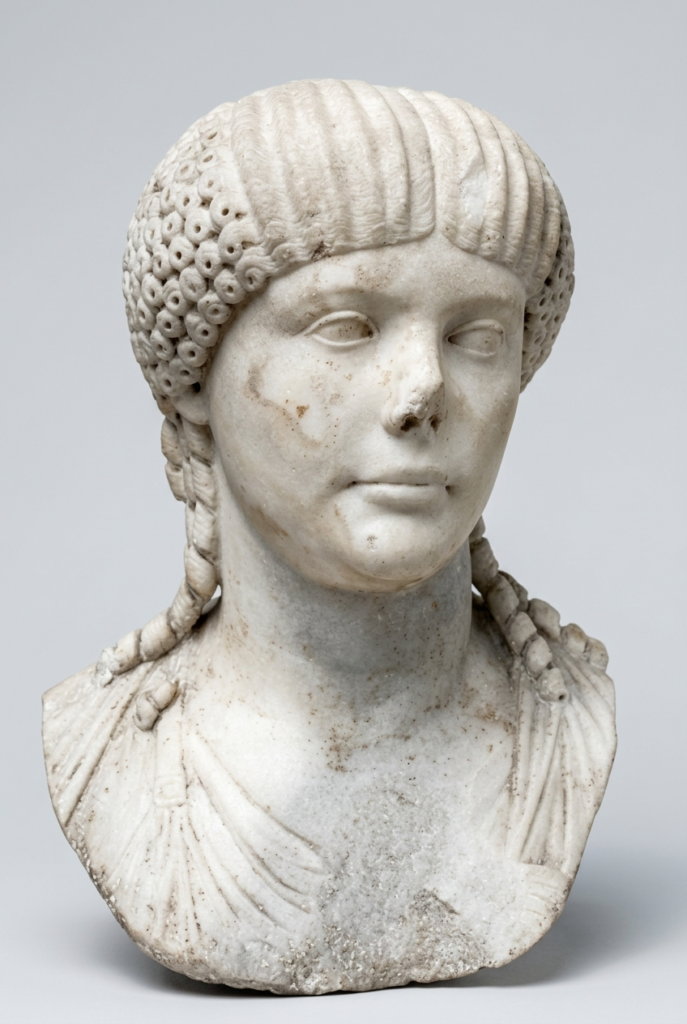

According to Tacitus, her veins were opened. When terror slowed the bleeding, she was placed in an intensely hot bath until she died. Her head was then cut off and sent back to Rome for Poppaea to see.
That was the real scandal. Nero didn’t merely discard an inconvenient wife. He manufactured a sex crime against a popular Julio-Claudian princess because the Roman public had the nerve to object to the divorce.
I hope you’ve enjoyed my guide to the murders of the Julio-Claudian dynasty. You may enjoy these other Roman histories:
- History of the Rise and Fall of Rome
- History of the Roman Emperors
- Historical Facts about Rome
- Powerful Julio-Claudian Women
- History of Julius Caesar
- History of Augustus
- History of Hadrian
Pin it for later.

