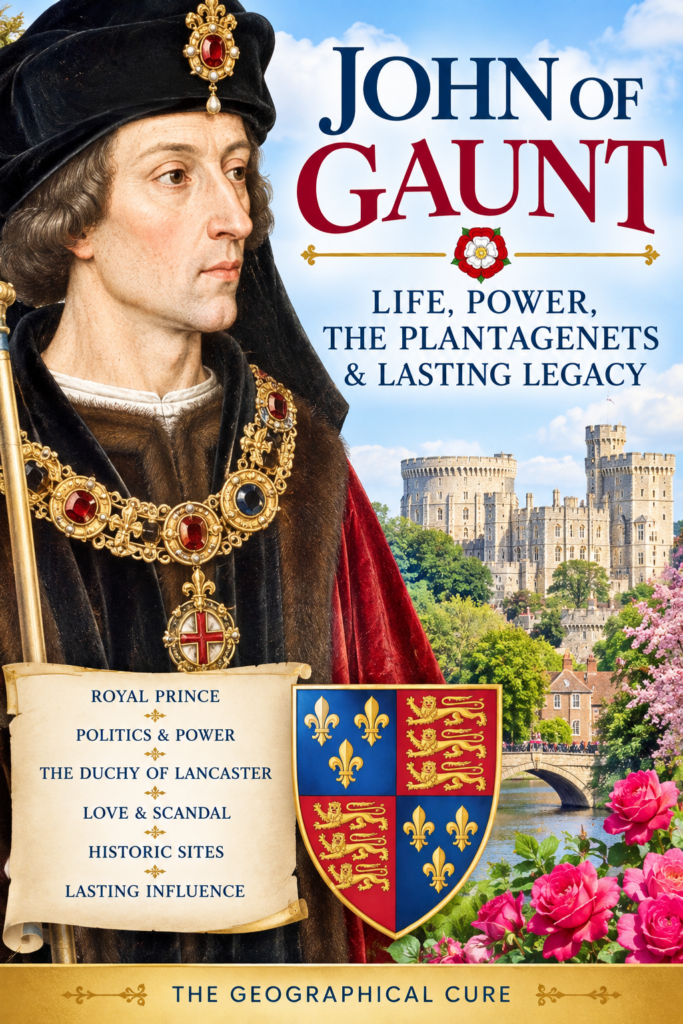
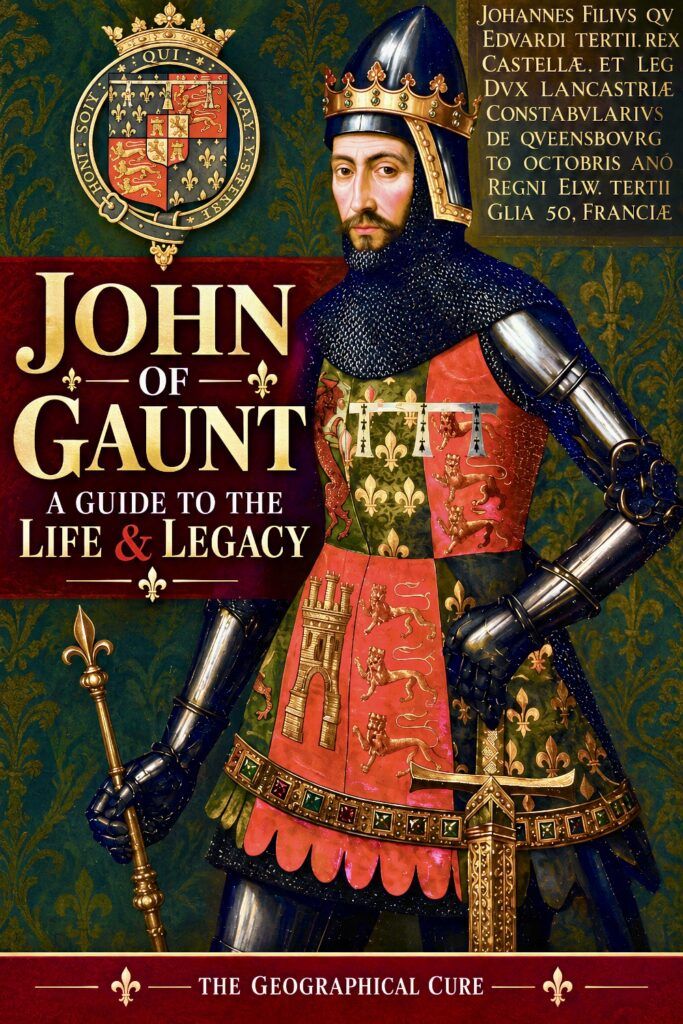
War, plague, scandal revolt: by necessity, John of Gaunt became a pillar of England’s royal government, and Shakespeare later immortalized him.
John of Gaunt was one of the towering figures of medieval England. Yet today, many people know him chiefly because of the magnificent speech Shakespeare gave him in Richard II.
“This royal throne, this sceptered isle, this earth of majesty, this seat of Mars, this other Eden, demi-paradise.” You know the ditty.
So who was the man Shakespeare turned into one of England’s great patriotic voices?
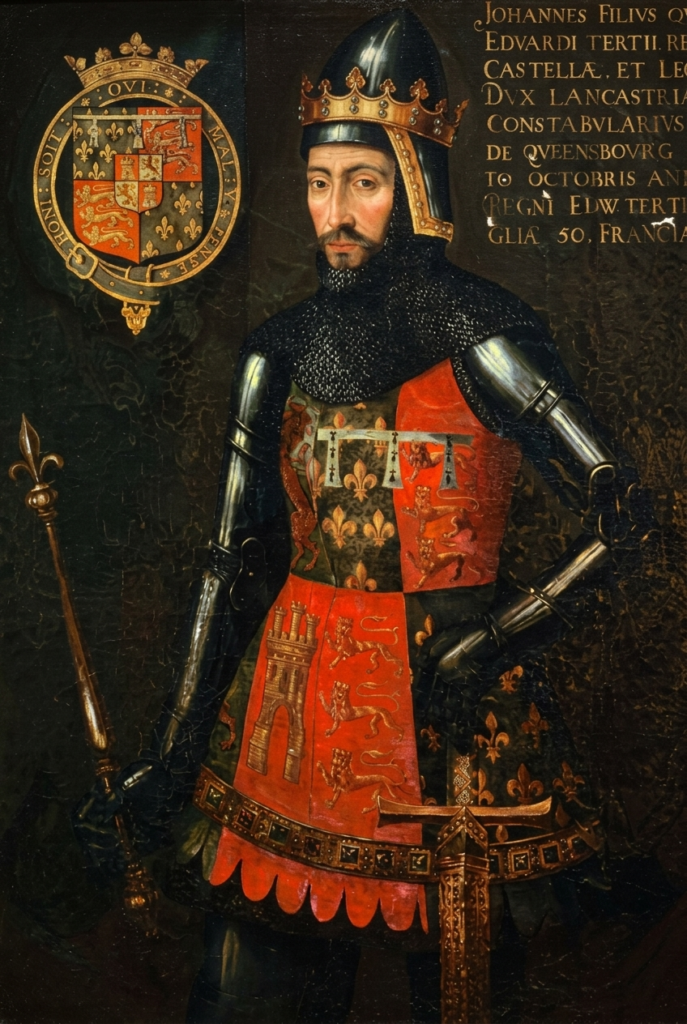
John was the third surviving son of Edward III and one of the richest and most powerful nobles in Europe. He fought in the Hundred Years’ War, pursued a claim to the throne of Castile, and became a dominant political figure during the reign of his young nephew Richard II.
But he was hardly universally beloved. His wealth and influence made him a lightning rod for resentment. During the Peasants’ Revolt of 1381, rebels burned his magnificent Savoy Palace in London to the ground.
His greatest legacy, though, was dynastic.
His son Henry Bolingbroke deposed Richard II and became Henry IV, founding the Lancastrian royal line. Through his children with Katherine Swynford, John also became an ancestor of Margaret Beaufort and her son Henry VII, the first Tudor king.
In that sense, John of Gaunt sits directly on the road from the Plantagenets to the Tudors. Without him, it wouldn’t exist.
Biography of John of Gaunt
Early Life
John was born in Ghent Flanders, in March 1340, while his father Edward III was campaigning in the Low Countries during the opening phase of the Hundred Years’ War. His nickname “Gaunt” derives from the English form of Ghent.
He was the fourth son of Edward III and Philippa of Hainault, and the third son to survive infancy. Although he was nowhere near the throne at birth, Edward III began providing for him almost immediately. In 1342, at age 2, he was created Earl of Richmond and granted lands.
John grew up in a royal family steeped in warfare. His elder brother Edward, the Black Prince, was already becoming one of the great military celebrities of the age, and John was introduced to military life remarkably young.
As a boy, he was reportedly present with his father during the naval Battle of Winchelsea against a Castilian fleet in 1350.
Early Career: Marriages & Wealth
First Marriage
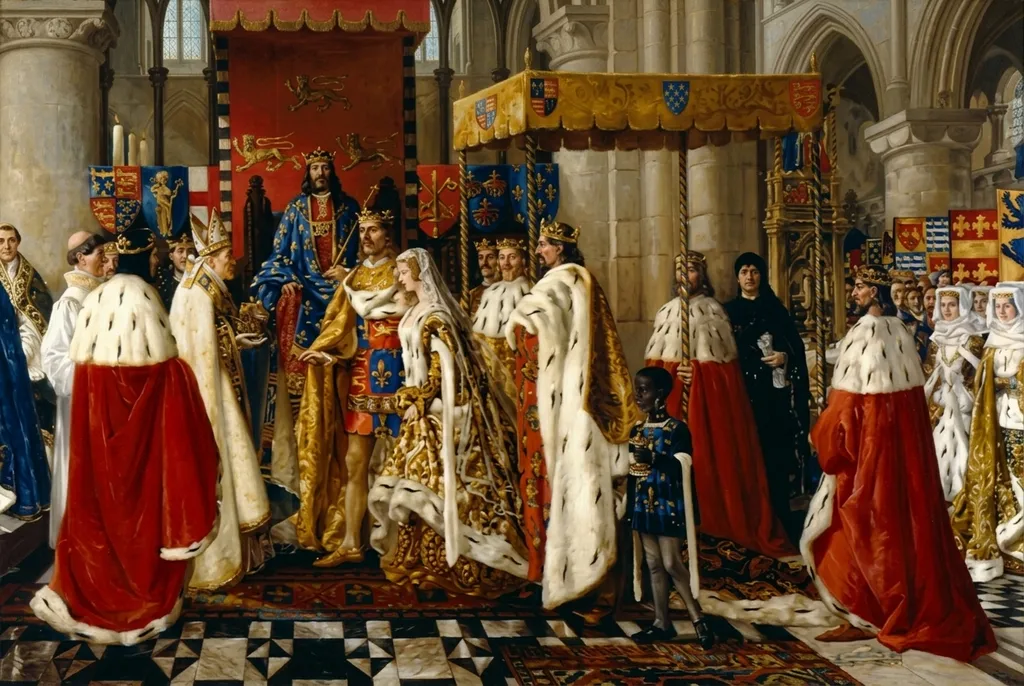
In 1359, John married Blanche of Lancaster, heiress to one of the richest noble families in England. The marriage transformed his position almost overnight.
When Blanche’s father died in 1361, the vast Lancastrian inheritance passed through her.
In 1362, John became Duke of Lancaster and gained an enormous network of estates, castles, and revenues. Kenilworth, Dunstanburgh, Bolingbroke, and other major properties became part of his landed empire.
But John was not simply a fabulously wealthy aristocrat. He was also a gifted soldier.

War Years
John fought in the Hundred Years’ War and campaigned with his brother, Edward the Black Prince. In 1367, he took part in the Castilian campaign that culminated in the Battle of Nájera.
His early career was marked by immense confidence, and sometimes arrogance. With royal blood, money, military experience, and political connections, John had little reason to think small.
Then his personal life changed abruptly.
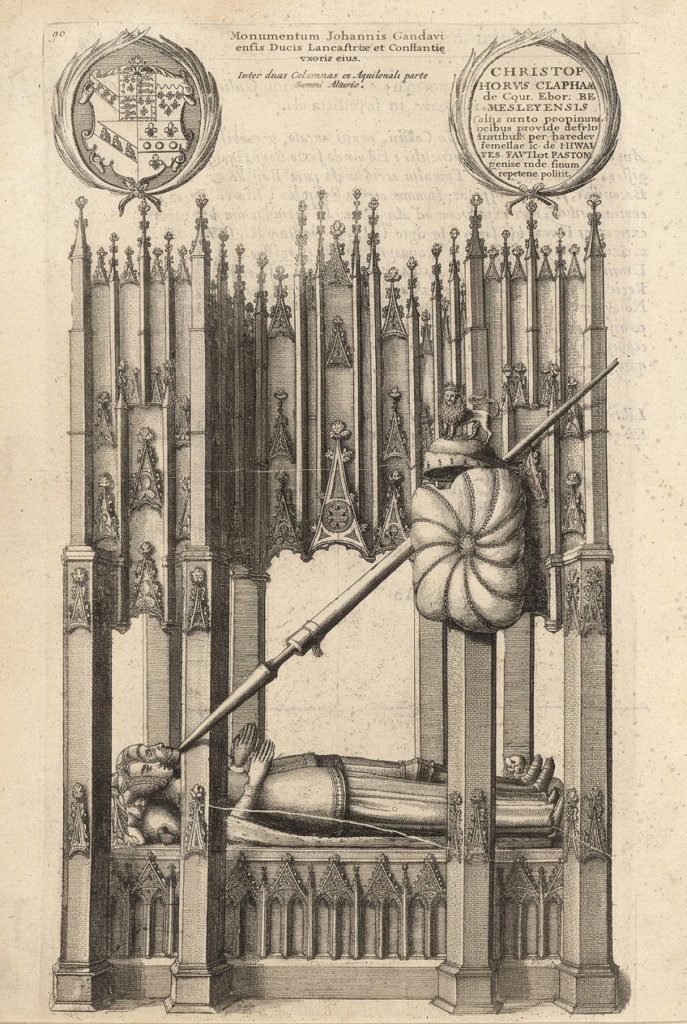
Blanche died in 1368, still only in her twenties. The exact cause is uncertain, though bubonic plague is suggested.
John commemorated her death annually for the rest of his life and eventually chose to be buried beside her.
She left behind three surviving children, including Henry Bolingbroke, the future Henry IV.
Second Marriage
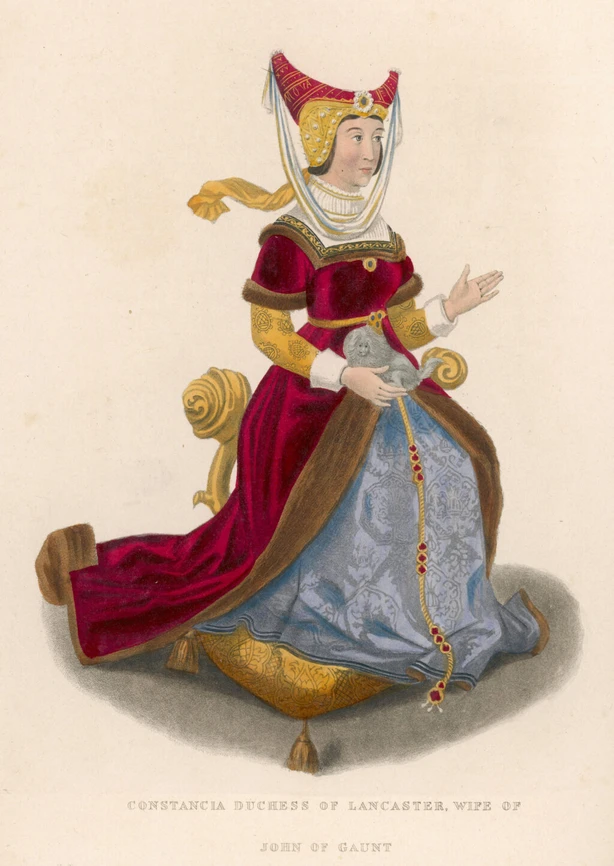
In 1371, the ambitious widower married Constance of Castile, daughter of the murdered King Pedro I of Castile and León. The marriage was strategic, but not affectionate.
Through her, John acquired something even the Lancastrian fortune could not give him: a claim to a crown.
He began styling himself King of Castile and León and even rebuilt parts of Kenilworth on a scale intended to reflect his quasi-royal status.
Middle Career: War, Revolt, and Richard II
During the 1370s, John became increasingly important in war, government … and scandal.
Scandal
He also began a long relationship with Katherine Swynford, a lady-in-waiting in the Lancastrian household. She was far below him in rank.
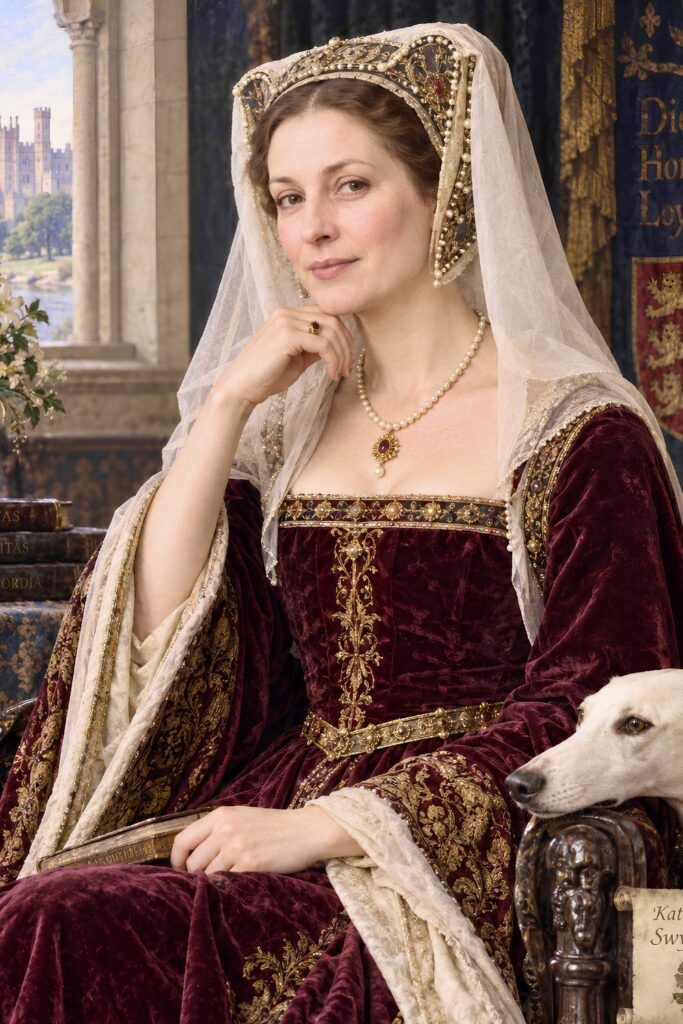
Their affair caused a sensation.
John was one of the richest and most powerful princes in Europe. Katherine was the daughter of a relatively minor knight. Their relationship was discussed at court and attacked by hostile chroniclers.
John carried on anyway. By this point, he had little interest in living quietly or according to other people’s expectations.
His ambitions were just as large on the battlefield.
In 1373, John led a massive chevauchée across France from Calais toward Bordeaux. The army covered an extraordinary distance, but the campaign came at a terrible cost. Hunger, disease, and exhaustion devastated his forces.
At home, his political influence grew. Edward III was aging. The Black Prince was gravely ill. John increasingly became one of the most powerful men around the crown.

Richard II Takes the Throne
When Edward III died in 1377, the throne passed to John’s 10 year old nephew, Richard II.
John was Richard’s eldest surviving uncle and played a major role in government during the king’s minority. But he was never made sole regent. Instead, England was governed through a series of councils.
The arrangement left John in an awkward position. He possessed immense wealth, royal blood, and experience, but no formal control over the young king.
And many Londoners deeply distrusted him. His unpopularity was real.
John became associated with heavy taxation, expensive wars, court intrigue, and staggering personal wealth. He could appear arrogant and remote at precisely the moment the country was becoming increasingly angry.
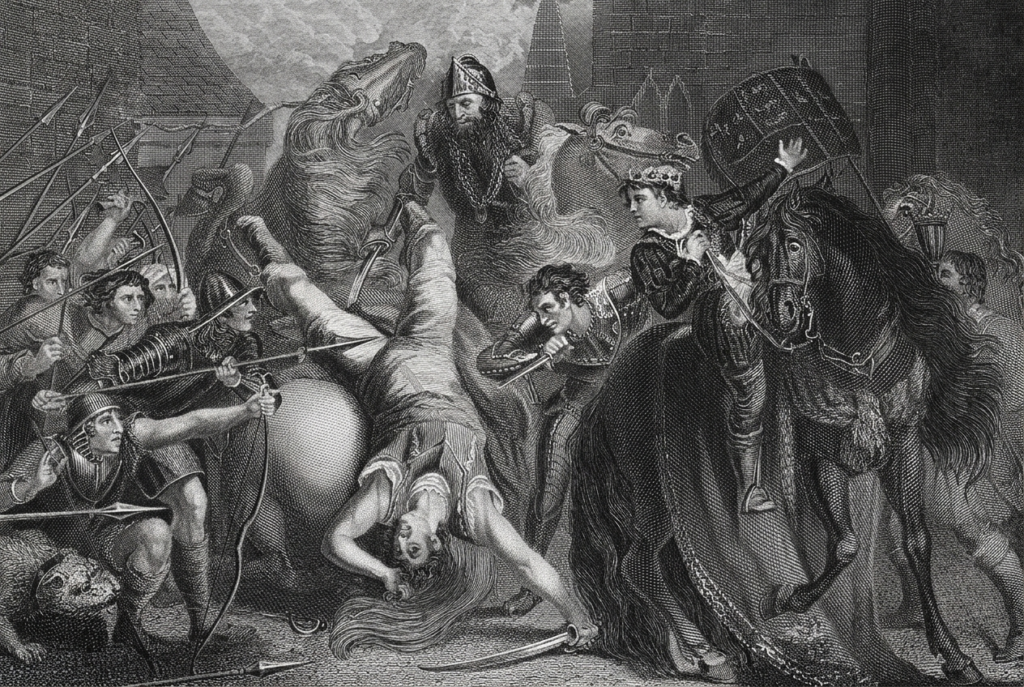
His reputation was not helped by stories such as his reported refusal to garrison Pevensey Castle against a possible French attack because, supposedly, he could simply afford to rebuild it.
Peasant’s Revolt
Then came the Peasants’ Revolt of 1381. John happened to be away in the north, but the rebels knew exactly whom they blamed.
They attacked his officials and property. At Pevensey, they broke into the castle, burned court records, and assaulted his steward.
In London, they destroyed his magnificent Savoy Palace. It was an extraordinary humiliation for one of England’s most powerful men.
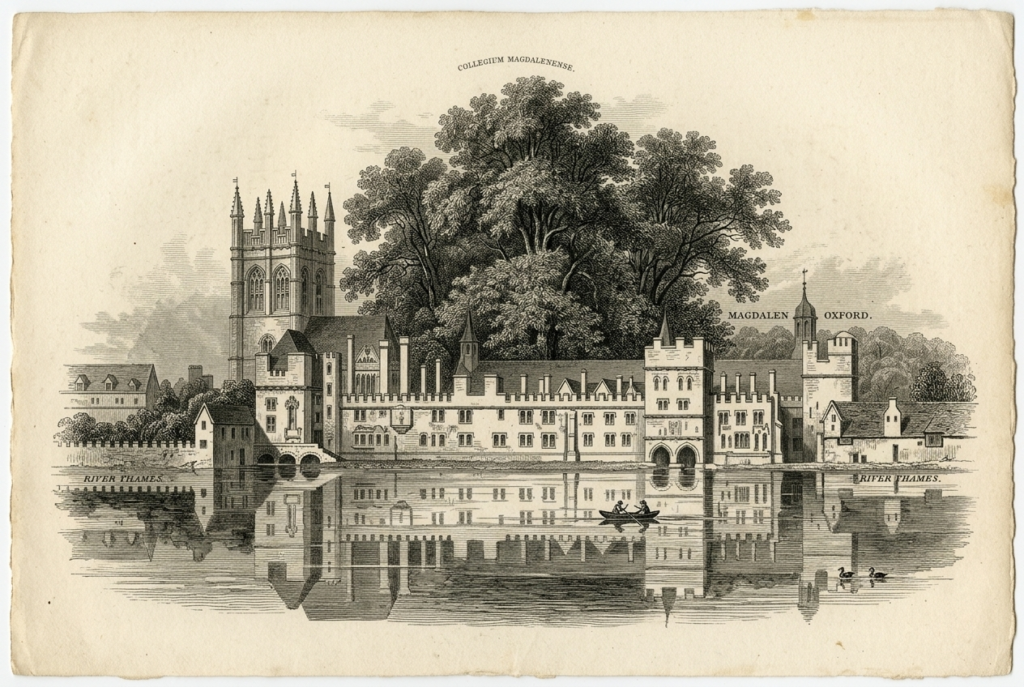
The experience seems to have made an impression. John subsequently strengthened the defenses of several of his castles, including Dunstanburgh.
Yet his political career survived.
Despite his ambition and sometimes haughty manner, John never seriously attempted to seize the English throne. He remained loyal to both Edward III and Richard II. That loyalty became increasingly important as Richard grew older.
The young king wanted to rule independently and resented interference from powerful nobles. John often found himself trying to do two things at once: defend royal authority while restraining Richard’s more reckless impulses.
He became, in effect, a mediator between the king and the aristocracy.
Battle for Castile
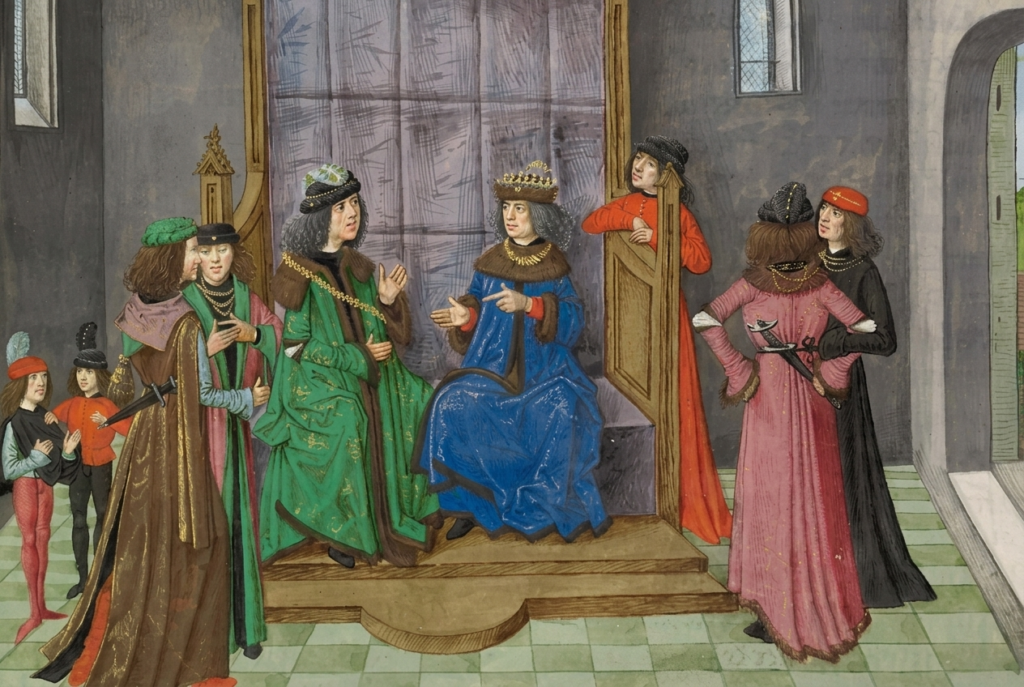
His ambitions abroad, however, were far from finished. In 1386, John finally launched a major expedition to press his claim to the throne of Castile. It didn’t go as planned.
Disease, logistical problems, and political resistance crippled the campaign. By 1388, John abandoned his claim in exchange for a negotiated settlement.
Even failure produced a remarkable dynastic payoff.
His daughter Catherine, by Constance of Castile, married the future Henry III of Castile. His daughter Philippa, by Blanche of Lancaster, became Queen of Portugal.
John never won the Castilian crown for himself. But his daughters ended up wearing crowns of their own.
Late Career: Katherine Swynford and Legacy
By the late 1380s, John was no longer simply the swaggering prince of his early career.
He had become one of England’s most experienced political figures. His wealth and ambition had once made him deeply resented. But with age, he increasingly served as a stabilizing force during the troubled reign of Richard II.
Third Marriage to Katherine
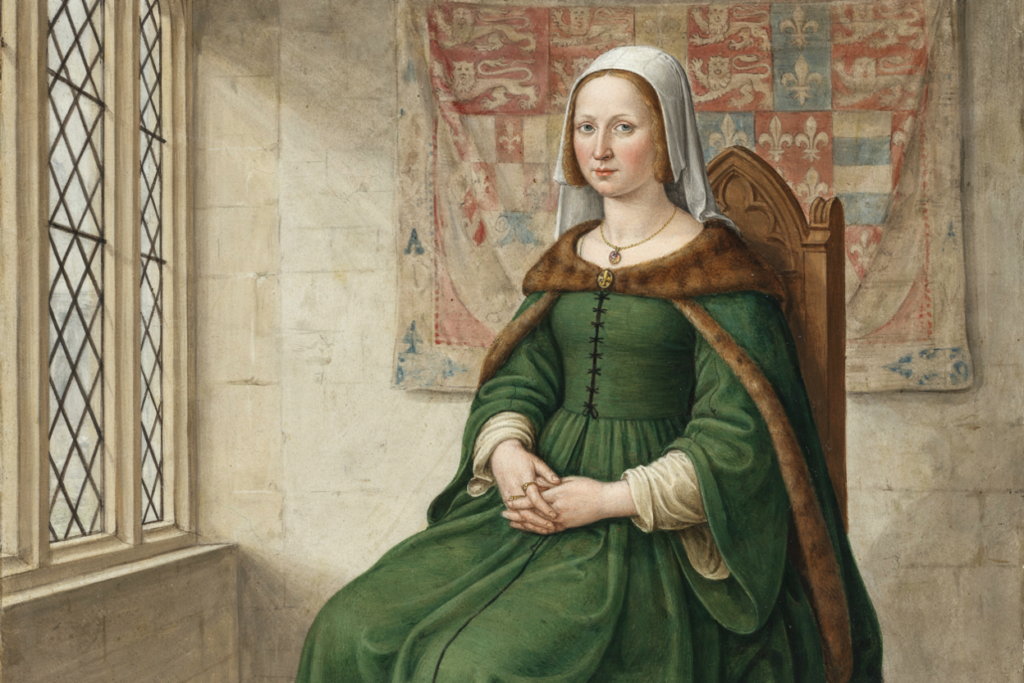
Having twice married for political advantage, John’s third marriage was for love.
In 1396, he married Katherine Swynford, his mistress and companion of some 25 years. The mistress became Duchess of Lancaster.
The match shocked some contemporaries because Katherine was far below him in rank. Chroniclers reacted with predictable scorn.
But the relationship had already survived decades of separation, scandal, and political upheaval.
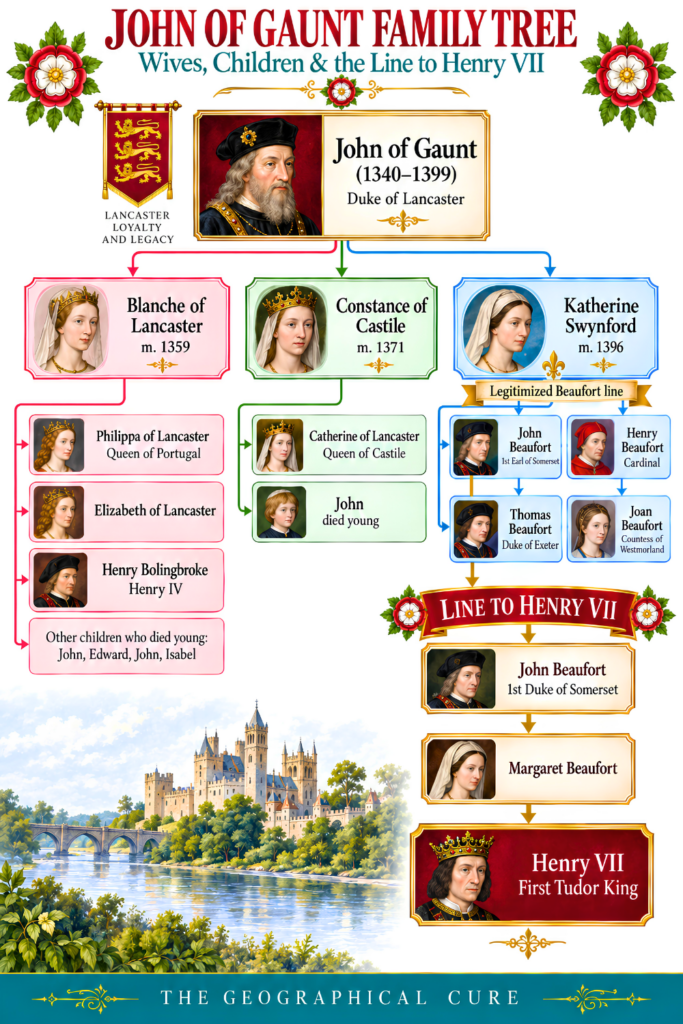
John and Katherine had four children together: John, Henry, Thomas, and Joan Beaufort. They had been born outside marriage. But after John and Katherine wed, the children were legitimized by the pope and by Richard II.
Beaufort Dynasty
The Beauforts soon became one of the most important families in England.
Their eldest son, John Beaufort, became Earl of Somerset. Henry Beaufort became Bishop of Winchester and eventually a cardinal.
Thomas Beaufort became Duke of Exeter. Their daughter Joan married Ralph Neville and became the ancestor of several major figures in the Wars of the Roses.
The Beaufort connection would ultimately prove crucial to the Tudor dynasty.
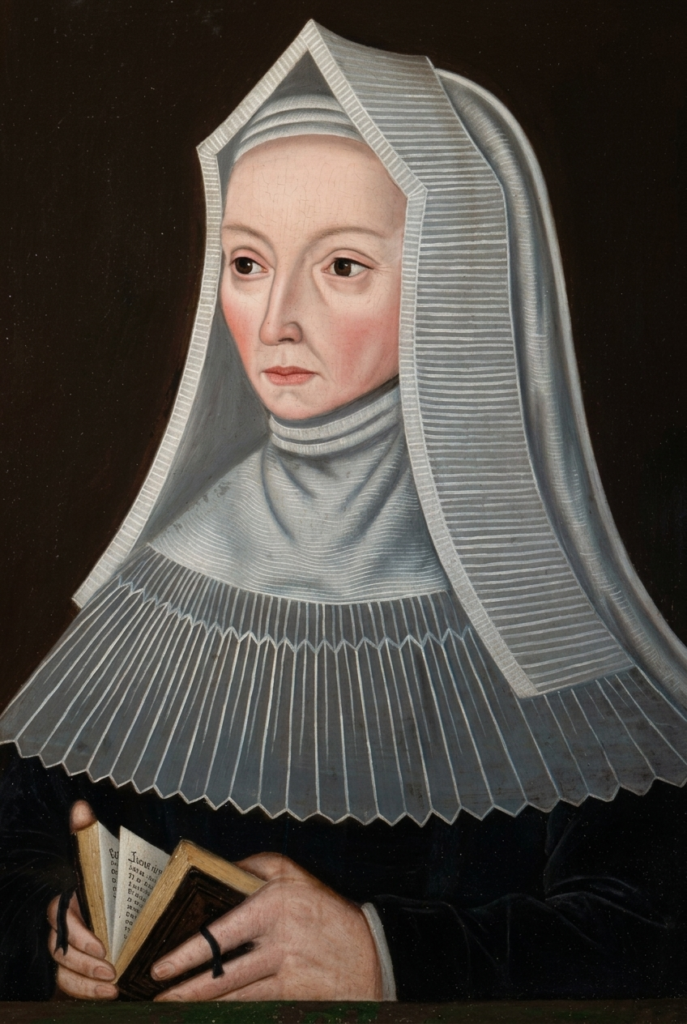
John Beaufort’s grandson, another John Beaufort, was the father of Margaret Beaufort. Margaret’s only son was Henry Tudor, the future Henry VII. His hereditary claim to the English throne was tenuous, but it came through this legitimized Beaufort line.
Final Years
John’s health deteriorated during his final years. He spent considerable time at his Lancastrian strongholds, including Kenilworth and Leicester. Leicester Castle had long been an important Lancastrian residence and remained closely associated with the duke.
John died there on February 3, 1399. He was given an elaborate funeral and buried beside Blanche of Lancaster in Old St. Paul’s Cathedral in London.
His death had immediate political consequences.
Later that same year, Richard II confiscated the Lancastrian inheritance rather than allowing John’s exiled son, Henry Bolingbroke, to inherit it. It was a spectacular miscalculation.
Henry returned from exile to England, initially claiming that he wanted only his estates restored. Instead, he deposed Richard.

Henry IV Is Crowned
Bolingbroke became Henry IV, the first Lancastrian king. His claim was controversial.
Other descendants of Edward III, particularly those descended from Lionel of Antwerp, could advance stronger hereditary claims under strict primogeniture. But Henry had military support, political momentum, and possession of the throne.
Kenilworth consequently became a royal residence, although John had already transformed it into something very close to one.
John of Gaunt never became a king of England. Yet his descendants did. His son founded the Lancastrian royal dynasty, and his Beaufort descendants eventually produced Henry VII and the Tudors.

For a younger son who was never expected to inherit the crown, John of Gaunt left an extraordinary mark on the future of the English monarchy.
I hope you’ve enjoyed my biography of John of Gaunt. You may enjoy these other English histories:
- Royal Whodunits
- English myths
- History of Medieval and Tudor England
- Tudor queens of England
- Power Women of Medieval & Tudor England
- Historical Mistresses and Favorites
- Wives of Henry VIII
- Worst kings of England
- Anglo-Saxon kings of England
Pin it for later.