
This is like having fun with tamed lions … Often he roars in rage for no known reason, and suddenly the fun becomes fatal.” — Thomas More, To a Courtier, Latin Poems, No. 162
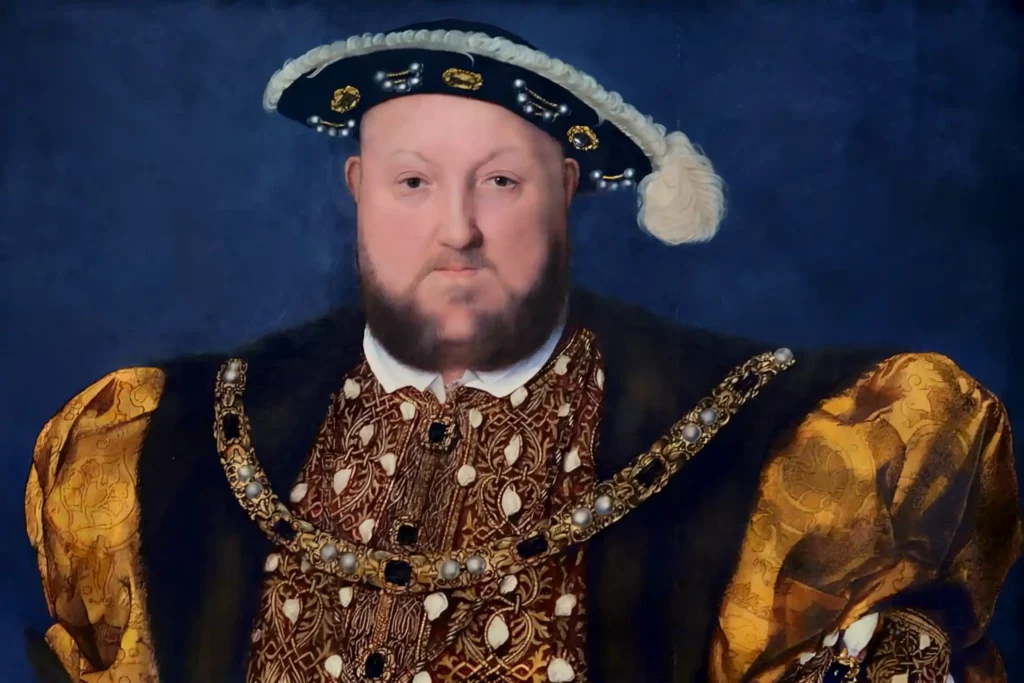
Henry VIII had a remarkable talent for destroying people who thought they could handle him.
Again and again, intelligent, politically experienced people watched him ruin their predecessors. Some even helped him do it. Yet when their own turn came, they seemed genuinely blindsided.
They knew Henry was dangerous. They’d seen his temper, his betrayals, and his convenient accusations of treason.

But each victim had a reason to believe their relationship with the king was different. Their loyalty, royal status, years of service, or sheer cleverness would surely protect them.
Was this hubris? Wishful thinking? Spectacularly bad judgment? Some combination of all three.
Why did these smart people keep making such terrible bets? Could they have saved themselves by compromising, retreating, or simply keeping their mouths shut? And if they’d made different choices, might English history have taken a different turn?
Let’s put their judgment on trial. Here are the six most famous victims of Henry VIII who might have kept their heads.
Why Henry VIII’s Victims Thought They Were Safe
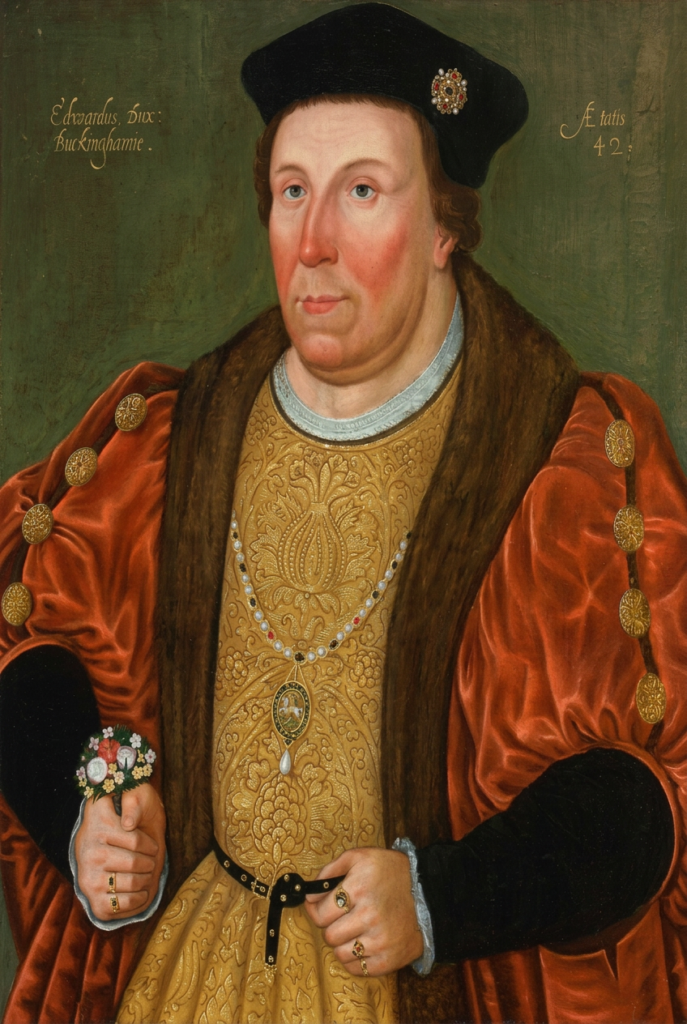
Edward Stafford, Duke of Buckingham: Too Noble To Fall?
Position: Duke of Buckingham, wealthy aristocrat, Plantagenet descendant
What Did He Misjudge?
Edward Stafford, the 3rd Duke of Buckingham, had royal blood, vast estates, and one of England’s grandest pedigrees. A double descendant of Edward III, he had all the credentials of a potential Tudor rival.
Unfortunately for him, he also had a loose tongue. Buckingham reportedly made indiscreet remarks about the succession and entertained prophecies of Henry’s death. Not the smartest hobby for a man with Plantagenet blood.
His enemies gathered up the allegations. In 1521, Buckingham was convicted of treason and beheaded.
There was no proven rebellion or organized plot. But Tudor law made even imagining the king’s death a fatal offense.
Buckingham likely assumed his exalted rank offered protection. By contrast, Henry saw a wealthy aristocrat with an inconvenient claim to the throne. What Buckingham considered pedigree, Henry considered a menace.
The remarkable thing? This happened relatively early in Henry’s reign. Buckingham was Henry VIII’s first victim and a warning sign everyone else should’ve heeded.
Could He Have Saved Himself?
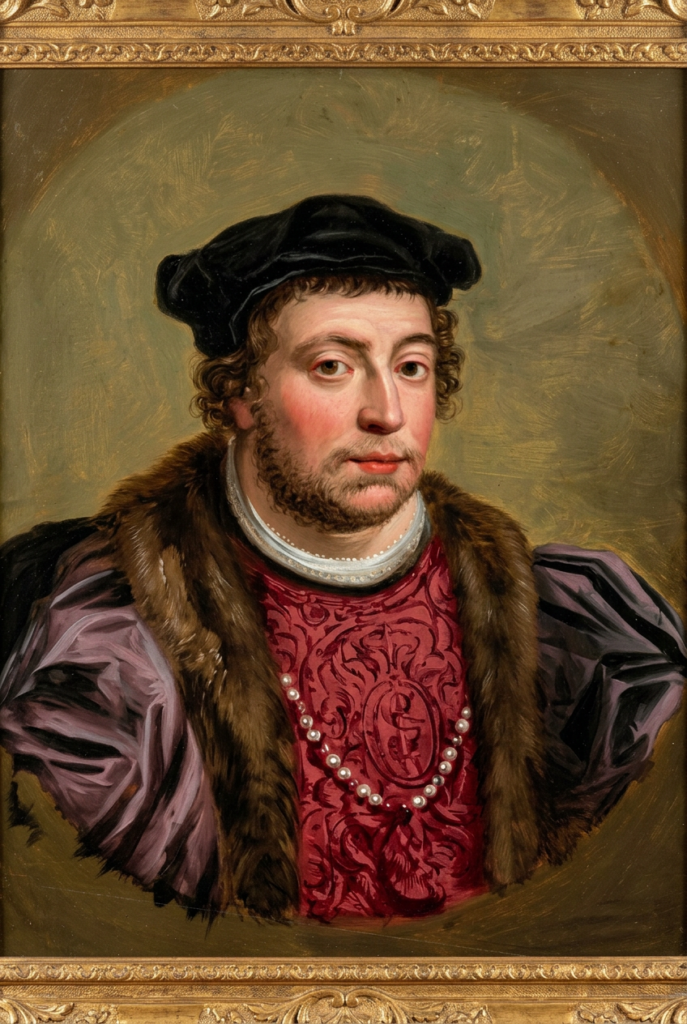
Could Buckingham have saved himself? Or was he simply a victim of court politics?
He certainly could’ve kept his mouth shut. Discussing royal succession and entertaining prophecies about Henry’s death was a spectacularly stupid pastime. Especially for a duke with Plantagenet blood.
But his fall wasn’t necessarily the result of personal failings. The charges were flimsy and relied heavily on hearsay testimony. There was no proven plot to overthrow Henry.
Buckingham could’ve been more discreet, humble, and deferential. But he couldn’t change his ancestry or make his vast estates disappear. Those were the very things that made Henry suspicious. And envious.
After Buckingham’s execution, he stripped his family of its titles and confiscated their estates. Eliminating a potential rival came with handsome financial bonuses.
History What If
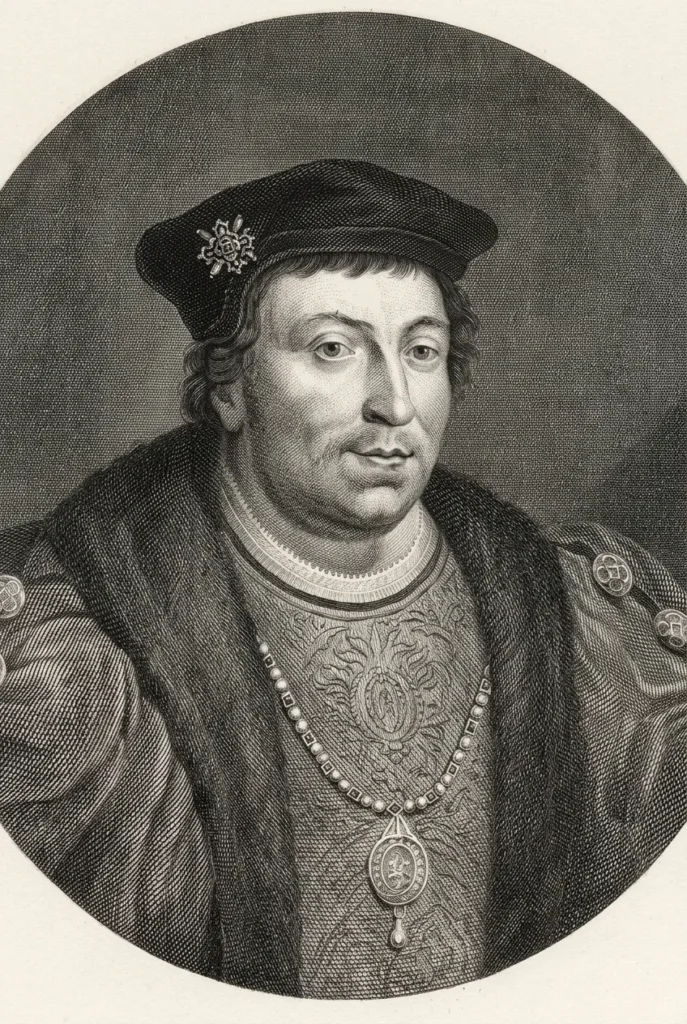
Had Buckingham survived, he might have opposed Henry’s religious reforms. His royal blood, wealth, and influence made him a potential ally of Cromwell’s conservative enemies.
Disgruntled nobles might even have rallied around him. That could have made Buckingham a serious thorn in Henry’s side.
But Buckingham’s survival probably wouldn’t have changed Henry’s determination to get his annulment. And his impressive Plantagenet pedigree would have remained a liability.
Indeed, the longer he lived, the more reasons Henry might have found to suspect him. Buckingham could have escaped the chopping block in 1521 only to meet it a decade later.
Verdict: Dangerous pedigree, with a dash of aristocratic arrogance
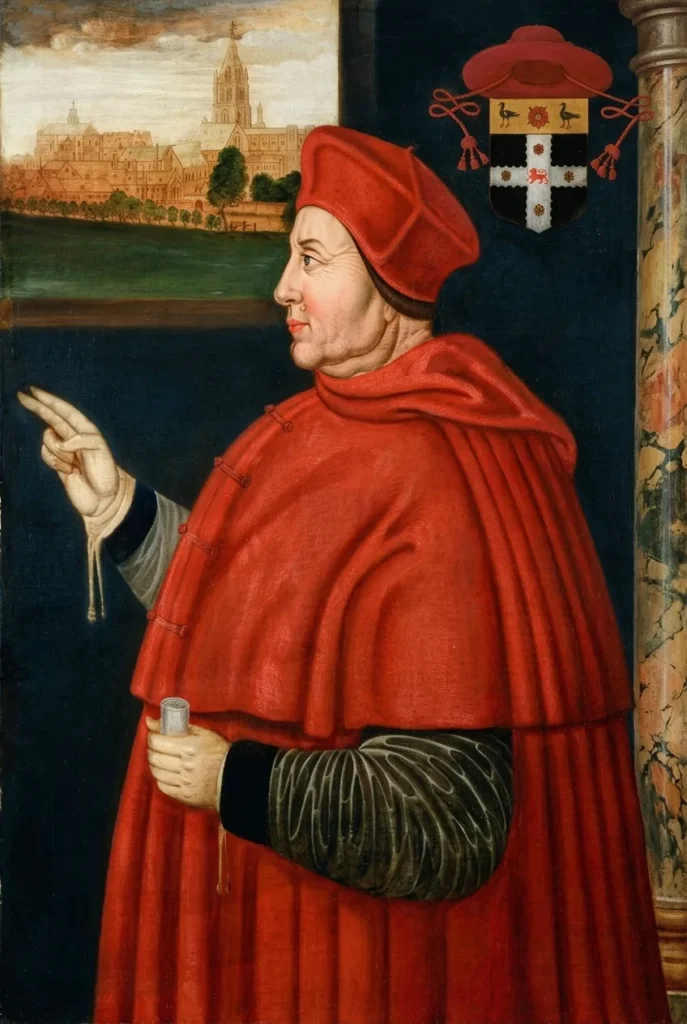
Cardinal Wolsey: The Indispensable Man?
Position: Cardinal, Lord Chancellor, Henry’s indispensable chief
What Did He Misjudge?
Cardinal Thomas Wolsey was one of the great political survivors of early Tudor England. He served Henry VII before becoming the right hand man of his considerably more troublesome son, Henry VIII.
Wolsey’s rise was meteoric. Ambitious, brilliant, and almost offensively fond of wealth and grandeur, he collected titles, offices, and riches with remarkable enthusiasm.
He was also a gifted administrator, a tireless worker, and a genuine reformer. Henry recognized his talents quickly. The young king was happy to delegate the drudgery of governing to him. For years, the arrangement suited them both splendidly.
And then came the Great Matter.
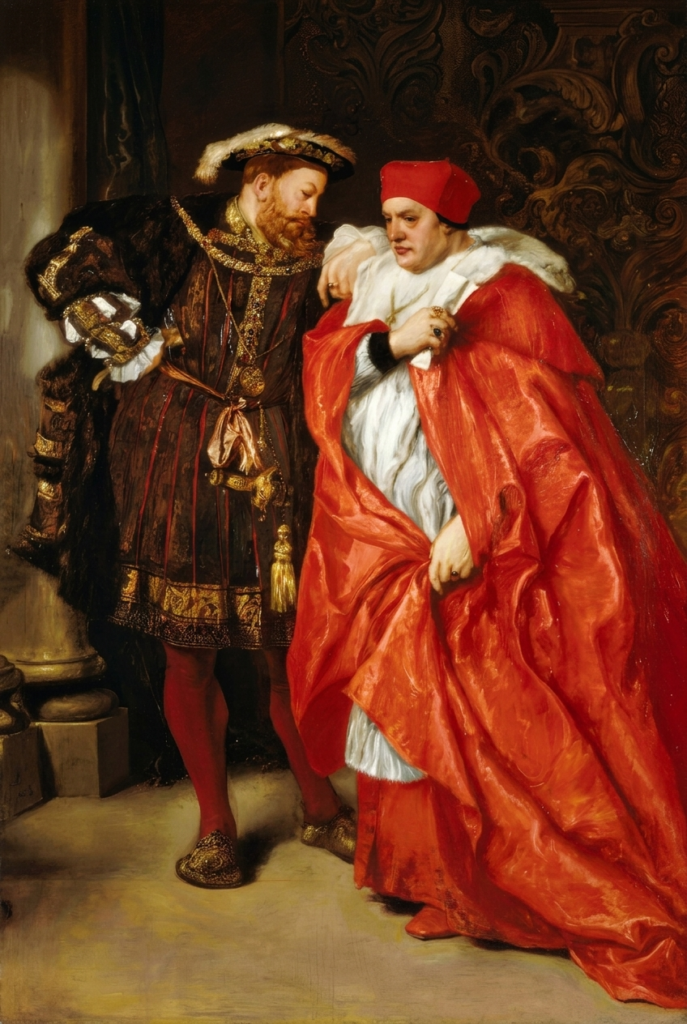
Henry asked Wolsey to obtain an annulment of his marriage to Katherine of Aragon so he could marry Anne Boleyn. The process dragged on for years, and the pope outfoxed Wolsey quite a bit.
Wolsey knew he was in trouble. He knew the king was angry. He knew Anne disliked him and was whispering poison in Henry’s ear.
But that doesn’t mean Wolsey expected Henry to strip him of the lord chancellorship and arrest him for treason. He’d only made one mistake, after all, albeit a big one.
But he’d survived political setbacks before. Why should this one be fatal? Even after his dismissal, Wolsey hoped to recover royal favor.
He was wrong. He died on the way to his trial.
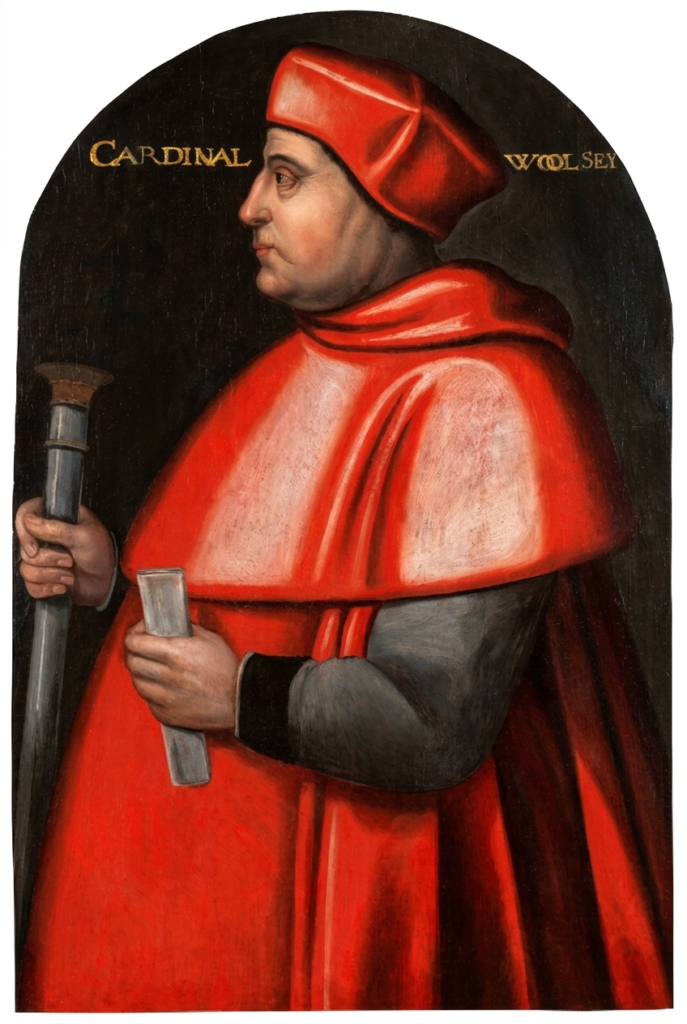
Could He Have Saved Himself?
This one is tricky.
Wolsey was gambling on nearly 20 years of Henry’s trust. He thought the king’s displeasure was temporary. After all, who else could run the kingdom quite so well?
His problem? He’d grown accustomed to being treated like a prince. He assumed his usefulness would smooth things over.
Could he have saved himself? Perhaps, if he hadn’t been so attached to his scarlet robes.
For starters, Wolsey could’ve handled the annulment proceedings more deftly, especially when it came to managing Henry’s expectations. He thought he could maneuver the pope into granting Henry’s wishes.
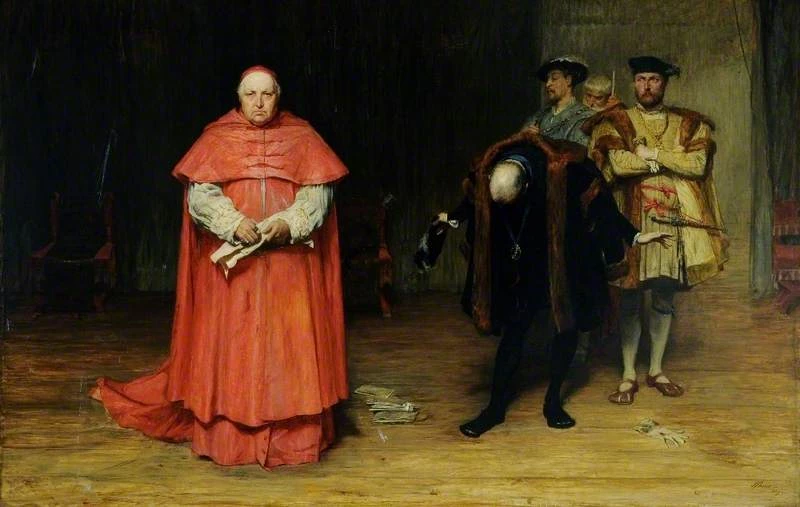
Instead, he got bogged down in lengthy proceedings, diplomatic delays, and promises that went nowhere.
Worse, he kept encouraging Henry to believe a solution was within reach. He should have been more candid about the obstacles in Rome. Instead, Henry waited for results that never came.
Then, there was Wolsey’s spectacular taste for magnificence. The scarlet robes, sumptuous palaces, extravagant dinners, and princely lifestyle. Wolsey loved looking important. Unfortunately, the actual aristocrats were jealous.
His wealth and ostentation fueled resentment among nobles who already despised taking orders from an upstart. And Henry was hardly the sort of king who enjoyed being upstaged either.
A little less pomp and a little more humility might have helped. So might an earlier retirement, once it became clear Rome wasn’t going to cooperate.
But Wolsey spent his life clawing his way to the top. Voluntarily surrendering all that power and splendor was apparently beyond his comprehension.
Would Henry have spared him? Who knows. By then, the king needed someone to blame for the annulment fiasco. He always needed to pass the buck.
History What If
Would history have been different if he lived? Perhaps, but not dramatically.
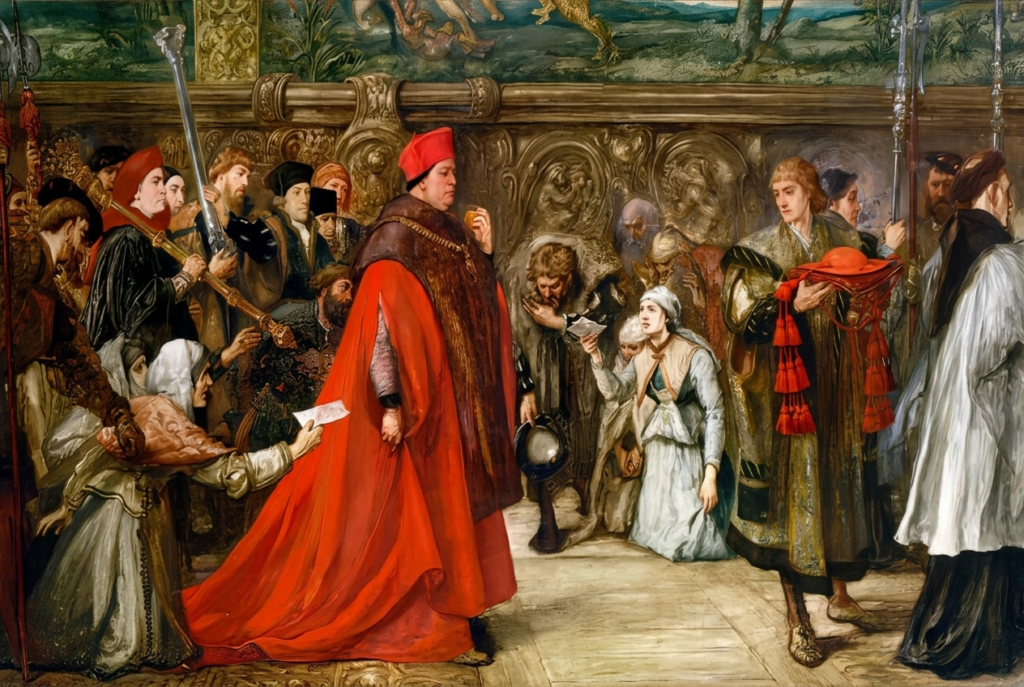
Wolsey was nearing 60 and in poor health. Even if Henry had spared him, his days as England’s most powerful minister were numbered.
Had Wolsey somehow regained Henry’s confidence, he might have slowed the religious upheaval. But Henry was determined to have his annulment, with or without Rome’s permission.
In the end, Wolsey may have escaped an even worse fate by dying before his treason trial. A longer life might simply have meant longer humiliation.
Verdict: Complacency. He couldn’t imagine becoming disposable.

Katherine of Aragon: Too Proud to Yield
Position: Queen of England, Spanish princess, anointed wife
What Did She Misjudge?
Katherine of Aragon was Henry’s first wife and a proud Catholic. Perhaps too proud.
She was the daughter of Ferdinand and Isabella and aunt of Holy Roman Emperor Charles V. She had one of the most impressive pedigrees in Europe and never let Henry forget it.
But she was stubborn, even blindly emotional, about Henry’s proposed annulment. She refused to accept it, refused to retire to a convent, refused to recognize Anne Boleyn as queen, and refused to accept the new succession.
Wrapped in her cloak of Catholicism, she was downright defiant. She believed her marriage was valid in the eyes of God. And with her powerful relatives, papal support, and status as an anointed queen, she thought she had ample protection.
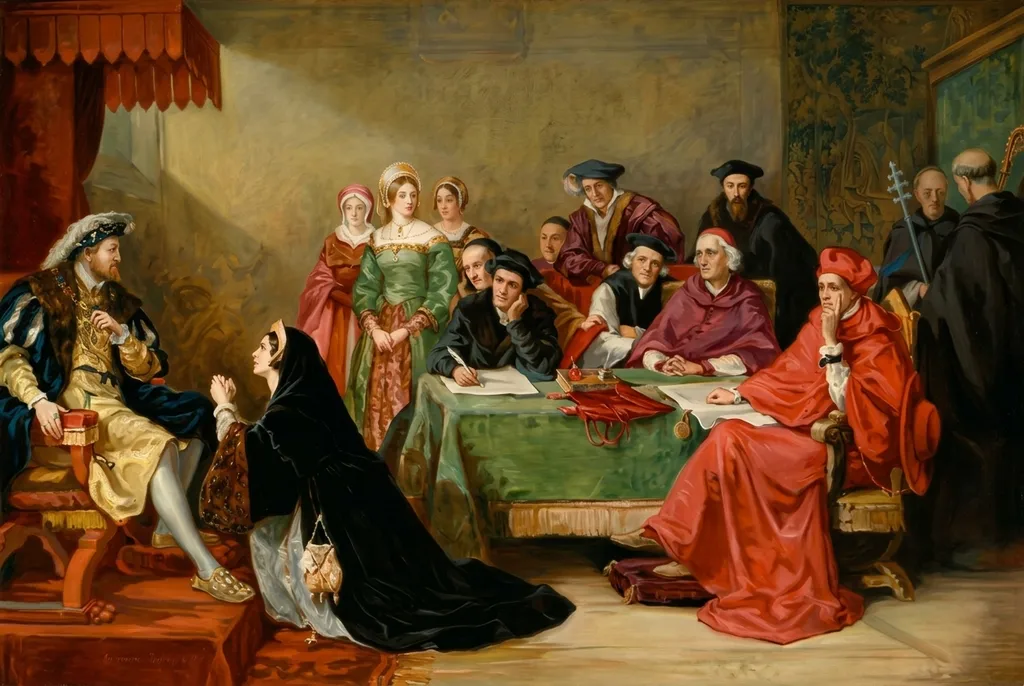
With Henry, there was never enough.
What Katherine failed to anticipate was that Henry would simply change England’s religious rules to get his way. If Rome wouldn’t cooperate, he’d make Rome irrelevant.
And just like that, Katherine’s formidable defenses were worthless. Henry discarded her and made her a traveling vagabond.
Could She Have Saved Herself?
Possibly. Or at least improved her ultimate fate.
Katherine’s defiance was strategically disastrous. It didn’t have to be that way. She might have Anne of Cleves’d her way to a comfy retirement, and secured better treatment for Mary.
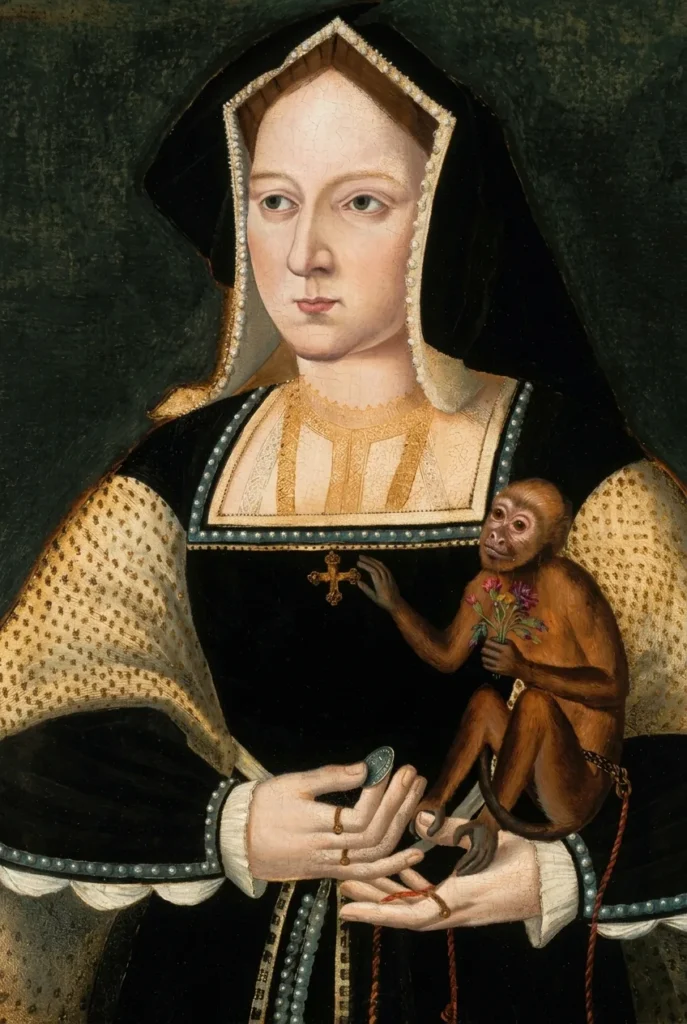
She flatly refused the convent option. She had other opportunities to negotiate a withdrawal, but wouldn’t budge.
A softer stance might have won her considerably better terms than the miserable existence Henry eventually inflicted on her.
And what about poor Mary? With her parents at war, she endured years of humiliation, isolation, and separation from her mother. Katherine’s heroic resistance did precious little to improve her daughter’s circumstances.
Bottom line? Katherine’s refusal to compromise accomplished nothing for either of them.
She preserved her principles, I suppose. But her conviction that God intended her to remain Queen of England was of limited practical use once Henry chose to run the Church himself.
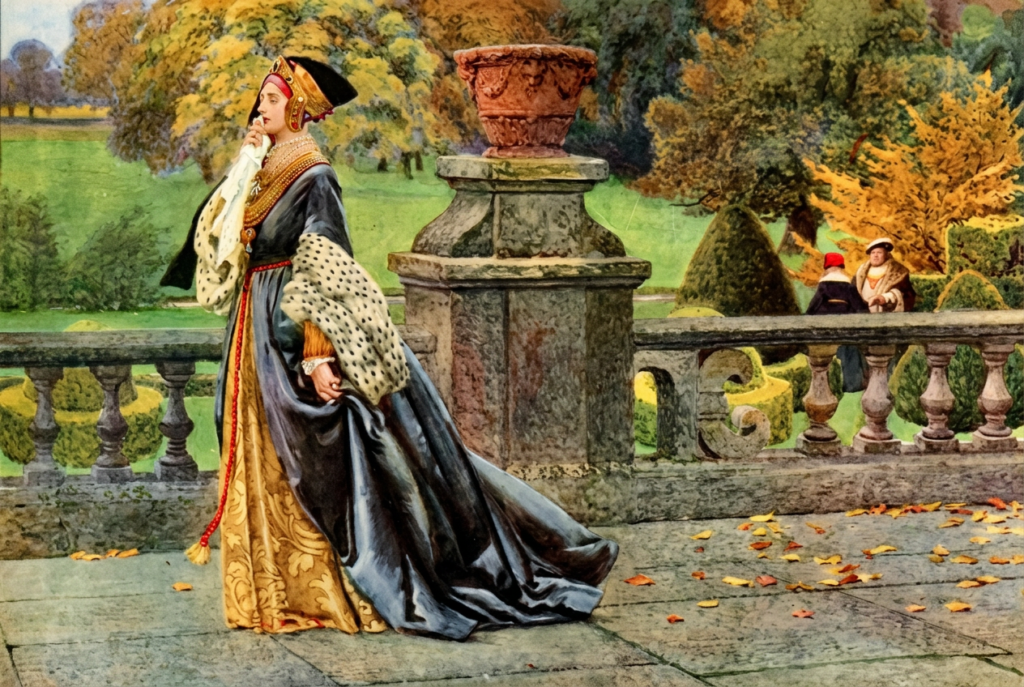
History What If
And what if she’d relented?
Mary might never have become queen. England might have been spared the religious persecution that earned her the nickname Bloody Mary.
Henry might have married Anne Boleyn, giving them more time to produce the elusive male heir. Had they succeeded, perhaps Anne would have kept her head and Henry wouldn’t be remembered as a wife-killer.
That’s a lot of history that might have turned out differently, all because one extraordinarily stubborn woman refused to give an inch.
Of course, knowing Henry, he’d probably have found some other way to make a spectacular mess of things.
Verdict: Intransigence, self-righteousness, and Catholic pride
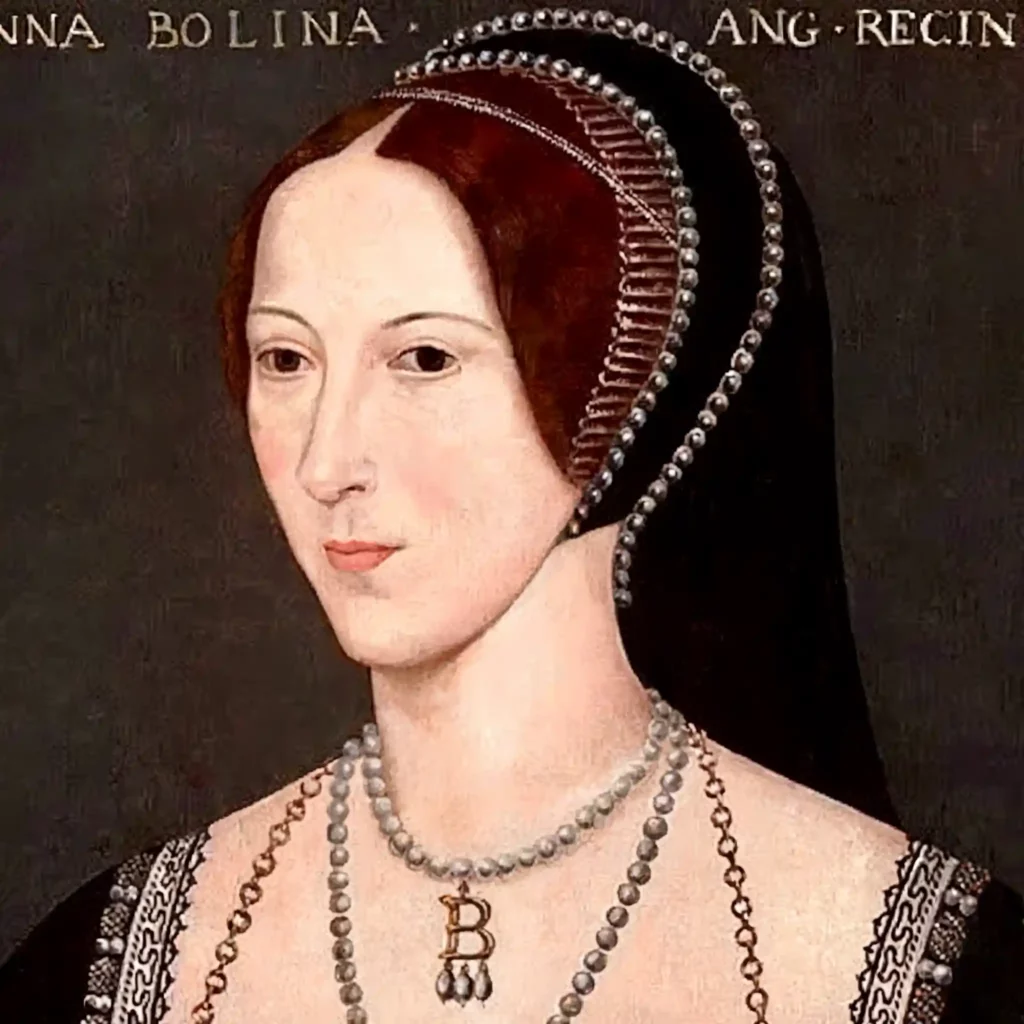
Anne Boleyn: A Fatal Miscalculation
Position: Queen of England, mother of the future Elizabeth I
What Did She Misjudge?
Anne Boleyn was Henry’s second queen. He spent seven long years pursuing her and blew up England’s relationship with Rome to marry her.
That’s some staggering passion. Pity it had such a short shelf life.
Things started well enough. Anne was already pregnant when they married. But she delivered a daughter, Elizabeth, followed by pregnancies that failed to produce a surviving son.
Not what Henry ordered.

Henry’s enthusiasm began to wane. Worse, his lusty gaze settled on Jane Seymour, one of Anne’s own ladies-in-waiting. Anne knew about Jane, and she knew her marriage was in trouble.
Still, Anne was relatively young. She probably assumed she had time to produce a male heir. And Henry had waited seven long years to marry her.
Surely he could wait a little longer? Unfortunately, patience wasn’t in Henry’s DNA.
His passion curdled into hatred with the fury of a thousand suns. And he wasn’t content simply to annul the marriage and send Anne packing.
No, Henry wanted her utterly destroyed. In just 17 days, Anne was arrested, tried, and executed. It was one of history’s most ruthless takedowns.
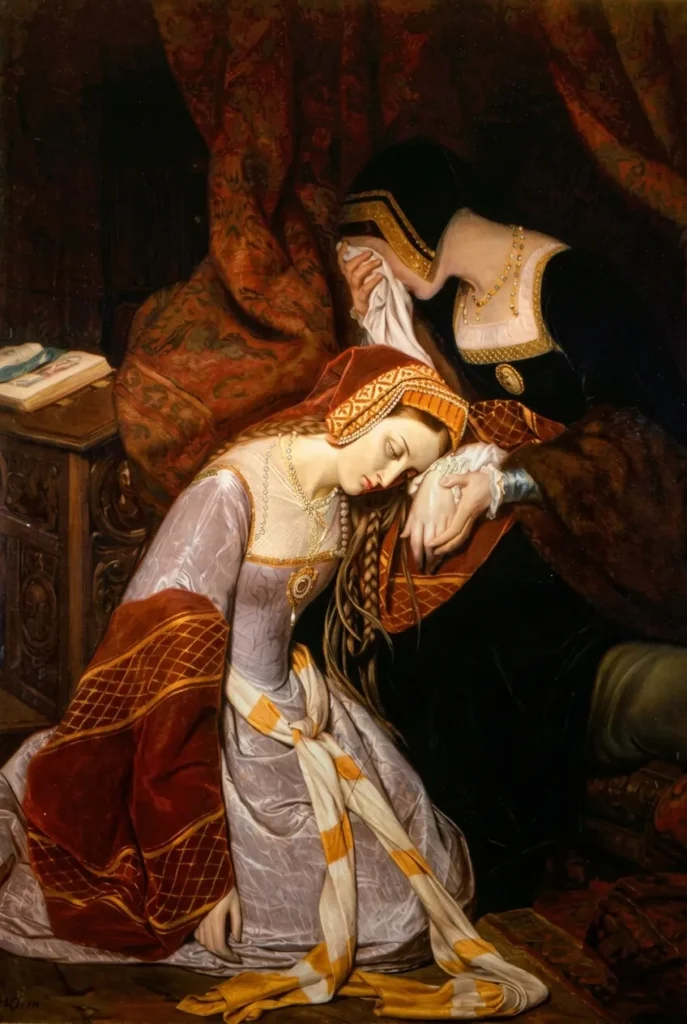
And Anne seems to have been blindsided by it. She knew there were issues. But accusations of adultery, incest, and treason? A date with the executioner? Surely even Henry wouldn’t go that far.
Perhaps Anne placed too much faith in her status as queen. No anointed queen had ever been executed.
Or perhaps she simply couldn’t imagine Henry destroying the woman he’d once turned his kingdom upside down to possess.
If so, she’d overlooked one rather uncomfortable precedent. She’d watched Henry systematically push Katherine of Aragon aside, and even helped give her the final shove.
Anne knew what Henry was capable of doing to an unwanted queen. She just didn’t imagine he’d devise something even worse for her.
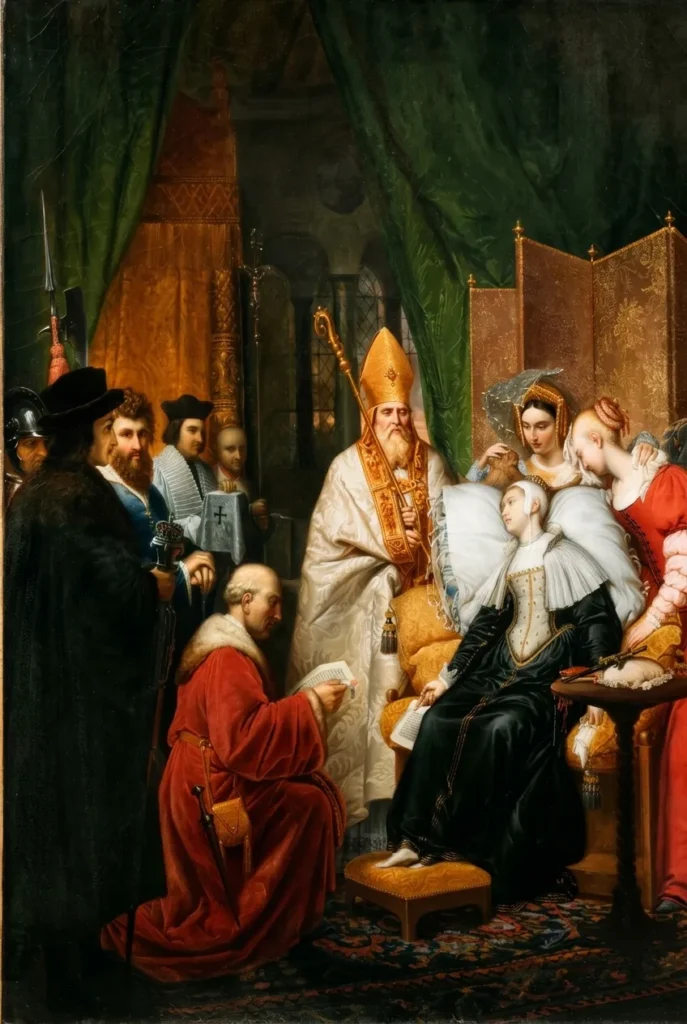
Could She Have Saved Herself?
Given Henry’s shifting affections and the intrigue at court, Anne probably couldn’t avoid her horrific fate. Cromwell kept the operation top secret and moved extremely quickly. By the time she realized the danger, the trap was sprung.
If she’d had a chance to speak privately with Henry, perhaps she could’ve talked him down. But she never got that opportunity.
Her only sure way to keep her crown was to produce a son, and that was out of her control. Henry wasn’t giving her more time. That ship had sailed.
Could Anne have been less outspoken, more humble? Certainly. That might’ve placated Cromwell, since they’d clashed over the dissolution of the monasteries.
But this witty, opinionated person was the very woman Henry had fallen for. Meek and dutiful weren’t her style. And changing your entire personality halfway through a marriage is a tall order.
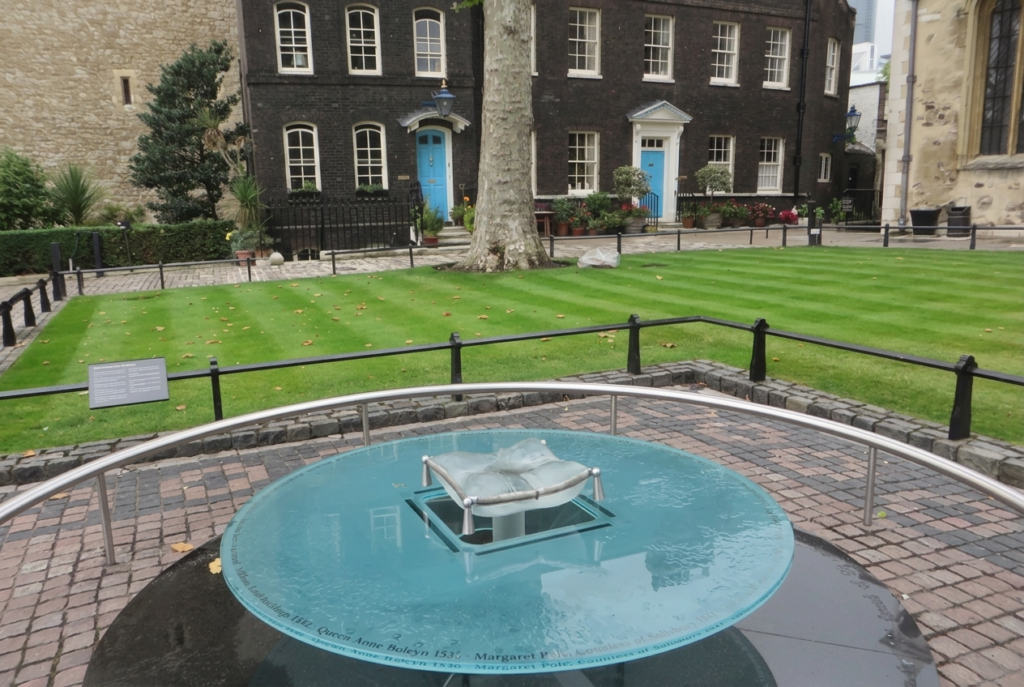
The one thing she could’ve done? Remain Henry’s mistress.
When the flames of passion ebbed, he might have discarded her like Bessie Blount. No crown, but no execution either. And if she’d produced a son, Henry might have showered them both with favors.
History What If
But what if Anne had survived as queen? English history might look radically different. She might have outlasted Henry and neutralized enemies like Cromwell.
Mary I might never have become queen, and England’s Reformation could have taken a different course. If Anne had produced a male heir, Elizabeth’s reign as the Virgin Queen might never have happened.
Henry might even have escaped posterity’s judgment as a serial killer. The downside? We’d have lost that catchy “divorced, beheaded, died” slogan.
Verdict: Misplaced Confidence
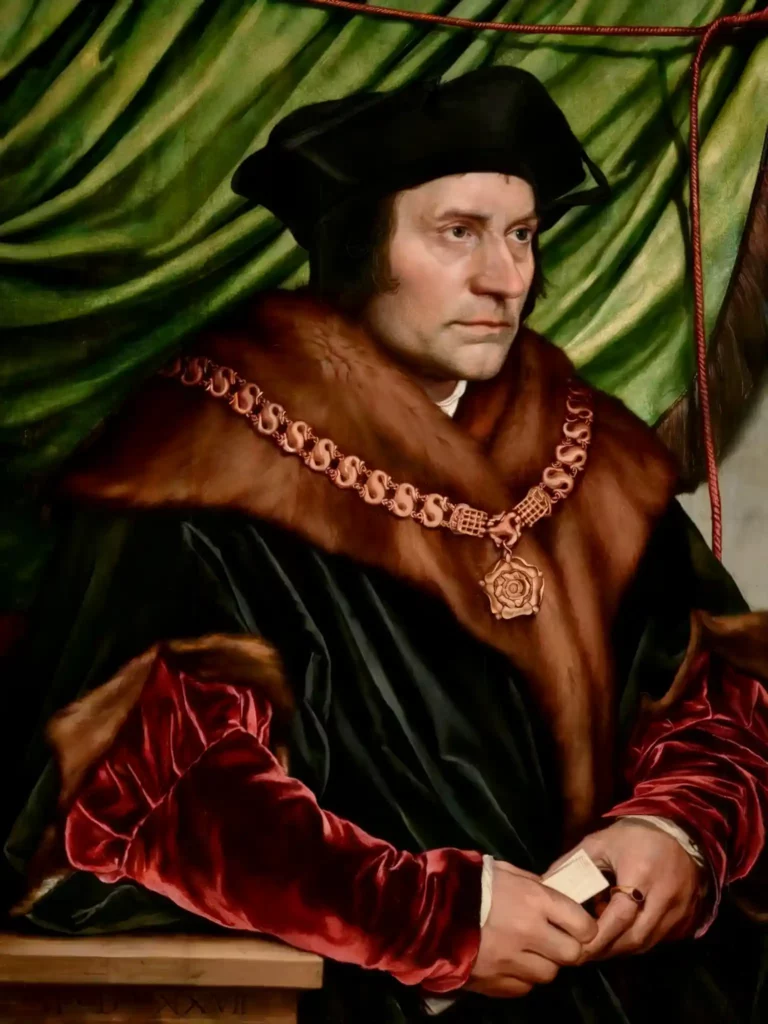
Thomas More: Too Exalted For the Tower
Position: Humanist, Lord Chancellor, Saint
What Did He Misjudge?
Thomas More was Henry’s lord chancellor, a brilliant lawyer, and a celebrated scholar. Henry valued his judgment and kept him close.
But when Henry broke with Rome, things went south. More was a devout Catholic who’d enthusiastically hunted heretics. He wasn’t about to ditch the pope for Henry’s marital convenience.
In 1532, More resigned and retreated to Chelsea. He knew the dangers of openly defying Henry. So he tried a clever strategy: silence.
He didn’t endorse or openly deny Henry’s religious supremacy. He hoped that was enough to keep him out of trouble.
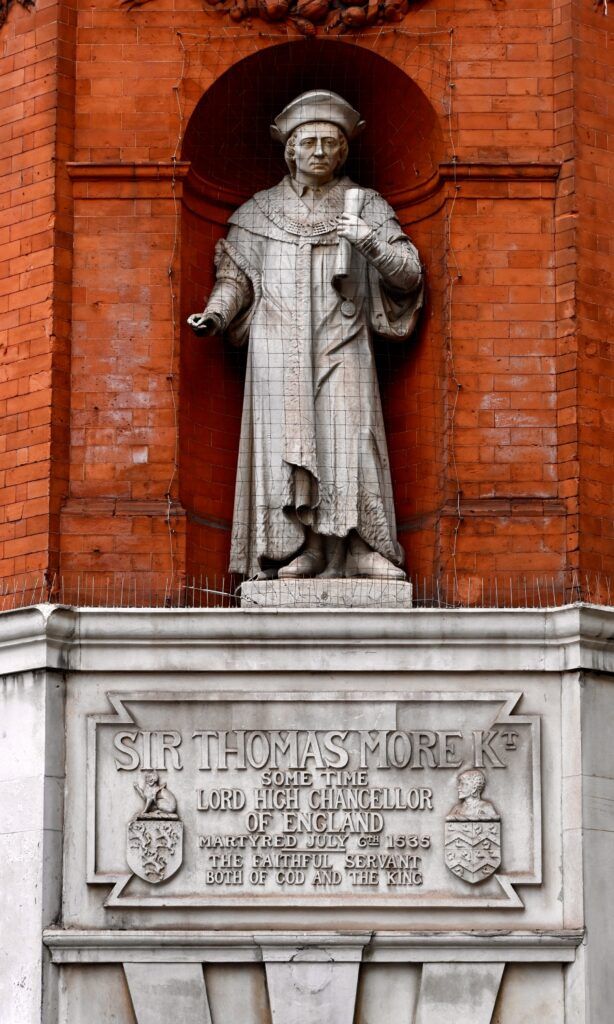
But silence only worked until Henry demanded an answer. In 1534, More refused to swear the Oath of Succession.
Henry wanted obedience, not clever legal maneuvers. So he tossed More into the Tower of London to think things over. More wouldn’t budge.
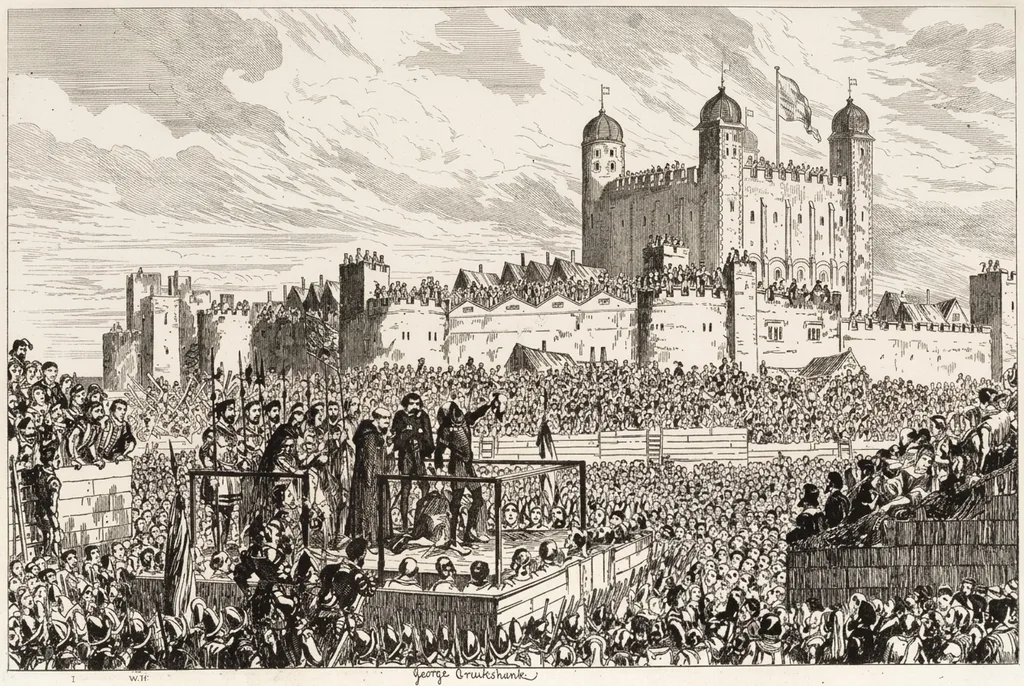
In 1535, More was convicted of treason and executed on Tower Hill. So much for his legal strategy.
Perhaps More thought his reputation and former intimacy with Henry would earn him special treatment. After all, he was Thomas More, the great lawyer and scholar. Surely Henry wouldn’t dare execute him?
Wong. The irony is delicious. More knew exactly how the law worked. Unfortunately, Henry was increasingly deciding what the law would be.
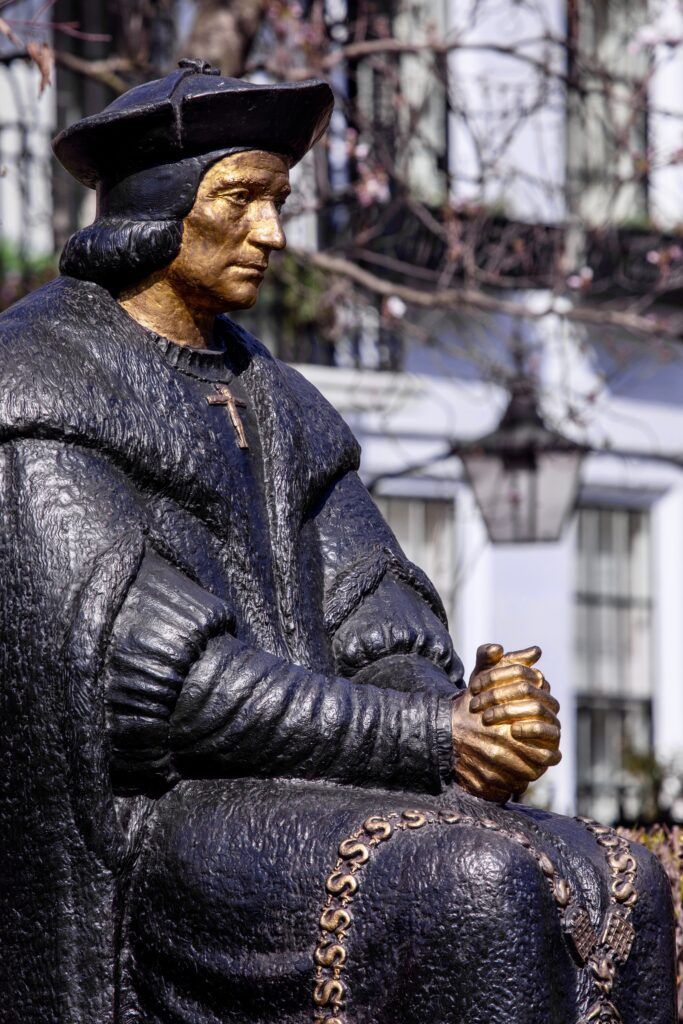
Could He Have Saved Himself?
Easily! More’s extraordinary intransigence is almost unfathomable.
Plenty of learned and devout Catholics took the oath. More didn’t have to become an enthusiastic cheerleader for Henry’s new church. He just had to swear the oath and sign his name, holding his nose the entire time.
His position seems maddeningly rigid to me. Almost as if he were a whiner with a death wish. He should’ve known Henry would win this stalemate. Yet, he wouldn’t concede.
And what, practically speaking, would have happened if he’d swallowed his objections?

Everyone who mattered already knew what Thomas More believed. Taking the oath wouldn’t fool anyone.
History What If
What if he’d relented? Well, the execution, martyrdom, and eventual sainthood would disappear from the history books.
English Catholics would lose one of their most celebrated martyrs. Mary I would’ve had one less symbol of Protestant tyranny to invoke.
Verdict: Too sanctimonious, too clever.
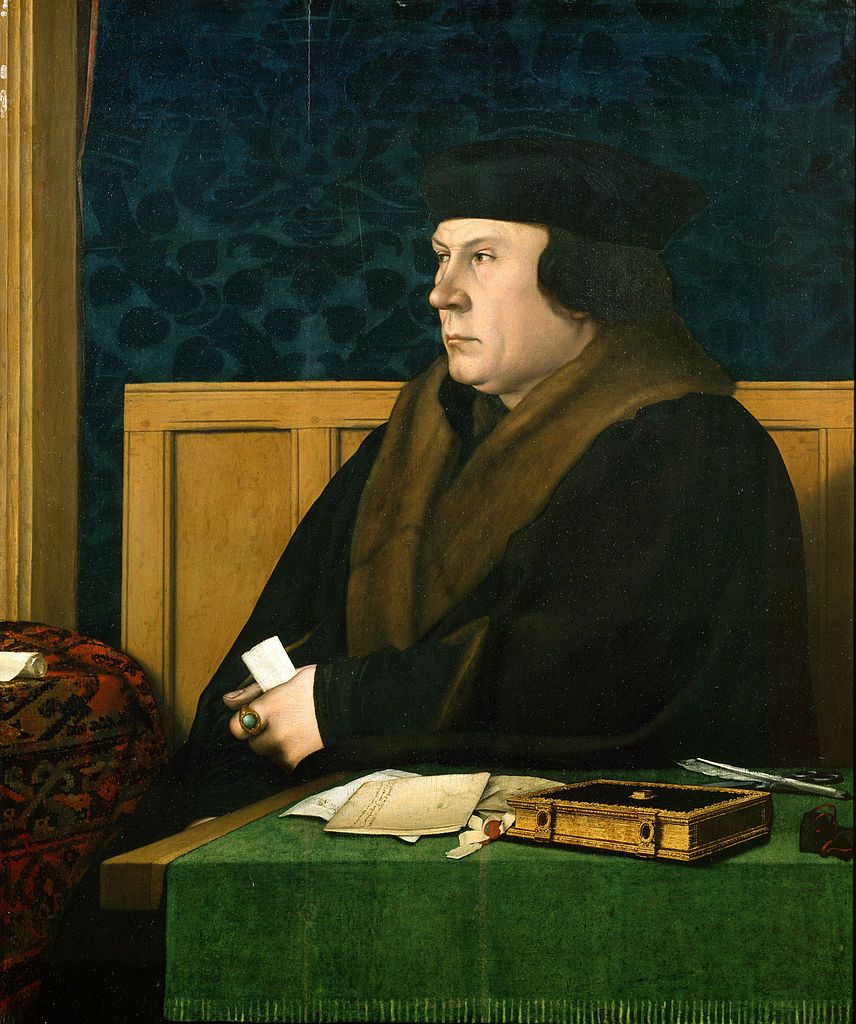
Thomas Cromwell: The Fixer Gets Fixed
Position: Chief Minister, Earl of Essex, royal fixer
Thomas Cromwell was an incredibly capable chief minister. Above all, he was an expert on all things Henry VIII. His loyalty was absolute, and he assumed it went both ways. Nope.
Cromwell helped Henry get rid of Anne, dismantle the monasteries, and break with Rome. Whatever Henry wanted, Cromwell delivered.
Then, one day, he showed up for work and was arrested. So much for job security. Another victim of Henry VIII.
What happened? Well, he’d botched Henry’s fourth marriage to Anne of Cleves. His religious reforms had gone too far for the king’s taste. And, even worse, he was a dreaded plebeian who’d risen above his social betters.

Court factions were jockeying for power, and his aristocratic enemies were circling. Cromwell was in danger. But, like the brainiacs before him, he didn’t see the train wreck coming.
Why? He mistook Henry’s dependence on him for genuine security.
And Henry had just made him Earl of Essex and Lord Great Chamberlain. What reasonable person interprets two extraordinary honors as a warning that he’s about to have his head sliced off?
Still, Cromwell knew how mercurial Henry was. Henry regularly insulted and physically assaulted him.
He’d also watched Wolsey’s disgrace with horror and seen two once-beloved queen discarded. He knew exactly how Henry destroyed people who’d outlived their usefulness.
Perhaps Cromwell confused being indispensable with being irreplaceable. For Henry, of course, nobody was irreplaceable. Not even the man who’d spent a decade making his wishes come true.
Could He Have Saved Himself?
There were a few things Cromwell might’ve done to keep his head attached.
First, he could’ve backed off religious reform. The Six Articles Act of 1539 was a fairly unsubtle warning. Henry had no intention of becoming a Protestant monarch.
Yet, Cromwell continued to push his evangelical agenda. As with More, his religious convictions landed him in hot water. Worse, they handed his enemies plenty of ammunition.
Then, there was the disastrous Cleves marriage. Cromwell arranged a match Henry despised. Once the king made his disgust clear, Cromwell needed a face-saving escape route. Fast.
Instead, the problem dragged on. An annulment was diplomatically tricky, and Cromwell remained tied to the fiasco. Henry knew exactly who to blame.
By the time of his arrest, Cromwell was running out of options. He begged Henry for mercy, but the king executed him anyway.
Henry regretted the decision later, calling Cromwell his “most faithful servant.” That realization came a head too late.
What if Cromwell had survived? England’s religious reforms might have moved faster. And if he’d lived through Edward VI’s reign, he might have played a major role in the succession crisis of 1553.
Verdict: Overconfidence
Conclusion
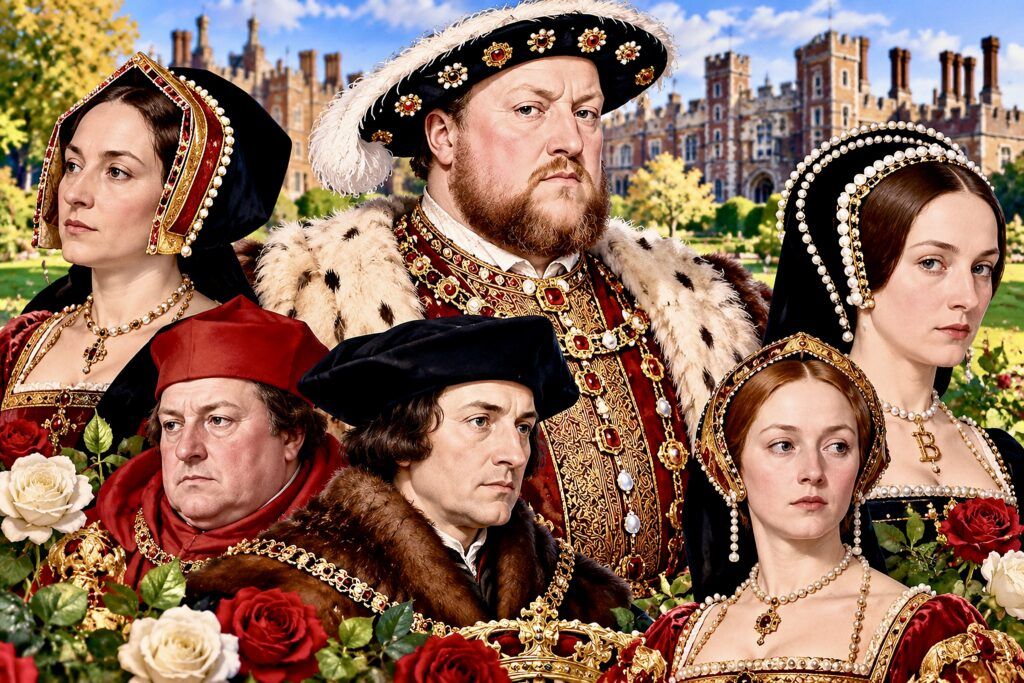
What to make of this parade of intellects acting like idiots? Were they really fools?
I don’t think so. The real question isn’t why they failed to understand Henry. It’s why they kept believing they were the exception to the rule.
Each of Henry’s victims misjudged him in a different way.
Wolsey trusted his indispensability. Katherine trusted her superior legal and religious position. Anne trusted her status as an anointed queen. More trusted his legal ingenuity. Cromwell trusted his usefulness as Henry’s fixer.
Henry didn’t make things easy. He was unpredictable and capricious. He threatened people one day and forgave them the next. And yet his very unpredictability should have been predictable.

And what did these famous victims of Henry VIII have in common? Their fatal flaw?
Intelligence. Or, more precisely, too much confidence in their own judgment. They thought they were far too clever, powerful, or important to suffer the fate of others.
That was the psychological trap. They had brains, experience, and plenty of arguments in their favor. But Henry had the crown, the courts, and an executioner on call.
Henry didn’t have to be smarter than they were. He only had to be king.
I hope you’ve enjoyed my history of Henry VIII’s victims and their fatal miscalculations. You may find these other histories interesting;
- Royal Whodunits
- English myths
- History of Medieval and Tudor England
- Tudor queens of England
- Power Women of Medieval & Tudor England
- Historical Mistresses and Favorites
- Wives of Henry VIII
- Worst kings of England
- Anglo-Saxon kings of England
Pin it for later:

