
There’s ancient rubble … and then there’s ancient rubble. Fotheringhay Castle is the latter.
It’s just a mound of earth and a pile of stones. There’s really nothing to see.
Yet, it’s rubble so saturated with history that it’s almost a pilgrimage site.
For centuries, Fotheringhay was a favored royal residence, particularly for the House of York. Kings, queens, and nobles lived here, conducted business, and occasionally found themselves imprisoned.
The castle has strong associations with the Yorkists and Tudors, including two of my favorite historical characters, Richard III and Mary, Queen of Scots.
Here’s the story of Fotheringhay, the vanished royal castle.

Mini History of Fotherinhay Castle
Early Medieval Period
The manor of Fotheringhay predates the Norman Conquest, with records going back to around 1060. But the real building began in the early 12th century, when Simon de Senlis erected a substantial castle on the banks of the River Nene.
Fotheringhay changed hands several times over the next two centuries. By the early 1300s, it belonged to John of Brittany, Earl of Richmond, who also had a claim to the French throne.
After his death in 1334, the castle eventually passed to his niece, Marie de St Pol, Countess of Pembroke. When she died in 1377, Edward III handed Fotheringhay to his son Edmund of Langley, Earl of Cambridge.
Edmund wasn’t exactly inheriting a prize. The castle was described as weak and ruinous, hardly fit for a royal prince.
He set about fixing that. In 1385, his nephew Richard II made him the first Duke of York, and Fotheringhay became one of the principal seats of the House of York.
York Period
Edmund’s son Edward kept the improvements coming. But Edward IV was the one who really gave the old fortress a royal makeover.
Between 1463 and 1469, he added new apartments, kitchens, latrines, turrets, and a long gallery, with more work following in 1478. The gallery was ahead of its time, an early example of a feature that would become a fixture of Tudor and Elizabethan palaces.
Fotheringhay wasn’t just a beloved family retreat either. It doubled as an administrative headquarters for the Yorkist estates.
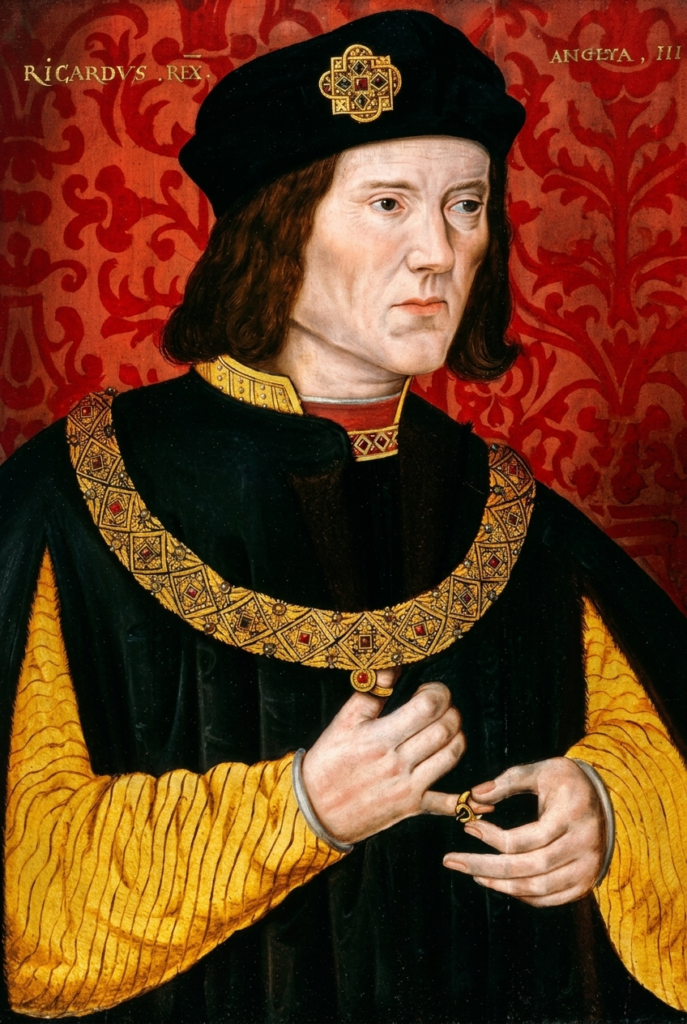
The Yorks clearly loved the place. But after Richard III’s defeat at the Battle of Bosworth in 1485, the castle passed into Tudor hands.
Tudor Period
The Tudors didn’t immediately turn their noses up at Fotheringhay.
It remained a royal property and continued to receive improvements, though its importance as a residence gradually faded.
Eventually, its role as a place of confinement for high-ranking prisoners overshadowed its former glory as a royal palace.
Final Period
By the 17th century, Fotheringhay’s glory days were well and truly over. Its buildings were gradually dismantled, the stone carted off for other projects.
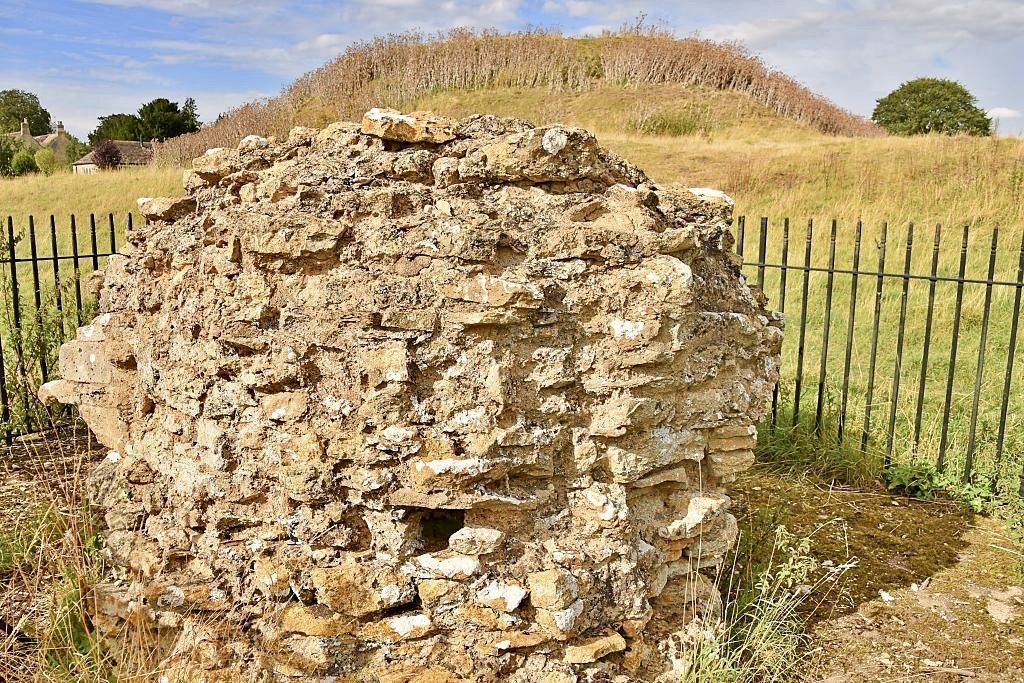
By the early 18th century, almost nothing remained. Centuries of royal history were reduced to a grassy mound and a few scraps of masonry.
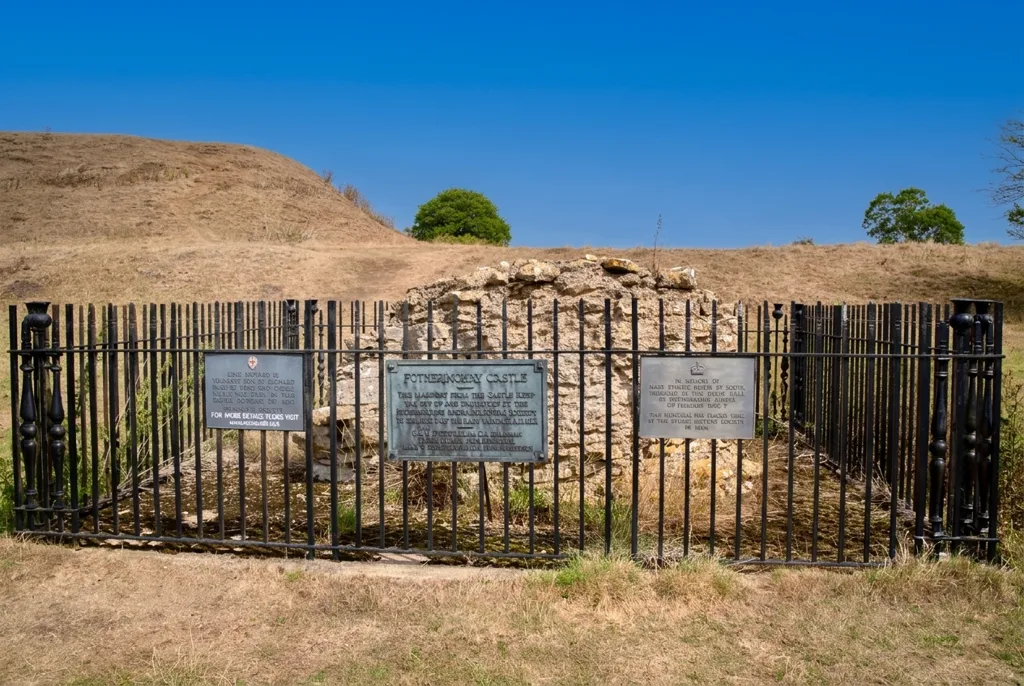
Today, a chain link fence surrounded the earth and stones. It’s adorned with two memorial plaques in honor of Richard III and Mary Queen of Scots.
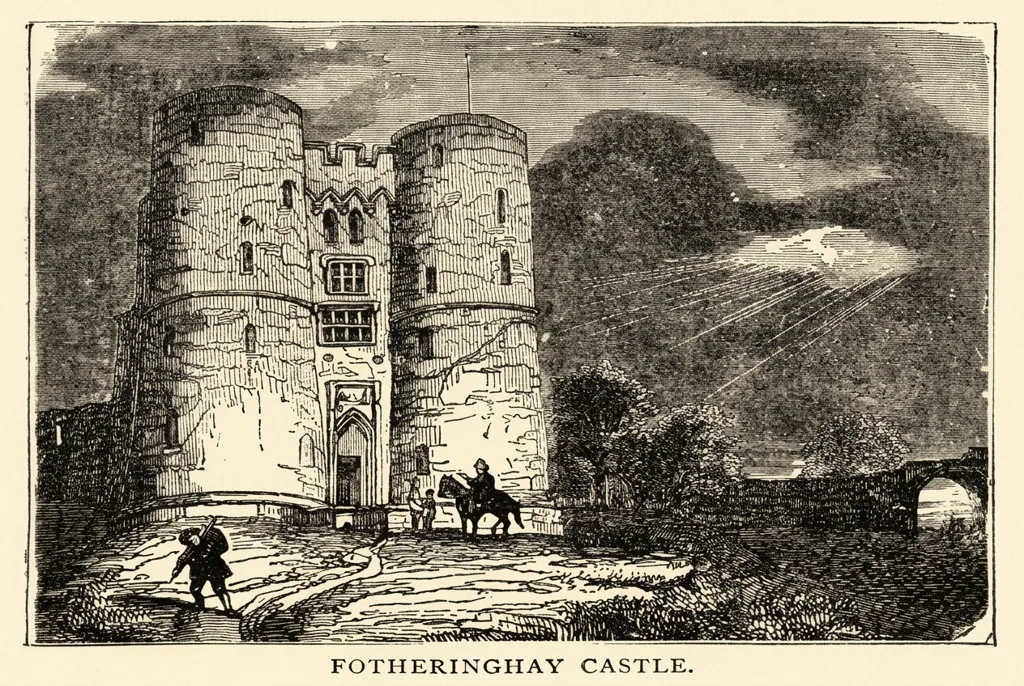
What Did Fotherinhay Look Like?
Fotheringhay wasn’t the mightiest of castles. Critics scoffed that instead of scaling the walls you could just leap over them. Its defenses were relatively weak. It was never primarily a great military stronghold.
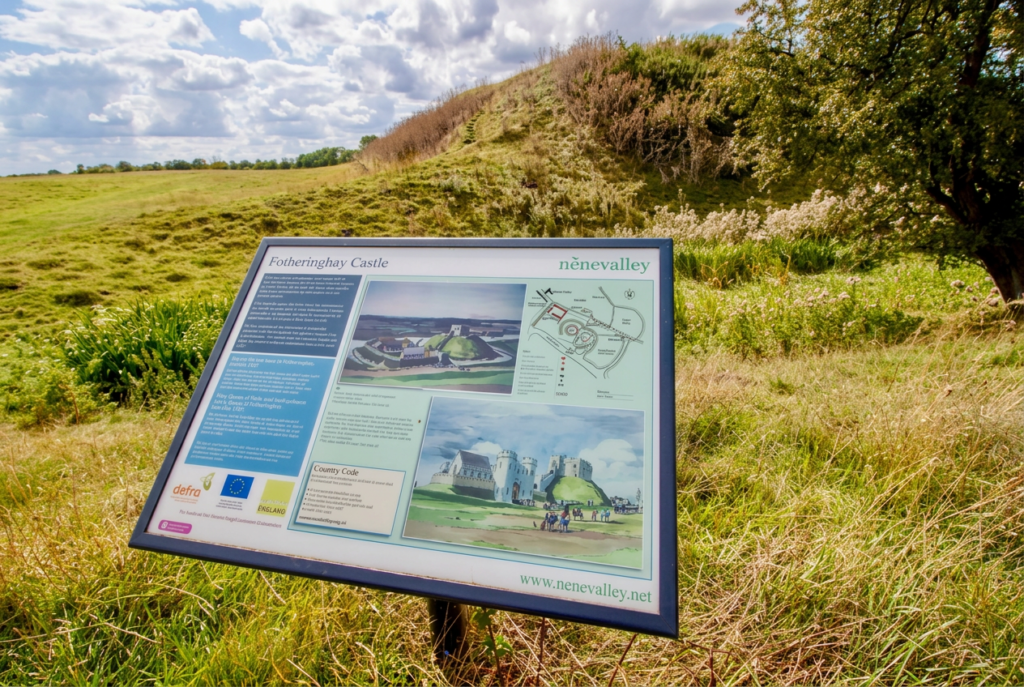
In its early phase, it was a classic Norman motte-and-bailey castle. Later, it became a sprawling complex of towers, walls, courtyards, residential lodgings, service buildings, and water defenses.
By 1341, there were two chapels, a great hall, private chambers, and kitchens. A gatehouse and drawbridge guarded the entrance, while an outer bailey accommodated additional buildings.
The castle’s most distinctive feature was its unusual keep, known as the Fetterlocks. It was perched atop the great earth mound. Upper and lower chambers were arranged around a central courtyard with a well.
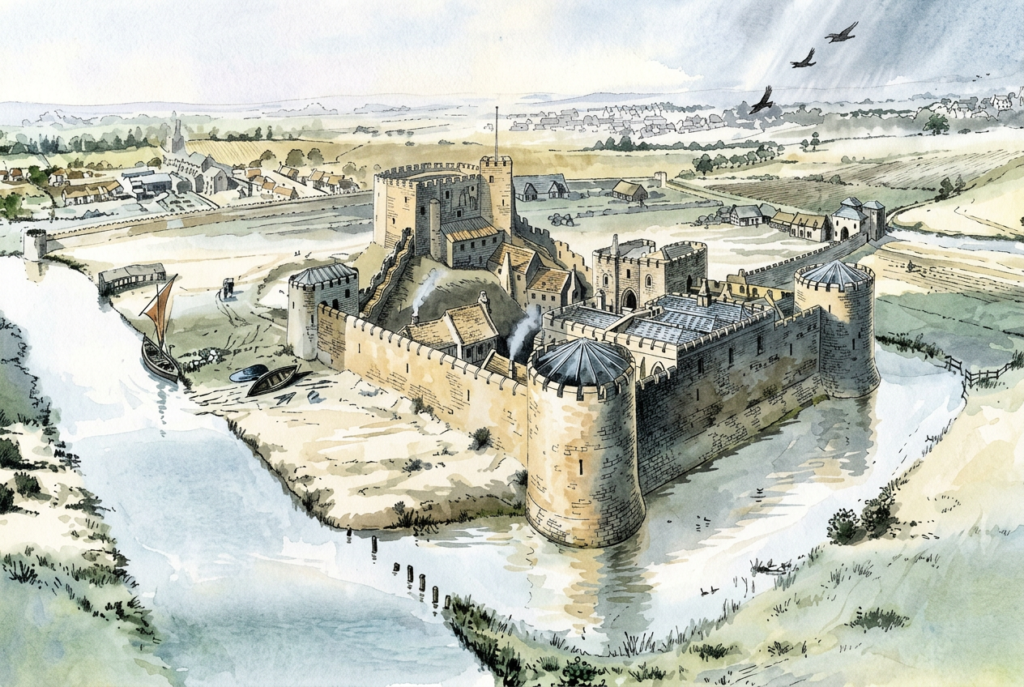
The late 14th century rebuilding under Edmund of Langley substantially enlarged the castle. It became a more comfortable and prestigious noble residence. Still fortified, but increasingly designed for living, entertaining, and showing off.
Fotheringhay was never going to rival Windsor Castle in sheer grandeur. But it was an important royal residence.
Unfortunately, no reliable contemporary illustration survives to show exactly what the castle looked like at its height. Historians reconstructed its appearance from documentary descriptions, early surveys, and archaeological investigations.
Today, virtually nothing is left of a castle once central to English royal life.
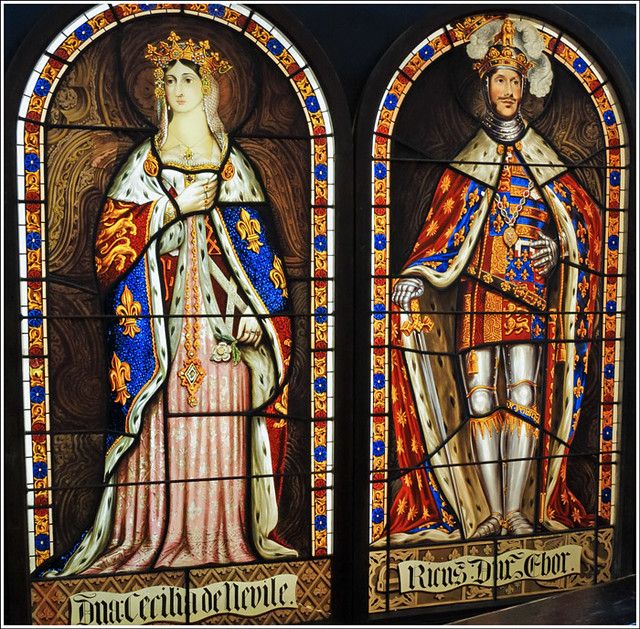
The Yorks Loved Fotheringhay
Fotheringhay was a favorite home of Richard Plantagenet and Cecily Neville, Duke and Duchess of York.
Richard III
It was here, on October 2, 1452, that their youngest surviving son, Richard of Gloucester, was born. The duke’s own Book of Hours even records the occasion.
The future Richard III spent much of his early childhood at Fotheringhay, before the Wars of the Roses thoroughly disrupted the family’s domestic arrangements.
Richard remained attached to his birthplace. He returned for extended visits and even showed up after he became king in 1483.

Edward IV
The next king, Edward IV, was less sentimental about Fotheringhay. Although he spent lavishly improving the castle, he generally preferred the comforts of his southern residences.
But in 1476, he made an exception for an extraordinary act of family devotion.
His father, Richard, Duke of York, and younger brother Edmund, Earl of Rutland, were both killed following the Yorkist defeat at Wakefield in 1460. Their remains were buried rather unceremoniously near Pontefract.
Edward decided they deserved better.
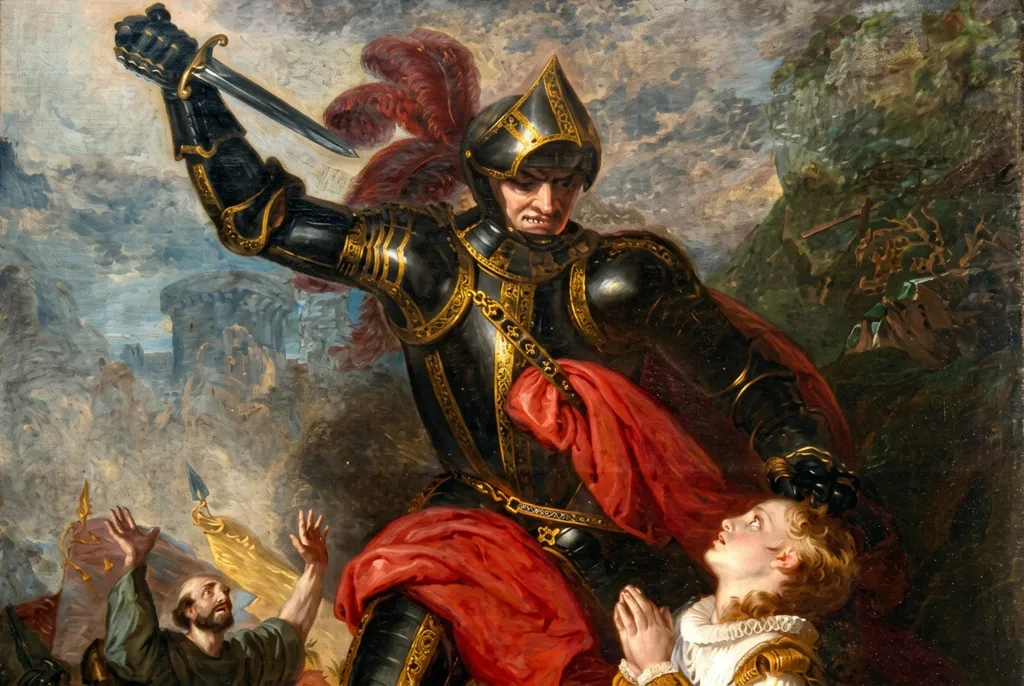
He ordered their bodies exhumed and carried in a magnificent funeral procession to Fotheringhay. There, they would be laid to rest in the Yorkist family vault.
When the cortege arrived on July 29, 1476, Edward was waiting in mourning clothes. He was surrounded by bishops, nobles, and members of the royal family.
The Grand Feast
According to a contemporary account, Edward bowed before his father’s coffin, kissed it, and wept. Then came a funeral feast of almost absurd proportions.
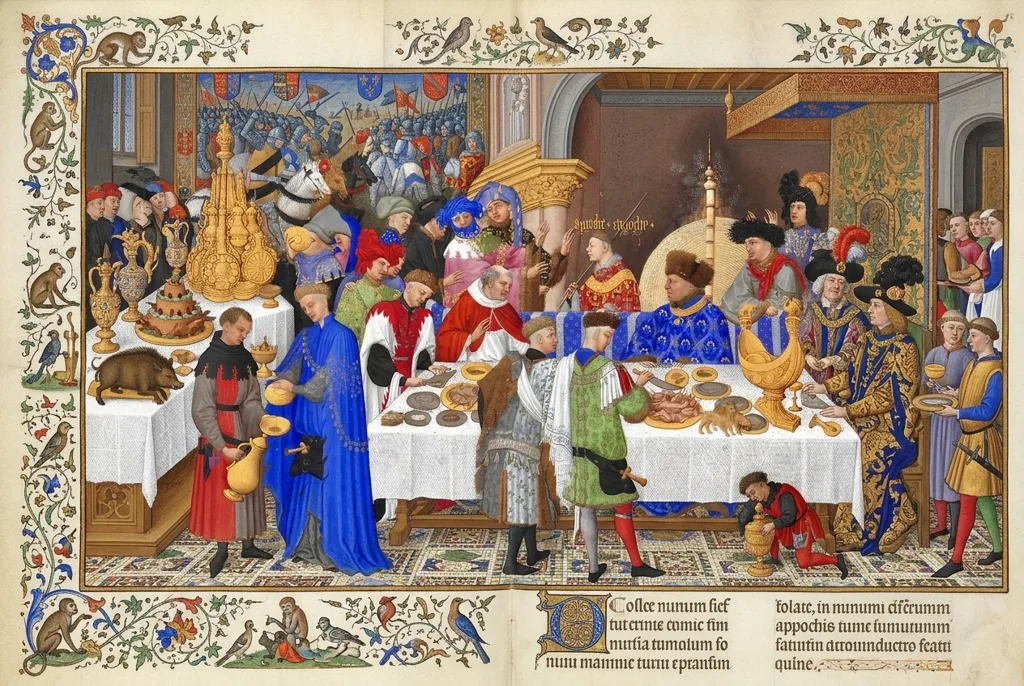
One account claims that 20,000 people descended on Fotheringhay for the occasion. Some 5,000 received alms, while enormous quantities of food and drink were consumed.
We’re talking 49 cattle, 90 calves, 210 sheep, 200 piglets, and 31 tuns of ale. Apparently, honoring the dead required feeding half the county.
It was part filial devotion, part dynastic theater. Edward was honoring his murdered father and brother while making a very public statement about the legitimacy and grandeur of the House of York.
For one spectacular occasion, Fotheringhay was once again the center of the Yorkist world.

The Tudors’ Stint
Fotheringhay never enjoyed quite the same status under the Tudors. Richard III’s supposedly villainous reputation probably didn’t help. (And no, I don’t believe it!)
Still, the Tudors didn’t immediately abandon the place.
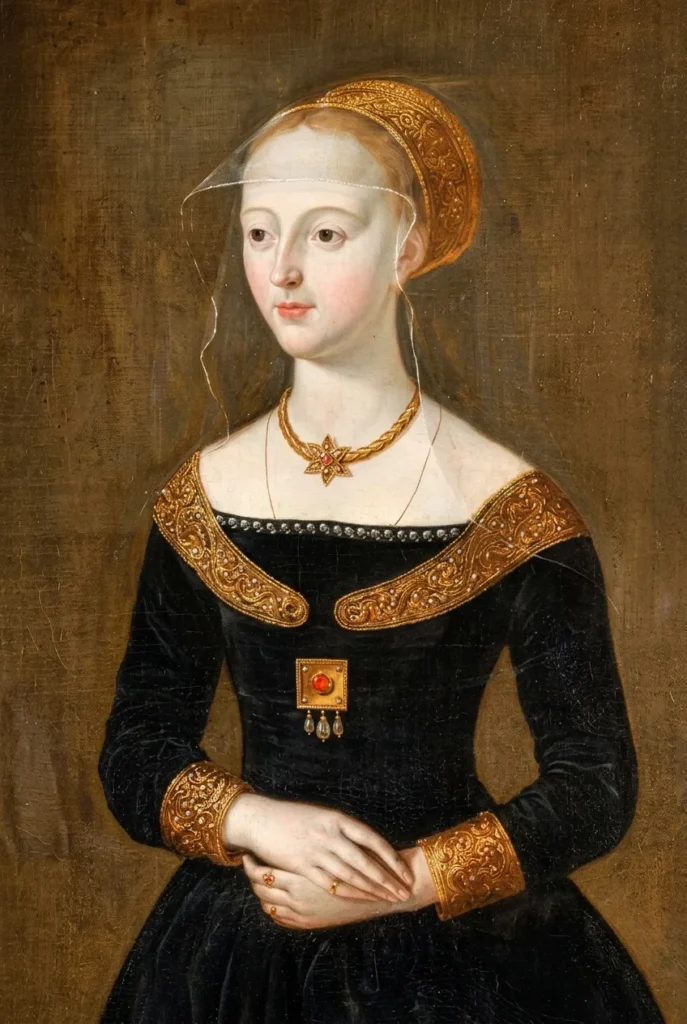
Henry VII granted Fotheringhay to Elizabeth of York, who had every reason to feel attached to her family’s ancestral home. Margaret Beaufort also used it, having 39 chambers redecorated for her household in 1505.
Henry VIII continued the tradition of assigning Fotheringhay to his queens.
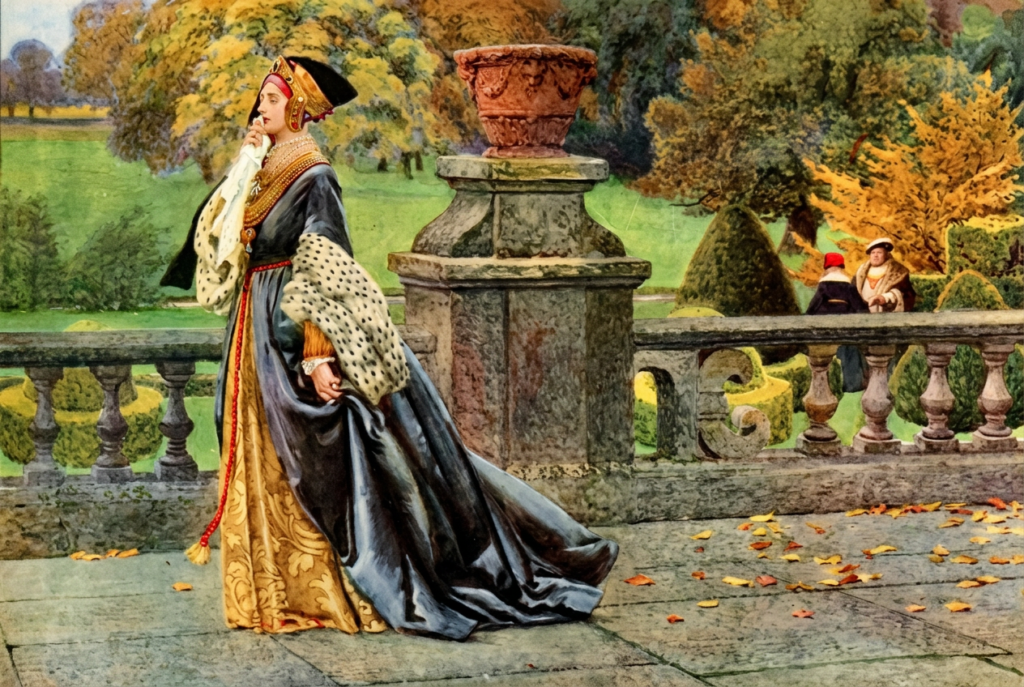
Katherine of Aragon spent time there and even shelled out considerable sums improving her apartments. After their marriage was annulled, Henry assigned the castle to Anne Boleyn. There’s no clear evidence Anne ever stayed there.
But Katherine’s feelings about Fotheringhay underwent a spectacular reversal.
In 1533, after Henry stripped her of her titles and banished her from court. He eventually ordered her to move to Fotheringhay. Katherine was having none of it.
The former queen declared that she’d have to be “cattle-tied and dragged thither.” When Charles Brandon, Duke of Suffolk, arrived to enforce the move, she barricaded herself in her chambers and refused to budge.
Brandon wasn’t about to break down the door and physically haul a former queen out of her bedroom. Even Henry’s loyal henchmen had their limits.
Katherine won that round. Henry backed down, and she remained where she was.
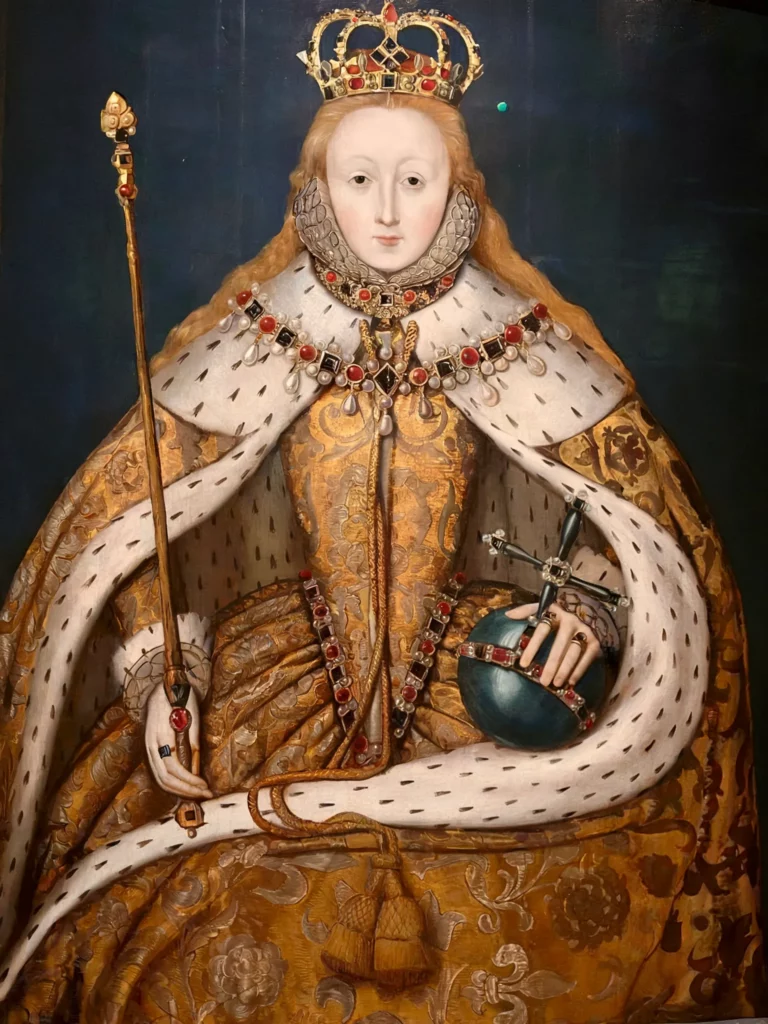
Fotheringhay continued to be royal property. But it gradually lost its prominence as a residence. By Elizabeth I’s reign, the old palace-fortress was decidedly out of fashion. Though the queen did pay Fotheringhay a visit during her royal progress in 1566.
The Stuarts: Fotheringhay’s Bloody Finale
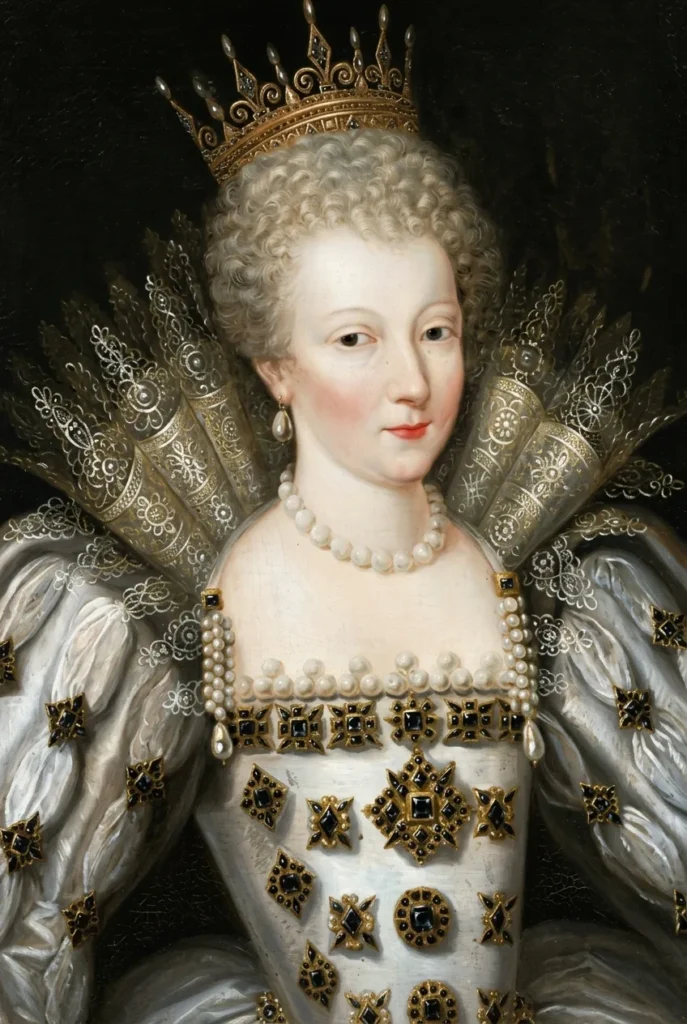
Elizabeth I eventually made much grimmer use of Fotheringhay. It would be the dramatic climax of the castle’s history.
Mary Queen of Scots & the Babington Plot
Mary, Queen of Scots had been Elizabeth’s prisoner for nearly 18 years. Then came the Babington Plot.
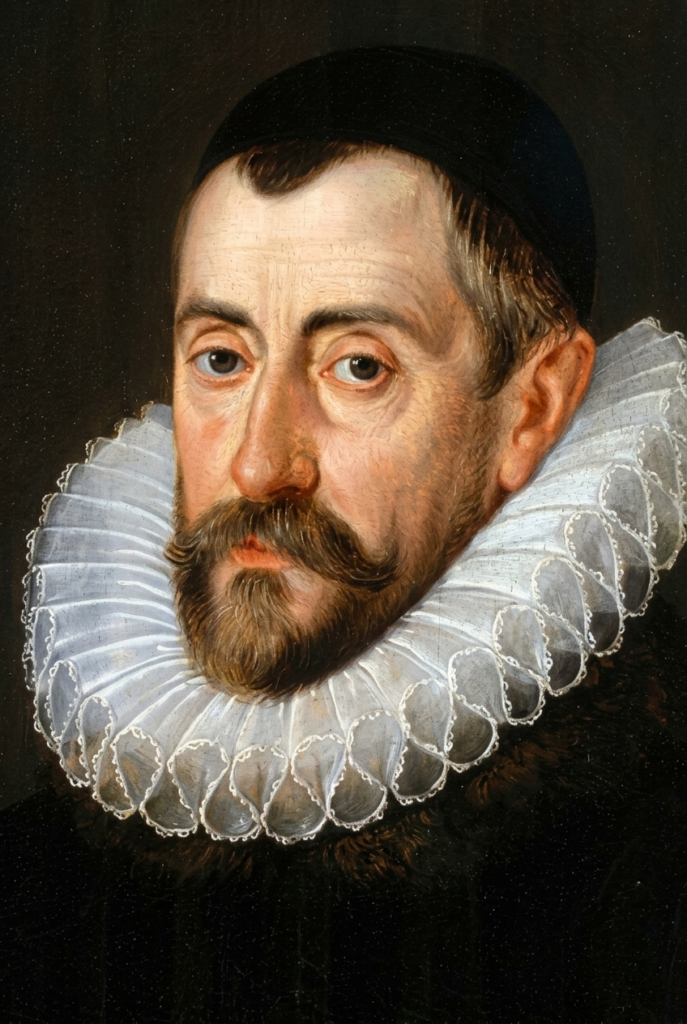
The plan? Assassinate Elizabeth, spring Mary from captivity, bring in a foreign army, and put the Catholic queen on the English throne. Using a vast spy network, Francis Walsingham uncovered the plot.
This time, enough was enough. The queen ordered Mary brought to Fotheringhay in September 1586 to stand trial.

Mary’s Trial
In the castle’s presence chamber, a commission of English nobles, councillors, anti-papists, and judges assembled to try the Scottish queen. Hardly an impartial jury of her peers.
Mary protested that an English court had no authority to judge an anointed foreign queen. She wasn’t even an English subject, for heaven’s sake.
But her objections fell on deaf ears. She was denied legal counsel and forced to defend herself against evidence of her involvement in the assassination plot.
The trial lasted just two days, October 14–15, 1586. The guilty verdict surprised precisely no one.
Afterward, Elizabeth dithered in her usual indecisive fashion. She wanted Mary gone, but executing an anointed queen was ghastly. What sort of precedent would that set?
Mary’s Execution
Finally, under intense pressure from her councillors, especially William Cecil, Elizabeth signed Mary’s death warrant.
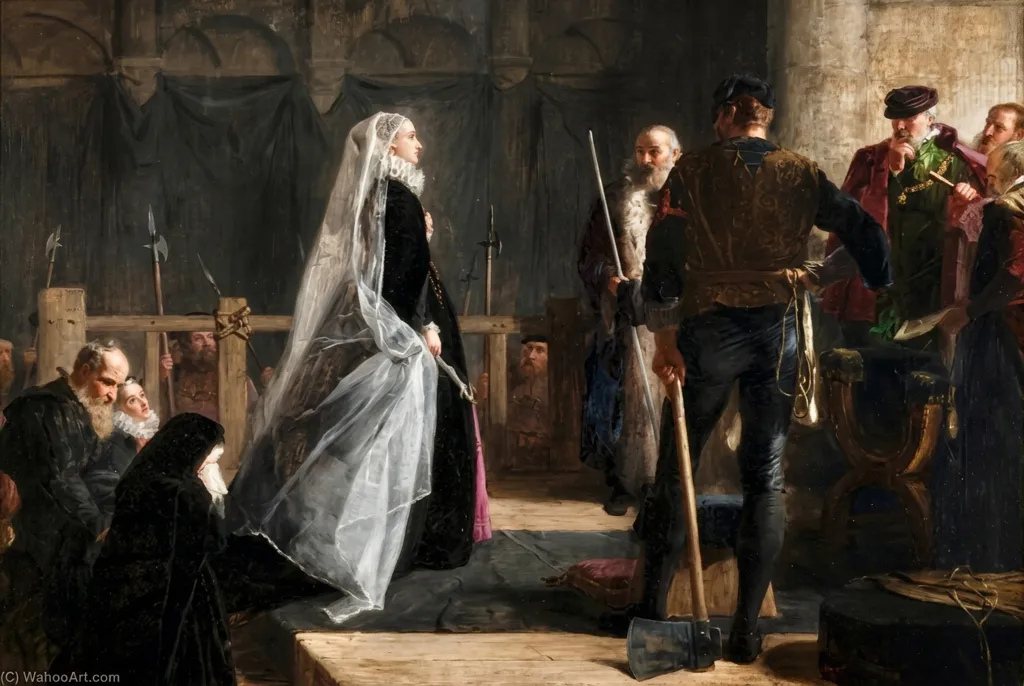
On February 8, 1587, the Queen of Scotland climbed the scaffold erected in Fotheringhay’s Great Hall.
Roughly 300 invited witnesses watched. Mary appeared in black. But beneath her outer garments she wore a red petticoat, a color associated with Catholic martyrdom.

She was making one final statement.
The execution was horribly bungled. The executioner lifted Mary’s severed head by its wig, which came away in his hand. Her real hair underneath was short and gray
The first blow of the axe failed to sever her head. It took three strokes to finish the grisly business.
And Elizabeth? She promptly professed outrage that the execution had gone ahead. Her secretary William Davison took the blame and was thrown into the Tower of London.
A rather convenient arrangement. Elizabeth had signed the warrant, but now claimed she hadn’t authorized its delivery.

Was she genuinely horrified, or simply covering her royal backside? Historians still debate it.
The End of Fotheringhay
Fotheringhay never recovered its former prestige.
In 1603, Mary’s son James VI of Scotland inherited the English throne as James I. That same year, the castle passed out of royal ownership.
It’s tempting to imagine that James wanted nothing to do with the place where his mother was beheaded. But there’s no firm evidence that this was the reason for the castle’s eventual destruction.
A survey in 1625 found Fotheringhay still substantially intact, though parts were decaying. Over the following decades, the buildings were dismantled and the stone sold off or reused.
By the early 18th century, the once grand royal castle had largely vanished. A rather ignominious end for a place that witnessed so much royal drama.

Fotheringhay Church: The Yorkist Mausoleum
One place you can actually visit is the magnificent Gothic Church of St. Mary and All Saints, just half a mile from the former castle. It’s the great surviving monument to the House of York.
What Survived
Built largely between 1411 and 1434, the church once formed part of a much larger collegiate complex, complete with a choir, cloisters, and other buildings.
Unfortunately, the Reformation did a number on it. The collegiate foundation was dissolved, the choir was demolished, and the original Yorkist tombs were destroyed.
Only the nave and tower survived. But the surviving church is still impressive. What can you see?
York Tombs
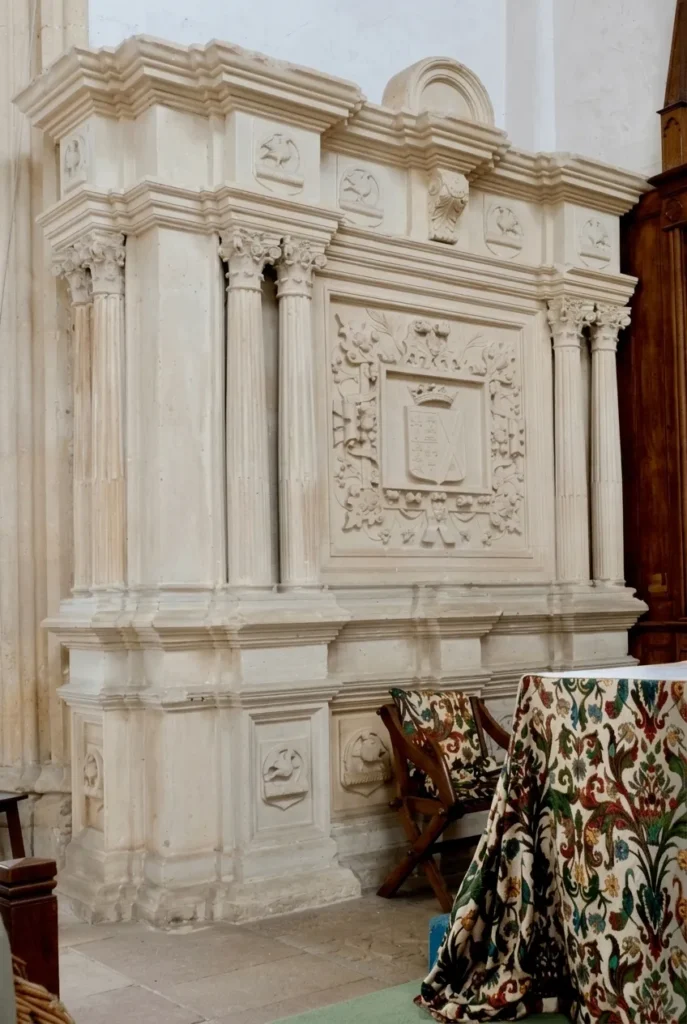
Inside are the family tombs of Richard Plantagenet and Cecily Neville, Duke and Duchess of York. Their son Edmund, killed alongside his father after the Battle of Wakefield, is also buried here.
Cecily outlived her husband, three of her sons, and the Yorkist dynasty itself. Yet she chose to be buried beside her husband at the family’s beloved church.
There’s an interesting Tudor twist to the story.
When Elizabeth I visited Fotheringhay in 1566, she was apparently appalled by the condition of her ancestors’ tombs. She ordered replacement monuments, which were erected on either side of the altar in 1573.
So, rather ironically, the Tudor queen helped preserve the memory of the Yorkist family.

York Symbols
Thanks in part to the active interest of the Richard III Society, the church also has a beautifully maintained memorial to the House of York.
A striking stained glass window displays the heraldry of the Yorkist dukes, their wives, Richard III, and Anne Neville. The kneeling cushions are also embroidered with Yorkist badges, symbols, and coats of arms.
The church’s most remarkable medieval survivor is its painted wooden pulpit, a gift from Edward IV.
It’s decorated with the royal arms and heraldic beasts of the Yorkist brothers: Edward’s white lion, Clarence’s black bull, and Richard III’s white boar. A rather splendid family portrait in heraldic form.

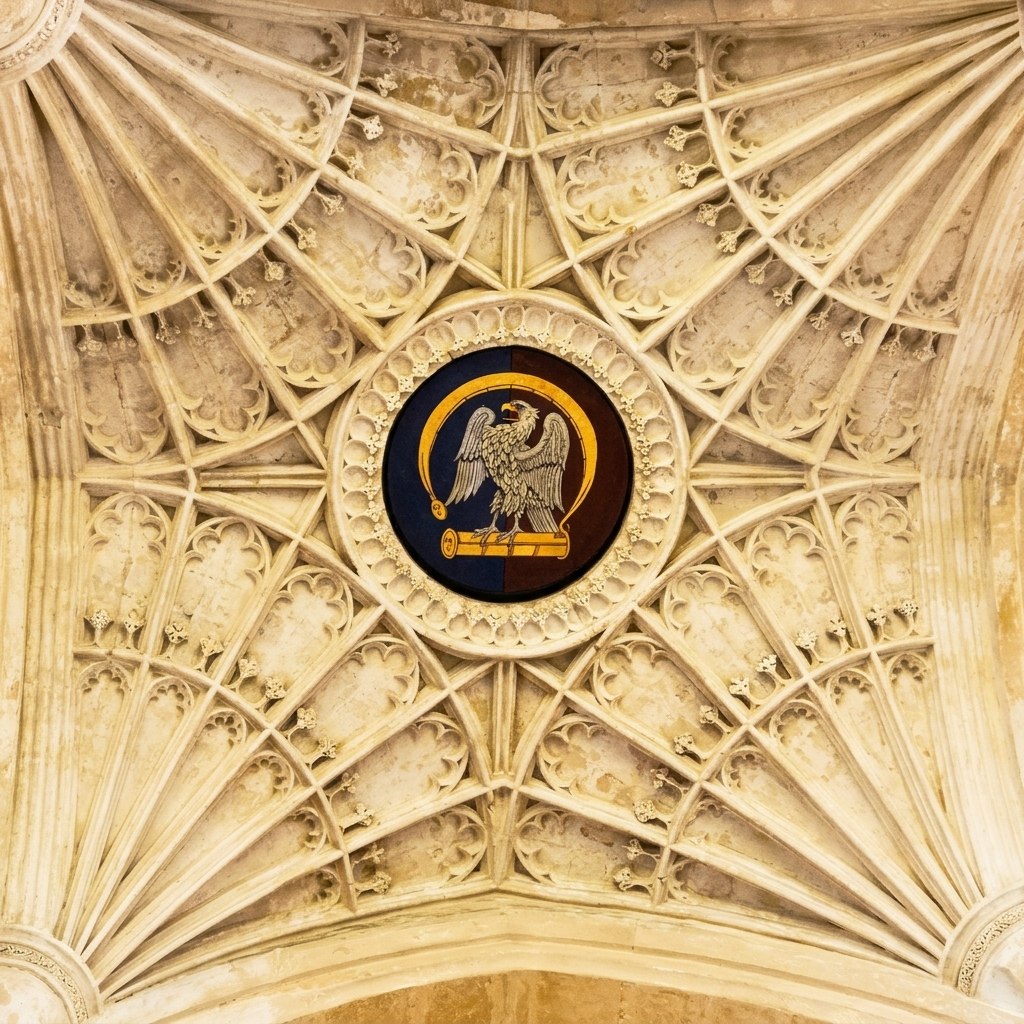
Look up beneath the tower and you’ll see lovely fan vaulting, with a painted falcon and fetterlock emblem of the House of York.
There’s also a tiny relic from the vanished castle itself: a carved stone lion displayed above the doorway in the entrance porch.
And in 1990, a concealed chamber beneath the porch yielded fragments of medieval stained glass, including Yorkist badges and angels. Some of these precious scraps are now displayed in the church.
Even the modern organ incorporates Yorkist roses and a Scottish thistle, a nod to Mary, Queen of Scots.
It’s an extraordinary amount of royal history packed into one village church.

I hope you’ve enjoyed my guide to the vanished Fotheringhay Castle. You may find these other English history guides interesting:
- Royal Whodunits
- English myths
- History of Medieval and Tudor England
- Tudor queens of England
- Power Women of Medieval & Tudor England
- Historical Mistresses and Favorites
- Wives of Henry VIII
- Worst kings of England
- Anglo-Saxon kings of England
Pin it for later.

