“History is a lie agreed upon,” supposedly remarked Britain’s first prime minister, Robert Walpole.
He may have been onto something.
Few countries have produced as many enduring historical myths as England. Some were born from politics, others from wild propaganda, and still others from wishful thinking.
Together, they’ve given us murderous queens, wicked kings, heroic outlaws, doomed romances, mysterious deaths, physical deformities, and, naturally, poison.
In this guide, I’ll separate fact from fiction by debunking some of England’s most famous historical myths.
Anne Boleyn’s Sixth Finger
I begin my chronicle of English myths with Anne Boleyn. Next to Richard III, no Tudor figure provokes more argument.
Anne is one of the most vivid women in English history. Yet we can’t even confirm her birth year, let alone her bedroom secrets.
Nearly five centuries later, people still argue about her personality, motives, and role in blowing up England’s relationship with Rome. She’s been cast as a schemer, victim, reformer, flirt, heroine, and homewrecker.
Sometimes all in the same book. Biographers and filmmakers simply can’t leave her alone.
What we do know is that Henry VIII was spoiled, vindictive, and increasingly paranoid. By 1536, he desperately wanted rid of Anne. She had failed to produce the longed-for male heir, suffered several miscarriages, and Henry had already turned his attention to Jane Seymour.

For these “crimes,” Henry discarded the woman he had once pursued for seven years, the woman for whom he had broken with Rome and risked the hostility of both Spain and many of his own subjects.
The mystery surrounding Anne isn’t really a whodunit. It’s a whydunit. Henry needed her out of the way. So what did he do? He destroyed her reputation.
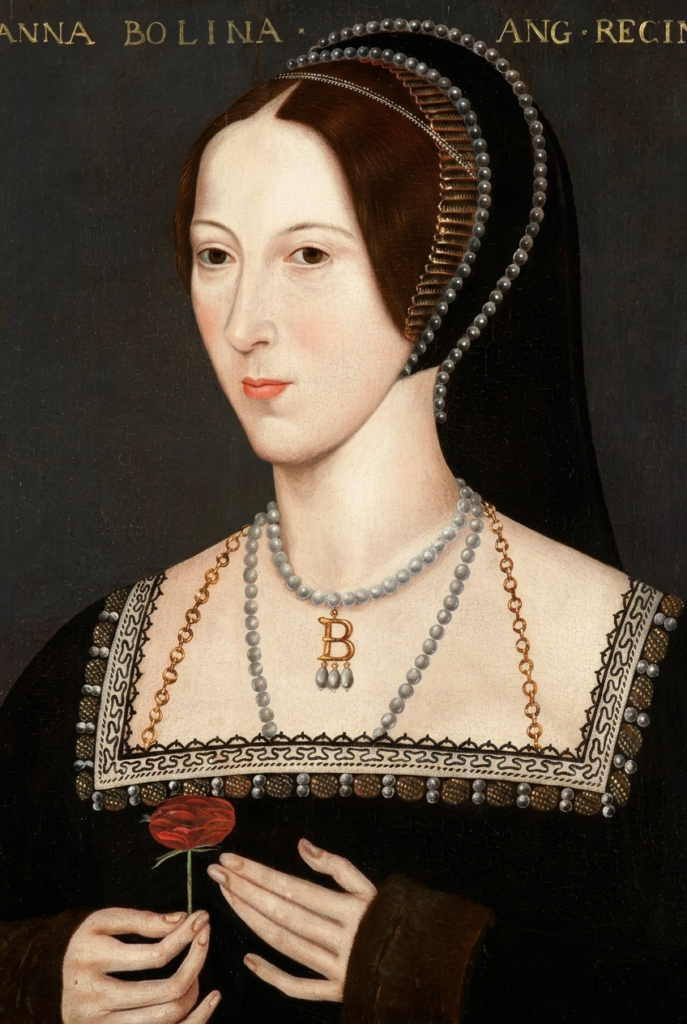
One of the most enduring stories is that Anne had a sixth finger. But there’s just one problem: no one who actually knew Anne ever mentioned it.
The tale doesn’t appear until the 1570s, decades after Anne’s execution. That year, the Catholic writer Nicholas Sander published a lurid description of her.
Sander wasn’t an eyewitness. In fact, he wasn’t even born until after Anne’s execution.
Physical deformities made excellent Tudor propaganda. They were widely viewed as outward signs of inner corruption, making Anne seem monstrous rather than merely inconvenient. It’s almost a Richard III rerun.
Contemporary ambassadors, courtiers, and admirers described Anne as elegant, fashionable, charismatic, and an unconventional beauty. Some mentioned a small mole or perhaps an extra nail on one finger. None described the grotesque deformities that later writers gleefully invented.
The sixth finger wasn’t history. It was character assassination.

Eleanor’s Murder of Fair Rosamund
Henry II was one of England’s most powerful kings. Henry married only once, to the indomitable Eleanor of Acquitaine.
Theirs was a tumultuous relationship, worsened by Henry’s many mistresses. His most notorious affair was with Rosamund Clifford known as “Fair Rosamund.”
She was the gentle and beautiful daughter of a Marcher lord. No one knows how they met. But she appears to have been the great love of his life, a fact that did nothing to soothe Eleanor’s pride.
At first, they were rather discreet. That is, until Eleanor joined her sons in rebellion against the king.

The affair, which began in the 1160s, may have fueled the volcanic breakdown of their marriage. Equally plausibly, Eleanor may not have cared about it one whit.
Henry installed Rosamund at the royal palace at Woodstock (where Blenheim Palace now stands). Legend claimed he built a complicated maze to conceal her from his queen.
Rosamund died young, around 1175, after retreating to Godstow Abbey. A legend grew that Eleanor killed Rosamund over the affair.
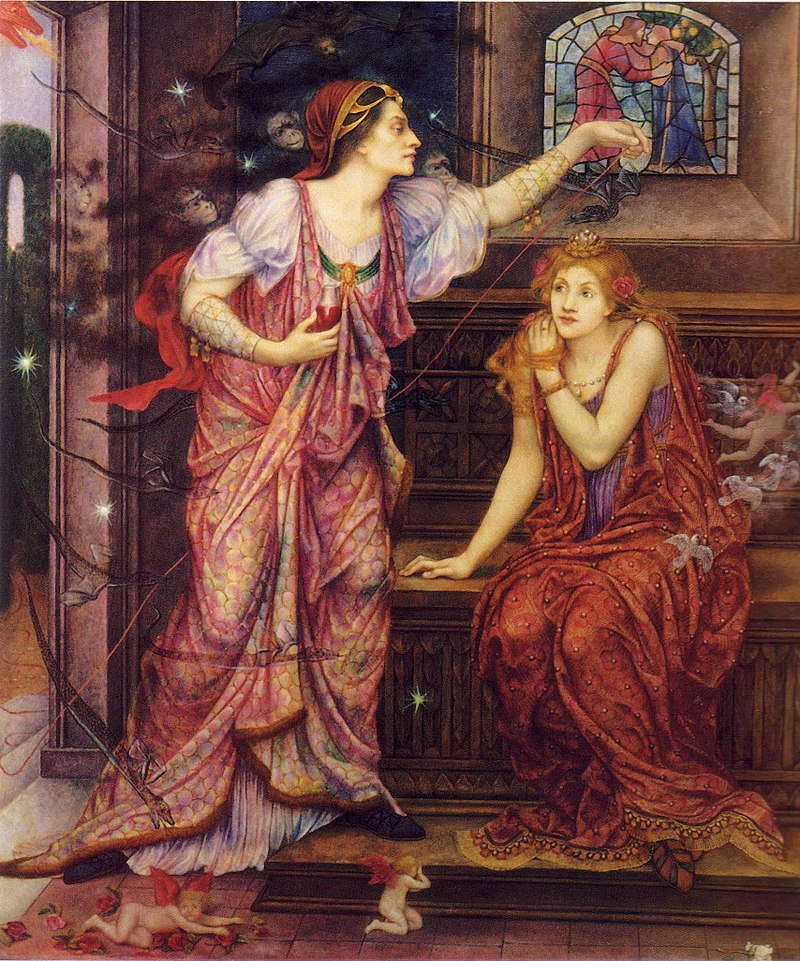
She supposedly snuck into the labyrinth, with the help of a secret thread, and offered Rosamund death by a dagger or poison. Later versions embellish this by claiming Eleanor burned, scalded, or stabbed Rosamund.
Is any of this true? I fear that it’s all medieval legend. A legend fired by stories of the greatest beauty and the greatest nemesis.
First, the “great love story” may be invented. The tales don’t even appear until the late 14th century.
Nothing concrete is known about Rosamund’s feelings toward Henry. Or whether she even had an agency in the relationship.
Moreover, Eleanor was well used to her husband lack of fidelity. So much of this tale seems like post-hoc romantic nonsense. In fact, at the time of Rosamund’s death, Eleanor was a prisoner in Winchester.
In reality, moreover, the famous maze and “bower” at Woodstock weren’t built to hide Rosamund at all. They were likely designed earlier for Eleanor herself.

It was a literary retreat and ornamental garden created for a queen who loved poetry and symbolism. Tudor gossip later turned it into the setting for a royal scandal.
After Rosamund’s death, a grief-stricken Henry buried her in an ornate shrine.
It was the final act in a (mostly) imaginary love story the medieval world never stopped retelling. Later, painters, poets, and even the Pre-Raphaelite painters revived her tragic but pure image.

Richard III Was a Deformed Hunchback
When Richard III lost the Battle of Bosworth to Henry VII, the new Tudor regime wasted no time reshaping his legacy. They effectively weaponized history.
Henry VII declared Richard III a usurper. After the battle, Richard’s body was stripped naked, slung over a horse, and taken to Leicester for public display before being hastily buried.
To strengthen his own claim to the throne, Henry VII to paint Richard as a villain. Years later, Sir Thomas More wrote his famous account of Richard III, filled with dramatic scenes and factual inaccuracies. Tellingly, More never intended it as an objective history, or even for publication.
For the first time, Richard was accused of murdering the Princes in the Tower, despite the absence of any contemporary evidence directly linking him to the crime.
More also dwelled on Richard’s supposed physical deformities.

In the late medieval world, physical imperfections were often seen as outward signs of moral corruption, making them a powerful propaganda tool.
Shakespeare amplified the legend. Writing Richard III during the reign of the Tudor queen Elizabeth I, he transformed Richard into one of literature’s greatest villains: a twisted, scheming hunchback consumed by ambition.
The Tudors reinforced the message visually as well. Portraits of Richard were altered to exaggerate his uneven shoulders. And later artists created increasingly grotesque images of the defeated king.
The result was the enduring “Black Legend” of Richard III. For centuries, most people accepted it without question.

Was Richard really a deformed hunchback?
Almost certainly not.
In 2012, archaeologists discovered Richard III’s remains beneath a parking lot in Leicester. The following year, DNA testing confirmed the skeleton belonged to the lost king.
The examination revealed that Richard suffered from adolescent-onset idiopathic scoliosis, not a hunchback.
His spine curved to the right, leaving one shoulder slightly higher than the other. But the condition would have been largely concealed beneath clothing and armor. He was neither crippled nor grotesquely deformed.
The analysis also overturned another Tudor invention. Richard’s eyes were blue, not the dark brown shown in many later portraits.
So the image of Richard III as a hulking, evil hunchback owes far more to Tudor propaganda and Shakespeare than to history.
Robert Dudley Killed Amy Robsart
An isolated country house. A staircase. A young woman with a broken neck. It sounds like the opening chapter of an Agatha Christie novel.
Instead, it became one of the greatest scandals of Elizabethan England.
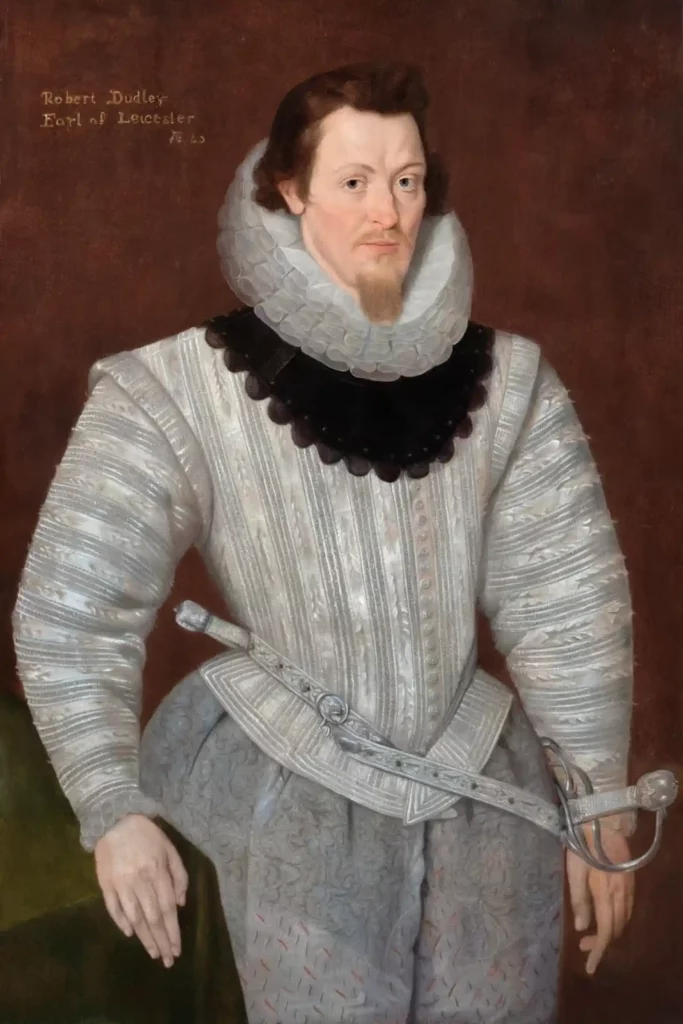
Amy Robsart was only 28 when she was found dead at the bottom of a stone staircase at Cumnor Place in 1560. Her husband, Robert Dudley, happened to be Queen Elizabeth I’s favorite courtier and, many believed, the man she most wanted to marry.
It looked like the perfect motive.
Almost immediately, rumors spread that Dudley had arranged his wife’s murder so he could wed the queen. The gossip raced through England and across Europe. Foreign ambassadors repeated it as fact. Even today, many people assume Dudley quite literally got away with murder.
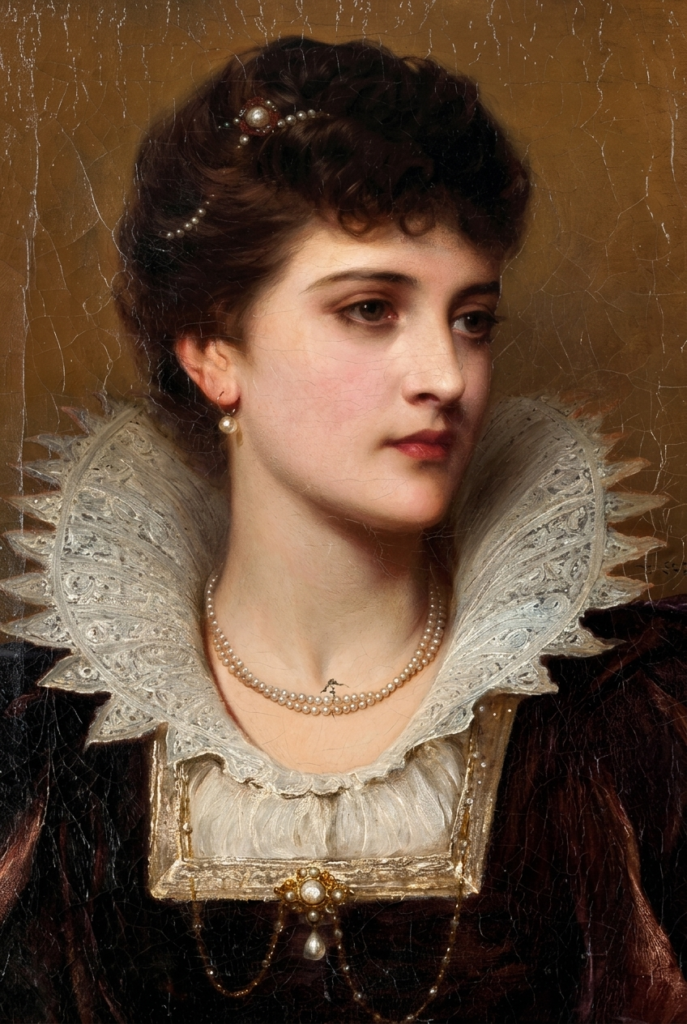
But the evidence is surprisingly thin.
An official inquest of fifteen local jurors concluded that Amy had died from an accidental fall. Modern historians have suggested she might have breast cancer that had spread to her bones, making them dangerously fragile. A fall under those circumstances could be fatal.
More importantly, murder would’ve been spectacularly foolish.
Dudley wasn’t an idiot. He knew perfectly well that if his healthy young wife suddenly died, every finger in England would point at him. And it did. Far from clearing the path to the throne, Amy’s death slammed the door shut.
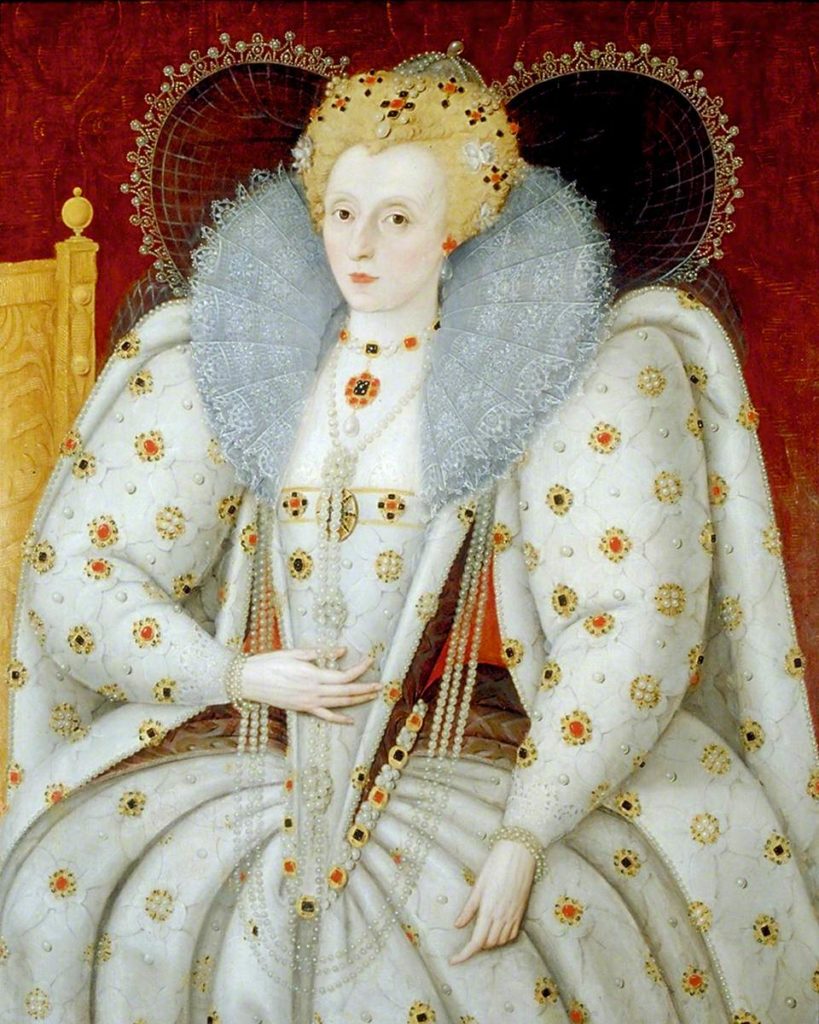
Elizabeth understood the political disaster immediately. Marrying Dudley after Amy’s sudden death would look like an admission of guilt, whether the rumors were true or not. The outcry would be immense.
If Dudley murdered Amy in hopes of becoming king, he accomplished exactly the opposite. Her death permanently poisoned his prospects of marrying Elizabeth.
That doesn’t prove he was innocent. But it does make him a remarkably irrational would be murderer.
The simplest explanation may also be the least dramatic. Amy Robsart probably suffered a tragic fall, while one of history’s most enduring conspiracy theories was born almost overnight.
King Arthur’s Existence
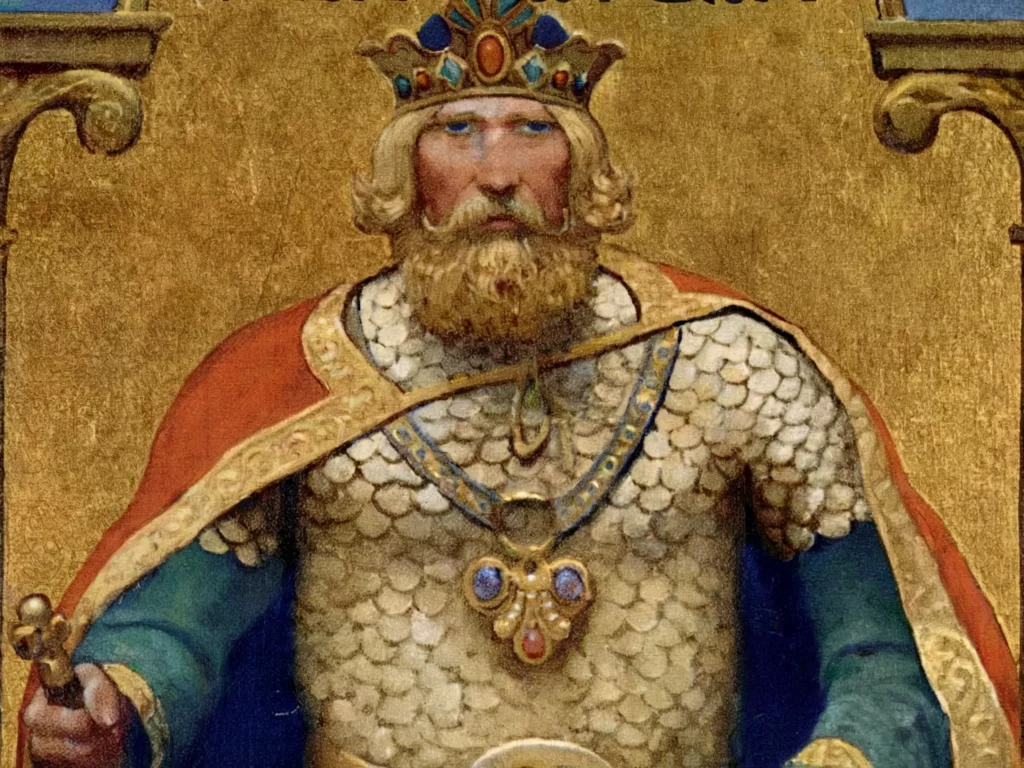
One of England’s greatest historical myths is that King Arthur was a real king who ruled from Camelot with the Knights of the Round Table.
The problem? There’s no convincing evidence that any of it happened.
As far as historians can tell, there was no Camelot, no Sword in the Stone, no Excalibur, no Holy Grail, no Merlin, and no Round Table fellowship. Whether there was ever a historical Arthur remains one of history’s greatest unanswered questions.
Arthur is said to have led the Britons against invading Saxons sometime in the late fifth or early sixth century, after the Romans withdrew from Britain.
But unlike most legendary rulers, Arthur doesn’t begin as a clearly identifiable historical figure who gradually acquired mythical qualities. Instead, he emergde from folklore and heroic tradition before later writers anchored him to specific battles, places, and a supposed historical era.
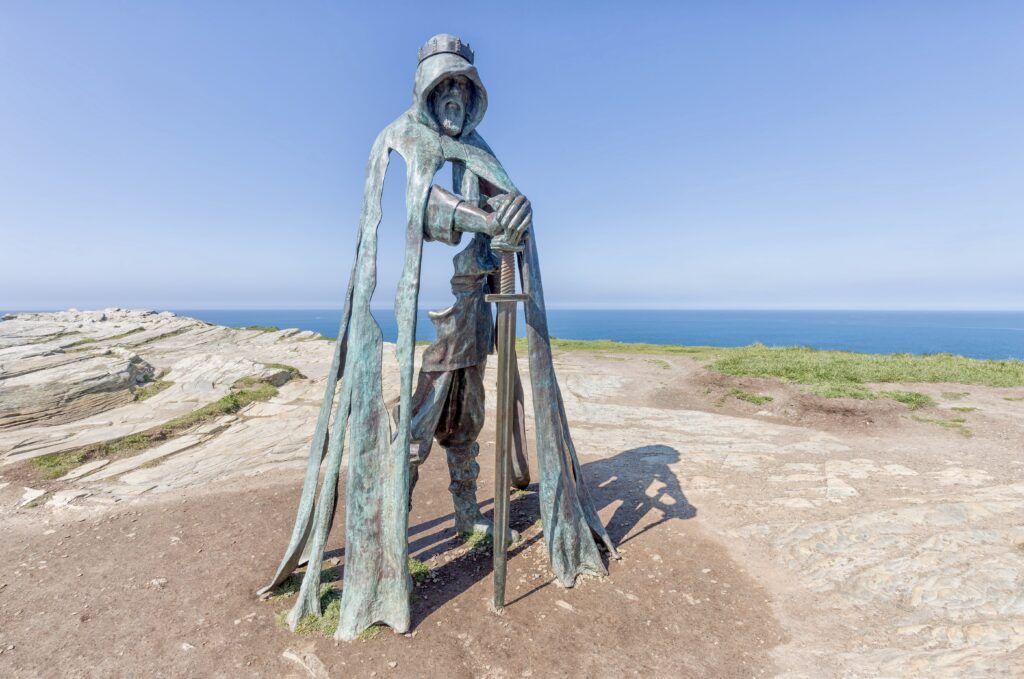
The evidence for a historical Arthur is remarkably thin. It rests largely on a handful of early Welsh poems, the Historia Brittonum, and the Annales Cambriae, all written long after Arthur supposedly lived. None are contemporary accounts, and all raise difficult questions about reliability.
What’s even more telling is what historians haven’t found. No contemporary inscription mentions Arthur. No royal charter, coin, burial, or archaeological discovery can be securely connected to a king of that name.
That doesn’t necessarily prove Arthur never existed. Some scholars believe the legend may preserve the memory of a real British war leader or even several different leaders whose exploits merged over time. But if such a person existed, history has left almost no trace of him.
Yet the Arthur legend has endured for more than a 1,000 years. He’s been reinvented by medieval chroniclers, Tudor propagandists, Victorian romantics, Hollywood filmmakers, and bestselling novelists. Whether fact or fiction, King Arthur remains Britain’s greatest legend.

Robin Hood: Superhero?
Robin Hood is one of the world’s first superheroes. He’s as much a part of English folklore as King Arthur.
The essential elements of the story, from archery to armed philanthropy, from Maid Marian to Little John and the Sheriff of Nottingham, are known around the world.
The tales seem to have gathered steam during the reign of Edward I. By the 15th century, they’d evolved into written ballads that established many of the legend’s familiar elements.
The Victorians polished the myth even further. Then Hollywood took over, with everyone from Errol Flynn to Kevin Costner putting on Lincoln green. Since then, there have been countless films and television adaptations.
But is there any truth to the legend?
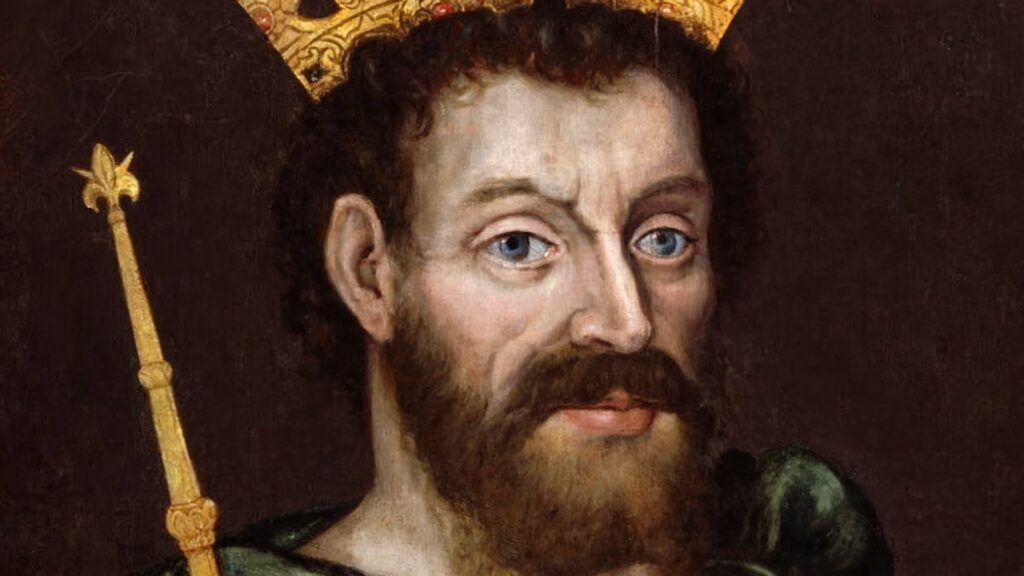
Since the 19th century, historians have entertained themselves by combing through medieval court records looking for someone named Robin Hood.
There are a few tantalizing possibilities: a 1225 reference to a “Robyn Hode,” a 1316 mention of a Robin Hood in the court rolls of Wakefield, and a passing reference in William Langland’s Piers Plowman in the 1360s. None of them, however, comes close to proving the existence of England’s most famous outlaw.
It’s all pretty desperate stuff: a few poems, some ballads, scattered references, and a healthy dose of folklore. No one has ever uncovered a definitive smoking gun or any solid contemporary evidence.
If Robin Hood had really existed as the legendary outlaw, you’d expect him to appear in court rolls, royal writs, tax records, arrest warrants, pardons, or land grants. But historians have come up empty.
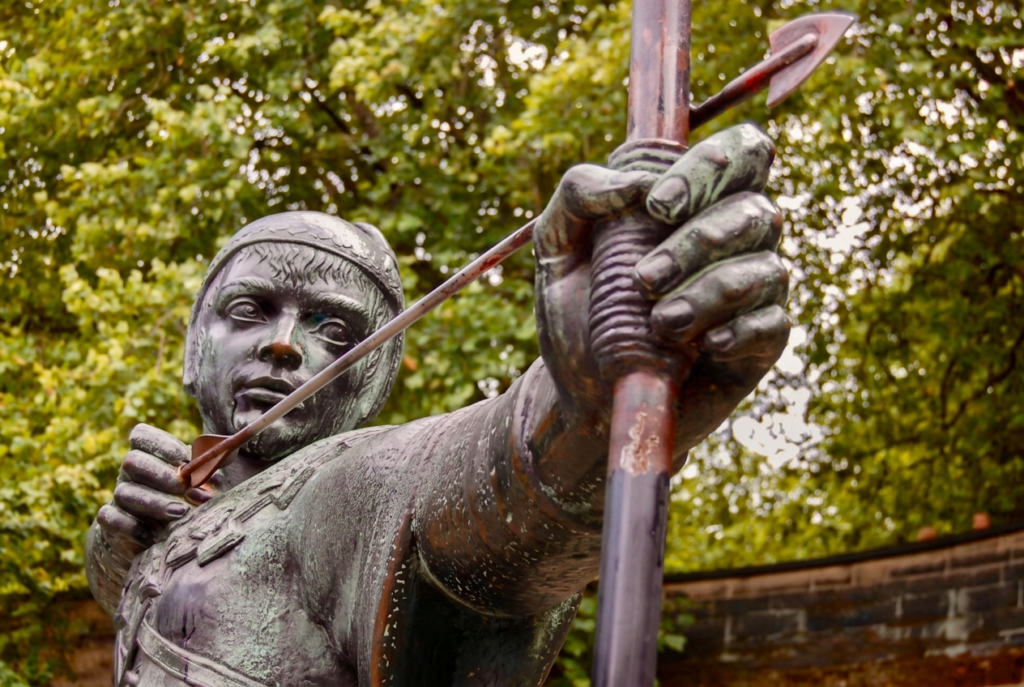
A more likely explanation is that “Robin Hood” had become a generic nickname for an outlaw, much like “John Doe” became shorthand for an unknown person.
Medieval England seems to have produced plenty of Robin Hoods. Other countries did too. France, for example, developed its own tradition of noble bandits who lived beyond the reach of the law.
So perhaps Robin Hood isn’t one man at all. He may simply be a composite of several real outlaws whose exploits merged with folklore over the centuries.
In a way, Robin Hood is the mirror image of King Arthur. Arthur has become more historical as scholars continue to investigate post-Roman Britain. Robin Hood, on the other hand, tends to become less historical the closer you examine the evidence.


Henry VII & Religion
One of history’s biggest “what ifs” in history is what might have happened if Henry VIII and Catherine of Aragon had produced a healthy son.
Most people assume England would’ve remained comfortably Catholic and avoided the cataclysmic break with Rome.
It’s an appealing theory. Henry’s obsession with securing the Tudor dynasty certainly drove his “Great Matter.”
When Catherine failed to produce a surviving male heir, Henry sought an annulment, broke with the pope when he couldn’t get one, and ultimately established the Church of England.
But history is rarely that simple.

By the 1520s and 1530s, the Protestant Reformation was already sweeping across northern Europe. Martin Luther’s ideas spread with astonishing speed thanks to the printing press.
Meanwhile rulers in Germany and Scandinavia discovered that breaking with Rome brought both political independence and enormous financial rewards.
England wasn’t isolated from these currents. Anti-clerical sentiment had existed for generations, resentment of papal authority simmered beneath the surface, and many educated Englishmen were already embracing Protestant ideas.
Henry may have lit the fuse, but the powder keg had been filling for decades.
Would England have remained Catholic if Catherine had produced a strapping son?

Perhaps for a time. Henry would have had little reason to challenge the pope personally.
But it’s unlikely that England would have escaped the Reformation altogether. The religious and political forces transforming Europe were much larger than one king’s marital frustrations.
So while Henry’s quest for an heir dramatically altered the timing and character of the English Reformation, it’s a myth that his divorce alone turned England Protestant.
What we do know is that, had Catherine borne a healthy son, Anne Boleyn might have kept her head, Hilary Mantel might be less famous, and England’s monasteries might have survived a great deal longer.
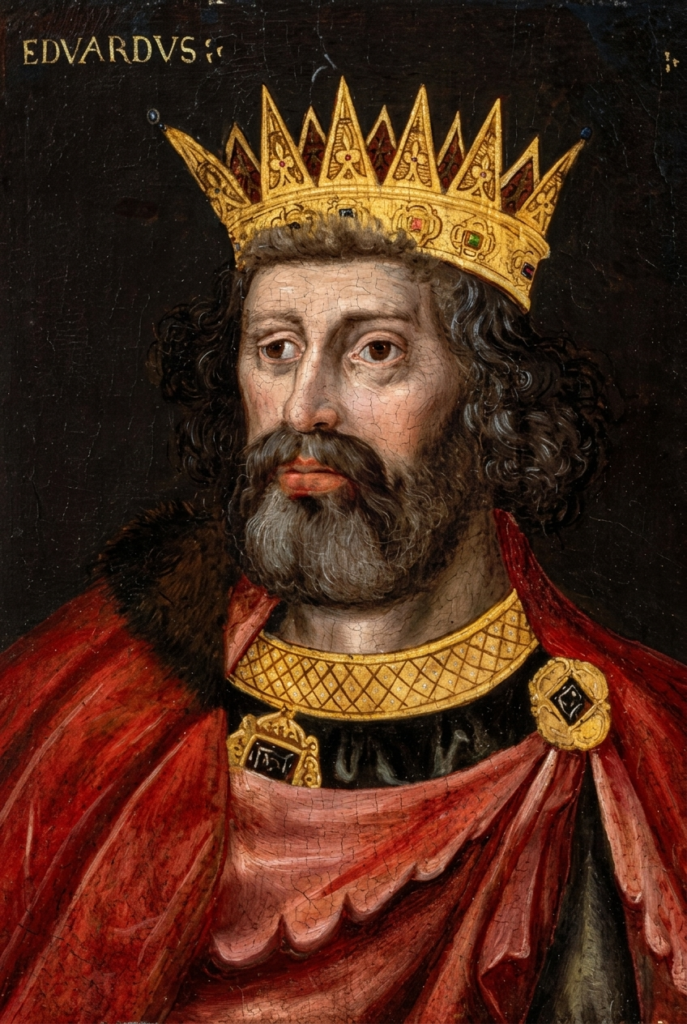
Edward II: the Poker Story
Edward II was everything his formidable father, Edward I, wasn’t: weak, indecisive, and perpetually out of his depth. He surrounded himself with unpopular favorites, neglected military affairs, alienated powerful nobles, and gave ambitious courtiers power.
Eventually, the king fell victim to his own wife, Isabella of France, the so-called She-Wolf of France, and her lover, Roger Mortimer. Deposed and imprisoned at Berkeley Castle, Edward supposedly met one of history’s most gruesome ends: murder by a red-hot poker.
But did he?
The contemporary records are surprisingly unhelpful. They simply report that Edward died in September 1327. They say nothing about a poker, torture, or even murder.
The infamous story only surfaced decades later, after Isabella and Mortimer had fallen from power.

It appears in later chronicles that delighted in sensational details but offered no eyewitness evidence. Modern historians generally regard the tale as medieval propaganda rather than reliable history.
The story is also rather impractical. The supposed method was designed to leave no external marks on the body while inflicting maximum agony. But there is no evidence that anyone who examined Edward’s corpse reported injuries consistent with such a death.
Nor would medieval assassins have needed such an elaborate scheme. Smothering, strangulation, poisoning, or simply allowing a prisoner to die from neglect was far easier and much less risky.
Most historians still suspect Edward was murdered. As long as he remained alive, he was a rallying point for loyalists, making Isabella and Mortimer’s regime inherently unstable. But if he was killed, it was almost certainly by far less theatrical means.
The red-hot poker has endured because it’s unforgettable. History, however, provides remarkably little evidence that it ever happened.

Richard the Lionheart: England’s Great King?
One enduring image of Richard the Lionheart is that of the perfect medieval king: a fearless warrior, the embodiment of chivalry, and the great defender of Christendom during the Third Crusade.
There is some truth to that reputation. Richard was undoubtedly one of the greatest military commanders of his age.
He repeatedly outmaneuvered Saladin, inspired fierce loyalty among his soldiers, and earned the admiration of both allies and enemies for his courage on the battlefield.
But being a brilliant warrior did not necessarily make him a great English king.
Richard cared far more about his vast French territories and crusading ambitions than England itself. During his 10 year reign, he spent only about six months in England, viewing the kingdom largely as a source of money to finance his military campaigns.
To raise funds, Richard taxed his subjects heavily and sold royal lands, offices, castles, and privileges. According to one chronicler, he supposedly joked that he would have sold London itself if he could have found a buyer.
Like his great grandfather William the Conqueror, Richard seemed happiest on campaign. He spent much of his reign in the Holy Land, languished in captivity after being seized by Duke Leopold of Austria, and then returned to wage war against Philip II of France.

Richard’s diplomacy was considerably less successful than his military leadership. His arrogance and impulsiveness alienated many powerful rulers, leaving him with few dependable allies. By the end of his crusade, much of Western Europe viewed him with suspicion or outright hostility.
His capture in Austria created yet another burden for England. The enormous ransom demanded for his release, one of the largest ever paid in medieval Europe, fell largely on his subjects through extraordinary taxation.
Richard died in 1199 from a wound received while besieging a relatively insignificant castle in France. He left England financially strained and entrusted the kingdom to his younger brother, John, whose disastrous reign would culminate in the loss of Normandy and the crisis that produced Magna Carta.
Richard I deserves his reputation as one of history’s greatest soldier-kings. But judged as a ruler of England rather than a medieval warrior, his record is far less impressive.
His reign produced little lasting domestic reform, placed enormous financial burdens on his kingdom, and left England weaker than he found it.
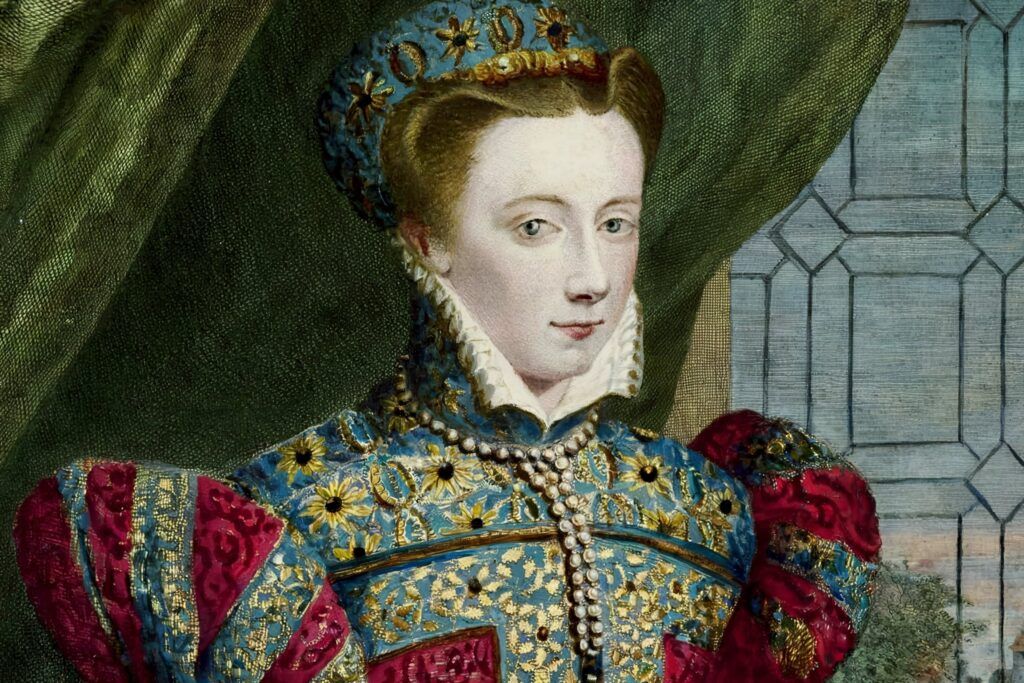
Mary I: Uniquely “Bloody”?
Mary was the daughter of Henry VIII and Catherine of Aragon. History remembers her as a murderous monster, one of the most reviled figures in English history.
She became queen in 1553 and immediately set about restoring England to what she regarded as its true faith. She reversed her father’s religious reforms and brought the kingdom back under papal authority.
It was a bold, deeply personal mission. And one that would define her legacy, for better or worse.
Mary revived the old heresy laws and began burning Protestants who refused to recant. During her five year reign, around 280 people, including bishops, clergymen, and ordinary citizens, were executed at the stake.

Her campaign earned her the grim nickname “Bloody Mary.” Mary saw herself as saving souls. To many of her subjects, however, she became a symbol of religious fanaticism and fear.
But was she really that “bloody”? Or has history singled her out while giving others a pass?
The real story is more complicated.
To be sure, 280 burnings are horrifying by modern standards. Mary hoped the executions would serve as a “short, sharp shock” that would stamp out Protestantism before it spread further.
But 16th century England was a violent place. Religious persecution was common across Europe, whether carried out by Catholics or Protestants. This was, after all, an age of drawing and quartering, public executions, and brutal punishments for crimes both political and religious.
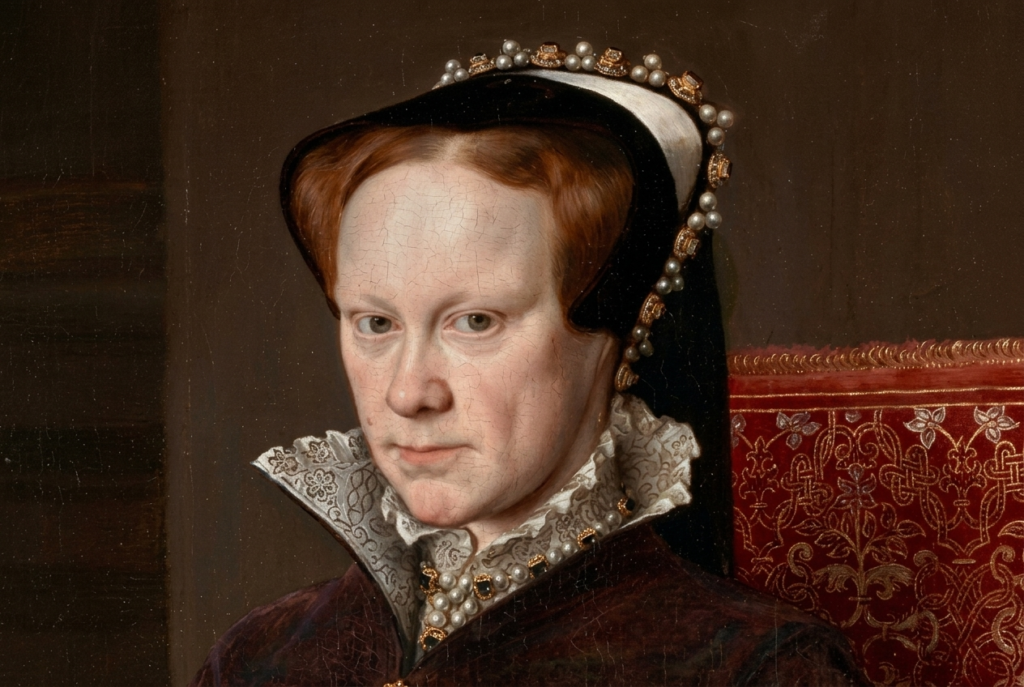
Henry VIII executed far more people than Mary, though historians disagree on the exact numbers. Elizabeth I also ordered the execution of hundreds of Catholics, rebels, and traitors during her long reign. Yet neither monarch is primarily remembered for bloodshed in the way Mary is.
Much of that reputation comes from Protestant propaganda. John Foxe’s enormously influential Book of Martyrs portrayed Mary as the archetypal Catholic tyrant and helped cement the image of “Bloody Mary” for generations of English readers.
Gender likely played a role as well. England had never before been ruled by a queen regnant, and many contemporaries doubted that a woman could govern effectively. Mary’s failures were often judged more harshly than those of her father, sister, or brother.
So the myth of Bloody Mary is rooted in more than just the burnings. Mary was undoubtedly flawed, and the executions remain one of the darkest episodes in English history. But she was neither uniquely bloodthirsty nor exceptionally cruel by the brutal standards of 16th century Europe.
I hope you’ve enjoyed my guide to the greatest English myths. You may find these other English history guides interesting:
- The Battle of Hastings
- History of the War of the Roses
- History of Medieval and Tudor England
- Crimes of Henry VIII
- Life of Mary Queen of Scots
- Tudor queens of England
- Power Women of Medieval & Tudor England
- Meet the Plantagenets
- Historical Mistresses and Favorites
Pin it for later.