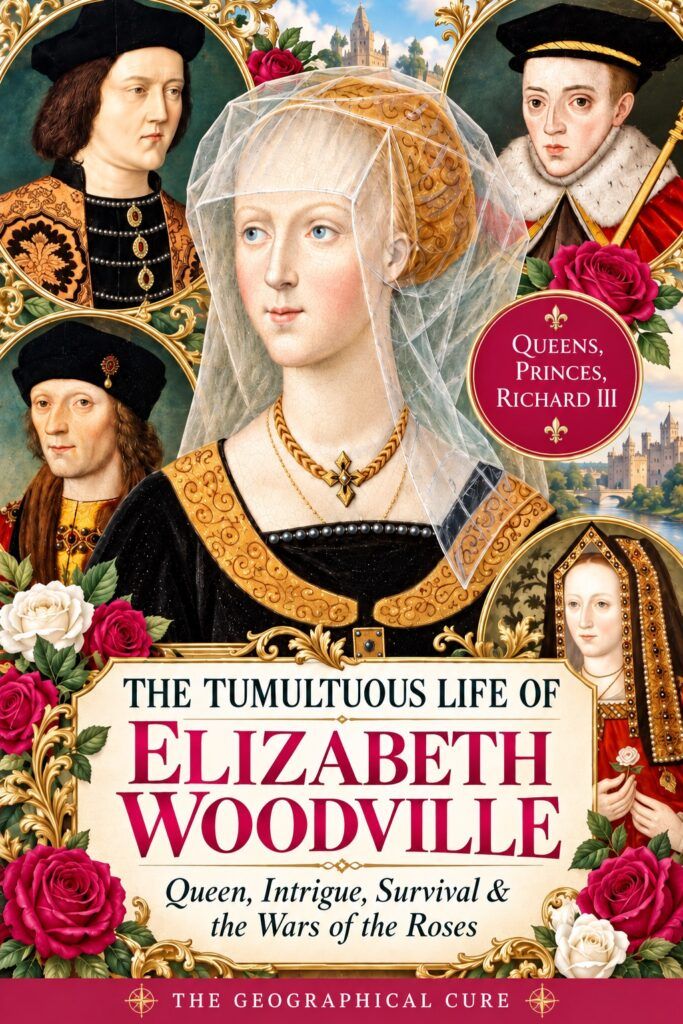
The Wars of the Roses produced some spectacularly divisive characters. Elizabeth Woodville belongs near the top of the list.
As befits the era, she was beautiful, ambitious, and politically astute. She began as a Lancastrian widow and ended up married to the dashing Yorkist king Edward IV.
The match scandalized the court. It enriched the Woodvilles, infuriated Warwick the Kingmaker, and helped fracture the alliance that put Edward on the throne.
Still, Elizabeth survived all of it. Edward crushed his enemies, reclaimed his crown, and for more than a decade the Yorkist dynasty looked secure.
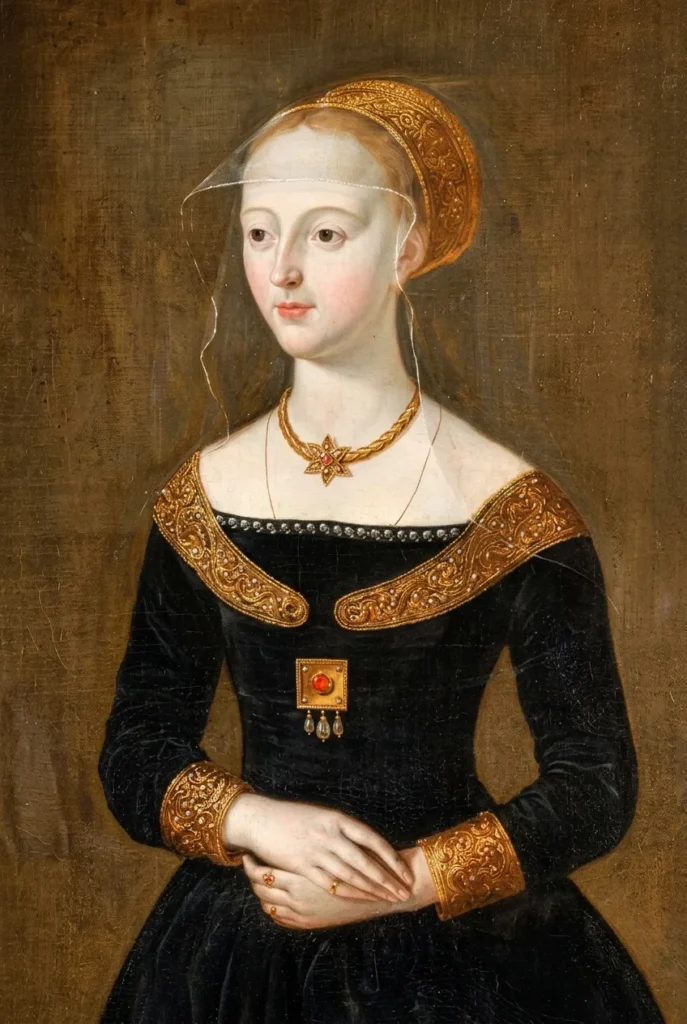
Then Edward died. Suddenly, Elizabeth’s position unraveled.
Richard III seized control of her sons. The Princes in the Tower disappeared. Her marriage was declared invalid and her children illegitimate.
Elizabeth responded by doing what she did best: surviving and recalculating.
From sanctuary, she plotted with Margaret Beaufort and arranged the marriage of their children, Elizabeth of York and Henry Tudor. It was an alliance that would help destroy Richard III and create a new dynasty.
Quite a career for a woman who began as a commoner. Let’s look at how Elizabeth Woodville pulled it off.
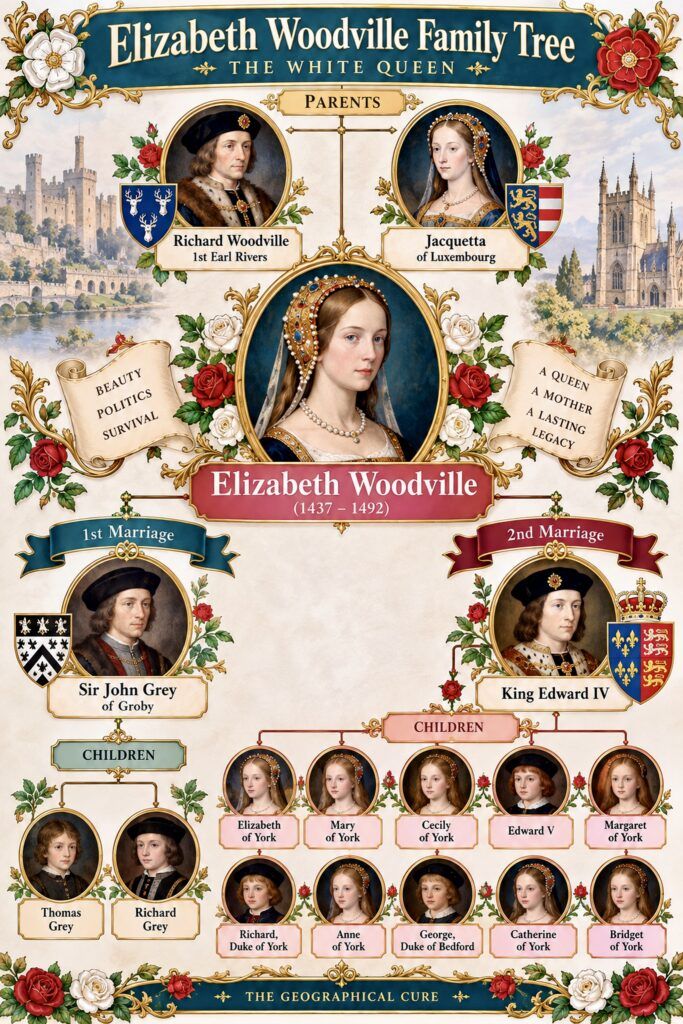
Elizabeth Woodville Biography
Early Life
Elizabeth was born around 1437 into a firmly Lancastrian family. Her father, Richard Woodville, was a knight. Her mother, Jacquetta of Luxembourg, was something considerably grander.
Jacquetta was the wealthy widow of the Duke of Bedford and part of Henry VI’s extended royal circle.
Then she did something rather shocking. She secretly married the comparatively low-ranking Woodville for love, without bothering to ask the king’s permission.
The couple were slapped with an enormous £1,000 fine. But they eventually received a royal pardon, and Richard’s career recovered nicely.
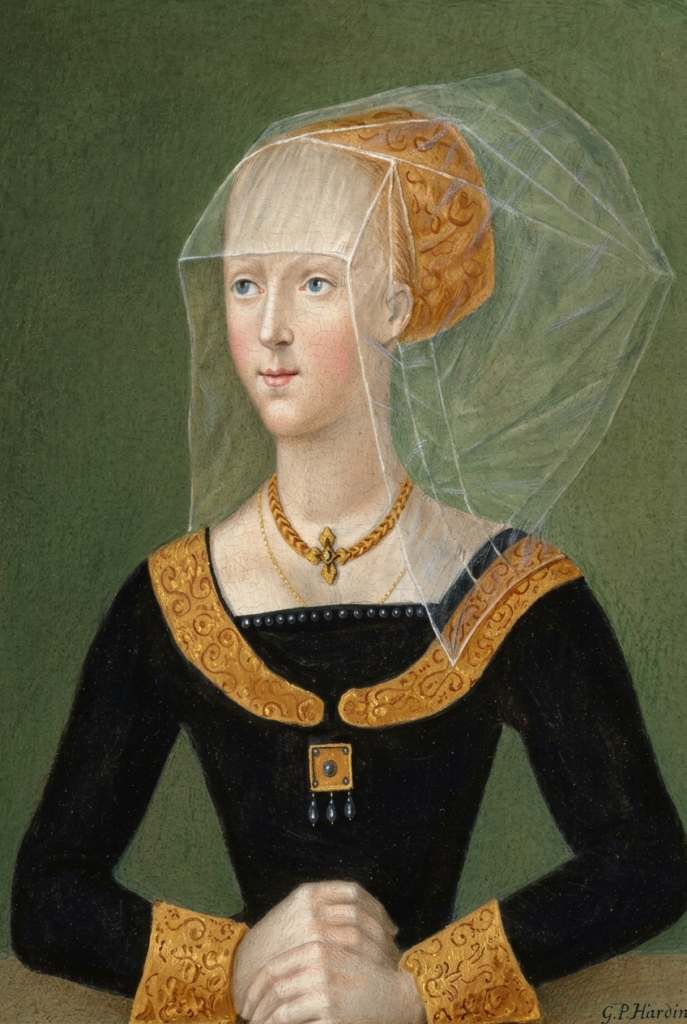
He was created Baron Rivers in 1448. This pulled the family firmly into the nobility.
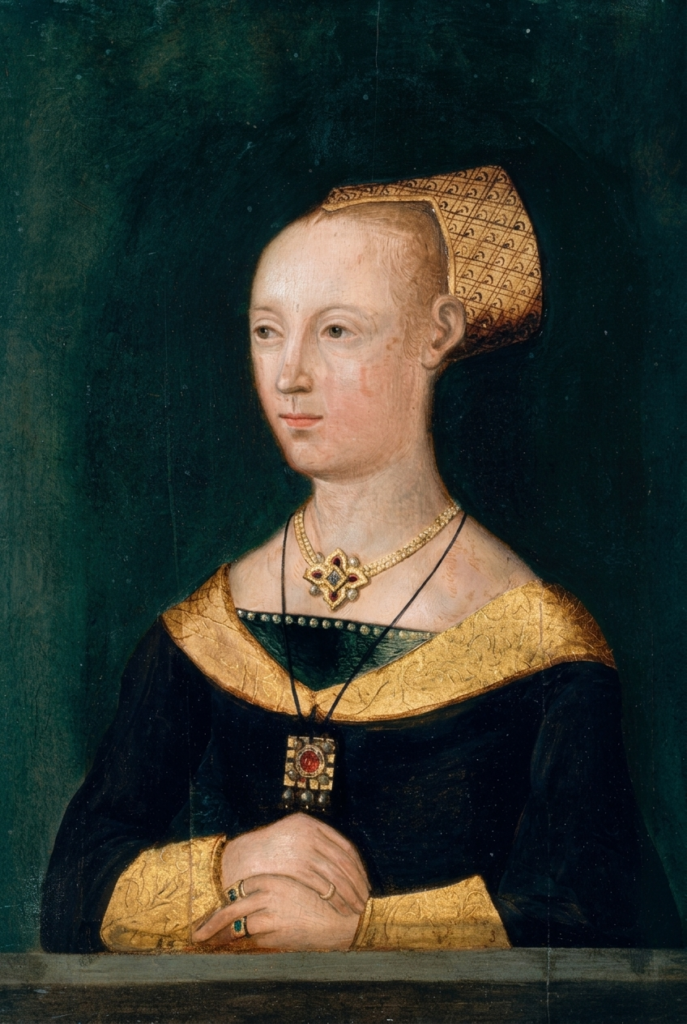
Elizabeth, meanwhile, was famous for her beauty and had no shortage of suitors. She was said to be statuesque, blonde, with fair skin and entrancing eyes.
She married the Lancastrian knight Sir John Grey and had two sons, Thomas and Richard Grey. Then, the Wars of the Roses blew the family apart.
The Woodvilles backed Henry VI against the Yorkists. Sir John Grey fought for Lancaster and was killed at the Second Battle of St Albans in 1461. Elizabeth became a widow in her early twenties, and her dower lands were confiscated.
The Famous Meeting With Edward IV
When Henry VI fell, the new king was Edward IV. He was handsome, charismatic, and popular. He was also an absolutely relentless womanizer.
Married or unmarried, noble or common, it hardly mattered to Edward. He pursued women enthusiastically and even dangled promises of marriage when his good looks and persuasion failed.
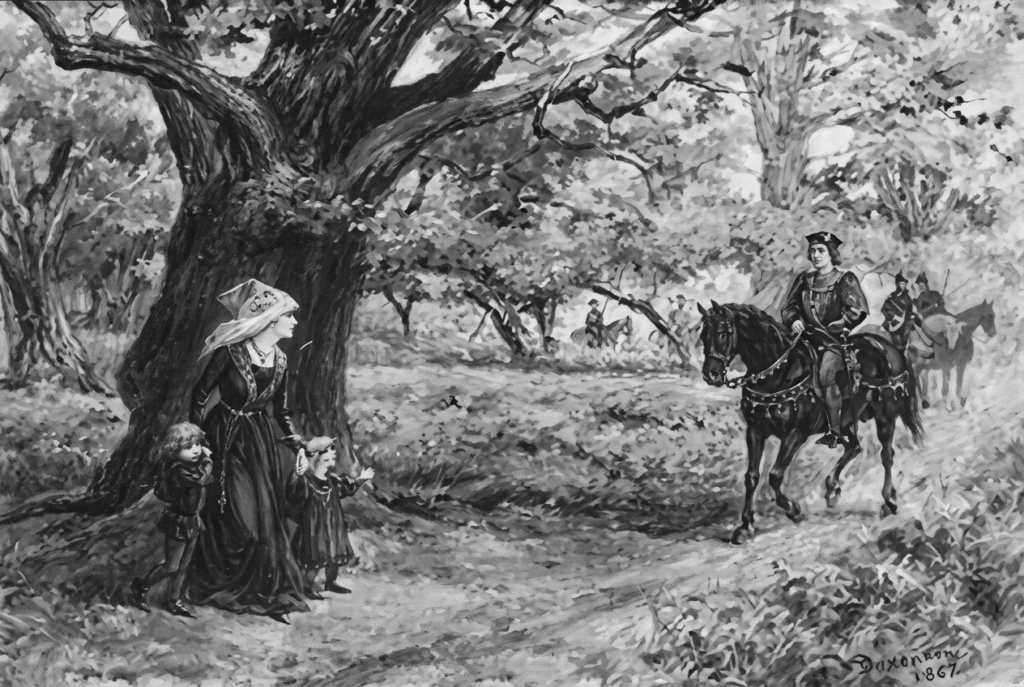
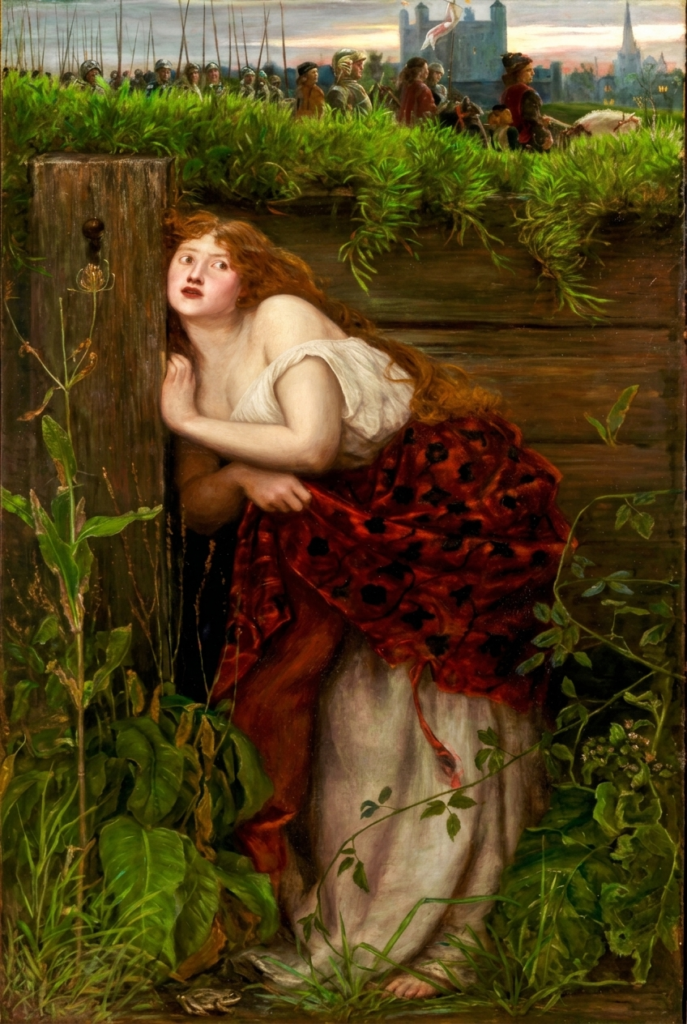
According to legend, he met Elizabeth in a fairytale setting. The story goes that the widowed Elizabeth waited beneath an oak tree with her two young sons to petition the king for the return of her dower lands.
Edward was immediately smitten with the beautiful widow. Predictably, he tried to seduce her. Elizabeth refused to become his mistress, saying she would rather die with a dagger than submit.
Edward IV was not a man accustomed to women saying no. So what did he do?

The Secret Marriage
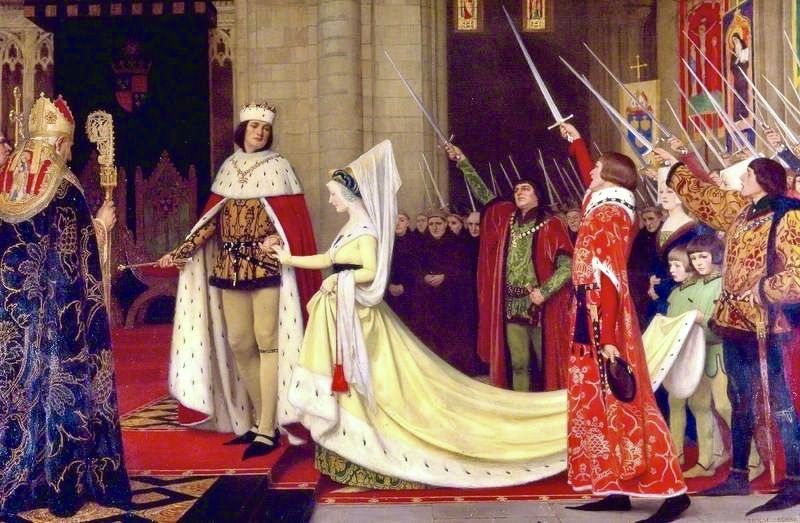
Undeterred, Edward secretly married her in 1464. It sounds wonderfully romantic, doesn’t it?
But, politically, it was a disaster. His court was horrified. Kings weren’t supposed to marry commoners. They needed a dowry and a strategic international alliance.
The Duke of Warwick, known as the Kingmaker, was especially furious. He’d been pursuing a prestigious French marriage for Edward.
Instead, Edward blindsided him by marrying an English widow from a Lancastrian family, without consulting Warwick or anyone else who mattered.
Apparently, secret marriages ran in the family. Elizabeth won the king. She was also a political problem.
The Woodville Invasion of the Royal Court
Even worse, Elizabeth came with an enormous and ambitious family.
Once she became queen, the Woodvilles descended on the court. They quickly collected titles, offices, lands, and extremely useful marriages.
The most notorious match involved Elizabeth’s young brother John Woodville. He married the fabulously wealthy Katherine Neville, Duchess of Norfolk, who was old enough to be his grandmother.
Elizabeth’s sisters were married into some of England’s greatest aristocratic families. Her father, Richard Woodville, was elevated to Earl Rivers and later appointed Lord Treasurer.
The Woodvilles had arrived, and they weren’t exactly subtle about it.

The favoritism, however, wasn’t just due to Elizabeth’s conniving.
Edward had his reasons too. A queen’s family needed status, and promoting the Woodvilles gave him a network of men whose fortunes depended directly on him.
Just as importantly, they provided a useful counterweight to the immense power of the Kingmaker.
But to England’s old nobility, the Woodvilles looked like grasping social climbers who had hit the royal jackpot.
The Kingmaker had made a king. Now he was beginning to regret it. Making a king didn’t mean owning one.
Elizabeth and the Wars of the Roses
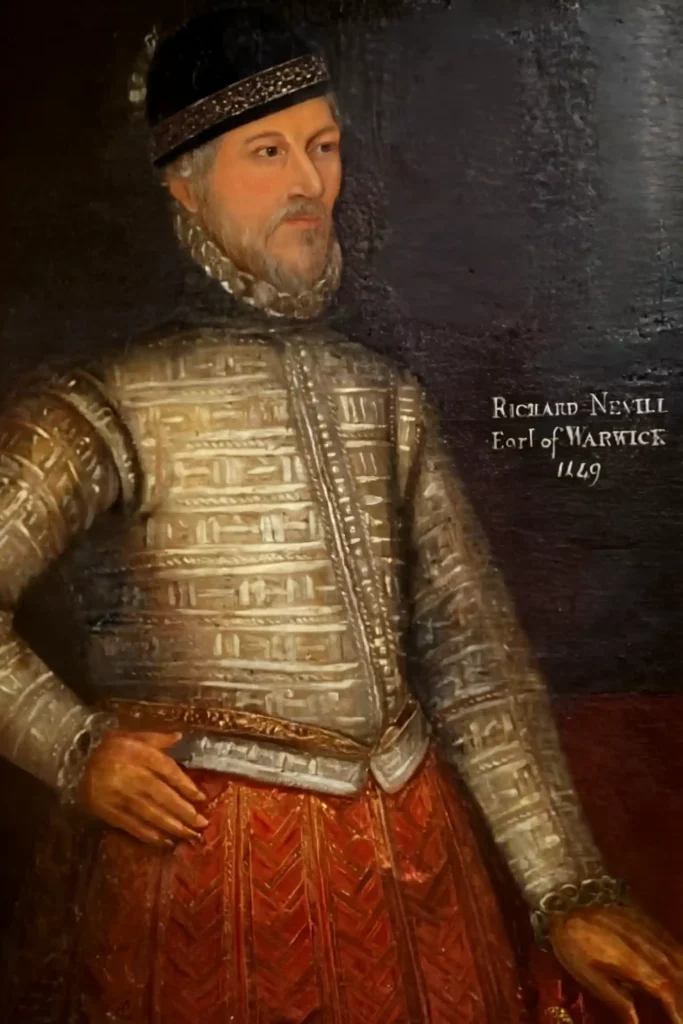
By 1469, the feud between Edward and Warwick had tipped into open rebellion.
Warwick backed uprisings against Edward and defeated the royal army. Edward was taken prisoner and confined at Warwick Castle. For a few extraordinary weeks, the Kingmaker had the king in his hands.
Warwick also struck directly at the Woodvilles. Elizabeth’s father and brother John were captured and summarily executed. The message could hardly have been clearer.
But Warwick still wasn’t satisfied. In 1470, he made an astonishing alliance with his old enemy Margaret of Anjou to restore Henry VI to the throne.
Edward was suddenly a king without a kingdom. He fled England for exile.

Sanctuary
Meanwhile, when she heard Edward had lost, Elizabeth fled into sanctuary at Westminster Abbey with her mother and three young children.
Sanctuary was more than hiding in a church.
Westminster possessed ancient privileges that offered protection even to political fugitives. Once ensconced there, Elizabeth was effectively beyond Warwick’s immediate reach.
Abbot Thomas Millyng took the royal family under his protection. There, in considerably reduced circumstances for a queen, she waited out her husband’s exile.
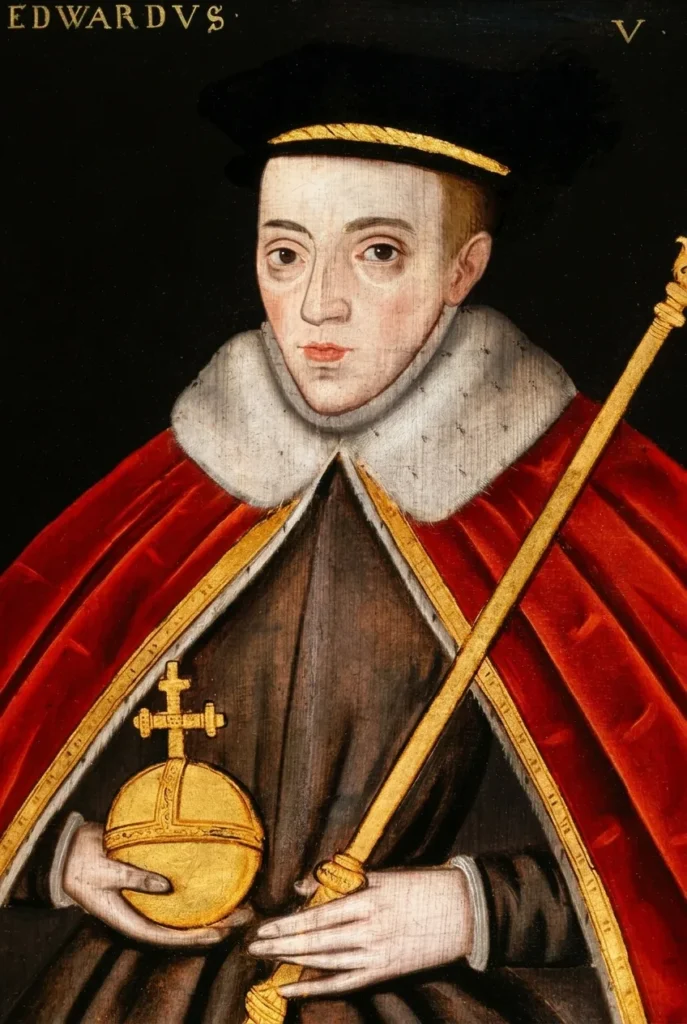
On November 2, 1470, Elizabeth gave birth in sanctuary to the son Edward had desperately needed: Prince Edward, the future Edward V. He was baptized in Westminster Abbey.
It’s one of the great reversals of her life. Only a few years earlier, Elizabeth had been crowned queen in Westminster Abbey with enormous ceremony.
Now, she was back in the same precincts as a political refugee, giving birth to the heir while his father was an exiled king.

Edward Comes Back Swinging
Fortunately for Elizabeth, Edward’s exile didn’t last long.
In 1471, backed by money and men from Burgundy, he returned to England and moved fast. London fell back into his hands. And Edward marched north to confront Warwick at the Battle of Barnet.
The battle was fought in thick fog and near chaos. By the end of it, the Kingmaker was dead. Edward then turned on the remaining Lancastrians.
At Tewkesbury, his army smashed Margaret of Anjou’s forces. Henry VI didn’t survive much longer.
He died in the Tower of London soon afterward, officially of “melancholy.” In reality, he was almost certainly killed on Edward’s orders or with his approval.
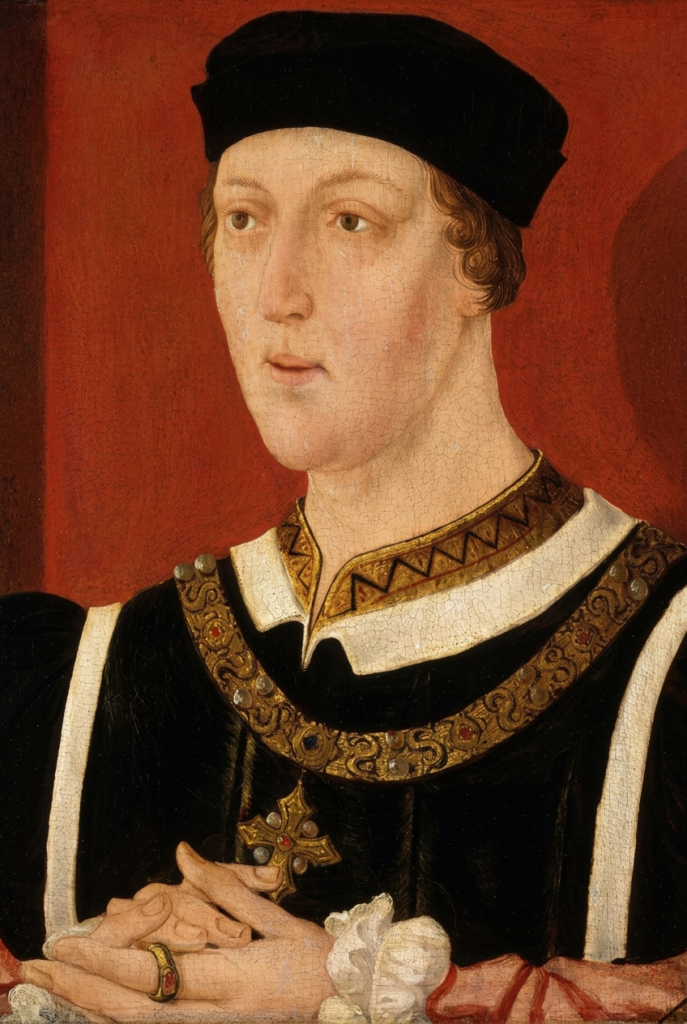
In a matter of weeks, Edward had annihilated his major enemies and reclaimed his crown.
Elizabeth’s fortunes reversed just as dramatically. She’d gone from queen to pregnant fugitive in sanctuary and back to queen again in less than a year. All was right in the world for a time.
Back on the Throne
Edward’s victory gave Elizabeth something she had rarely enjoyed: stability.
For the next decade, the Yorkist monarchy looked remarkably secure. Elizabeth and Edward eventually had ten children together, although several died young.
Their eldest daughter, Elizabeth of York, was being groomed for a great dynastic marriage. And their two surviving sons, Edward and Richard, seemed to guarantee the Yorkist succession.

Elizabeth performed the conventional duties of a medieval queen. She maintained a substantial household, dispensed patronage, and supported religious and educational institutions.
She became a patron of Queens’ College, Cambridge, which had originally been founded by her old Lancastrian enemy Margaret of Anjou.
But Elizabeth never escaped resentment over the spectacular rise of the Woodvilles. To much of the old aristocracy, her family still looked greedy, overpromoted, and far too close to the throne.
For the moment, none of that mattered much. Edward IV was only forty, the dynasty had two healthy male heirs, and the Wars of the Roses appeared to be over.
Edward IV’s Mistresses
The kingdom had settled down. But Edward’s appetites hadn’t. Despite what appears to be a very successful marriage, Edward never reformed his womanizing ways.
By the late 1470s, he’d taken up with Jane Shore. She was his most famous mistress and remained associated with him until his death. Jane was unusually prominent and had some influence at court.
But she was hardly the only one. Elizabeth Lucy was said to have borne Edward children. And there were almost certainly other women whose identities are lost to time.
Elizabeth seems to have tolerated all this rather than openly challenge it. Whatever she thought privately, she probably understood that confronting Edward over his affairs would achieve very little.

Edward’s Death
Then, in April 1483, everything changed. Edward died, and his death came fast. He’d recently been in good enough health to hunt and travel. So the sudden collapse was a shock.
The exact cause is uncertain. Pneumonia, typhoid, and other infections have all been suggested. By then, Edward was also heavier and not the athletic warrior of his youth, so underlying heart or circulatory problems are possible.
As usual with the unexpected death of a king, rumors of poison followed. There’s no convincing evidence for them.
For Elizabeth, it was devastating. Her husband was dead, her eldest son was only 12, and the entire Yorkist regime suddenly appeared vulnerable.
Elizabeth Woodville vs. Richard III
Edward’s younger brother Richard, Duke of Gloucester, made things even worse.
Edward IV’s will named Richard Protector during Edward V’s minority. But the Woodvilles had custody of the young king and were moving quickly to bring him to London.
Richard had no intention of being sidelined. As Edward V traveled south from Ludlow, Richard intercepted his party and took control of the king.
But he wanted the Woodville threat eliminated altogether. On June 25, Anthony Woodville, Elizabeth’s son Richard Grey, and Thomas Vaughan were executed at Pontefract without a trial.

When Elizabeth learned what had happened, she knew exactly how vulnerable she was.
Once again, she fled into sanctuary at Westminster Abbey with her younger son Richard, Duke of York, and her daughters.
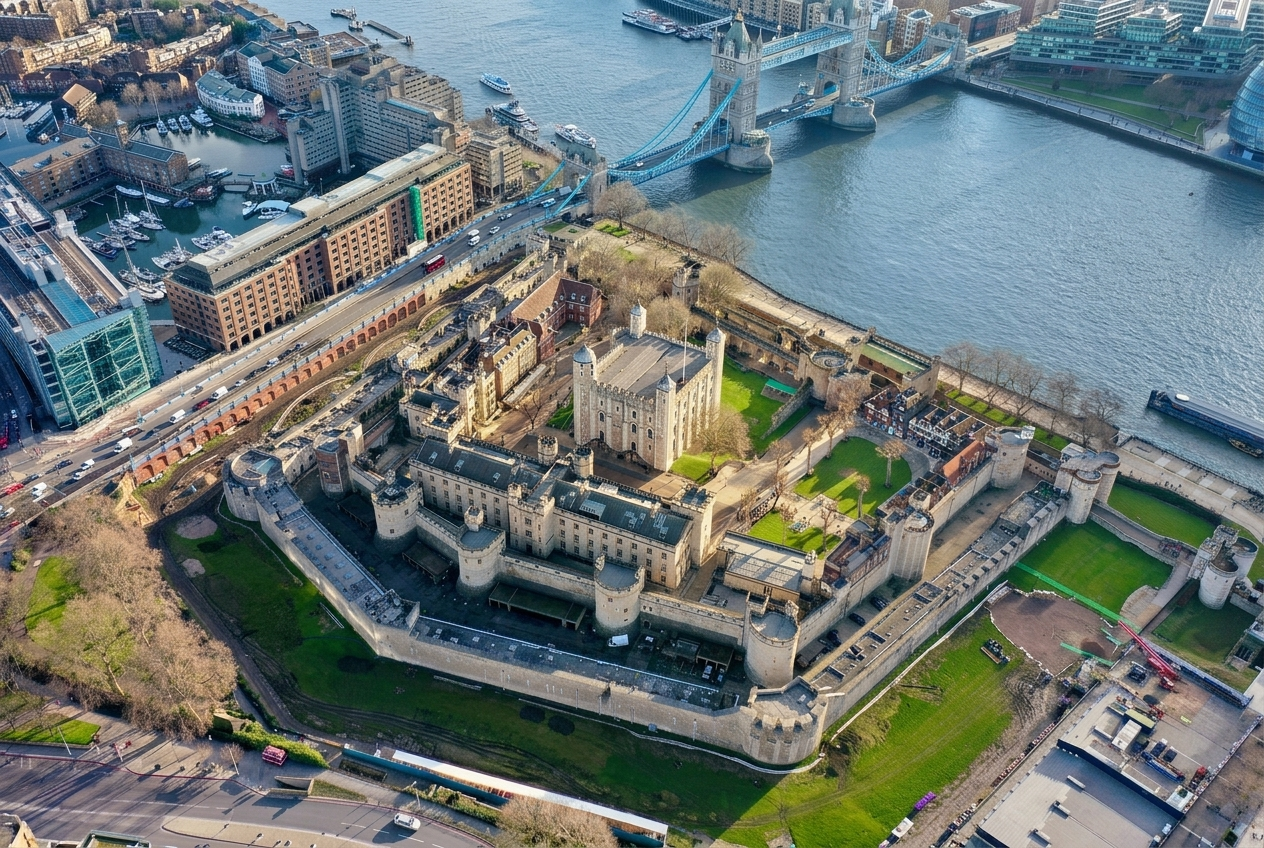
Edward V was lodged in the Tower of London to await his coronation. But Richard wanted the younger prince too. Elizabeth resisted surrendering her bargaining chip. She’d already lost one son.
After considerable pressure and negotiations, she finally gave up Richard on June 16. Just 9, he joined his brother in the Tower. Elizabeth and her five daughters stayed put.
The Pre-Contract Bombshell
But then came another bombshell.
In June 1483, a startling claim surfaced. Edward IV had supposedly entered into a binding marriage contract with Lady Eleanor Butler before secretly marrying Elizabeth Woodville.
To modern ears, a pre-contract can sound like a convenient technicality dreamed up by a power-hungry uncle. In the 15th century, it was anything but.
Marriage was governed by canon law. If Edward had already made a valid marriage contract with Eleanor, his later marriage to Elizabeth was invalid.
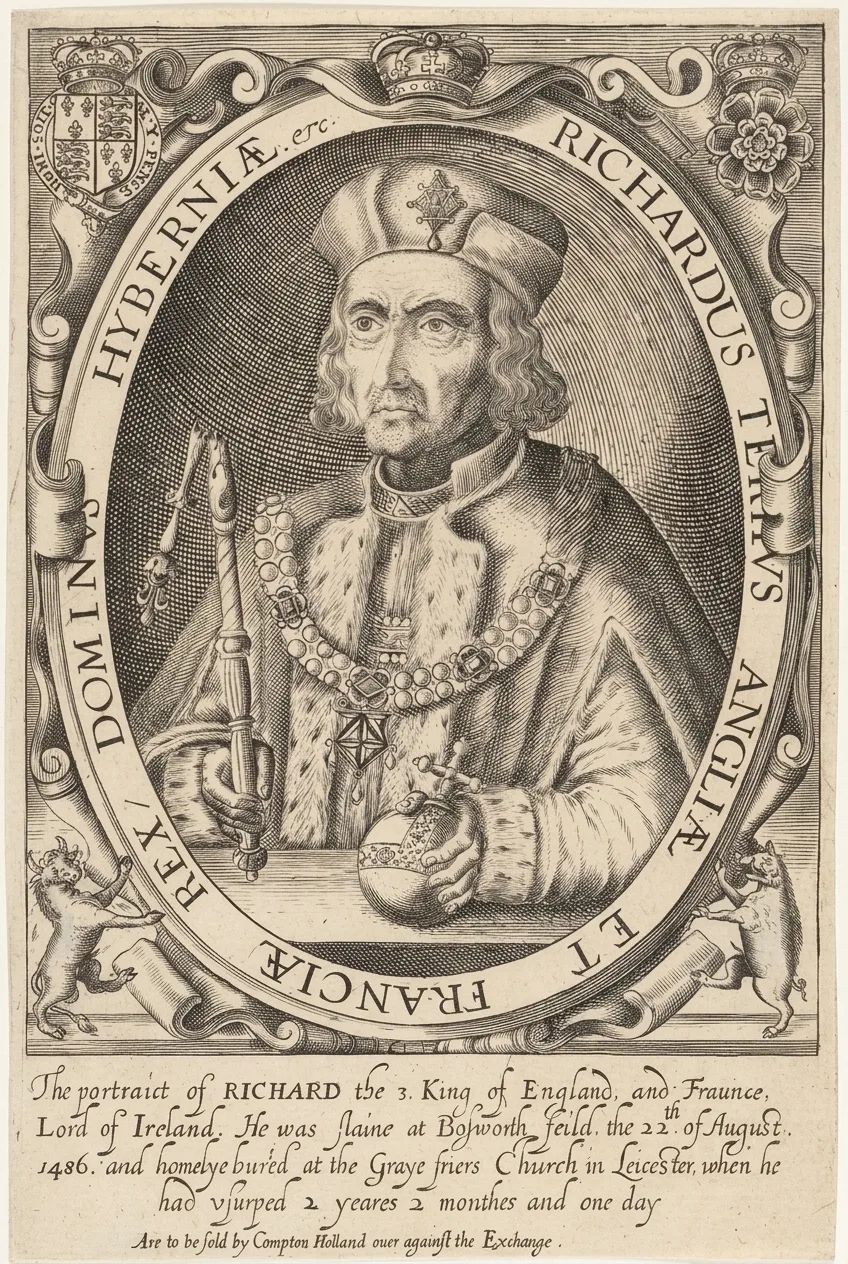
That meant their children, including Edward V and Richard, Duke of York, could be declared illegitimate and barred from the succession.
The consequences came fast. Just days after the claim was publicly aired, an assembly of lords and leading citizens offered the crown to Richard.
On July 6, he was crowned Richard III. Parliament later enshrined the argument in law through the Titulus Regius of 1484.
Convenient? Extremely. Legally meaningless? Unfortunately for Elizabeth, no.

The Princes Disappear
What happened to the princes after that? Edward V and Richard gradually disappeared from public view. By the autumn of 1483, rumors were circulating that the boys were dead.
What actually happened remains one of the great mysteries of English history. There’s no surviving contemporary evidence establishing exactly when they died, how they died, or who killed them.
Richard III was inevitably the chief suspect. He had custody of the boys, displaced Edward V, and had the most obvious political motive for ensuring they never reappeared.
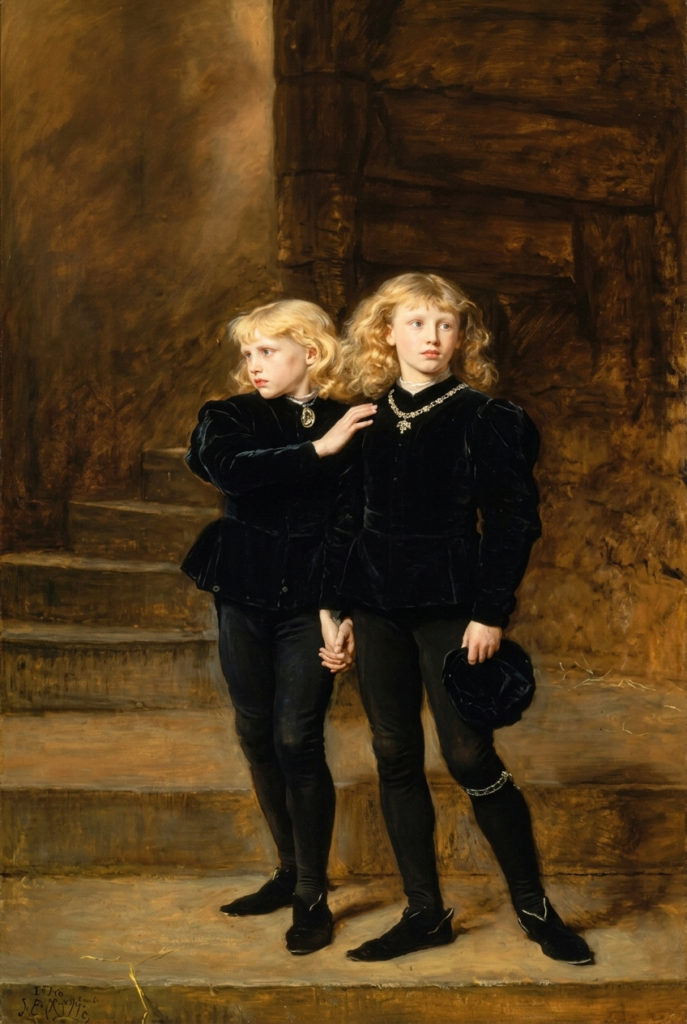
But suspicion is not proof.
No document survives ordering their deaths, no eyewitness account describes the murders, and even the timing remains uncertain.
Elizabeth, however, had already seen Richard execute her son Richard Grey and her brother Anthony Woodville. Now her two younger sons had vanished.
Whatever hope she still had that the princes were alive, Elizabeth wasn’t prepared simply to sit in sanctuary and wait. She started plotting.
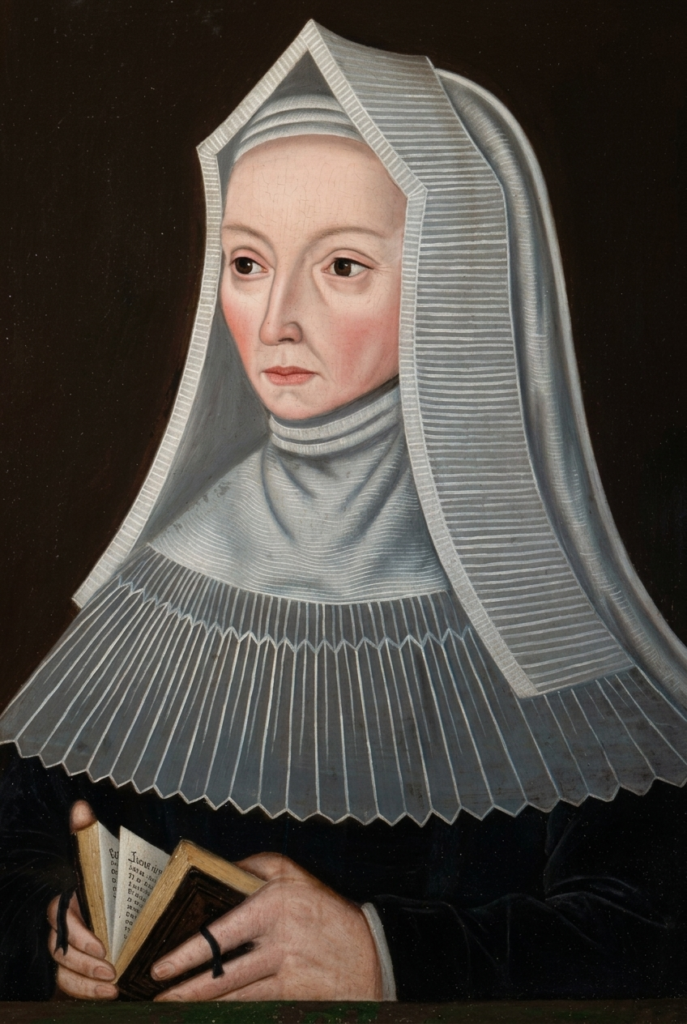
Elizabeth and Margaret Beaufort Scheme
Elizabeth made common cause with another formidable mother: Margaret Beaufort. Her only son, Henry Tudor, was living in exile.
Henry had a paper-thin claim to the throne through John of Gaunt. The Beaufort line had begun outside marriage and, although later legitimized, had been excluded from the succession.
Henry needed something stronger. Elizabeth could provide it.
The two women struck a deal. Henry would marry Elizabeth’s eldest daughter, Elizabeth of York. The match would bolt his shaky Lancastrian claim onto the senior surviving Yorkist line.
By autumn 1483, Margaret was actively involved in opposition to Richard. In December, Henry publicly swore that he would marry Elizabeth of York if he won the crown.
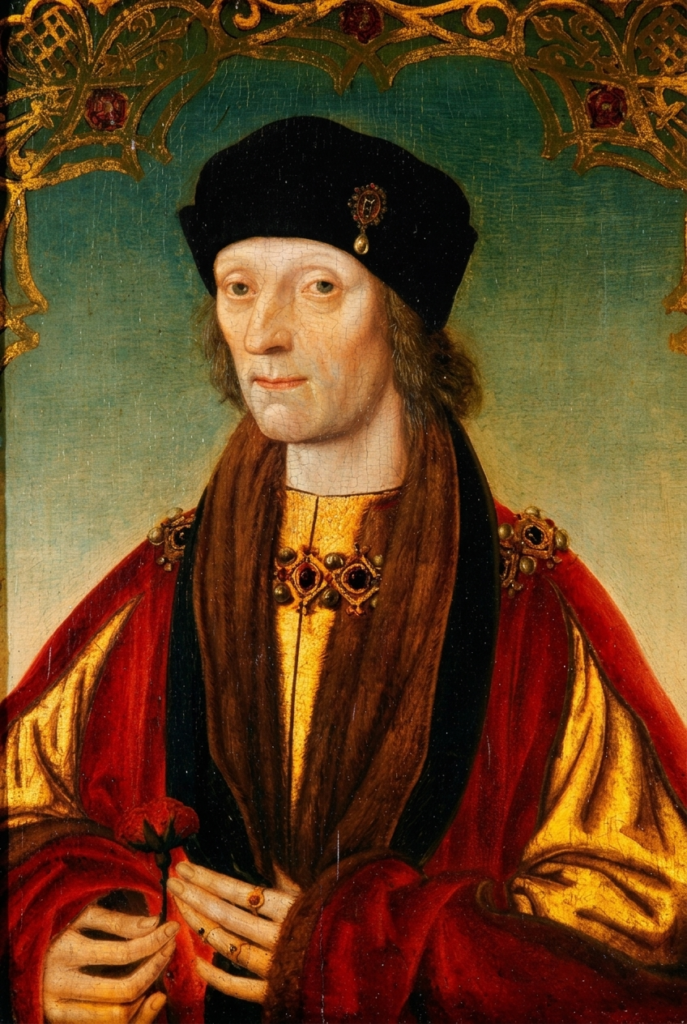
Margaret handled much of the dangerous political legwork. Her marriage to Thomas Stanley kept her close to the Yorkist court and gave her access to men who mattered. She used trusted servants and clergy to ferry messages between England and her exiled son.
The Wars of the Roses had produced stranger bedfellows. But this alliance wasn’t sentimental. It was cold political arithmetic.
Their goal? Build the coalition that would destroy Richard III.
Elizabeth, meanwhile, was still in sanctuary with her daughters. In spring 1484, Richard publicly promised that they would not be imprisoned and that he would arrange honorable marriages for the girls.
Only then did Elizabeth leave sanctuary. Her daughters would later appear at Richard’s court.
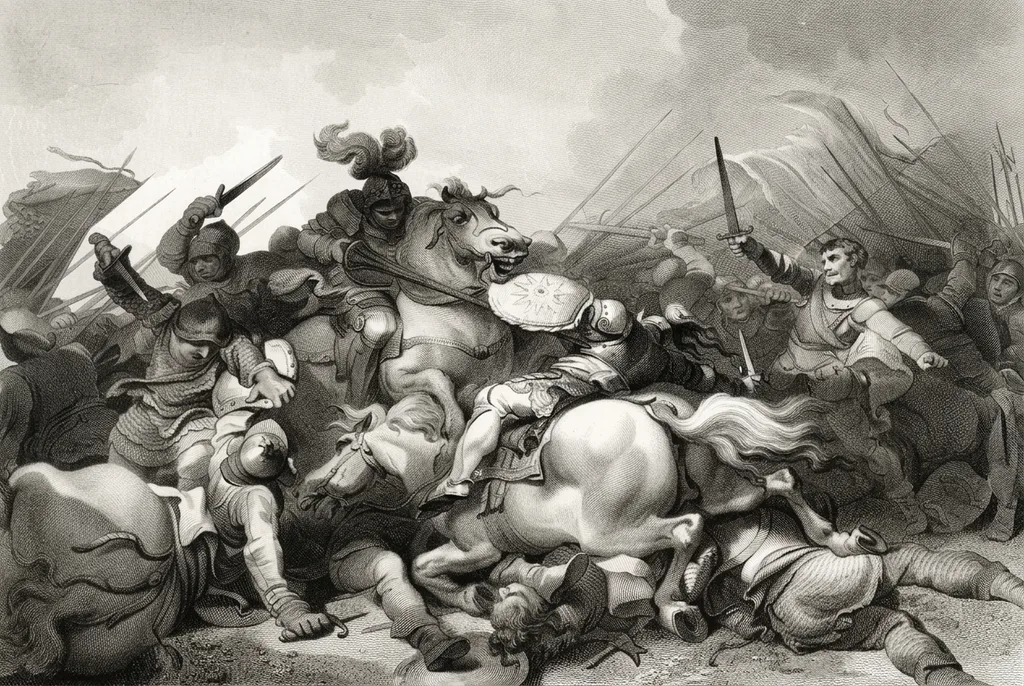
Bosworth & The Birth of the Tudor Dynasty
What happened next? It ended at the Battle of Bosworth.
In August 1485, Henry Tudor landed in Wales with a small army and gathered support as he marched inland. Richard III met him near Bosworth on August 22.
The battle turned when the Stanleys, who had been waiting on the sidelines, finally committed their forces to Henry. Richard made one last, spectacular gamble, charging directly at Henry in an attempt to kill him and end the rebellion on the spot.
He came remarkably close. But Richard was surrounded, unhorsed, and killed fighting. Henry Tudor took the crown as Henry VII and soon married Elizabeth of York, just as he had promised.
For Elizabeth Woodville, the gamble had paid off. Her daughter was queen, Richard III was dead, and the Tudor dynasty had begun.
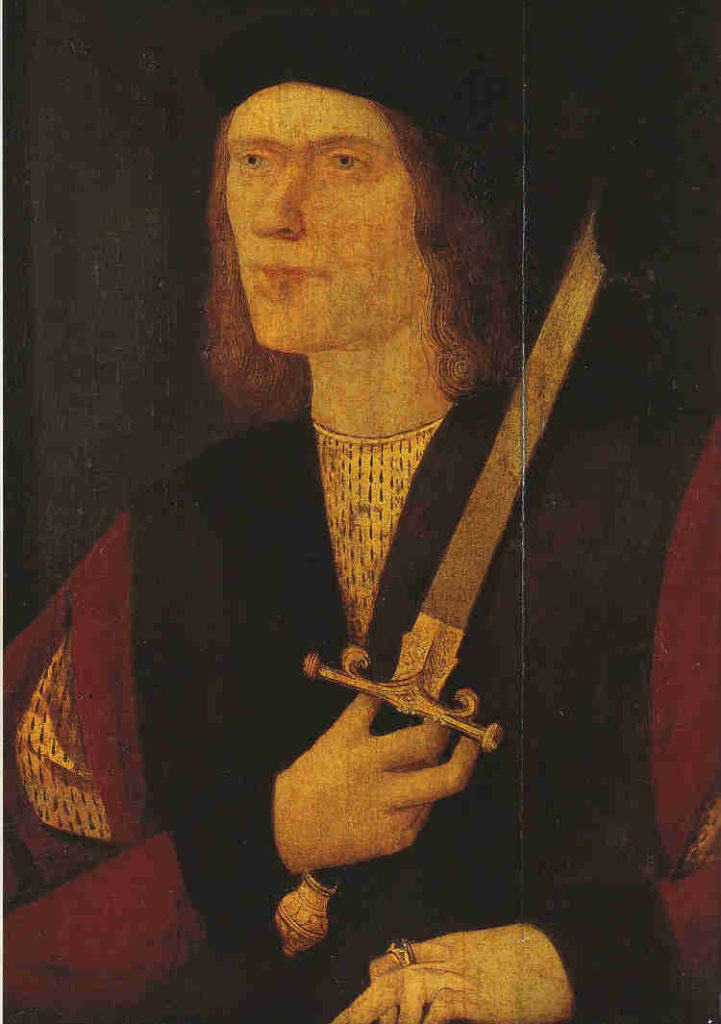

Elizabeth Under the Tudors
Bosworth had worked out rather well for Elizabeth. But, gradually, she faded from political life.
In 1487, she retired to Bermondsey Abbey. Henry took control of most of her lands and replaced them with a pension.
Was she pushed aside because Henry suspected her of Yorkist plotting? Possibly. Historians still argue about it. Her retirement may also have been voluntary, and she continued to appear at court from time to time.
Either way, the woman who had spent decades clawing her way through dynastic chaos was finally off the political stage.
Death & Legacy
Elizabeth died in 1492 and was buried beside Edward IV in St. George’s Chapel at Windsor Castle.
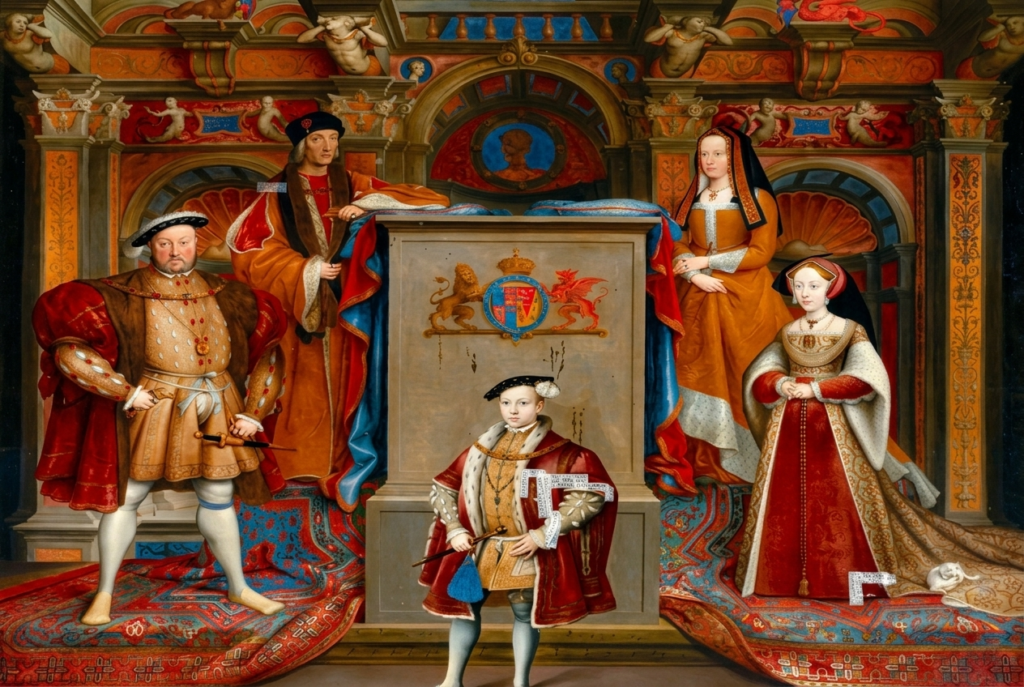
Her dynastic legacy was extraordinary. Through Elizabeth of York, she became the grandmother of Henry VIII and great-grandmother of Edward VI, Mary I, and Elizabeth I.
Elizabeth Woodville didn’t start the Wars of the Roses. But she was exceptionally adept at surviving them. She lost her husband, father, brothers, position, and almost certainly three sons.
Despite those losses, she ultimately helped engineer the alliance that destroyed Richard III and put her daughter on the throne.
Elizabeth was accused of reaching too high. But the supposedly grasping queen had the last laugh. Her descendants got England.
I hope you’ve enjoyed my biography of Elizabeth Woodville. You may find these other English histories interesting:
- Royal Whodunits
- English myths
- History of Medieval and Tudor England
- Tudor queens of England
- Power Women of Medieval & Tudor England
- Historical Mistresses and Favorites
- Wives of Henry VIII
- Worst kings of England
- Anglo-Saxon kings of England
Pin it for later.