
Caligula was dead. The Senate was scrambling to decide Rome’s future. Meanwhile, the Praetorian Guard found Claudius hiding in the palace, acclaimed him emperor, and marched him off to their camp.
Was this a legitimate succession? Or had Rome just witnessed a military coup?
And, even more, was Claudius really an accidental emperor dragged unwillingly to power? Or did he see the opening and seize the opportunity? Or, even worse, did he know Caligula was going to be murdered?
Let’s do some detective work.
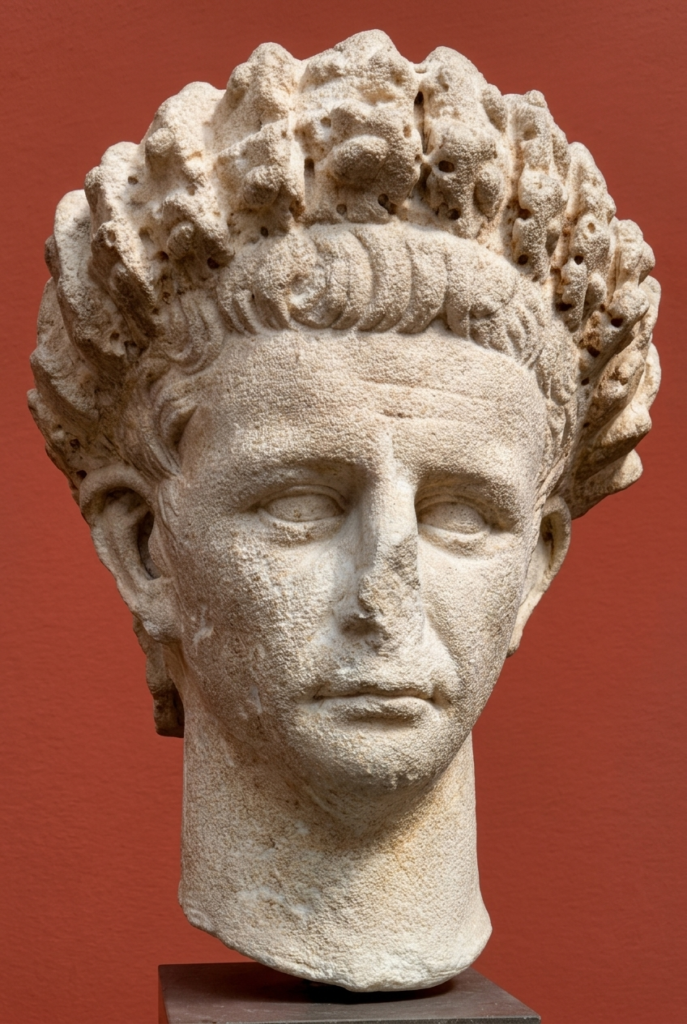
The Accidental Emperor?
Claudius Before the Coup
Born in 10 BC, Claudius was the son of Drusus and Antonia and the younger brother of Germanicus. He was born with a series of physical ailments.
His own mother reportedly called him a monstrosity. He stammered, walked awkwardly, and suffered from various physical problems that ancient writers delighted in describing.
Rome wasn’t woke, of course. His disabilities marked Claudius as a fool and an idiot, a reputation he never entirely escaped.
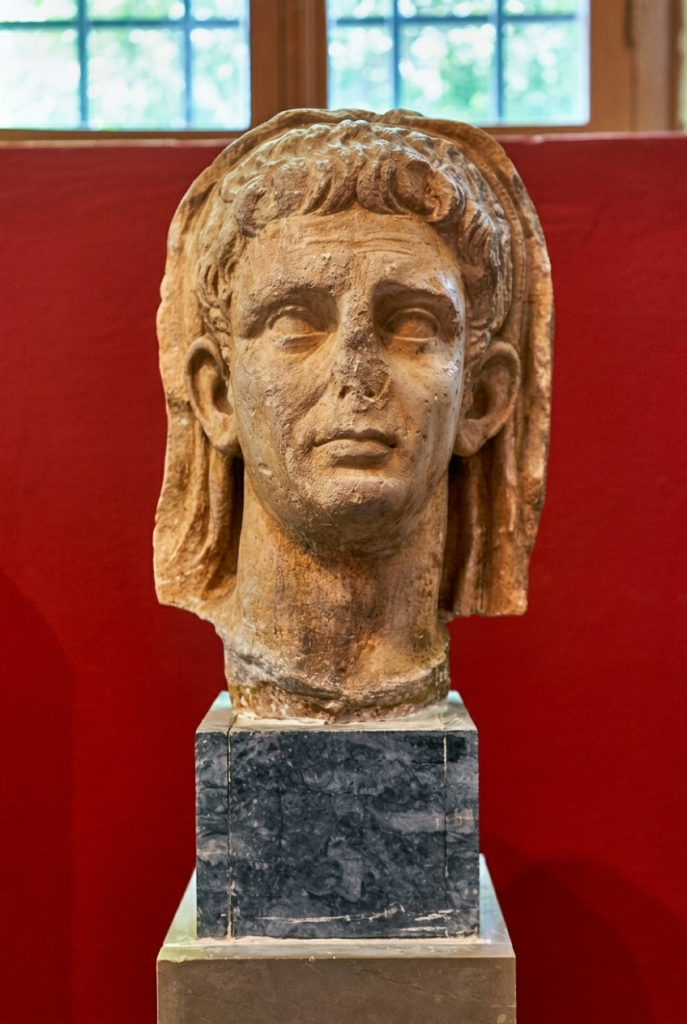
Was it true? Decidedly not. Claudius was intelligent, scholarly, and a serious historian.
On the other hand, being underestimated proved remarkably useful to him. Members of his family had an alarming habit of dying young, disappearing into exile, or being murdered outright.
Nobody considered a harmless fool politically dangerous. No one had reason to kill him.
Claudius’ fortunes improved somewhat when Caligula became emperor. He was made consul and was finally given a visible public role. The downside was that Caligula enjoyed humiliating him. Claudius endured it.
The Praetorians put up with Caligula’s antics for a while too. Until they didn’t.
How Caligula Lost the Praetorian Guard
Still, Caligula’s reign began surprisingly well.
He played the part of a generous, popular ruler, and his pedigree mattered enormously. He was the son of Germanicus, the darling of Rome, and that connection was central to his appeal.
Then things changed.
In AD 37, Caligula became seriously ill. After his recovery, he grew increasingly suspicious and learned of plots against him. Retribution was swift. No more Mr. Nice Guy.
Suetonius marks the change with one of the great lines in imperial biography: “So much for the princeps. Now comes the monster.”

And monster is certainly how the ancient sources portray him.
Caligula acted like a god, was accused of incest with his sisters, killed men who crossed him at whim, and famously joked about making his beloved horse Incitatus a consul.
For a while, he got on well with the Praetorian Guard, his own bodyguards. Caligula paid them well and gave them preferential treatment.
All the same, he couldn’t resist humiliating them. He mocked senior officers, gave them obscene passwords, and repeatedly made Cassius Chaerea the butt of crude jokes about his masculinity.
Caligula had forgotten something rather important. The men he was busy humiliating were armed.
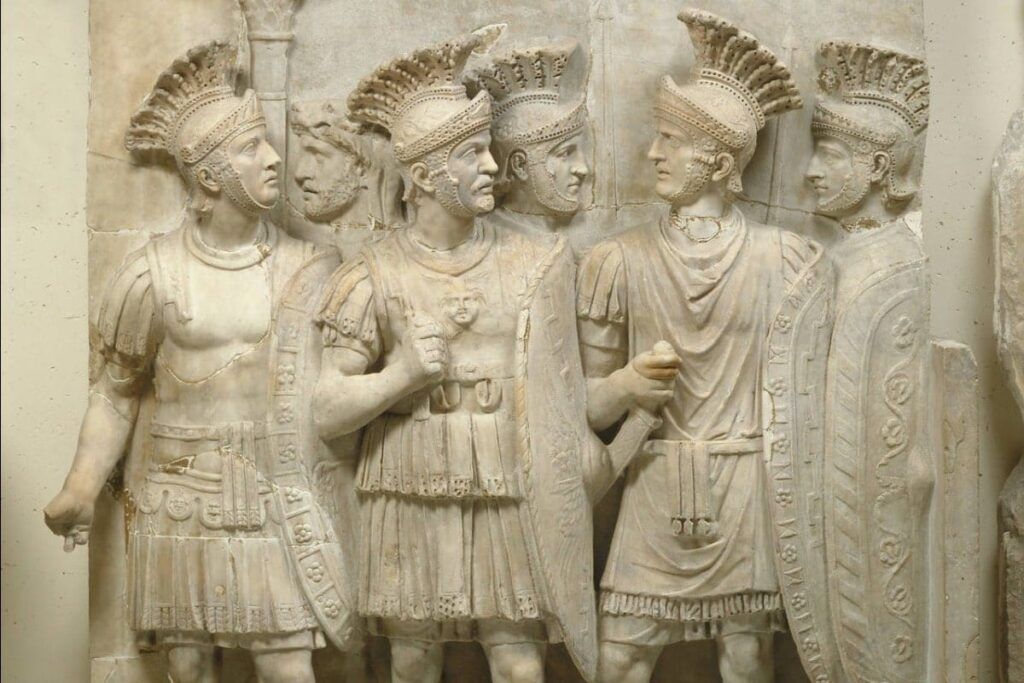
The Praetorian Plot To Murder Caligula
In the end, Caligula’s maniacal habit of humiliating and terrorizing everyone around him did him in. By AD 41, plenty of people at court had reason to wonder whether they were already on Caligula’s kill list, or merely waiting their turn.
A conspiracy formed around several Praetorian officers. The ringleader was the veteran Cassius Chaerea.
Caligula had picked the wrong man to humiliate.
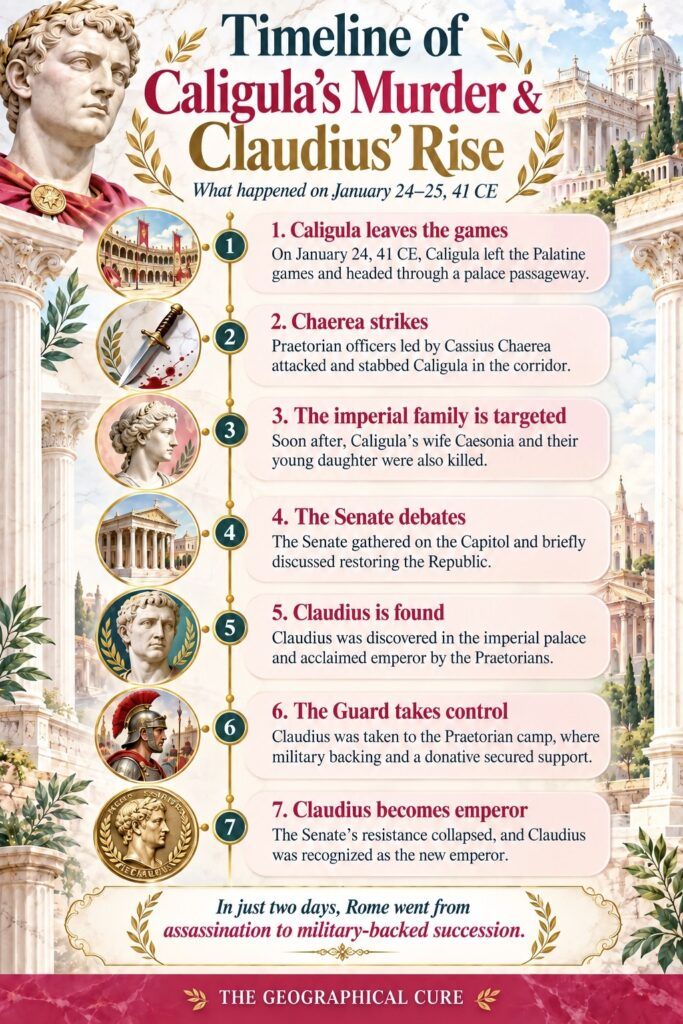
On January 24, 41 AD, Caligula was attending some games and theatrical performances. At some point, he left the gathering and entered a covered passageway beneath the imperial palace, Domus Tiberiana.
The conspirators were waiting for him.

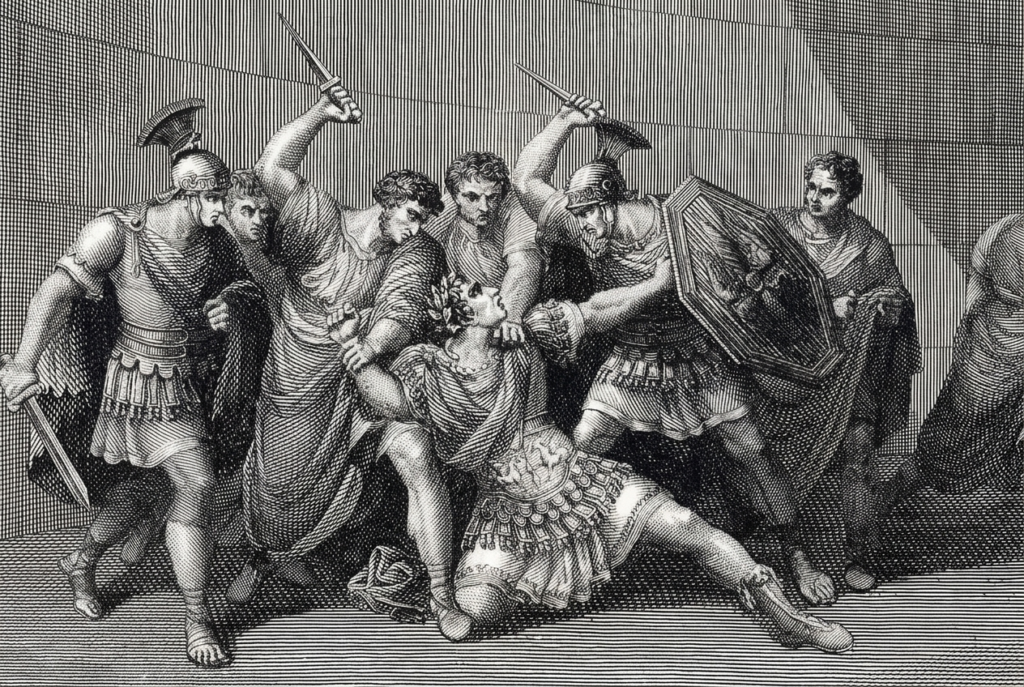
Chaerea struck first, and the others quickly joined in. Caligula was stabbed repeatedly and left dead in the passage as terrified attendants and spectators scattered.
The killing didn’t stop with the emperor either.
Caligula’s wife, Caesonia, was murdered next. Their young daughter, Julia Drusilla, was killed as well. According to Suetonius, the child’s head was dashed against a wall.
It was a brutal attempt to wipe out Caligula’s immediate family. But the conspirators may have overlooked one rather important detail. They’d apparently killed the emperor without agreeing on who should replace him. At least that’s the story.
The day’s actions were far from over. What happened next was critical.
Claudius Behind the Curtain
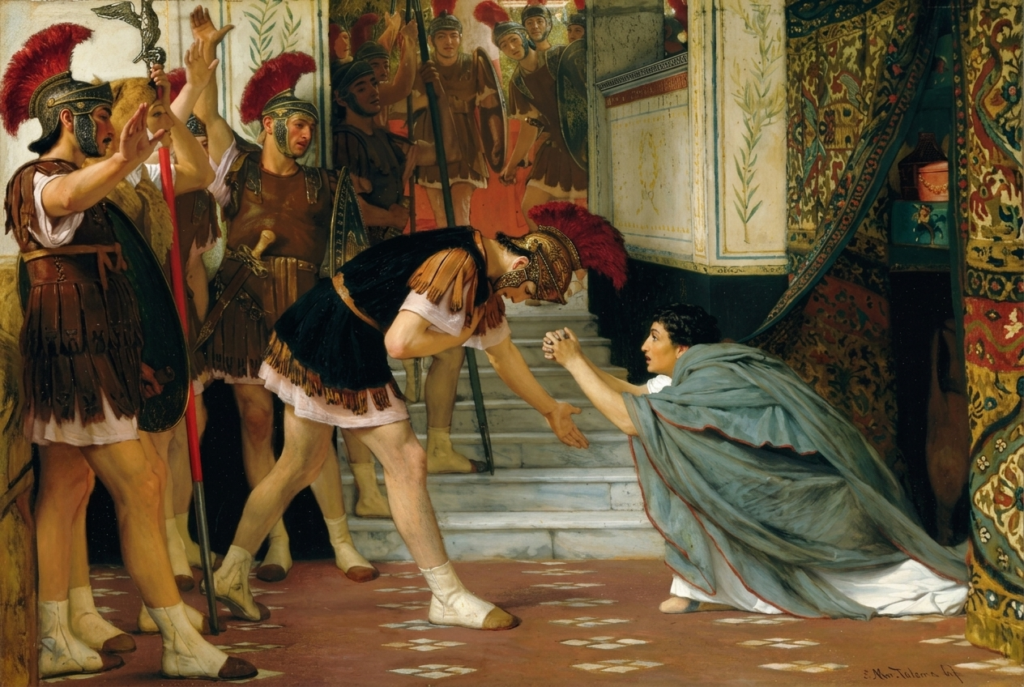
The Guard proceeded through the imperial palace. According to Suetonius, they found the middle-aged Claudius hiding behind a curtain, his feet protruding.
Claudius certainly looked like an unlikely emperor. But he had one enormous advantage: he was the brother of Germanicus, still adored by the army years after his death.
When discovered, Claudius was reportedly terrified. Suetonius says he actually fell at the men’s feet before being hailed as emperor. The soldiers then bundled him into a litter and carried him off to the Praetorian camp.

At first, Claudius may really have feared he was going to die. But the Praetorians recognized a dynastic solution when they saw one.
Claudius was a Julio-Claudian, the obvious heir. And, just as importantly, he was available.
Claudius spent that night inside the camp.
The soldiers swore allegiance to him and he promised each Praetorian 15,000 sesterces, an enormous donative. Suetonius even calls Claudius the first Caesar to secure the loyalty of the troops through a “bribe.”
The “frightened man behind the curtain” was beginning to disappear.

The Senate Tries to Take Back Control
The Senate, meanwhile, had another agenda. After the assassination, the consuls convened the senators on the Capitol.
It was a volatile moment. They debated restoring the republic, but failed to act decisively.
The Senate summoned Claudius. He refused to come, claiming that he was being detained by force, and remained safely inside the Praetorian camp.
Clever. That bought him time to secure oaths of allegiance and arrange the payouts.
Senatorial envoys eventually went to the camp and urged Claudius not to use military force, but to accept power only through the authority of the Senate.

In the end, the Senate blinked first. Its own military support began to melt away.
Meanwhile, crowds outside demanded a single ruler and shouted Claudius’ name with great gusto.
The gig was up. The Senate abandoned its attempt to restore the republic, recognized Claudius as emperor, and formally voted him the powers and honors that went with the principate.
In practical terms, the Praetorians made the emperor. The Senate supplied the constitutional paperwork afterward.

Execution of Chaerea
Once securely established as emperor, Claudius ordered the execution of Chaerea, the Praetorian tribune who led the attack on Caligula.
His advisers reportedly argued that, whatever the merits of removing Caligula, an emperor could not be murdered by his own guard without consequences.
Makes perfect sense. Chaerea was executed forthwith.
The Praetorians didn’t exactly mourn him. By then, Chaerea had already alienated much of the Guard by throwing his weight behind the Senate’s proposed republican experiment.

Was Claudius In On the Murder?
Case for the Prosecution
Facts Are Tricky Things
The fact of the matter is that Claudius was in the imperial palace. The guards knew who he was. And once they found him, they knew exactly what they had. The heir apparent.
They didn’t kill him, which they might reasonably have done if the plan was to wipe out the imperial family. Instead, with barely a moment’s hesitation, they acclaimed him emperor.
They hadn’t even received their donatives yet. And the Praetorians rarely did anything for nothing.
Perhaps they simply assumed Claudius would pay. Perhaps there had already been some understanding, implicit or explicit. Either way, nobody seems to have worried that the money wouldn’t materialize.

There’s another thing that bothers me.
Are we really supposed to believe that the conspirators carefully planned the murder of a Roman emperor but gave no thought to who would replace him?
Killing Caligula wasn’t some drunken barracks brawl. It was premeditated. They worked out logistics, location, timing, you name it.
Yet nobody asked the rather obvious question: what happens five minutes after he’s dead?
Maybe there really was no agreement. Palace conspiracies can be messy things. But directionless Praetorians thinking “we’ll murder the emperor first and sort out the Roman Empire afterward” seems awfully casual to me.

And the curtain story? Is it even true?
Who knows? But it’s awfully tidy.
Almost folklore really: the frightened, reluctant emperor dragged out from hiding and forced to do his duty. It’s a compelling picture, now cemented in our collective memory.
But it also gave Claudius magnificent cover. He wasn’t seizing the throne. He wasn’t defying the Senate. No, no. The Guard made him do it.
Poor Claw-Claw-Claw-dius.

Feigned Terror Excuse
Was Claudius really the trembling, terrified figure Suetonius describes? Or was at least some of it an act?
I think there was performance involved. Claudius went from cowering behind a curtain to accepting the imperial throne remarkably fast.
Why the act? Because terror was useful to him.
Claudius’ image as the unwilling, accidental emperor kept him safe. The less ambitious he appeared, the less threatening he looked.
“Oh no, I’m being forced into this” was an extremely convenient position to take when the Senate was still debating what to do.
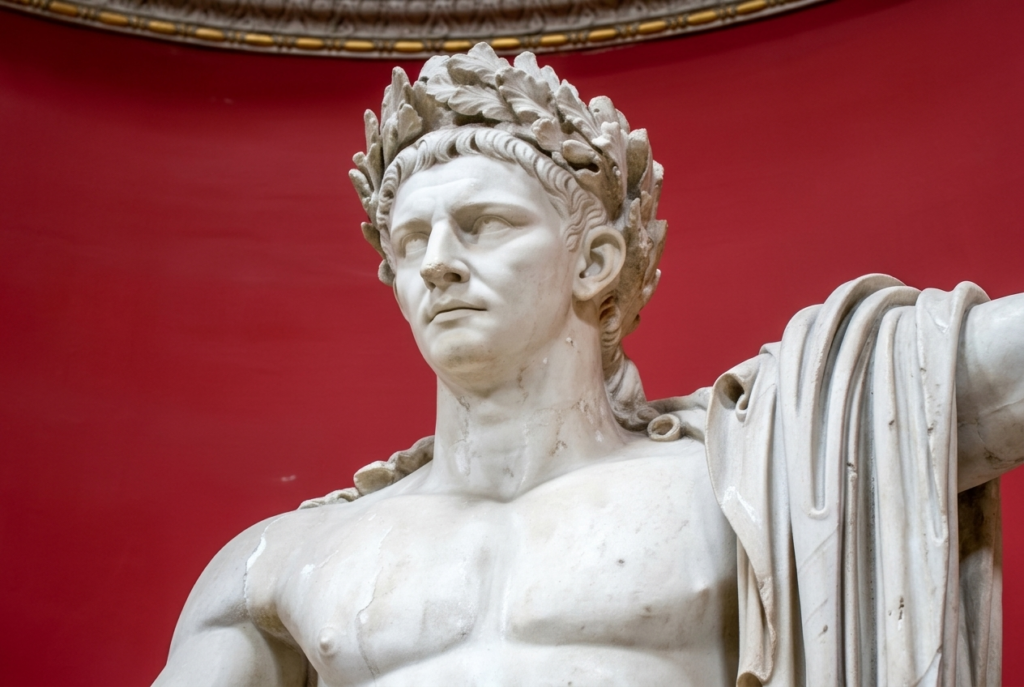
Claudius avoided the usurper label and any condemnation for having seized power.
Yet, once the Praetorians offered him the throne, Claudius moved from frightened bystander to functioning emperor in a day. Fast as lightening.
There’s another reason to be suspicious of the helpless-fool act too. Claudius himself later claimed he’d deliberately played the fool under Caligula to stay out of trouble.
In other words, he admitted he knew how to perform weakness when weakness suited him.

The Missing Histories
Defenders of Claudius’ purity always point out that the ancient sources are largely silent on this issue.
It’s worth noting, however, that some of the histories are missing.
For example, we have lost Tacitus’ entire account of Caligula’s reign and Claudius’ accession. The surviving Annals jump from the death of Tiberius to several years into Claudius’ reign.
If anyone was going to preserve a vicious senatorial rumor about Claudius having blood on his hands, Tacitus was the man for the job.

The Personal Side
And then you have to look at the personal angle, though obviously we can’t know what Claudius was thinking.
Everything flipped almost overnight for me. Men who’d laughed at him now bowed. The Praetorians swore loyalty. Senators preened.
It would be very human to find enormous satisfaction and vindication in that reversal.
Claudius’ later behavior also doesn’t seem like a man who wished he could time travel back to obscurity.
Claudius took governing seriously. He presided over courts, involved himself heavily in administration, expanded the bureaucracy, sponsored major public works, and pursued the conquest of Britain.
That doesn’t prove he secretly coveted the throne beforehand. But once he had it, he clearly grew into the role rather than behaving like a permanent hostage of the Praetorians.
Chaerea
At first glance, Chaerea’s execution looks like evidence that Claudius had nothing to do with the plot.
It isn’t.
Once Claudius was emperor, he could hardly leave alive the man who had just murdered the previous one. The Senate would have balked, and Chaerea himself had become a dangerous precedent.
So it was off with his head.
It cost Claudius very little politically. The Praetorians were already done with Chaerea because he’d backed the republican cause.
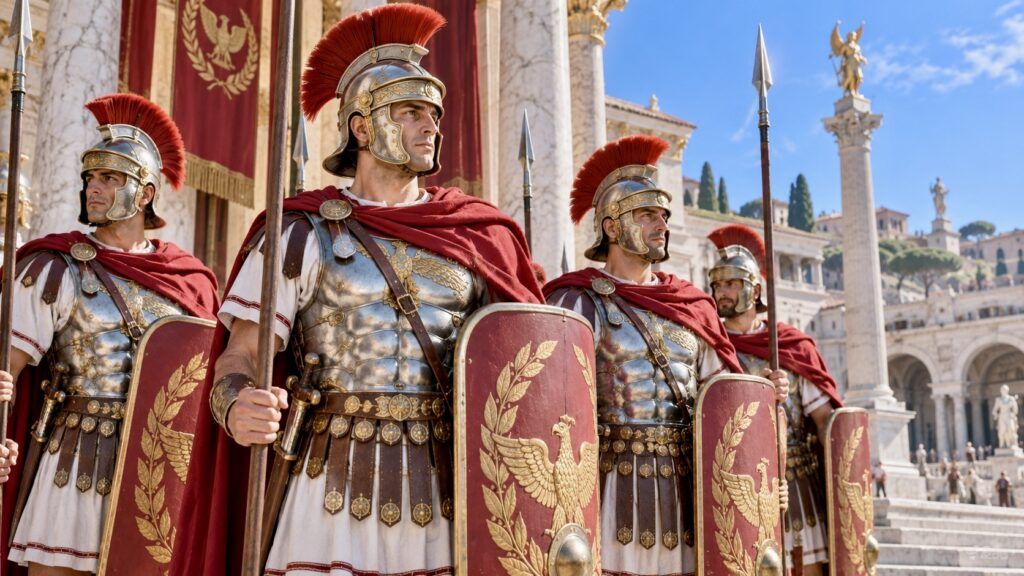
Ordinary guards wanted no part of that. They wanted an emperor, preferably one who offered job security and kept their pockets lined.
Dio makes the point nicely. He says Claudius treated Chaerea not as Caligula’s murderer, but “as though he had caught Chaerea plotting against himself.”
That’s very Claudius.
Whatever he knew before the fateful day, once he became emperor the calculation changed completely. Chaerea was no longer useful. He was a walking advertisement for regicide.
And Claudius had no intention of being next.
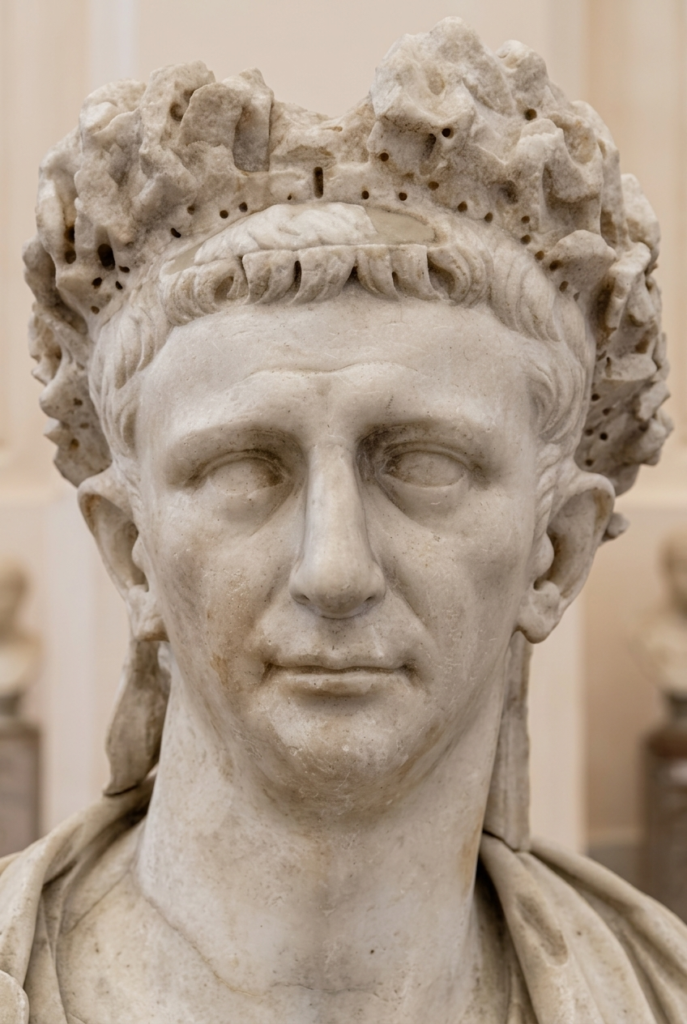
Was Claudius Part of the Murder Plot?
There is one obvious question the prosecution can’t duck: Did Claudius know Caligula was going to be murdered?
There are three possibilities. Claudius knew nothing; Claudius had advance knowledge and kept quiet; or Claudius actively colluded in the assassination.
The third is the hardest to make stick. No surviving source places Claudius among the conspirators, and there is no direct evidence that he helped plan the murder. It seems unlikely.
But that still leaves the first two possibilities. And the real question is how believable complete ignorance actually is.
Claudius was with Caligula immediately before the murder. He and his companions walked ahead while Caligula was steered into the passage where Chaerea was waiting. Claudius was therefore conveniently out of harm’s way when the knives came out.
Coincidence? Quite possibly. But maybe not.

The Worst Kept Secret
Moreover, the plot wasn’t exactly a secret and Claudius was hardly living in an information vacuum. Knowledge of the conspiracy spread widely through Rome’s political and military elite.
Senators knew. Equestrians knew. Praetorians knew. Powerful imperial freedmen knew.
Yet Claudius, Caligula’s uncle and a member of the imperial household, supposedly knew nothing at all? Hmm …
This was, after all, the Julio-Claudian court. People plotted. People whispered. Relatives disappeared. Heirs were removed. Everyone watched everyone else.
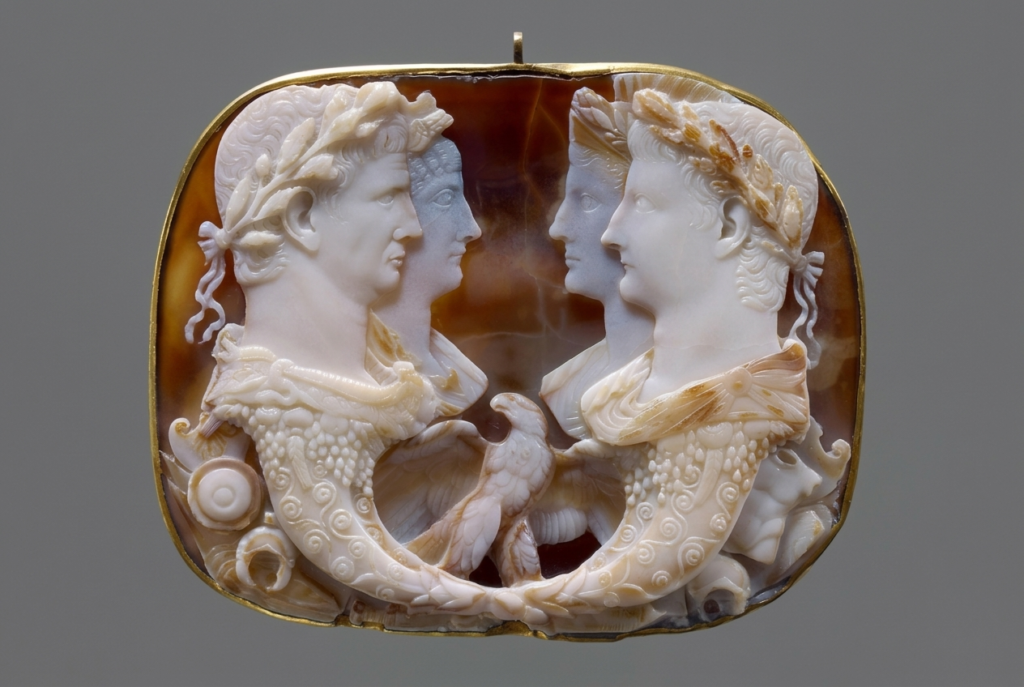
Amidst all this, we’re to believe that Claudius knew nothing until a bloody sword interrupted his afternoon? That he was living at the center of the imperial court one heartbeat from the succession, but was in the dark?
It strains credulity.
Claudius was educated, observant, politically experienced, and a historian by temperament. He’d spent his entire adult life watching the Julio-Claudian court devour people.
Claudius may have played the fool. That doesn’t mean he was one.
My suspicion is that he knew enough. And he did nothing.
That isn’t the same thing as conspiring to murder Caligula. But if he knew what was coming and chose not to warn his nephew, the distinction may have felt rather academic to Caligula.

Case for the Defense
The defense has the floor. The case against Claudius is highly suspicious.
But is there room for reasonable doubt? Certainly. The case isn’t airtight.
Ancient Sources Are Silent
The first line of defense is simple: there’s no historical evidence that Claudius knew or participated in the assassination plot.
None of the ancient sources name him among the conspirators, despite naming plenty of other people. Claudius is conspicuously absent.
And this isn’t a trivial omission. Josephus gives a remarkably detailed account of the conspiracy and identifies senators, equestrians, Praetorians, and imperial insiders who knew what was coming. Yet he never puts Claudius among them.

Suetonius is hardly a character witness for Claudius either.
He happily portrays him as ridiculous, weak, frightened, manipulated, and occasionally downright foolish. If there had been a juicy tradition that Claudius helped arrange his nephew’s murder, it’s difficult to imagine Suetonius suppressing it.
Given Roman historians’ enthusiasm for poisoning, incest, conspiracy, and dynastic murder, that silence is almost disappointing.
It doesn’t prove Claudius knew nothing. But it is a serious problem for any claim that he was actually part of the murder plot. If the accusation existed in antiquity, it left remarkably little trace.
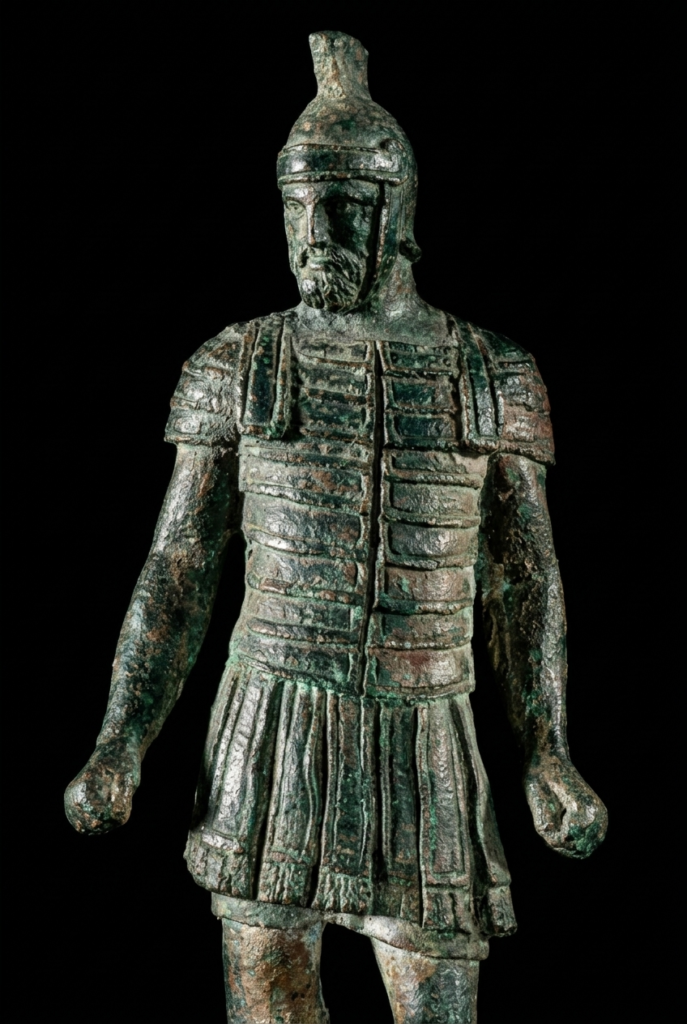
Conspirators Had No Agreed Successor
From the evidence that survives, the Praetorians were ready to kill Caligula. What is much less clear is whether they agreed beforehand on what came next.
They certainly knew Claudius existed. He was hardly an obscure relative. If you had a brain cell, you knew that he was the obvious Julio-Claudian candidate if the principate were to continue.
But knowing that Claudius was available isn’t quite the same thing as having a prearranged plan to install him as emperor.
The surviving accounts instead make the decision look opportunistic. Once Claudius was found, the advantages were obvious. He supplied dynastic legitimacy, the soldiers could expect a reward, and backing him meant they had a hand in creating the new emperor.
That cuts somewhat against an elaborate “kill Caligula, install Claudius” conspiracy.

Claudius’ Knowledge
Even if Claudius heard rumors about the plot, what exactly was he supposed to do?
March up to Caligula and announce that half his court might be plotting to kill him? Under Caligula, Claudius would’ve landed on his kill list. And if all Claudius heard were whispers and suspicions, he may not even have known whether there was a real plot to expose.
More importantly, knowledge of a plot isn’t the same thing as participating in it. Claudius could have suspected that Caligula was marked for death, without attending a single meeting, recruiting a single conspirator, or giving anyone his approval.
Nor would his silence prove that he was scheming to replace Caligula himself. Claudius had survived this long in the Julio-Claudian viper pit by keeping his head down. Doing nothing may have been less a bid for the throne than a bid to remain alive.
The prosecution wants to turn silence into complicity. That’s tempting. But it’s not proof.

The Execution of Chaerea
Another point in Claudius’ favor is what he did to Chaerea.
Once Claudius became emperor, he ordered the execution of the very man who led the attack on Caligula. If Claudius had secretly approved the murder beforehand, killing its principal architect afterward looks, at the very least, awkward.
The simpler explanation is that Claudius wasn’t part of the plot. Caligula was murdered by his own Praetorian officers, and Claudius punished the man responsible.
There was also a compelling practical reason to do it. Chaerea had just demonstrated that an emperor could be butchered by his own guards. Claudius had every reason to make clear that regicide would not be rewarded under the new regime.
So the execution fits comfortably with the innocent version of events: Claudius knew nothing beforehand, inherited an ugly situation, and punished Caligula’s murderer once he was in power.
It doesn’t prove Claudius was innocent. But for once, the defense has an actual fact on its side.

Claudius Was Terrified
The last line of defense is that Claudius was genuinely terrified. The ancient writers say so, and they describe his fear in extravagant detail.
If Claudius had no advance knowledge of the plot, his behavior makes perfect sense.
His nephew had just been hacked to death inside the palace. Armed Praetorians were roaming around. Claudius had no way of knowing whether the assassins intended to eliminate Caligula alone or the entire imperial family.
Under those circumstances, terror was hardly suspicious. It was rational.
If that terror was genuine, it supports the simplest explanation: Claudius hadn’t been expecting Caligula’s murder and suddenly found himself caught in the middle of it.
Of course, fear doesn’t prove innocence. Even a man who knew something was coming might panic when the killing actually began.
But the defense is entitled to point out that Claudius behaved exactly as an innocent and thoroughly frightened bystander might behave.

Verdict
In the final analysis, the prosecution wins the case. I don’t see enough evidence to convict Claudius of conspiring to murder Caligula.
But I don’t buy the image of the helpless fool accidentally swept onto the throne either. Not one bit.
I think Claudius knew something was coming. Not every detail perhaps, and he may never have overtly colluded with the Guard. But he wasn’t simply a passive victim of events, even if that’s how he wanted to appear.
And even if Claudius had nothing to do with Caligula’s murder, his accession still has the classic characteristics of a military coup.
The Praetorian Guard murdered the emperor. Armed troops acclaimed his successor. Claudius remained under military protection while their allegiance was secured with cold hard cash. The Senate went through a charade of a debate, but ultimately accepted the political reality created by armed force.
Voilà. A coup.
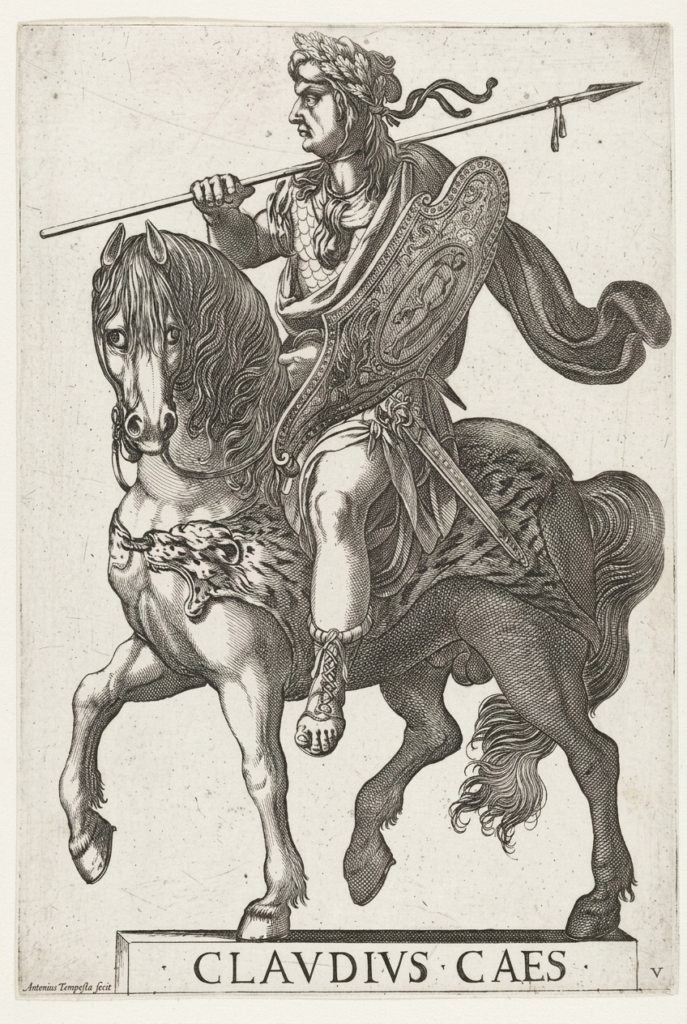
Claudius may not have masterminded Caligula’s murder. He may not even have wanted blood on the floor.
But once Caligula was dead, Claudius was remarkably prepared for what came next. He accepted the Guard’s protection, secured its loyalty, ignored the Senate’s summons, and waited for the opposition to collapse.
That isn’t a man being helplessly carried along by events. That’s a man participating in them.
I hope you’ve enjoyed my analysis of whether Claudius took power in a coup. You may find these other Roman histories interesting:
- History of the Rise and Fall of Rome
- History of the Roman Emperors
- Historical Facts about Rome
- History of Nero
- History of Julius Caesar
- History of Hadrian
- History of Tiberius
- History of Augustus
Pin it for later.

