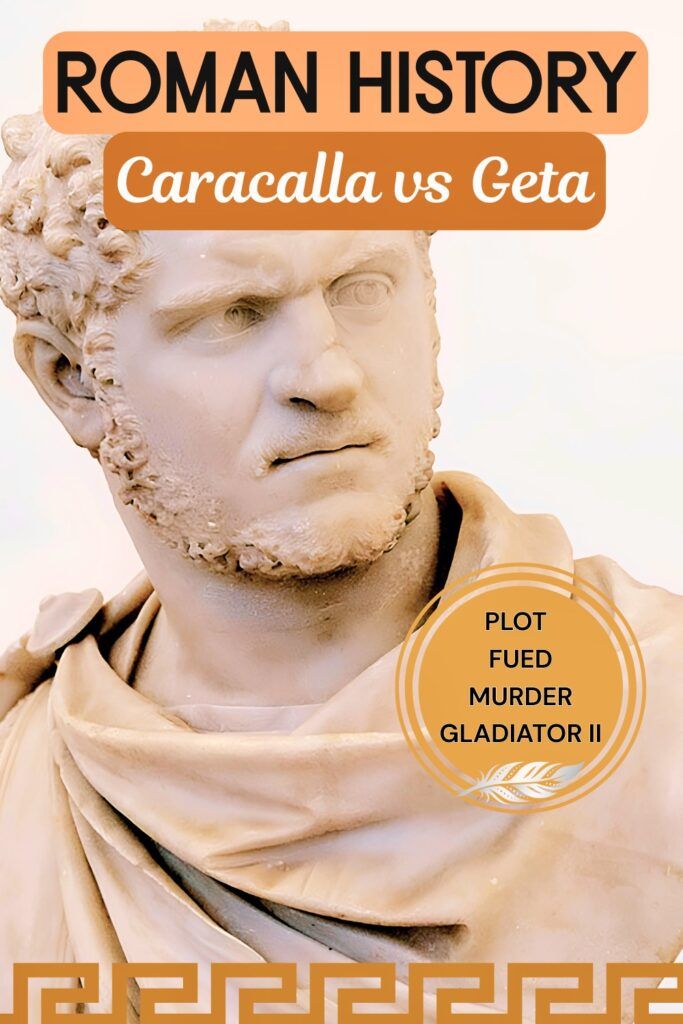
Mommy knows best. Julia Domna thought a private meeting might finally force her sons to make peace. Instead, Geta died in her arms.
Roman emperors killed plenty of relatives. Sons, cousins, nephews, rivals, inconvenient heirs.
But Caracalla did something unusually brutal. He murdered his own brother, paying Romulus to his Remus. Why did he do it?
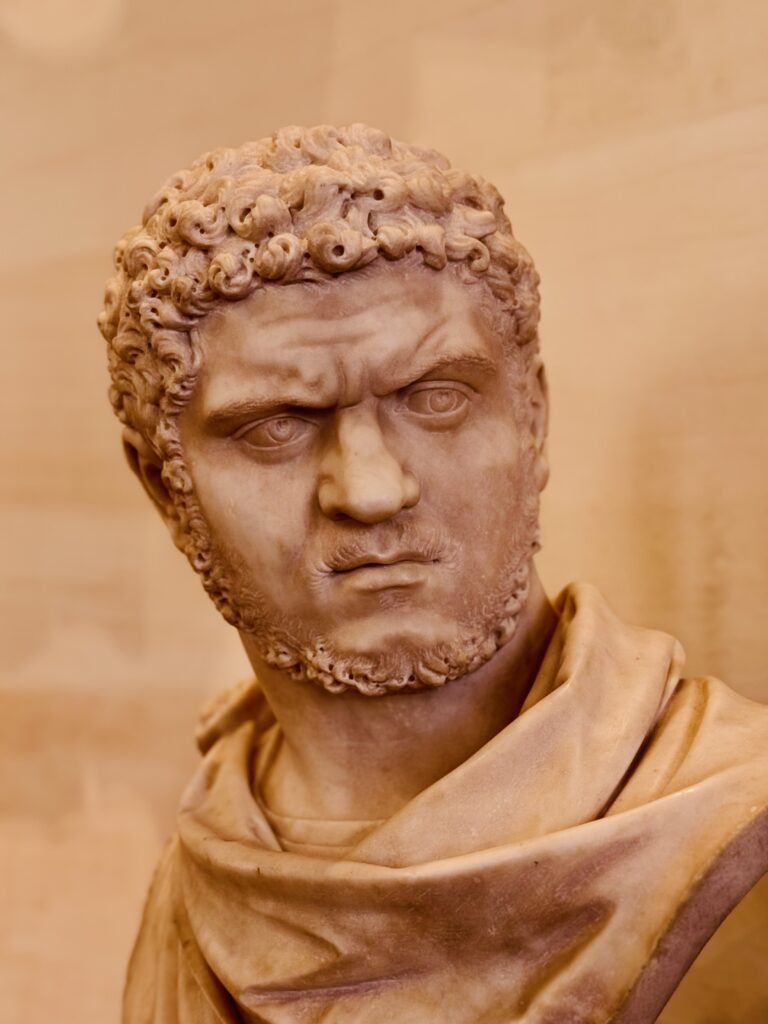
Caracalla’s Murder of Geta
A Rivalry That Started in Childhood
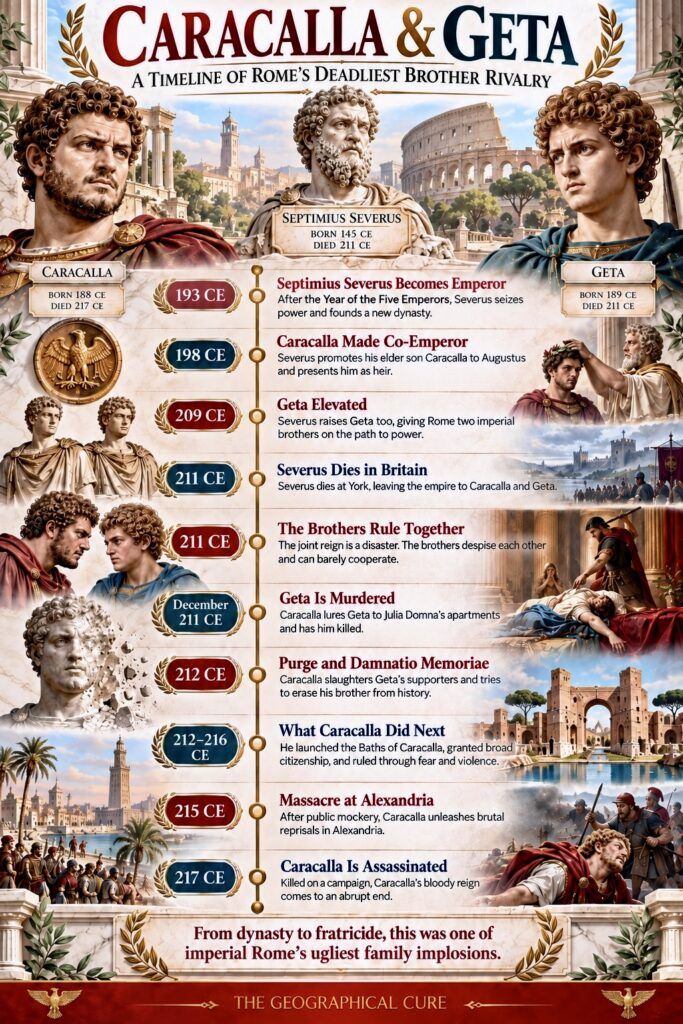
The two boys were born before their father, Septimius Severus, became emperor. But their family was catapulted onto the throne when the Praetorian Guard murdered Pertinax and plunged Rome into another brutal succession crisis.
Severus emerged from the bloodbath of 193 CE, the infamous Year of the Five Emperors. He marched on Rome, disposed of Didius Julianus, and took control of the empire.
Severus also needed a dynasty.
After the death of his first wife, he reportedly heard of a beautiful Syrian woman whose horoscope foretold that she would marry a king. That was apparently enough for Severus. He sought out Julia Domna and married her.

By Roman imperial standards, their marriage seems to have been remarkably successful. Their sons were another matter entirely.
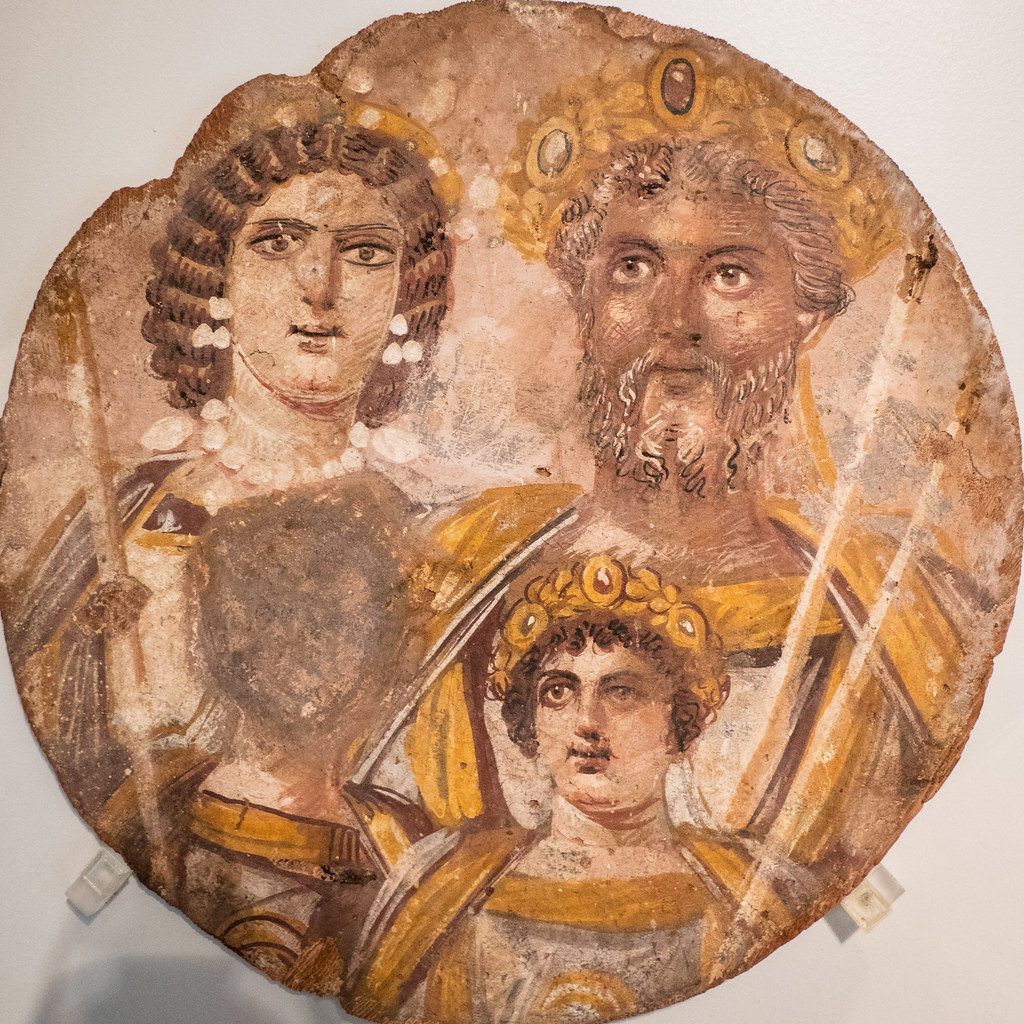
Caracalla, born Lucius Septimius Bassianus, was the elder son of the pair. His younger brother Geta followed less than a year later.
The relationship between the boys was poisonous from the beginning.
The brothers were oil and water, different in temperament, different in style, and apparently incapable of occupying the same room without turning it into a grievance session.
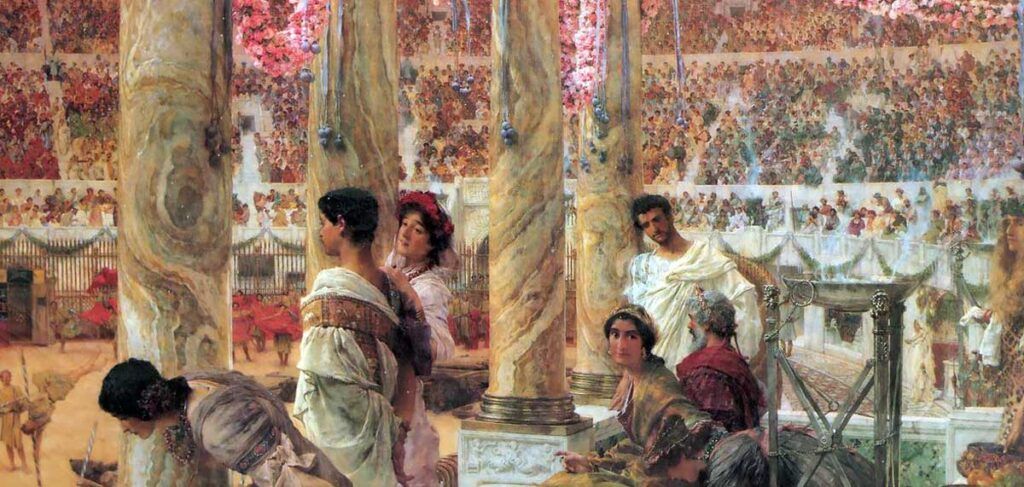
As boys, they fought constantly. Ancient writers describe them shouting, competing, and nursing grudges over everything. As they got older, the hostility hardened into something much uglier.
They stopped speaking to one another except when absolutely necessary. Eventually, they lived in separate sections of the imperial palace complex on Palatine Hill, each surrounded by his own household and supporters.
This was not ordinary sibling rivalry. By the time they reached adulthood, Rome effectively had two hostile princelings under one roof, each waiting for the other to disappear.
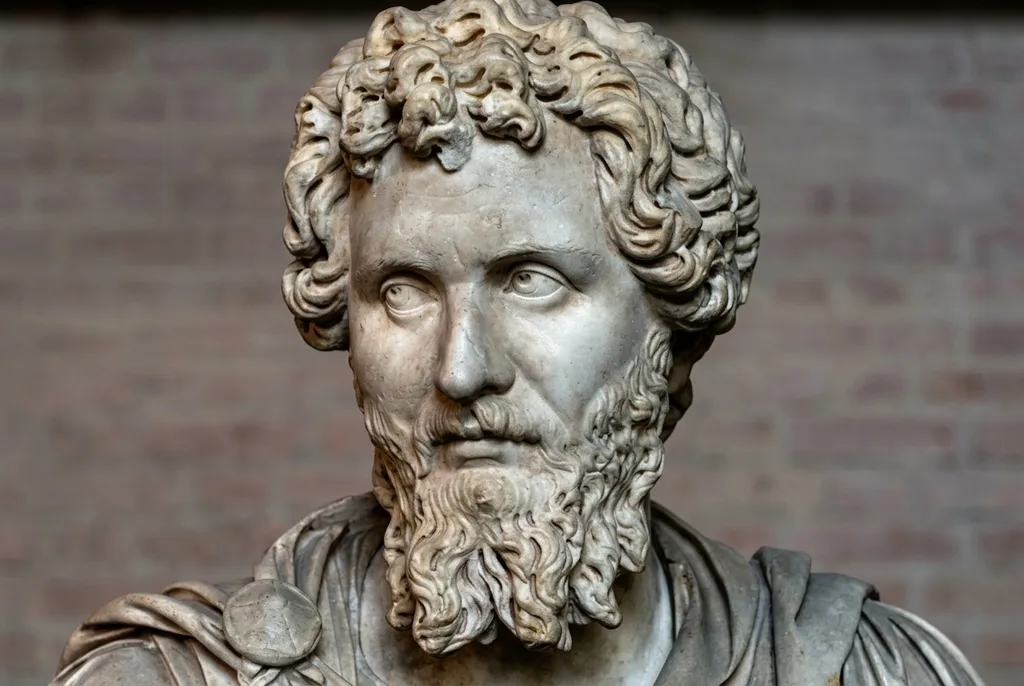
Severus’ Fatal Succession Plan
Severus’ goal wasn’t simply to hold the throne. He wanted to found a new imperial dynasty and make sure there was no question about who came next.
Caracalla, the elder son, was promoted first. Severus made him Augustus and co-emperor in 198, when he was only about 10. The title didn’t mean the boy was actually helping run the empire.
It was dynastic advertising. Rome was being trained to see Caracalla as the inevitable successor.
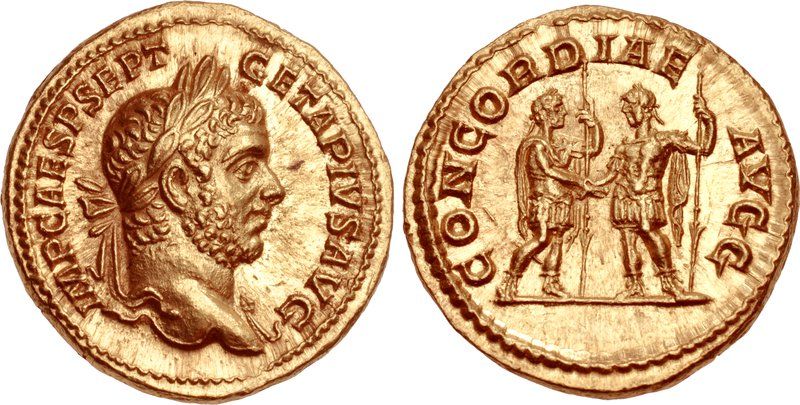
Geta was not left out. He was made Caesar at the same time and eventually elevated to Augustus in 209. By then, Rome officially had three emperors: Severus and both of his sons.
The arrangement looked sensible on paper. Severus had two male heirs and wanted both securely embedded in the regime. When he died, the dynasty would continue without another mad scramble for the throne.
There was just one rather large problem. Caracalla and Geta despised each other.
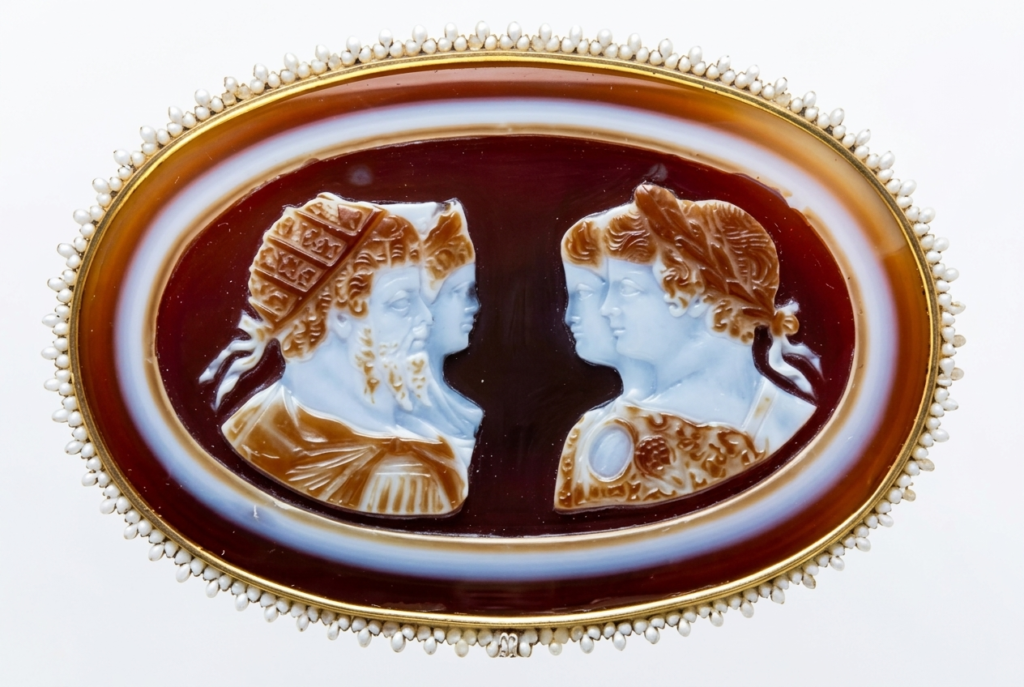
By adulthood, neither brother had the slightest interest in sharing power. Severus was effectively building a joint succession for two men who could barely stand to be in the same room.
Severus himself was a capable ruler. With the army firmly behind him, he governed with far more discipline than Commodus and without the same brazen corruption and theatrical nonsense.
He reorganized the military, tightened imperial control, and worked hard to give his sons a model of how an emperor should rule. He also tried to teach them personally when he could.
The problem was that Severus was almost constantly away on campaign. And while he could hand his sons titles, offices, and lessons in imperial government, he could not make them like each other.

Two Emperors, One Throne
Severus died on February 4, 211 CE, at Eboracum, modern York in England, while campaigning in Britain. He was 65 years old.
He’d been ill for some time by then, probably suffering from gout or another chronic condition that badly affected his mobility. He’s had a hard life, always no the road or in battle.
His sons were with him in Britain when he died. Caracalla was 22 and Geta 21.
On his deathbed, he gave them one piece of paternal wisdom, basically: “Get along. Honor the troops. Scorn all other men.” His sons took it literally and scorned each other.
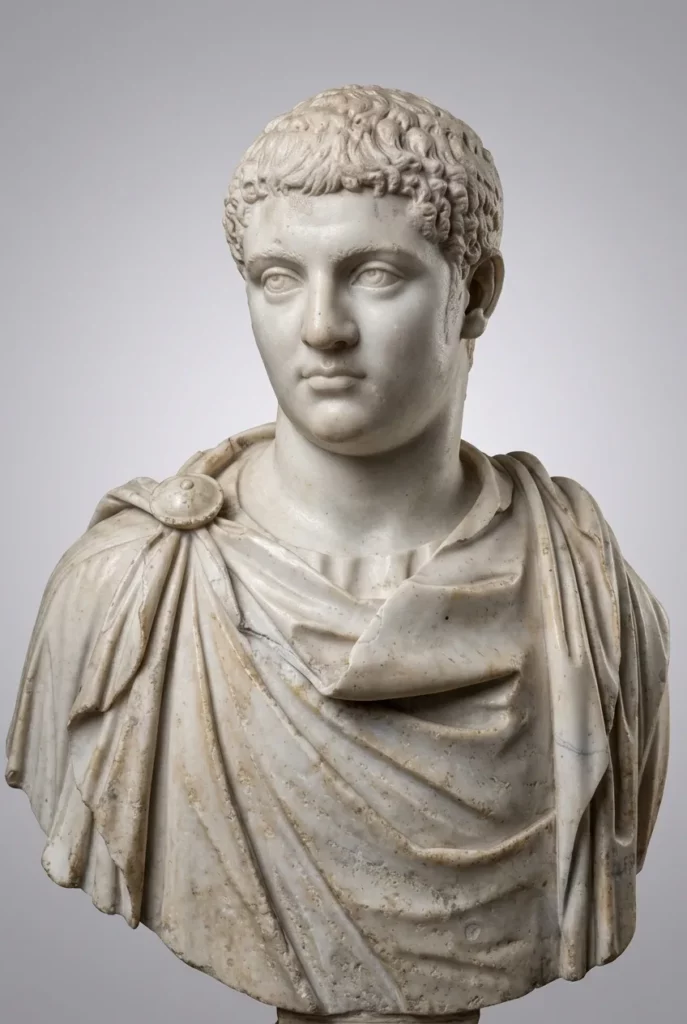
Caracalla and Geta promptly abandoned their father’s campaign in Britain, made peace with the tribes he’d been fighting, and hightailed it back to Rome.
They apparently argued almost the entire way home.
Once there, things got even worse. According to the historian Herodian, the brothers seriously discussed simply dividing the Roman Empire between them.
Caracalla would take one half, Geta the other, and presumably they would never have to look at each other again.

Their mother, Julia Domna, was horrified. She understood exactly where that arrangement would lead.
Two emperors, two courts, two armies, and two enormous egos were not a recipe for peaceful coexistence. It was practically an engraved invitation to civil war.
She reportedly shamed them out of the scheme, asking how they proposed to divide their mother along with the empire.
So the empire remained intact. The imperial family did not.
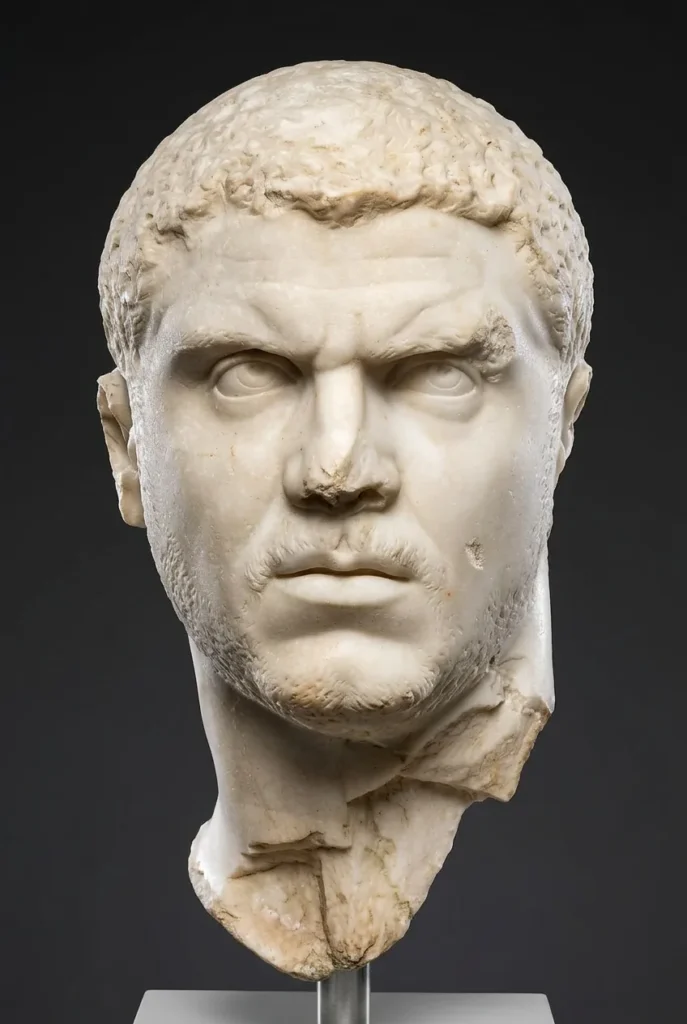
Neither Brother Trusted the Other
Caracalla was dark, suspicious, and brooding. Geta was more affable. People actually liked him.
The army, crucially, had sworn loyalty to both emperors.
The brothers guarded their doors, surrounded themselves with their own supporters, and lived in constant fear that the other was plotting murder. Even routine government became difficult because neither wanted to cooperate with the other.
Instead of calming down after Severus’ death, their hatred accelerated. There was no natural brake. Neither could be the bigger man.
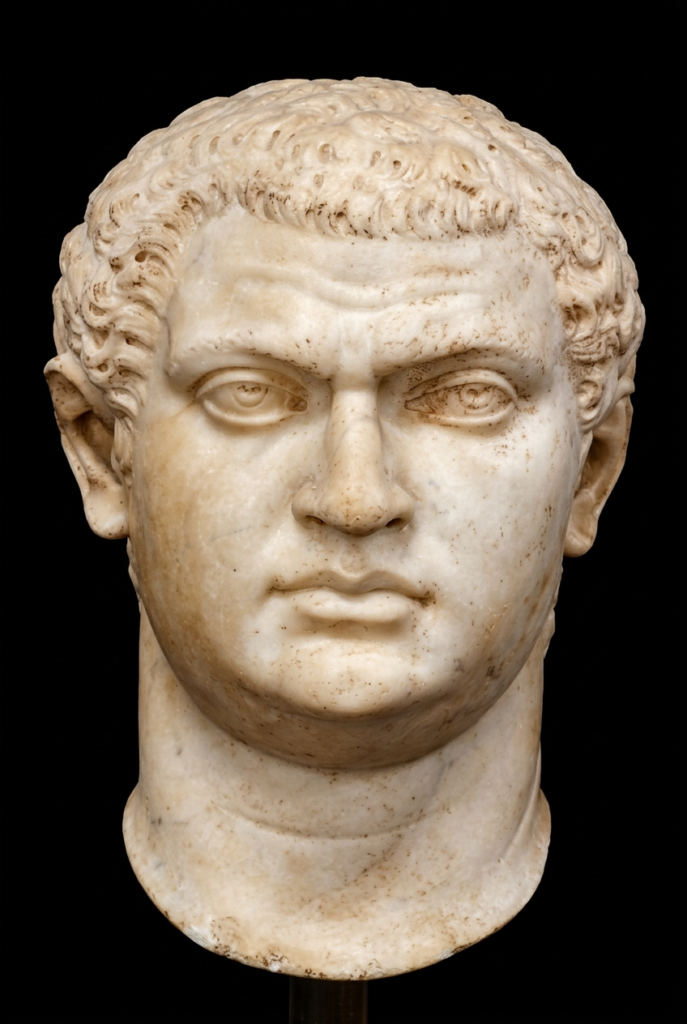
Rome now had two emperors who barely spoke to each other, each convinced the empire would be much better off with only one.
By this point, murder was in the air.
Herodian claims that both brothers tried to bribe cooks and cupbearers to poison the other. Cassius Dio says Caracalla even planned to kill Geta during the Saturnalia.
That plot failed when Geta got wind of the danger and surrounded himself with guards.
Caracalla needed a setting where Geta would finally let his guard down. Their mother unwittingly provided it.

Murder Was the Simplest Solution
With the earlier murder attempt having failed, Caracalla tried something subtler.
He persuaded Julia Domna to summon both brothers to her private apartments, without their guards, supposedly for a reconciliation. Julia had spent months trying to keep the peace. Geta trusted her neutrality and agreed to come.
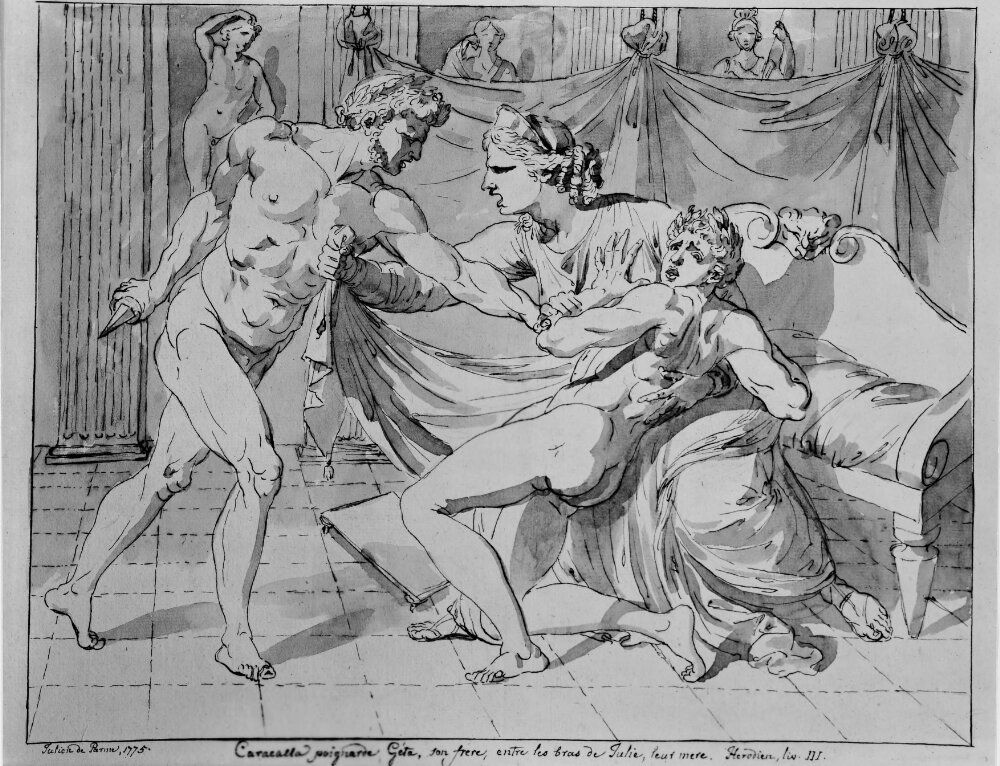
That trust killed him. Caracalla had already arranged for centurions to be waiting nearby. Once the brothers were together, the soldiers rushed in.
Geta ran to his mother and clung to her, begging for help. Julia screamed and tried to shield him with her own body. It made no difference.
The soldiers stabbed Geta to death in his mother’s arms. Julia herself was reportedly wounded in the struggle.
Caracalla stood by while his brother bled to death, looking glib. A family conference had turned into an execution.
Outrage in Rome
What Caracalla didn’t seem to realize, though, is that the Roman people despised fratricide. Geta was not some disposable rival. He was an emperor’s son and a co-ruler.
The troops loved him. People liked him. He was friendly and charismatic compared to his brother the scoundrel.
Geta also had plenty of supporters and adherents across the empire who were furious at the loss of their beloved.
Caracalla was on thin ice. So what did he do?
Caracalla Invents a Story
Well, like all liars, he invented a cover story. He claimed that Geta was trying to kill him.
Caracalla told the troops that he had survived Geta’s plot and acted in self defense. Then, he showered them with pretty words and promises of wealth and glory.
While pretty laughable, the troops fell in line. And, more confident in his power, Caracalla stuck to his foiled plot story.
In Alexandria, the public laughed at him. Caracalla didn’t like that. He murdered the city elders. All of them. When rioting broke out, he rounded up the cities youth and slaughtered them too.
Caracalla Erases His Brother From Memory
Next, Geta took it up a notch. He played up the idea of a vast conspiracy, sending killing squads across Rome. They rounded up and slaughtered anyone associated with Geta. About 20,000 people died.
Not content with his propaganda campaign, Caracalla decided to damn Geta’s memory and erase him from history.
He cut his brother’s name and image out of the triumphal arch. You can still see the scars when you walk in the Roman Forum. He destroyed images and busts of Geta. Statues were smashed. Geta was gone, like he never existed.
Caracalla prohibited mourning for Geta. Even his mother couldn’t shed a tear or she’d face the steel of an assassin’s sword.

The Grand Project
Caracalla still had a reputation problem.
He couldn’t undo Geta’s murder. But Roman emperors had other ways of making themselves useful to the public: money, spectacles, privileges, and monumental building projects.
Caracalla went big.
He ordered construction of an enormous new bath complex south of the city. The Baths of Caracalla opened in 216 and were among the largest public baths Rome had ever seen.
And these were not just tubs filled with hot water. The complex had vast bathing halls, exercise courts, gardens, meeting spaces, and libraries. Marble covered the floors and walls. Statues filled the rooms.

It was exactly the sort of public monument emperors loved. Useful, spectacular, and very hard to ignore.
Caracalla also tried generosity on a much larger scale. In 212, he issued the Constitutio Antoniniana, granting Roman citizenship to nearly every free person in the empire.
It sounded magnificently egalitarian.
Cassius Dio, naturally, was less impressed. He thought Caracalla had discovered that making everyone a Roman citizen also meant making more people liable for Roman taxes.
Classic Caracalla.

Caracalla Gets the Throne, and Rome Pays for It
Cruelty was not incidental. It became Caracalla’s governing style.
His reign was soaked in blood. He murdered rivals, purged enemies, ruthlessly suppressed dissent, and treated mass killing as a policy tool rather than a last resort.
He killed his brother, his wife, political opponents, and civilians. Anyone he considered disloyal could become expendable.
Caracalla did have one reliable constituency: the army. He showered soldiers with money and privileges. As long as they benefited from his rule, they largely stood behind him. Everyone else had to live with the consequences.
Edward Gibbon later called him “a monster whose life disgraced human nature, and whose reign accused the patience of the Romans.”
Karma Comes for Caracalla
Fortunately for Rome, karma finally caught up with Caracalla in 217.
His death was hardly heroic. He wasn’t cut down leading a charge or defending the empire. He was killed during a roadside stop while relieving himself.
By then, Macrinus, the prefect of the Praetorian Guard, had good reason to be nervous. Caracalla had become increasingly suspicious, and Macrinus reportedly learned of a prophecy suggesting that he himself would become emperor.
With Caracalla’s habit of eliminating anyone who looked remotely dangerous, that was not comforting news. So Macrinus decided not to wait.
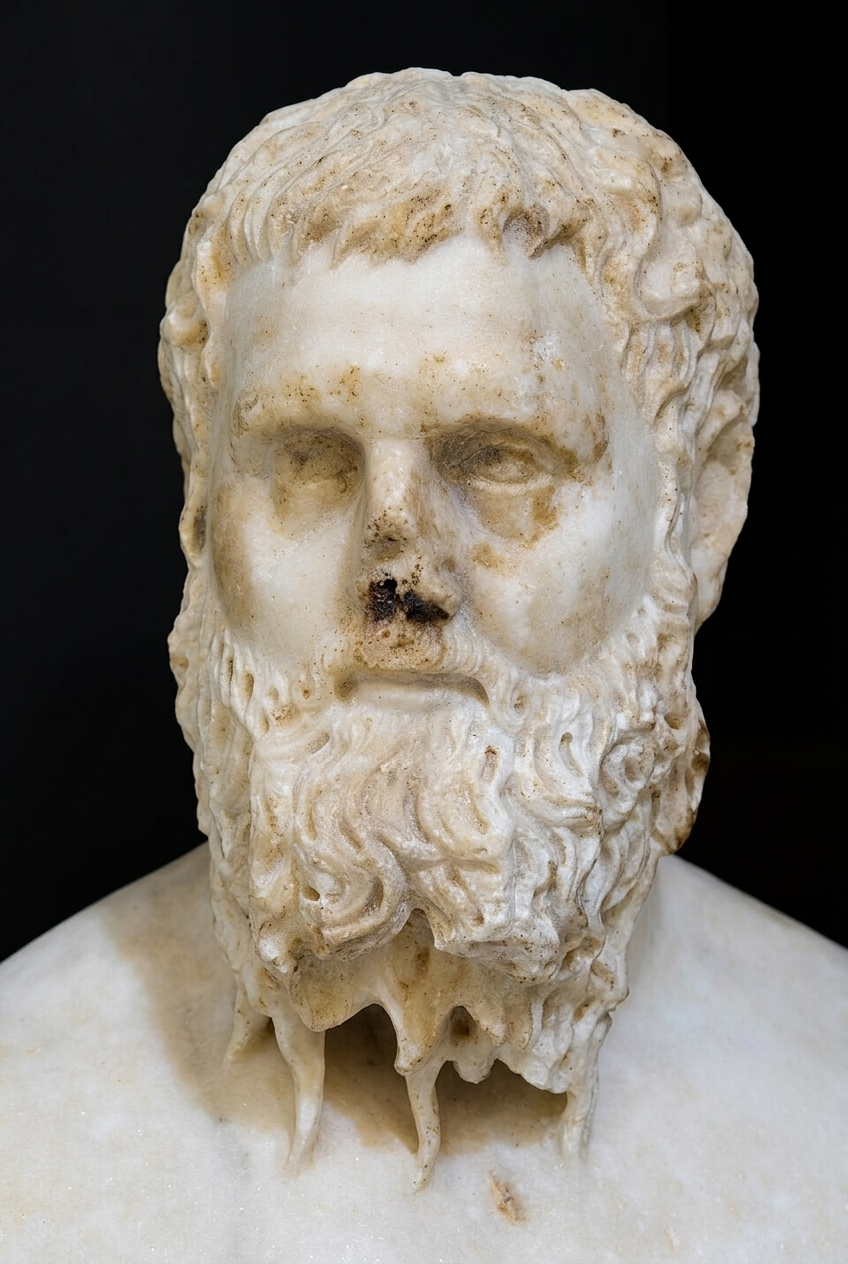
He joined a conspiracy to remove the emperor first. While Caracalla was traveling near Carrhae, one of his guards, Julius Martialis, struck him down with a sword. Caracalla was only 29.
It was an ignoble end for a man who had spent years presenting himself as a second Alexander the Great. And given the brutality of his reign, Rome was unlikely to mourn the loss.
Gladiator II Makes Caracalla and Geta Famous Again
For centuries, Caracalla and Geta were hardly household names. Then Ridley Scott’s Gladiator II turned the warring brothers into two of the most memorable lunatics in ancient Rome.
There’s just one problem. The movie’s versions of them bear only a passing resemblance to the real men.
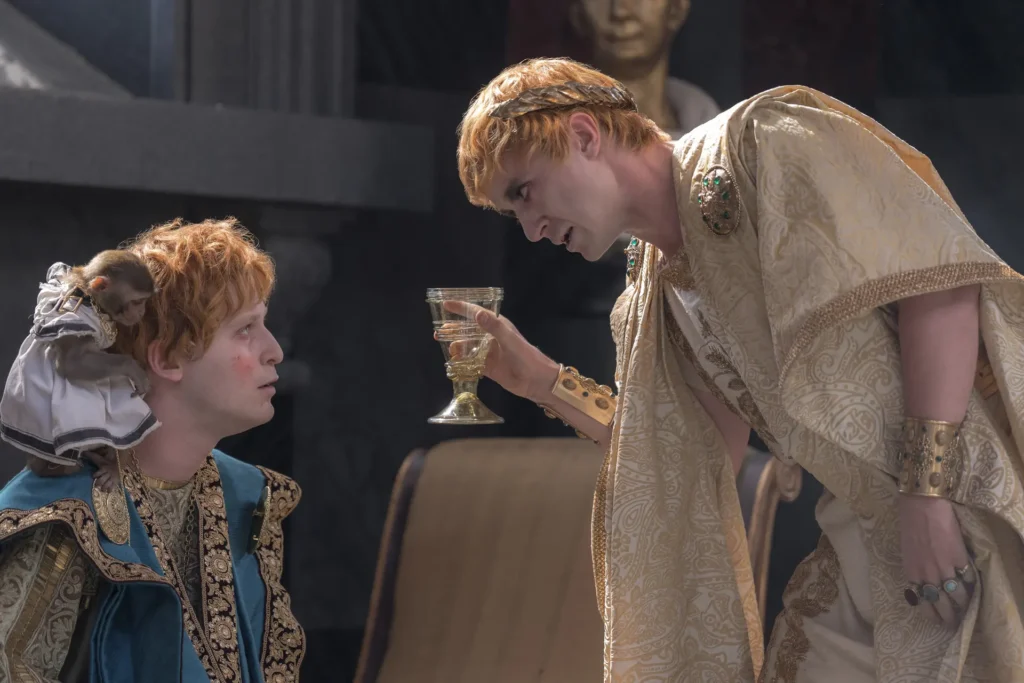
The film reverses much of their historical dynamic. Geta is portrayed as the more commanding, aggressive emperor, while Caracalla is a childish, syphilitic simpleton whose deteriorating mind makes him easy prey for Macrinus.
The real Caracalla was no simpleton. He was ruthless, suspicious, obsessed with military glory, and perfectly capable of plotting his brother’s murder without anyone whispering in his ear.
After Geta’s death, he ruled alone for another six years There’s no good evidence that syphilis was destroying his brain, and his pet monkey becoming a government official is pure Hollywood. They apparently borrowing a joke traditionally associated with Caligula and his horse.
Geta gets distorted too. The historical Geta wasn’t the dominant partner in their relationship. Caracalla was older, more experienced, and ultimately ruthless enough to eliminate him.
The biggest rewrite comes with the murder itself. In Gladiator II, Macrinus manipulates Caracalla into turning on Geta.
Historically, Caracalla devised the plot himself. Geta was killed by centurions while clinging to their mother Julia Domna, who tried to protect him and was reportedly wounded in the attack. Macrinus had nothing to do with it.
Caracalla got the empire to himself. What he never managed to get was the last word. Fratricide bought him only five years.
I hope you’ve enjoyed my guide to Caracalla and Geta. You may find these other Roman histories interesting:
- History of the Rise and Fall of Rome
- History of the Roman Emperors
- Historical Facts about Rome
- History of Nero
- History of Julius Caesar
- History of Augustus
- History of Caligula
- History of Hadrian
- History of Claudius
- History of Tiberius
Pin it for later.