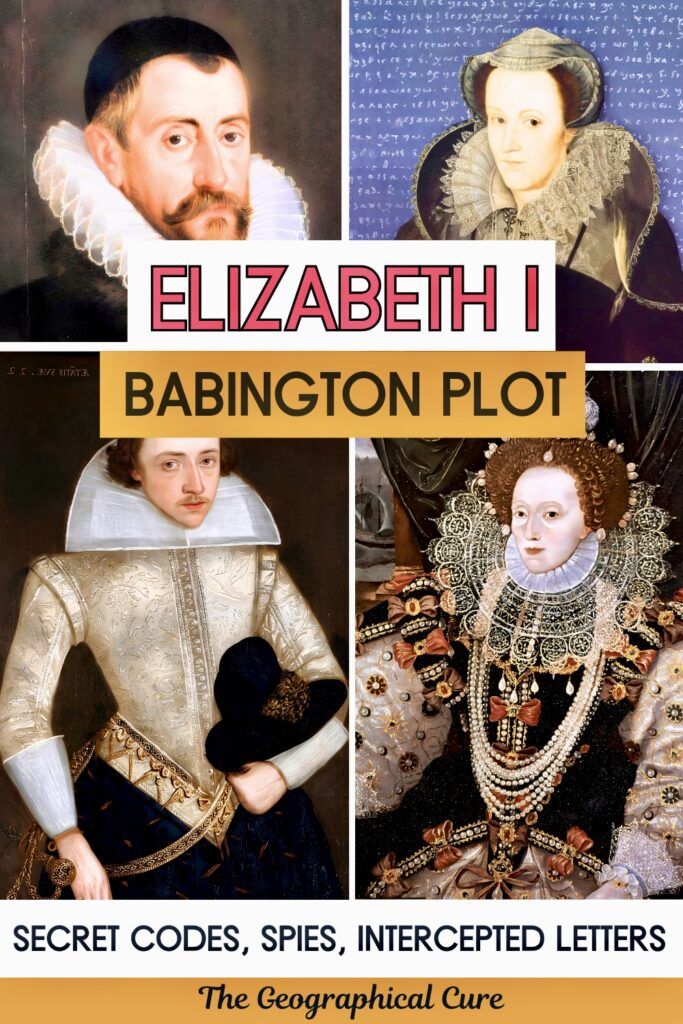
Of all the notorious schemes against Queen Elizabeth I, the Babington plot was the most outrageous.
It was a 1586 conspiracy to assassinate Elizabeth I and put her Catholic cousin, Mary Queen of Scots, on the throne.
It has all the ingredients of a riveting spy thriller: secret codes, spies, intercepted letters, assassination plans, a young conspirator, spymaster Francis Walsingham running an intelligence operation, and the question of just how far the government let the plot develop to entrap Mary.

History of the Babington Plot
Cast of Characters
Here’s who was involved:
- Elizabeth I — Protestant queen and assassination target
- Mary Queen of Scots — imprisoned Catholic claimant to the throne
- Anthony Babington — wealthy young Catholic recruited into the conspiracy
- John Ballard — Catholic priest and key instigator of the plot
- Francis Walsingham — Elizabeth’s spymaster, who infiltrated and monitored it
- Thomas Phelippes — Walsingham’s expert codebreaker
- Gilbert Gifford — double agent who secretly delivered Mary’s letters to Walsingham
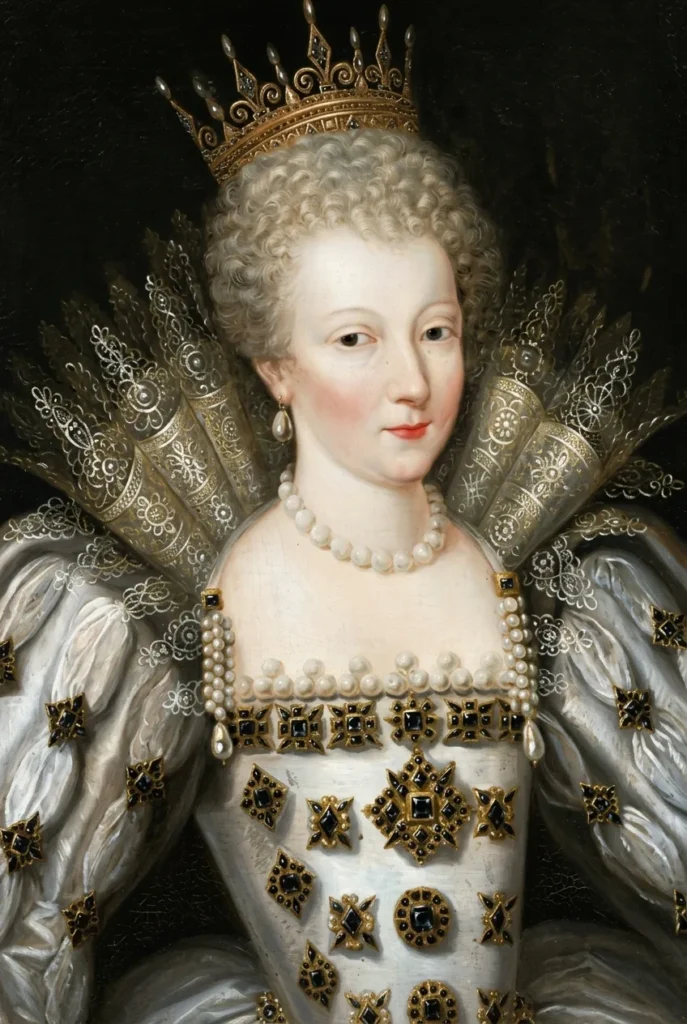
How It Started: Mary’s Imprisonment
Mary made a spectacular miscalculation when she fled from Scotland to England in 1568 to escape imprisonment.
She hoped her “sister queen” Elizabeth would help restore her to the Scottish throne. Instead, Elizabeth saw a Catholic queen with a claim to her own crown and promptly made sure she couldn’t go anywhere.
What followed was nearly 19 years of captivity.
It was genteel captivity, at least by Tudor standards. Mary had servants, fine clothes, furniture, horses, and a succession of grand country houses. But the doors were guarded, her movements restricted, and her correspondence watched.

Elizabeth had ample reason to be nervous. Mary was Catholic, had once claimed the English throne, and represented everything Elizabeth’s Protestant government feared.
More dangerous still, Mary didn’t even need to organize a rebellion herself. Her mere existence was enough.
To disaffected English Catholics, she was the obvious alternative to Elizabeth. Again and again, conspirators dreamed up schemes to free Mary, kill or depose Elizabeth, and restore Catholic rule.
Elizabeth responded by executing the plotters while leaving Mary alive. For 18 years, that uneasy arrangement held. One queen babysitting another.
Then came the Babington Plot.
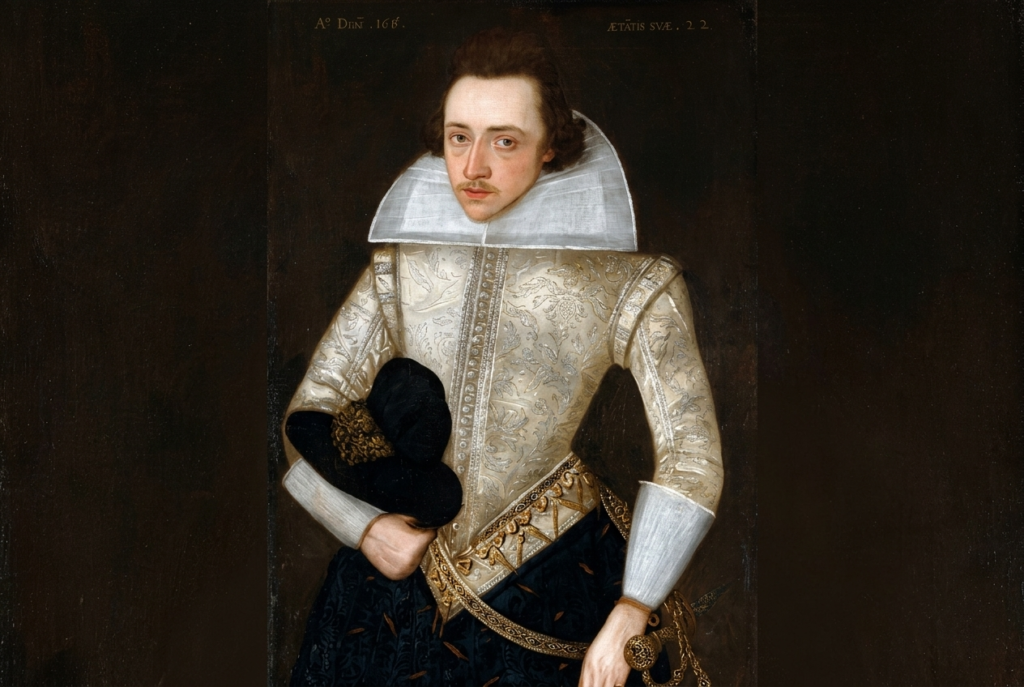
The Traitors’ Plot Takes Shape
This time, the plan wasn’t simply to free Mary. It was much bigger. And much uglier.
The Hapless Anthony Babington
Anthony Babington was a wealthy young Catholic gentleman from Derbyshire who’d already spent years moving in pro-Mary circles.
If you ask me, he wasn’t exactly a master strategist. He had money, connections, religious zeal, and apparently very little instinct for self-preservation.
As a young man, Babington came into contact with Mary’s supporters abroad, including Thomas Morgan, one of her most active agents.
He later helped carry secret letters to the captive queen and assisted Catholic priests moving through England. By the mid-1580s, he was deeply entangled in the underground Catholic network.
Enter John Ballard
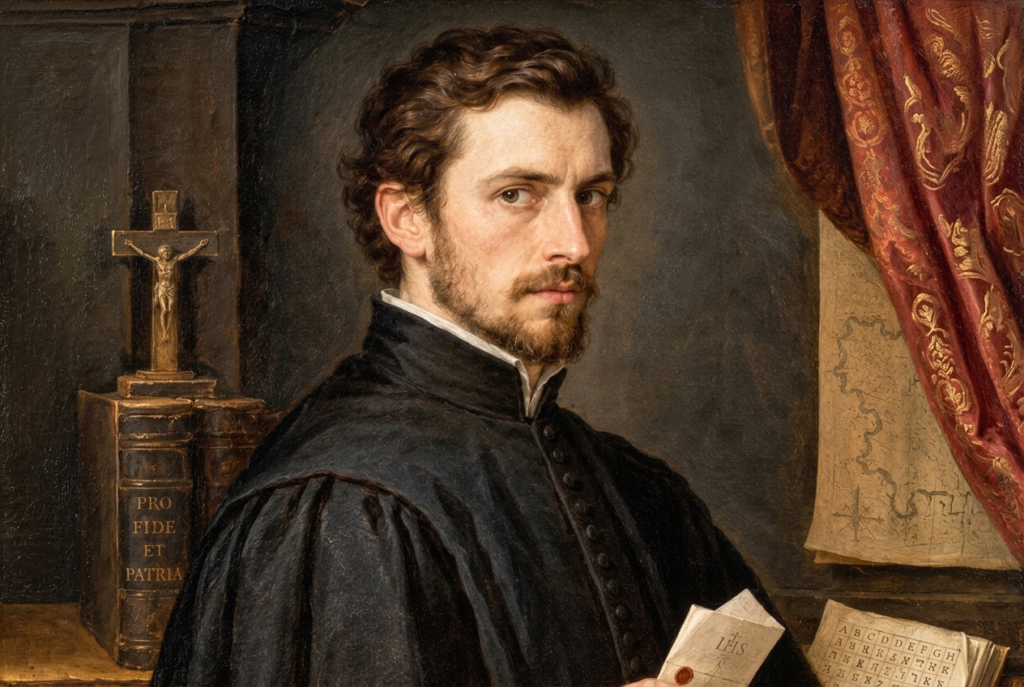
Then John Ballard entered the picture.
Ballard was a Catholic priest. More importantly, he was the man who helped turn scattered resentment into an actual conspiracy.
By the spring of 1586, Ballard was sounding out Catholic support in England and courting foreign backing abroad. At the end of May, he returned from Paris and urged Babington to move.
His pitch was irresistible to the ambitious young zealot.
According to Ballard, Catholic forces abroad would support an uprising in England. Elizabeth would be assassinated. Mary would be freed from captivity. A foreign army would land. And Mary would take the English throne.
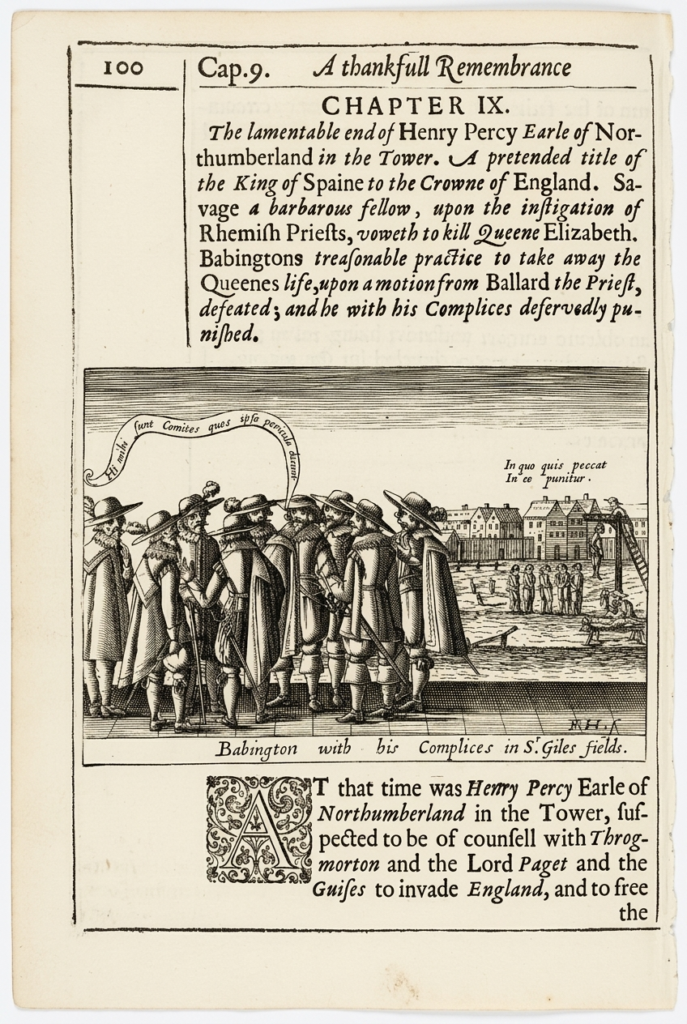
In other words, this plot was no rescue mission. It was regime change.
Babington embraced the scheme and gathered a circle of young Catholic gentlemen around him.
Throughout June, they met repeatedly in London and began working out the nitty gritty details. Some conspirators would help free Mary. Six men were assigned the rather more alarming job of killing Elizabeth.
At first, Babington was enthusiastic. But by June, he was getting cold feet.
He began trying to secure a license to leave England. That turned out to be a spectacular mistake.
Walsingham’s Espionage
Walsingham, the Spy Master
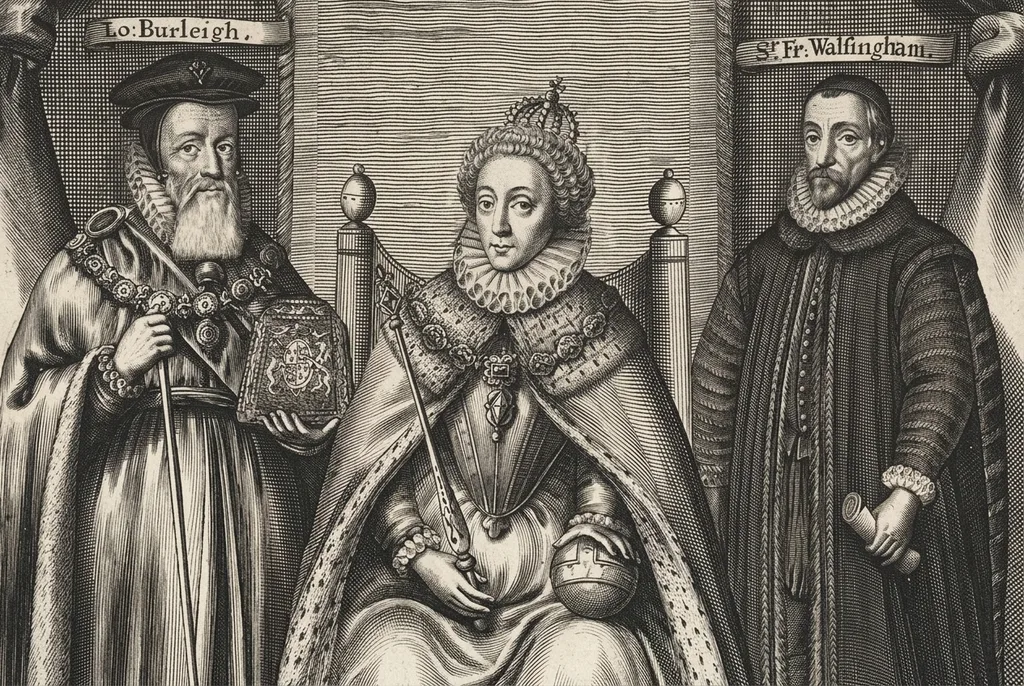
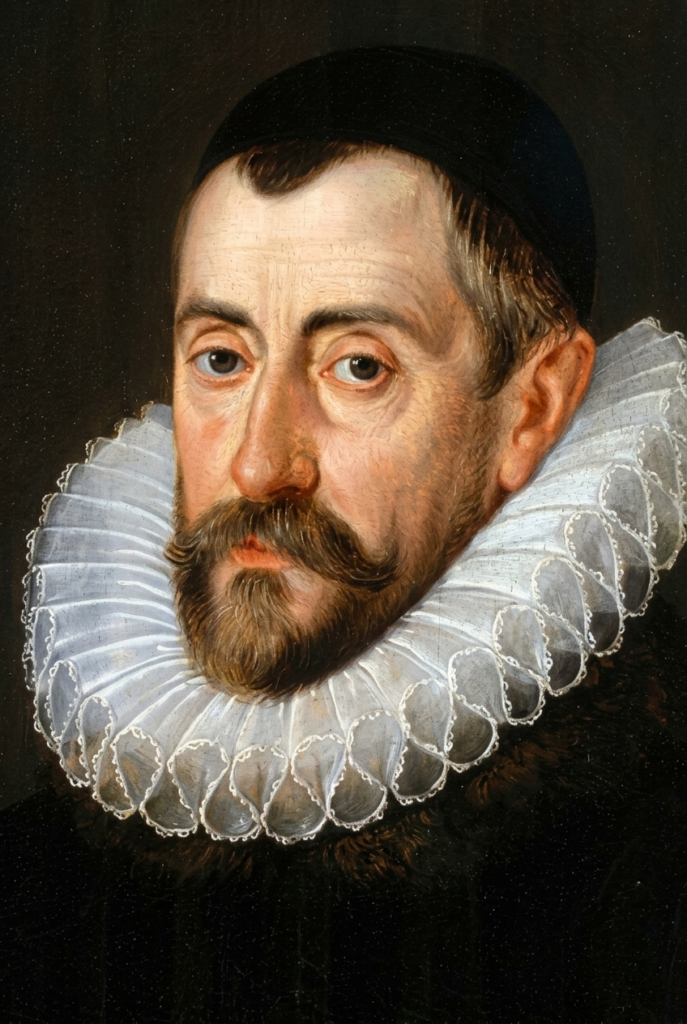
Unbeknownst to Babington and Ballard, Francis Walsingham was already on the case.
While Elizabeth’s chief minister William Cecil handled much of the machinery of government, Walsingham operated in the shadows.
As Elizabeth’s spymaster, he built an extraordinary network of informants, double agents, couriers, codebreakers, and diplomats across England and Europe. Covert operations were his particular genius.
And he had plenty to keep him busy.
Elizabeth faced repeated Catholic plots during her reign, often involving English exiles and foreign powers. Spain had become increasingly hostile. France was more complicated, but powerful Catholic factions there also supported Mary and opposed Elizabeth.
The Babington Plot gave Walsingham his greatest opportunity.
Enter Robert Poley
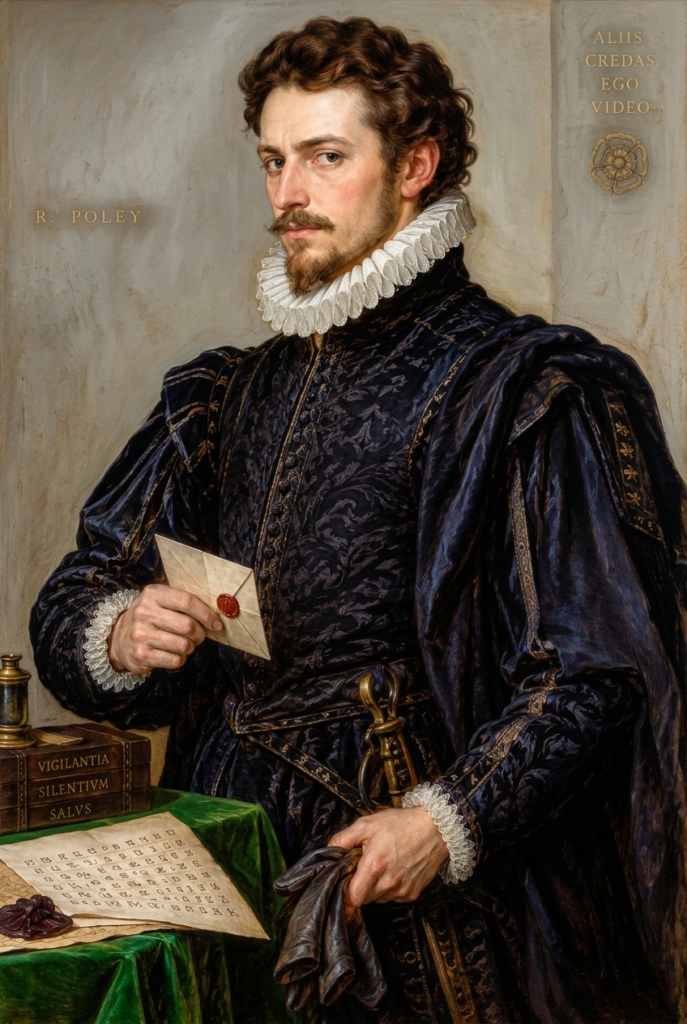
One of Walsingham’s agents was Robert Poley. To Babington, he appeared to be a sympathetic Catholic with useful connections.
In reality, Poley was a slippery figure who thrived in the murky world of Elizabethan espionage, moving easily between Catholic conspirators and the government determined to destroy them.
By 1586, his real allegiance lay with Walsingham. Better still for the spymaster, Poley was now hobnobbing with the very men he wanted watched.
Poley cultivated Babington’s confidence. Babington rewarded him by talking far too freely about the conspiracy and the proposed killing of Elizabeth.
But Poley was only one piece of Walsingham’s intricate operation.
The Secret Letters
Walsingham had another double agent, Gilbert Gifford, who became critical to the plot.
Gifford helped establish a secret channel through which Mary could once again communicate with her supporters. Mary thought she had finally beaten Elizabeth’s surveillance.
She hadn’t.
Her letters were smuggled in and out of Chartley Hall inside the hollow bung of a beer barrel. It seemed ingenious. The problem was that Walsingham controlled the pipeline.
The letters were intercepted, opened, copied, and deciphered before being carefully resealed and allowed to continue to their intended recipient. Mary and her correspondents had no idea that Walsingham was sitting, quite literally, in the middle of their conversation.
Thomas Morgan, Mary’s agent in Paris, had encouraged her to establish direct contact with Babington. That gave Walsingham exactly the correspondence he wanted.
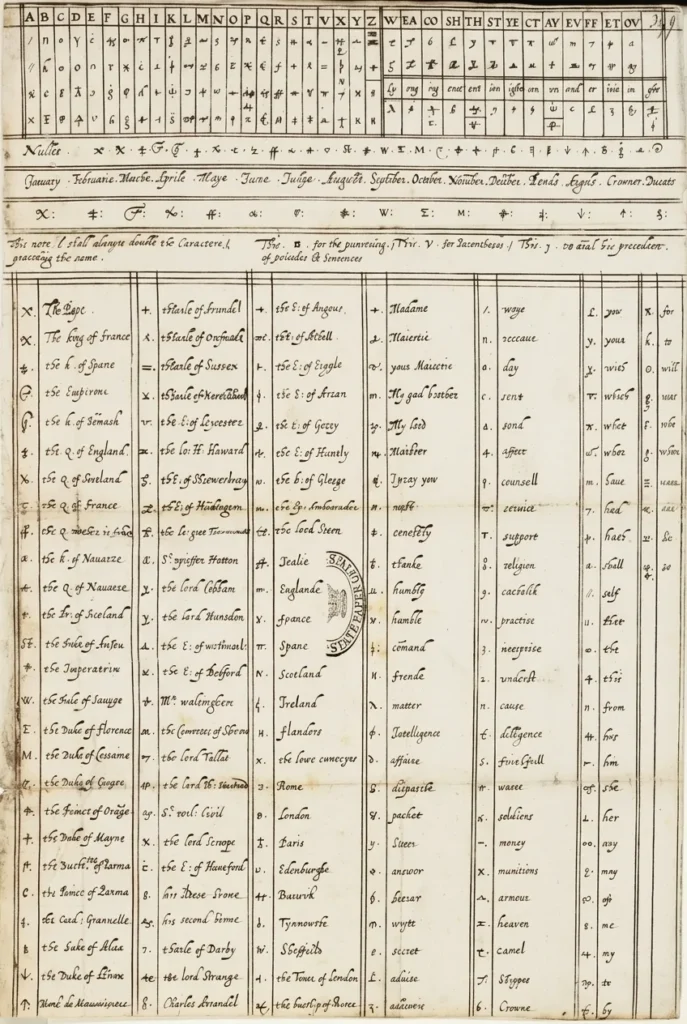
The duo’s letters were written in cipher.
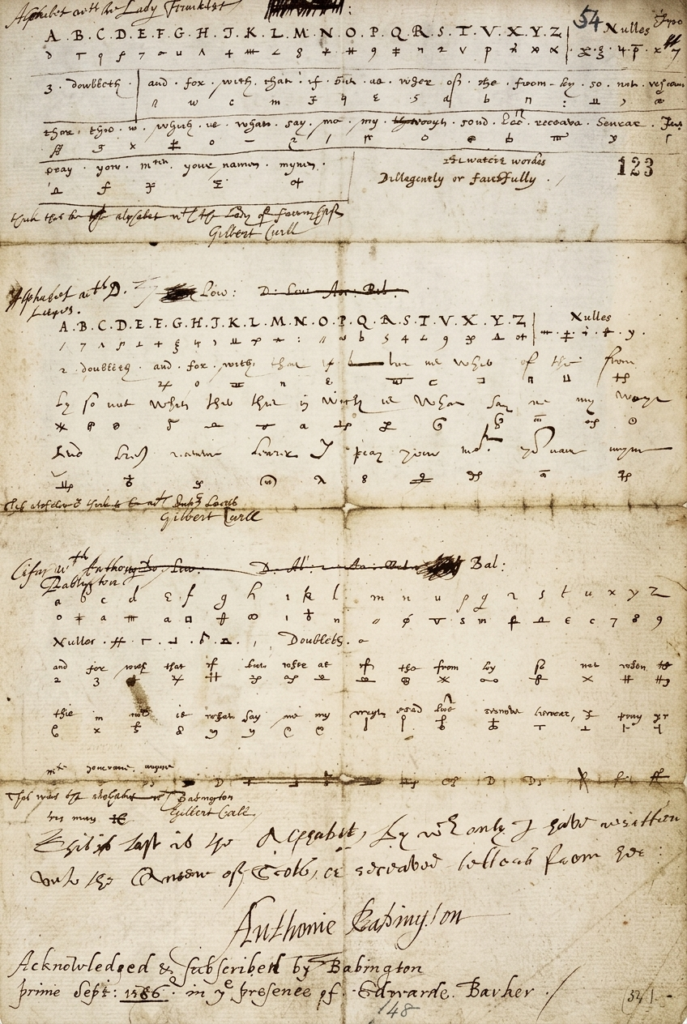
Babington and Mary used a sophisticated nomenclator. It substituted symbols for the 23 letter alphabet and used additional symbols for common words and phrases. There were also meaningless “nulls” designed to confuse anyone attempting to break the code.
By 16th century standards, Mary’s cipher was reasonably sophisticated. It looked formidable. It wasn’t formidable enough.
Thomas Phelippes, the Code Cracker
Walsingham employed a cadre of skilled cryptanalysts, and Thomas Phelippes was one of his best.
Phelippes broke the cipher in a few days by studying repeated symbols, common letter frequencies, patterns, and context. Once he had cracked the system, Mary’s supposedly private correspondence became readable to Walsingham.
Then Babington made the mistake that doomed them all.
On July 6, 1586, he put the assassination scheme in writing. He described the proposed foreign invasion, Mary’s rescue, and the “dispatch” of Elizabeth.

Mary received the letter on July 14 and replied on July 17. Her answer became the most dangerous document she ever wrote.
Mary endorsed the broader plan and included the devastating instruction to “set the six gentlemen to work,” referring to the men chosen to assassinate Elizabeth.
Phelippes deciphered the letter and drew a little gallows on the address sheet, a grim prediction of what its contents could mean for Mary.
That’s why it is now known as the “Gallows Letter.” Walsingham himself didn’t give it that name.

And Walsingham still wasn’t finished.
Before allowing Mary’s letter to continue to Babington, his operation altered portions of it and added a forged postscript asking Babington to identify the six men selected to kill Elizabeth. Walsingham wanted names.
He also wanted the strongest possible case. So he let the conspiracy continue to see what else it might yield.
By August 3, however, he’d seen enough and ordered Babington’s arrest. Intriguingly, Walsingham worried that the forged postscript made Babington suspicious and helped tip him off.
Consequences of Treason
Arrests
Walsingham ordered Babington’s arrest on August 3, 1586. The next day, the trap began to close.
John Ballard was seized. Babington fled, and the rest of the conspiracy rapidly fell apart.

What followed was a frantic manhunt. Some of the conspirators hid in London. Others scattered into the countryside. Within weeks, 14 men were in custody. None of them would survive September.
Traitors’ Exections
The 14 accused were tried in Westminster Hall and found guilty. Seven of them were hung, drawn, and quartered on Lincoln’s Field, a Tudor execution ground.
They were taken down from the noose before they died and forced to watch the rest of their agonizing punishment. The method of execution was shocking.
The spectacle was so brutal that Elizabeth ordered the remaining seven, executed the next day, to be hanged until dead before the rest of the sentence was carried out.
Babington’s Bravado Disappears
Babington didn’t exactly cover himself in glory once things went wrong.
He fled London, cut his hair, stained his face with walnut juice, and hid with several companions in St. John’s Wood. It wasn’t a particularly sophisticated disguise.
Eventually, hunger drove the fugitives out of hiding. Babington made his way to Harrow, where he was captured and taken to the Tower of London.
At his trial, Babington confessed. He also tried to shift much of the blame onto Ballard, the priest who’d drawn him into the conspiracy.
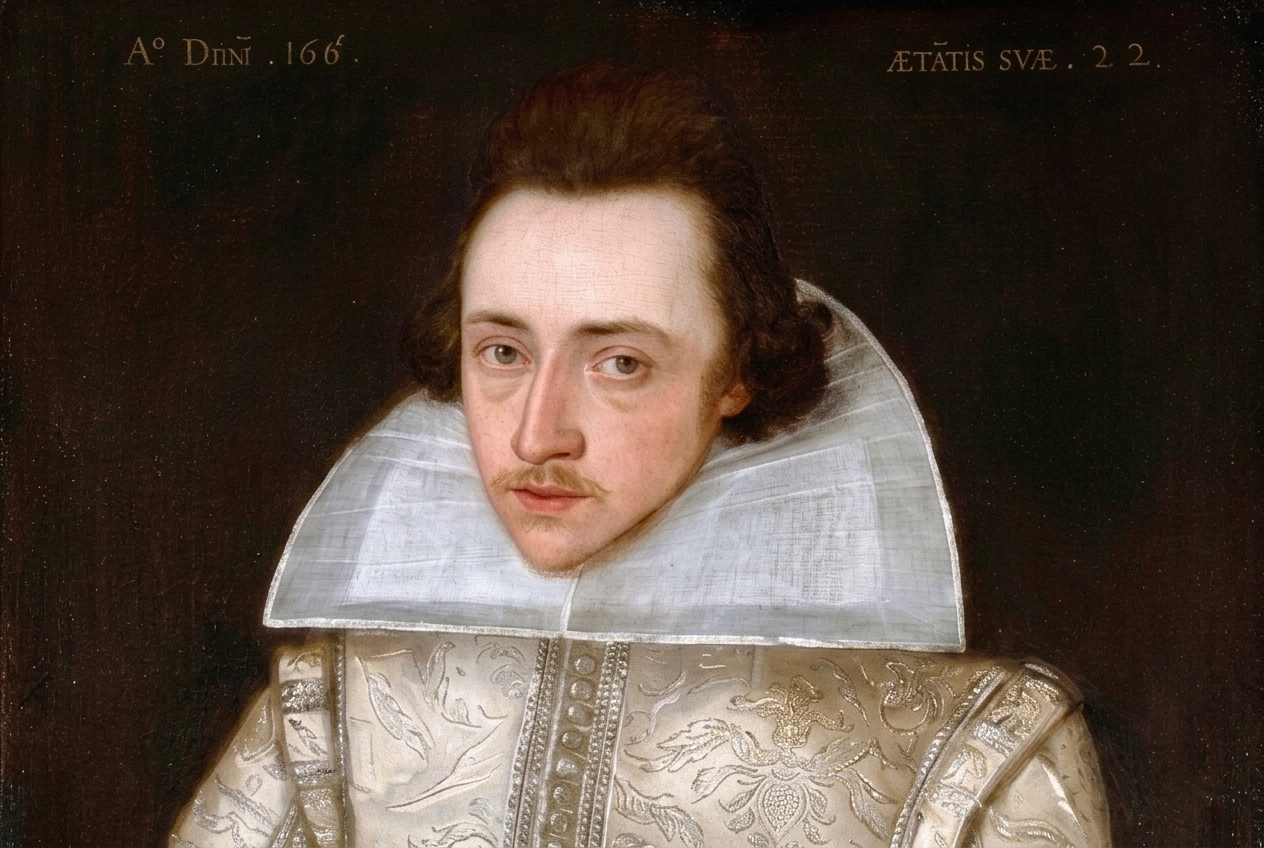
Then the bravado disappeared completely.
Babington begged for his life. On the day before his execution, he wrote to Elizabeth pleading for a “miracle of mercy” and invoking the suffering of his family. He reportedly offered £1,000 to anyone who could secure a pardon.
The next morning, with the scaffold waiting, he even surrendered the details of the cipher he’d used with Mary.
It made no difference. The cocky young young conspirator had become a frightened fugitive, desperate prisoner, and an adjudicated traitor.

Mary’s Execution
Mary didn’t escape punishment either. For years, Elizabeth had resisted executing her. The Babington letters, though, changed everything.
Whether Mary helped devise the plot or merely approved it, her coded reply was deemed consent to Elizabeth’s assassination. For Walsingham and Cecil, it was precisely the hard evidence they were waiting for.
Elizabeth still balked at killing a fellow anointed queen. Her Privy Council had fewer qualms. Parliament and her ministers pressed hard, arguing that as long as Mary lived, Catholic conspirators would continue to rally around her.
Mary was moved to Fotheringhay Castle and put on trial in October 1586. She claimed an English court had any right to judge a foreign queen, but the verdict was never really in doubt. She was found guilty and condemned to death.
Elizabeth dragged out the final decision for months. Then, on February 1, 1587, she signed the death warrant.
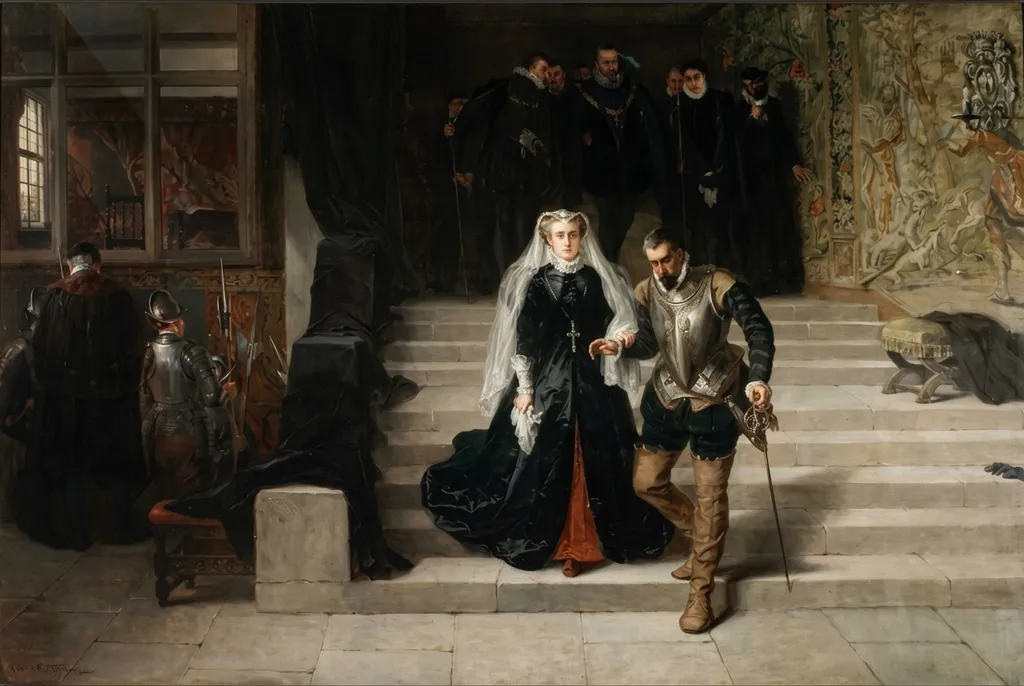
Her council didn’t share her hesitation. The warrant was dispatched to Fotheringhay. Mary climbed the scaffold and was executed one week later on February 8, 1587.
Her execution was horribly bungled. The first blow of the axe missed its mark. More blows followed before her head was finally severed.
Elizabeth erupted in fury, claiming that her secretary William Davison allowed the warrant to be carried out without her final authorization. Davison became the convenient casualty. He was thrown into the Tower of London and heavily fined.
It’s unclear whether Elizabeth truly wanted to halt the execution or simply wanted plausible deniability afterward. She clearly (or cleverly) was determined to keep some distance between herself and Mary’s death.
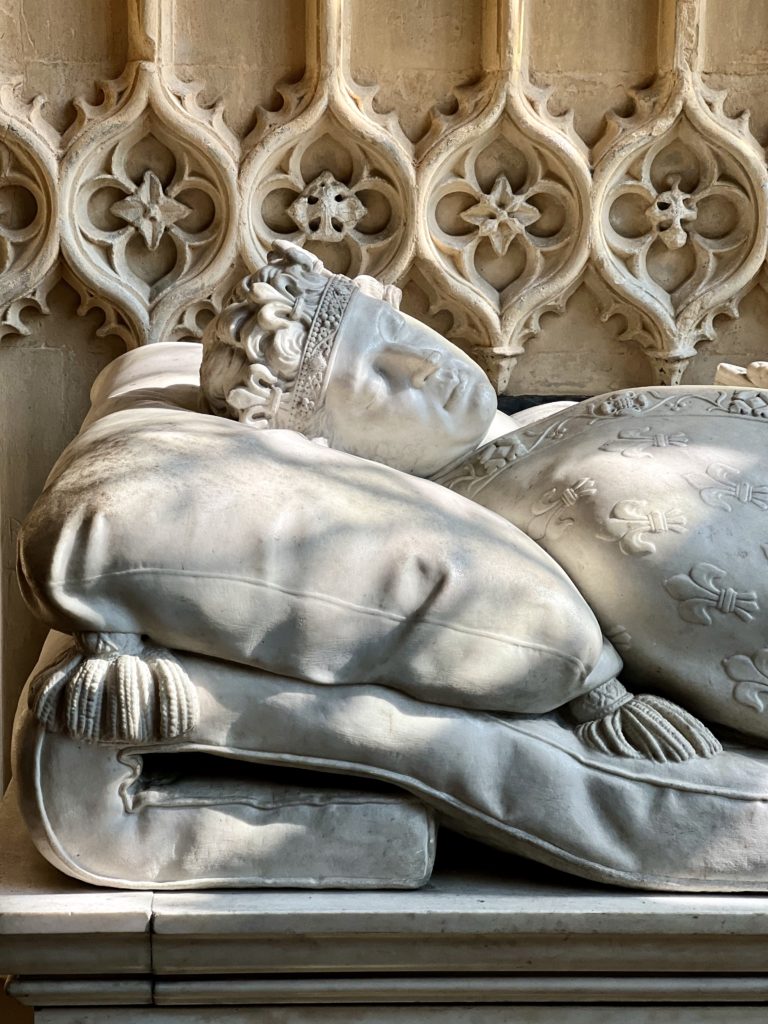
Mary was buried in Peterborough Cathedral with considerable ceremony that August, about five months after the execution.
She remained there until 1612, when her son King James I moved her remains to Westminster Abbey and placed in the Henry VII Lady Chapel.
Mary died as dramatically as she had lived. And in death, she became something even more dangerous to Elizabeth: a Catholic martyr, a romantic legend, and a political myth that refused to die.
I hope you’ve enjoyed my mini history of the Babington Plot. You may enjoy these other English histories:
- Royal Whodunits
- English myths
- History of Medieval and Tudor England
- Tudor queens of England
- Power Women of Medieval & Tudor England
- Historical Mistresses and Favorites
- Wives of Henry VIII
- Worst kings of England
- Anglo-Saxon kings of England
Pin it for later.