The Norman Conquest was the first great turning point in English history. No other event can compare with it in importance.
And yet, is that entirely true? Or is there another possible narrative, something even more dramatic?
The story of the Anglo-Saxon kings comes close. It really matters, and it also happens to be a thrilling soap opera.
There are all kinds of twists and turns in the narrative: courage, duplicity, treachery, extraordinary acts of bravery, and fierce resistance. At times, it even has a slightly Tolkien-ish quality, full of glory, violence, magic, and tragedy.
In this guide, I’ll take a look at the victories, defeats, and tangled succession struggles of England’s Anglo-Saxon kings.
House of Wessex/Anglo-Saxon Line
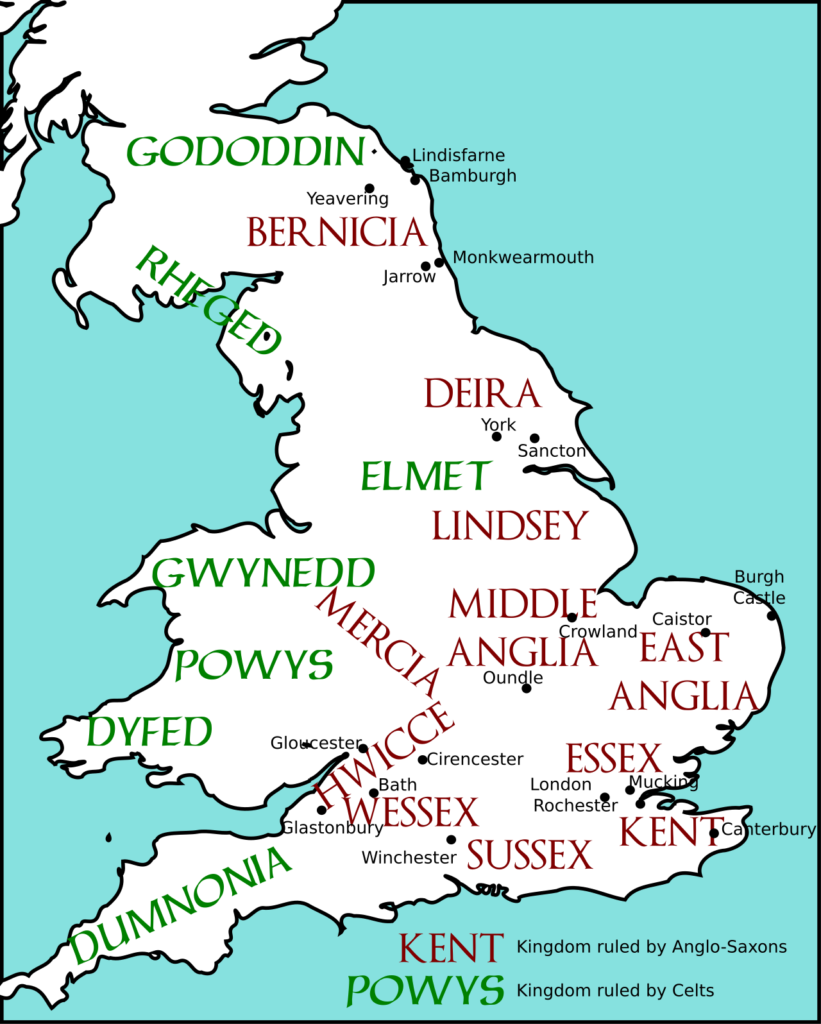
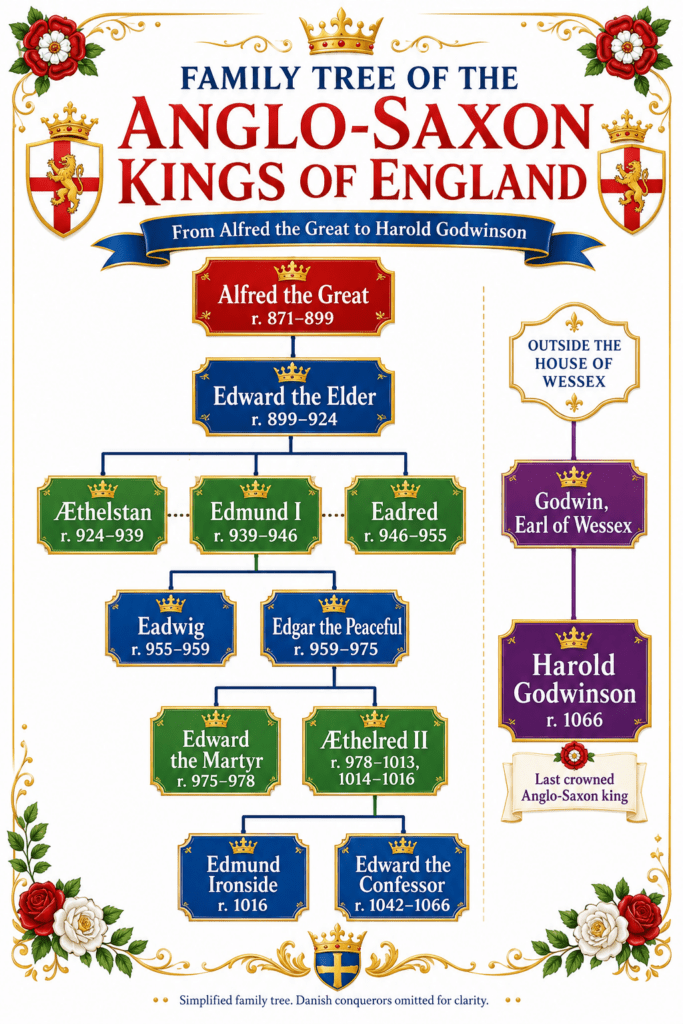
So you can keep it all in order, here’s a chronology of the English kings and a map of the kingdoms.
| King | Reign | What to remember |
|---|---|---|
| Alfred the Great | 871–899 | King of Wessex; defeated the Vikings, reformed government and law, and laid the groundwork for a unified England |
| Edward the Elder | 899–924 | Alfred’s son; expanded control over much of England and pushed back Danish rule |
| Æthelstan | 924–939 | Edward’s son; generally regarded as the first King of a unified England |
| Edmund I | 939–946 | Æthelstan’s half-brother; fought to preserve control over the north |
| Eadred | 946–955 | Edmund’s brother; finally brought Viking York firmly under English rule |
| Eadwig | 955–959 | Edmund’s son; short and politically troubled reign |
| Edgar the Peaceful | 959–975 | Eadwig’s brother; oversaw a period of stability, church reform, and stronger royal government |
| Edward the Martyr | 975–978 | Edgar’s son; murdered at Corfe Castle while still young |
| Æthelred II “the Unready” | 978–1013, 1014–1016 | Edward’s half-brother; struggled against renewed Viking invasions |
| Edmund II “Ironside” | 1016 | Æthelred’s son; fought Cnut for the kingdom during his very brief reign |
| Edward the Confessor | 1042–1066 | Æthelred’s son; restored the Anglo-Saxon royal line after Danish rule |
| Harold II Godwinson | 1066 | Edward’s successor; defeated Harald Hardrada, then died at the Battle of Hastings |
Who Were the Anglo-Saxons?
The Anglo-Saxons were mainly Germanic peoples who migrated to Britain after Roman rule collapsed in the early 5th century.
The traditional labels are Angles, Saxons, and Jutes. They came from areas that are now northern Germany, Denmark, and the Netherlands.
But “Anglo-Saxon” is really an umbrella term. These were not three tidy tribes marching into Britain in formation. Over time, migrant groups mixed with native Britons and created a patchwork of new kingdoms, customs, dialects, and identities.
At first, some came because British rulers invited them. With Roman troops gone, local leaders needed mercenaries to help fight enemies such as the Picts.
The arrangement didn’t remain temporary though. The newcomers settled, brought over families, seized or acquired land, and gradually became political powers in their own right.
So, the transformation of Britain was not one clean invasion. It was messier than that, unfolding over generations through migration, warfare, settlement, intermarriage, and the slow collapse of old Roman institutions.
They spoke forms of Old English and left behind a culture that was far more sophisticated than the stereotype of illiterate warriors suggests.
Politically, the Anglo-Saxon world was unstable. Early England was a shifting collection of kingdoms, warlords, rival dynasties, and temporary alliances. Northumbria, Mercia, East Anglia, and Wessex all had their moments of dominance.
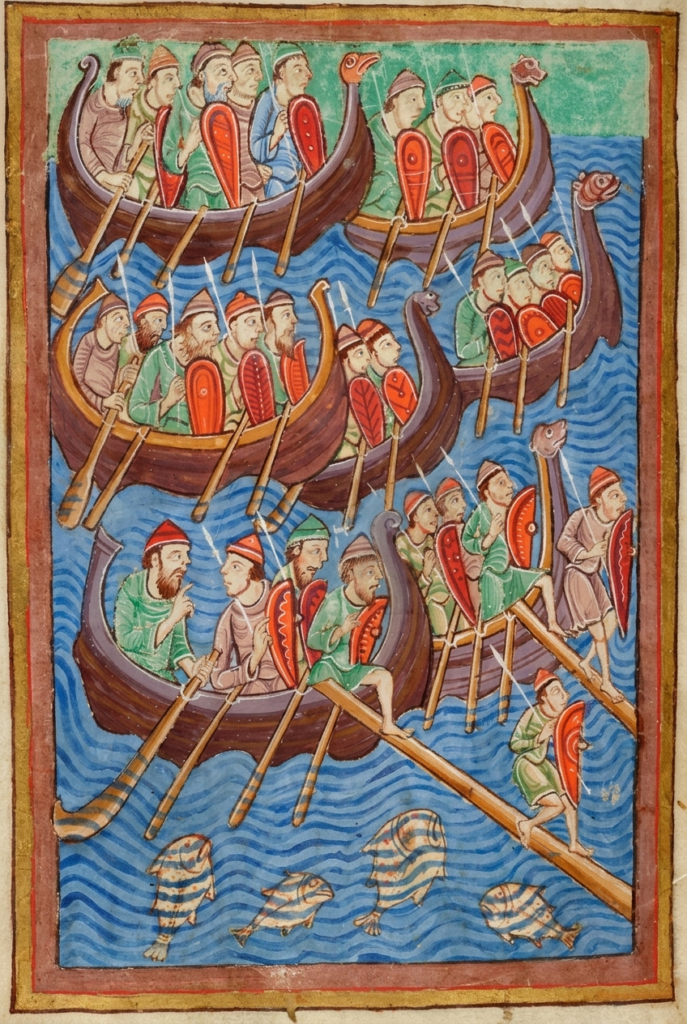
Then came the Vikings.
Their attacks and settlements destroyed some kingdoms outright and forced the survivors to adapt. Alfred the Great didn’t unite England himself, but he gave Wessex the military and administrative structure it needed to survive. His children and grandchildren built on that foundation.
By the 10th century, the idea of a single English kingdom was no longer fantasy. Alfred’s grandson Æthelstan pushed it closest to reality and is generally regarded as the first king of a unified England.
What began as a loose collection of post-Roman settlements, over several centuries, turned into a kingdom with a shared political identity, a common language, and a royal dynasty strong enough to claim England as a whole.
That kingdom would survive until 1066, when another group of ambitious outsiders arrived and changed everything again.
England Before 1066: The Anglo-Saxon Kings
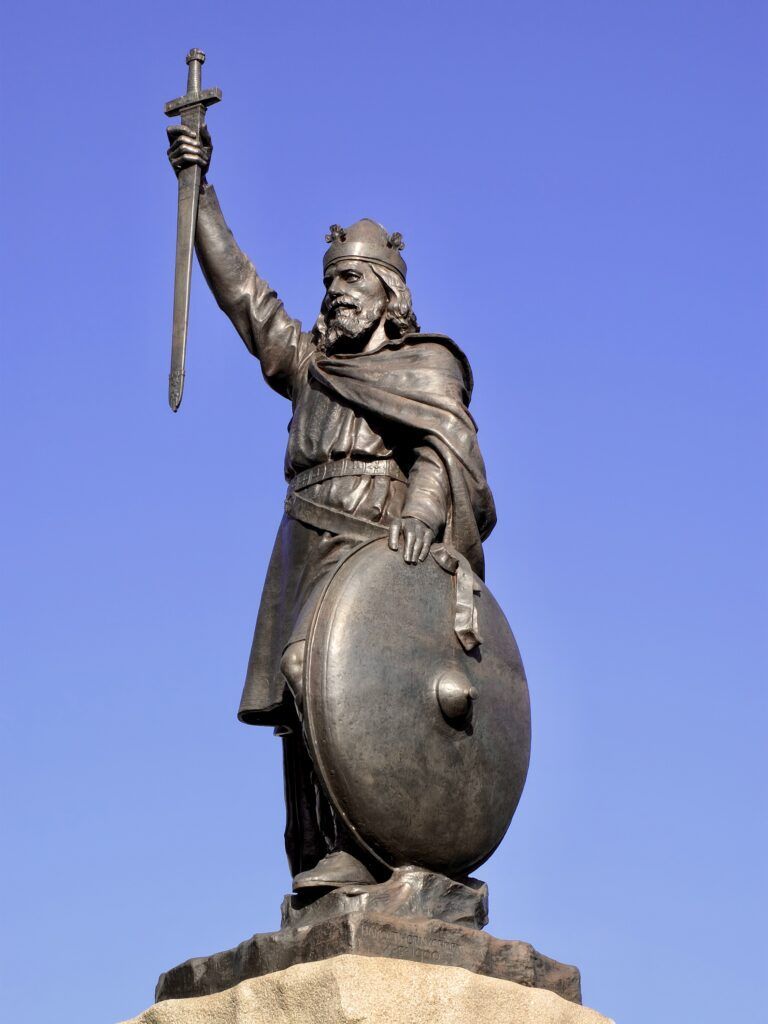
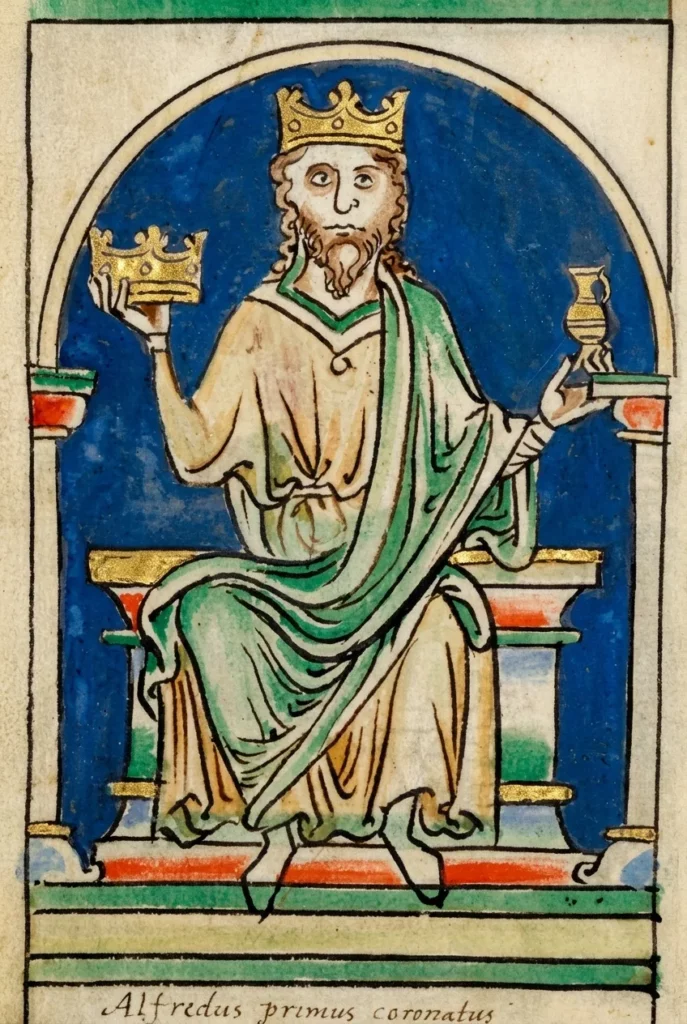
Alfred the Great
Alfred the Great never actually ruled a united England.
He was King of Wessex from 871 to 899, at a time when Viking armies had already destroyed or dominated most of the other Anglo-Saxon kingdoms. When he took the throne, Wessex was the last major holdout.
His great achievement was keeping it alive. After years of fighting, negotiating, and occasionally buying off the Danes, Alfred was driven into the Somerset marshes by the Viking leader Guthrum in 878.
He regrouped, returned, and crushed Guthrum at the Battle of Edington. Then he did something more important than winning a single battle: he reorganized Wessex so the Vikings couldn’t simply walk back in.
He built a network of fortified towns, reformed military service, strengthened government, promoted learning, and issued a new law code.
Alfred died before England became a single kingdom. But his reforms gave his son Edward the Elder and grandson Æthelstan the military and administrative machinery they needed to finish the job.
That’s why Alfred belongs at the beginning of the story of England’s kings, even though he was technically never King of England.
Edward the Elder
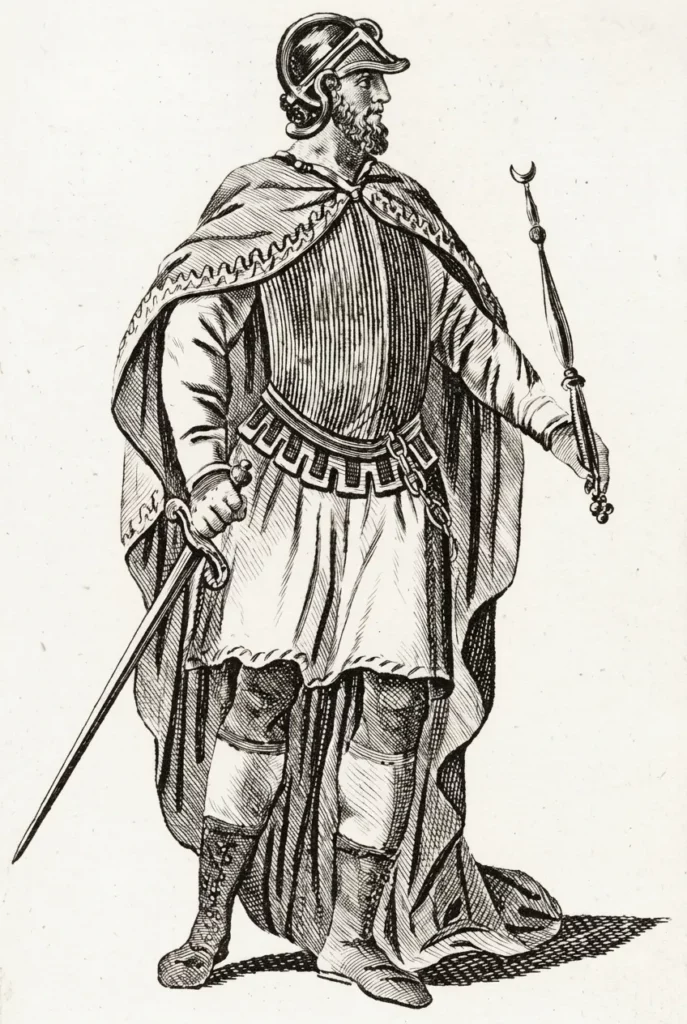
Though his father outshines Edward the Elder in the history books, Edward’s achievements proved enormously important too. He succeeded Alfred in 899, probably in his mid-20s.
Edward was immediately challenged by his cousin Æthelwold, the son of Alfred’s elder brother Æthelred. Æthelwold argued that he had the stronger hereditary claim and even allied himself with Viking forces. Edward ultimately defeated the rebellion, removing a serious threat to the new dynasty.
He then worked closely with Alfred the Great’s daughter Æthelflæd, his sister and the formidable ruler of Mercia. Together, they steadily reclaimed territory from Danish control, fortified strategic towns, and extended West Saxon and Mercian authority deeper into the Midlands.
Edward also pushed farther north after Æthelflæd’s death, bringing more territory under his direct control and forcing several neighboring rulers to acknowledge his supremacy.
By the end of Edward’s reign, the dream of a unified England was no longer a distant goal. He’d expanded the kingdom dramatically and left his son Æthelstan with the territory, military system, and political momentum needed to finish the job.
He may not have Alfred’s fame, but he was a pivotal monarch whose military skill and relentless expansion made the creation of England possible.
Æthelstan
When Edward the Elder died in 924, Æthelstan was quickly accepted as king in Mercia. But things were more complicated in Wessex, where there was support for his half-brother Ælfweard.
Then, Ælfweard died just a few weeks later. That removed Æthelstan’s most obvious rival, but it didn’t end the opposition.
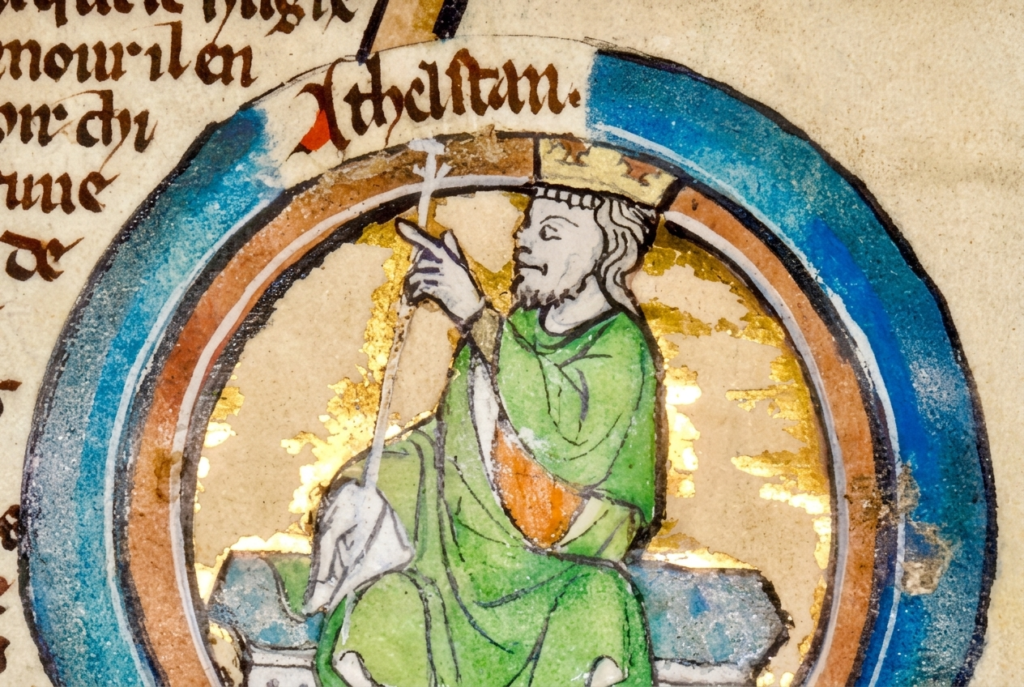
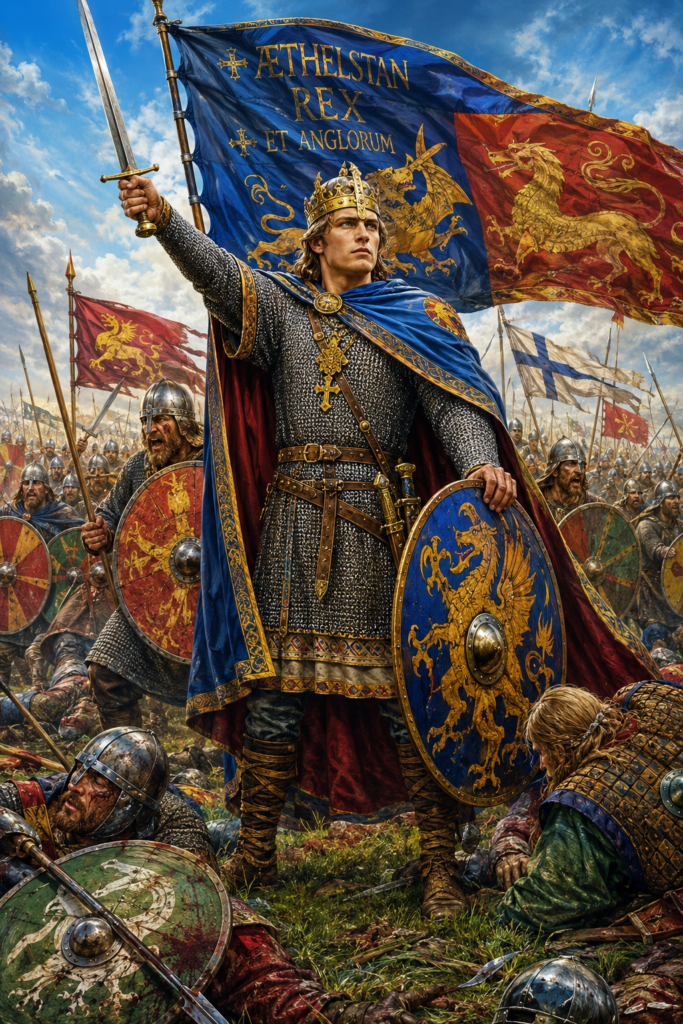
Eventually, Æthelstan became England’s first king in 925. He united Mercia and Wessex, conquered the Viking kingdom of York, battered his enemies into submission, and issued coins proclaiming himself Rex totius Britanniae, “King of all Britain.”
He was earnest, hard-working, ambitious, and visionary. An ideal king really.
How did he do it all?
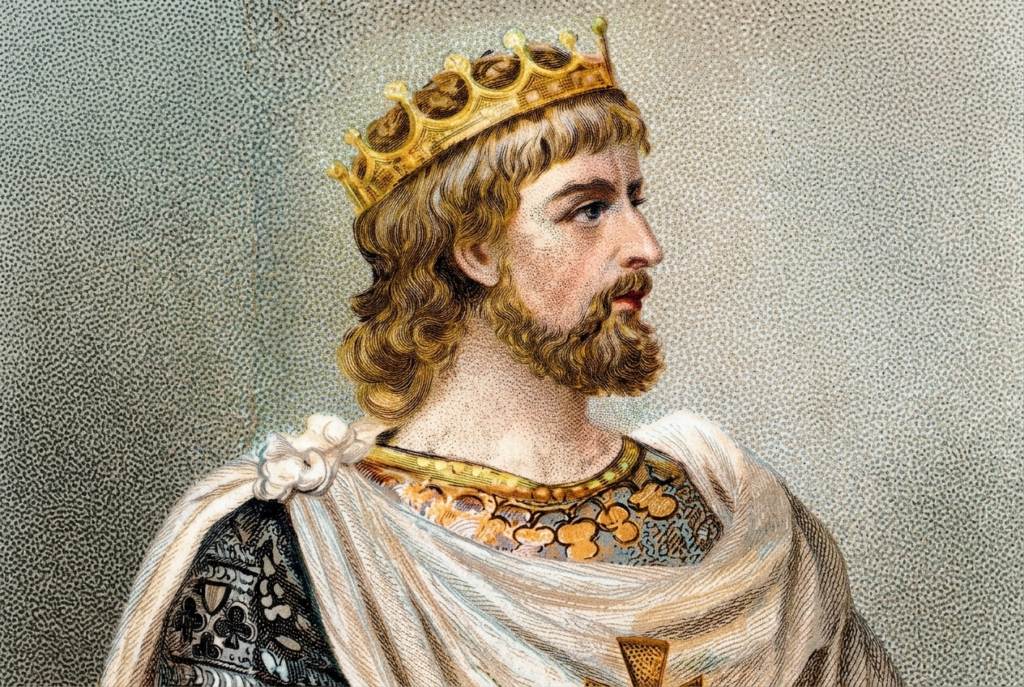
Æthelstan spent his formative years in Mercia. His father Edward sent him to be raised at the court of Æthelflæd and her husband Æthelred.
Æthelflæd was no ceremonial royal aunt. She was Alfred the Great’s daughter.
After her husband’s death in 911, she effectively ruled Mercia herself as the “Lady of the Mercians.” She was a formidable military leader who conducted a remarkably successful campaign against the Vikings.
Æthelstan absorbed her lessons. He learned that kingship could be expansive and that military conquest had to be backed up by administration, fortified towns, diplomacy, and political control.
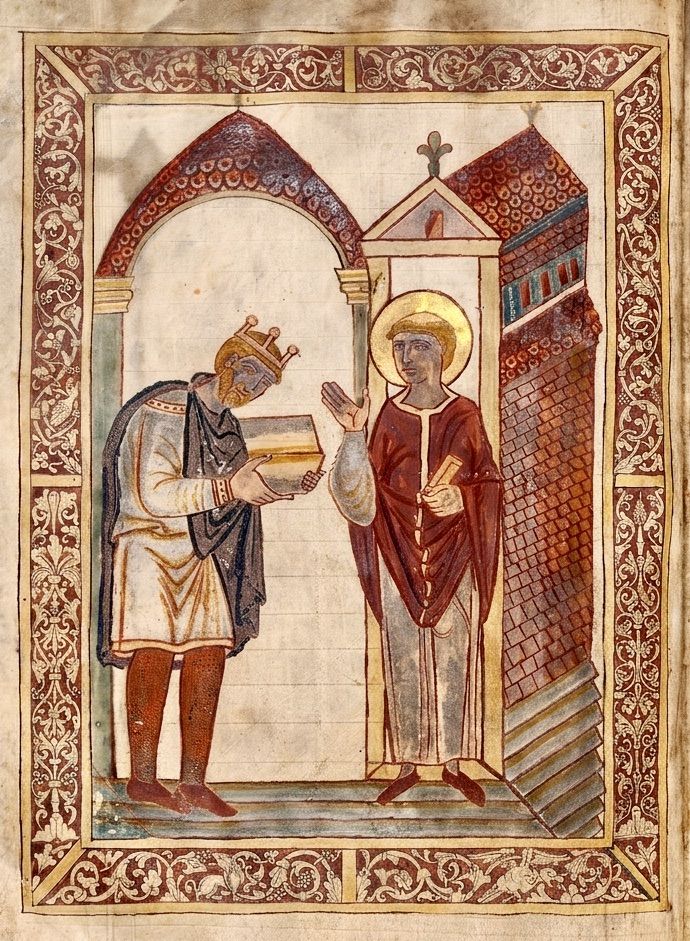
By 927, he’d defeated the Viking kingdom of York and brought Northumbria under his control. This was the crucial moment. For the first time, one king ruled all the major English kingdoms.
And Æthelstan wasn’t finished.
In 937, he faced an enormous coalition led by Constantine II of Scotland, Owain of Strathclyde, and the Norse king Olaf Guthfrithson of Dublin. Æthelstan and his half-brother Edmund met them at the Battle of Brunanburh and won a crushing victory.
It was one of the bloodiest and most celebrated battles of Anglo-Saxon history. The Anglo-Saxon Chronicle practically breaks into song over it.
Brunanburh destroyed the coalition assembled against Æthelstan and confirmed, at least for the moment, that nobody could easily dislodge him.
Then, just two years later, Æthelstan died. And almost immediately, things began to fall apart.
The Vikings retook York, Northumbria slipped away, and his successor Edmund had to fight to recover territory Æthelstan had controlled.
That tells you something important. Æthelstan had created a kingdom, but it was not yet a completely secure one. Much of it still depended on the authority, military success, and sheer prestige of the man at the top.
But that also makes his achievement more impressive.
In the final analysis, Æthelstan is the king who turned Alfred and Edward’s expanding realm into something recognizably like the kingdom of England. He’s been rather lost in history’s mono-focus on 1066.
But lately, he’s been getting some of his due.
Edmund I
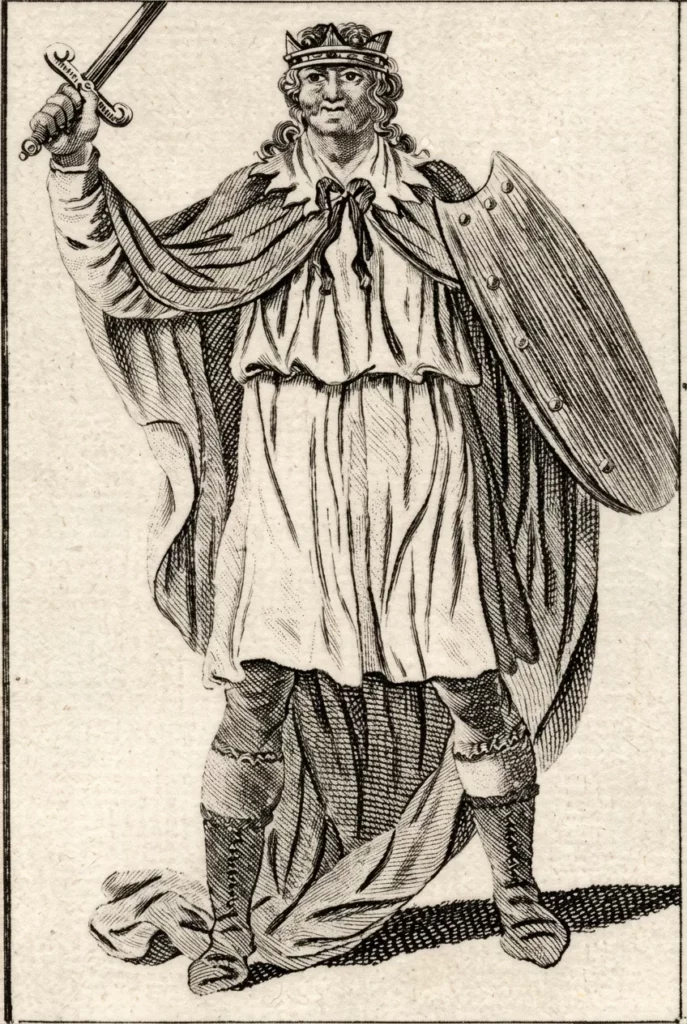
When Æthelstan died childless, his half-brother Edmund I succeeded him in 939. Edmund was another son of Edward the Elder and ruled for only six years.
He’s generally regarded as a capable ruler who carried on much of Æthelstan’s work and fought to preserve English control in the north.
That wasn’t easy. After Æthelstan’s death, the Vikings quickly regained York and parts of the Midlands. Edmund fought back, recovered the Five Boroughs, and retook York in 944.
He also strengthened royal government and worked closely with important churchmen, including Dunstan, helping lay some of the groundwork for the religious reforms that would flourish under Edgar.
So, like Æthelstan, Edmund combined warfare with administration. He was not as spectacular a figure, but he was effective.
His reign ended abruptly in 946, when he was only about 25. According to later accounts, Edmund was killed at a royal feast after confronting an outlaw named Leofa, whom he had previously exiled.
Eadred
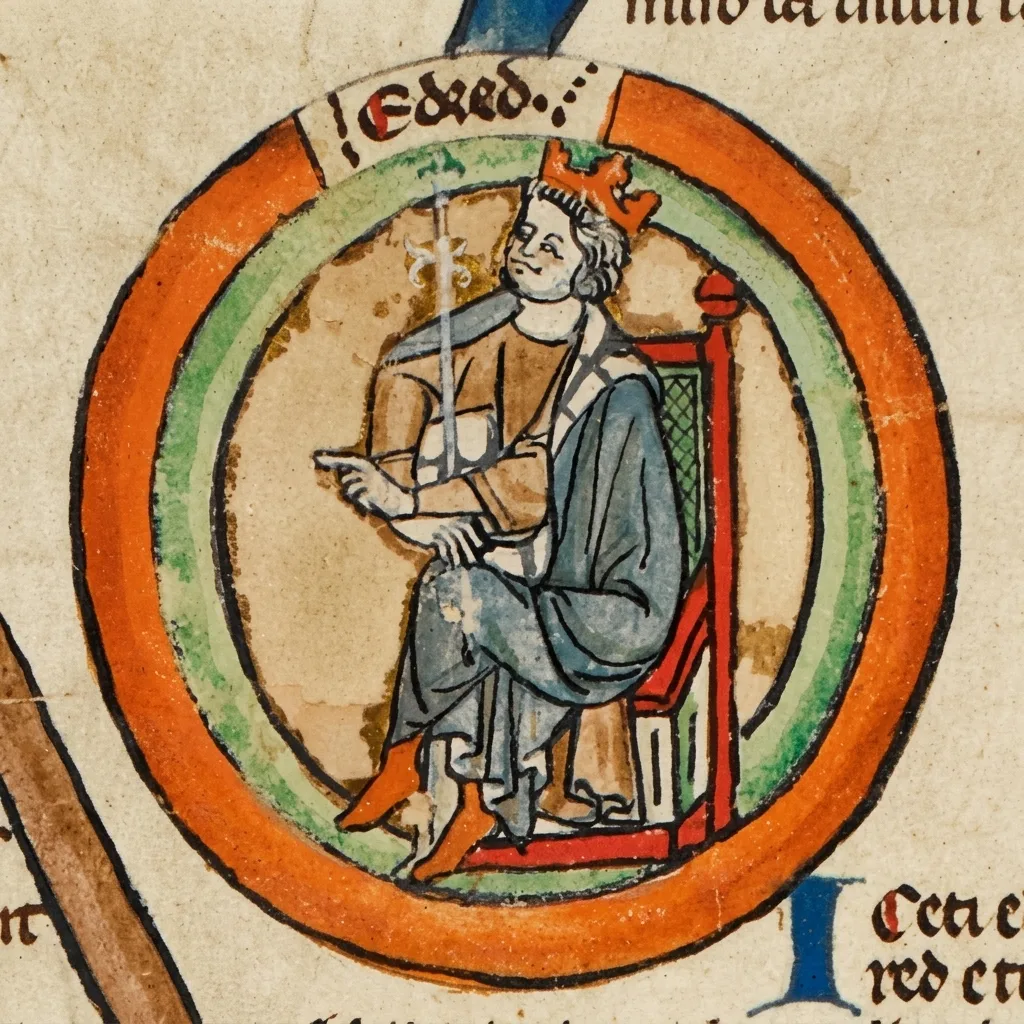
After his younger brother Edmund was killed, Eadred succeeded him in 946. Edmund’s sons were still children, so Eadred was crowned instead.
He ruled for about a decade, not bad for an Anglo-Saxon king. His greatest challenge was Northumbria, where Viking rulers continued to test English authority.
The region changed hands repeatedly. Eadred fought against Norse kings including Eric Bloodaxe and eventually forced Northumbria into submission in 954. That effectively ended the independent Viking kingdom of York and brought the north more firmly under the English crown.
Eadred also worked closely with powerful churchmen such as Dunstan and supported the religious reform movement that would become even more influential under Edgar.
His reign lacked the drama of Alfred the Great or Æthelstan. But he was a good steward of what they had built. By the time he died in 955, the English kingdom was more secure and more unified than it had been when he inherited it.
Eadwig
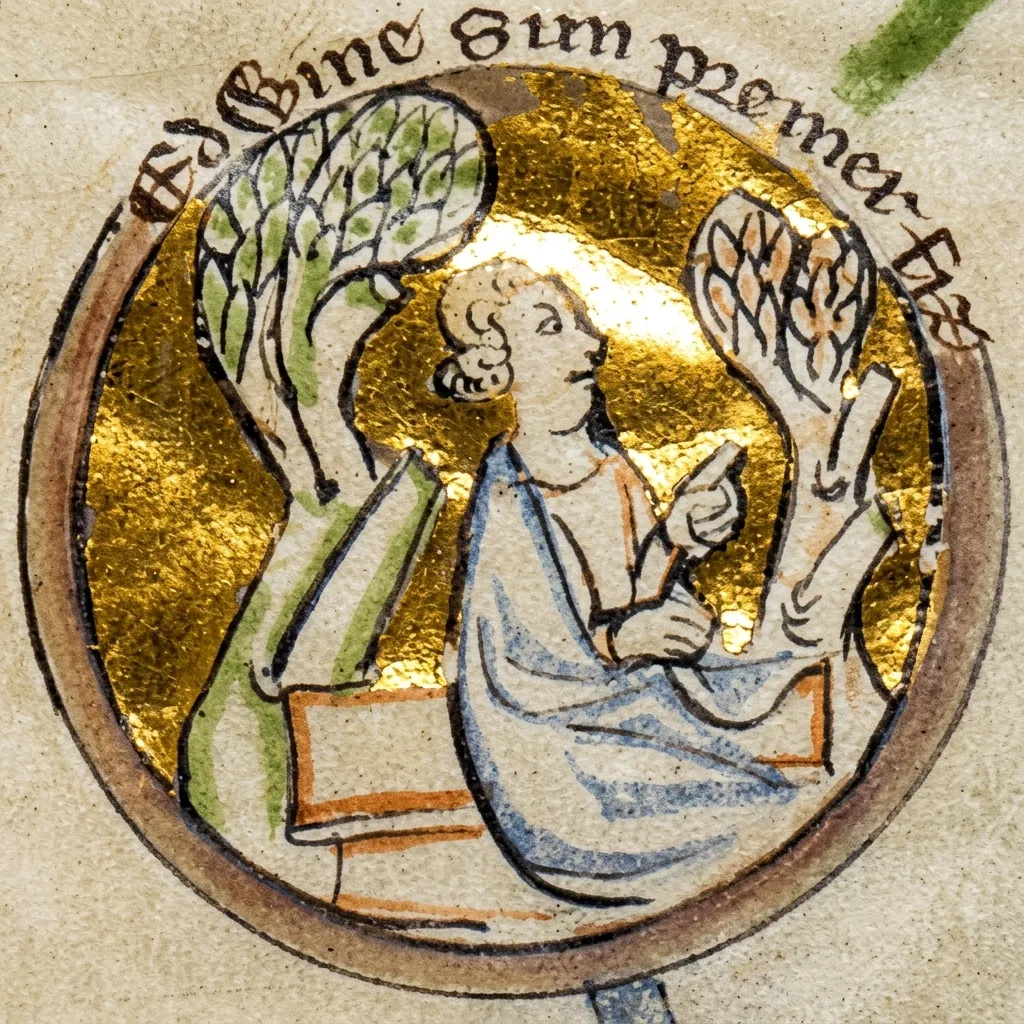
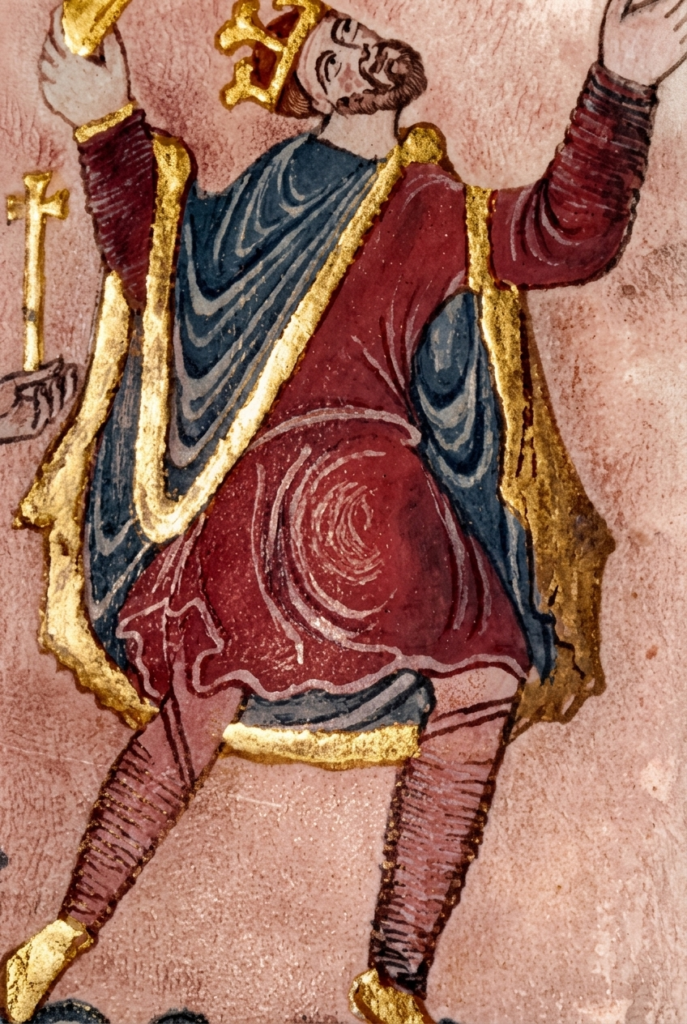
Eadwig ruled England from 955 to 959. He became king at about 15 or 16 after the death of his uncle Eadred. His nickname was “the All-Fair,” probably a reference to his good looks.
Eadwig is generally considered a weak and divisive ruler, though not an outright disaster. And the case against him may have been considerably embellished by hostile monastic chroniclers.
Plus, he got off on the wrong foot almost immediately. He clashed with Dunstan, the powerful churchman who would later become Archbishop of Canterbury.
The story goes that young Eadwig, hormones ablaze, slipped out of his coronation feast to be with a young woman named Ælfgifu and her mother. Dunstan tracked him down and hauled him back to the festivities, thoroughly disgusted with the teenage king.
The tale became medieval shorthand for Eadwig being lecherous, immature, and disrespectful of the church.
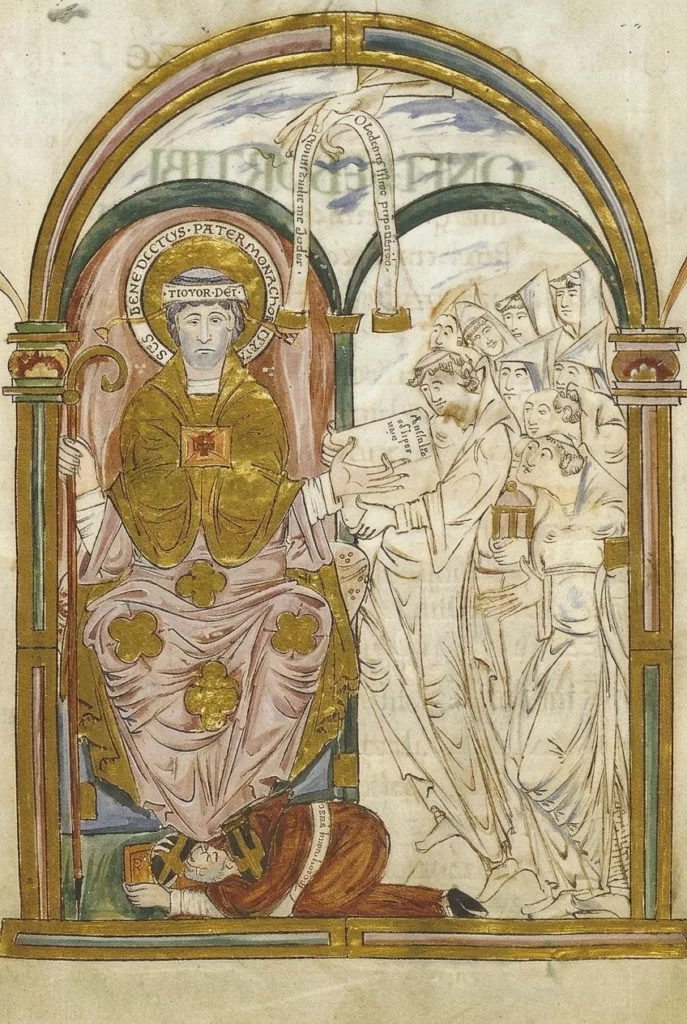
But there’s a problem. The story comes largely from later accounts written by churchmen devoted to Dunstan. So we probably shouldn’t take every salacious detail at face value.
Eadwig eventually drove Dunstan into exile, which naturally did nothing to improve his reputation with the monks writing the history books.
His marriage to Ælfgifu caused another scandal. The church had it annulled, officially because the couple were too closely related. But politics may have played a role as well.
Eadwig’s bigger problem was political. In 957, only two years into his reign, the Mercians and Northumbrians rejected his rule and accepted his younger brother Edgar as their king.
England was effectively divided in two. Edgar ruled north of the Thames, while Eadwig held on to Wessex in the south.
Then Eadwig died in 959, only around 19 years old. He had no children, so Edgar inherited his territory and reunited the kingdom.
Edgar the Peaceful
After Eadwig’s death, Edgar became king in 959. His famous coronation didn’t take place until 973 in the old Roman city of Bath. The ceremony, devised in part by Archbishop Dunstan, became enormously influential. Elements of it survived in English coronations for centuries.
Edgar belonged to the House of Wessex, the royal line descended from Alfred the Great. By the time he took power, England had endured years of dynastic tension and regional division. Edgar managed to pull the pieces back together and presided over one of the most stable reigns of the Anglo-Saxon period.
One of his smartest moves was bringing Dunstan back from exile. Edgar promoted him first to Worcester, then London, and ultimately Canterbury. He became the king’s closest adviser and one of the most powerful churchmen in England.
Together, Edgar and Dunstan backed the Benedictine reform movement. Monasteries were reorganized, church discipline tightened, and religious houses became increasingly important centers of learning, manuscript production, and administration.
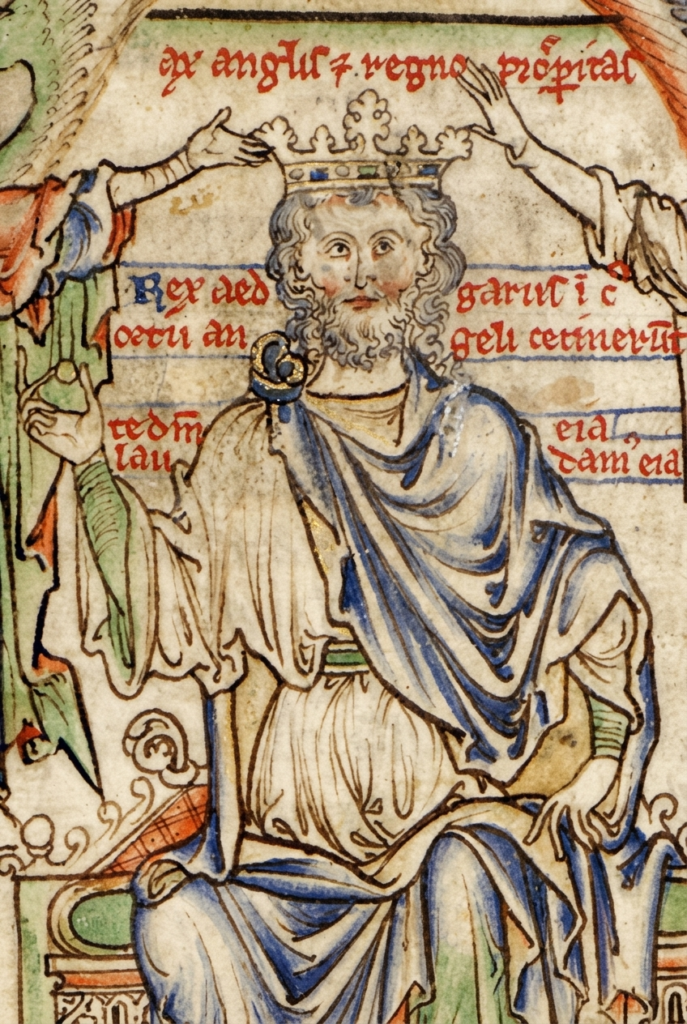
Edgar also had excellent timing. Viking attacks largely subsided during his reign, giving him the breathing room to consolidate royal authority instead of spending every other year putting out military fires. It helped earn him the nickname “the Peaceful.”
His reign is often treated as a high point of late Anglo-Saxon England. Royal government was stronger, the church was being reformed, and the country enjoyed a rare stretch of internal stability.
It didn’t last.
Edgar died suddenly in 975 at only about 31 or 32 and was buried at Glastonbury Abbey. His death immediately reopened the question of succession. His two surviving sons, Edward and Æthelred, became the focus of rival factions at court.
Edward was Edward’s illegitimate son. Æthelred was the legitimate son of his queen. But they didn’t get on. And Æthelred was only 7. Edward got the nod.
So much for the peaceful part.
Edward the Martyr
After the disputed succession, Edward came to the throne in 975. Edward’s character is difficult to pin down.
Some later accounts portray him as violent, hot-tempered, and abusive. Others describe him much more favorably. The sources were written with very different agendas, so the real Edward remains something of a mystery.
His reign coincided with a backlash against the monastic reforms promoted by his father, Edgar the Peaceful.
Land that had been transferred to monasteries became the focus of bitter disputes. As a result, Edward’s short reign was dominated more by powerful nobles and churchmen than by the young king himself.
He never had much time to establish himself.

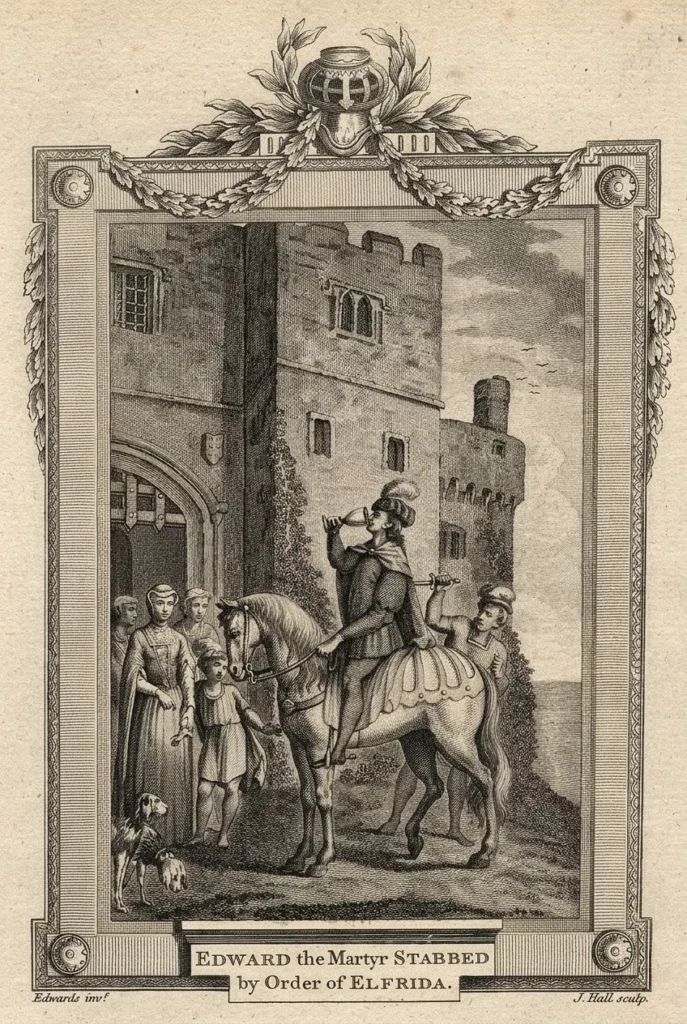
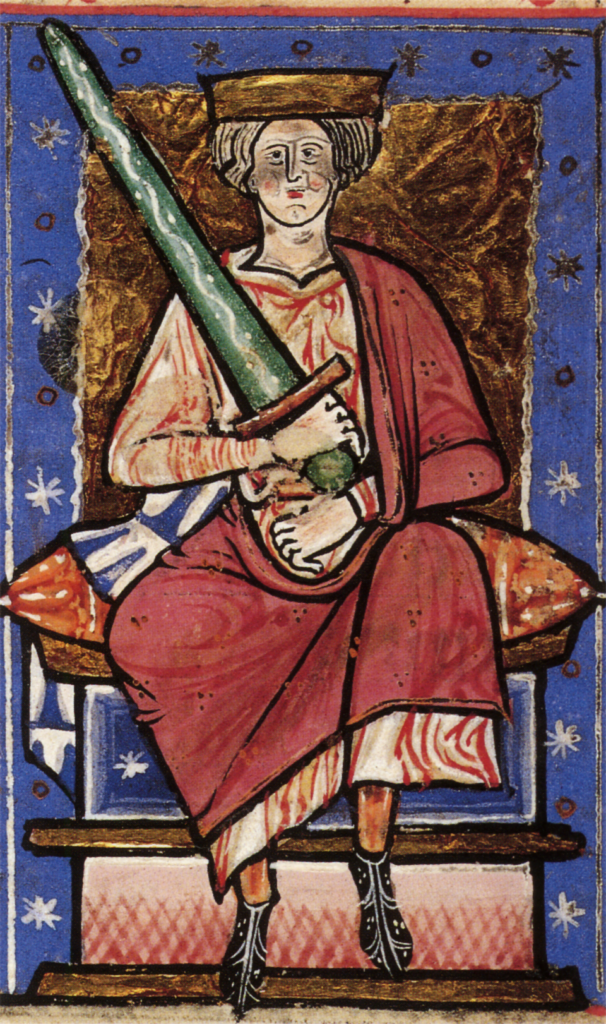
In March 978, Edward was murdered at Corfe Castle while visiting his stepmother Ælfthryth and his half-brother Æthelred. Exactly who arranged the killing is unknown. Later tradition blamed Ælfthryth, conveniently casting the ambitious stepmother as the villain. But there’s no solid evidence that she ordered it.
Edward was reportedly attacked while still on horseback and died almost immediately. His body was initially buried without much ceremony at Wareham.
Then the story took a very medieval turn.
Reports of miracles began circulating around his grave, and his remains were later transferred with great ceremony to Shaftesbury Abbey. The murdered teenager became a martyr saint, his violent death effectively transforming a politically disputed young king into a holy figure.
That’s how Edward acquired the name by which history remembers him: Edward the Martyr.
Æthelred II “the Unready”
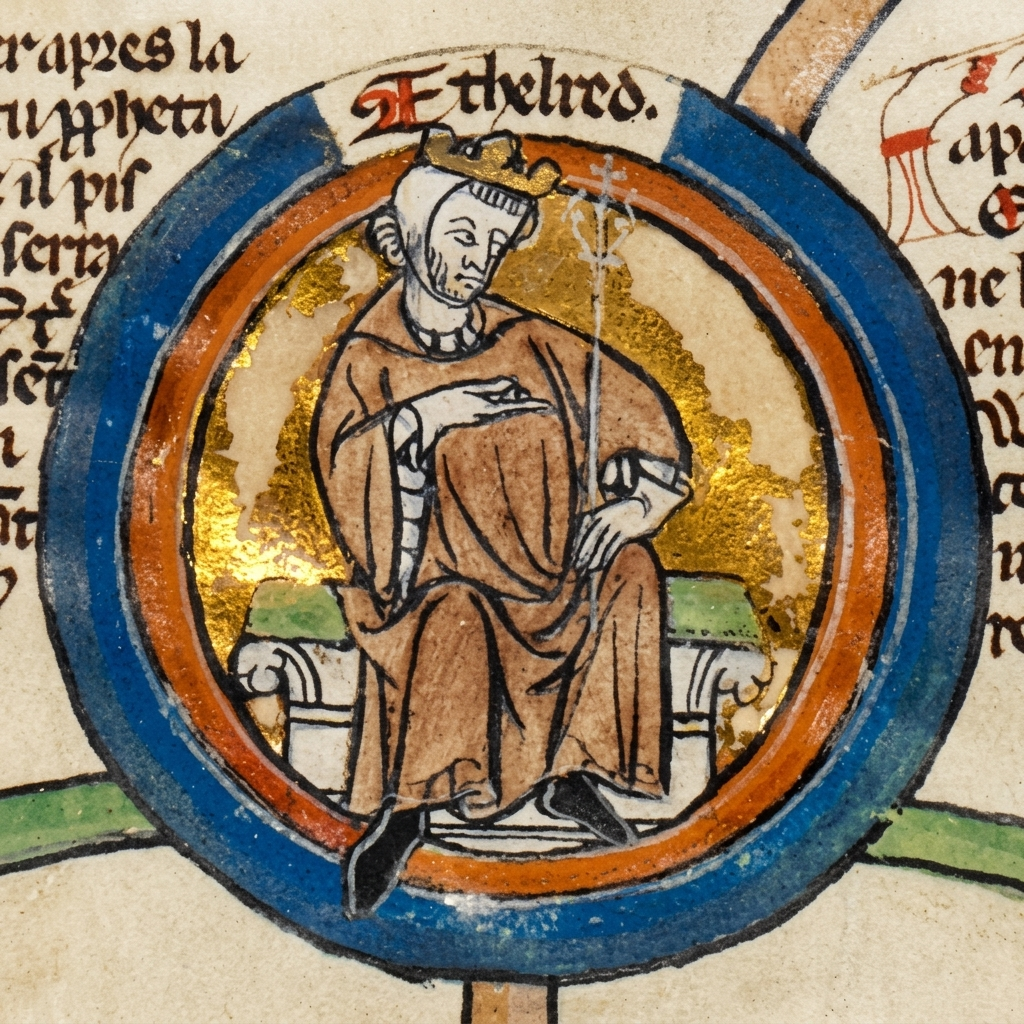
Poor Æthelred the Unready of England. Plagued by intrigues in his court, disunity among his subjects, and frequent attacks by Vikings, he had a long and miserable reign.
He came to power in 978 as a child king, and it didn’t begin well. According to later chroniclers, Dunstan practically cursed the new king at his coronation, predicting that terrible calamities would befall England because Æthelred gained the throne after his brother’s murder.
The story was written down long after the event. But given what happened next, medieval writers understandably found it irresistible.
Right away, and quite ominously, Viking attacks resumed in earnest during his reign. In fact, before long, Viking pressure became the defining crisis of Æthelred’s kingship.
At first, he tried to buy the raiders off with enormous payments of silver, known as Danegeld. It was an understandable short-term solution and gave the English breathing space.
But it was a terrible long-term strategy. England’s wealth was now obvious, and the raids kept coming, often on an even larger scale.
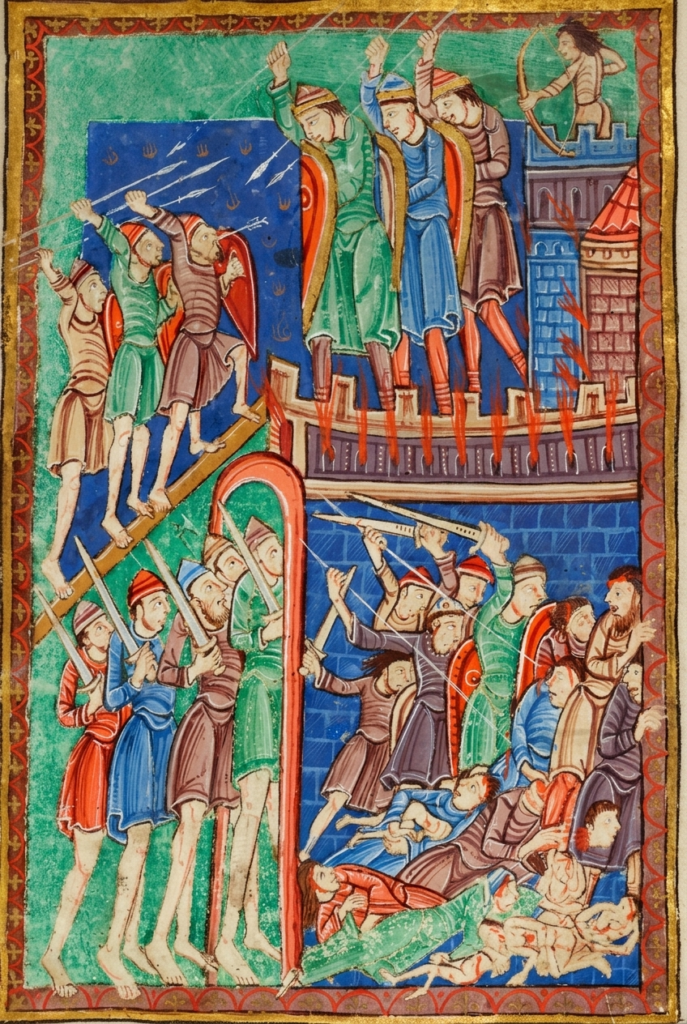
His most notorious decision came in 1002 with the St. Brice’s Day Massacre. Æthelred ordered the killing of Danes living in England whom he suspected of conspiring against him. The scale of the massacre is uncertain, but the order itself was real and only deepened Danish hostility.
Then came Sweyn Forkbeard.
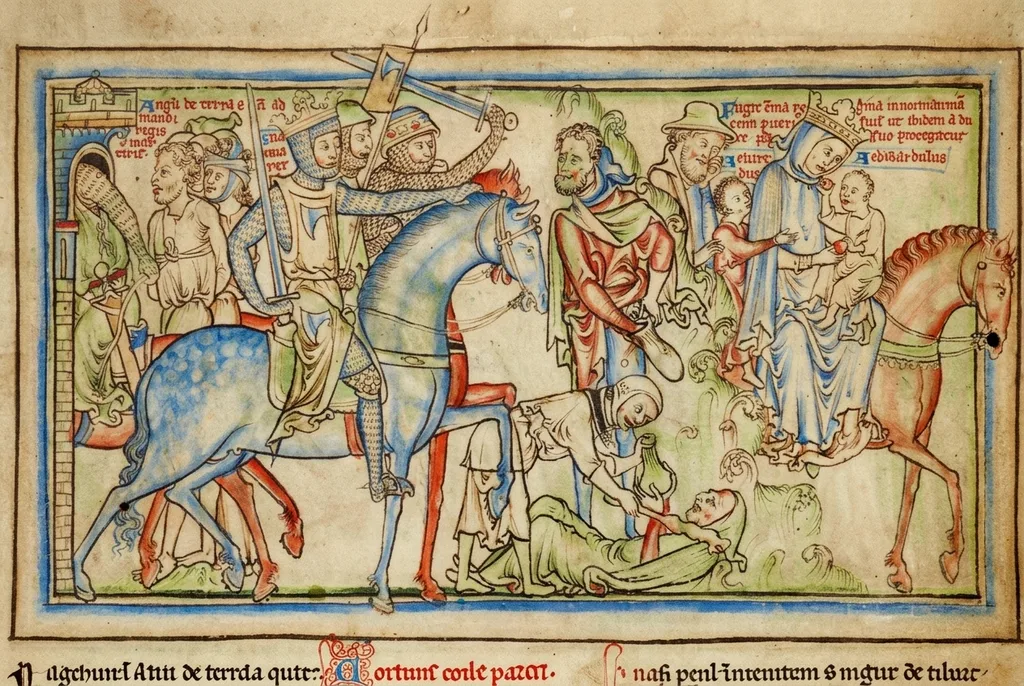
In 1013, the Danish king invaded with enough force to break Æthelred’s position. Much of England submitted, and Æthelred fled to Normandy. Sweyn effectively became king.
But Sweyn died unexpectedly in 1014, giving Æthelred one last chance. He returned to England after promising reforms and better government, though by then the kingdom was badly fractured.
The reprieve didn’t last. Sweyn’s son Cnut came back to claim England for himself, while Æthelred’s own son Edmund Ironside tried to hold the kingdom together.
Æthelred died in 1016 before the struggle was settled.
His reputation never recovered. Later generations saddled him with the epithet “the Unready,” though the Old English word unræd did not mean “unprepared.” It meant something closer to “poorly advised” or “bad counsel.”
Which is almost worse.
But was he really so bad? His ignominious branding as a useless fool may have owed quite a bit to later propaganda.
He wasn’t the first king to pay off raiders. Alfred the Great had done that too. Æthelred also faced a different kind of Viking threat: large, mobile armies that could strike quickly, exploit divided loyalties, and move faster than a king could reliably assemble forces.
England had no permanent navy or comprehensive coastal defense system. Æthelred was trying to defend a long coastline with a political and military structure that was still relatively decentralized.
And much of what we think we know about his incompetence comes from chroniclers writing after disaster had already struck. Once England had fallen to Cnut, it was easy to look backward and turn Æthelred into the obvious villain.
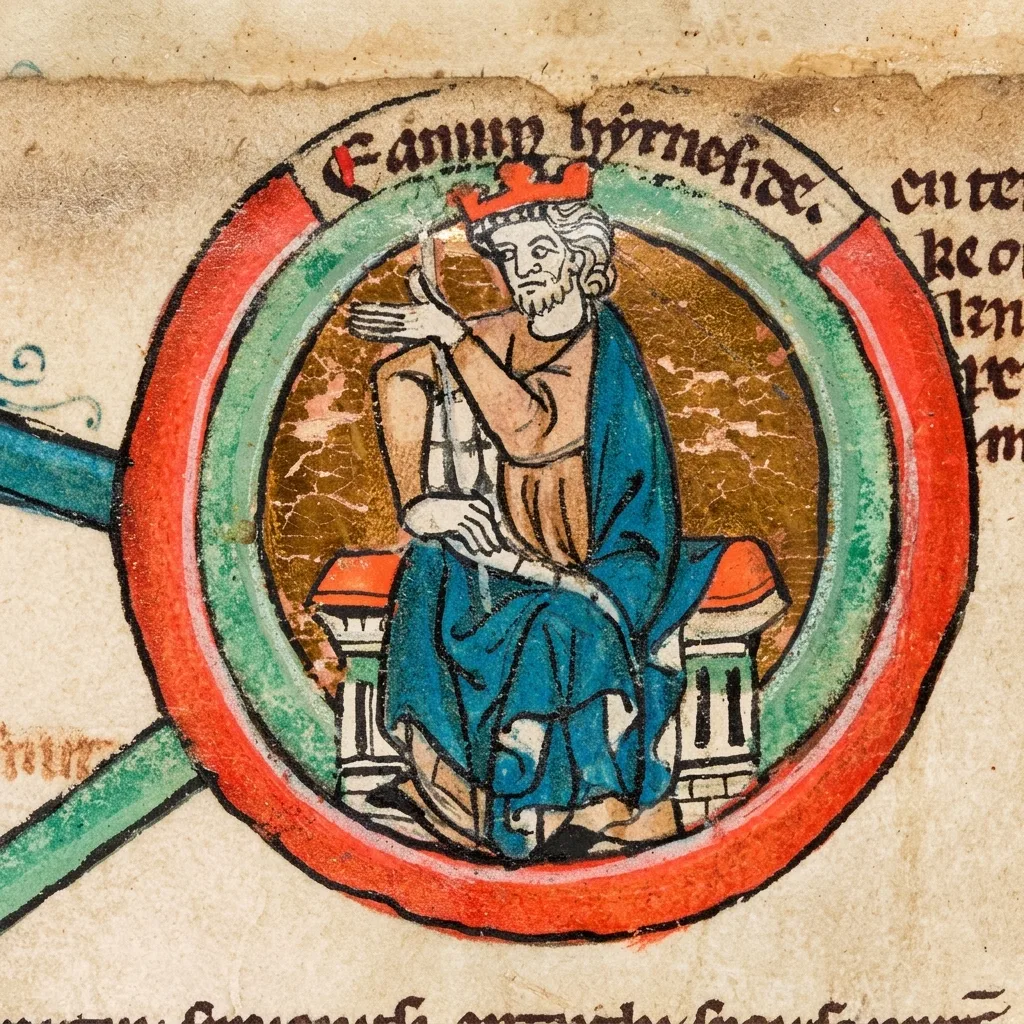
Edmund II “Ironside”
When Æthelred died in April 1016, his son Edmund succeeded him. But he would reign for only about seven months.
Almost his entire kingship was consumed by war with Cnut. But Edmund proved a far more energetic military leader than his father.
He raised armies quickly, fought a rapid series of campaigns across southern England, and managed to win several engagements against the Danes.
The two men clashed repeatedly in 1016, including at Penselwood, Sherston, and Brentford. Edmund could hurt Cnut, but he couldn’t finish him off. The war became a brutal contest of endurance.
The decisive battle came at Assandun in October. Edmund’s army was defeated, possibly after the powerful ealdorman Eadric Streona abandoned the field at a critical moment.
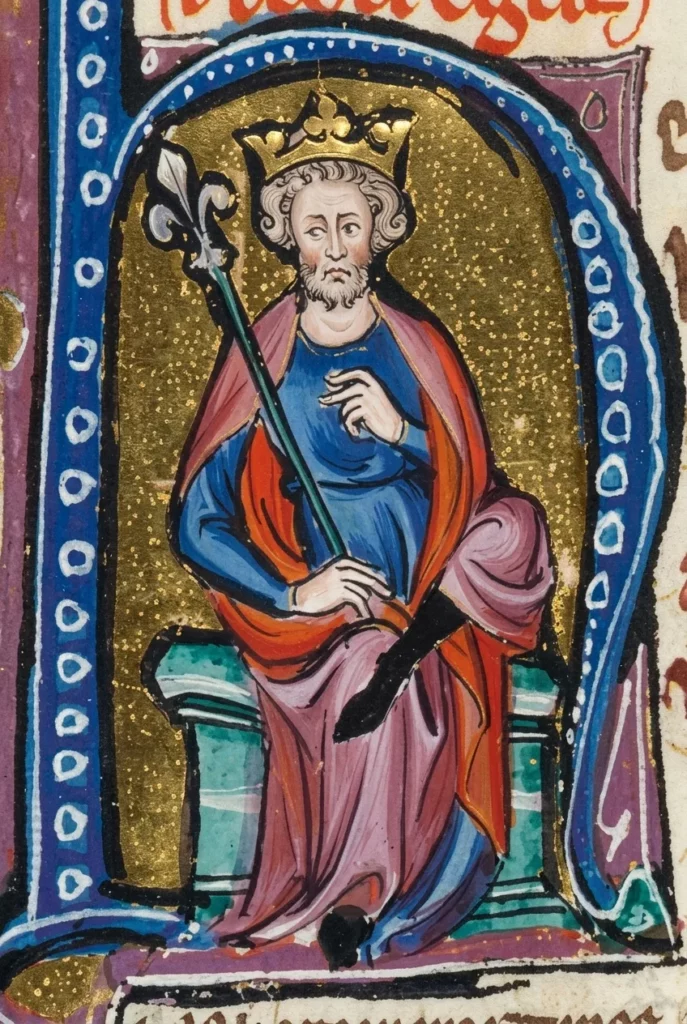
Afterward, Edmund and Cnut met and agreed to divide England between them. Edmund kept Wessex, while Cnut controlled the rest of the kingdom. The agreement also provided that when one of them died, the survivor would inherit the other’s territory.
That happened almost immediately.
Edmund died only weeks later, on November 30, 1016. The cause is uncertain, though later chroniclers naturally supplied some colorful murder stories.
With Edmund gone, Cnut became king of all England as well as Denmark, Norway, parts of Sweden, Pomerania, and Schleswig, making him Cnut the Great. He married Æthelred’s widow, Emma, went on pilgrimage to Rome, and eventually endeared himself to the populace.
For the House of Wessex, though, it was a devastating defeat. But Edmund had fought hard enough, and stubbornly enough, to earn the nickname by which he’s still remembered: “Ironside.”
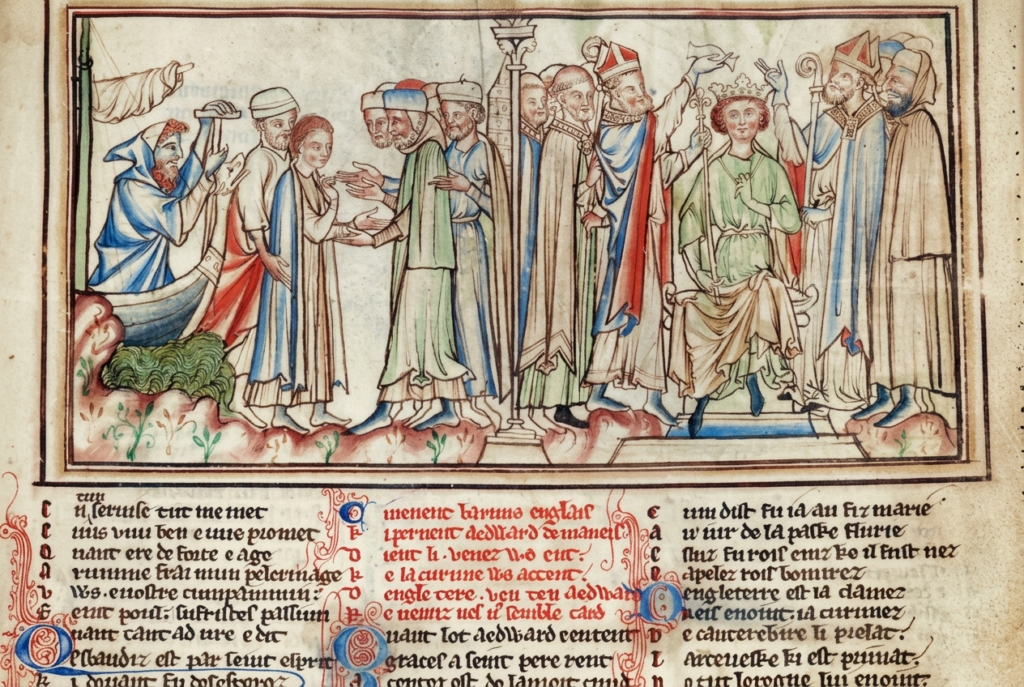
Edward the Confessor
Edward the “Confessor” ruled England as a childless monarch. He acquired his saintly reputation because of his intense piety. According to later tradition, his marriage to Edith was never consummated. Whether that was actually because of a vow of chastity is another question.
Edward was not a particularly forceful king. As a young man, he was driven from England by Cnut and his successor and spent roughly 25 years in exile, much of it in Normandy.
He finally returned in 1041 and succeeded his half-brother Harthacnut the following year. The Danish line simply ran out of viable heirs, and Edward was the strongest legitimate Anglo-Saxon claimant standing.
While abroad, Edward became thoroughly familiar with Norman aristocratic culture and surrounded himself with Norman friends and advisers after taking the throne.
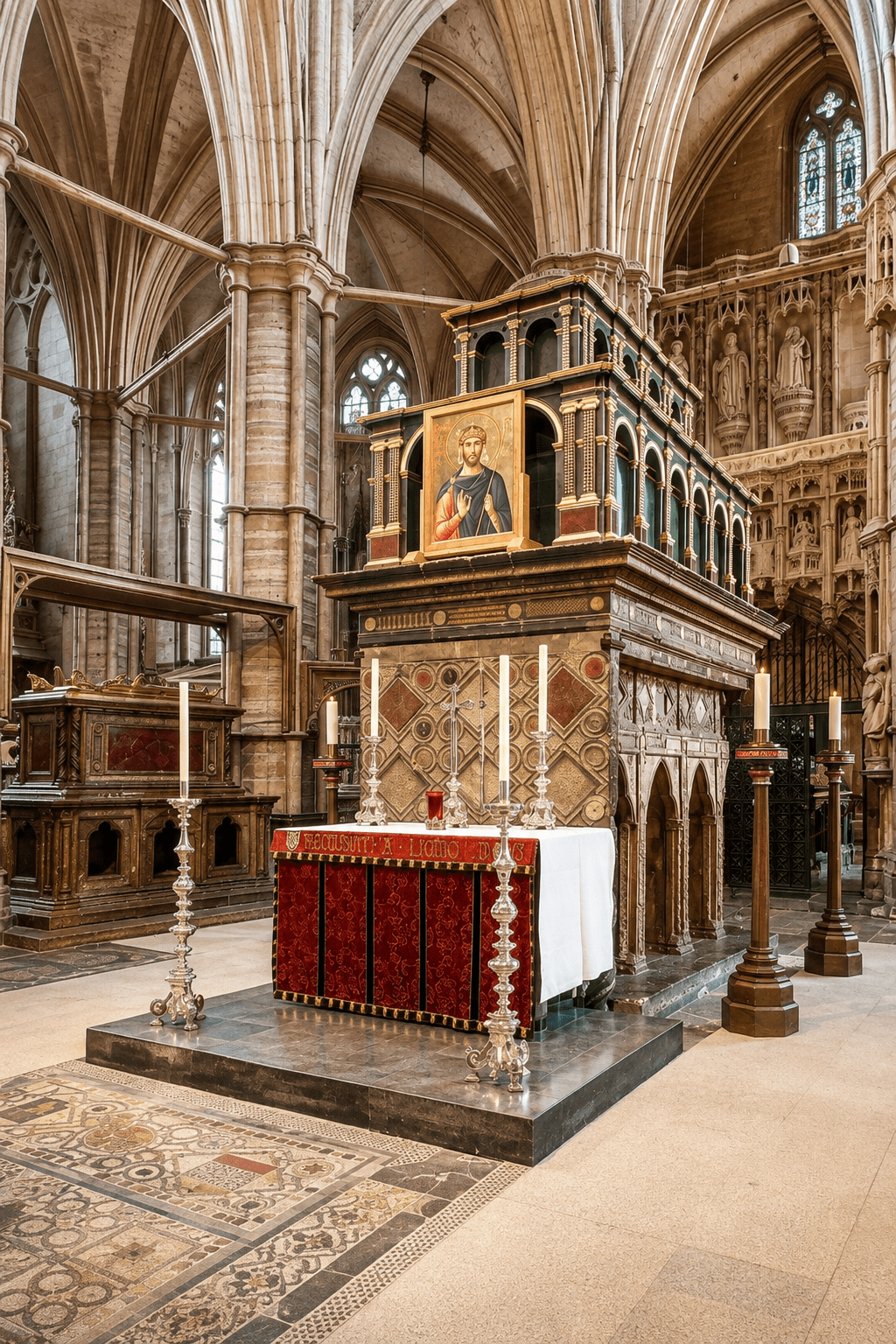
According to Norman sources, Edward later promised the English crown to his cousin William, Duke of Normandy. There’s no contemporary English record of such a promise, and whether Edward ever made one remains disputed.
Whatever promises Edward made, ruling England required him to tread carefully. Powerful Anglo-Saxon earls, especially the Godwin family, controlled enormous territories and military resources. Edward may have worn the crown, but he couldn’t simply order England around.
According to later tradition, Edward vowed during his exile to make a pilgrimage to St. Peter’s Basilica in Rome if he ever regained his position. Once king, leaving England for an extended pilgrimage proved politically impossible.
The pope supposedly released him from the vow on condition that he restore a monastery dedicated to St. Peter. The result was Edward’s great new church at Westminster, the predecessor of today’s Westminster Abbey.
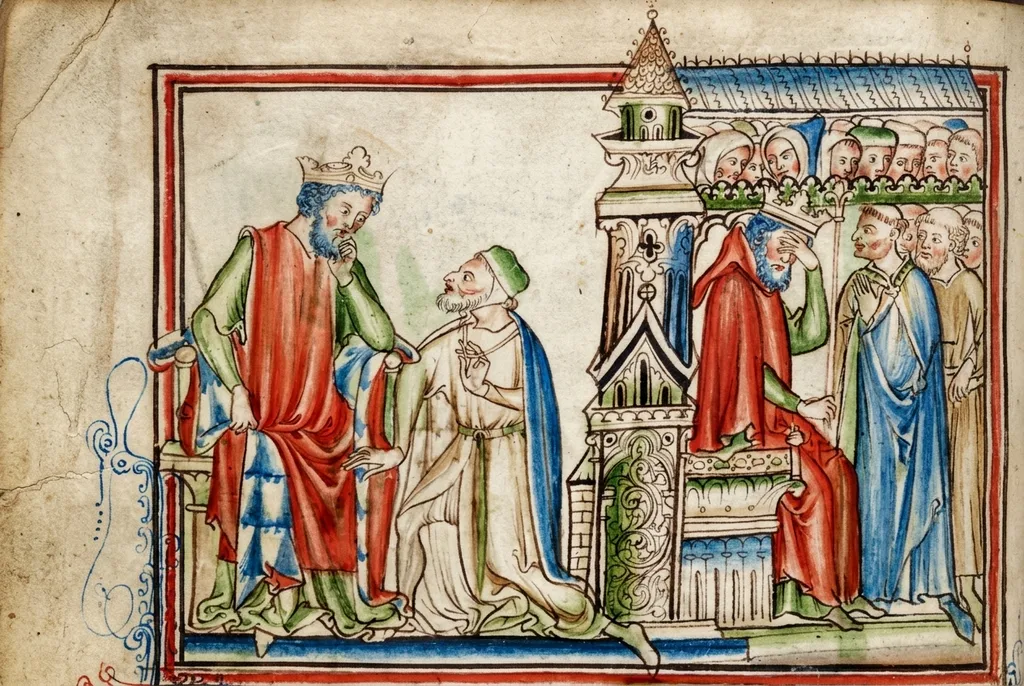
And Edward had a much bigger problem than an unfulfilled pilgrimage. He had no heir. That made the final years of his reign increasingly dangerous.
William of Normandy believed he was promised the throne. Harold Godwinson was the most powerful nobleman in England. Other claimants were circling too.
Edward died on January 5, 1066. On his deathbed, he entrusted the kingdom to Harold, who was chosen king almost immediately.
William was outraged. He’d spent years cultivating his claim, had a formidable military reputation, and considered Harold not merely a rival but an oath-breaking usurper.
He was not going to shrug, send congratulations, and move on. No, he wanted the incredible wealth of England for himself. Harold beware!
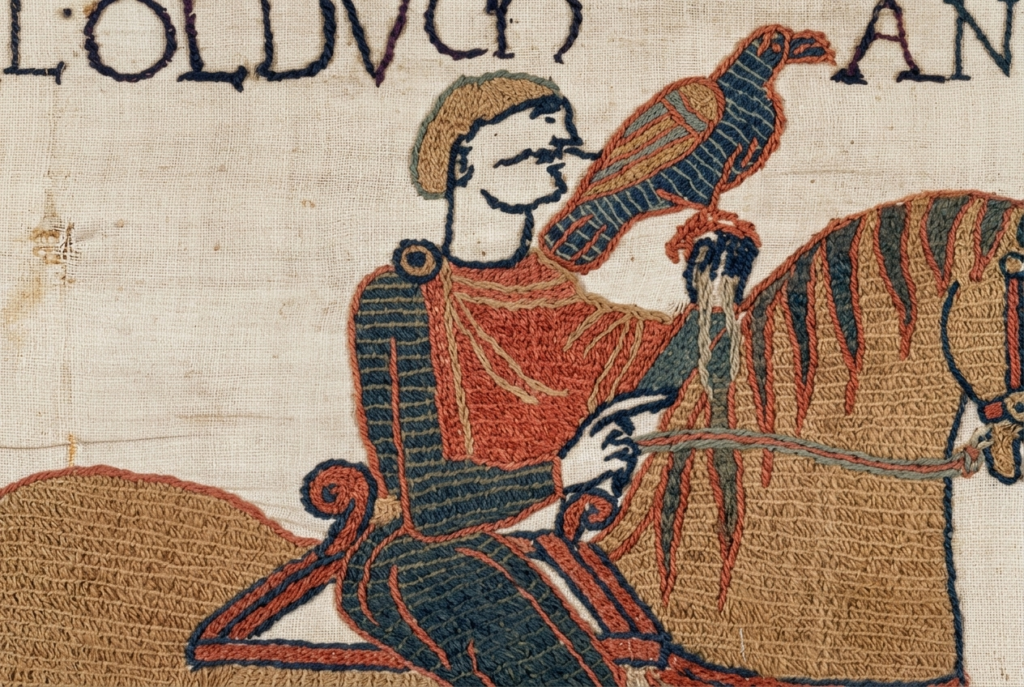
Harold II Godwinson
On January 6, 1066, Harold Godwinson was crowned king at Westminster Abbey. His reign would last only nine months. And he’s often called the “last English king.”
Before William of Normandy ever set foot in England, Harold faced another invasion from the north. In September, the Norwegian king Harald Hardrada landed with Harold’s estranged brother Tostig and defeated an English force at Fulford.
Harold responded with remarkable speed. He marched his army north from London and met the invaders at Stamford Bridge on September 25. Hardrada and Tostig were both killed, and the Norwegian army was shattered.
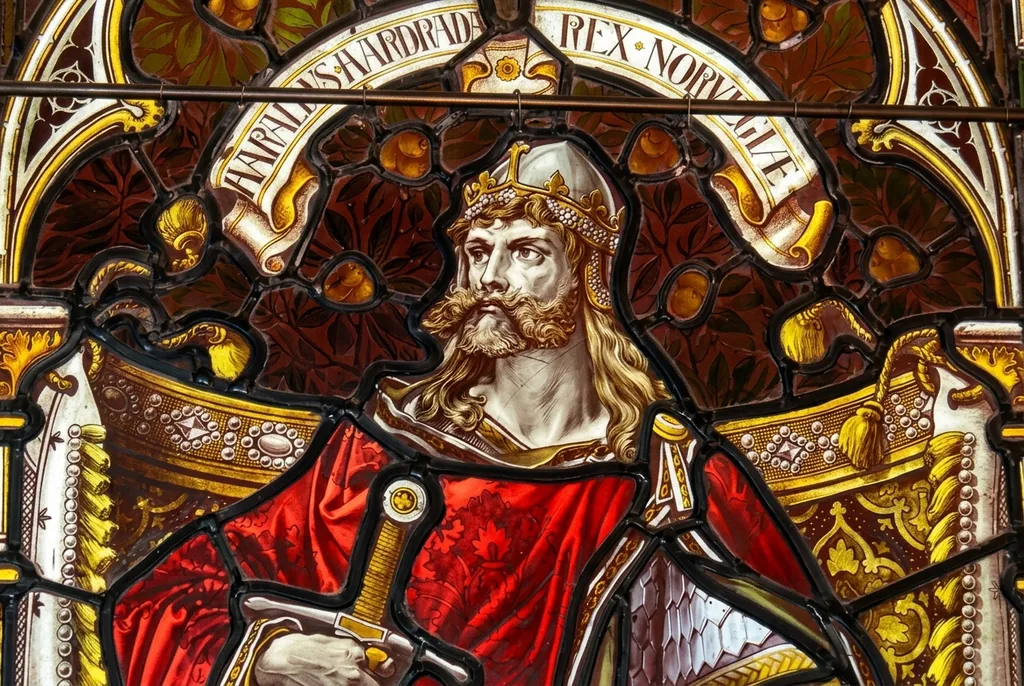
It should have been Harold’s great triumph. Instead, three days later, William landed in Sussex.
Harold now had to reverse course and hurry south with an exhausted army that had just fought a major battle hundreds of miles away. Within weeks, he was facing William in the Battle of Hastings.
Harold’s forces took up a strong defensive position on Senlac Hill, forming the dense shield wall that had long served Anglo-Saxon armies well.
But William brought a more flexible force of archers, infantry, and mounted knights, and the fighting dragged on for most of the day.
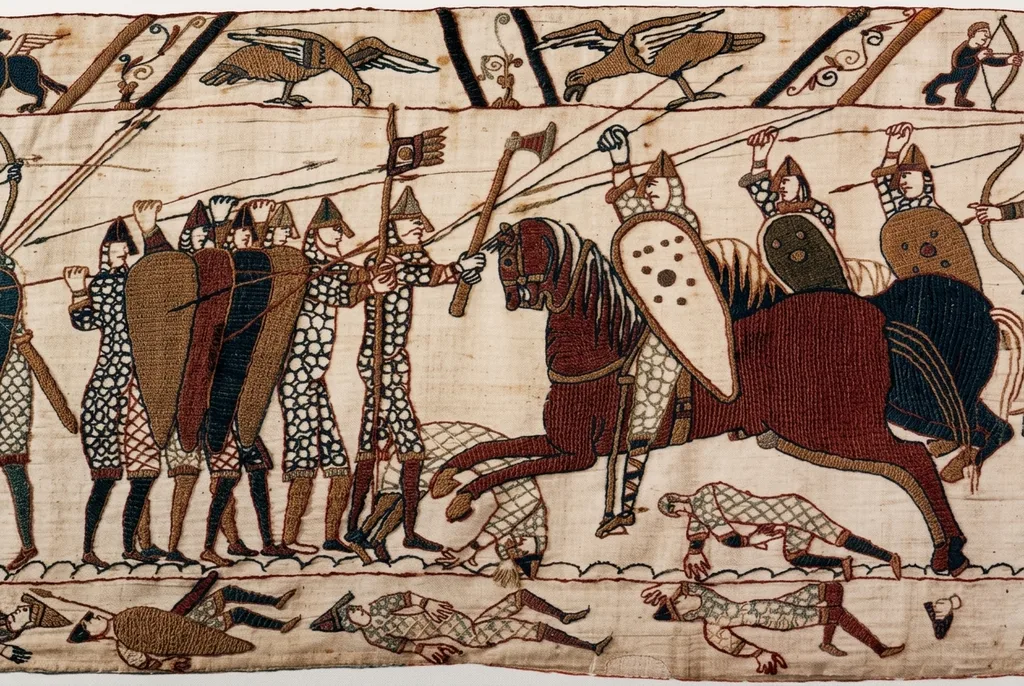
Eventually, the English line broke. Harold was killed.
Though the famous story that an arrow struck him in the eye may be more legend than fact. Once he was dead, organized resistance on the battlefield collapsed.
That makes Harold’s reign more tragic than incompetent. He defeated one of the most dangerous Viking armies in Europe and then, almost immediately, had to confront a second invasion from the opposite end of the country.
Even after Hastings, William hadn’t automatically won England. Powerful nobles still supported Edgar the Ætheling, the last male member of the old royal house. For a brief moment, he was chosen as king. But he was never crowned.

William answered with force. He moved toward London, ravaging territory along the way and making resistance increasingly costly. By Christmas Day 1066, enough of the English elite had submitted for him to be crowned king in Westminster Abbey.
Edgar the Ætheling resisted William for a period and then eventually reconciled with the king and his sons.
Harold Godwinson’s death marked the end of Anglo-Saxon rule and transformed England forever. The Norman Conquest that followed transformed England’s aristocracy, government, architecture, and landholding system.
I hope you’ve enjoyed my guide to the Anglo-Saxon kings of England. You may find these other English history guides interesting:
- Royal Whodunits
- English myths
- History of Medieval and Tudor England
- Tudor queens of England
- Power Women of Medieval & Tudor England
- Historical Mistresses and Favorites
- Wives of Henry VIII
Pin it for later.