
Guide To London’s National Portrait Gallery, A Walk Through English History
Fancy a who’s who of English history? If so, head to the newly-reopened National Portrait Gallery in London. I’ve been wanting to go back forever. But on each recent visit

Fancy a who’s who of English history? If so, head to the newly-reopened National Portrait Gallery in London. I’ve been wanting to go back forever. But on each recent visit
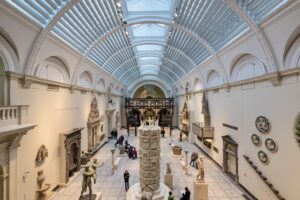
“Welcome to 5,000 years of human ingenuity in art and design” says the map leaflet of the Victoria & Albert Museum. And that pretty much sums up the institution know
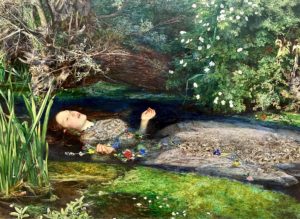
Are you a fan of the Pre-Raphaelite artists traveling to London? If so, this guide’s for you. I take you on a tour of the most famous Pre-Raphaelite paintings in
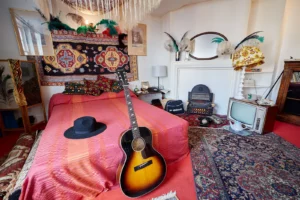
The Handel-Hendrix House in London is an extremely unique museum. It’s the home and creative space of two of the greatest musicians ever to live in London … 200 years
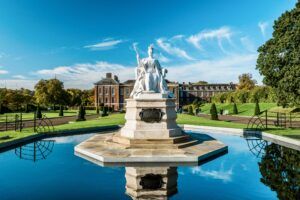
Kensington Palace is a historic treasure trove steeped in over 300 years of royal history. Nestled amidst the lush Kensington Gardens, the palace has witnessed countless tales of love, power,
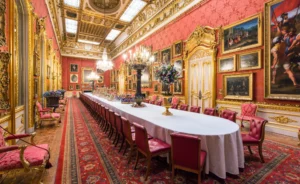
Apsley House is the only aristocratic mansion in London open to the public. It’s the historic home of the Duke of Wellington, the “Iron Duke.” After beating Napoleon at the
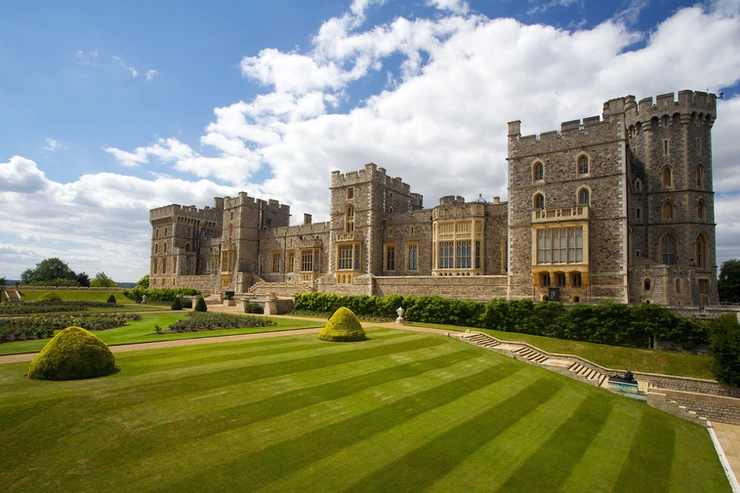
Windsor Castle is a striking 11th century castle that’s the official home of the royal family. The palace is the longest occupied royal residence in the world. It’s been the
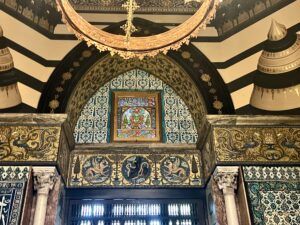
If you want to get off the beaten path in London, head to the beautiful Leighton House in Kensington. The museum is the former home and studio of famed Victorian
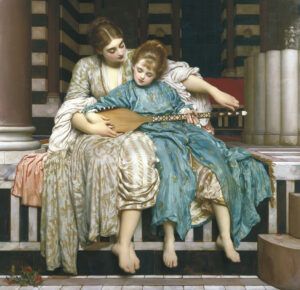
The Guildhall Art Gallery houses the City of London’s art collection. Opened in 1886, it’s located in the Square Mile, the historic and financial district of the city. The Guildhall
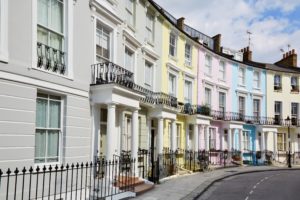
Looking to explore London beyond the typical tourist hotspots? Look no further. In this guide, I take you on a journey to discover some of the city’s most magnificent hidden